
Budapest was the first city of our 2016 Winter Trip. It was the first time we'd seen cold like that in Europe. The sun showed itself coyly now and then. But I can say that walking around Budapest in January without thermal underwear was almost impossible. We set aside 2 days 1 night for our Budapest trip :) Here's the Budapest Travel Guide..
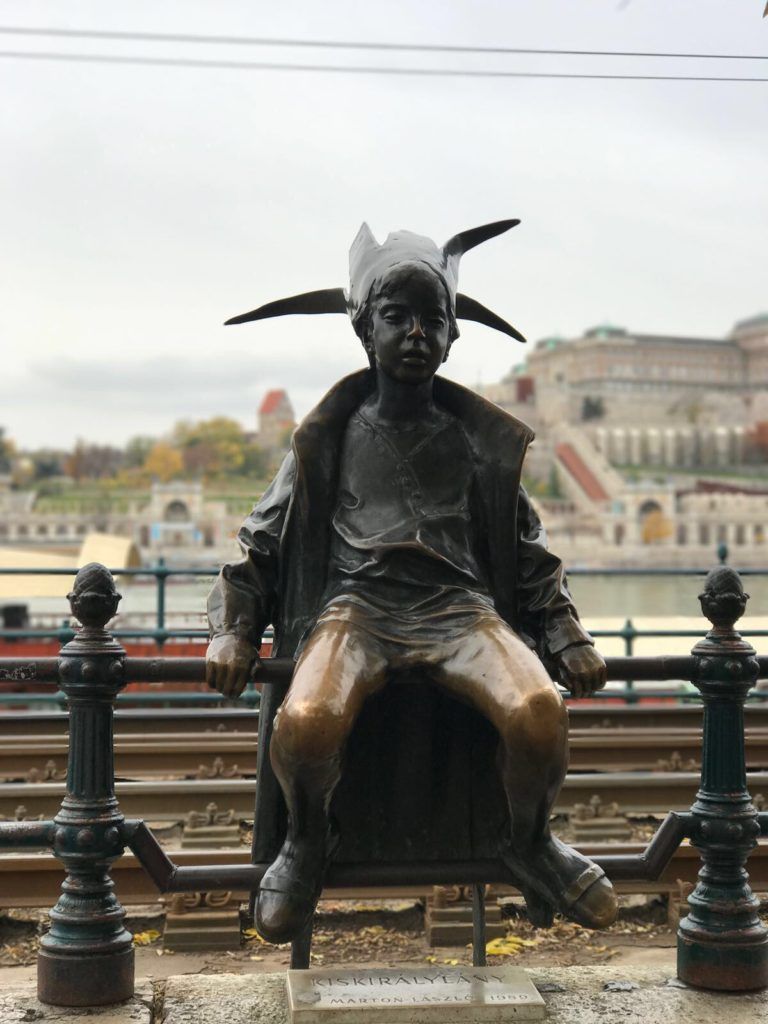
1. THINGS TO KNOW ABOUT BUDAPEST
Budapest, the capital of Hungary and a symbol of Central Europe's historic fabric, is made up of the cities of Buda and Pest, which cover the two opposite banks of the Danube. If you ask what our place is in this city's history;The Ottoman Period
Buda and Pest, first conquered by Suleiman the Magnificent in 1526, were lost in 1686 after a century and a half of Turkish rule. During Turkish rule, because it was the centre of a beylerbeyilik relatively easily reached from Istanbul via the Black Sea and the Danube, it was easily Turkified. Buda and Pest, located where trade routes met, on the one hand took on the look of a rich trading city, while the various foundations established here gave this Central European city the look of an Ottoman settlement.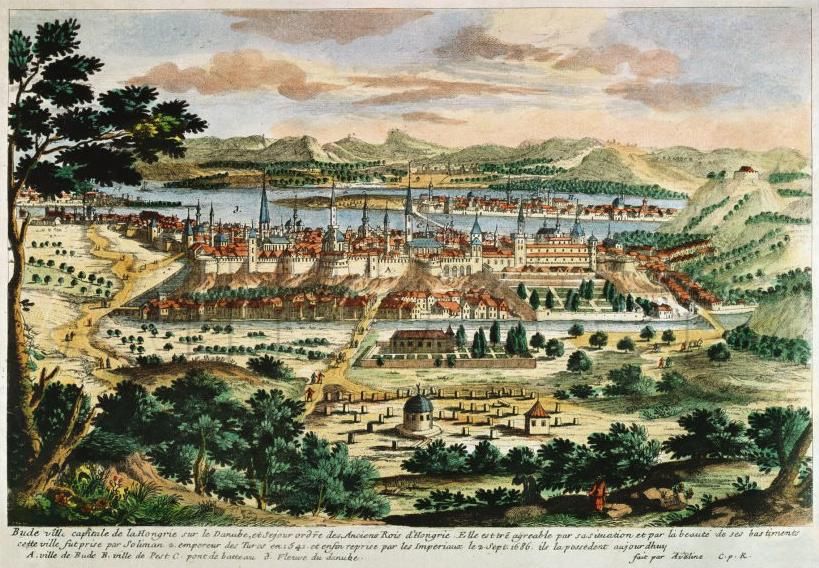
@Pinterest - Nevint Kurtay
The Seyahatname of Evliya Çelebi, who visited here in 1662, contains a detailed description of Buda and Pest. Evliya Çelebi reports that Buda had 25 mosques, 47 masjids, 12 madrasas, 16 schools, 2 hamams, 8 hot springs, 9 hans, 1 clock tower and 1 bedesten.The 19th Century
In the 19th century Hungary's struggle for independence and its modernisation shaped the character of the period. In 1848 an uprising against the Habsburgs began in the capital and was suppressed a year later. Budapest became one of the two capitals of the Austro-Hungarian Empire, born of the Austro-Hungarian Compromise of 1867. The Chain Bridge, the first permanent bridge connecting Buda and Pest, opened in 1849. Pest began to become the country's administrative, political, economic, commercial and cultural centre.The 20th Century
After the Austro-Hungarian Empire collapsed at the end of World War I, the Republic of Hungary was declared. The Treaty of Trianon, signed in 1920, led to the country being divided and Hungary losing two thirds of its population and territory.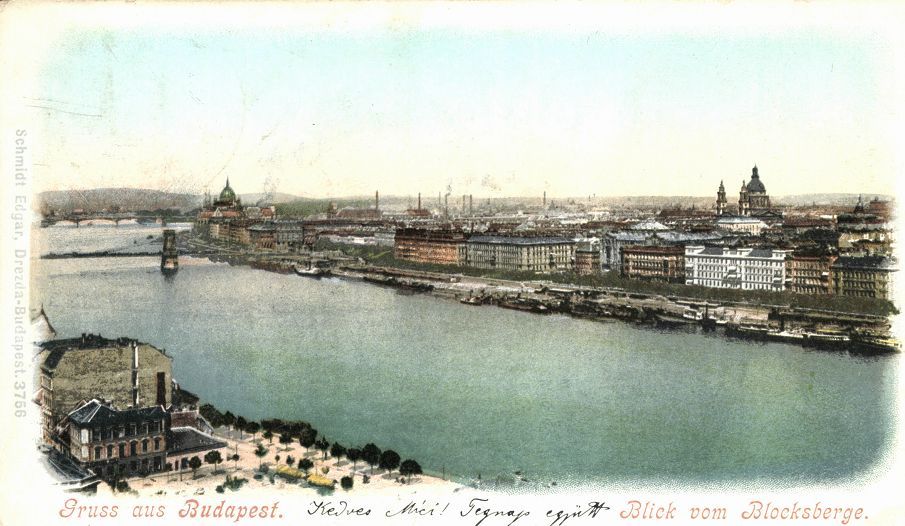
Taken from @constanseuforia.
In 1944, towards the end of World War II, Budapest was partly destroyed by British and American air raids. But the lion statues on the Chain Bridge survived the destruction of the war. More than 38,000 civilians lost their lives during the fighting. Between 20% and 40% of the 250,000 Jewish population in Budapest died through the Nazi genocide in 1944 and early 1945.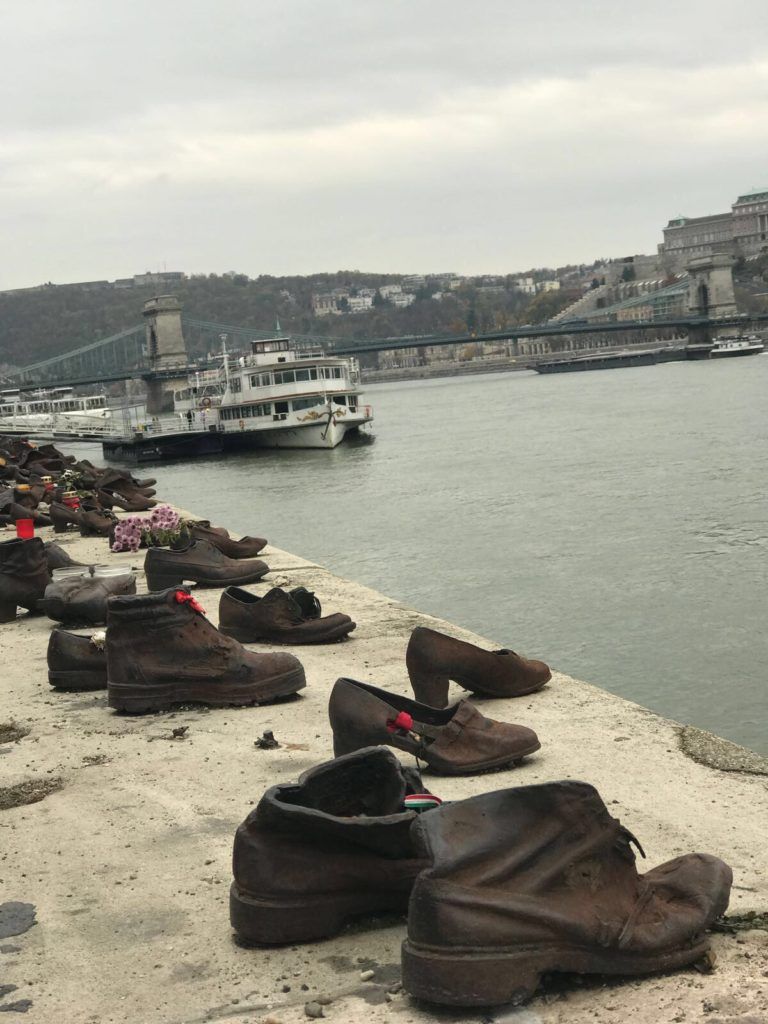
In memory of the Jews killed on the Danube, who were made to take off their shoes
On 23 October 1956 peaceful demonstrations demanding democratic change began in Budapest. The demonstrators went to the Budapest radio station and asked for their demands to be broadcast. The government ordered the demonstrators to be shot, but the Hungarian soldiers gave their weapons to the demonstrators and enabled the building to be taken. In 1987 Buda Castle, on the bank of the Danube, was included in the UNESCO World Heritage list. Andrássy Avenue (including the Millennium Underground, Hősök tere and Városliget) was added to the UNESCO list in 2002.2. PLACES TO VISIT IN BUDAPEST
Budapest, which has hosted many historic events, holds very important and beautiful treasures as one of the old civilisations. Centuries-old houses, streets and buildings, bridges each lovelier than the last, statues rising on every square and every corner, past and present, together enjoy time flowing calmly and quietly.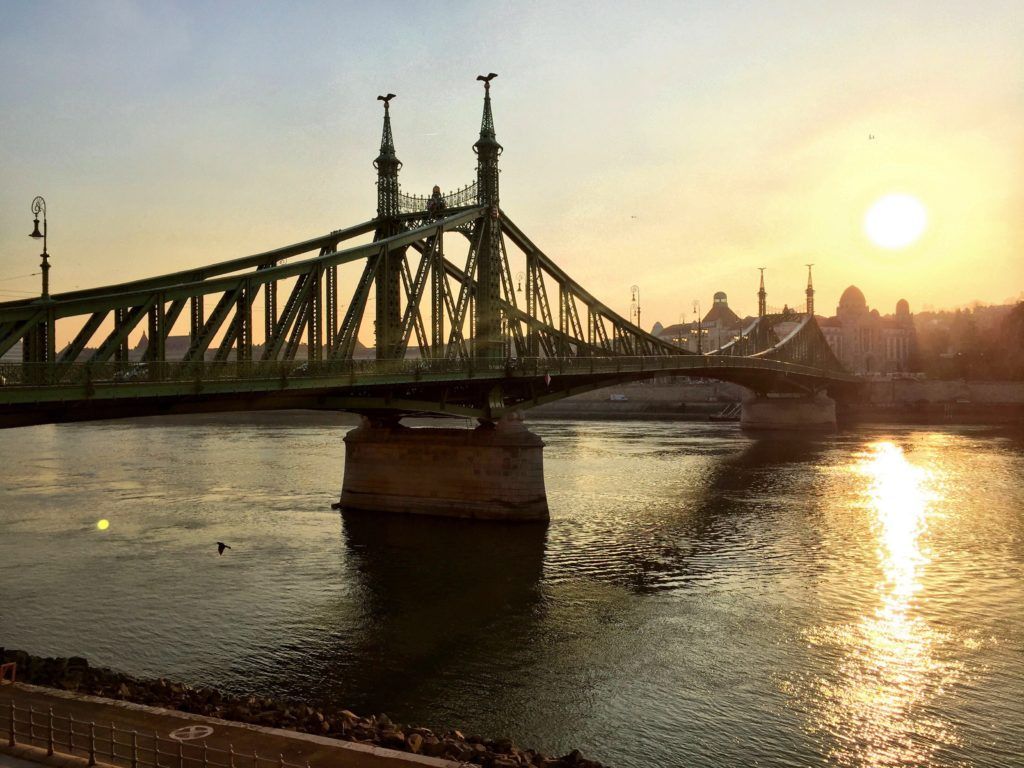
Liberty Bridge
Budapest Places to Visit - click the link to reach the detailed list of places to visit.3. WHERE IS BUDAPEST?
Budapest, the capital of Hungary, is in Central Europe and is Hungary's largest and most populous city. It's also the seventh largest city in the European Union.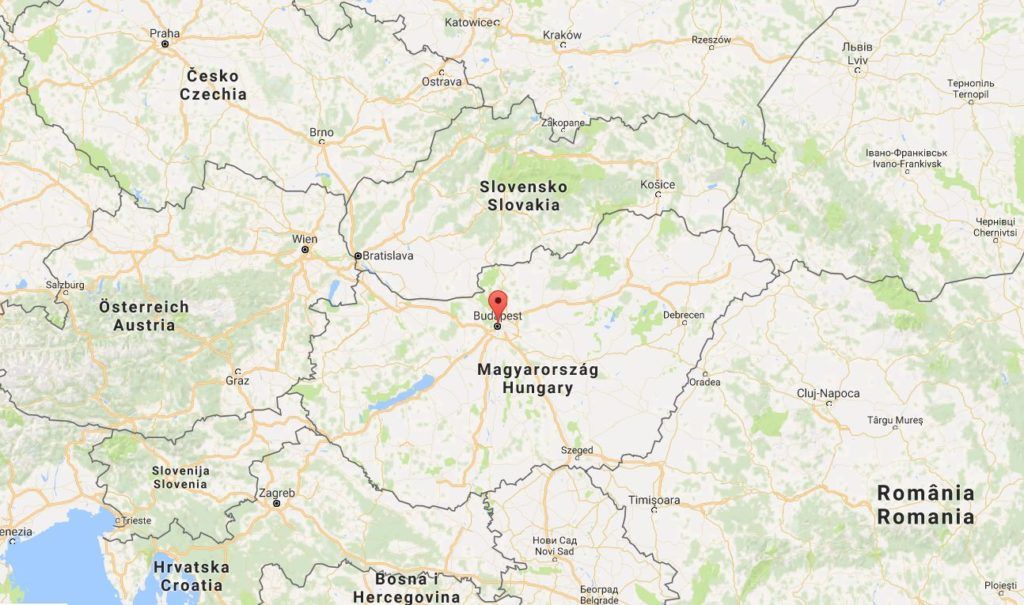 It borders Slovakia to the north, Austria to the west, Slovenia and Croatia to the southwest, Serbia to the south, and Ukraine and Romania to the east.
4. WHEN TO GO TO BUDAPEST?
In Budapest, which has a humid climate, temperatures rise to 25-30 degrees in the summer months and drop to around 0 in the winter months. Those who, like us, discover the city in winter should take care to dress in thin but many layers. Although the weather conditions may seem to make your trip harder, if you have the necessary clothes and gear you can enjoy travelling in winter.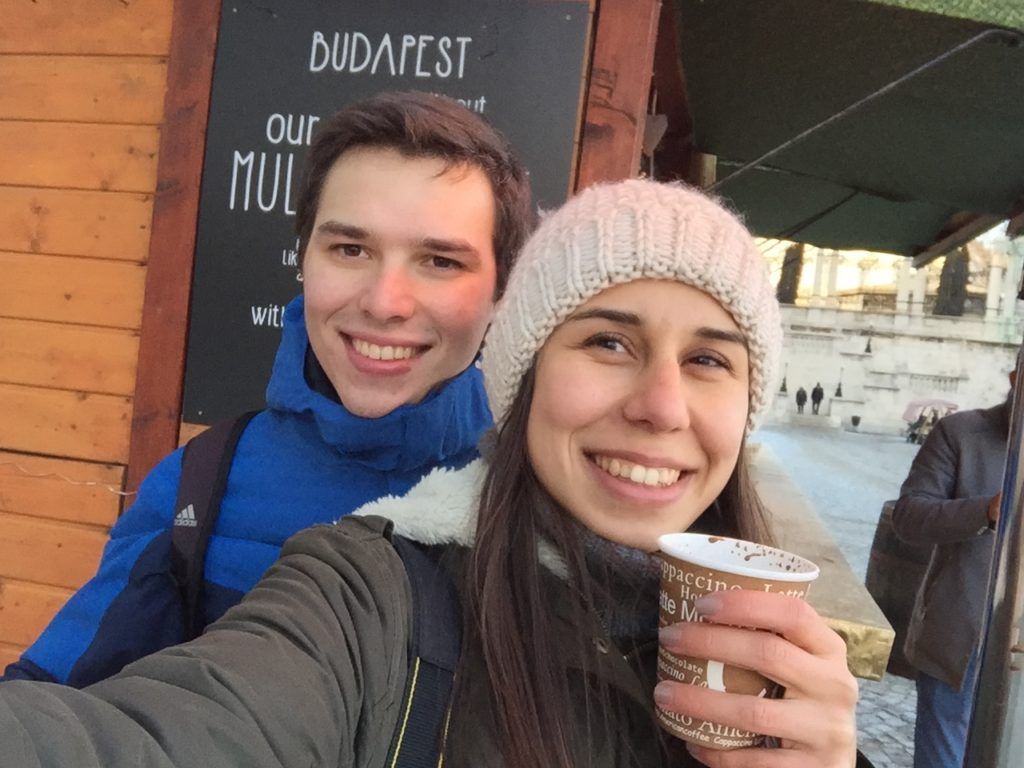
The pleasure of hot chocolate in the cold
Note: I can say it's almost impossible to walk around without thermal underwear in January-February. Gloves/a beanie are also a must!5. HOW TO GET TO BUDAPEST?
Ferenc Liszt International Airport, 16 kilometres from Budapest city centre, has won the best airport in Europe award 3 times in a row. Flights from Istanbul to Budapest operate every other day and non-stop. Pegasus and Turkish Airlines are the airlines flying from Istanbul. If you say you'd like to go cheaper, options with a connection may also come up. In those cases your choices increase considerably. To get from the airport to the city centre, you should take bus 200E from the Liszt Ferenc Airport 2 stop, get off 11 stops later at Kőbánya-Kispest M and transfer to the M3 metro line.6. WHERE TO STAY IN BUDAPEST?
Although Budapest could be considered cheap, things change a bit when it comes to accommodation. Like other European cities, Budapest is quite a small city. Its places to visit are generally gathered in one area. Because the places to visit are on the Pest side and almost ninety percent of the hotels are located here, my advice is to stay on the livelier Pest side.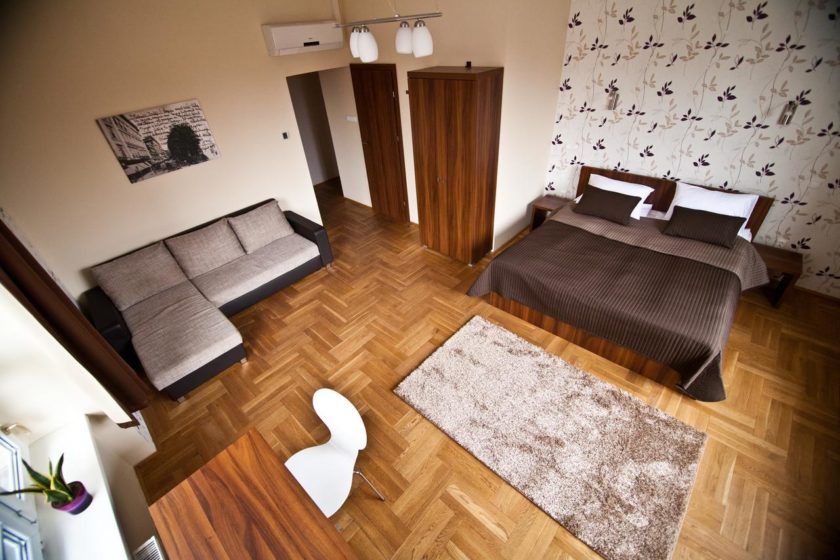
Hotel Sasone
The most expensive hotels to stay at in the city are the many-starred hotels around the Danube. Of course we travellers only see these places while touring the river. We tend to choose hotels focused on value for money. It's worth not going too far from the centre, and if you do, you won't have trouble because the transport infrastructure is very good. You can stay in hotels around Heroes' Square, on Teréz and Erzsébet Boulevards, and in areas close to Nyugati and Keleti train stations. Our choice was Hotel SasOne, close to the river. Location-wise it's close to perfect; you can get everywhere on foot. The breakfast more than satisfied us too. There's also a metro station right nearby.7. BUDAPEST AIRPORT/GETTING AROUND THE CITY
The best way to get around in Budapest is the metro and tram; using the metro, which runs on 3 different lines, and the tram, which has 30 lines, saves you from the traffic.You can check the tram line timetables while waiting at the stops. The lines we used most were 2, 4, 6, 47 and 49. If you have little time and want to sightsee, you can use tram line 2, which runs along the Danube.
We generally reached the places to see with brisk walks in the morning hours, when our energy was high. Towards the evening we started using public transport. You can buy tickets from the ticket offices in metro stations, from ticket machines or from newspaper kiosks. At almost every metro station there are officers checking tickets; travelling without a ticket is a big risk. We recommend you take care.
A single-use ticket is sold for 350HUF, 450HUF if you buy it from the bus driver, and a 10-ticket pack for 3000HUF. When you get on a vehicle, you validate your ticket in the machine and can travel for 60 minutes.
For metro and tram maps, click here!
Europe's Oldest Metro, the M1 Metro Line
Right opposite the historic patisserie is Europe's oldest metro line, the M1. Opened on 2 May 1896, it holds the title of the world's third oldest underground rail system, after the London Underground and the Tünel in Istanbul. The line is 4.4 km long and has 11 stations.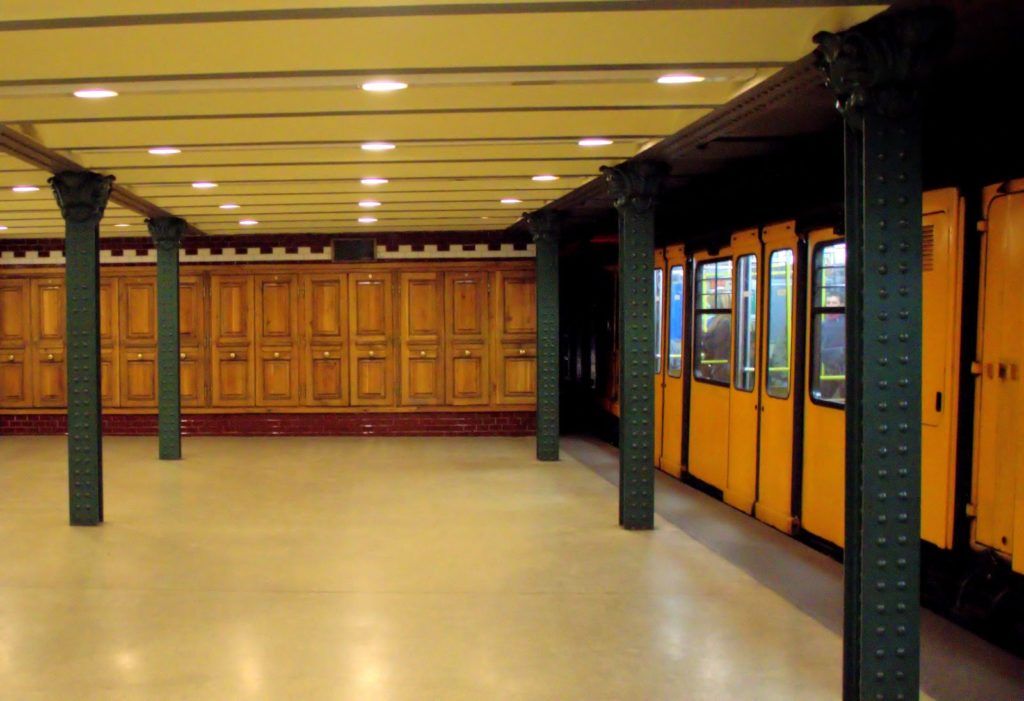
The historic Budapest Metro
It starts at Vörösmarty tér and ends at Mexikói út. Along the line it has stops at the most important spots in Budapest, among them the Opera House, Heroes' Square and the Széchenyi Thermal Baths. The metro stations also have a lovely charm. If you get the chance, I strongly recommend riding it at least once.8. BUDAPEST CUISINE
Looking at Hungary's history, the city has been under the rule and yoke of many states and empires. The Roman Empire, the Ottoman Empire and the Austro-Hungarian Empire are empires that once ruled Hungarian lands. Because it has hosted many civilisations, it has a rich culinary culture. In Hungarian cuisine you can see influences from Ottoman, Austrian, Italian, German and French cuisine.The first spice that comes to mind when you say Hungarian cuisine is paprika, that is hot pepper. Although they came across hot pepper under Ottoman rule, they quickly adopted using it in their dishes. But don't immediately think "what will we eat there" :) Instead of the hot pepper we know, it's more commonly used as sweet paprika.
Breakfast
As in many European cities, breakfast here doesn't have a great variety. Hungarians generally have a pastry with a coffee for breakfast.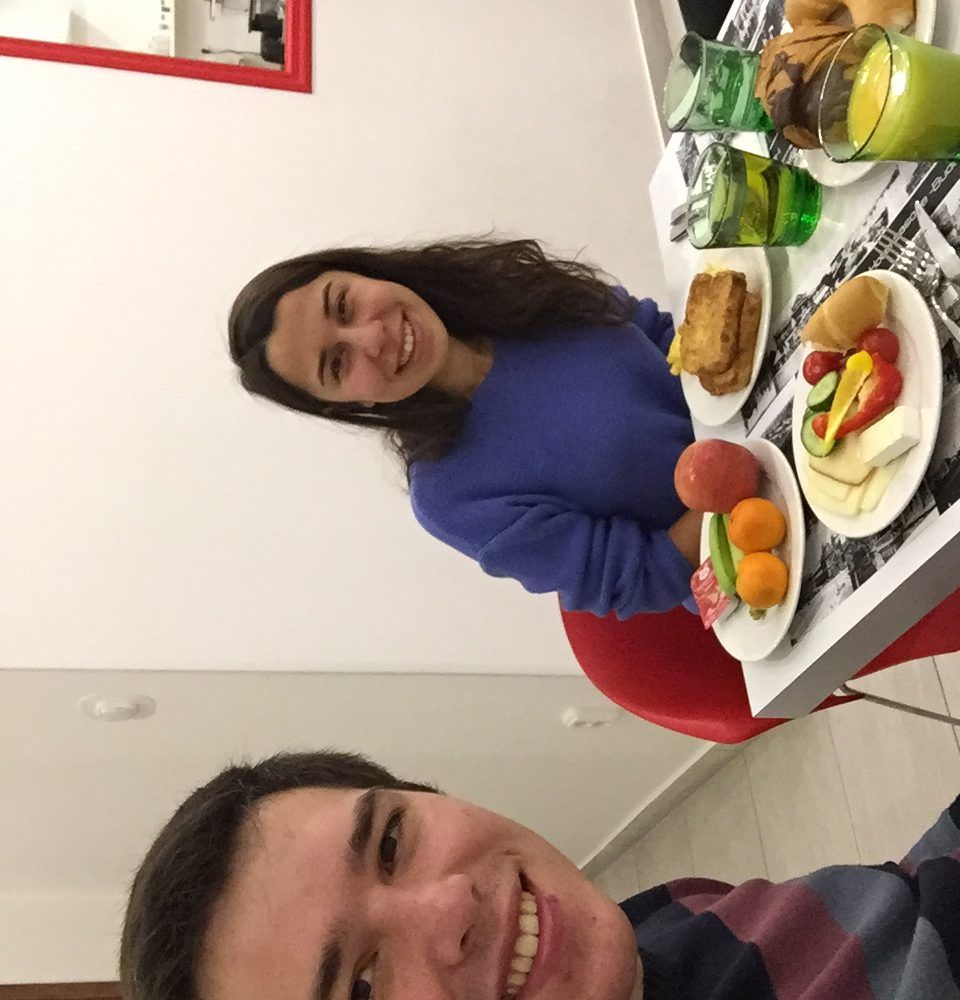 Soup - Goulash Soup
One of the first dishes of Hungarian cuisine that comes to mind: Goulash Soup.
Although every region has its own goulash soup, authentic goulash soup is made with beef, potatoes, tomatoes, red and green peppers, onion and plenty of spices.
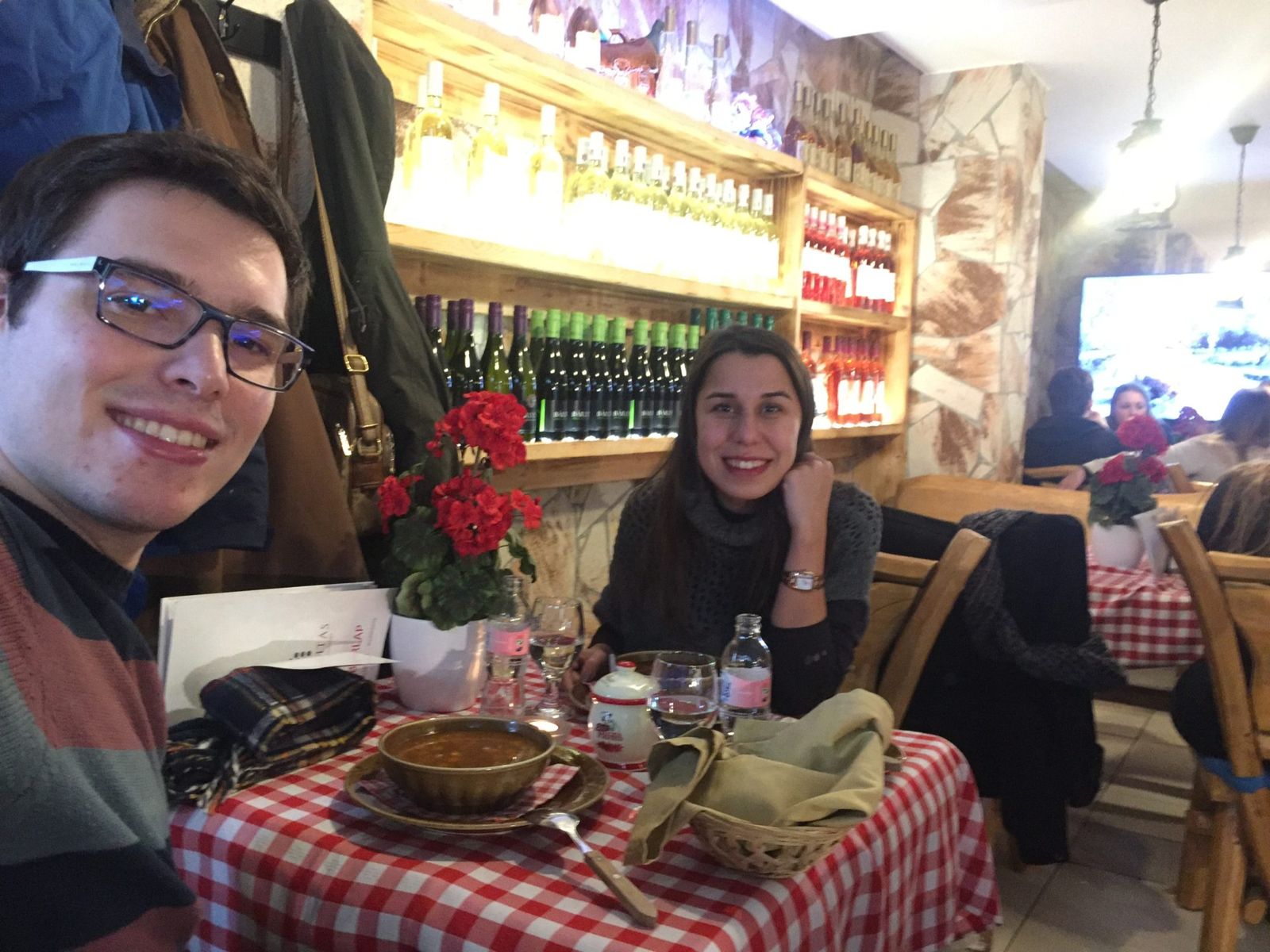
Goulash Soup
Vegetable Dish - Főzeléks
Főzeléks is a vegetable dish that the Habsburgs brought to Hungarian cuisine. It's made by mixing onion, boiled or fried peas, green beans, courgette and lentils with a milky sauce.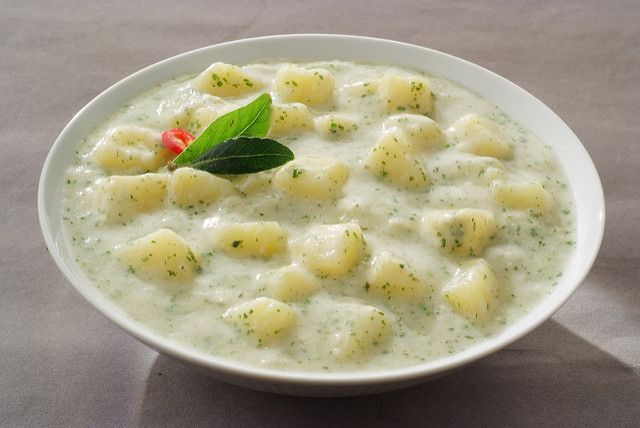
Vegetable Dish - Főzeléks
Paprika
One of the essentials of Hungarian cuisine, paprika is a kind of pepper. Hungarians use paprika, which they came across during 150 years of Ottoman rule, in almost every dish except desserts. Long called 'török bors', that is Turkish pepper, paprika comes both hot and sweet, dried or fresh. The hot one doesn't leave a sharp taste in the mouth like ours, one that would bother some people.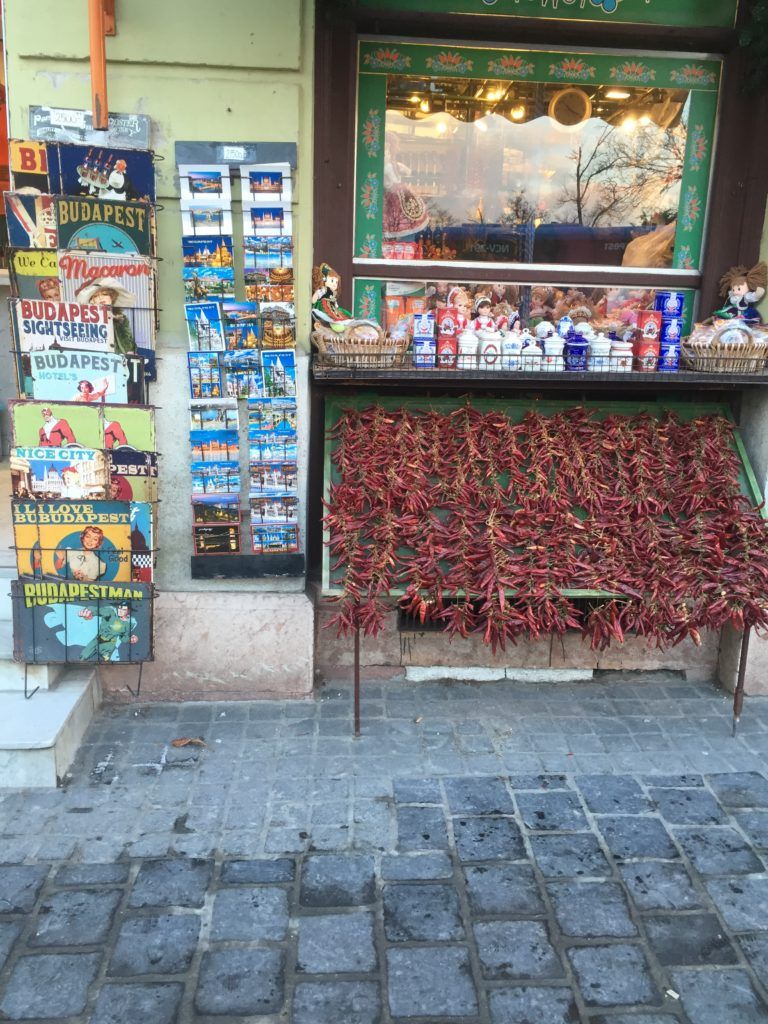
Hungarian peppers
Tokány
Tokány, which stands out from other Hungarian dishes for having no liquid, is made by cutting meat into strips and cooking it with paprika and black pepper. Tokány could actually be called the dry form of goulash soup. Cream can also be added if you like to the dish, which is served with plenty of spices.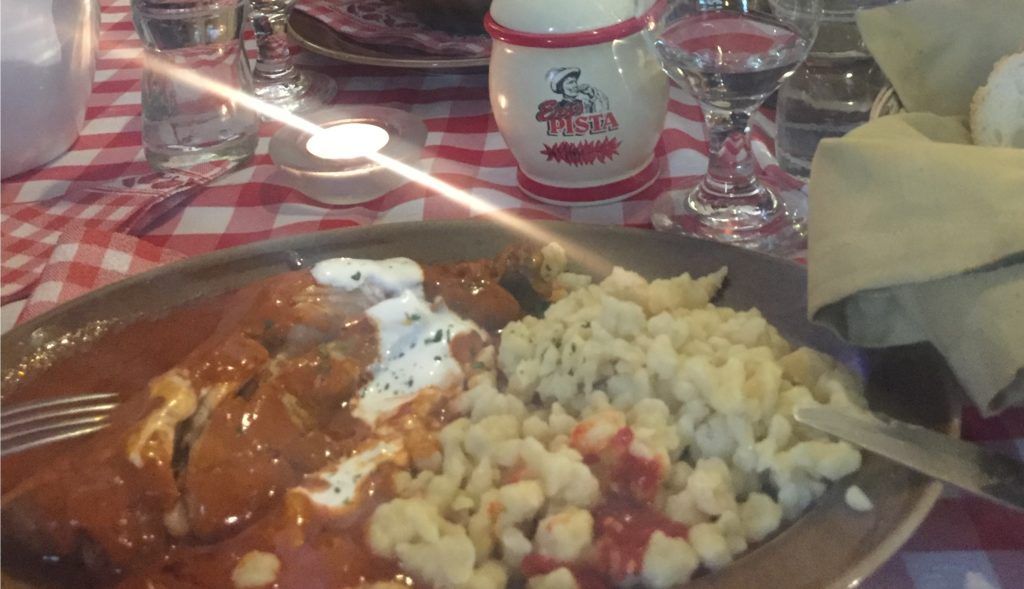 Dessert - Kürtőskalács
As a dessert, in both Prague and Budapest, there's one I couldn't find an exact Turkish name for; we could perhaps call it a Spool: a dessert with its own distinctive shape, made by wrapping sweet, yeasted dough around a roller and baking it. It can be varied by sprinkling cocoa, cinnamon or vanilla on top.
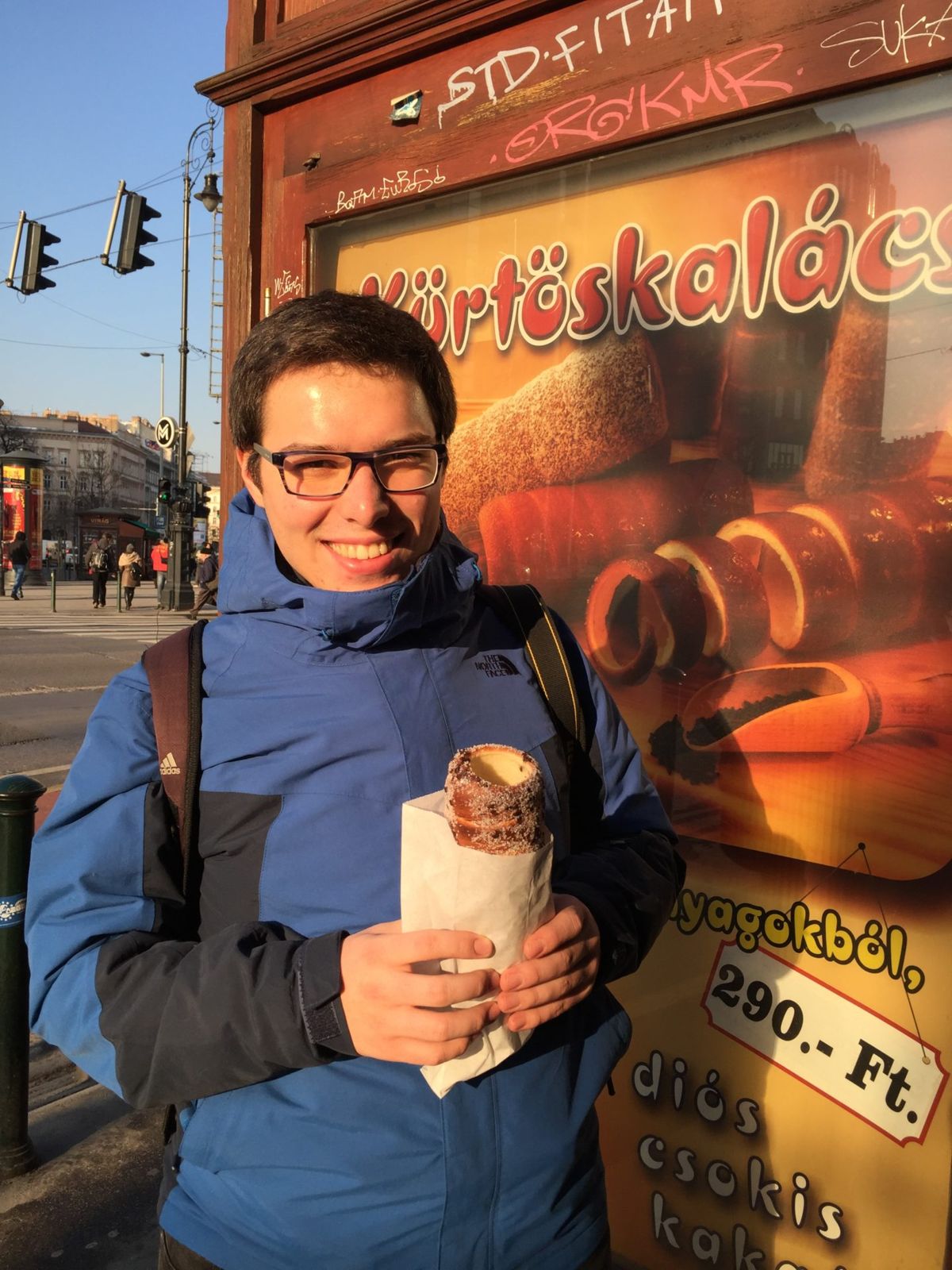
Dessert - Kürtőskalács
Dessert - Palacsinta
Another Hungarian dessert is Palacsinta. Ground walnuts and sugar are sprinkled inside and it's eaten warmed, and hot chocolate sauce can be poured over the Palacsinta.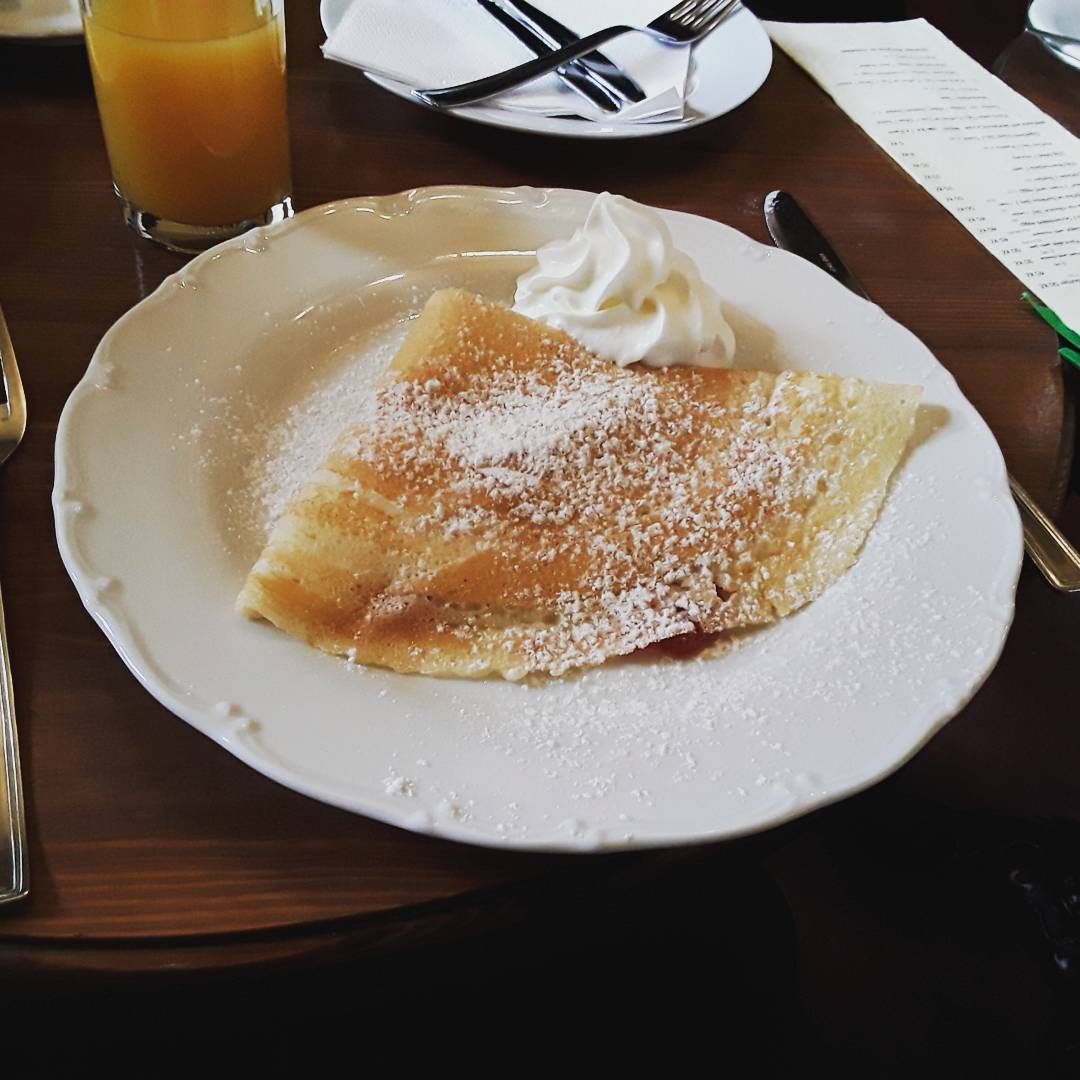
Dessert - Palacsinta
9. SHOPPING IN BUDAPEST
There are plenty of shopping options in Hungary's capital Budapest. Váci Utca, the city's most important shopping street, and many streets around it have become a regular stop for tourists. The street, open only to pedestrians, starts from Vörösmarty Square. The street, with many restaurants, cafés, shops and boutiques, is the first address for shopping. Nagykörút, which starts from Margaret Bridge and is 4 kilometres long, is another shopping area.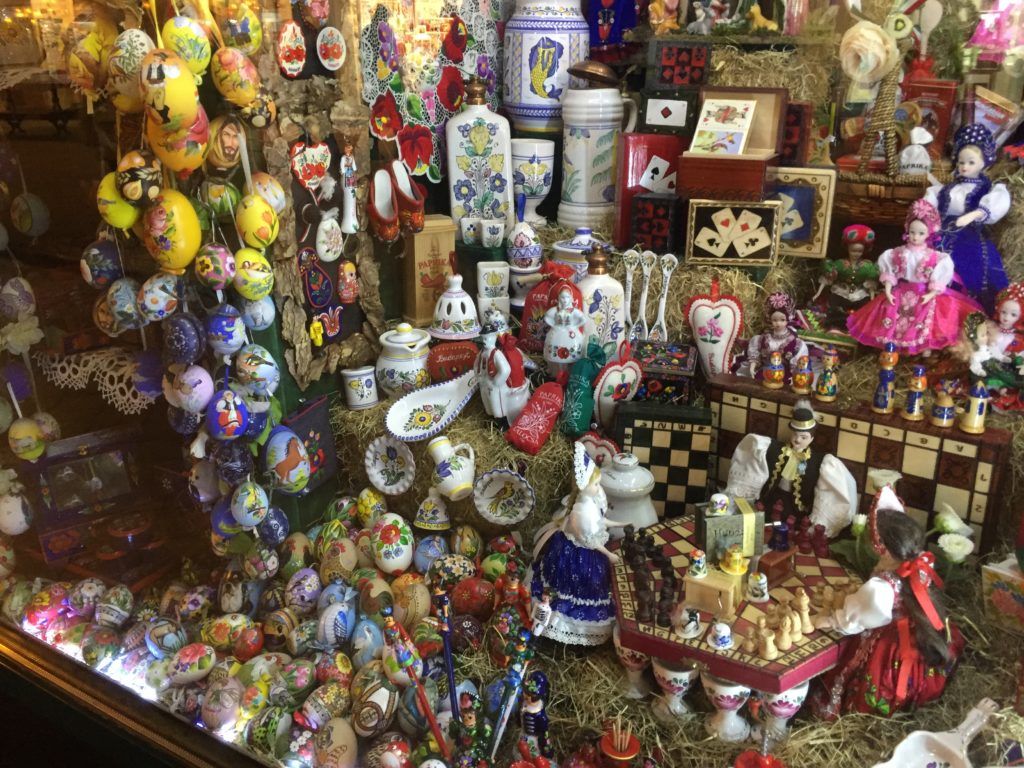
In Budapest, as across most of Europe, most places are open Monday - Friday between 10.00 - 18.00. But big supermarkets and malls close later. On Saturdays shops open between 10.00 - 13.00. On Sundays most places are closed. Note for those doing a weekend getaway to Budapest: don't leave your shopping to Sunday!
10. TIME DIFFERENCE WITH BUDAPEST
As of September 2016 Turkey is in the UTC+3 time zone and Budapest is in the UTC+2 time zone. That being the case, there's a 1-hour time difference. Budapest's time is 1 hour behind Turkey.11. BUDAPEST CURRENCY
We've come to another of the countries that are in the European Union but don't use the Euro :) Hungary uses its own currency, the Hungarian Forint, abbreviated HUF. As of November 2017, 1000HUF corresponds to about 14 TL. We hope the Turkish Lira, losing value on the global market day by day, gets back to a strong position. Two years earlier we could buy 1000HUF for 10 Turkish Lira.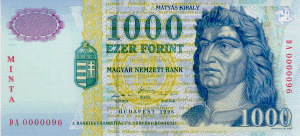
12. BUDAPEST USEFUL INFORMATION
Budapest is safer than many European cities, but there are also ill-intentioned people who target tourists. Above all, watch your pockets on crowded streets and in metro stations. Pickpocketing cases are increasing day by day. Fire: 105 Police: 107 Ambulance 10413. DO YOU NEED A VISA FOR BUDAPEST?
Yes, you need a Schengen visa to go to Hungary. Visas are not required for green (special) and grey (service) passports. A visa is required for the burgundy (ordinary) passport. Schengen Visa application tips - click here! You can find the documents required for a Schengen Visa here.14. CYCLING IN BUDAPEST
Discovering the city of Budapest by bike will be a special pleasure. You especially need to enjoy this around the Danube. For cycling, the Pest side is more ideal because it's on flat ground, and you can get around comfortably by bike. The Buda side is made up more of hills and up-and-down roads. So pedalling the Buda side by bike can be challenging.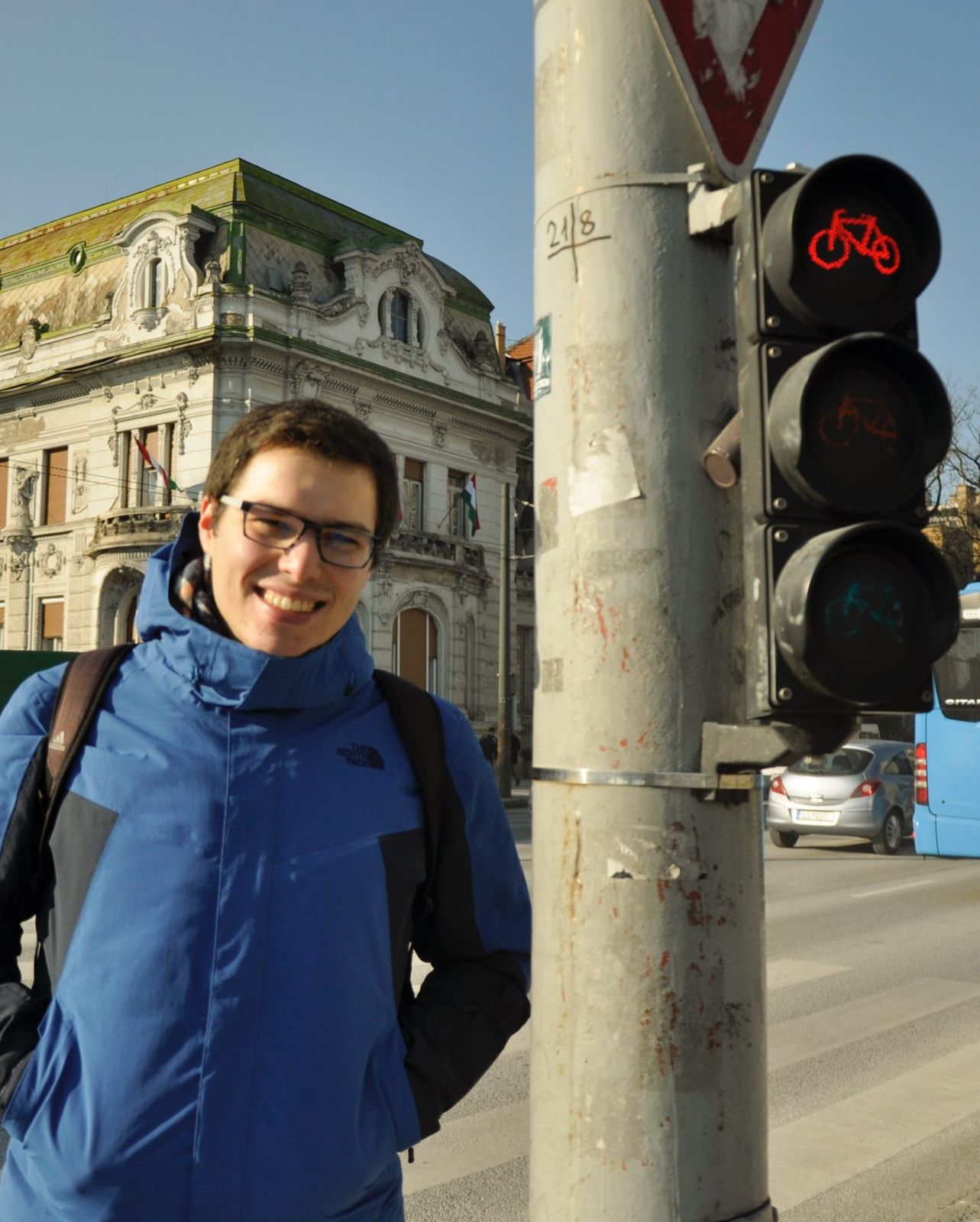
Cycling in Budapest
 214 km
 252 km
 442 km