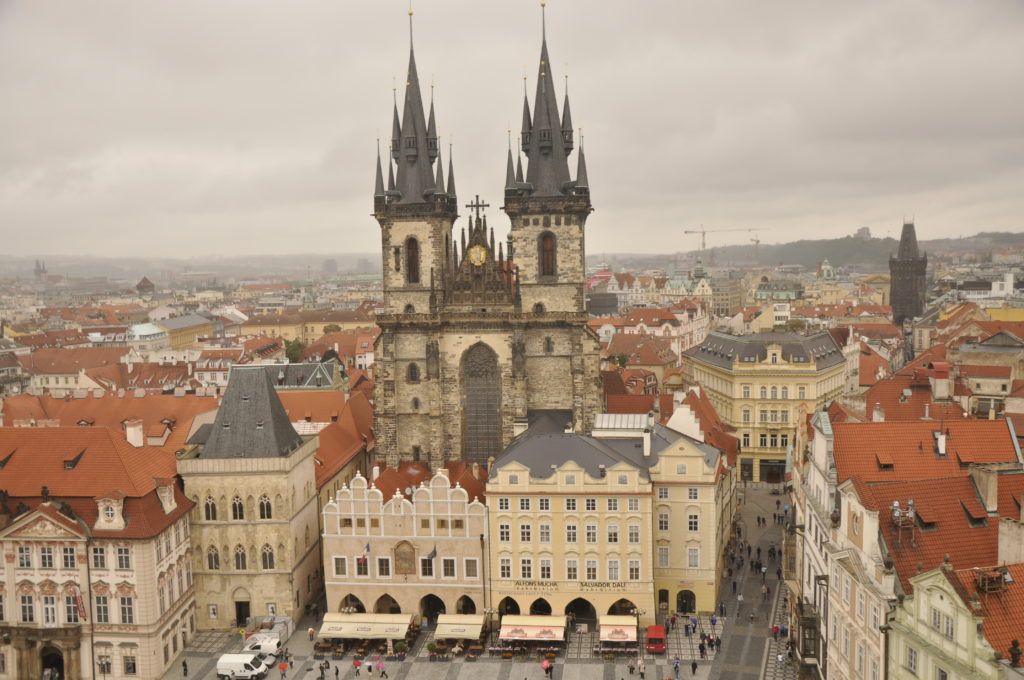
Prague was the fourth city of our 2016 winter trip. This time we weren't short on time. We set aside 2 full days for Prague. Prague was going to be an important city for us. A big surprise was waiting for Berna here! The Prague Travel Guide in full detail
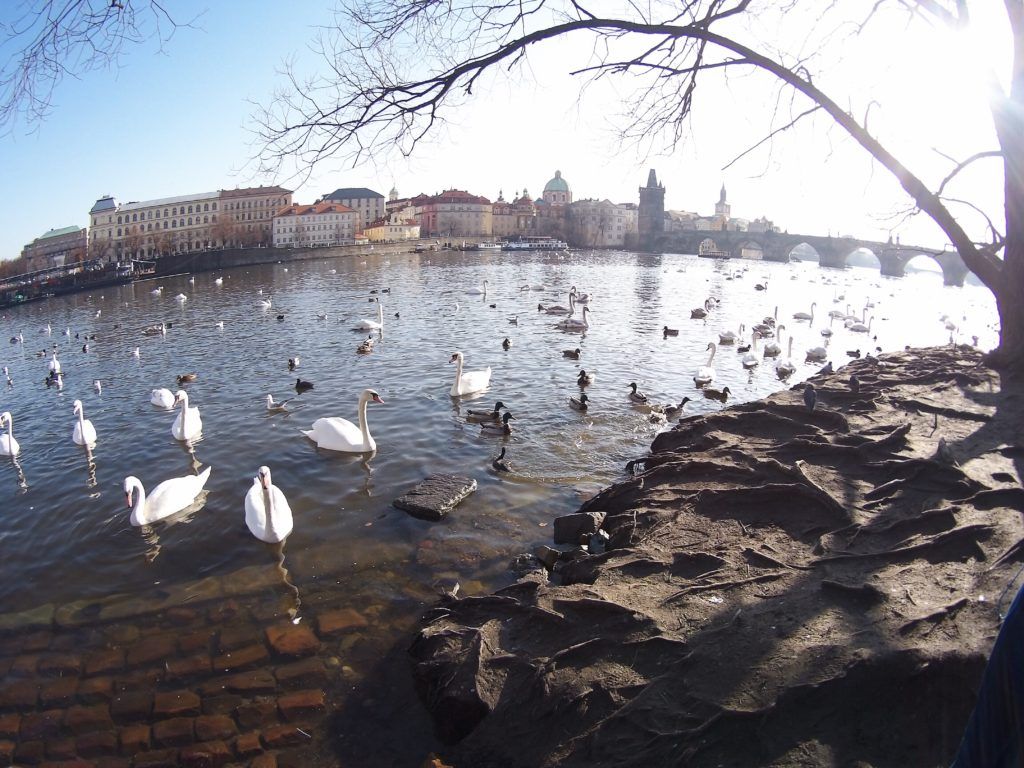
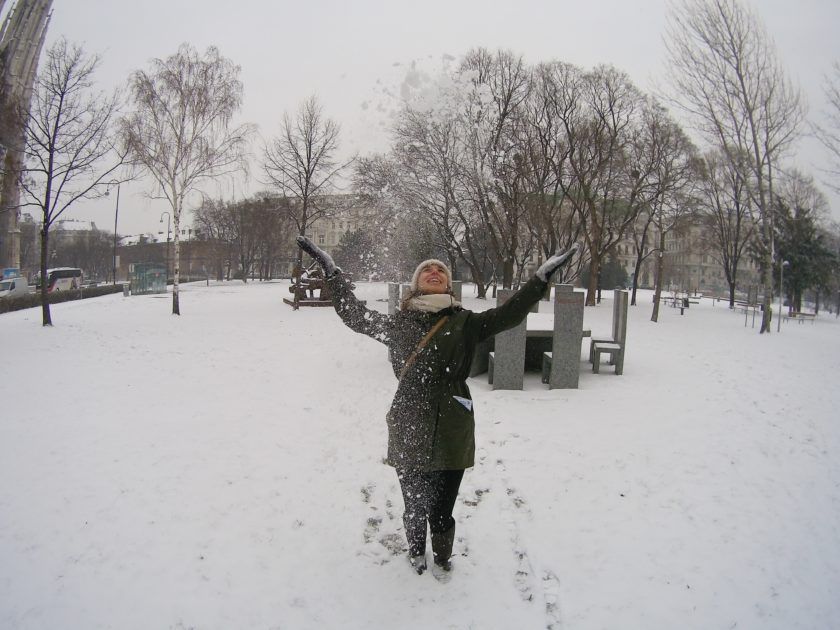
Although it was winter, the weather felt like spring
Come on, let's get to know the city of Prague and then look at the places to visit!1. THINGS TO KNOW ABOUT PRAGUE
During the Migration Period the Slavs, like our Turkic tribes, migrated in different tribes from north of the Black Sea towards the west. The biggest feature that still sets the Czechs and Slovaks apart from the other Slavic tribes (Poles, Yugoslavs, Russians) today is that they settled furthest west, along with the cultural differences that come from being neighbours of the Germans and Austrians. As a result, although originally a peasant society, intense cultural interaction with Western Europeans led to its urbanisation and development.Prague is also one of the well-preserved cities in Europe! It wouldn't be wrong to say this preservation comes from it not suffering any damage in World War II. In fact, on 15 March 1939 Adolf Hitler ordered the German army to enter Prague, and a German protectorate was declared at Prague Castle. For most of its history Prague was a city home to many different peoples, with a Czech- and German-speaking Jewish population. When it was occupied by Nazi Germany, most of the Jews were deported and killed by the Germans. But it's said that although Adolf Hitler took Prague under his protection, he "couldn't bring himself" to harm this beautiful city.
On 5 May 1945, four days before Nazi Germany's surrender, an uprising against Germany broke out, and four days later the Soviet Third Shock Army entered the city. Most of the German population either fled or was expelled from the country by the post-war Beneš decrees.
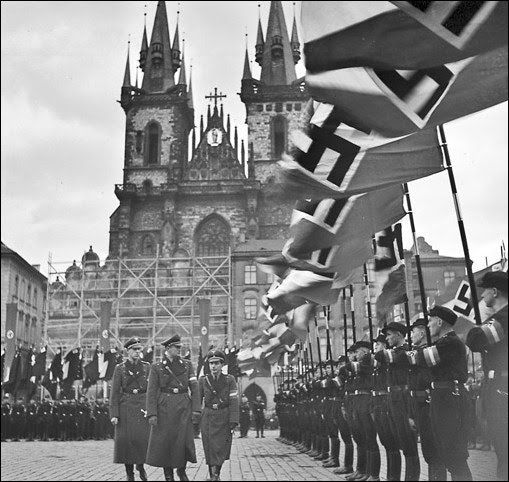
World War II times - Wikipedia
Czechoslovakia, ruled by a communist regime under Russian protection, moved to democracy in 1989, with the fall of the Berlin Wall, through the movement called the "Velvet Revolution" in the Czech lands. Shortly afterwards came the Czech Republic - Slovak Republic split, which went down in history as the only example of a separation without a single shot fired. When people who lived through that period are asked why they split, it turns out it was the result of a German game that they themselves can't quite make sense of.2. PLACES TO VISIT IN PRAGUE
As for the most beautiful and important places to visit in Prague, all the squares in Prague, above all the Old Town Square on the UNESCO list, and the historic buildings and churches will be enough to make you fall in love with the city.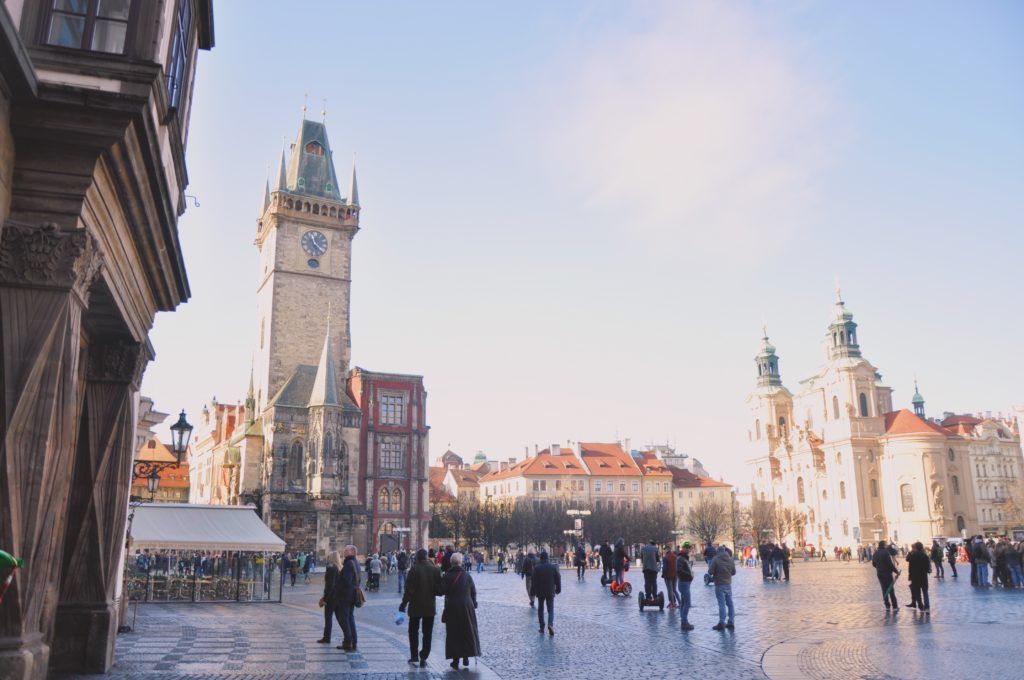
Old Town Square
You can find information about all the important places you need to see in Prague in the Places to Visit-1 and Places to Visit-2 links.3. WHERE IS PRAGUE?
Prague (Czech Praha) is the capital and largest city of the Czech Republic.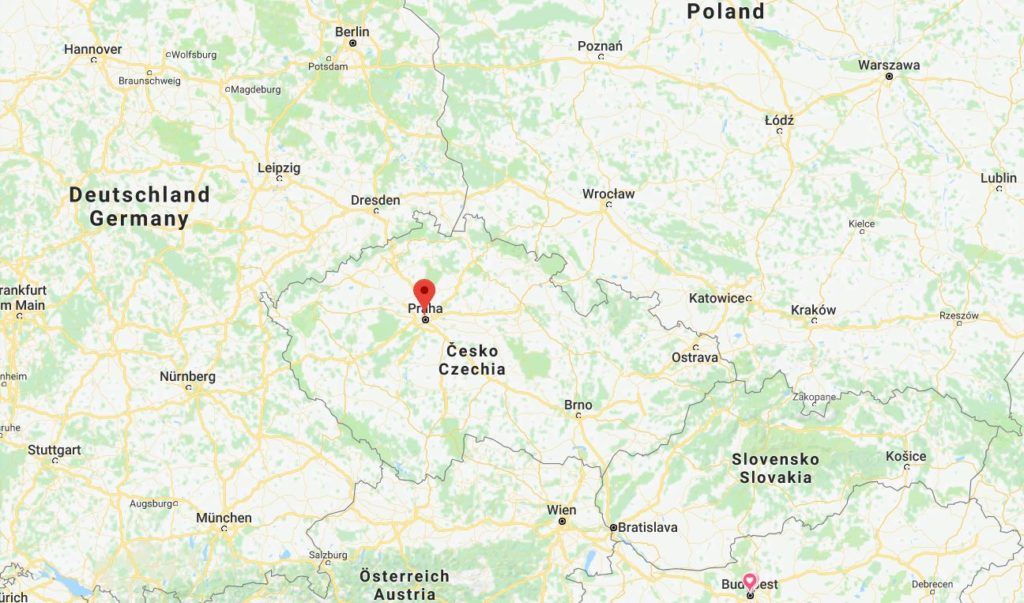 It lies in Central Bohemia, on the Vltava River, and has a population of 1.2 million. The Czech Republic has Germany to its west, Austria to its south, Slovakia to its east and Poland to its north, and it shares a border with all these countries
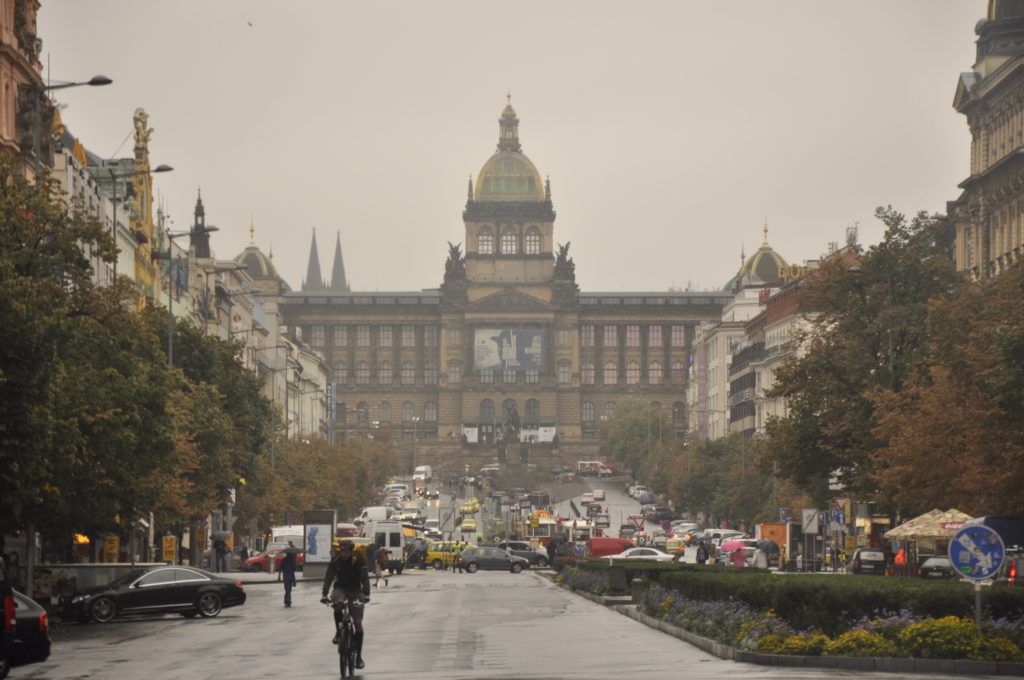
A rainy Prague day
4. WHEN TO GO TO PRAGUE?
As in Budapest, Vienna and Salzburg, Prague has a continental climate. Well, the further you get from the sea the colder it gets; if you don't much like the cold, the ideal season for Prague is summer. As in the other cities, winter in Prague is something else. We loved winter in Europe even though it was cold. Of course it's worth checking the weather forecast before you go. You never know, even in July the weather can drop to 10 degrees.Those who, like us, discover the city in winter should take care to dress in thin but many layers. Although the weather conditions may seem to make your trip harder, if you have the necessary clothes and gear you can enjoy travelling in winter.
Note: I can say it's almost impossible to walk around without thermal underwear in January-February. Gloves/a beanie are also a must!
5. HOW TO GET TO PRAGUE?
Prague is one of the cities with the most tourists in the east of Europe, and there are daily flights here from different parts of the world. You can fly between Turkey and Prague with many airlines. Non-stop flights take about 3 hours.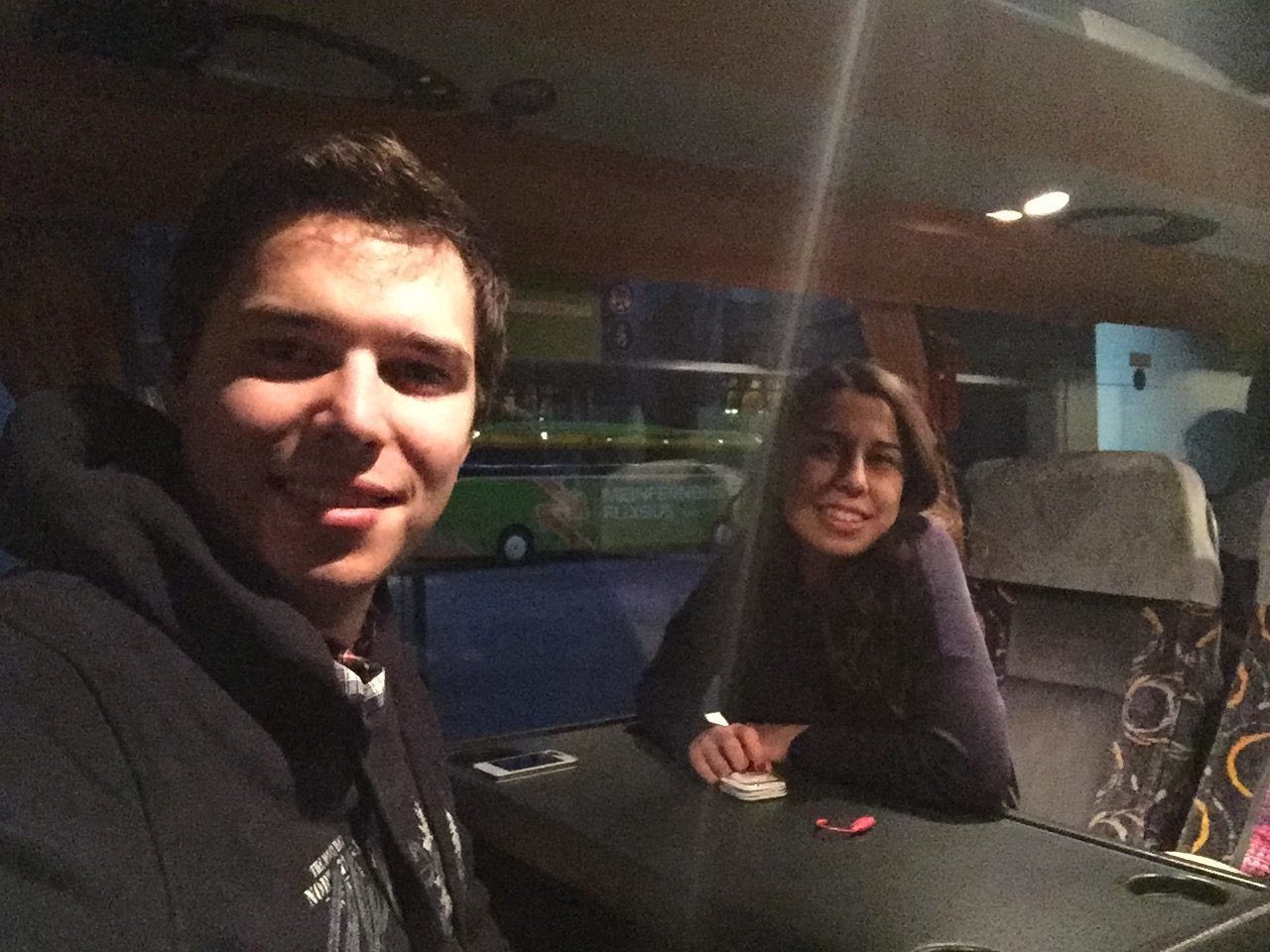
The pleasure of a double-decker bus
We went to Prague, the fourth stop of our trip, from Salzburg with the bus company FlixBus. It gave us almost a 50% saving compared with train fares. While we were becoming like Europeans, they started becoming like us. Bus travel is growing abnormally in Europe. The bus drivers are usually Turkish too.And if you say you love train journeys, you can also get there from cities like Vienna, Munich, Dresden, Berlin, Budapest and Salzburg.
6. WHERE TO STAY IN PRAGUE?
In Prague our choice was the Three Crowns Hotel, a 20-minute walk from the centre. Normally we'd have checked in in the morning and stayed 1 night. But since the bus arrived at 5 in the morning, we wanted to go up to the room and rest. Naturally, for the early check-in they charged us a little less than the price of 1 night.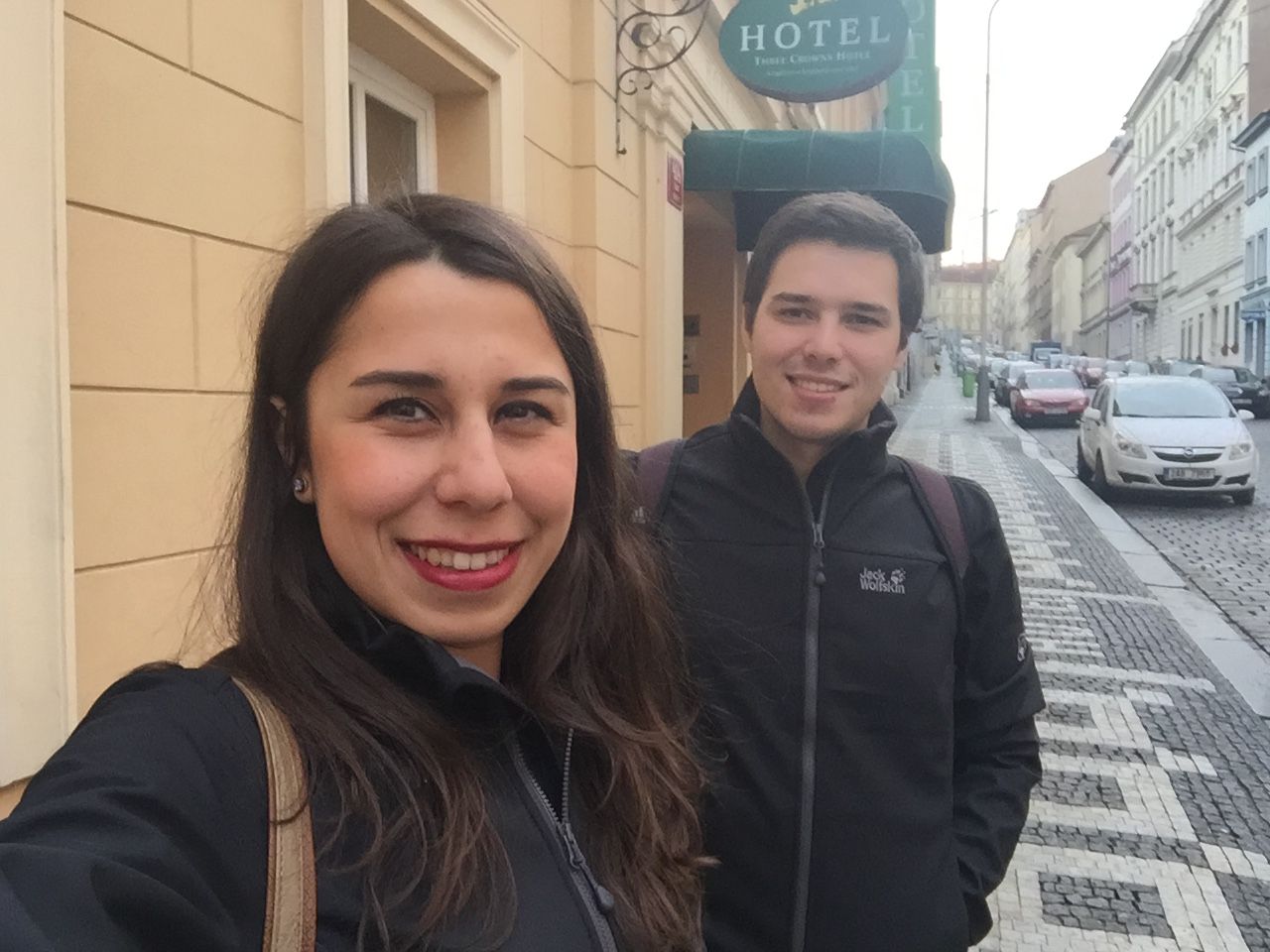
We woke up to a lovely morning in Prague
Compared with the other places on our trip, Prague is a fairly affordable city. 1 night costs 27€, the breakfast is good, and it's a very short walk to the tram stop and the Žižkov Television Tower. Apart from that, if you're travelling to Prague in winter, heating should come at the top of the things you need to watch out for! Some places charge extra for heating. When the weather's cold you have no choice but to pay, of course. So research the hotel/hostel you're going to well.7. PRAGUE AIRPORT/GETTING AROUND THE CITY
We didn't use taxis in almost any country. On this point we must warn you that taxis should never be tried in Prague! Why? The fare from one place to another is never the same. They're like us Turks in this respect. In short, as a tourist in Prague you have a high chance of being ripped off. Who'd use a taxi anyway when there's a nice tram&metro infrastructure!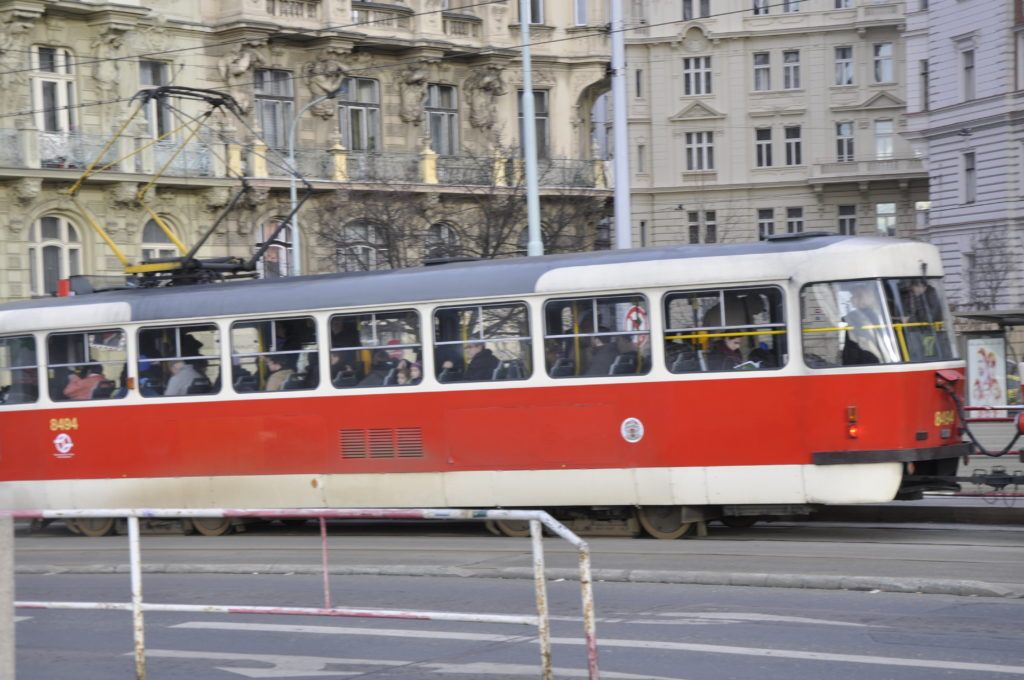
Old but just as beautiful trams
There's all this transport network, but we hardly used public transport at all. Because everywhere you walk in the city you discover a different beauty. You stroll around as if in a museum. We didn't want to get on public transport and miss those beautiful shots you'd want to take photos in front of. We also made our way back by different routes, again seeing new places, and didn't use the tram&metro. For information on Prague public transport prices, I'm leaving the link here.8. PRAGUE CUISINE
Of course a city this beautiful has dishes to please everyone when it comes to food. Because it was under Austro-Hungarian rule, the Czech Republic was influenced by many different countries and cuisines.Trdelnik - Street Snack
This treat, which you'll come across almost at every step on the streets of Prague, comes from Czech and Slovak culture. While the dough bakes, cinnamon and sugar are added on top and that lovely flavour emerges. If you like, only if you like, you can have chocolate and ice cream added inside.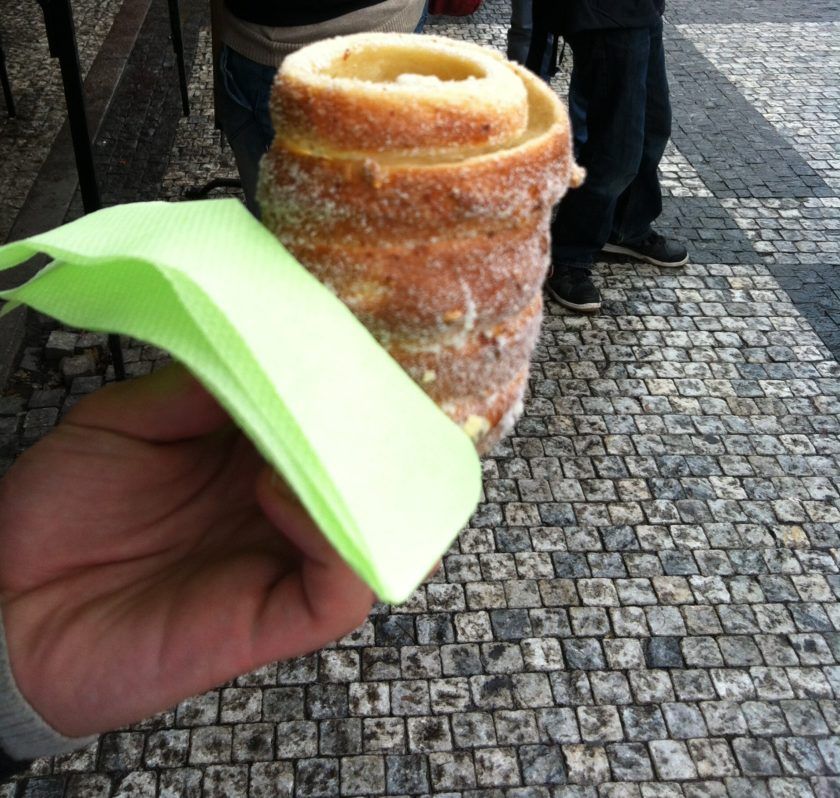
Trdelnik - Street Snack
Langose - Street Snack
This treat, quite similar to our lokma, is served with cheese and sauce added on top.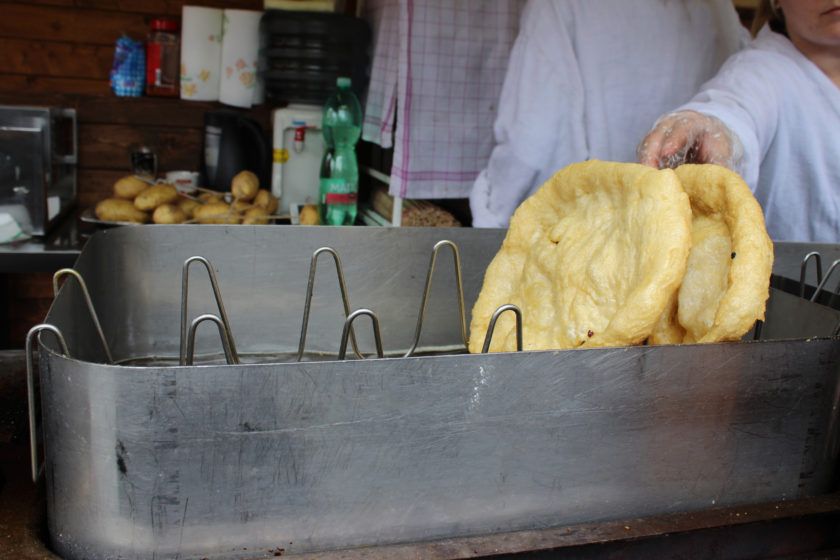
Langose - Street Snack
Goulash - Hungarian Soup - Czech Dish
Goulash, which we mentioned in our post about Budapest, takes its place on the table as a stew among the Czechs. The dish, with onion, garlic and carrot in it, is served with a delicious sauce.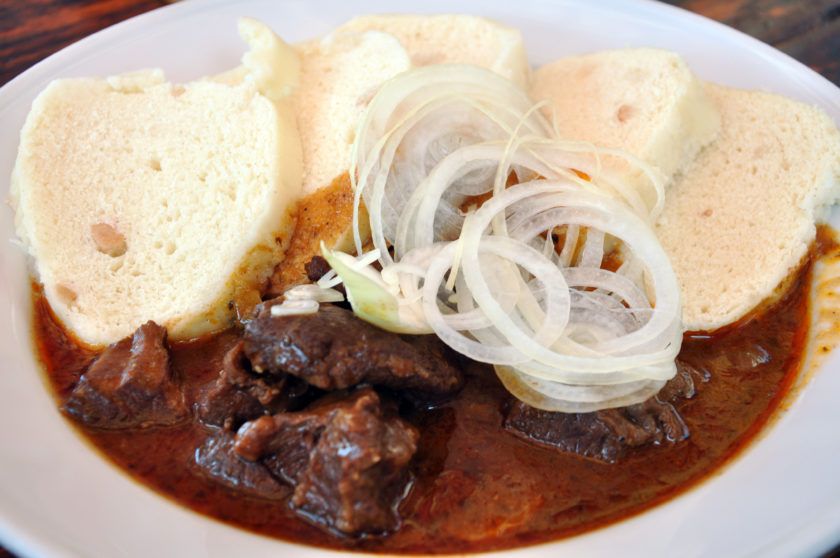
Goulash - Hungarian Soup - Czech Dish
Medovnik - Dessert
When people first see this cake, full of walnuts, they think it's a gateau. It's served with honey or jam as you like.Oblaca Restaurant - Prague Television Tower
This is where my surprise for Berna was! This tall tower and its glittering restaurant became the special spot of brand-new beginnings for us! 🙏👫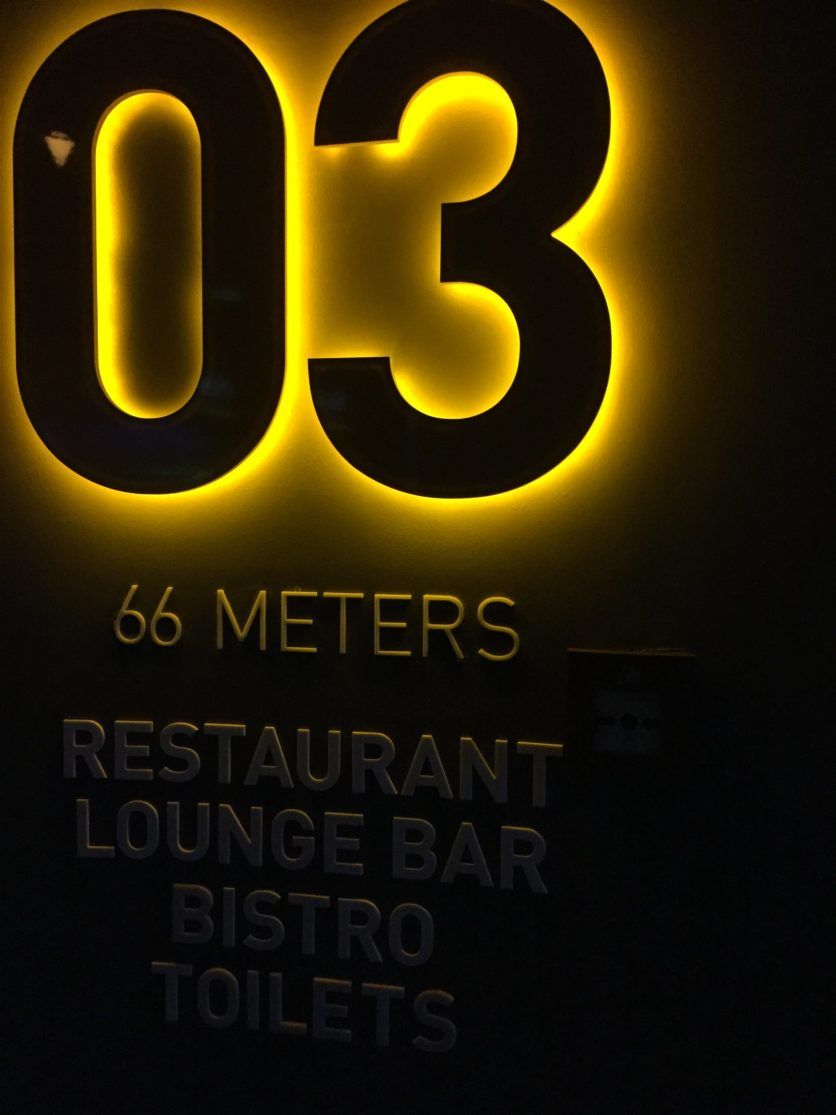
Oblaca Restaurant - Prague Television Tower
Of course everything had been planned in advance. Since we were going to such a beautiful place, honestly even I was excited. I'd made the reservation by email; all that was left was for time to pass quickly and for the moment waiting for us to arrive.We were enchanted from the moment we walked in. As soon as we came through the door our coats were taken to the cloakroom, and Berna's surprised smiles gave way to sweet laughter as champagne was popped. Honestly, even I said "Where have we come!", so I'm sure it was exciting for Berna.
Then we took a long lift ride to go up to the restaurant at the top of the tower. Prague looked wonderful from above, especially the castle opposite!
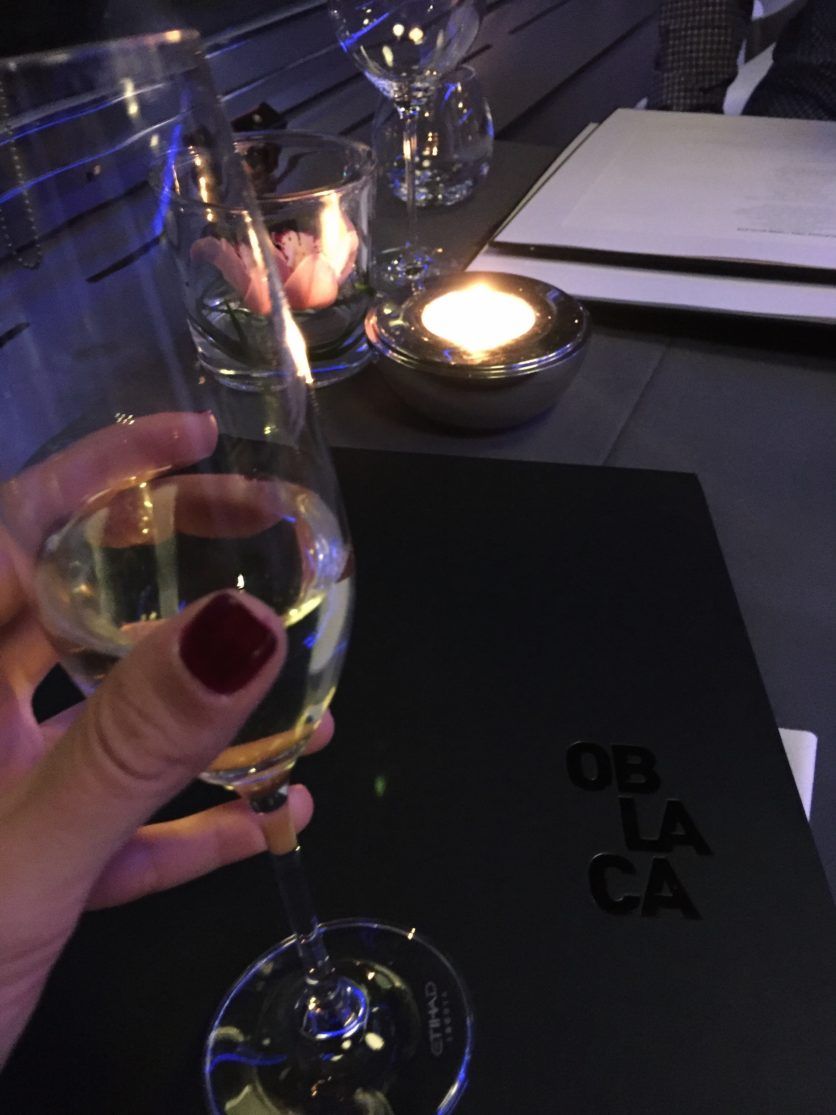
Love in Prague
A glittering floor, flowers and lovely music: I definitely recommend this place to those looking for romance and atmosphere. Love is in Prague ❤9. SHOPPING IN PRAGUE
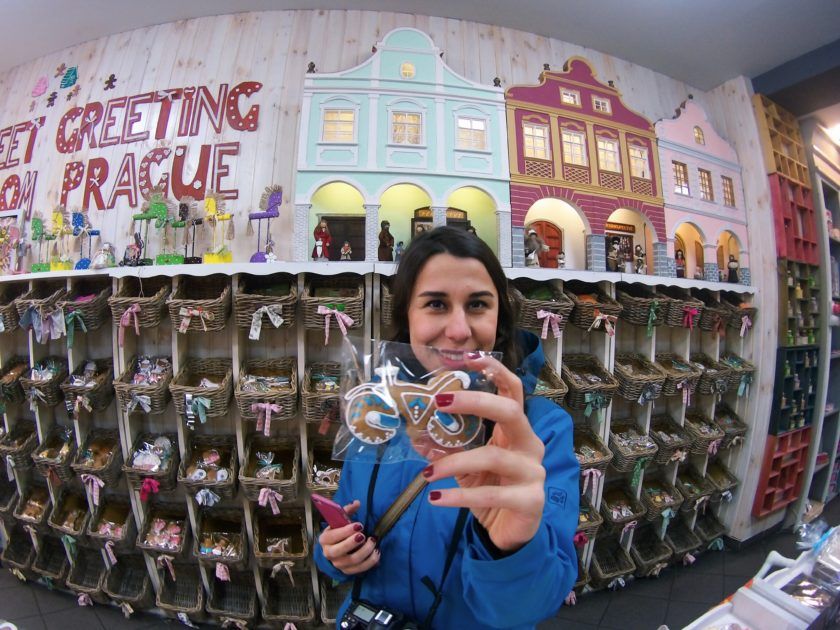
Shopping time
Honestly, we don't have very long, detailed information or tips we can share for this part 😌 Because in Prague we got lost in the streets, we fed the birds and swans by the river, and enjoyed the romance! According to research we did afterwards, there are quite expensive products and very few "don't come back without buying" recommendations... So our recommendation to you is: don't shop in Prague, collect moments 💕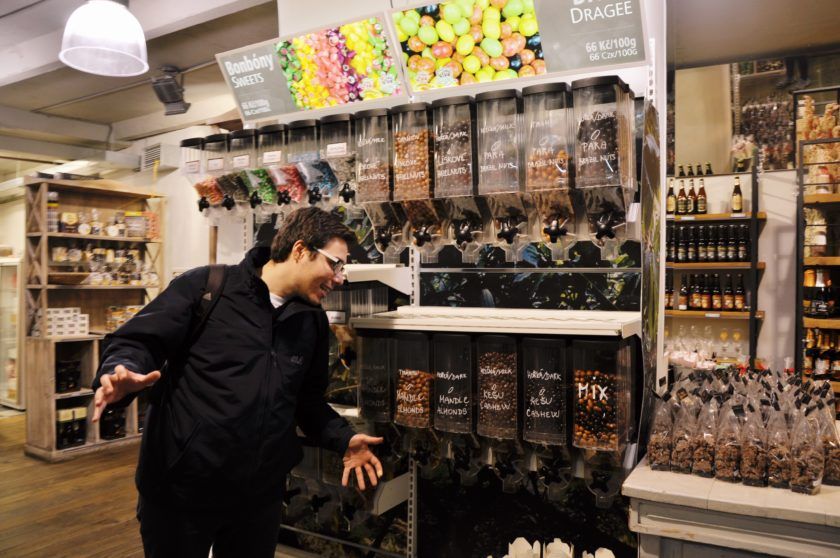
10. TIME DIFFERENCE WITH PRAGUE
As of September 2016 Turkey is in the UTC+3 time zone and Prague is in the UTC+2 time zone. That being the case, there's a 1-hour time difference. Prague's time is 1 hour behind Turkey.11. PRAGUE CURRENCY
We've come to another city that's in Europe where you can't use the Euro. In the Czech Republic the "Czech Koruna" is used instead of the Euro. There are places that will exchange our own currency too, but since people generally take Euros on European trips, you can change it at the exchange offices that are almost everywhere. Let me put it this way: at places near the centre you can get ripped off on exchange. Don't change money without checking the rates at 2-3 places. As of November 2017, 10₺ is 56 Czech Koruna.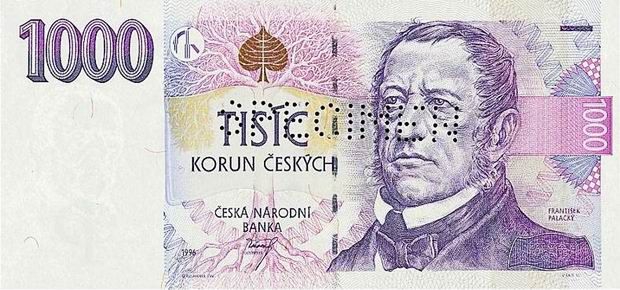
Czech Koruna
** The coffee you drink at any coffee shop costs 60-80 Czech Koruna.12. PRAGUE USEFUL INFORMATION
Although the Czech Republic is in the European Union, it still uses its own currency, the Czech Koruna; when you arrive, don't change money at the airport, they buy at a low rate. The city is made up of 15 districts. The old city centre and the castle are in the central "Prague 1" district.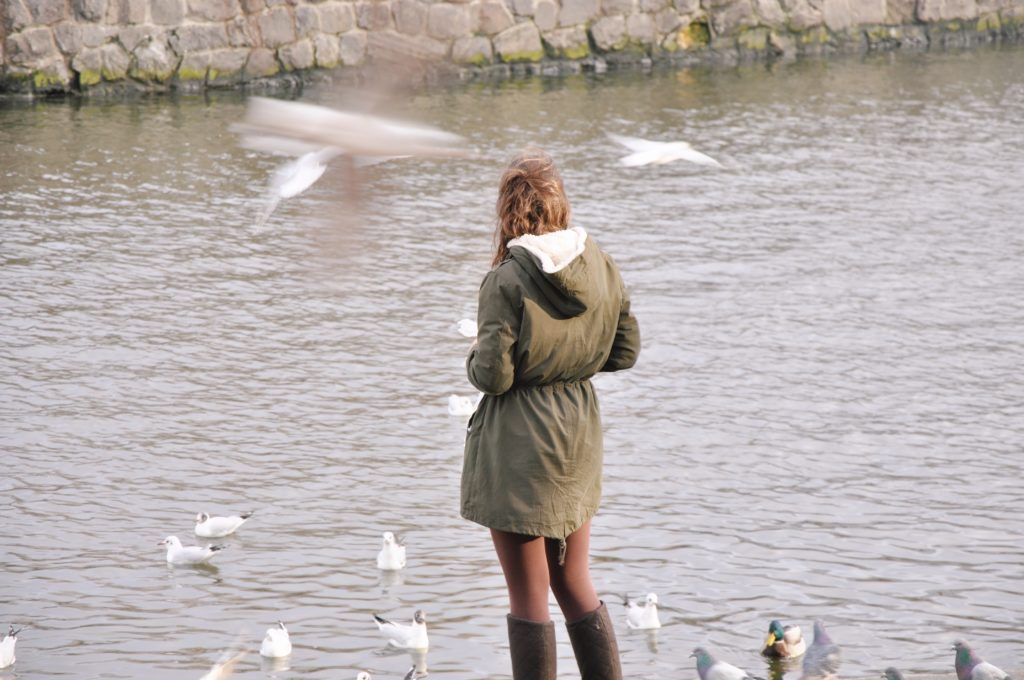
On Mondays all castles, towers and places with remains from antiquity are closed to visitors.
As I mentioned above, Prague taxis are currently extremely unreliable, especially for tourists; prefer public transport as much as possible.
A 5-10% tip is applied as a service charge.
"Marionette&Puppet", that is puppet theatre, is very popular in Prague. It's recommended that you make time for it.
Fire: 150 Police: 156 Ambulance 112
13. DO YOU NEED A VISA FOR PRAGUE?
Yes, you need a Schengen visa to go to Prague. Visas are not required for green (special) and grey (service) passports. A visa is required for the burgundy (ordinary) passport.Schengen Visa application tips - click here! You can find the documents required for a Schengen Visa here.
14. CYCLING IN PRAGUE
Prague is a very easy city in terms of bike transport and bike lanes. At the end of this trip we'd be reunited with our bikes. During this trip we weren't very committed to cycling, so we couldn't pedal around the city much. But you can rent a bike quite easily in Prague.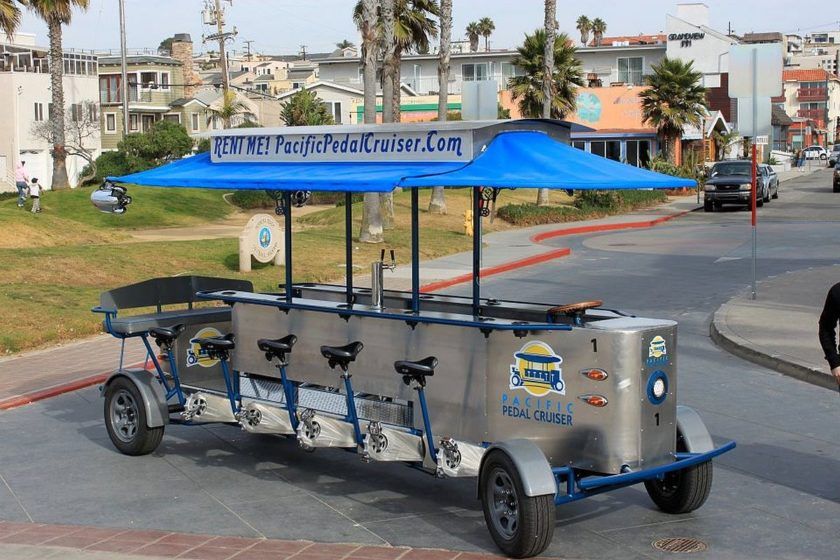
Both a tour and a drink
By the way, when the weather's good in Prague, Prague Beer Bike Tours are organised to see the city. They're run by experienced English-speaking guides who aim to show Prague's best spots.On the Bike Tour 15 people can ride per bike, but 10 people also have to pedal. The tour lasts at least 2 hours, and during the tour you can visit the city centre's notable restaurants, unique bars and clubs.
 209 km
 251 km
 272 km