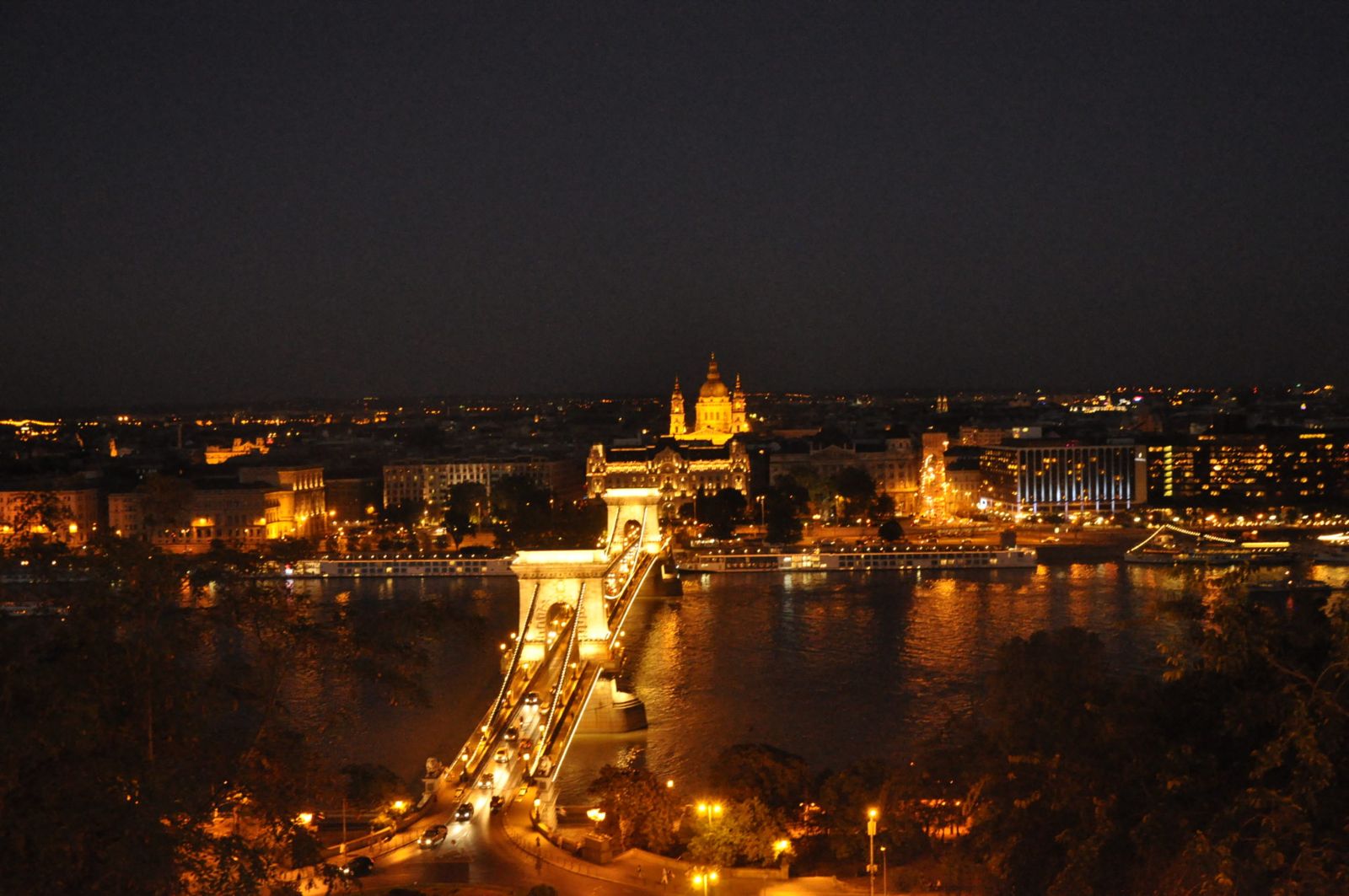
The places to visit in Hungary's capital Budapest are very colourful. Buda and Pest are two lovely places divided by the Danube. Centuries-old houses, buildings, streets, bridges each lovelier than the last, statues rising on every square and every corner.. As if past and present, intertwined, are enjoying time here calmly and quietly.
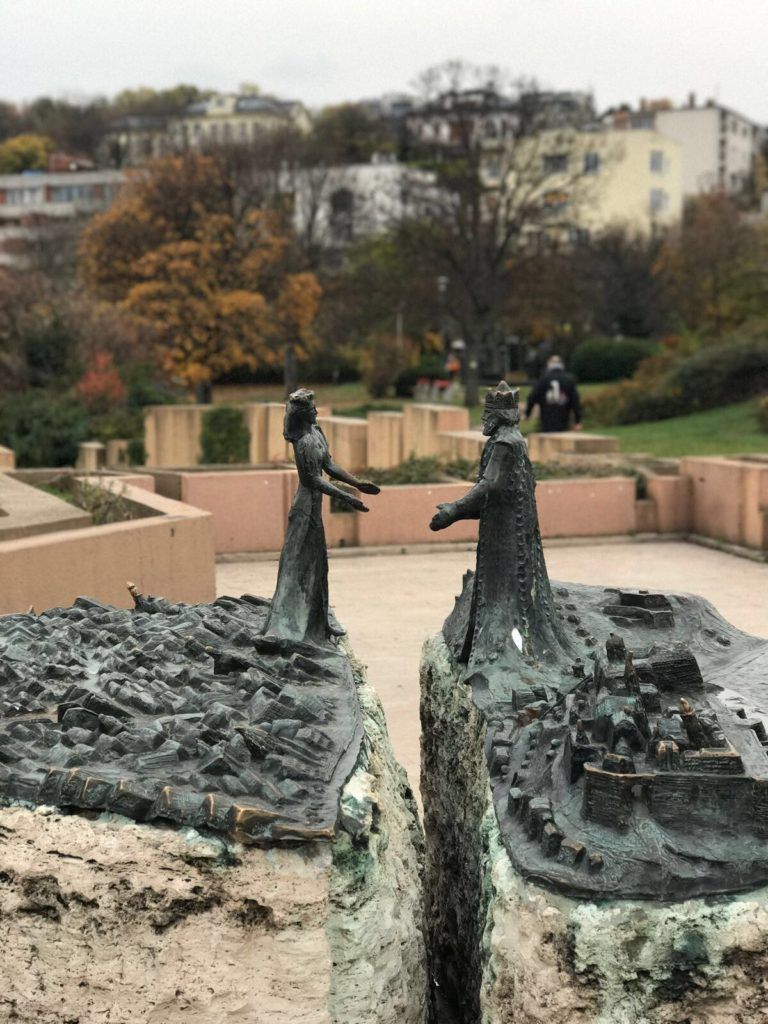
King Buda and Lady Pest
Budapest has been accepted as the capital of Central Europe and has even been declared its most romantic city. Decide for yourself how true this is when you go. Because of a period of Ottoman rule, you come across plenty of familiar touches in the city.Budapest is an extremely easy city to explore on foot, and getting around is also extremely easy. Like many European cities, this is a compact city that isn't big. The places to see in Budapest, though, aren't in just one spot but located in many different spots. I'll try to give you information about the city's most prominent, must-see places.
1. BUDA CASTLE
The roots of the castle, on the hill on the Buda side of the city, go back to the 13th century, but the castle seen today is a long way from the original. The Buda Castle District hosts the Budapest History Museum, the Hungarian National Gallery and the National Library. Even if you don't go inside, don't miss the unique view of the Danube and Pest from its terrace.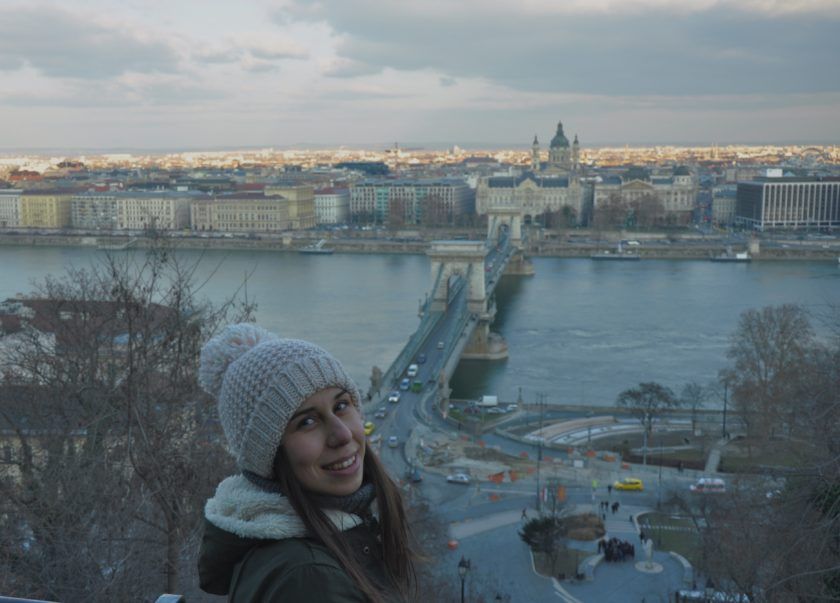 Getting there: You can reach the castle by buses 16 and 16A or by the funicular leaving from in front of the Tunnel (1200 HUF one way, 1800 HUF return).
2. MATTHIAS CHURCH AND FISHERMAN'S BASTION
Matthias Church, on Holy Trinity Square, considered the centre of old Buda, dates to the 13th century. Fisherman's Bastion, where the fish market used to be set up, is a spot where you can see one of the most beautiful views of the Danube and Pest. Although the entry fee is 600 HUF (10% off with the Budapest Card), you can visit many parts of it for free.
Matthias Church and Fisherman's Bastion
Note: The church can be visited on weekdays between 09.00-17.00 and at weekends between 09.00-12.00; the entry fee is 1200 HUF, with a 10% discount with the Budapest Card.3. GELLÉRT HILL AND CITADEL
With the 14-metre Liberty Statue (Szabadság szobor) at its very top, visible from many points in the city, and bearing the name of Bishop Gellért, there's a castle up high, built by the Ottomans and later restored by the Austrians.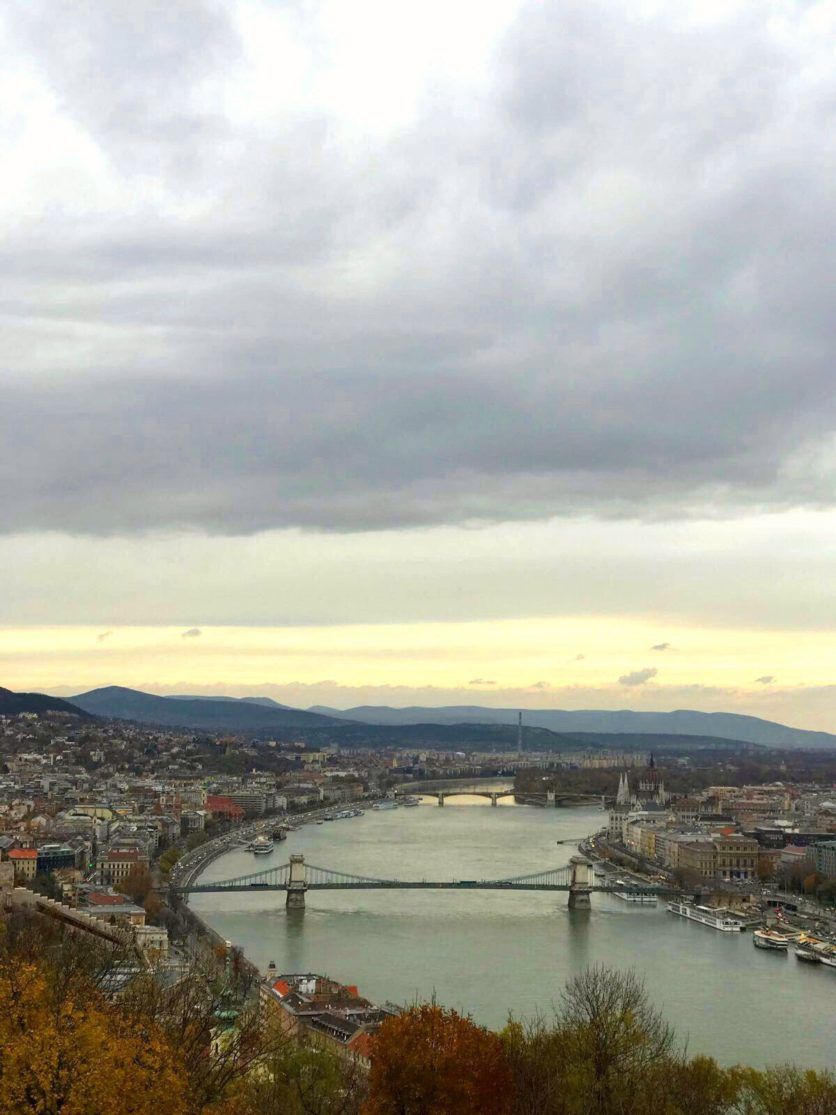 The Budapest photos you see in many places are taken from the terraces by the citadel. After exploring the hill, go down through the park among the trees and on the way say hello to Gellért's own statue, standing among the waters. Those who wish can also visit the Cave Church opposite the Gellért Hotel.
Note: Entry fee 1200 HUF
Getting there: Those using the tram can get there on lines 41, 47 and 49, or by minibus 27 leaving from Móricz Zsigmond Square.
4. BUDAPEST HISTORY MUSEUM
You'll generally see pictures of this museum a lot in Budapest pictures. The museum has very beautiful architecture. The museum is in the Buda castle district. If you're interested in history and curious about Budapest's history too, you should definitely visit this museum.Note: As in most places, the museum is closed on Mondays. Between March and October you can visit between 10.00-18.00, and between November and February between 10.00-16.00.
5. BUDAPEST CHAIN BRIDGE - SZÉCHENYI LÁNCHÍD
In my view, this bridge is one of the most beautiful structures you can see in Budapest. I especially recommend seeing the bridge after dark. Construction was started in 1839 by William Tierney, the architect of New York's famous Brooklyn Bridge, and after 11 years of work this lovely bridge emerged. On the bridge you really get the chance to take photos each lovelier than the last.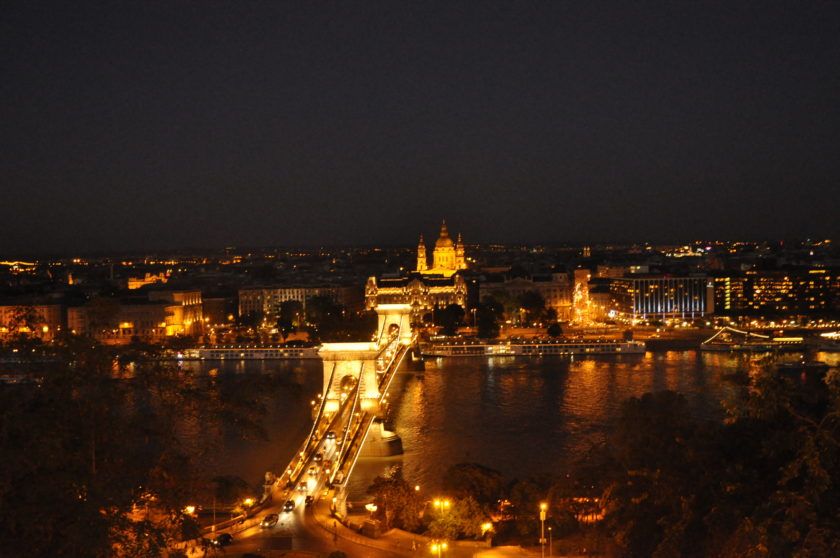
6. HEROES' SQUARE – HŐSÖK TERE
Heroes' Square, with the Museum of Fine Arts on its left and the Palace of Art on its right, looks truly magnificent with the "Millennium Monument" completed in 1929 and the "Archangel Gabriel" column in its middle. Having come this far, don't neglect the City Park right behind the monument either. The park, one of Budapest residents' getaway spots, is home, besides the Széchenyi, known as one of the city's largest thermal pools, to Europe's largest permanent Zoo, the Great Circus, the Amusement Park and Vajdahunyad Castle.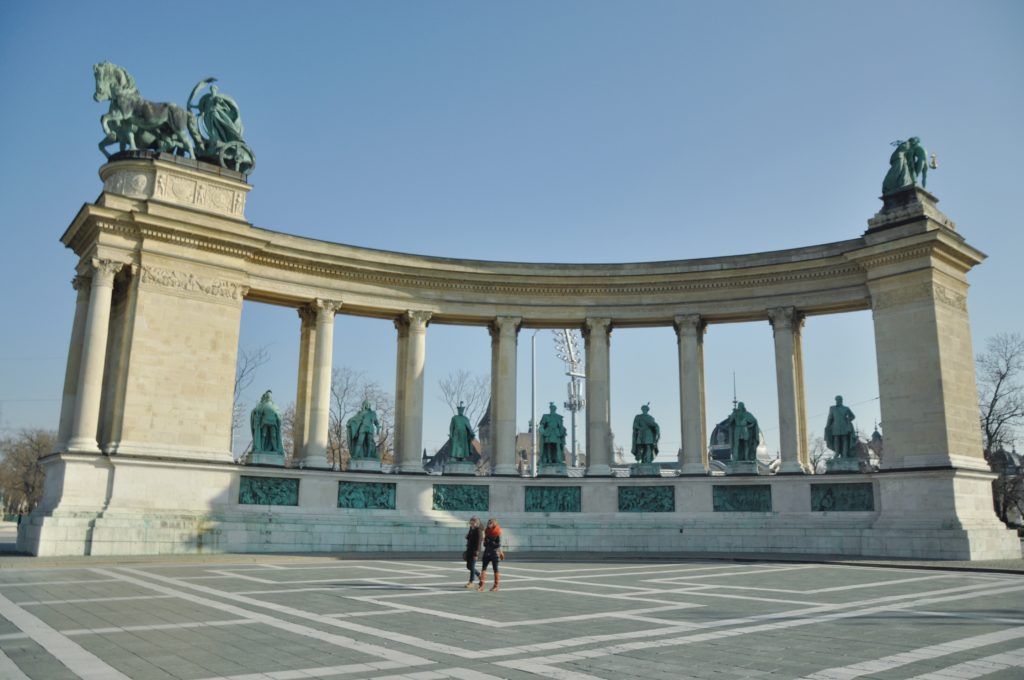 Getting there: You can reach the area using Line1.
7. VÁROSLIGET CITY PARK
This lovely city park, right behind Heroes' Square, becomes wonderful in winter when the pond is turned into an ice-skating rink. If we knew how to skate, we'd have liked to spend time with the locals on this rink and soak up Budapest's beauty.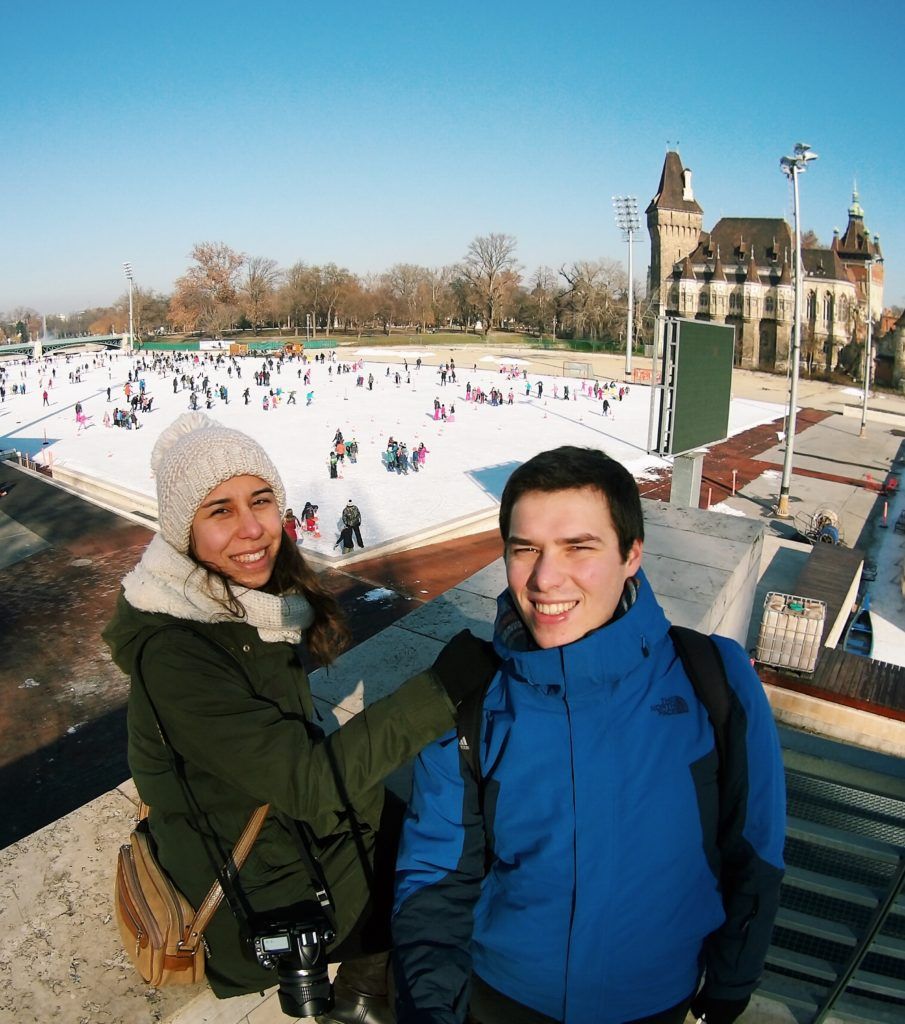
But if, like us, you don't know how to skate, you can do the activity right below.
8. BUDAPEST THERMAL POOL - SZÉCHENYI THERMAL BATH
We came across many traces left by the Ottomans in Budapest, but we'd never thought we'd come across the hamam culture. There are many hamams in the city. Besides these, there are also thermal pools like ours. If you go in winter like us, we recommend going into these thermal pools right behind Heroes' Square. Our choice was the Széchenyi Bath, which has a very long history. You can use either the indoor pool or the outdoor pool.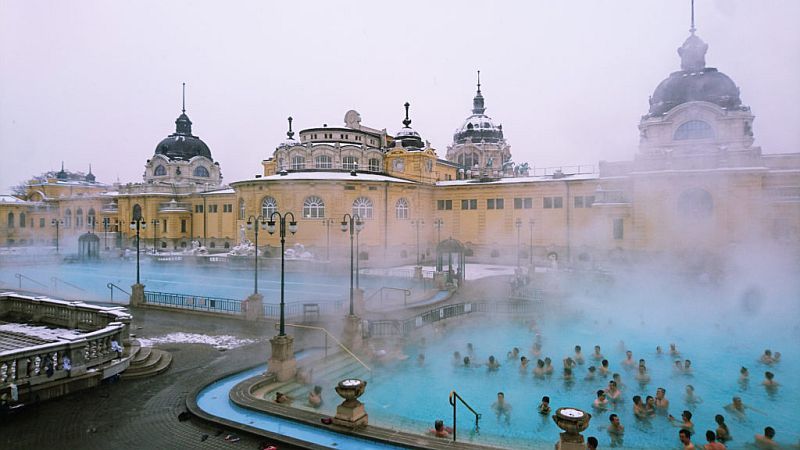
Budapest Thermal Pool
9. HOUSE OF TERROR MUSEUM
We could call it the house where the evidence of savagery is displayed. The world's only terror museum is in Budapest, a museum where the tragedies of the Soviet occupation are displayed. It's the terror museum on Budapest's Andrássy Avenue, with the swastika 'cross', the 'star' and the word 'terror' on the altars of its roof; even just from the building's facade, without touring inside, you understand how cruel humankind can be.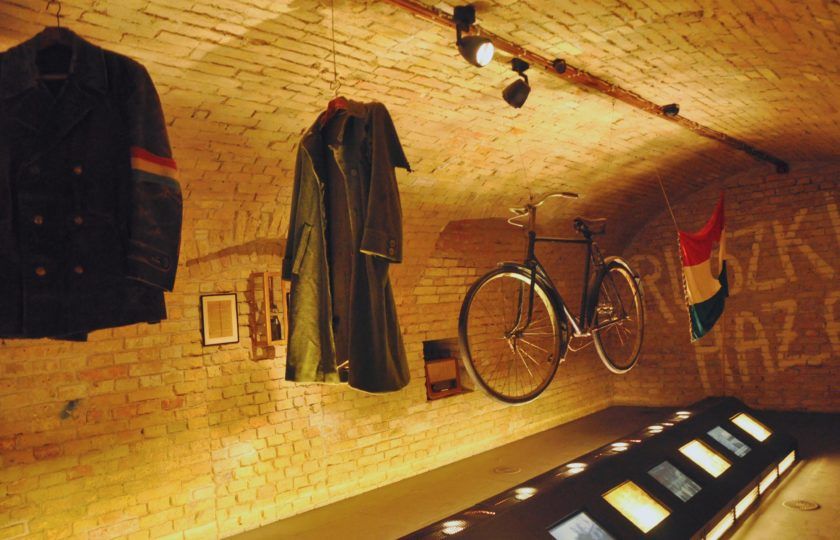 For a more detailed post about the Terror Museum, click the link!
Getting there: You can reach the area using Line1.
10. BUDAPEST OPERA HOUSE - MAGYAR ÁLLAMI OPERAHÁZ
Budapest is a city steeped in art, and if you want to see a lovely concert in the city at economical prices, I recommend the Budapest opera house. Whether or not you want to see a concert, I recommend seeing this building.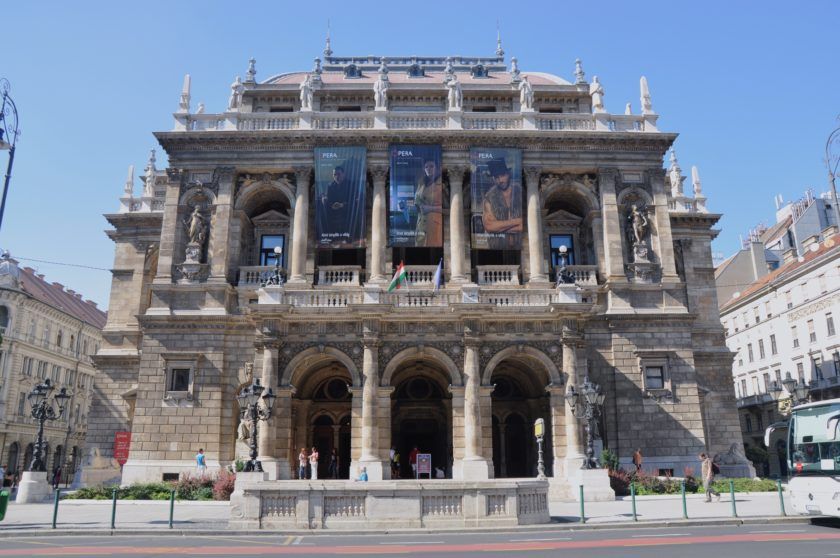
11. ST. STEPHEN'S BASILICA - SZENT ISTVÁN BAZILIKA
The Basilica, where 8500 people can worship at the same time, is also home to the country's largest bell. In the hugely large building the frescoes and mosaics are eye-catching. A delightful view of Budapest awaits you from the right dome. The square where the church stands, with the restaurants and bars around it, hosts young people until late at night.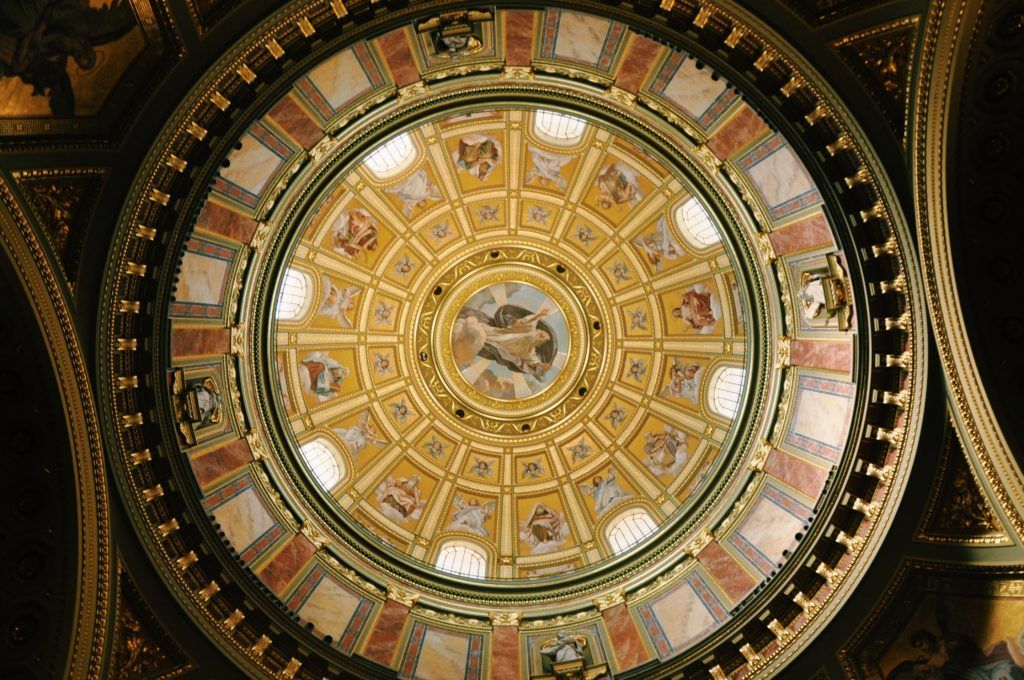 Note: The Basilica can be visited on weekdays between 09.00-17.00, on Saturdays 09.00-13.00 and on Sundays 13.00-17.00. Entry is free. For St. Stephen's Chapel, the Treasury and the Dome the fee is 1600 HUF (1100 HUF without the Dome); 20% off with the Budapest Card.
Getting there: You can reach the area from Line1/Bajcsy-Zsilinszky út or Line3/Arany János utca station.
12. HUNGARIAN PARLIAMENT BUILDING - PALACE OF PARLIAMENT HUNGARY
This special building is the 3rd largest parliament building in Europe and also the largest building in Hungary. We can say the building's greatest feature is that it really has extremely beautiful architecture.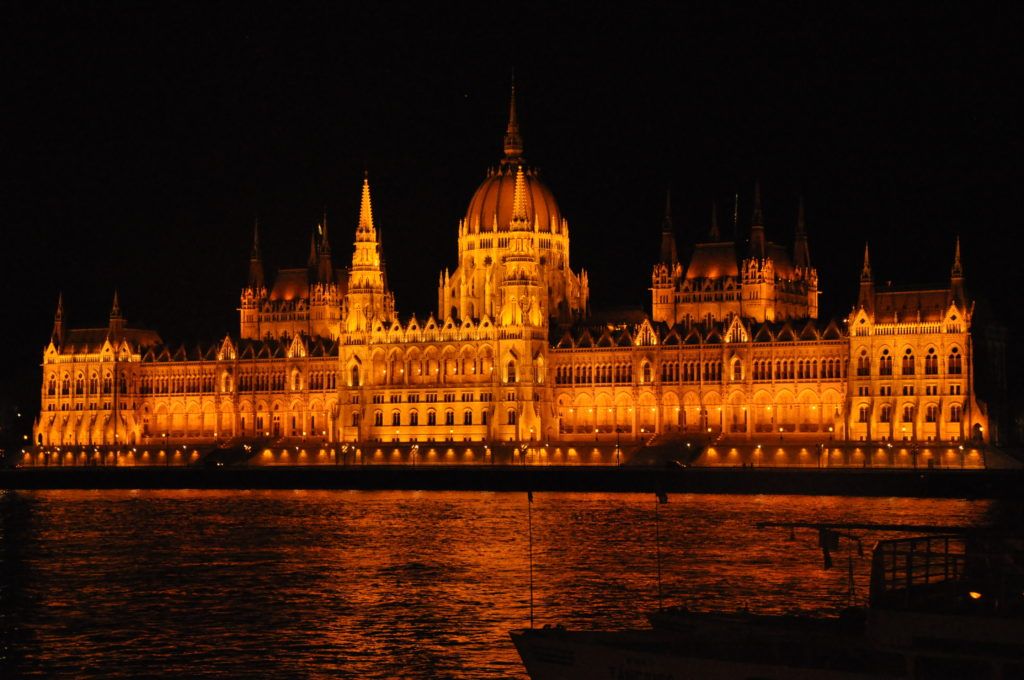 This building, right on the edge of the Danube, looks magnificent especially at night with its distinctive lighting. The Parliament Building, on the bank of the Danube and one of Budapest's most important symbols, can be visited on special tours when there are no sessions. Even if you don't go inside, don't forget to enjoy this magnificent beauty and Kossuth Square, where the main gate is.
Note: These tours, offered in different languages and lasting about 45 minutes, cost 2000 HUF for EU citizens and 5200 HUF for those outside the EU. Tickets can be bought online, and also from the stands on Kossuth Square right in front of the building, open until 16:00.
Getting there: You can reach the area using Line2.
13. SHOES ON THE DANUBE BANK
The fresh flowers placed inside these bronze shoes, made in reference to the suffering the Jews went through during World War 1, show that what happened is still remembered. The work, created by Gyula Pauer and Can Togay with 60 pairs of shoes made of iron, has since 2005 led those strolling along the Danube to deep thoughts.👞👡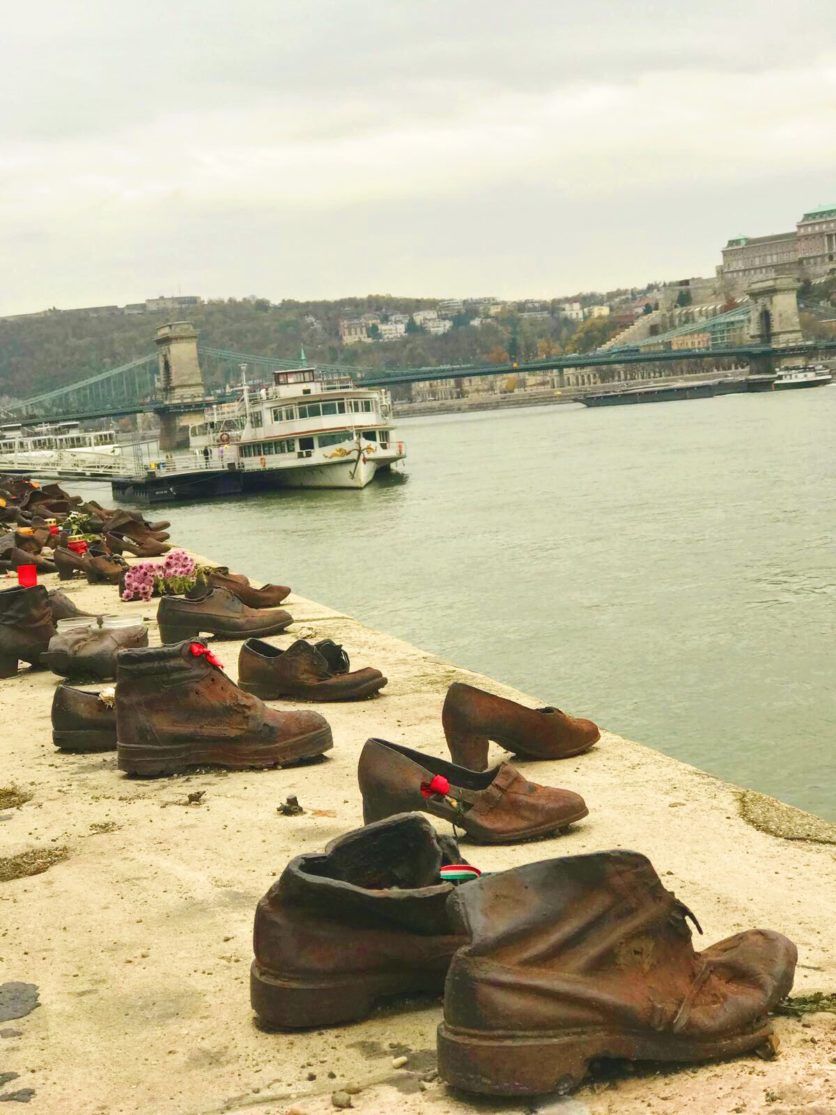 The Shoe Memorial represents the shoes the victims were made to take off before being shot in front of the Danube in the Nazi era. 😣
Getting there: You can reach the area using Line2.
14. MARGARET ISLAND - MARGITSZIGET
Margaret Island, right in the middle of the Danube, two and a half kilometres long and 500 metres wide, is at the top of Budapest's must-see areas with its tremendous parks, swimming pools, historic buildings, concerts and festivals held all year round.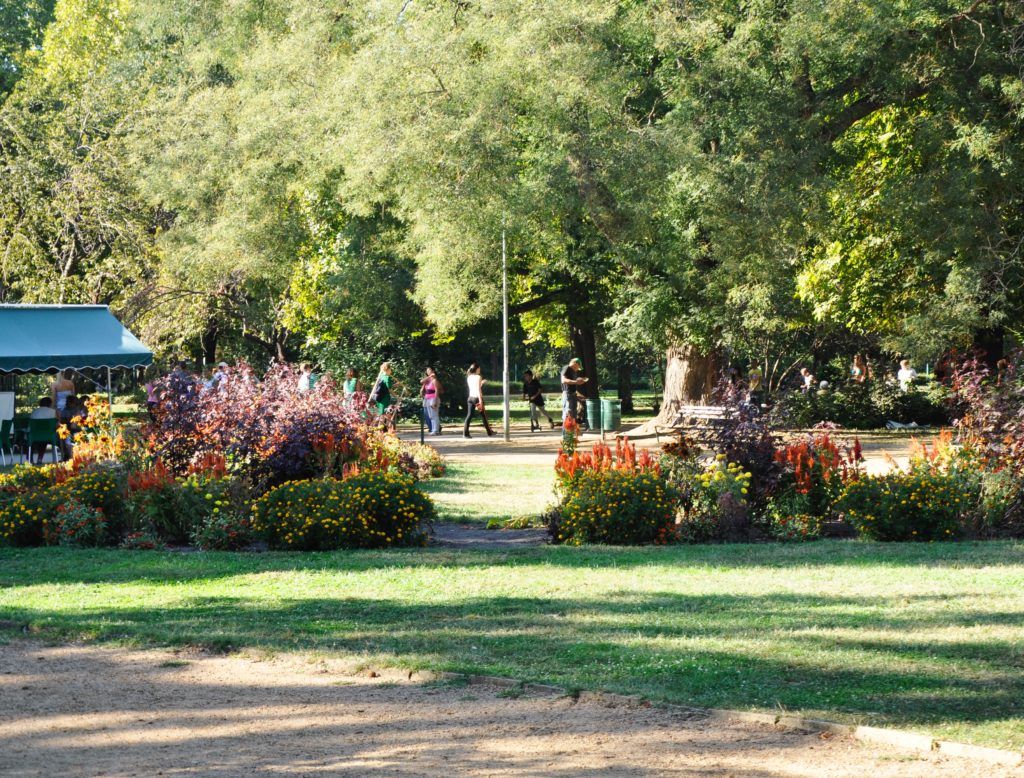
15. BUDAPEST VÁCI UTCA
This was the place I liked most during my Budapest trip. This street, closed to traffic, almost lets you feel how the flow of Budapest life goes. Along the street there are shops to shop in and cafés. It's a pleasant place to spend time and stroll around.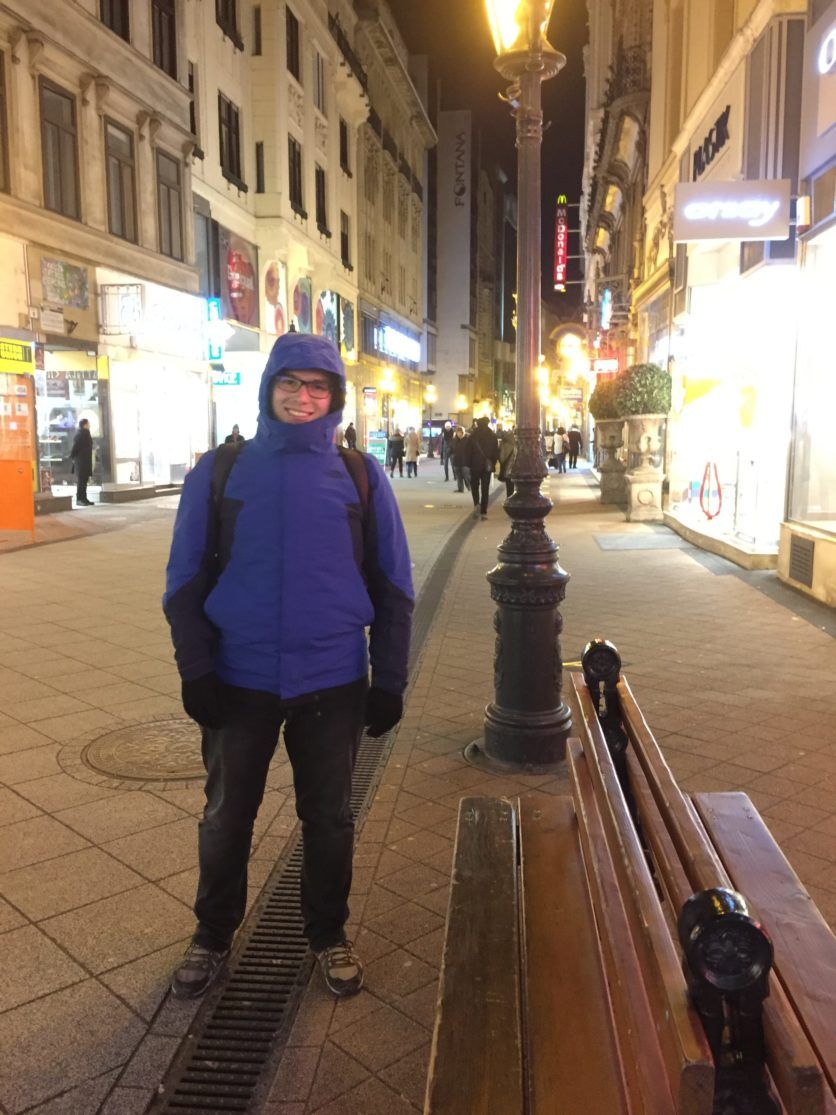
16. HUNGARIAN NATIONAL MUSEUM
One of the must-see works of Hungary's largest museum is the piano used by Beethoven and Ferenc Liszt. Those curious about Hungarian history shouldn't miss it either.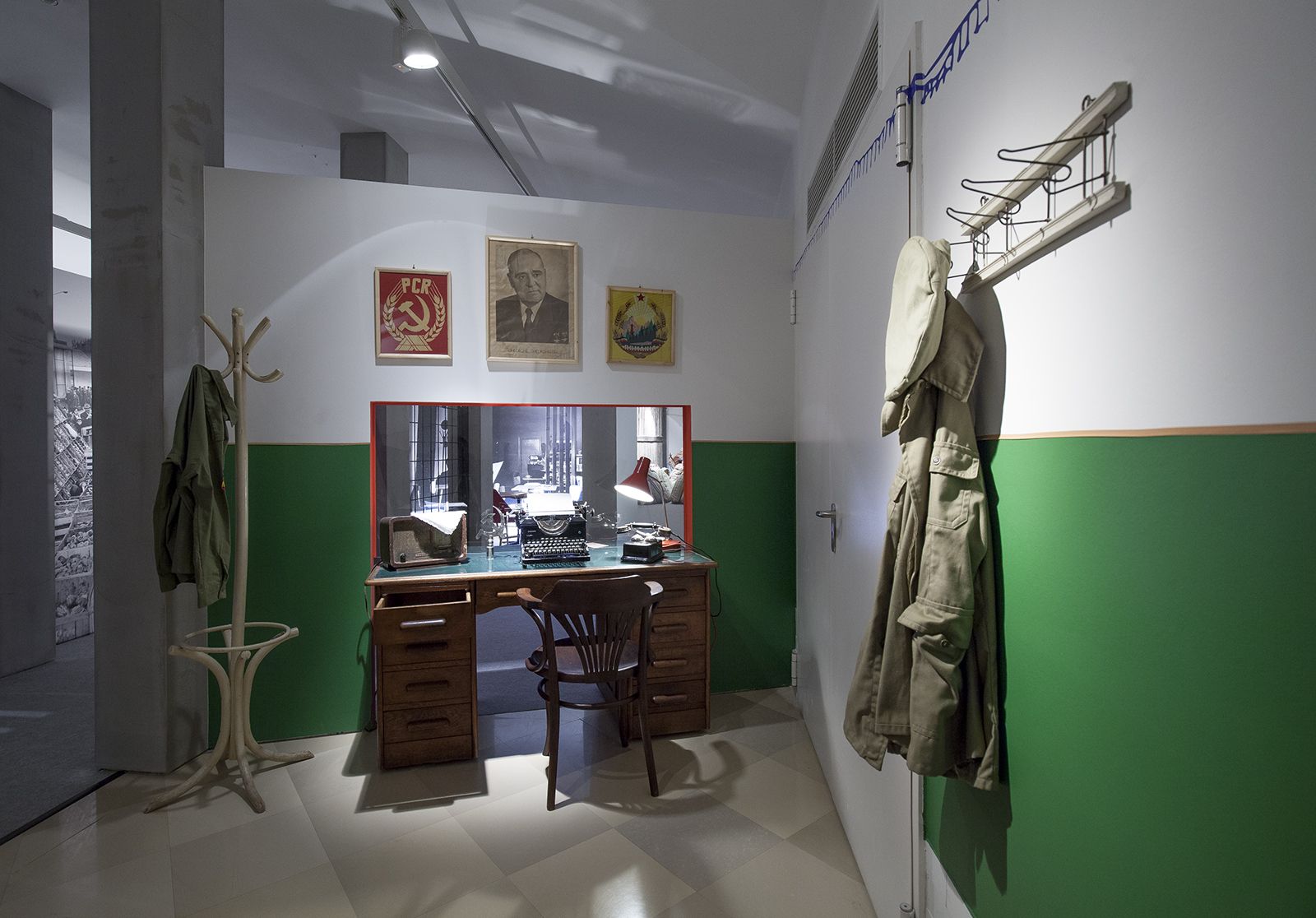
National Museum
Note: The museum can be visited Tuesday-Sunday between 10.00-18.00. It's closed on Mondays. The entry fee is 1600 HUF for adults and 500 HUF for students; 20% off with the Budapest Card.Getting there: Those using the metro can get there from Line3/Ferenciek tere station or Line2/Astoria station, and those using the bus by buses 9 and 15.
17. GREAT MARKET - CENTRAL MARKET HALL
The Central Market Hall, at one end of the famous Váci Utca, is one of the places you need to see before leaving Budapest.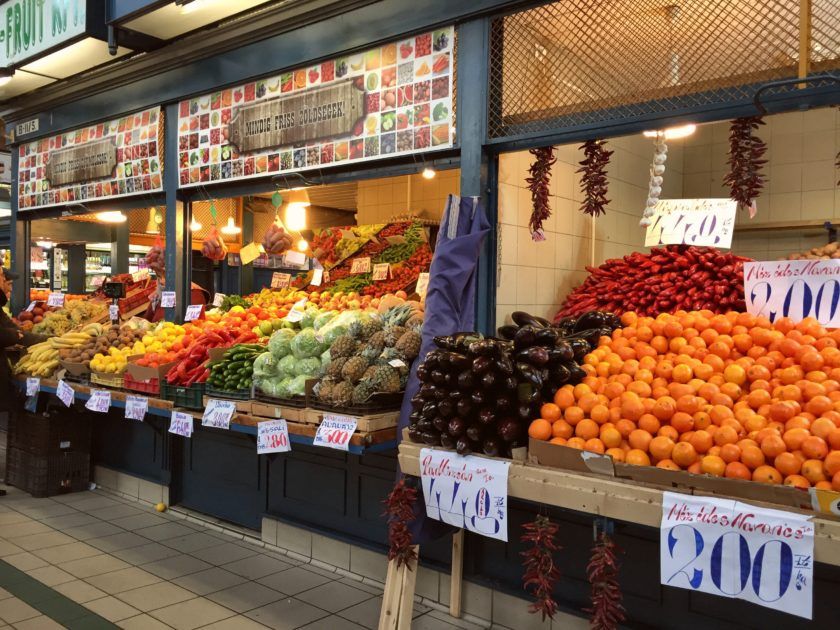 The ground floor of the 3-storey market, where fruit, vegetables and souvenirs are sold, looks like a classic market place. On the upper floor there are shops selling souvenirs and works of art, and restaurants. On the lower level there's a big supermarket. On the ground floor, vegetables, fruit, cheese and dairy products, poultry, meat and fish products are aimed at meeting the daily needs of the people living in the city.
Travel Guide - click here!
 214 km
 252 km
 442 km