Our Moscow trip, confirmed a week before the Eid holiday, was going to be part work, part travel. We would fly on Friday night, spend all of Saturday sightseeing and fly back on Tuesday evening, so we wouldn't lose a single day.
Besides being a huge city, Moscow has many very different places to see, along with its historic fabric. Moscow tours usually start from Red Square, but our route was a bit different. Thanks to the Likealocalguide site Berna found, we started with the places locals usually prefer:
Hermitage Garden
It's a wonderful feeling to reach such cute, small, quiet spots in the centre of Moscow on foot or with a single metro ride. In a metropolis like Istanbul, it looks like we'll keep searching high and low for parks like this. Concerts, fairs and festivals are held regularly in this calm park, but what stayed with me most is that it's a peaceful place to clear your head.
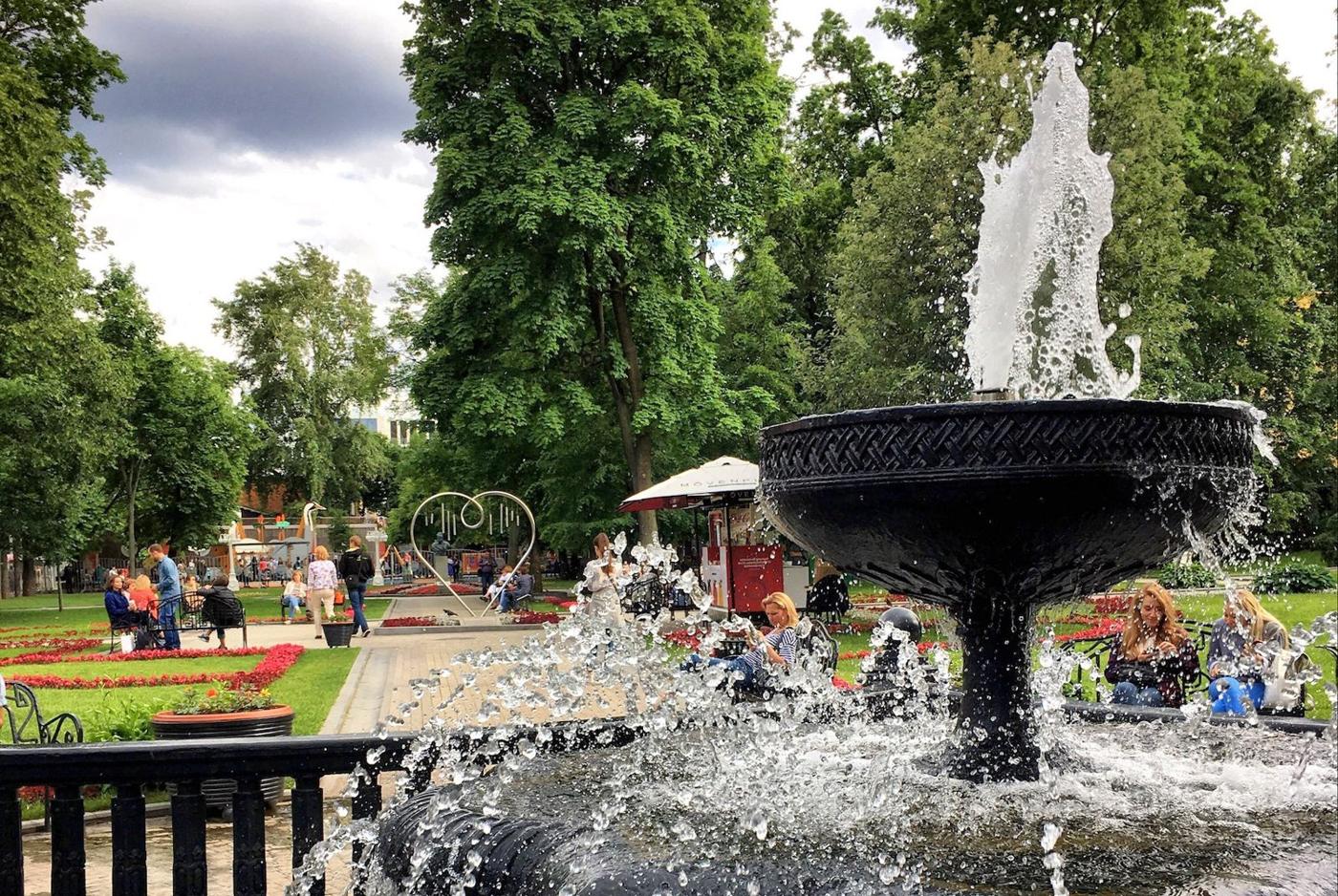
It's an ideal spot to catch your breath before or after diving into the bustle of the city centre. You'll find lovely gardens, stalls and summer hammocks here. In winter it becomes a great natural ice rink. Feel the romantic spirit and you'll understand why a monument to lovers stands here.
Getting there: From Pushkinskaya, Tverskaya or Chekhovskaya metro stations.
Old & New Arbat Street
Old Arbat is one of Moscow's oldest streets. For most Muscovites, the word Arbat means the streets and courtyards that keep Moscow's spirit alive. The famous Praga Restaurant stands at its entrance.
Like İstiklal Avenue in Istanbul, it's the classic tourist street: closed to traffic, full of souvenir shops. In the many different shops you can find different prices and haggle, so you may get a discount, even if not a big one. With music lovers, musicians and fine painters, the street brings all the classics together.
Getting there: From Smolenskaya or Arbatskaya metro stations.
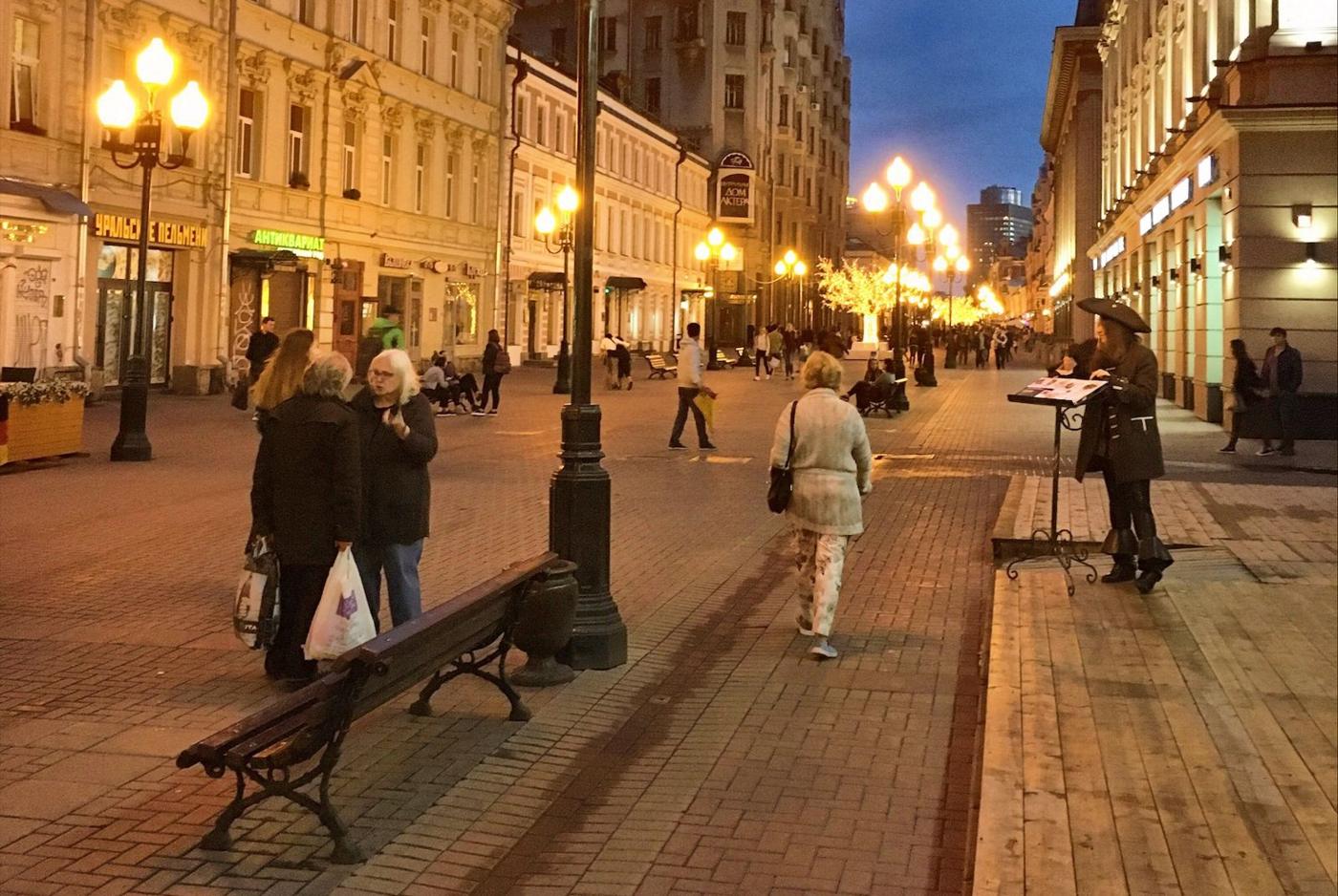
New Arbat, close to Old Arbat Street, is where Moscow's wealthy gather, a street of nightclubs and luxury restaurants.
Getting there: From Arbatskaya metro station.
Red Square
Everyone actually starts their Moscow trip at Red Square, but we followed a slightly different route. When we did reach Red Square, though, we were in awe of this famous square.
Red Square, the starting point of all of Moscow's main streets, is the city's centre. These 73,000 square metres matter not only to Russia but to the whole world. Many names who shaped world history, from writers and philosophers to politicians, passed through this square.
Besides buildings of great historic and architectural importance such as the Kremlin, St. Basil's and Kazan Cathedrals and Lenin's Mausoleum, it is also home to GUM, Moscow's most famous shopping centre. And don't dismiss it as just a shopping centre: it's an architectural gem in its own right.
Because we were in Russia in June, the days were very long. It only got dark around 11 pm. A great opportunity if you really want to make the most of your day. 😀
Getting there: From Okhotny Ryad, Teatralnaya and Ploshchad Revolyutsii metro stations.
The Kremlin
The Kremlin, which has practically become the symbol of Russia, is Moscow's oldest structure. It also serves as the residence of the President of the Russian Federation. The Kremlin has been restored countless times.
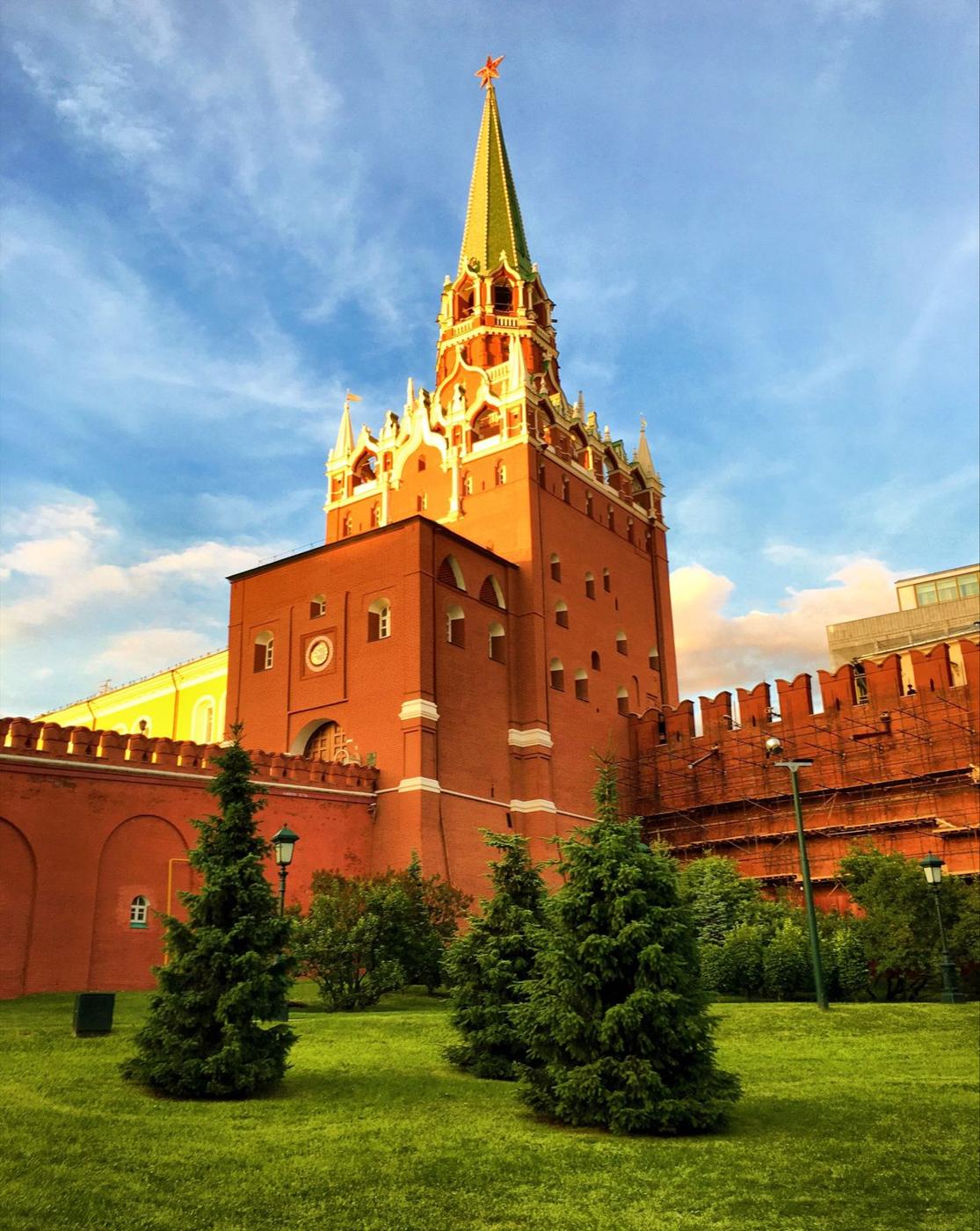
Its red-brick towers and walls were built in the 15th century. Inside you can visit the churches, the square and the Armoury. The English brochures are very helpful as you walk around. The Kremlin is closed to visitors on Thursdays.
Getting there: From Biblioteka Imeni Lenina and Aleksandrovsky Sad metro stations.
St. Basil's Cathedral
Isn't this the cathedral we all picture when we think of Moscow?
This cathedral has had a rough ride. First it was damaged in a fire in 1737. Then Napoleon liked it so much that he wanted to take it to Paris after the war. When that didn't happen,
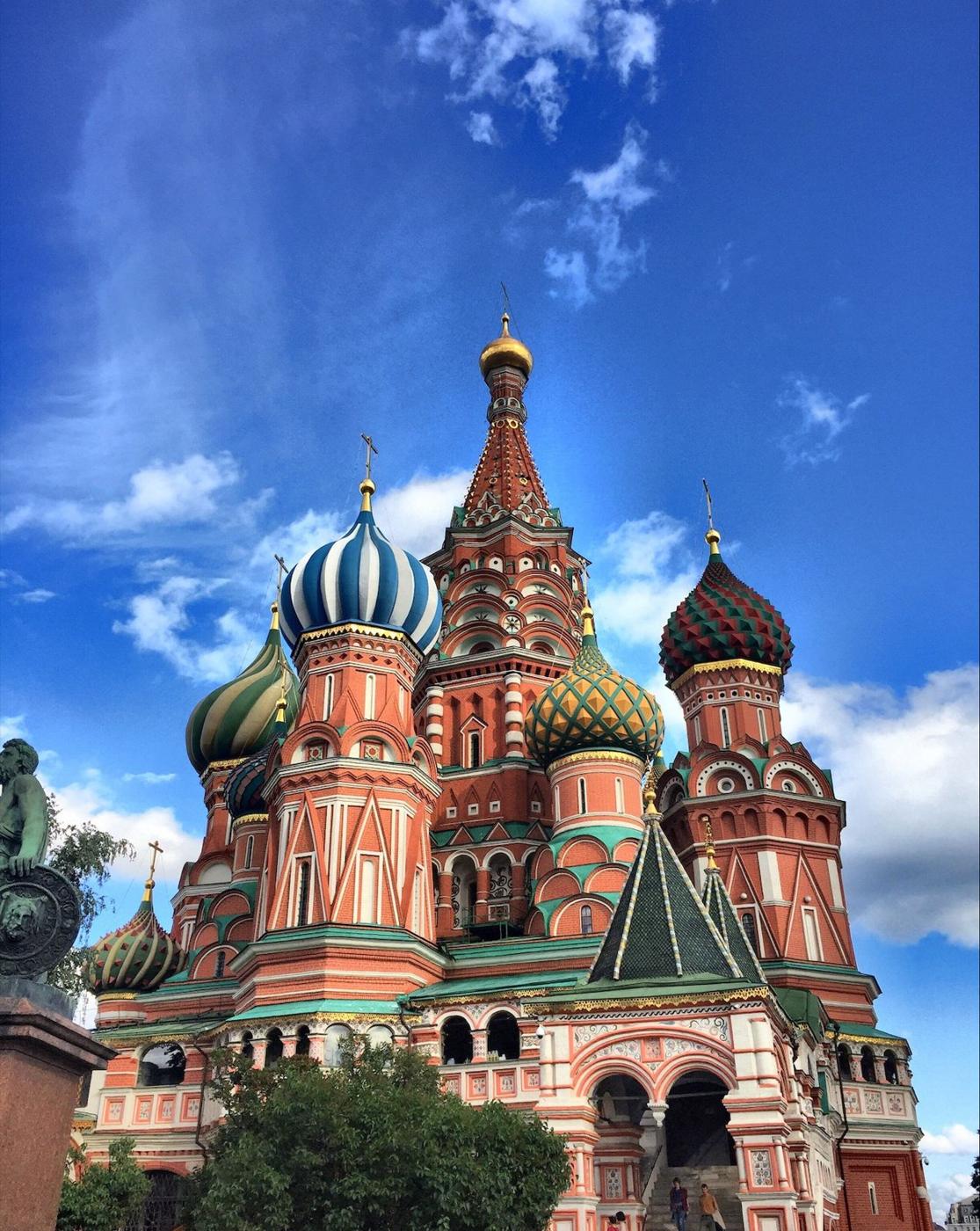
it was attacked by the Bolsheviks in the 20th century. Having survived all of this, the cathedral is now the symbol of Red Square and of Moscow.
Note: Entry to the cathedral is 250 roubles.
Getting there: From Ploshchad Revolyutsii metro station.
GUM Department Store
This enormous building impressed us with its architecture from the very first moment. Built many years ago, GUM is laid out much like the shopping centres we know. Think of the Demirören mall they tried to build on our İstiklal Avenue, except this one leaves ours far behind. Now for GUM's history:
The building, constructed in Moscow in 2630, was destroyed by artillery during Napoleon's occupation of Moscow after the Battle of Borodino in 1812. Today's building was built by a Russian architect in 1890–1893. The new construction also went down in history as the first example of the Neo-Russian architectural style.
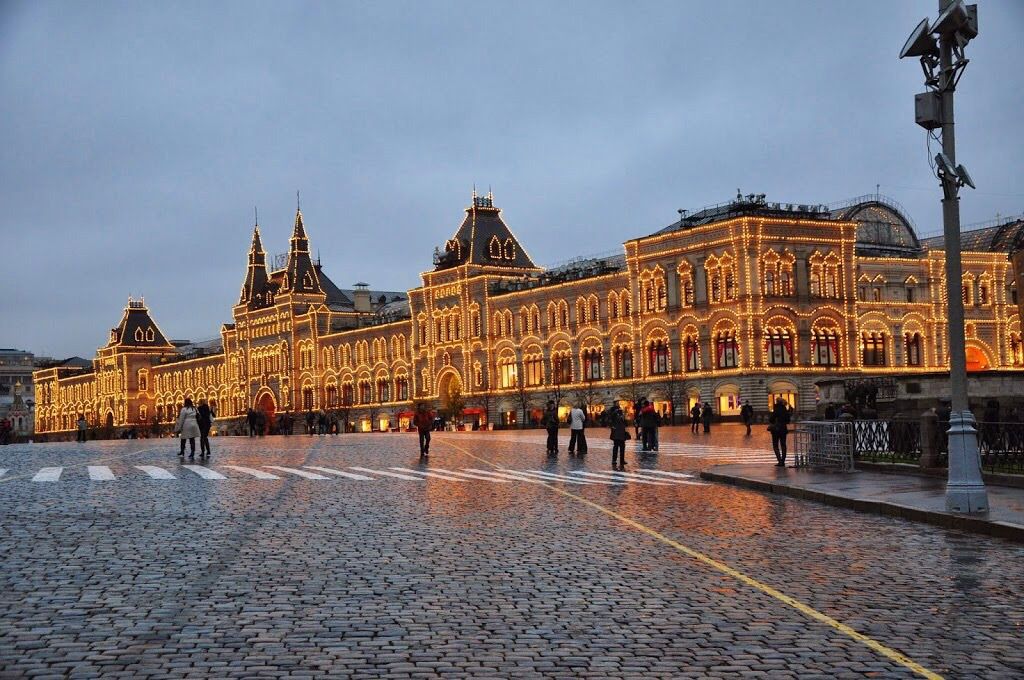
During the rebuilding, stone walls on a steel frame and central heating were used for the first time. After the Bolshevik Revolution of 1917 it was nationalised, became Stalin's headquarters and was renamed 'Gosudarstvenny Universalny Magazin'. Taking the first letter of each word gave us 'GUM', which literally means 'State Universal Store'.
After the collapse of the Soviet Union it reached its current form through a restoration carried out by Turkish architects. The three-storey building, with its high glass roofs and walls, is reminiscent of English railway stations. Today it's Moscow's most expensive shopping centre, but there are also places to eat that suit your budget.
Note: GUM is open every day from 10:00 to 22:00, and it's a huge building you'll recognise at once from the photo below.
Getting there: From Okhotny Ryad, Teatralnaya and Ploshchad Revolyutsii metro stations.
Lenin's Mausoleum
Lenin's Mausoleum is a pyramid-shaped structure built of grey, black and red granite. The red granite symbolises communism and the grey stands for mourning. Standing on Red Square since 1924, the mausoleum holds the embalmed body of Lenin, who died in 1924. Although it was closed for a while, it is open to visitors today. Entry is free, and you have to leave things like cameras, phones and bags outside.
Note: Open 10:00–13:00 every day except Monday and Friday.
Getting there: From Teatralnaya or Ploshchad Revolyutsii metro stations.
The Lubyanka Building
This building once housed the country's notorious Lubyanka Prison. Formerly the KGB headquarters, it is now the headquarters of the FSB. There is a KGB museum inside.
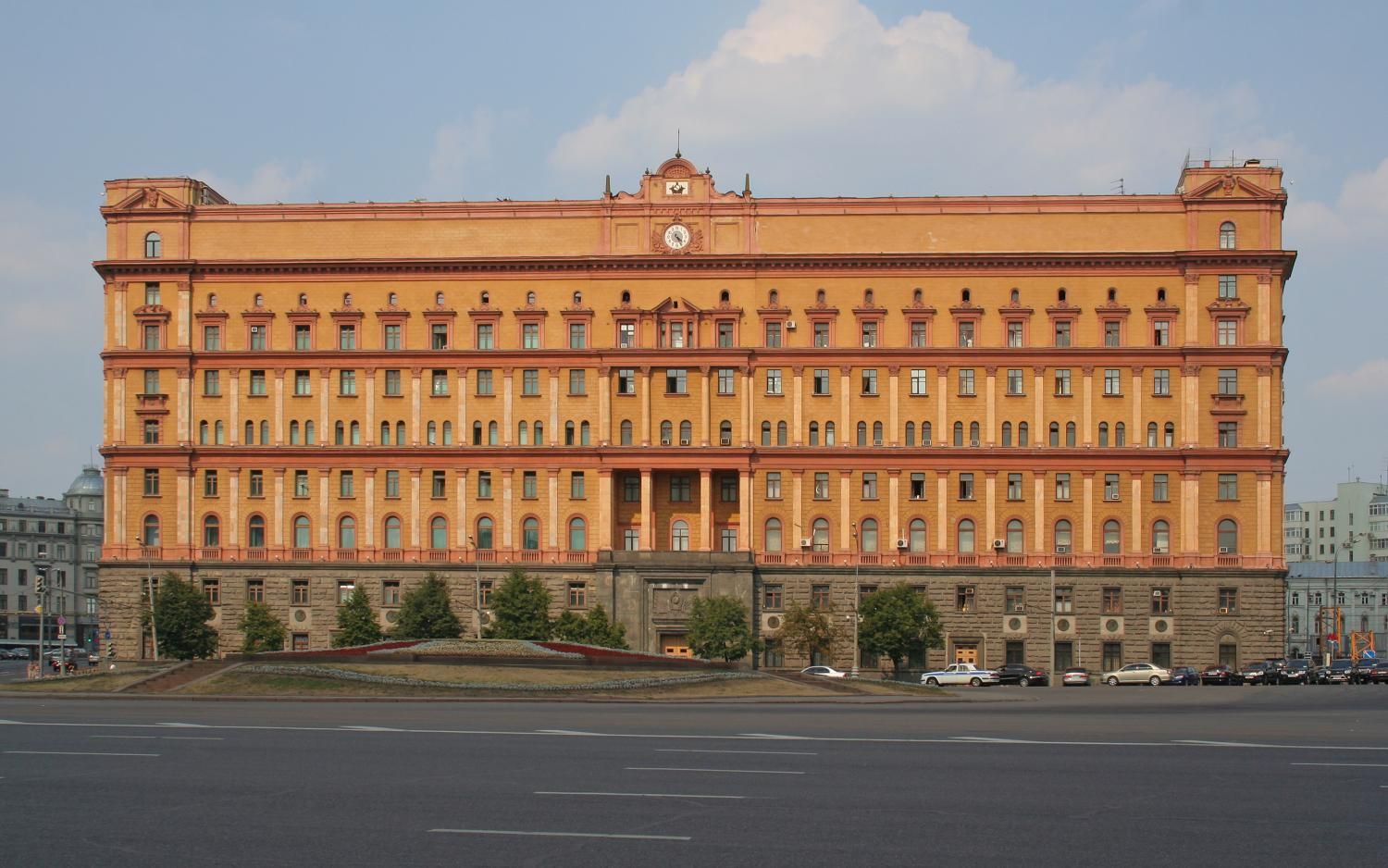
According to an old joke, it was once the tallest building in Moscow, and you could see Siberia even from its basement.
Note: Open on weekdays 11:00–06:00, Saturdays 12:00–06:00 and Sundays 20:00–06:00.
Getting there: From Lubyanka metro station.
Dostoevsky's House
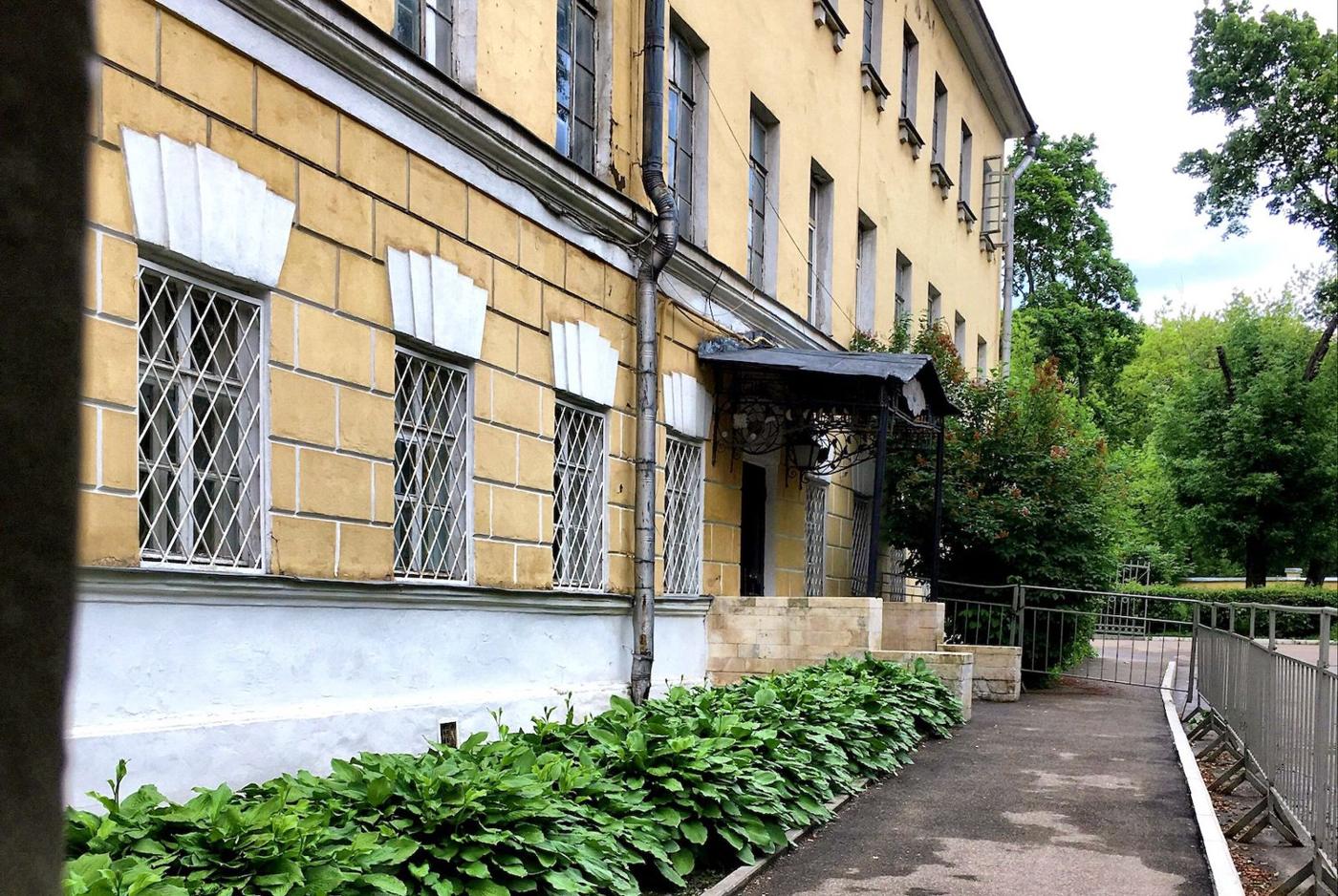
Fyodor Mikhailovich Dostoevsky is one of the most important names in Russian, and indeed world, literature. Seeing the house of the Moscow-born writer feels very special. Since it was a Monday I couldn't go inside, but the house holds a lovely library and the writer's personal belongings.
Getting there: From Novoslobodskaya metro station.
Gorky Park
As we've said plenty of times above, we absolutely lo-ved Moscow's city parks! We spent almost half of our second day in Gorky Park.
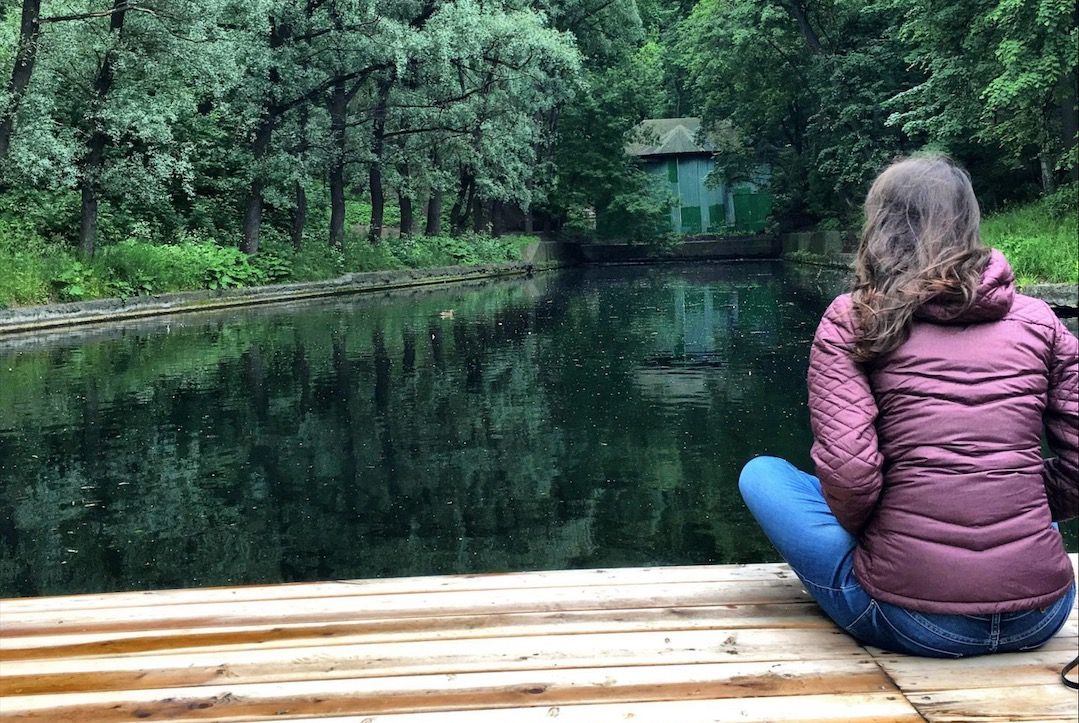
Until just 2–3 years ago this park was abandoned. Today it's the most popular park in Moscow, where people of all ages and incomes spend their time. Because it's so huge, it hosts many different activities at the same time all year round. As for those activities:
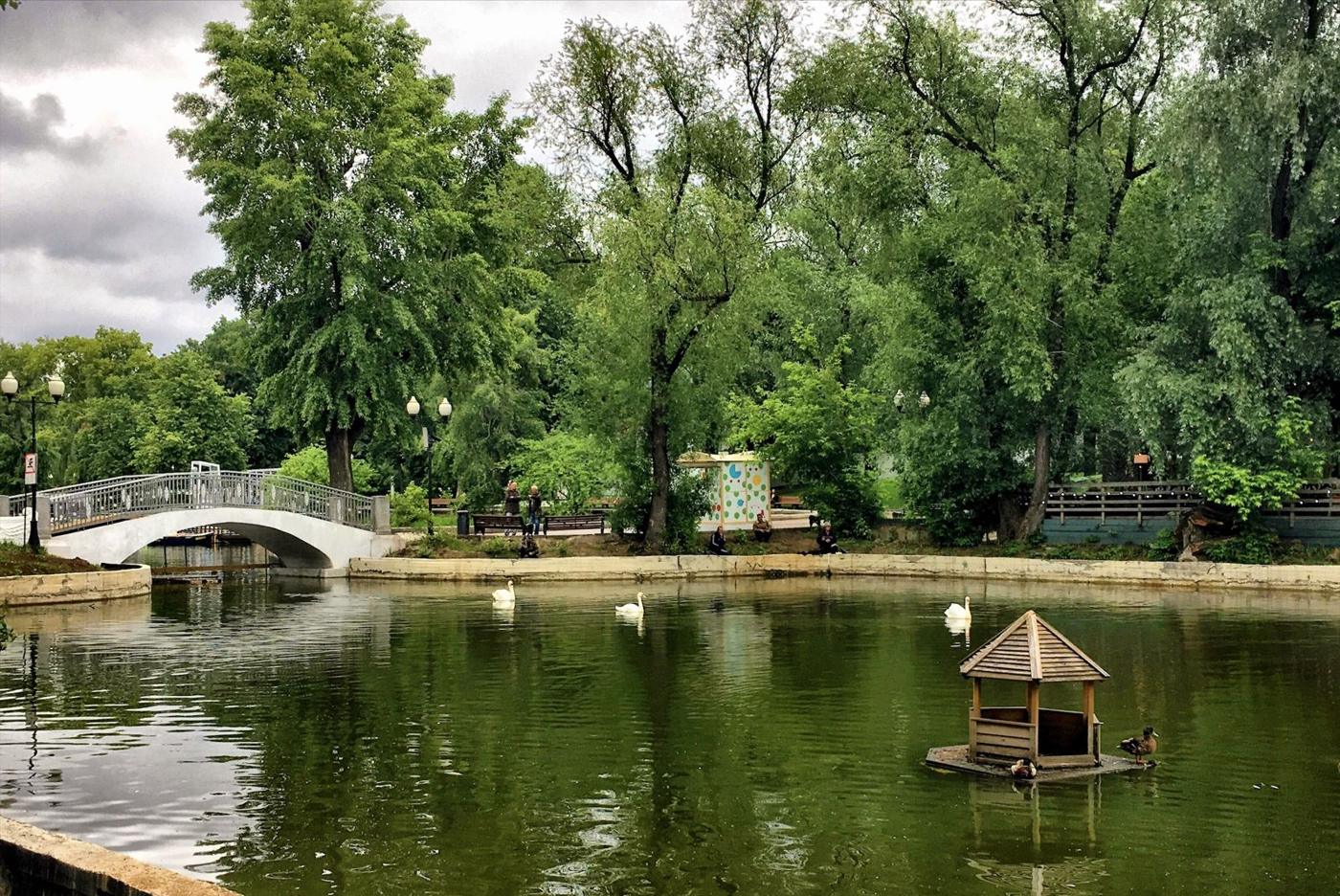
All summer long you can go for a stroll, relax in a hammock, play tennis, rollerblade or skateboard, cycle, or visit the open-air cinema at night. You can also watch masterclasses during the day. Even lovelier in winter, the park turns into a great snowboard park and Moscow's most impressive ice rink.
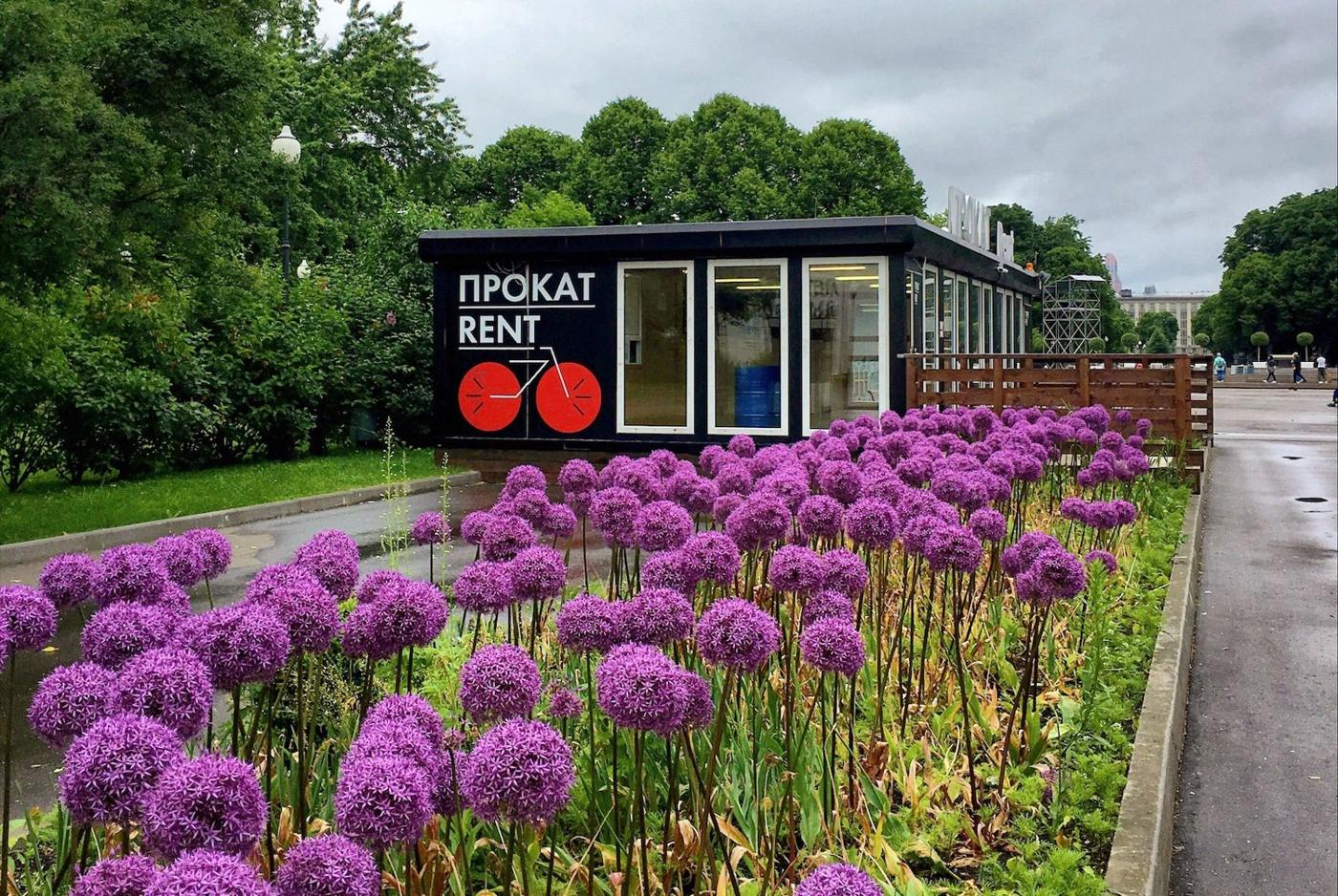
Don't forget to check the programme for festivals, events and national and public holiday celebrations. There's even free Wi-Fi!
Getting there: From Park Kultury metro station.
The Moscow Metro
Once you get on the metro you'll understand that the Moscow Metro isn't just for getting around. Don't be surprised to see groups of tourists taking photos in the stations and touring them with a guide! 😀😀
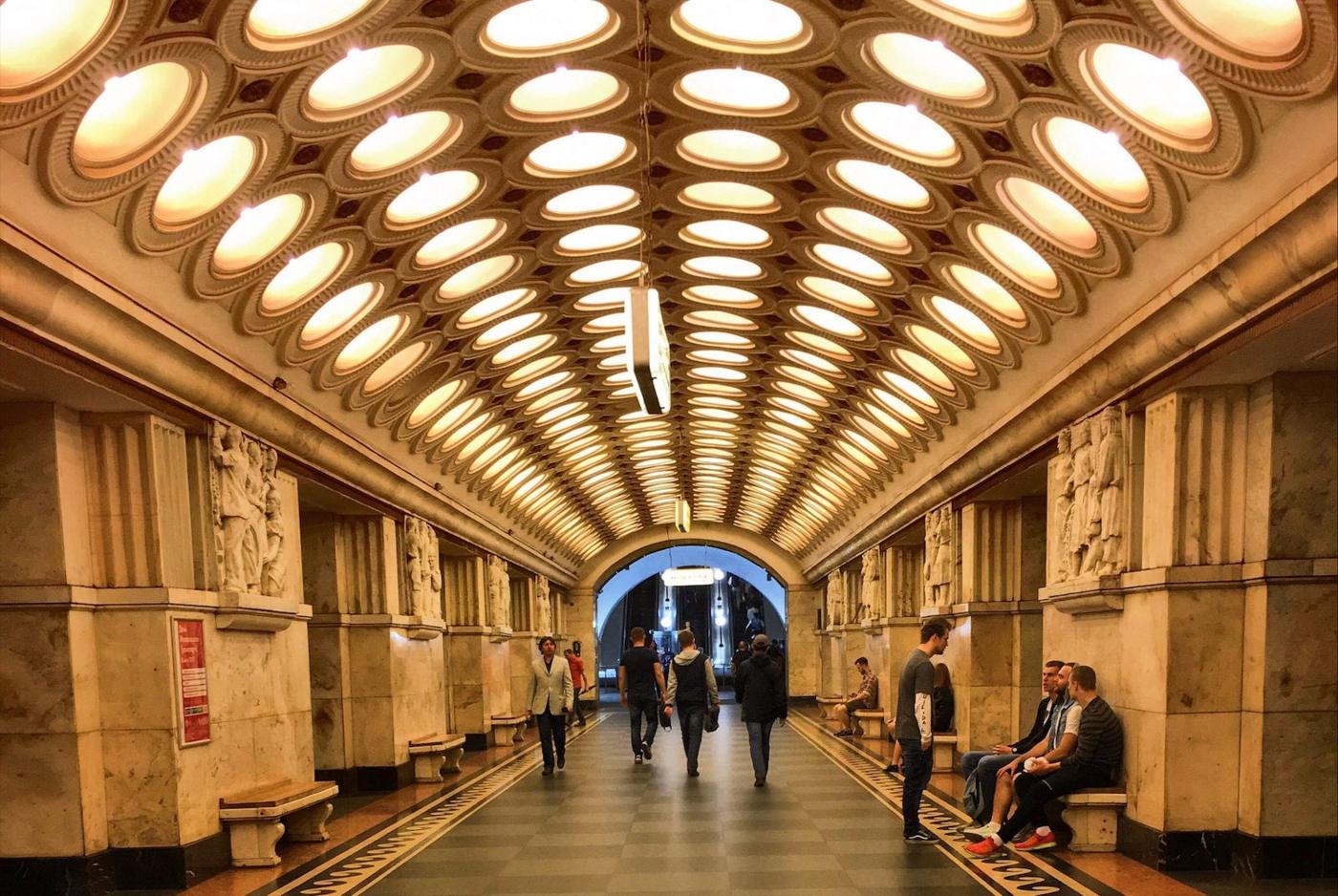
This metro, which Muscovites tell stories about with pride, carries millions of passengers every day. With its statues, mosaics, finely crafted walls and giant chandeliers, you feel like you're in a museum. Stations I can recommend include Mayakovskaya (1938), Teatralnaya, Ploshchad Revolyutsii (1938), Novoslobodskaya (1952), Shosse Entuziastov (1979), Kievskaya (1954) and Elektrozavodskaya (1944).
The Stalin Skyscrapers
During our time in Moscow we saw these skyscrapers from almost everywhere in the city. They are seven very similar buildings built on Stalin's orders between 1947 and 1953, Moscow's first skyscrapers, you could say. They are used as Moscow State University, Hotel Ukraina, the Leningradskaya Hotel, the Hilton Moscow, the Ministry of Foreign Affairs and some government buildings.
Novodevichy Cemetery
While researching before our trip to Moscow, I learned that Nazım Hikmet's grave is in this cemetery, and we immediately thought we had to go. The graves of artists such as Gogol, Chekhov and Mayakovsky are here too. Once again we saw how much artists are valued.
Getting there: From Sportivnaya metro station.
The Bolshoi Theatre
The Bolshoi Theatre is one of the first buildings that comes to mind when you think of Russian architecture. You can tell how important it is to Russians from the fact that it's on the 100-rouble note. Designed by Joseph Bové, the theatre is very popular for its successful opera productions.
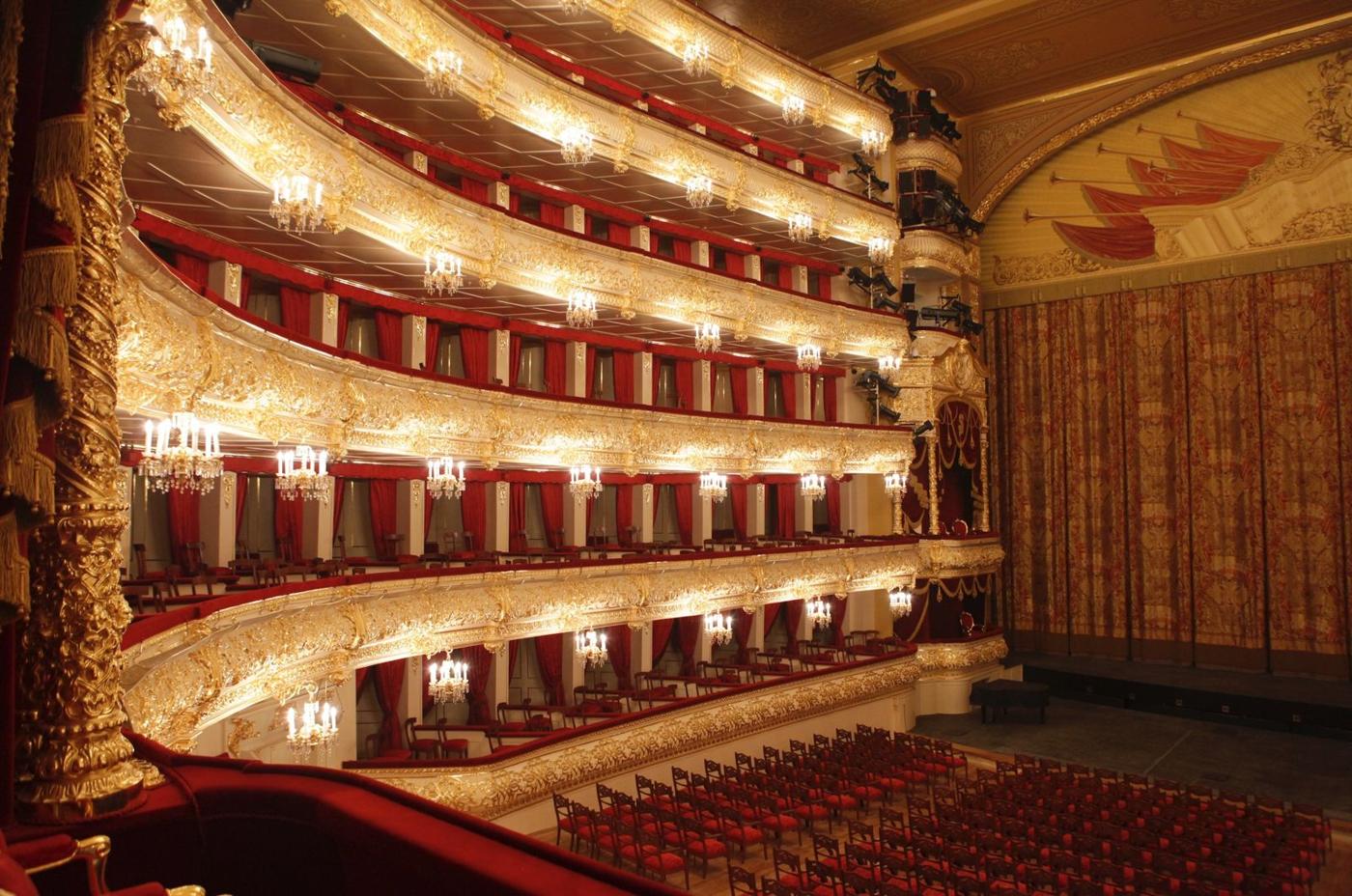
A ballet adaptation of Nazım Hikmet's Ferhat and Şirin was staged here and is still in the repertoire today. We looked for tickets before we went, but because of the high demand there were none left for our dates. Prices started from 70₺. If you can find tickets before you go, do go.
Note: Before going to Moscow, it's definitely worth getting hold of a metro map. One with both the Cyrillic and Latin alphabets will be very useful.
Getting there: From Teatralnaya and Okhotny Ryad (Theatre Square) metro stations.
Perlov Tea House
You rarely meet someone living in Türkiye who doesn't love tea. You should definitely stop by the Perlov Tea House on Myasnitskaya, built in 1890 for the tea merchant Perlov. As in most places in Russia, the staff here don't speak English, but you can open the tea tins and smell them one by one until you find one you like. As well as the flavours we know, there are unusual blends too. 100 grams of tea starts from 150 roubles.
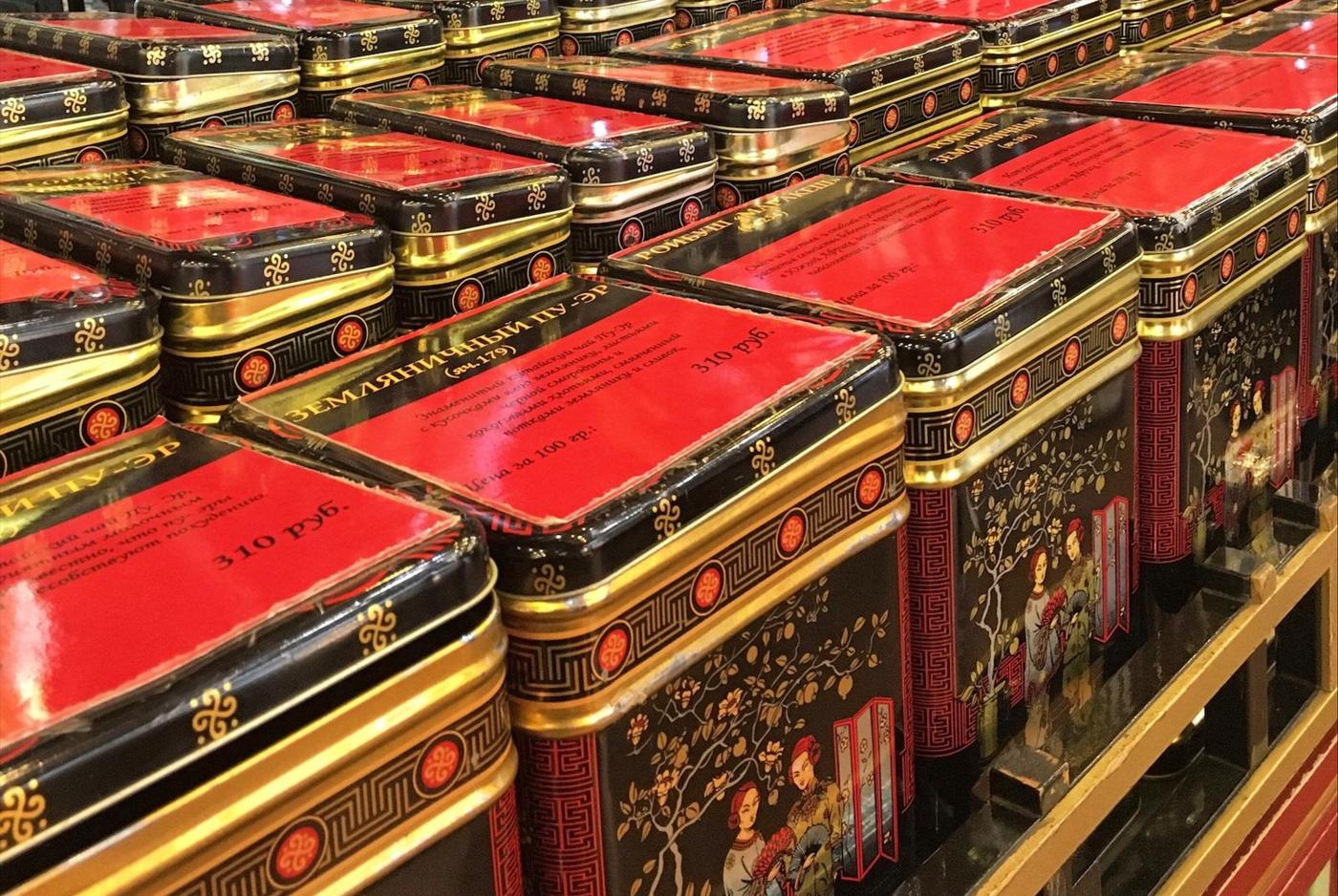
Getting there: From Chistye Prudy metro station.
That's the end of our Moscow trip. It's one of the ideal places for a 2–3 day getaway. You can reach our Moscow City Guide here.
 756 km
 875 km
 892 km