After a Legoland day that was both fun and tiring, we set off for Aarhus, since we'd now be heading to the north of Denmark. Of course, on the way back from Legoland we came to Vejle again and caught the train from there, and we reached the city about 1 hour later. In this post we'll try to describe Aarhus, where we spent a day, as a travel guide.
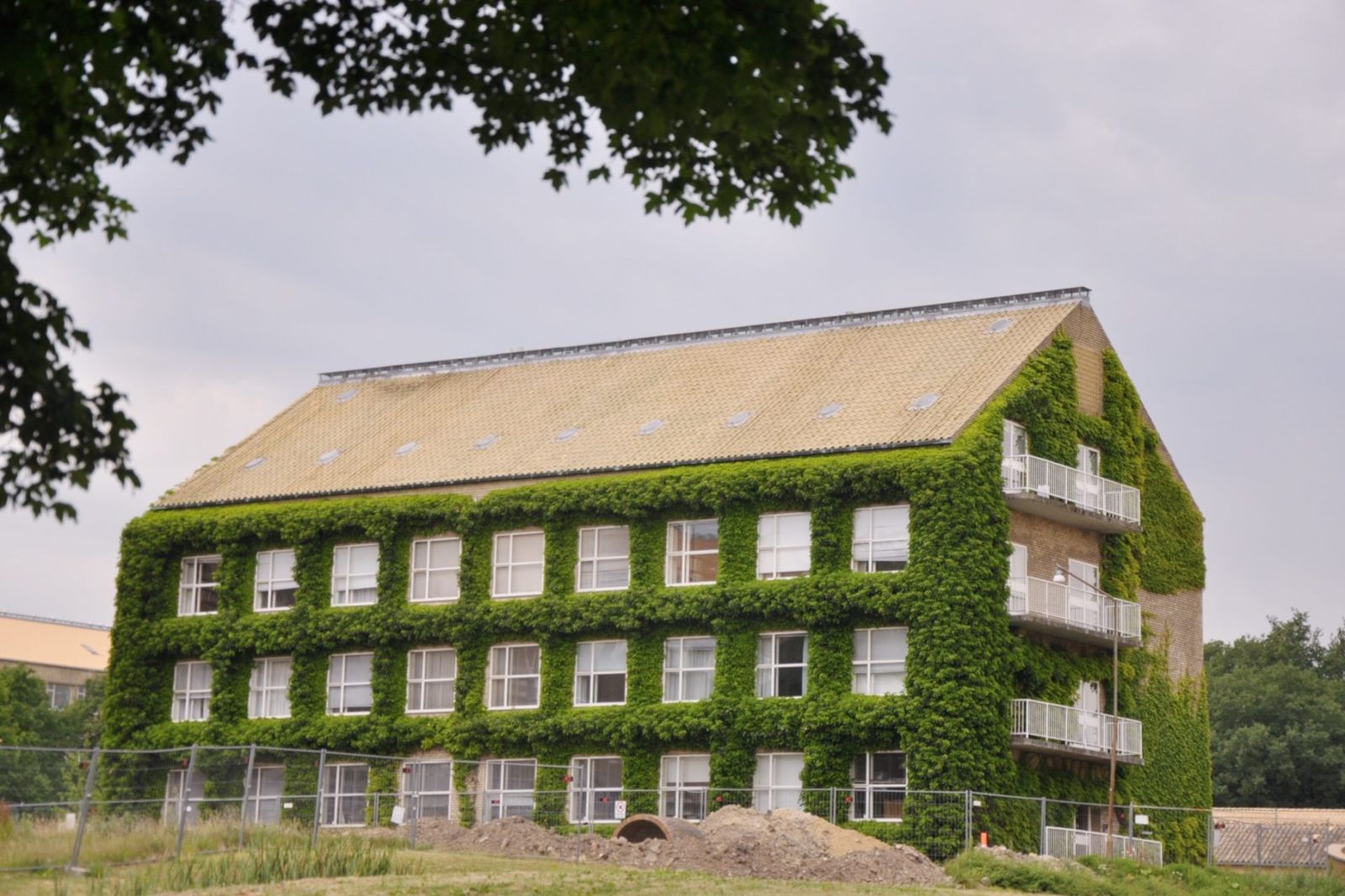
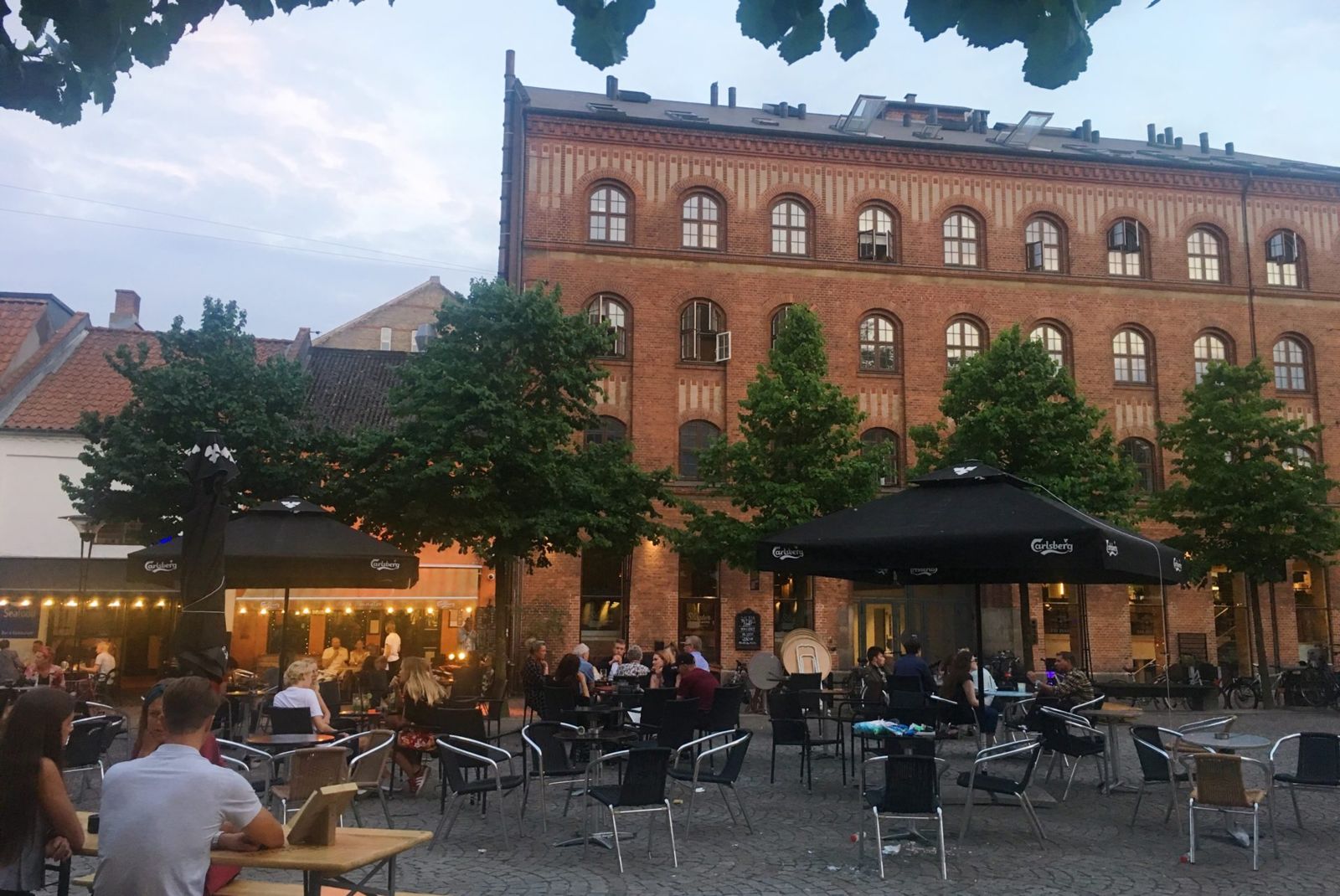
It's the country's biggest city after Copenhagen. From what we saw, it looks like a big port city. The red-brick Danish architecture we'd got used to shows itself here too. It's as if someone came and built all the buildings the same way.
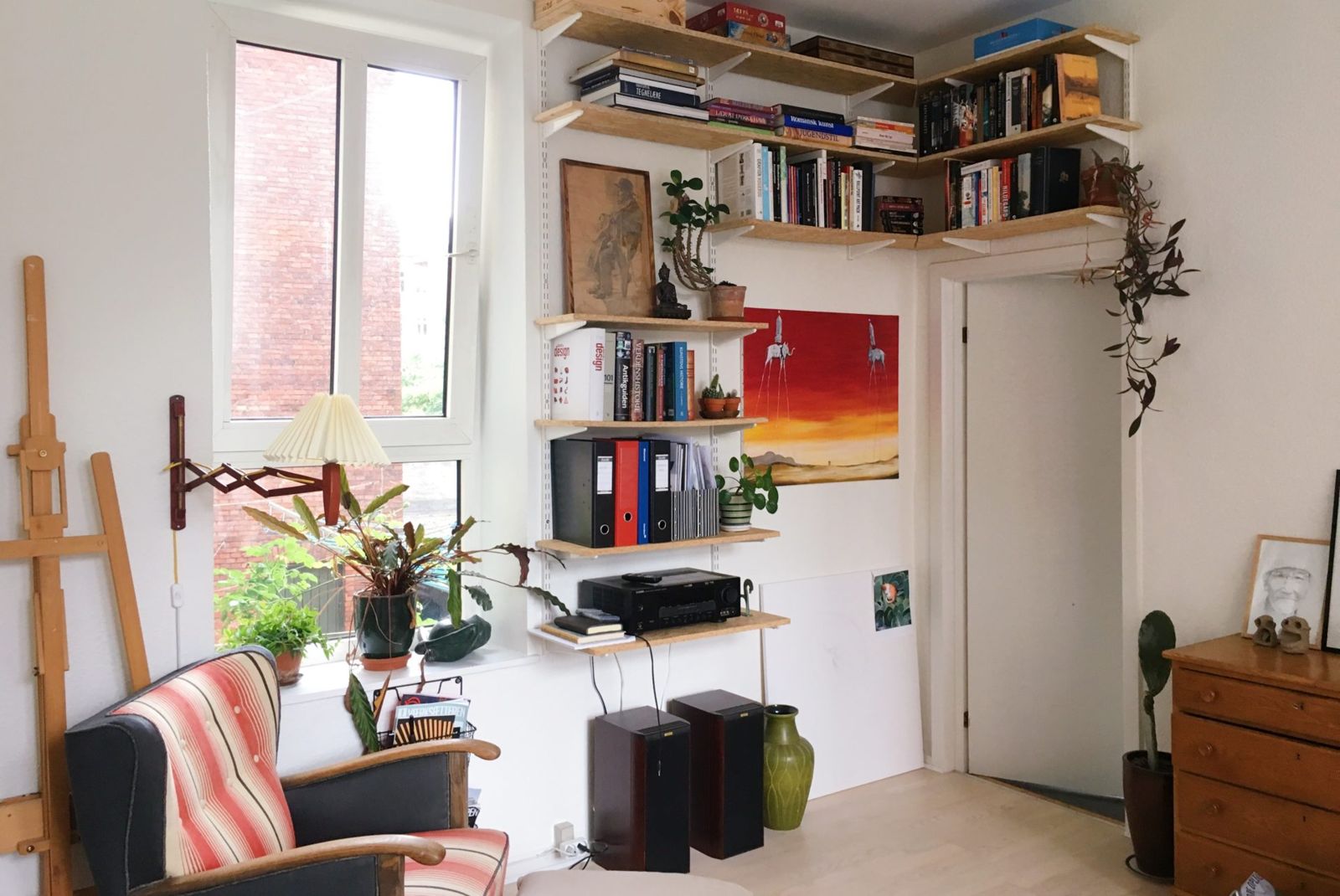
Our choice of accommodation here was Airbnb again. While wondering how we'd travel with prices this high, thanks to Airbnb we find comfortable and economical places to stay. Those who'd like to see the house we stayed in, come this way. We paid $46 for 1 night for 2 people. We got there from the train station on foot in about 20 minutes.

At the planning stage I thought we wouldn't give Aarhus much time, but when I looked into the details I decided it shouldn't be that way at all. We called it a port city, but the city has another side too. We didn't really get the chance to explore that other side in the evening, but after a good rest we got up early in the morning and set off to explore Aarhus. Let's write briefly about the places we visited..
Our Lady Church
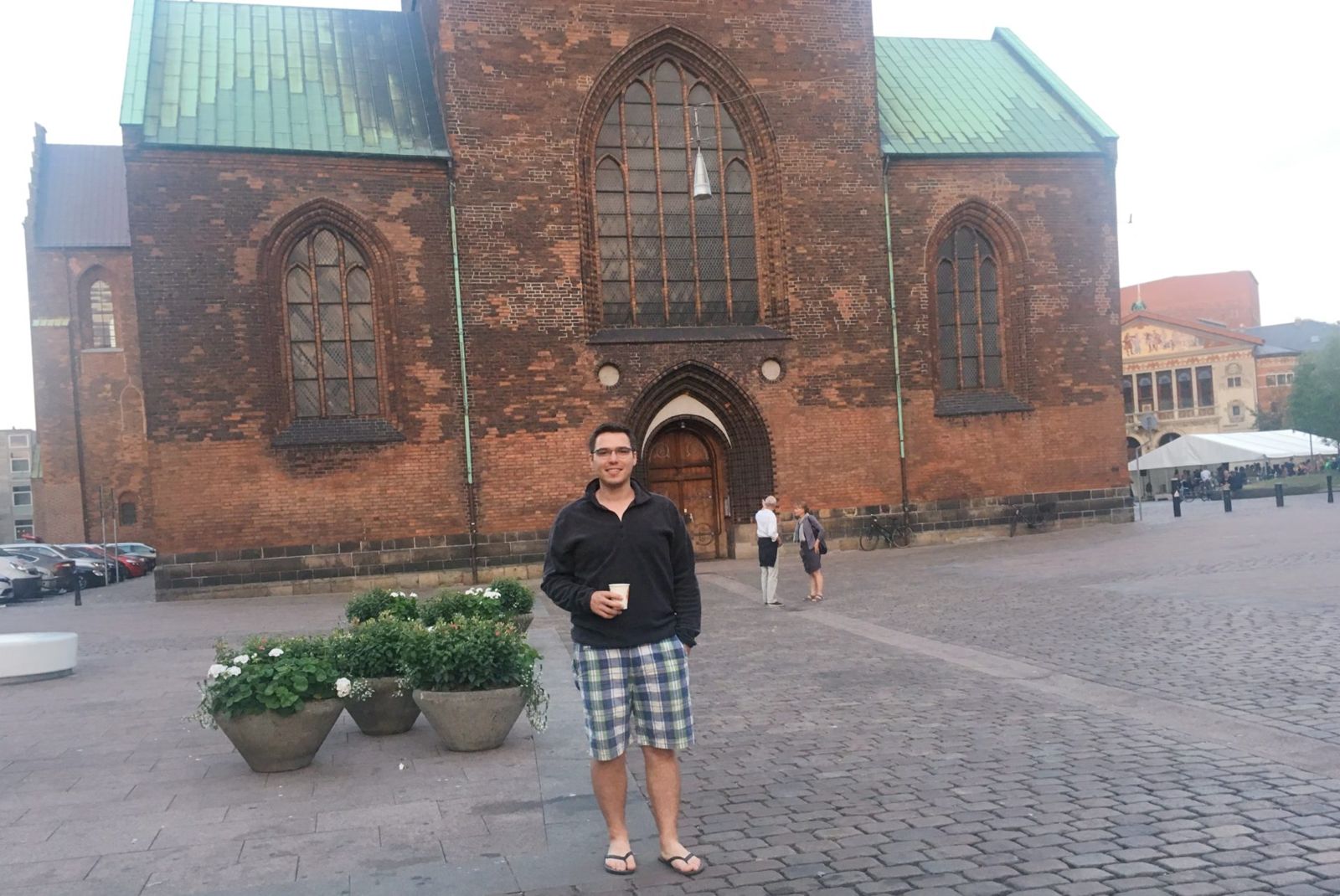
You can look at our route, starting from where we stayed, just above. Our first stop was the closest to our house, Our Lady Church.
Built between the 13th and 15th centuries, Our Lady Church was actually part of a Dominican priory. The church remains one of the biggest churches in Denmark. The church, which is now fully Gothic, has very beautiful frescoes and a magnificent altarpiece from 1520. During the church's restoration, an even older church was discovered right beside it. They estimate this church dates back to the 11th century.
Of course, since seeing churches had become very ordinary for us, especially on this trip, we read up on its history, took 2-3 photos and carried on.
Aarhus Cathedral
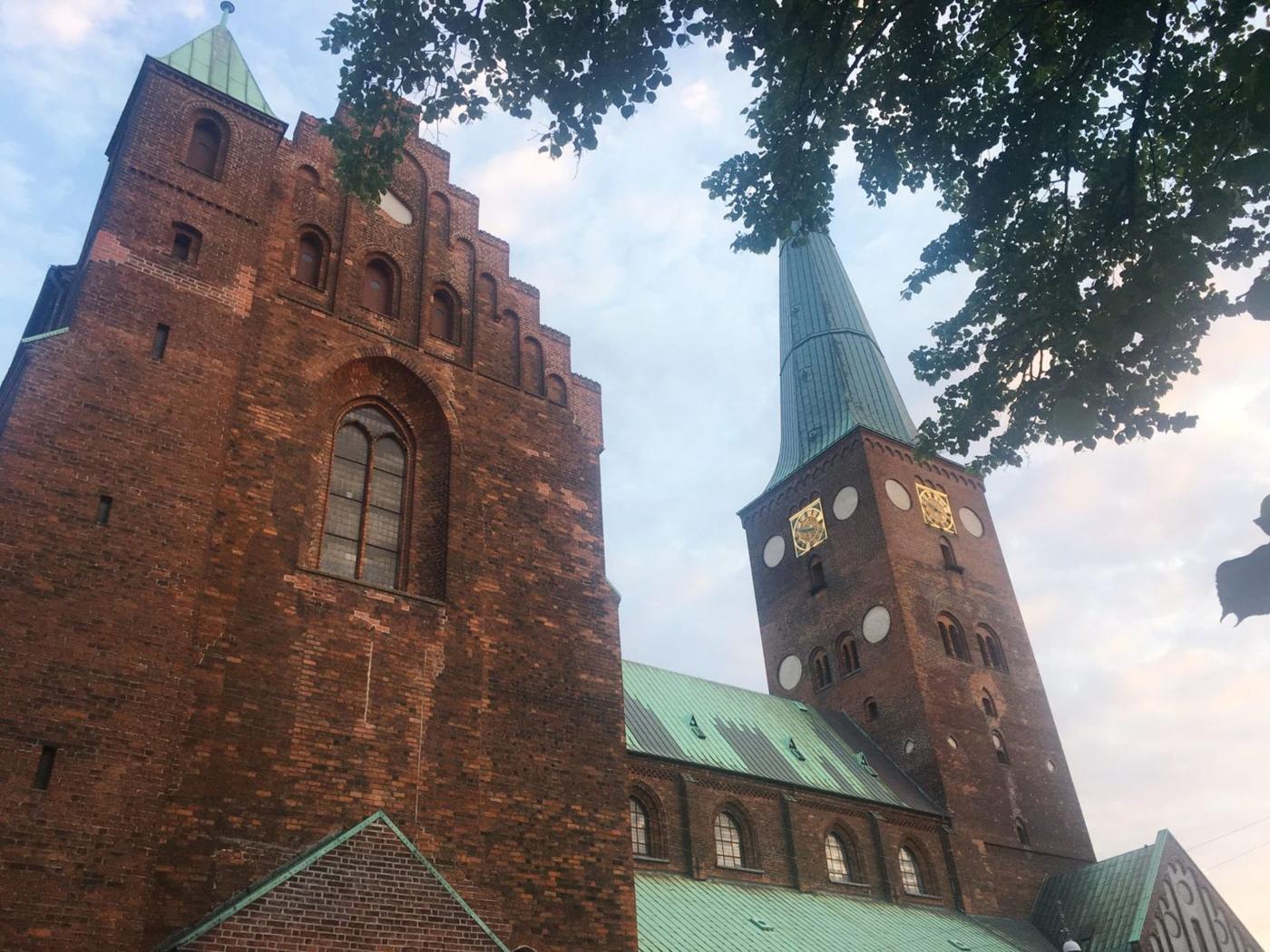
Construction of the cathedral began in the 12th century, and it took until the 14th century to finish. According to legend, the red-brick approach in Denmark was used for the first time in this building and then in other buildings in the country. At 93 metres long, the church holds the title of the longest church in Denmark. It has seating for about 1200 people, so as you can tell, the church is very big and huge.
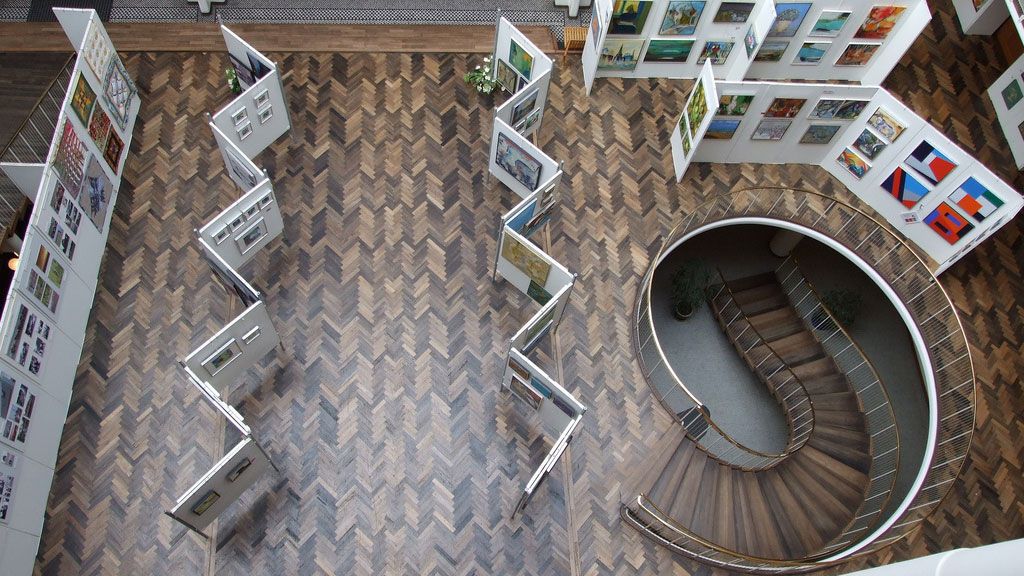
Aarhus City Hall - Aarhus Rådhus
The city hall, one of the few city halls built in Denmark during World War II, is made of Norwegian marble. When you look out over the city from the city hall's 60-metre height, a wonderful view of the bay will be waiting for you.
By the way, next to the city hall there's a fountain where you can drink water. If anyone's thirsty, come along..
Den Gamle By was on our route, but it wasn't open when we went, so we turned our route to the Aarhus Botanical Garden to have our breakfast.
Aarhus Botanical Garden
Since we don't stay in hotels with breakfast included, if a city has nice parks, we definitely go there for breakfast. This lovely botanical garden, about 500 metres from Den Gamle By, is open to the public for free all year round, and of course we take advantage of that and go in. On the way, we did wonder whether the park charged admission, we won't lie!
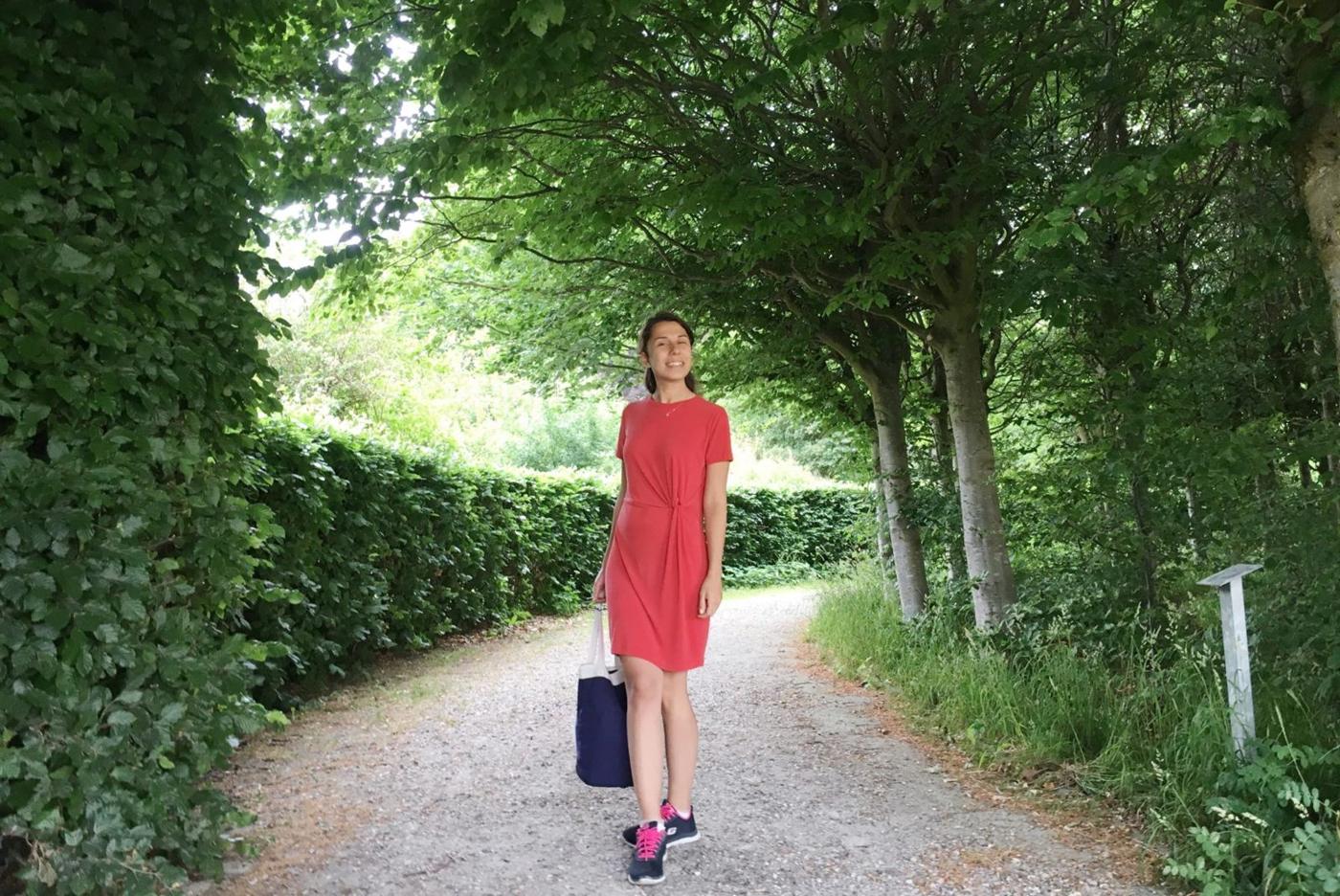
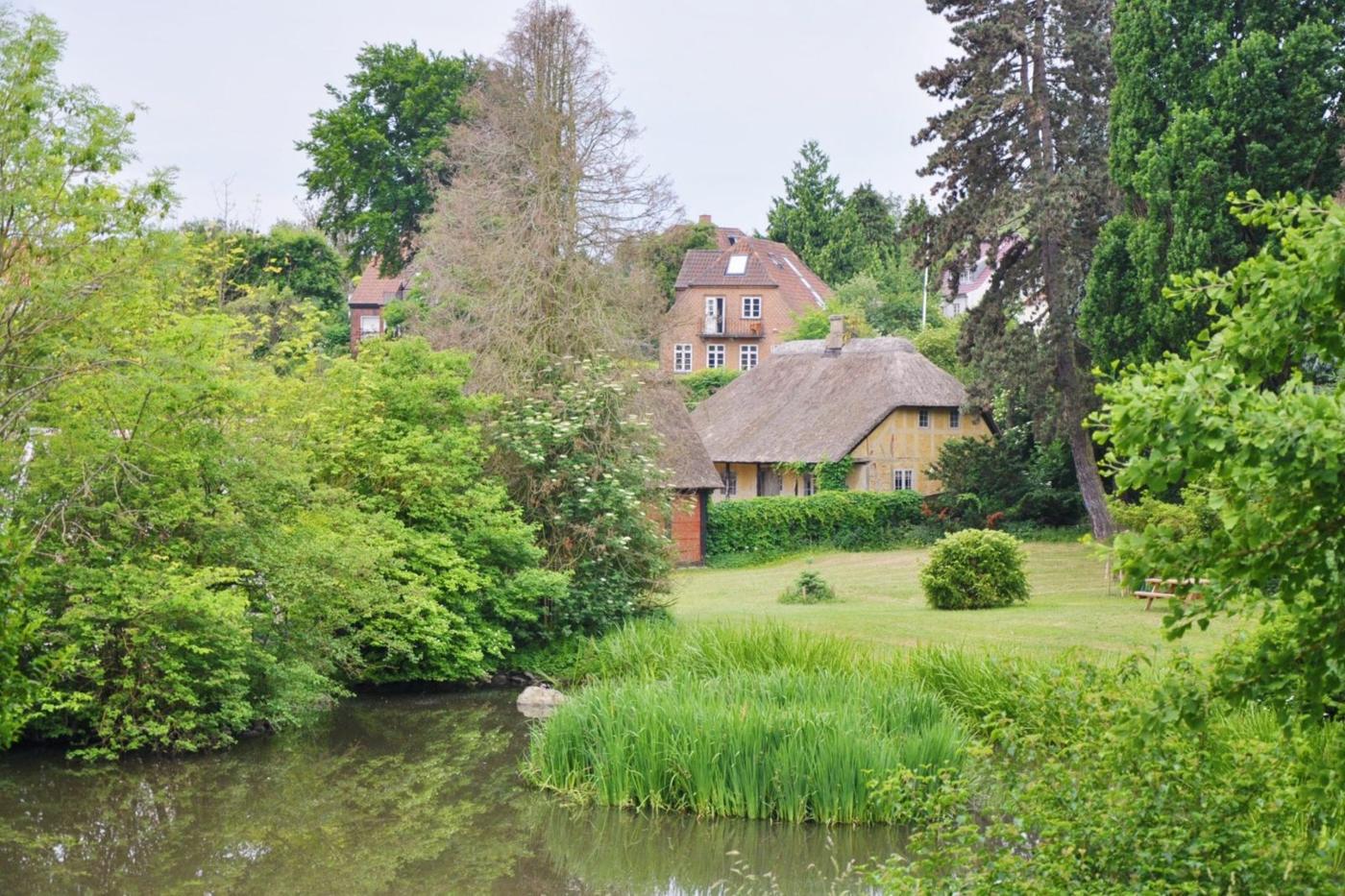
This park, whose design and construction go back to the 1870s, was built on about 50 decares of land. They've brought almost every kind of plant found and grown in Denmark to this park. There's a rocky section in the park, where they display the plants that grow around rocks.
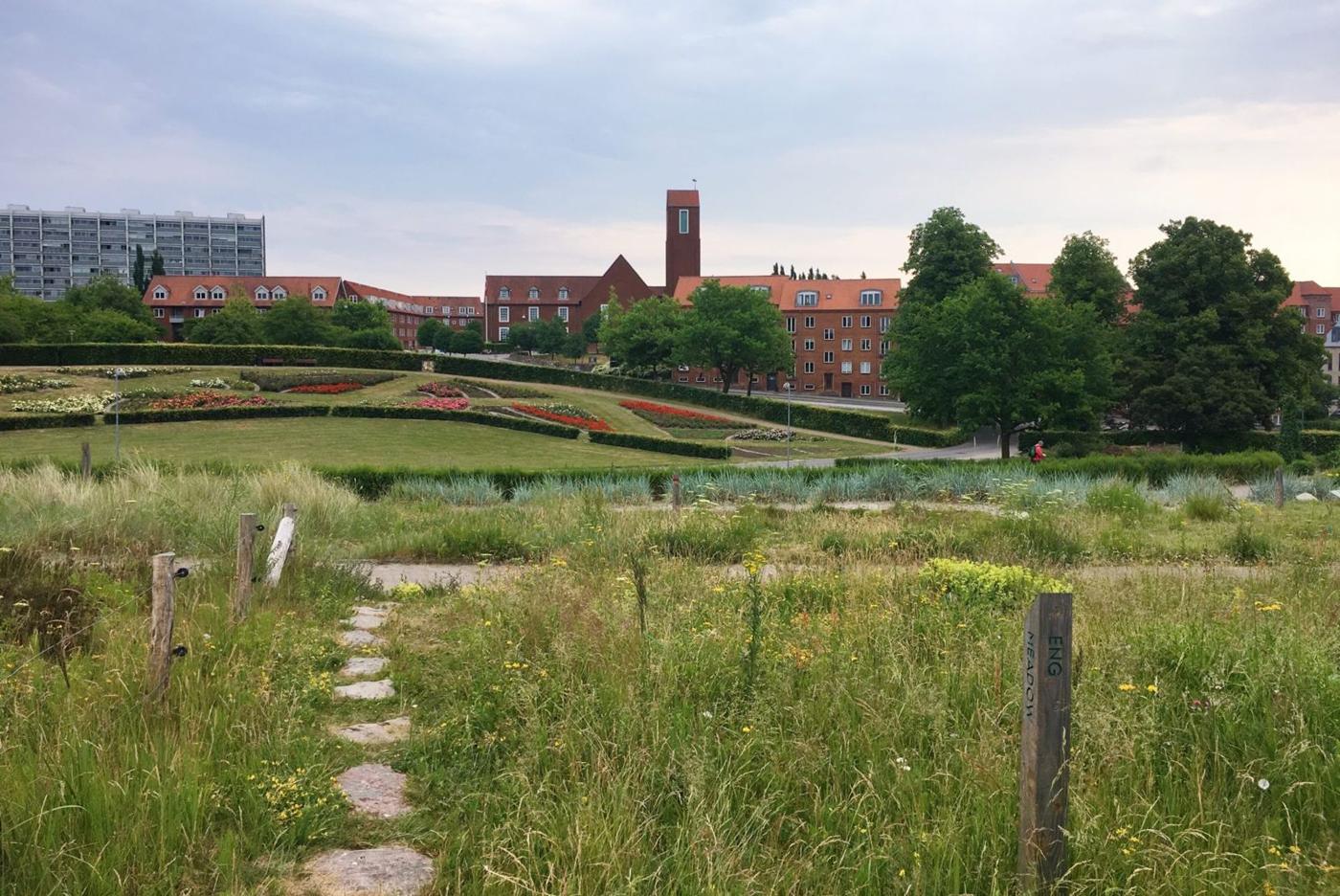
It's as if this place was designed with a picnic & breakfast concept. There are benches and tables to sit at everywhere. If you like, you can even have a barbecue with a disposable grill. People apparently do this often. And because they do, there are separate bins for throwing these grills away. If you like, you can also visit the tropical houses showing tropical plants.
The Old Town - Den Gamle By
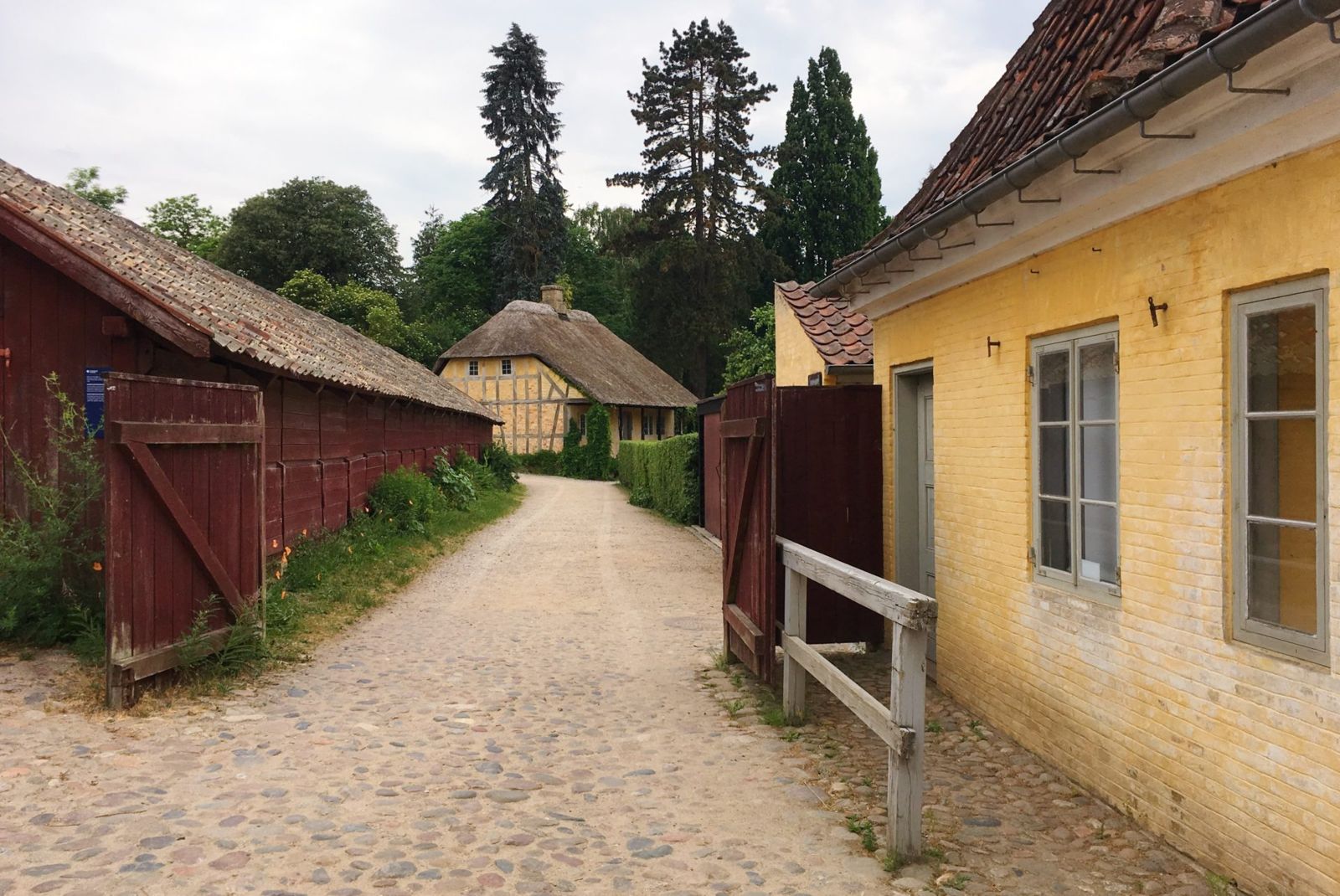
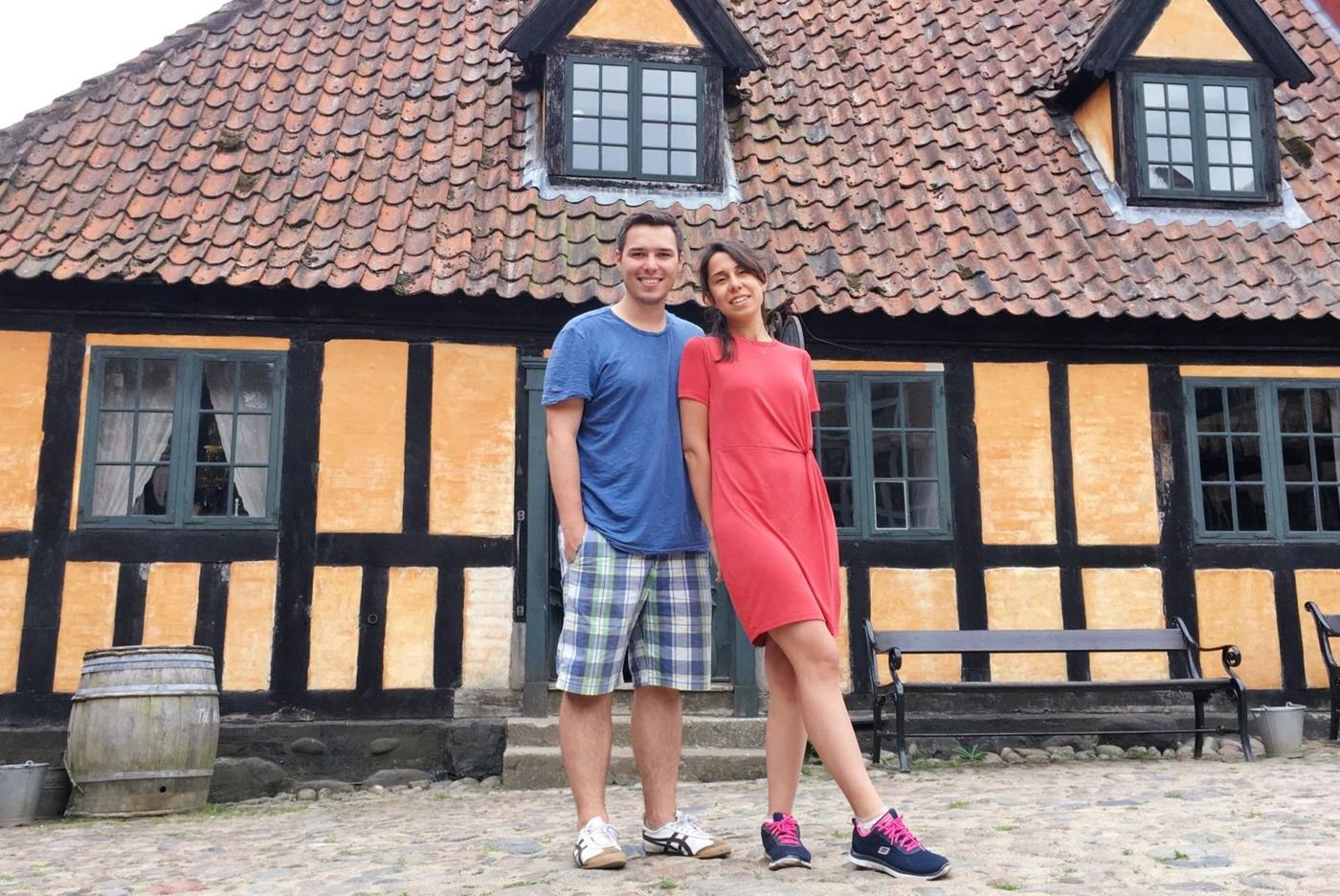
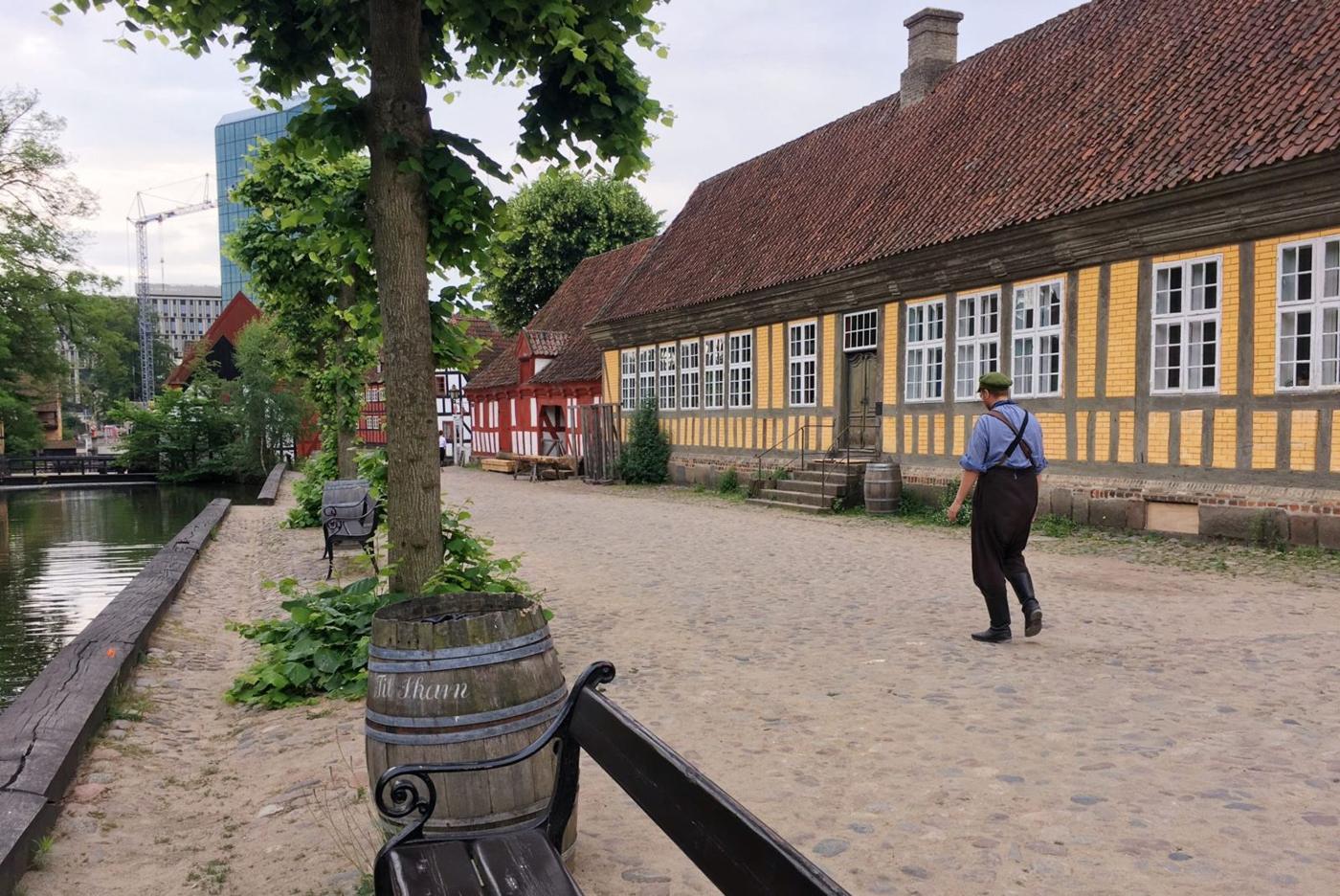
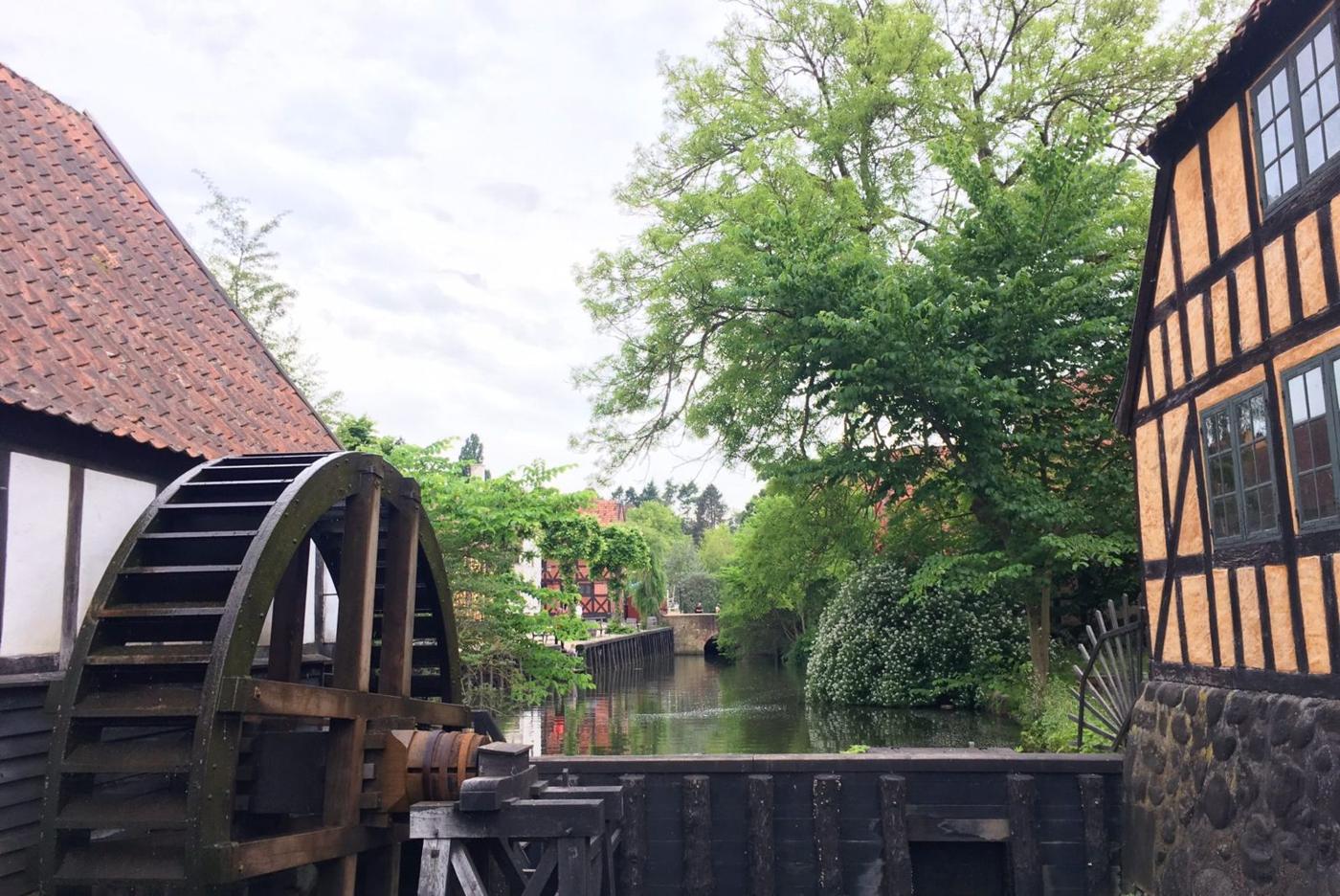
We've come to the part that makes Aarhus Aarhus. It's worth coming to Aarhus just to see this town. Thinking also of the fairytale villages in Amsterdam, this one has its own special feel. It's like an open-air museum made up of about 80 houses brought from different parts of the country, telling us about old life in Denmark. We've often said it in our earlier posts too: these Danes do what needs to be done in the best possible way. With such beautiful villages in our own country, why don't we turn them into a museum like this too, right!?
We've talked it up so much, so what's inside?
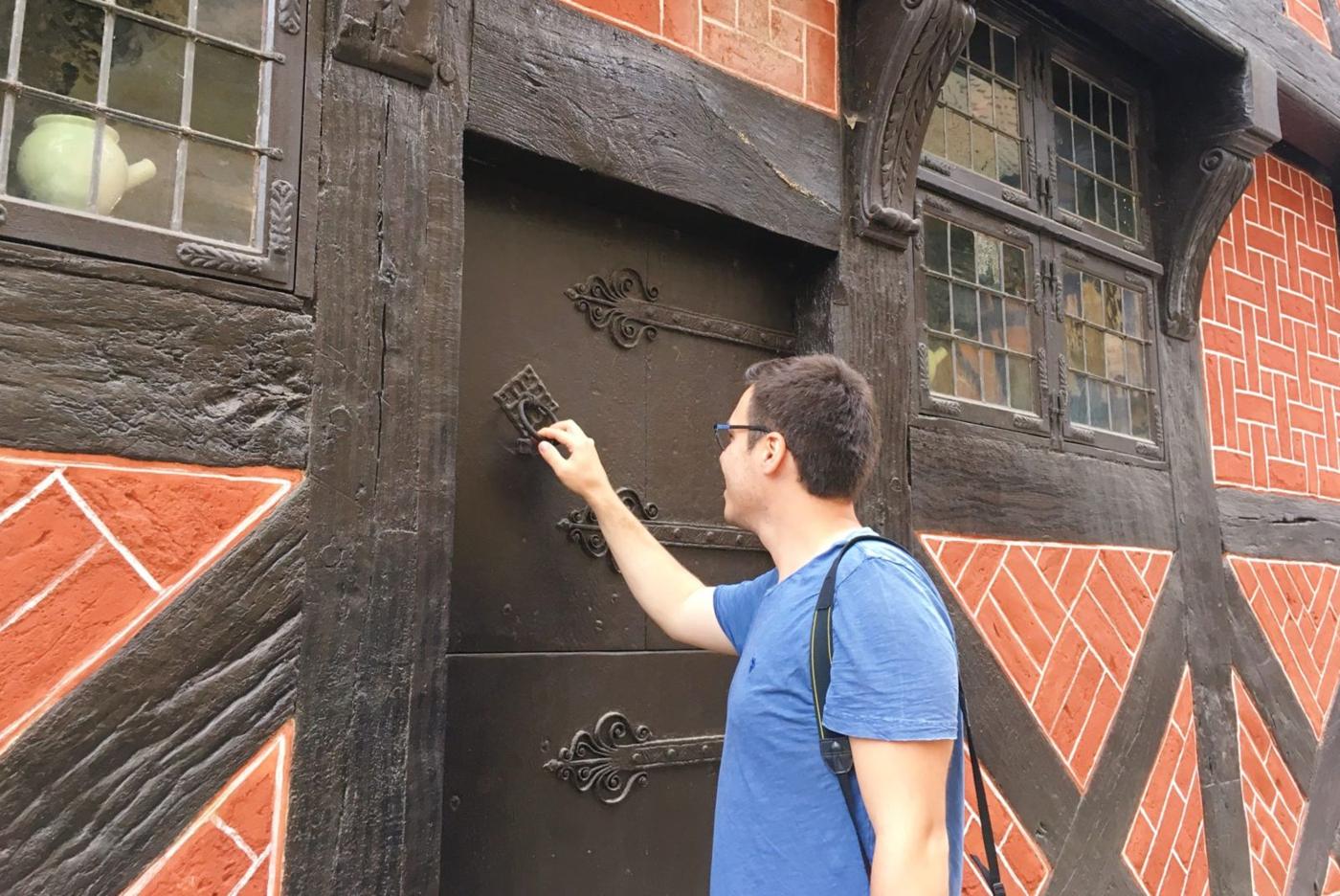
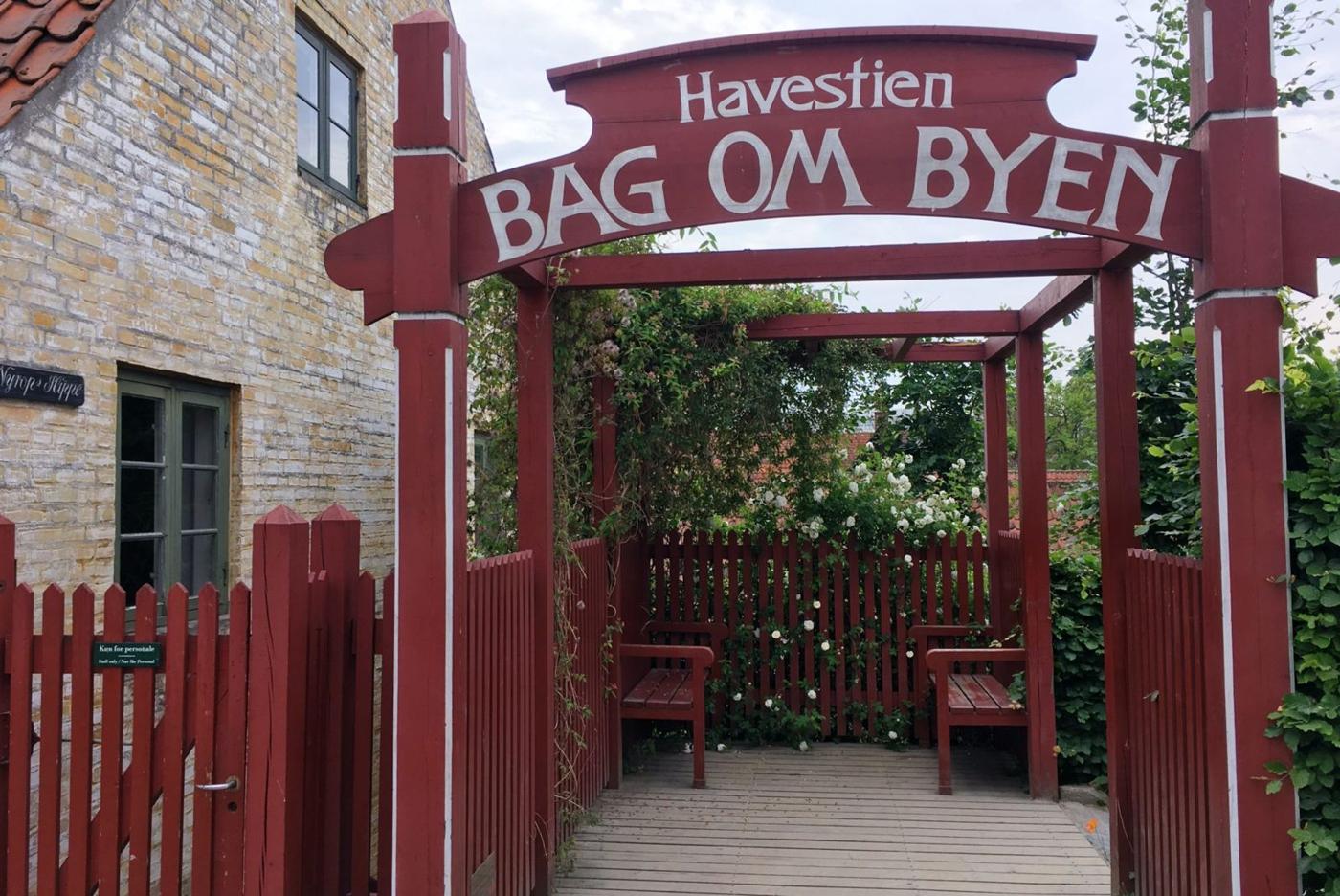
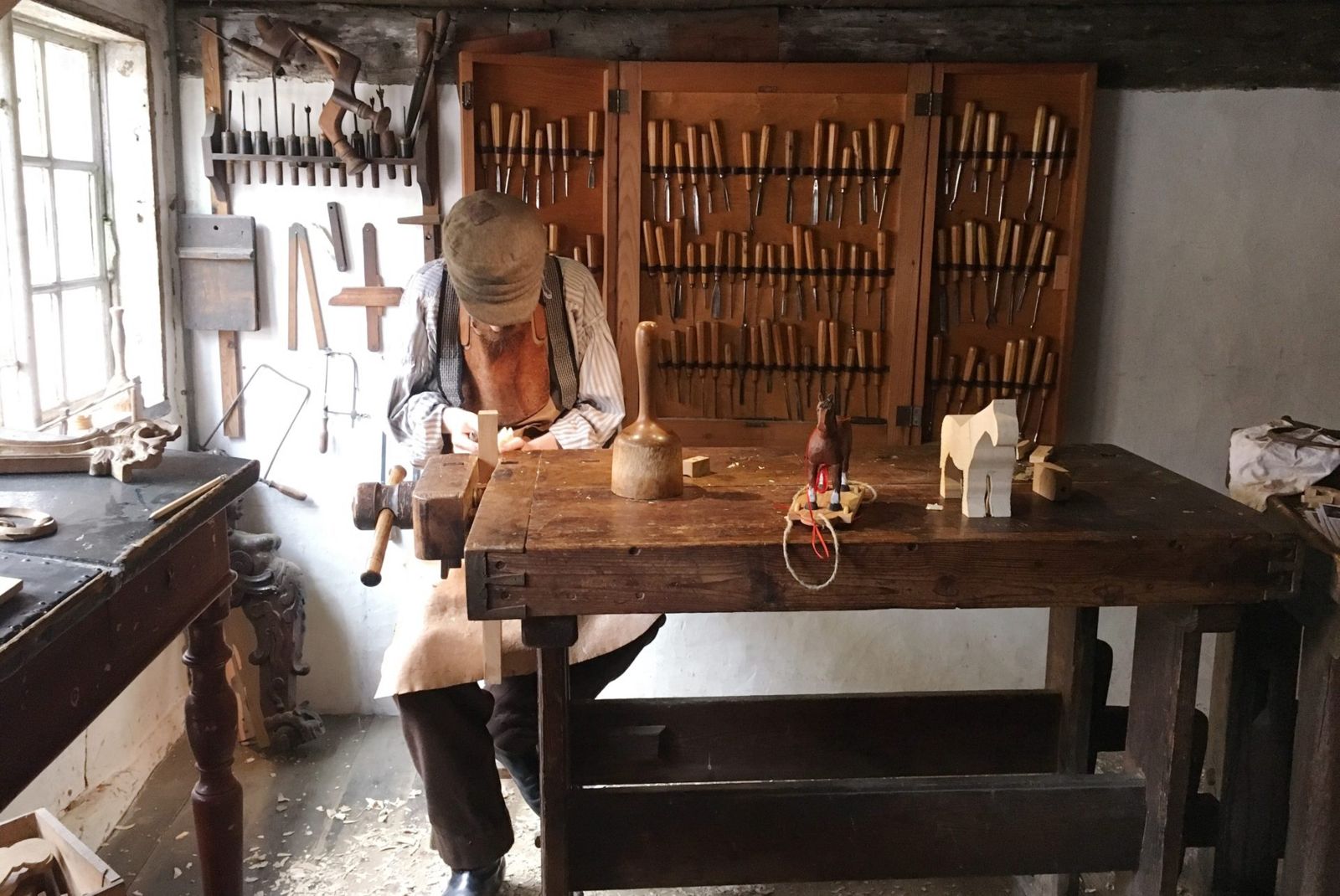
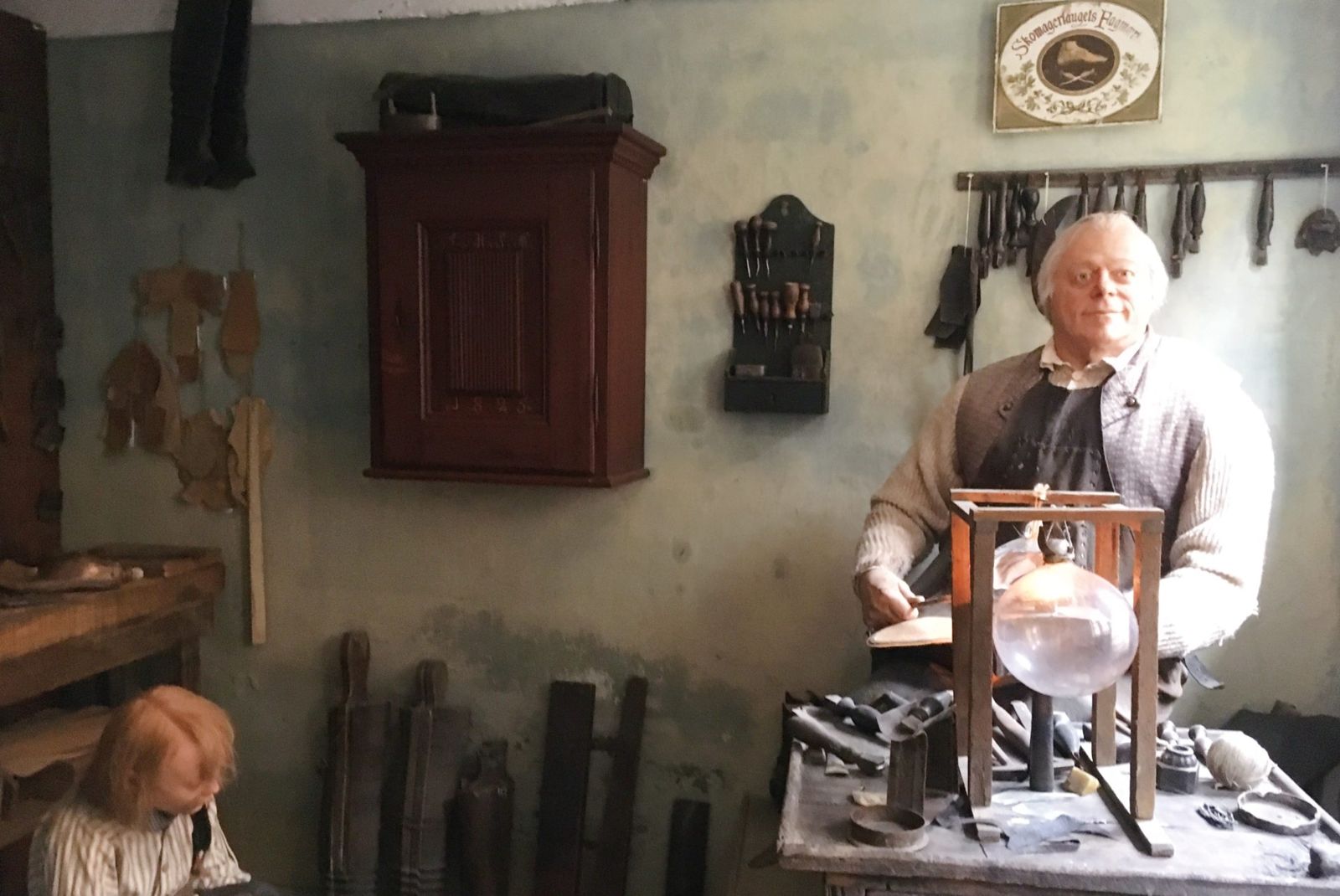
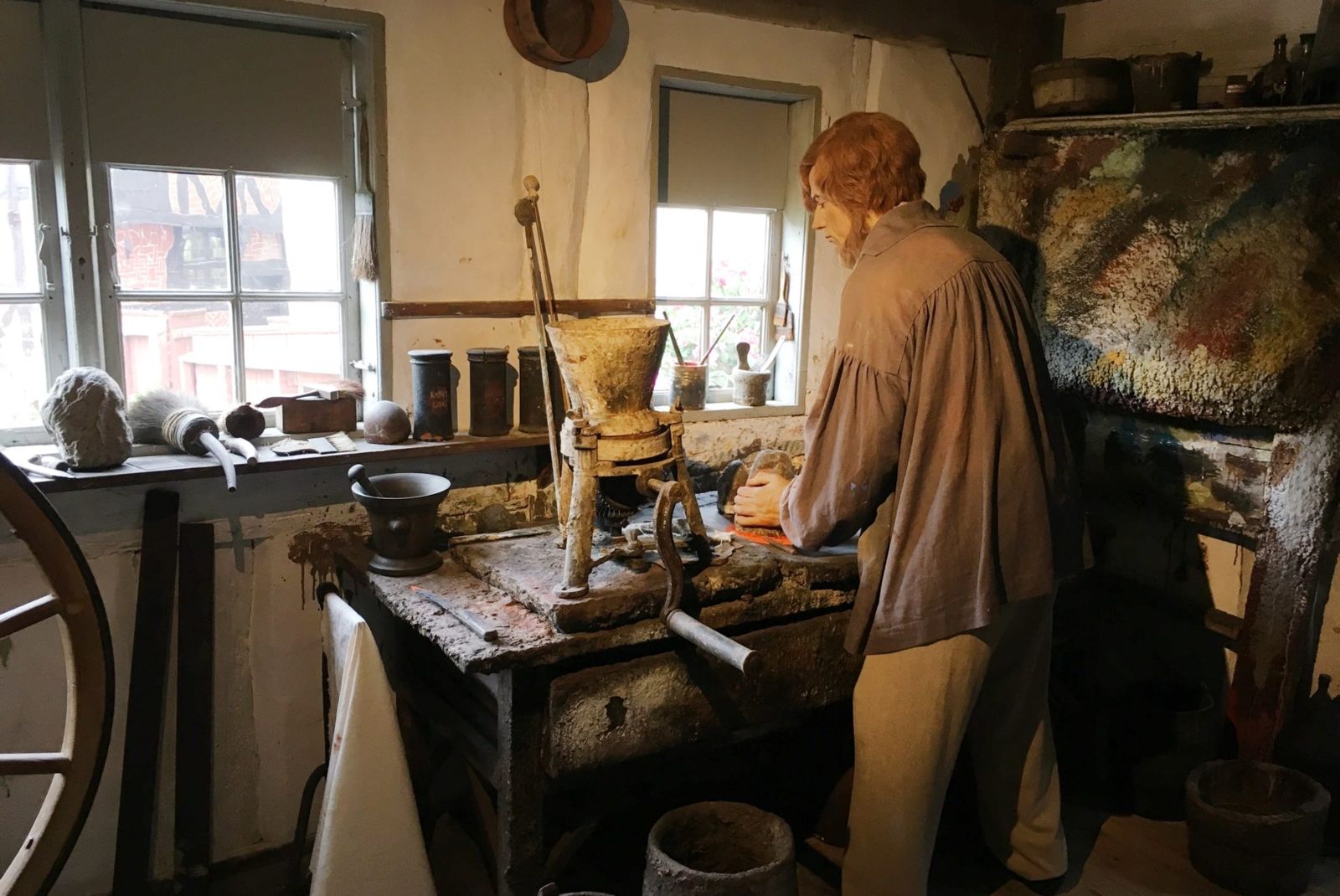
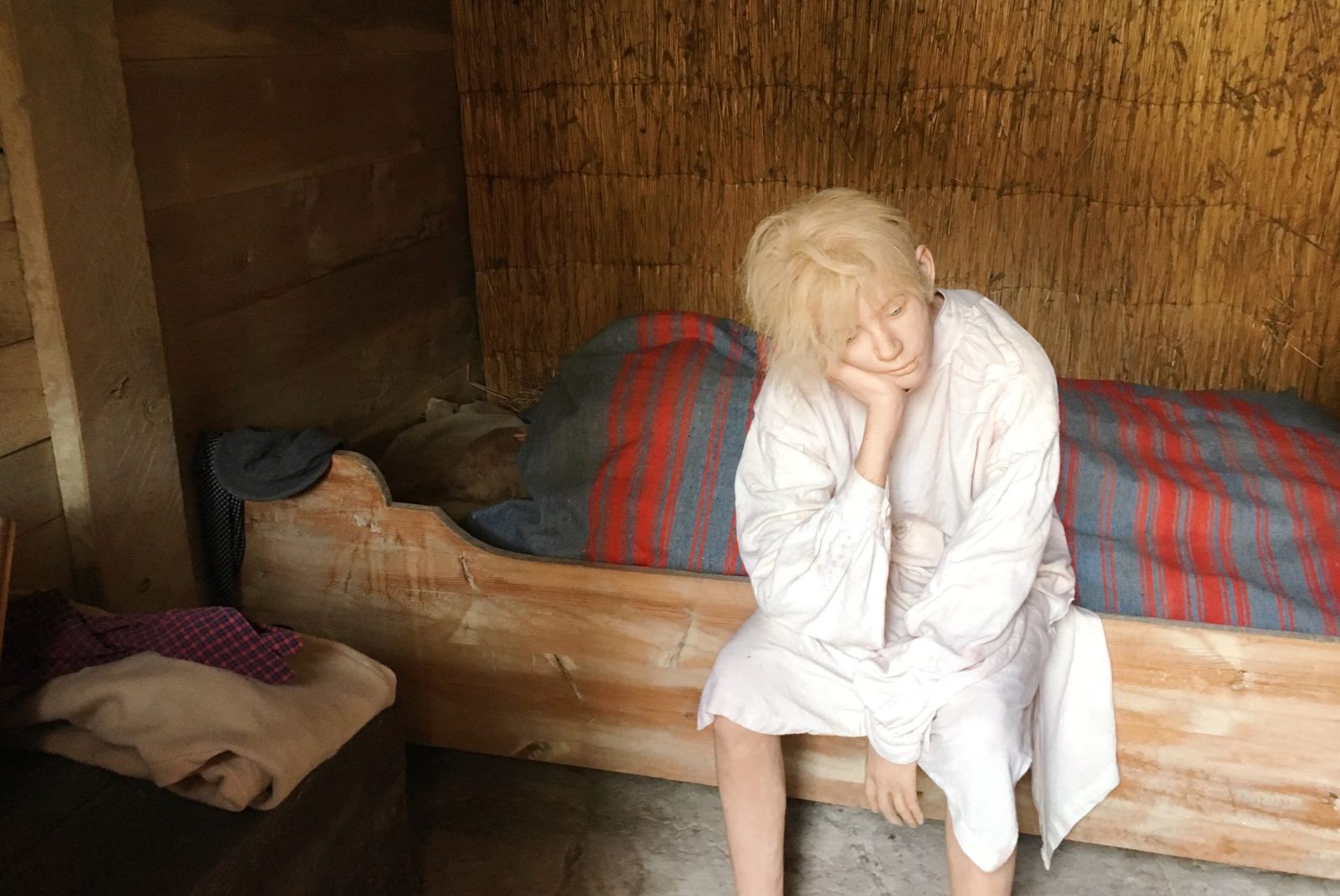
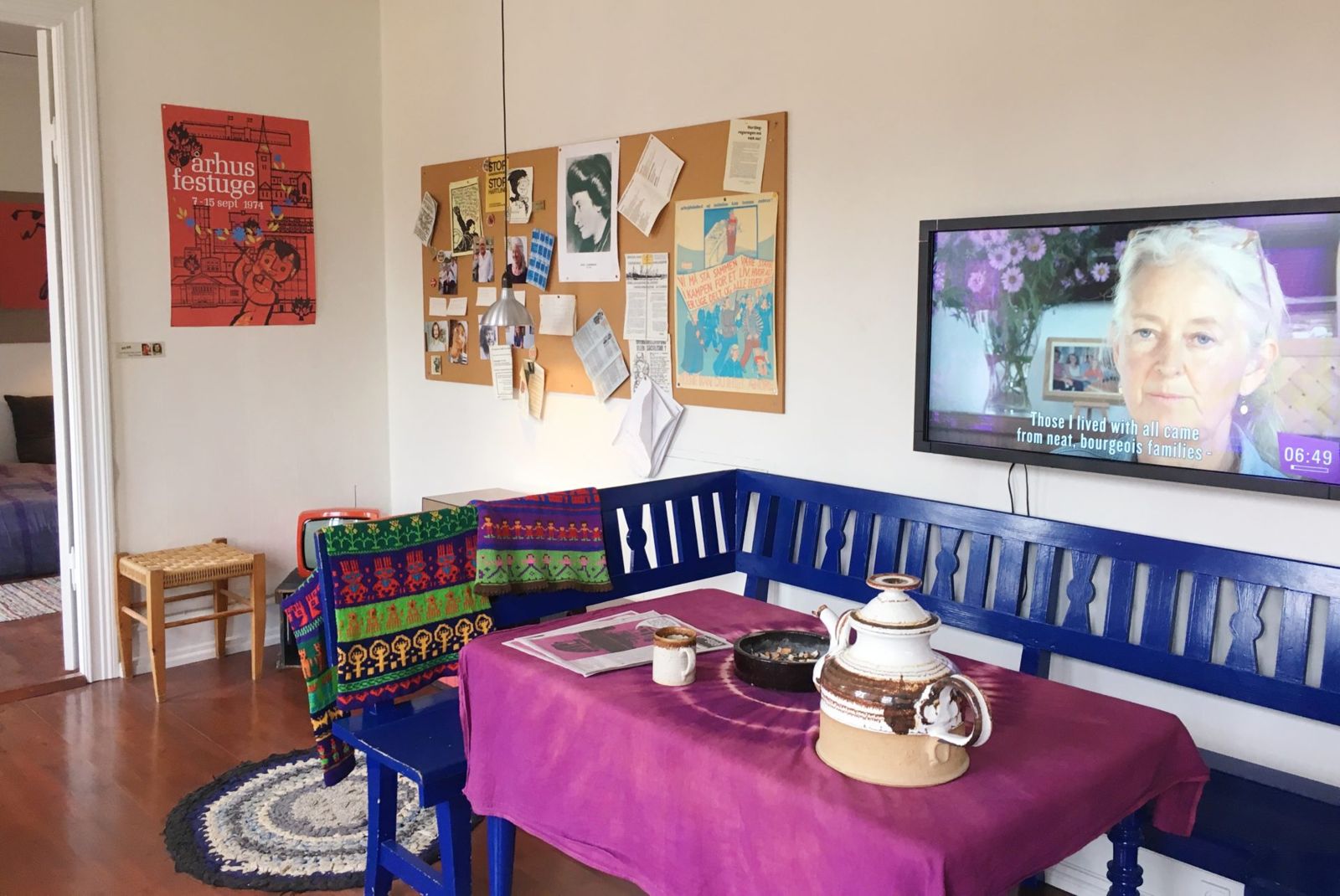
This old town, known in Danish as Den Gamle By, represents a small Danish market town full of houses, gardens, homes, shops and workshops. From April on, throughout the year, you get the chance to meet people in the kitchens, living rooms and shops..
1920s - Modern Life
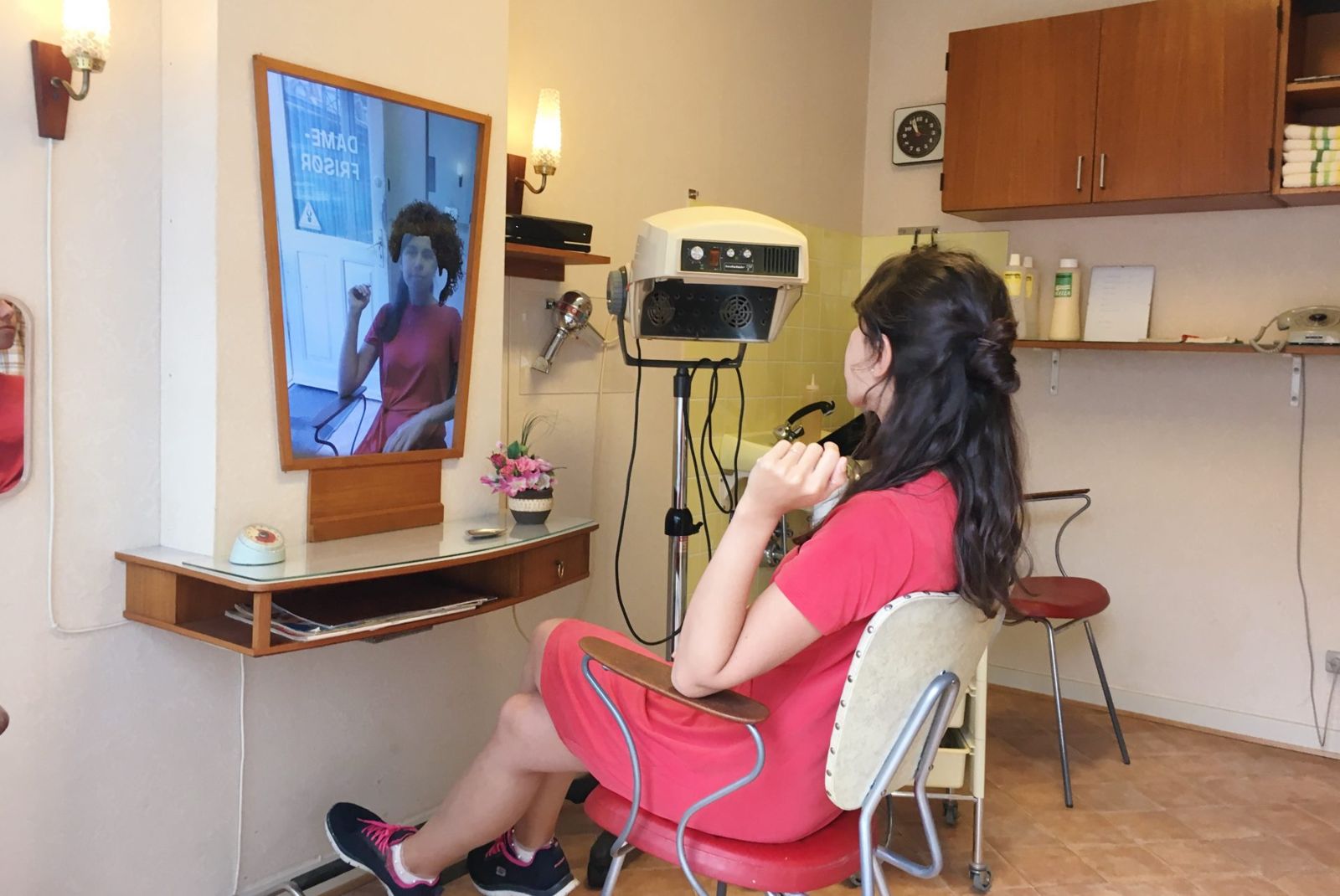
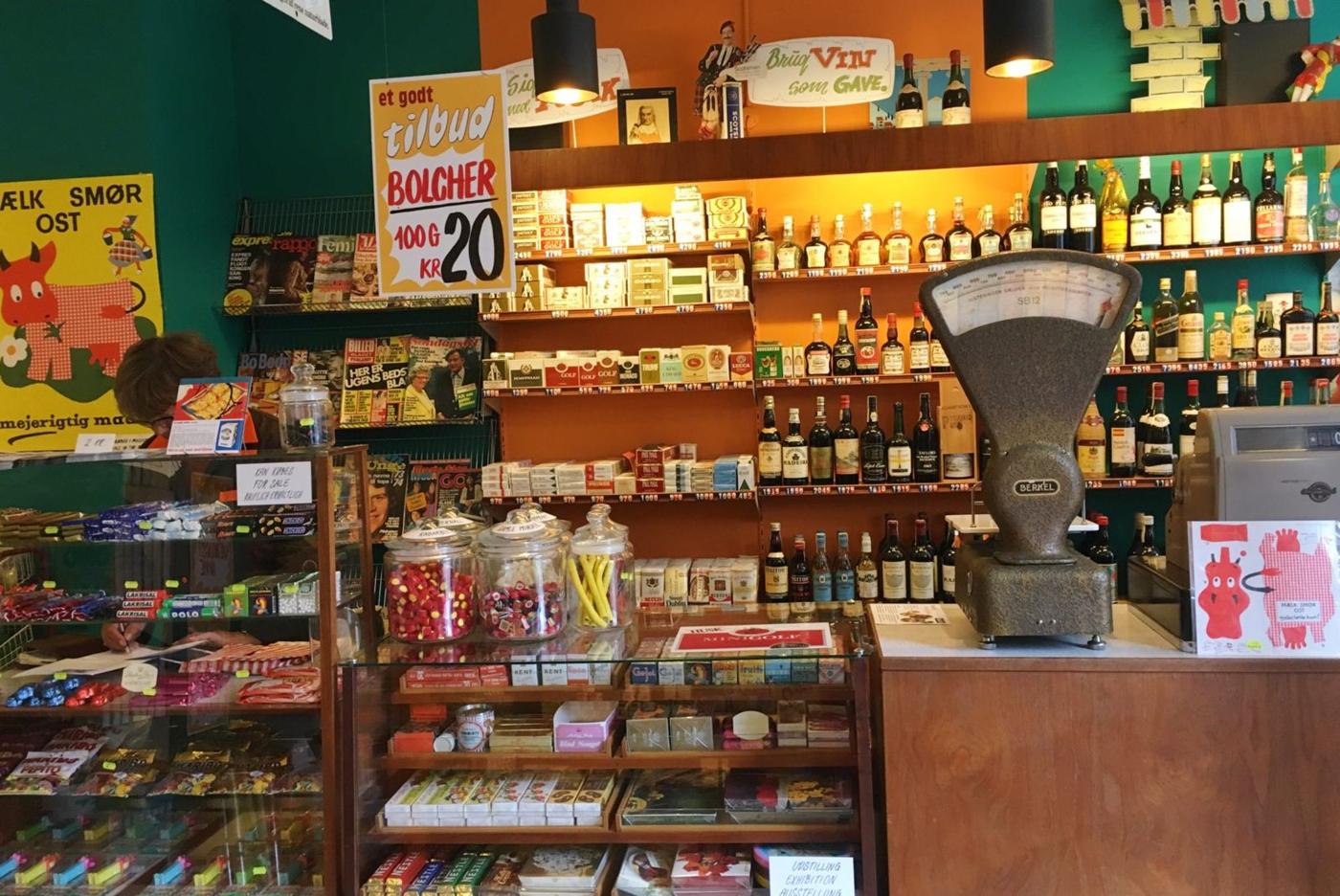
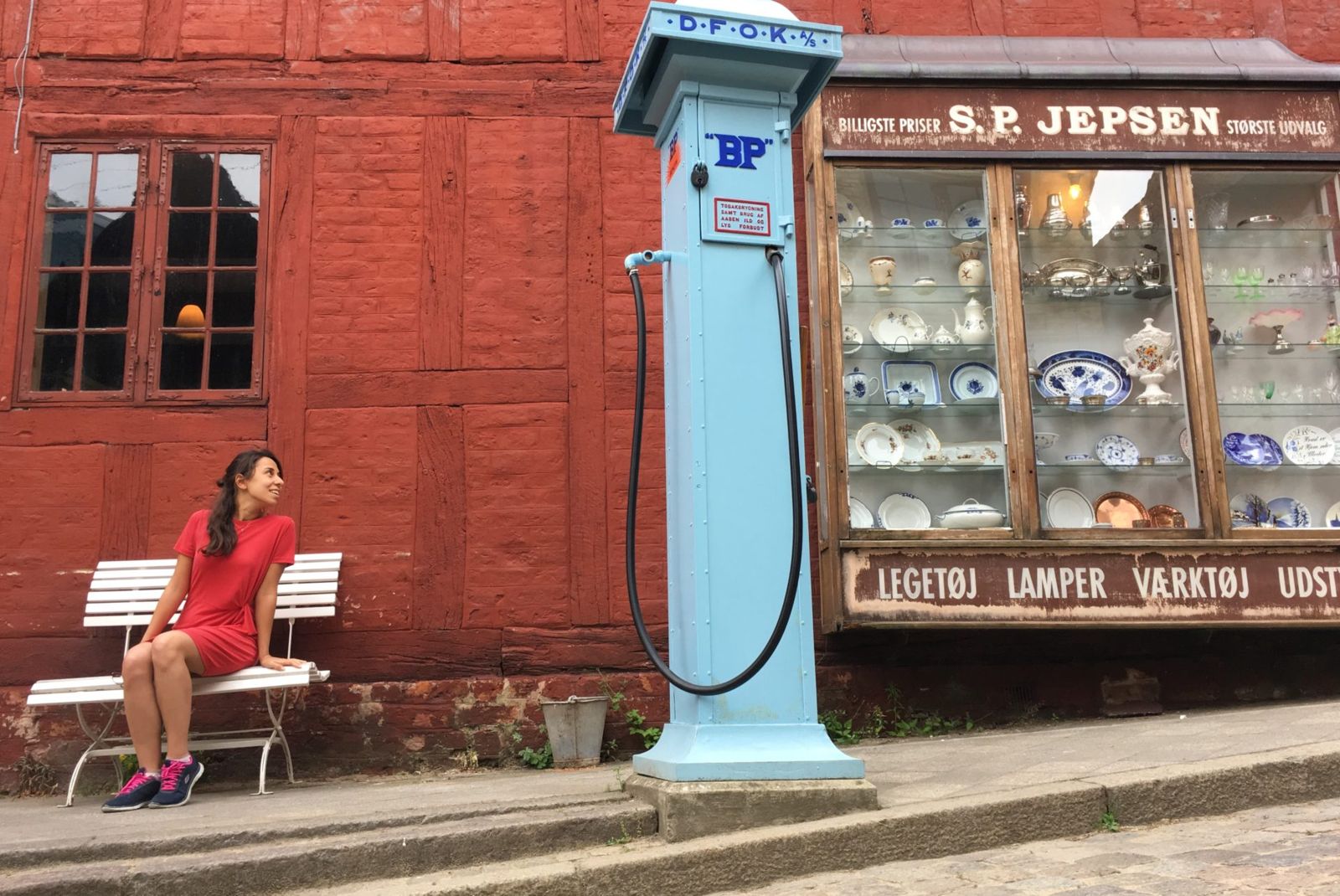
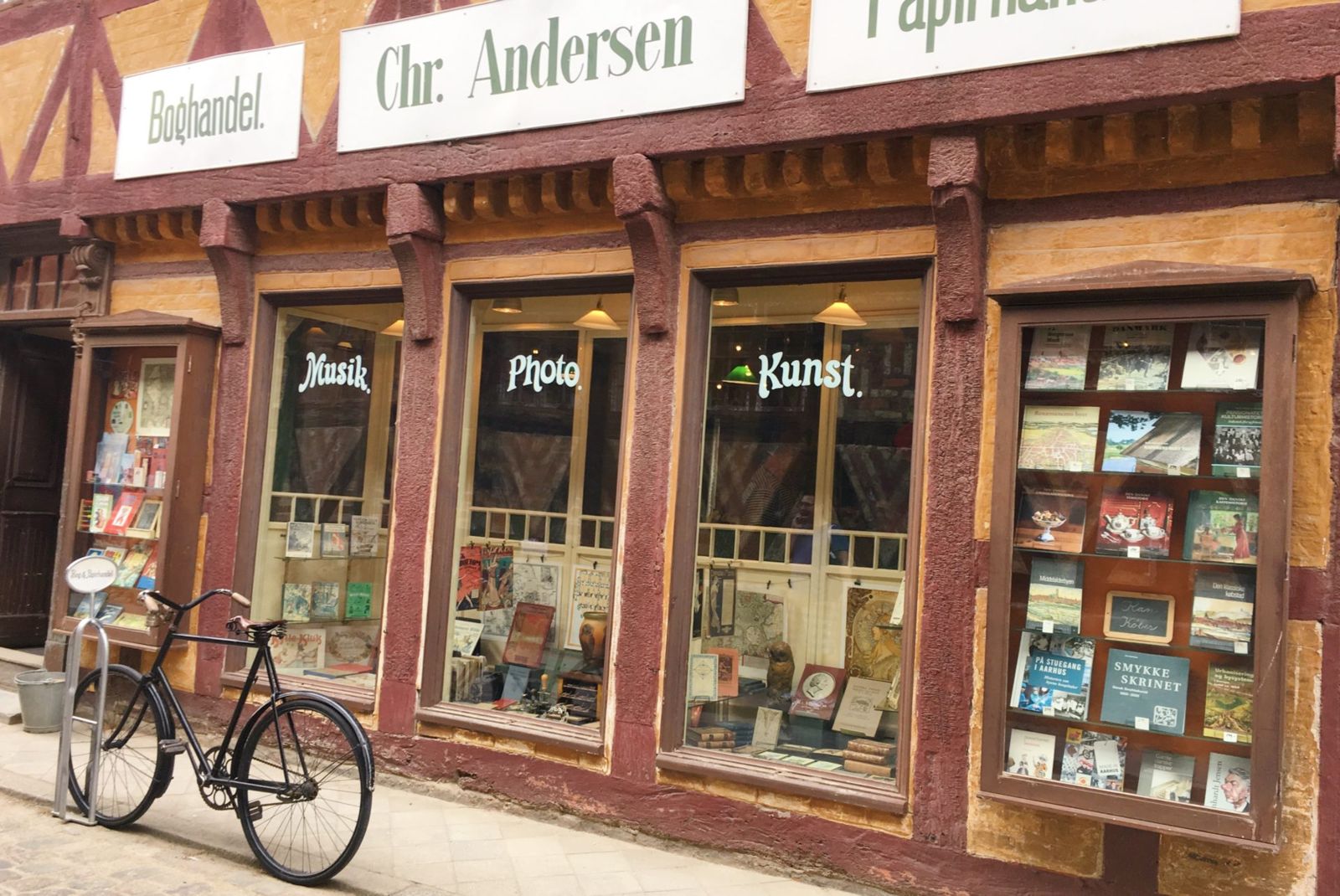
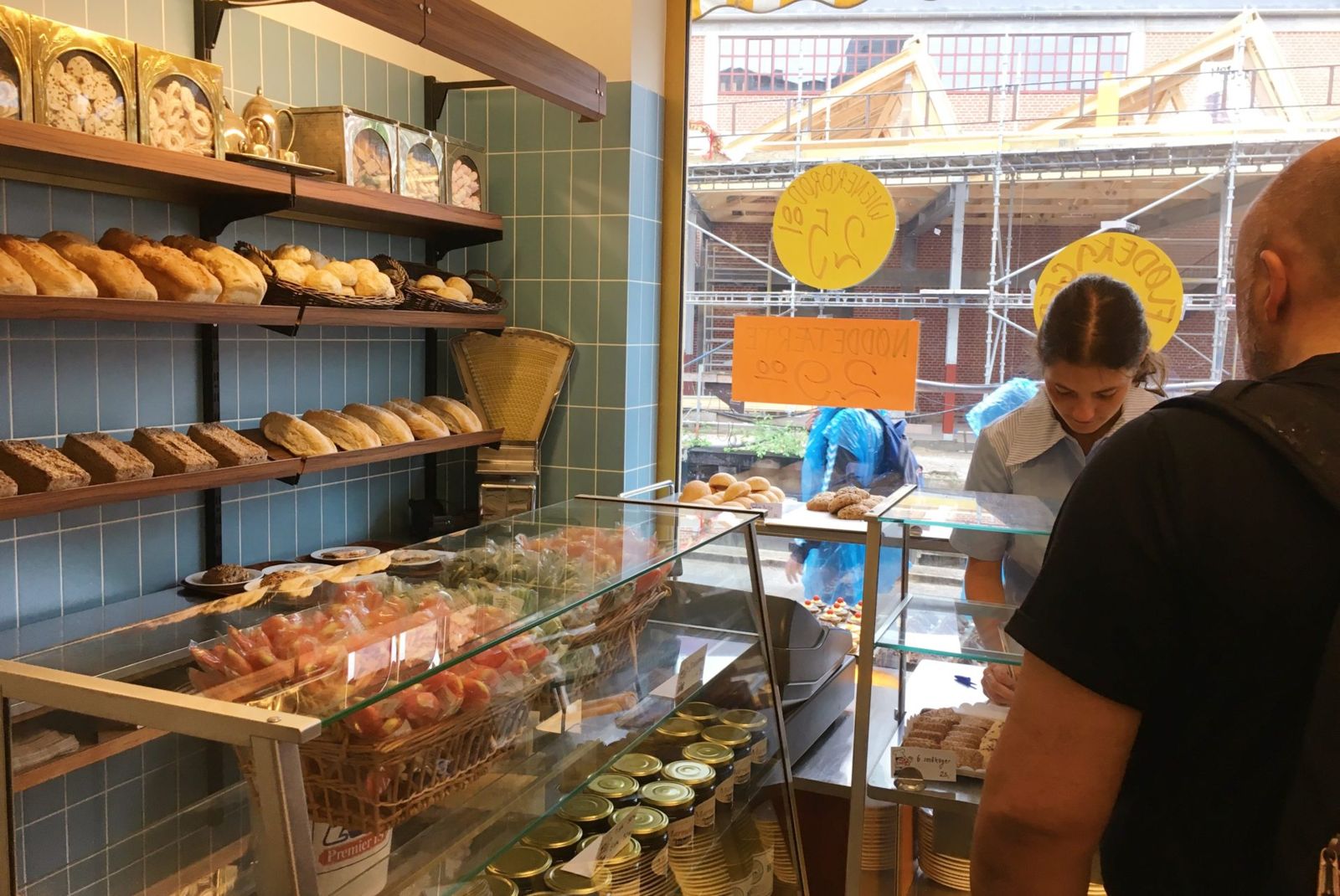
In 1927, the townscape is shown becoming modern, with changes in the streets, pavements, electric street lamps, telephone poles and painted wall adverts. In this town a bookshop, a post office and a telephone exchange are on display.
Living History Museum
You get the chance to meet people who dress, work and behave as in the old days. They cook, chop wood, sew and do needle lace, or serve customers in the shops. If you like you can chat with them too, don't be shy; maybe they'll even ask you to go and fetch water from the well or take out the rubbish. We found it really interesting: people do this as a job!
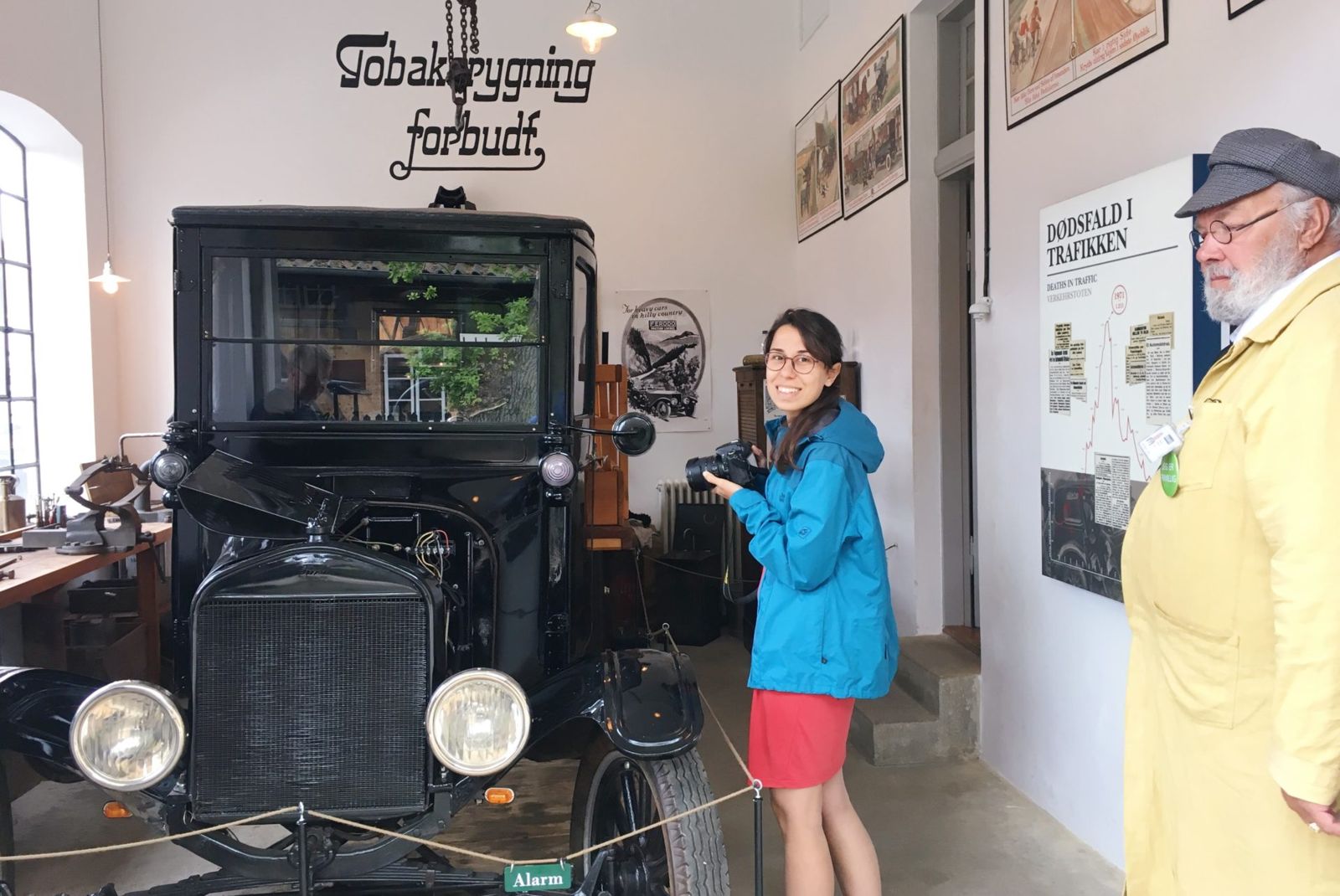
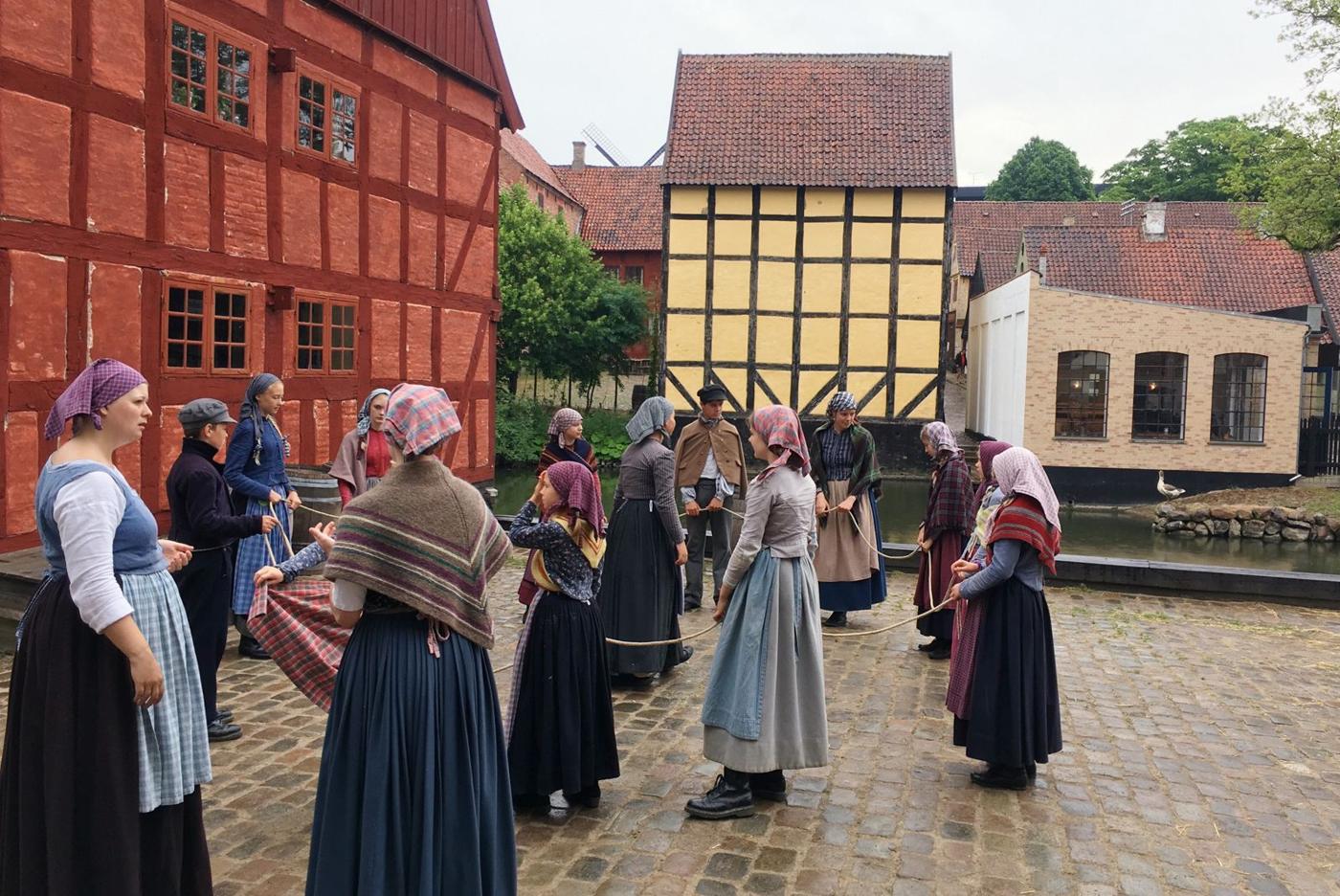
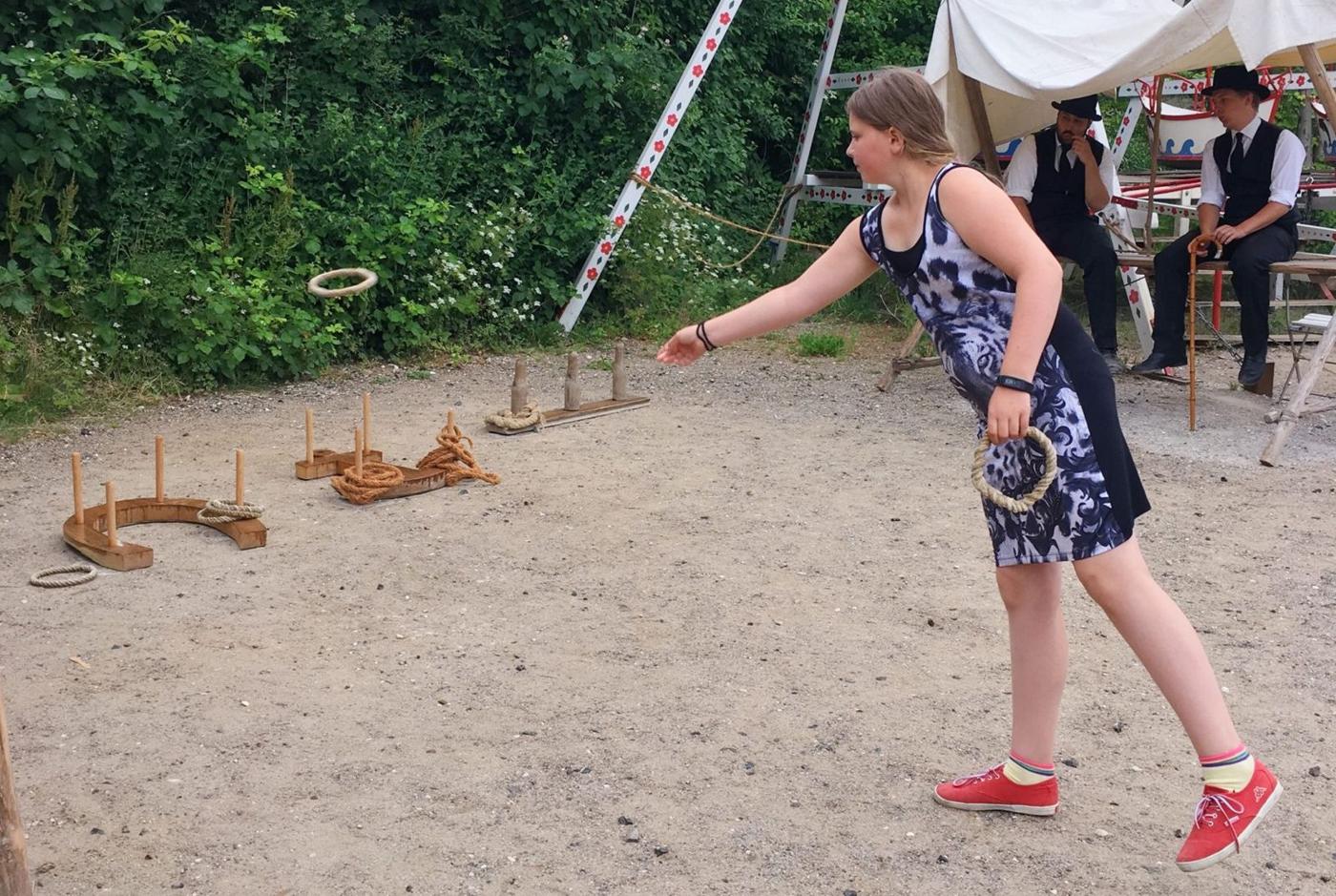
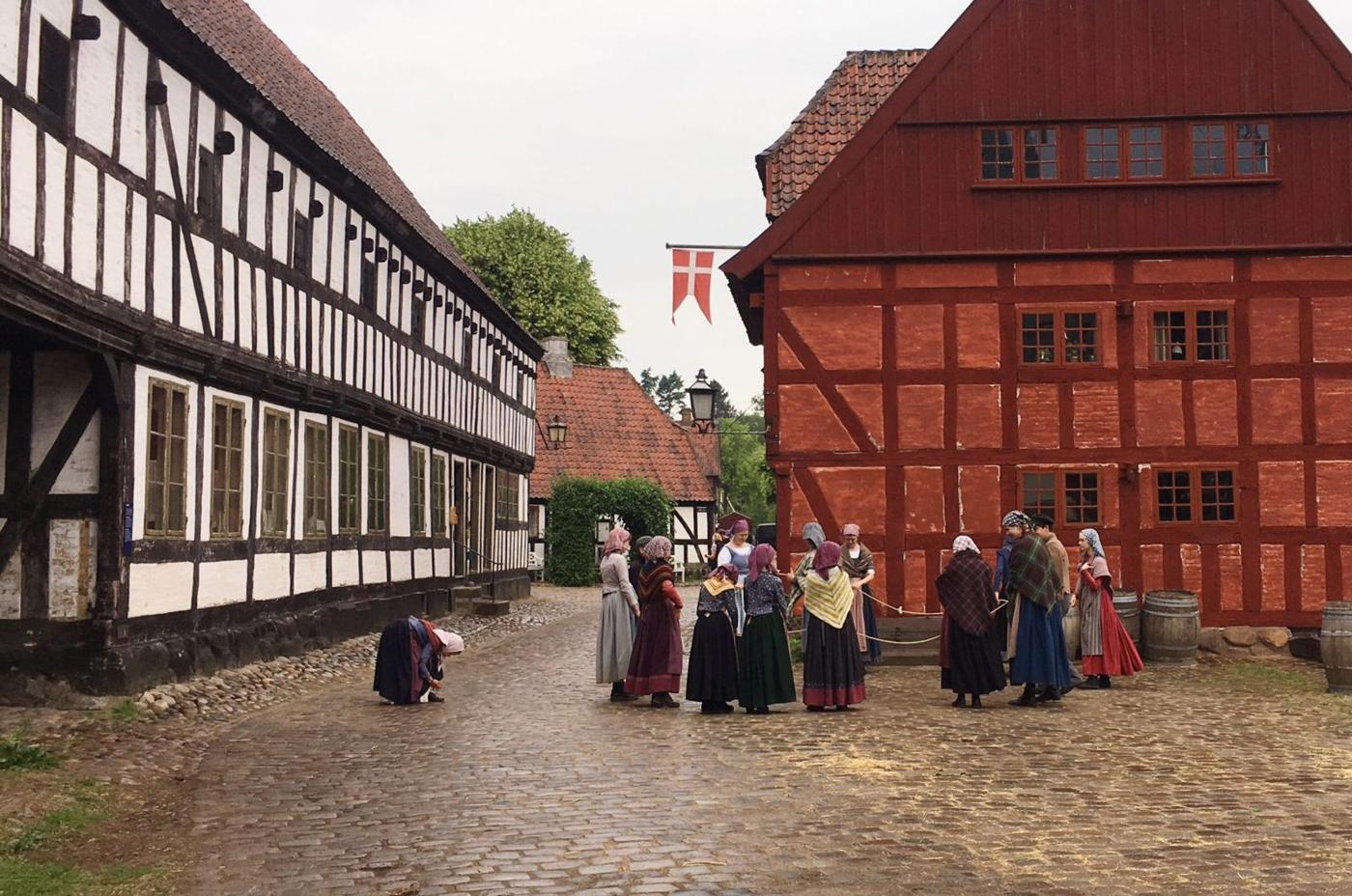
You can go for a ride in a horse-drawn carriage, and if you like you can even haggle when buying something in a shop. If you want, you can enjoy a cup of coffee with cake in its garden. This town, which won us over, takes you on a little journey back in history to the 19th century. Some of the buildings you'll see as you wander were built as far back as the 16th century.
This town, which gets 500 thousand visitors a year, of course charges an entrance fee. At this open-air museum, which you can visit every day of the week from 10.00 to 17.00, the adult entrance fee is 130 DKK and the student entrance fee is 70 DKK. Luckily we had our student cards with us and could use this discount.
 83 km
 145 km
 157 km