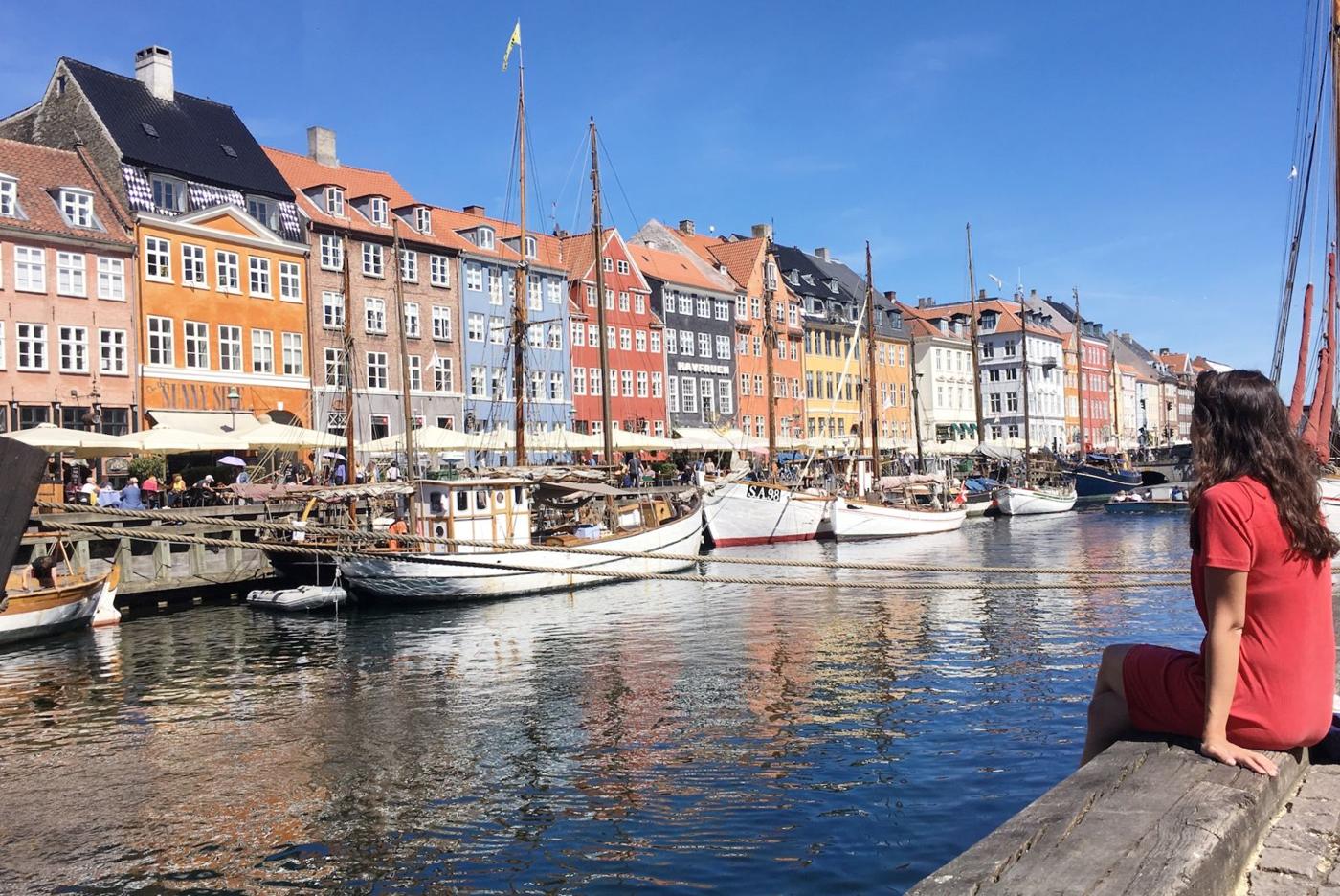
I don't know where to begin! Copenhagen was a city that swept us off our feet! Before our Nordic trip even started, our research had raised our expectations to a certain level, but when we came and saw it, it took them to another level, as if trying to convince us to live here. Shame on you... Dear Nordic countries!
We came by train from Malmö to Copenhagen, one of the most beautiful destinations of our Scandinavia trip. In this post you'll find the answers to all your questions, with our experiences: what we did in Copenhagen, what we ate and drank, how you should and shouldn't explore Copenhagen ☺ May this Copenhagen travel guide be written with joy for the city we fell for..
Before getting into the details of the post, we'd be really happy if you liked and supported our Instagram and Facebook pages ☺
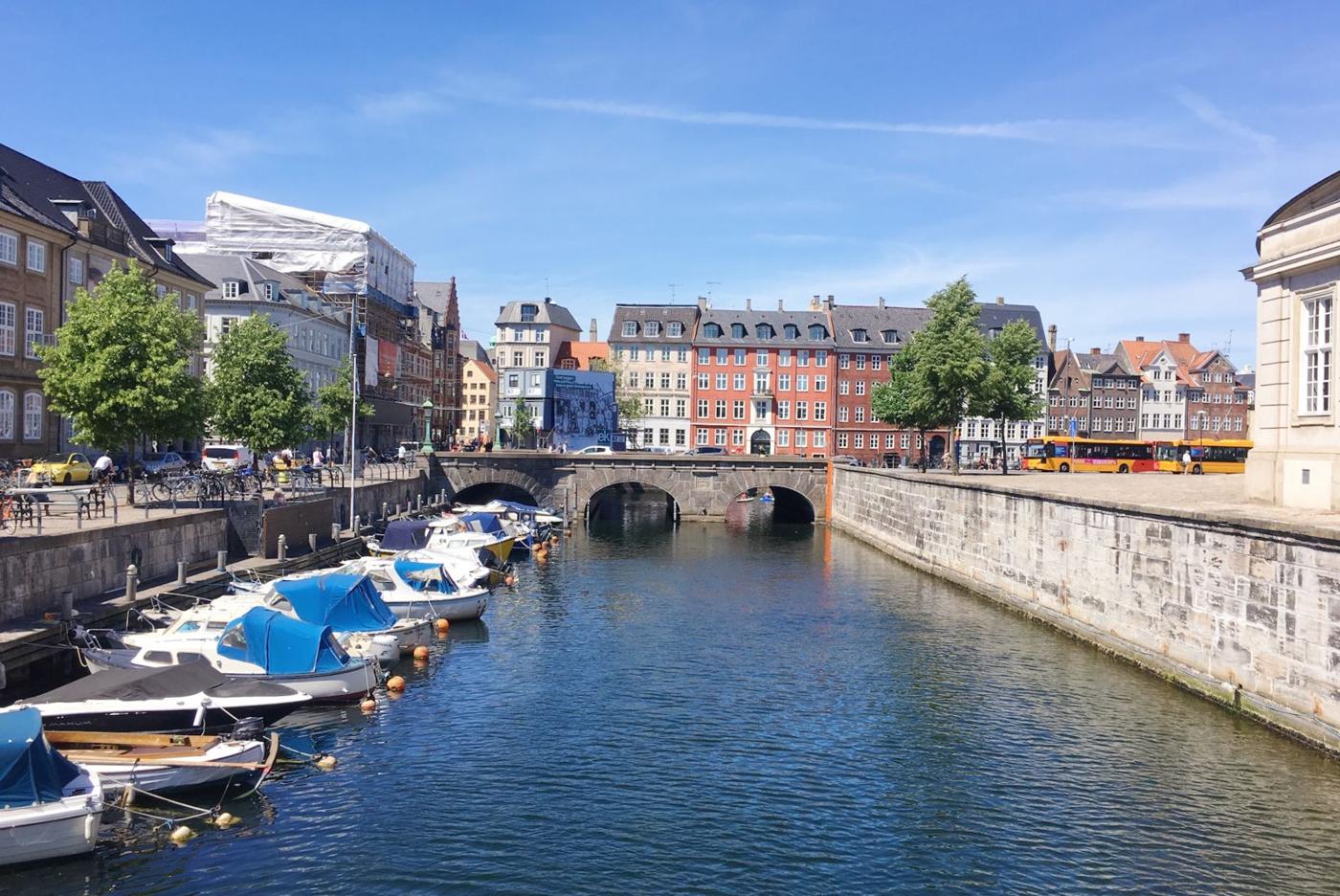
How Many Days for Copenhagen?
We gave Copenhagen, one of the stops on our Scandinavia route by train, 1 full day and 2 nights. But before we'd even left the city, we were telling our closest friends about it and started planning a route here for next year. You should come here not to sightsee but for a separate holiday, to relax and enjoy. If you want Copenhagen just like that, 2 days is enough, and we're sure it'll be really enjoyable. But there are also places to visit around Copenhagen. We visited those too; if you like, you can read our Places to Visit Around Copenhagen post. We gave Denmark 4 days in total. Maybe it deserves more; you want to live in this country and experience it a bit more.
One of the must-haves for coming: if you have your Schengen Visa, get your plane tickets and hit the road.. If you're saying you don't have a visa, apply to countries like Greece or Italy where it's relatively easier to get one and combine two trips. We turned one holiday plan into two; and when you can, getting a longer visa is best, as you know ☺
When to Go to Copenhagen?
Since we don't really like sightseeing in the summer heat, we chose the transition from spring to summer, the best time in Scandinavia. In June we conquered Scandinavia from top to bottom, quite literally. Our advice to you is to go in May or June. We didn't write July because even in June Copenhagen was stifling enough; we were expecting it cooler, but it was the southernmost of the cities on our route. So naturally it got hot at times.
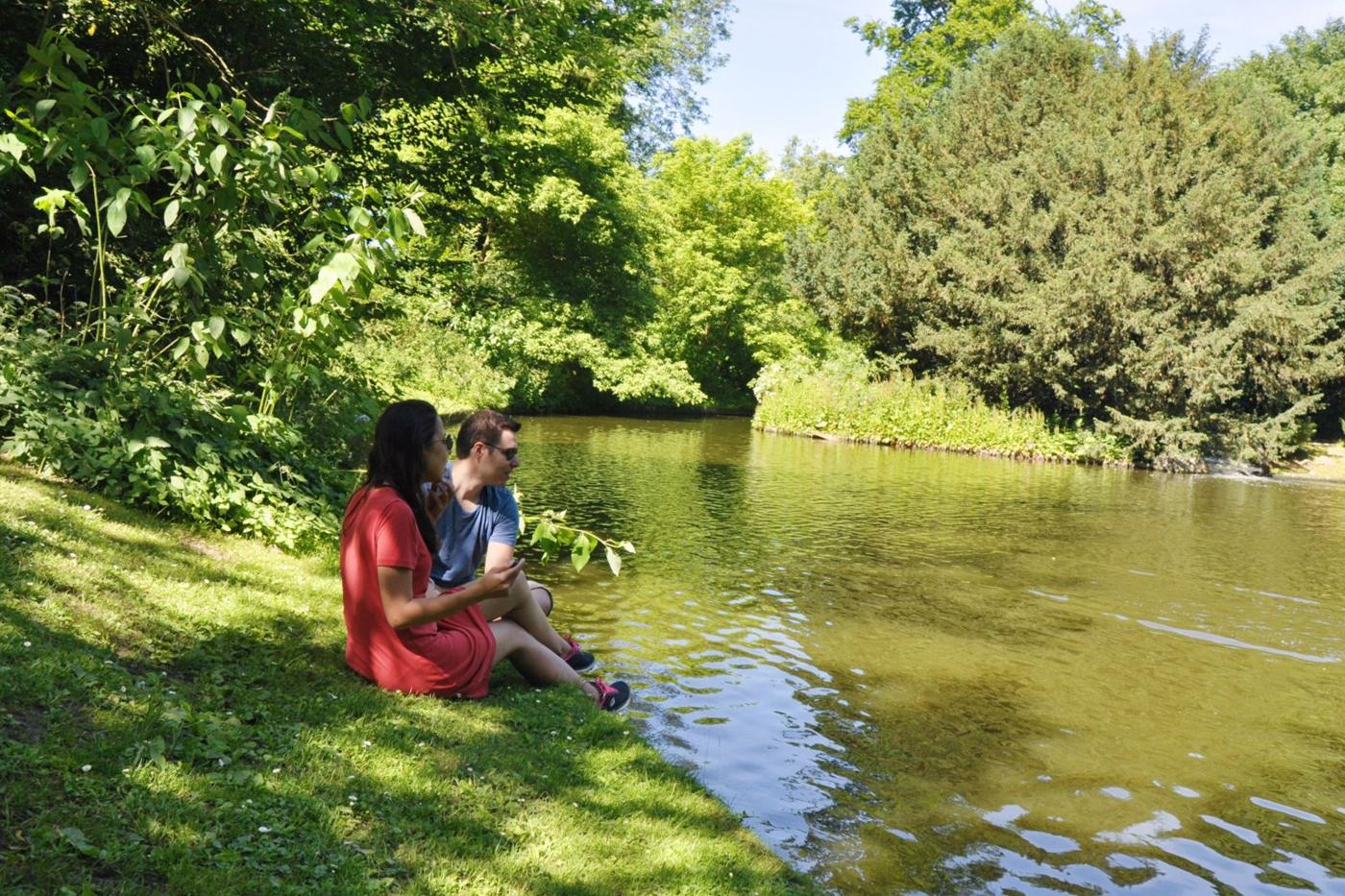
Those coming here in spring can make the most of the daylight and enjoy this lovely city in slightly cool weather without suffering from the heat. If you leave it until July – August, it'll be very hot. We're telling you now. I (Anıl) especially don't like heat much. (Berna) I think it was a lovely time; people had started enjoying the beach, and we couldn't have found the streets at a livelier moment. And in the evenings the air suddenly turns ice cold, and I was really getting cold. :)
Where to Stay in Copenhagen?
We've come to the easiest part. Just kidding: in countries this expensive, we really racked our brains over where to stay before we even went. Planning your accommodation in advance if possible, just like buying your plane ticket early, will be very helpful.
It's also true that in searches there's almost no place to stay under 400₺ a night! That's why we removed the hotel concept from our search criteria here and moved on to looking for hostels. Of the ones we looked at, the hostel we felt best about, and one I used a lot on my first Interrail trip years ago, was A&O Hostel.
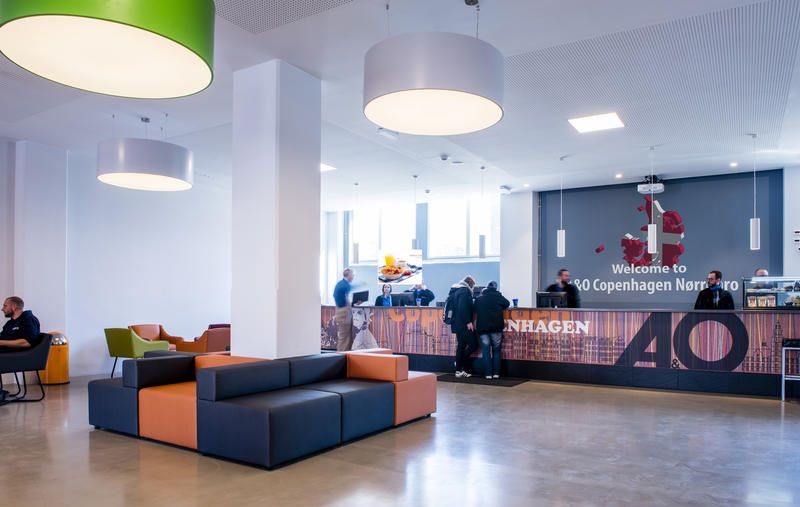
At this hostel, whose prices are well below the Copenhagen average but whose quality is very high, prices per night for 1 person start from 11€ . If you choose private single or double rooms on the hostel side, prices go up to 34€. In a 4-person room we paid, for 2 people per night, 50€. The room has its own private shower and toilet. Since it was Berna's first hostel experience I was a bit hesitant, but we found a hostel that puts most hotels to shame. We highly recommend it to anyone going. You can stay in a hostel with hotel comfort and make new friends. We stayed two nights, and our room was cleaned every day. Both nights we stayed with different people and it was fun. We didn't lock ours, but there are metal boxes in the room to lock your bags in, so you can bring a lock to use when leaving your things at the hostel.
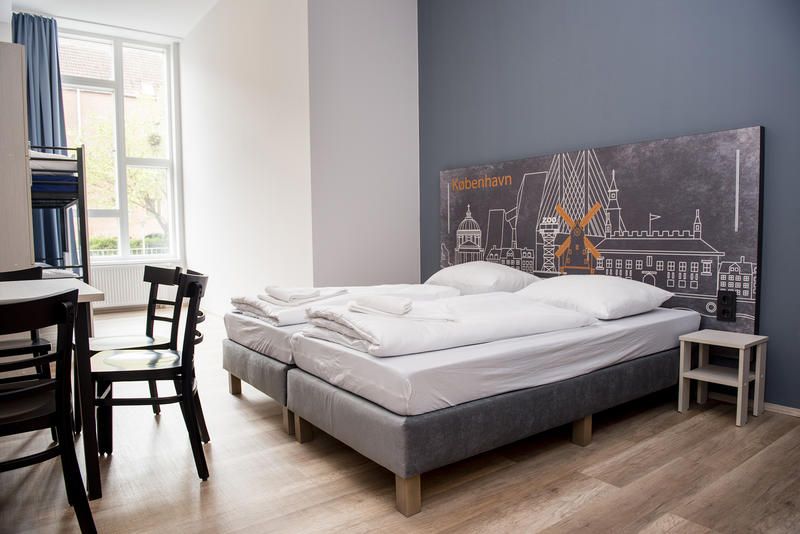
The hostel also has a hotel part, and on that side prices for 2 people per night start from 130€. By the way, the earlier you are, the cheaper you can book.
Finally, the currency used in Denmark is the Danish Krone. As of June 2018, 100 DKK was roughly equal to 75₺. You can work out the Turkish lira equivalent by multiplying the amount by 0.75. Of course, while writing this post, we're hoping our money doesn't lose even more value..
If you like, you can also choose this lovely hostel's other branches in other European cities worth seeing. Let's leave its map here!
Getting Around Copenhagen
Let's say it right away: it's a very well developed city in terms of transport. From the airport you can get to the city centre with a single ride in as little as 20 minutes. Once you're in the centre, our advice will definitely be to use a bike!
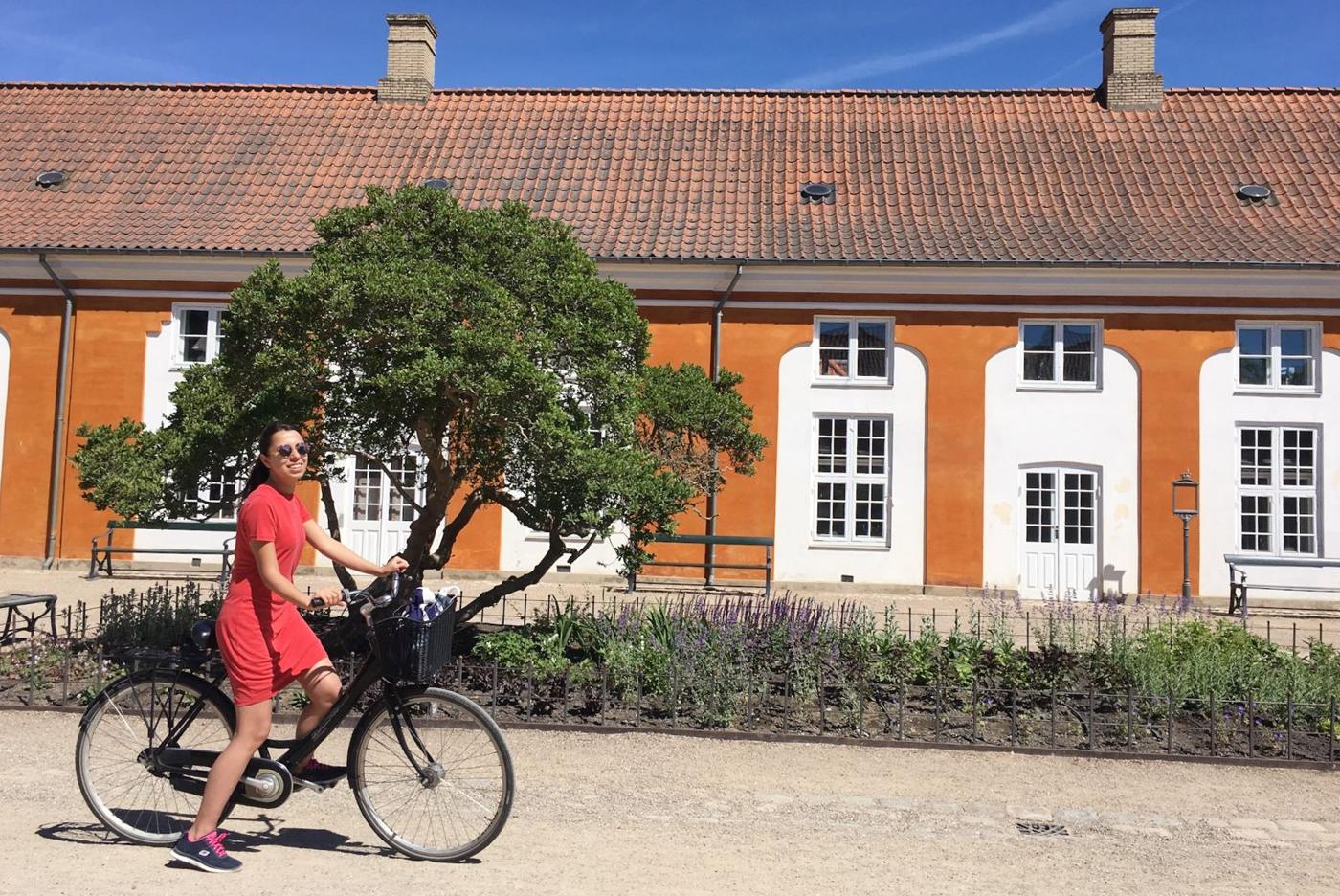
We had a crazy amount of fun on the bikes! We're a bike-loving couple anyway, but riding a bike here will be nothing like the routes you've ridden before. For a start, you experience riding on separate lanes, as part of a flow of traffic. Lights, junctions, crossings, and especially at the end of the working day. It's something very different; of course you get used to it the more you ride, and then it's a pleasure. And the pleasure of seeing everywhere by bike and stopping whenever you want is well known; I can't think of exploring a city like this any other way than by bike, if possible. We've left the details for the bike section..
The bike use we often talked about on our earlier Amsterdam and Rotterdam trips is, it would be very fair to say, undoubtedly a level higher in Copenhagen. Considering unlimited city transport costs 80 Danish kroner a day, renting a bike isn't a bad idea at all.
City transport
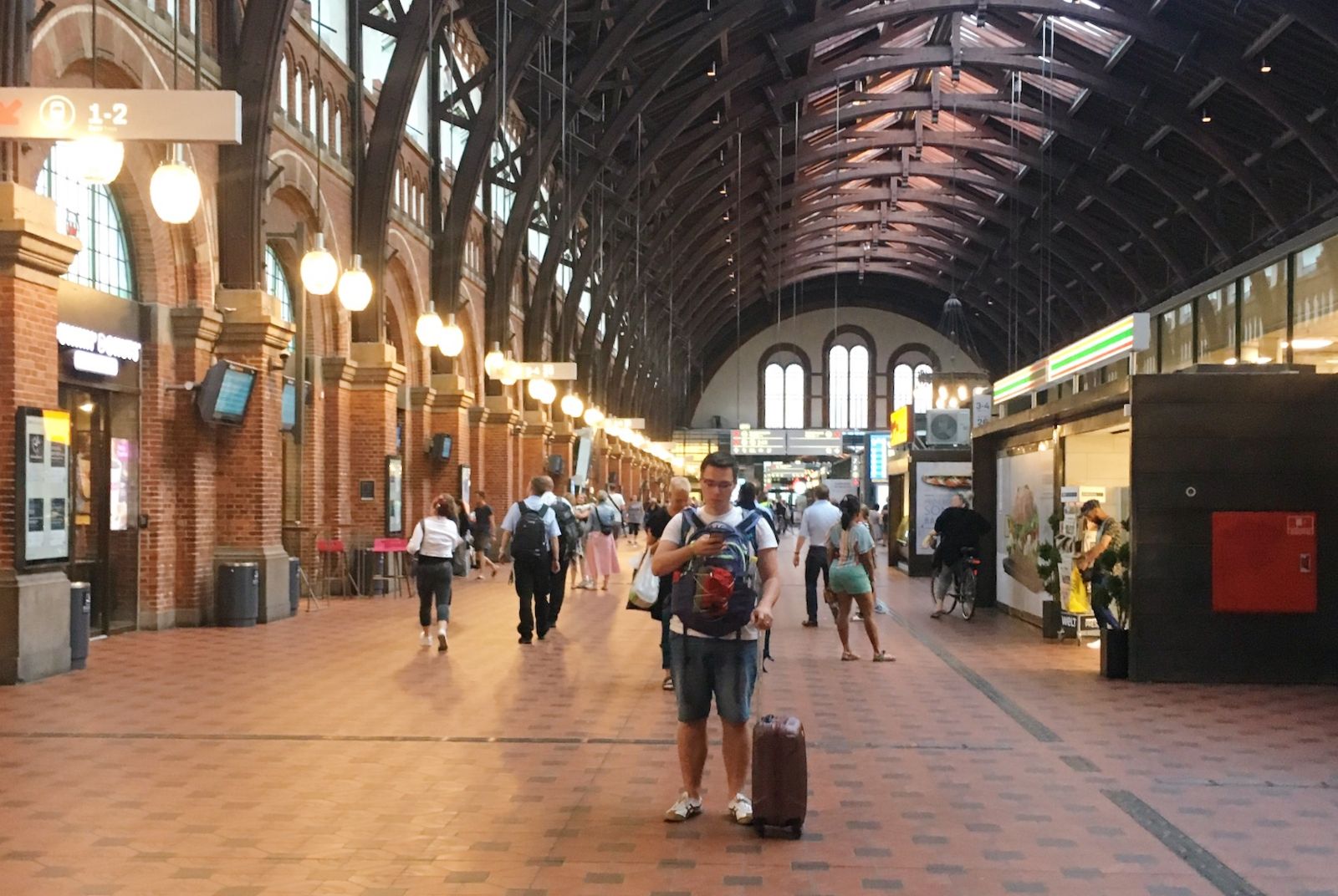
Bus tickets cost 12 DKK for zone one and 24 DKK for zone two, so they're quite expensive. Our hostel was in zone two. We didn't buy tickets at the train station, thinking we'd buy them on the bus. Compared with other countries, in Denmark you can only buy tickets on buses with cash. There's no credit card option. They don't accept euros either; just as we were saying we'd have to wait for the next bus, the bus driver, bless him, let us on without tickets and said "This time it's on us". We're lucky with buses these days. :)
Bikes
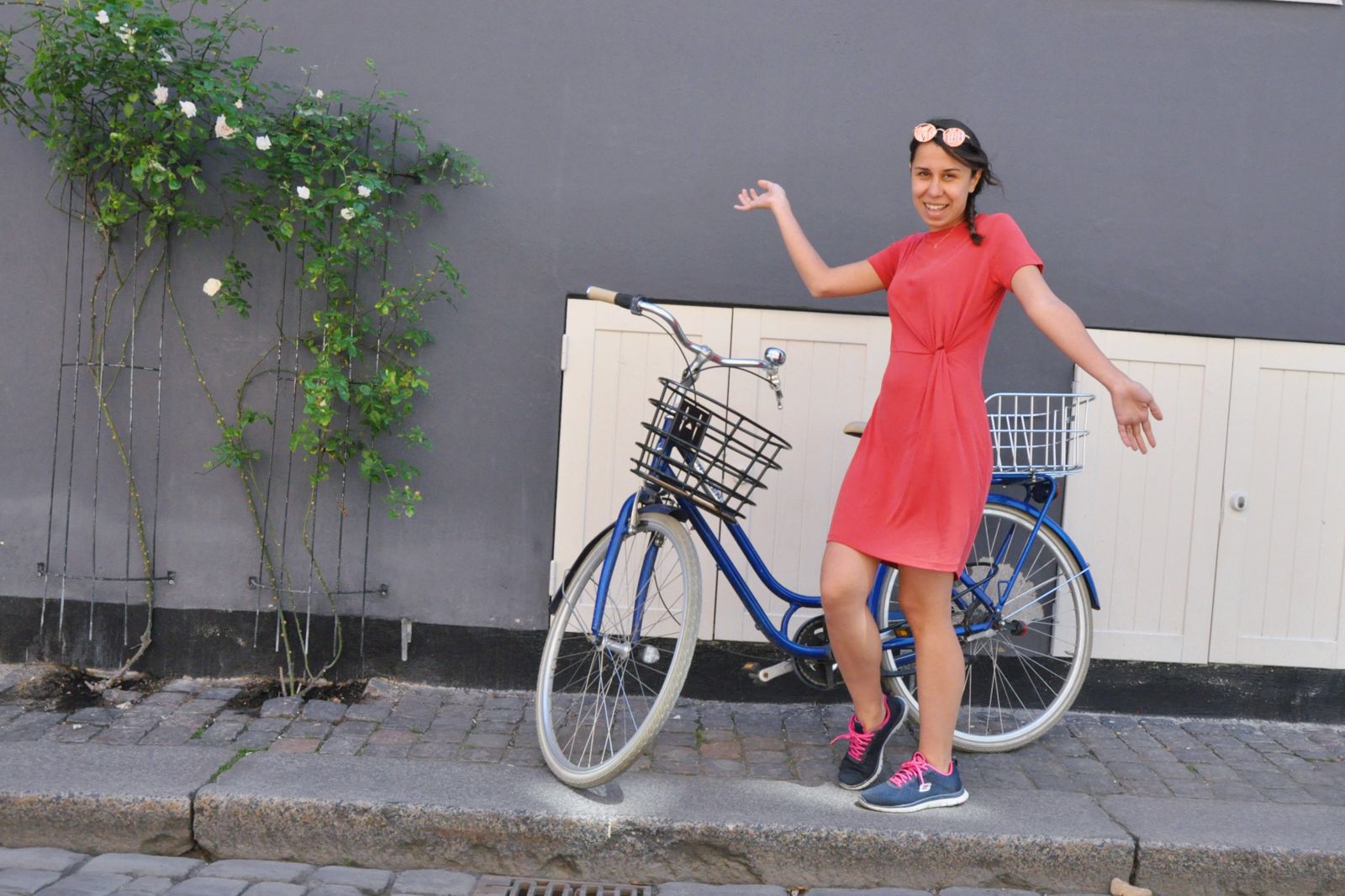
The municipality's service costs 100 kroner a day, while bikes you can rent from shops, with some haggling, cost between 70 and 80 kroner a day. We decided to explore the whole city by bike. We're so glad we did; we treated ourselves to a quality and comfortable trip.. Whatever you do, if you go to Copenhagen, don't leave without renting a bike! If you choose the bike when creating a route in the navigation you use, it takes you by the shortest way to where you're going. Otherwise, your chances of getting lost are quite high.. ☺
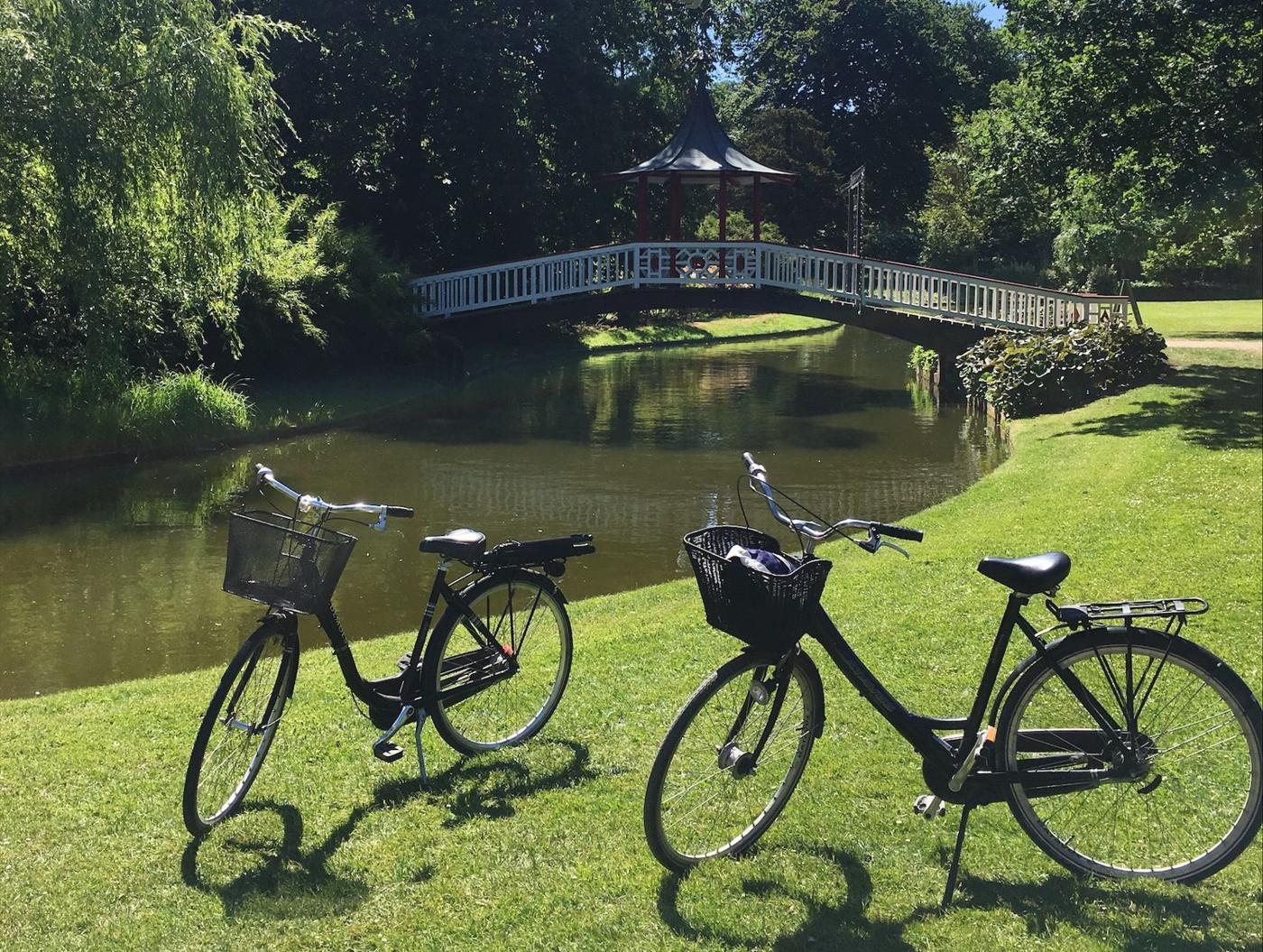
First of all, Danish bikes are very different from the bikes we use in Turkey. They have a hub gear system, usually with 6 or 7 gears. The ride is very comfortable. They're designed so as not to tire your wrists at all, and you literally ride as if sitting in an armchair at home. If I'd covered the distance we did on our Trek bikes, I'd definitely have got tired. Also, the front brake is like on our bikes, but the rear brake works when you pedal backwards. For those who like to pedal backwards while riding: CAREFUL!
We rented our bikes from Copenhagen Bike Rental, a 5-minute walk from our hostel. At first they asked for 100 DKK per bike, but after haggling we agreed on 75 DKK per bike. In fact, since we didn't have any kroner, we paid in euros. He agreed to take 10€ per bike. Since we'd already marked everywhere we were going in the maps.me app, all we had to do was pick the point we were heading to and create a bike route.
So how did Copenhagen become a cycling city?
Much like the Netherlands' story, the cars that multiplied in the 1960s started to become a serious threat to cyclists. Then the oil crisis that followed revealed the importance of and need for the bike, leading to the first steps of the bike's huge development today! Maybe one day we'll go through a hardship like this too and come to our senses!
In a city where bikes are so widespread, rules are a must. Let's briefly remind you of the rules:
- Keep to the right,
- Use the bike lane if there is one,
- If a bike is passing you, let it pass,
- Crossing on a red light is forbidden, no exceptions!
- Don't cross junctions without looking right and left,
- To turn left at junctions, stop at a corner and wait for the green light,
- While riding, keep both feet on the pedals and at least 1 hand on the handlebars,
- Riding on the pavement or on pedestrian streets is strictly forbidden,
- Children under 6 must be accompanied by someone aged 15 or over,
- There are rules like parked bikes must be locked,
- In some places cycling is forbidden, and you must get off and walk.
If you're going to use a bike in Copenhagen, take care to follow the rules above, or rather, just follow them!
For example, before getting on the bike you should check the lights, reflectors, bell and brakes. Otherwise, if one of them isn't working, there's a fine of 700 DKK. Cycling drunk is both forbidden and not, but when the police stop you, depending on the rider's state at the time, they can give a fine of 1500 DKK. Running a red light costs 2000 DKK.
What Budget Do You Need for Copenhagen, and Is Copenhagen Expensive?
Yeeees! :)
Helpless in the face of the unstoppable rise of the euro over the last 2 years, we travellers now have to spend our trips with minimum costs wherever we go. With the euro at 5.60₺ today, considering even unlimited daily public transport in Copenhagen costs 60₺, the answer to our question is as above: "Yes", "Yes, Copenhagen is expensive!" It's cheaper than Sweden and Norway, but very expensive compared with Western European countries.
In this lovely city, where neither accommodation nor transport is at all cheap, the most affordable part is food and drink! There's affordable street food that won't shake your budget too much.
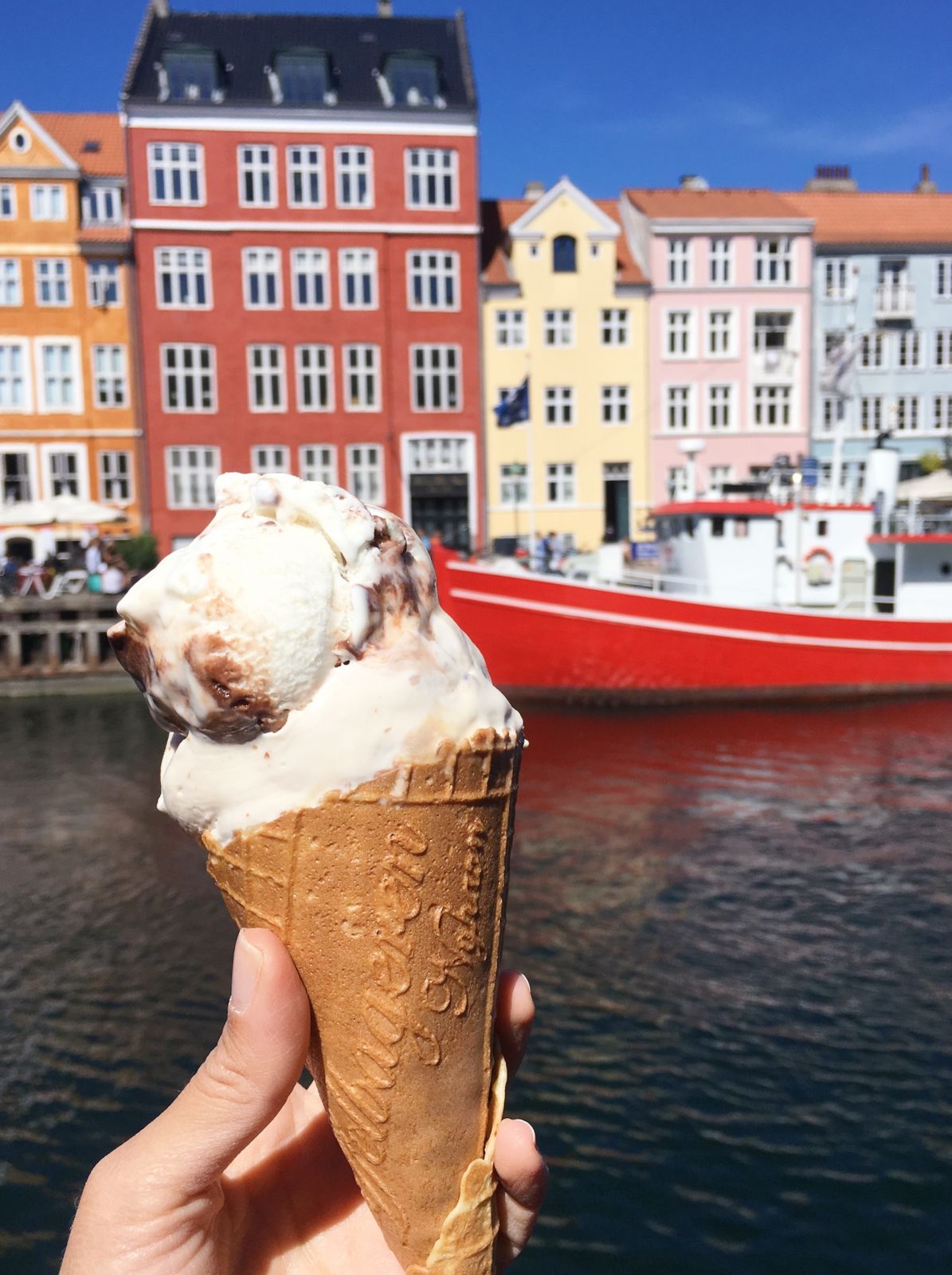
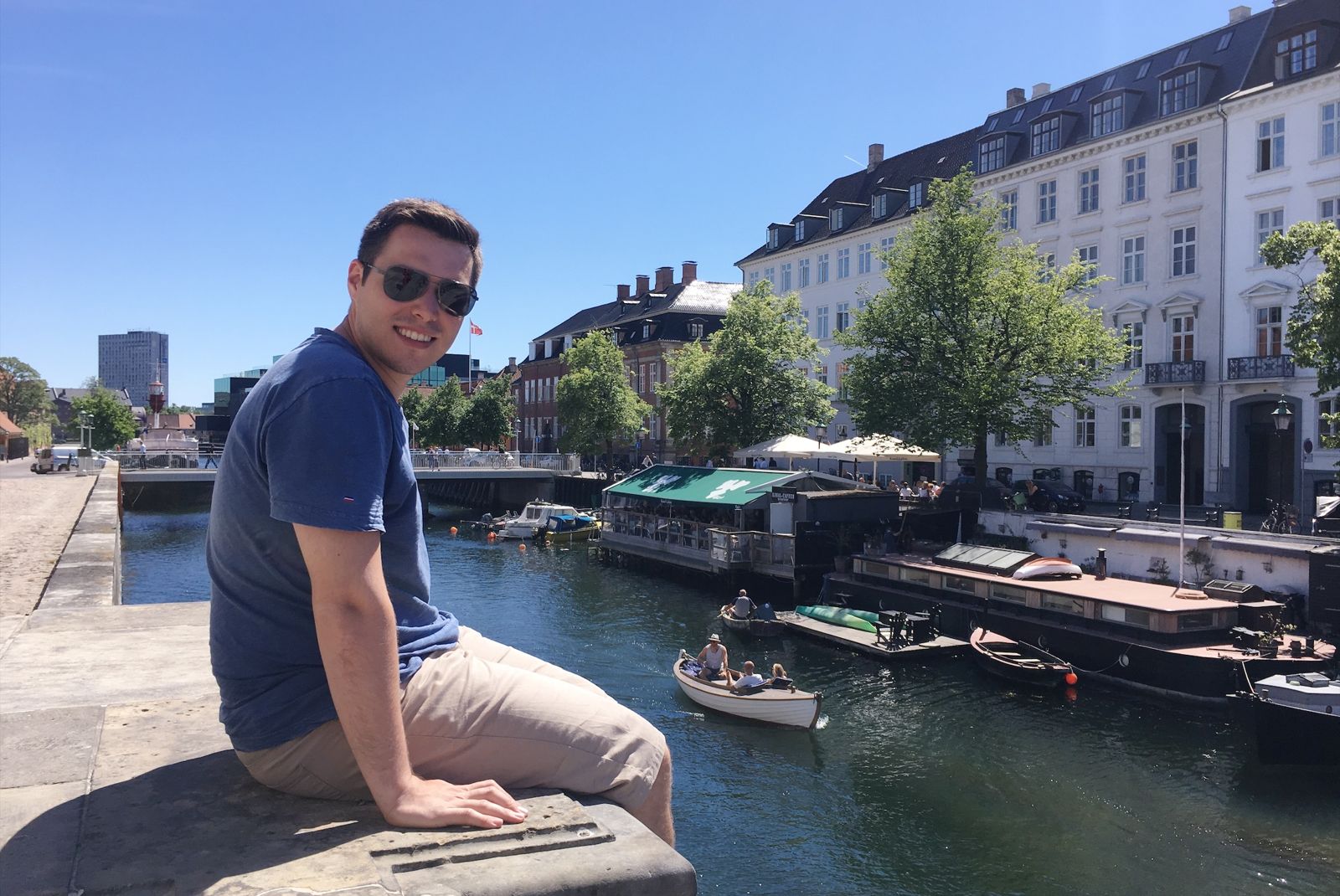
For example, in Nyhavn, known as the New Harbour, we paid 45 DKK for 3 scoops of ice cream (huge scoops). At Espresso House, very common across Scandinavia, we paid 28 DKK for a large Americano. :)
Those travelling for pleasure can skip this part. Here we've gone into detail on food and drink especially for those heading north on Interrail and students on a limited budget. Prices are above average, and since the tour was long, we had a limited budget too.
On our trip we mostly handled food and drink by shopping at supermarkets. In Denmark, especially, don't miss the Netto supermarket when you see one. You'll find more affordable products than elsewhere. For example, if products like salads are near their expiry date, they're sold with discounts of up to 50%. If you're going on to Norway after this, we'd say stock up at the supermarkets here. :)
For this tour we used our budget very carefully and stocked up in Turkey on dry biscuits, instant soups and nuts that keep you full for a long time, and we mostly made sandwiches with what we bought at supermarkets, and if we were staying in a house, we chose quick things to cook like pasta. Believe me, when sandwiches are 40-50 DKK, you just can't bring yourself to buy them. If you're out, finding hot water for instant soups or ramen is a problem too. The best thing is to get salads from salad bars and make your sandwiches. Lemon water and orange juice were our lifesavers alongside.
Scandinavia tour post: click to read it.
What Comes to Mind When You Say Denmark
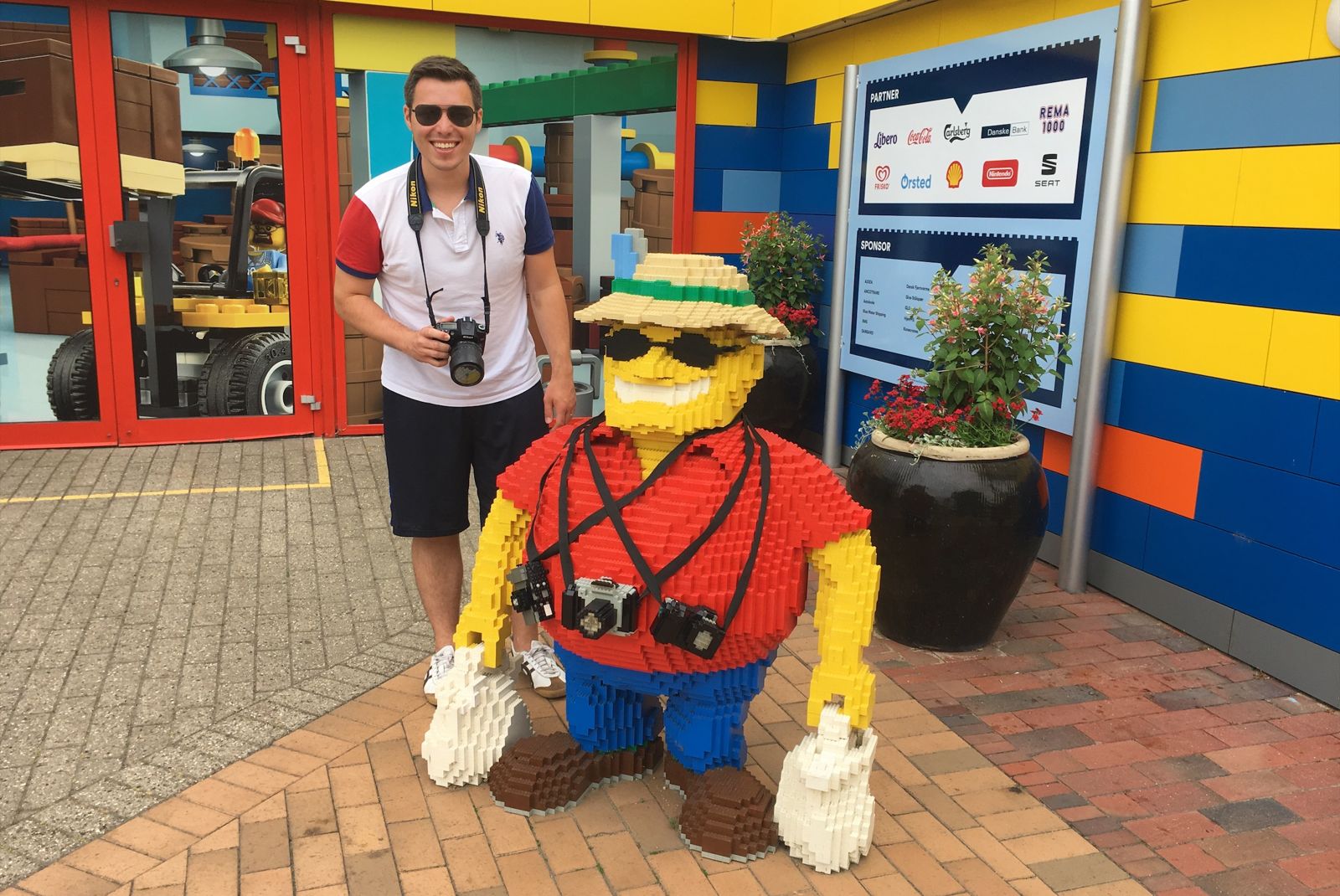
- One of the most important things in the play world of young children especially: LEGO! Click here if you're curious about our Legoland trip in the village of Billund!
- As is well known, Carlsberg is a Danish beer, but Tuborg , which is very common in our country, also turns out to be a Danish beer.
- Copenhagen and its surroundings convinced us enough. The bicycle is surely one of the symbols of Denmark too..
- The legendary goalkeeper of our childhood, Peter Schmeichel!
- The country at the very top for the rule of law!
- A high standard of living, high taxes! Danes pay so much tax that among themselves they say: We work 3 weekdays for the state and 2 for ourselves! That's what they say.
- They have seriously high-quality dairy products. When you say Denmark, you definitely have to try the cheeses !
- Their biggest imported food sector is pork, which those who prefer it can try.
Places to Visit in Copenhagen
Since we gave our Copenhagen trip 2 nights and 1 full day, we made a very enjoyable and relaxed route. And we'll definitely come back. As a useful tip: by marking the places we'll go in advance in the maps.me or Google Maps apps, we make our trip more comfortable even in cities we don't know. Since we went to Legoland Park in Billund, which we mentioned above, we completed our tour without going into Tivoli Park. We suggest that those getting the Copenhagen Card definitely stop by; it's right behind the train station in the city centre.
Starting from the places near the hostel we stayed at, we followed a route like the one below. Most of our tour was by bike.
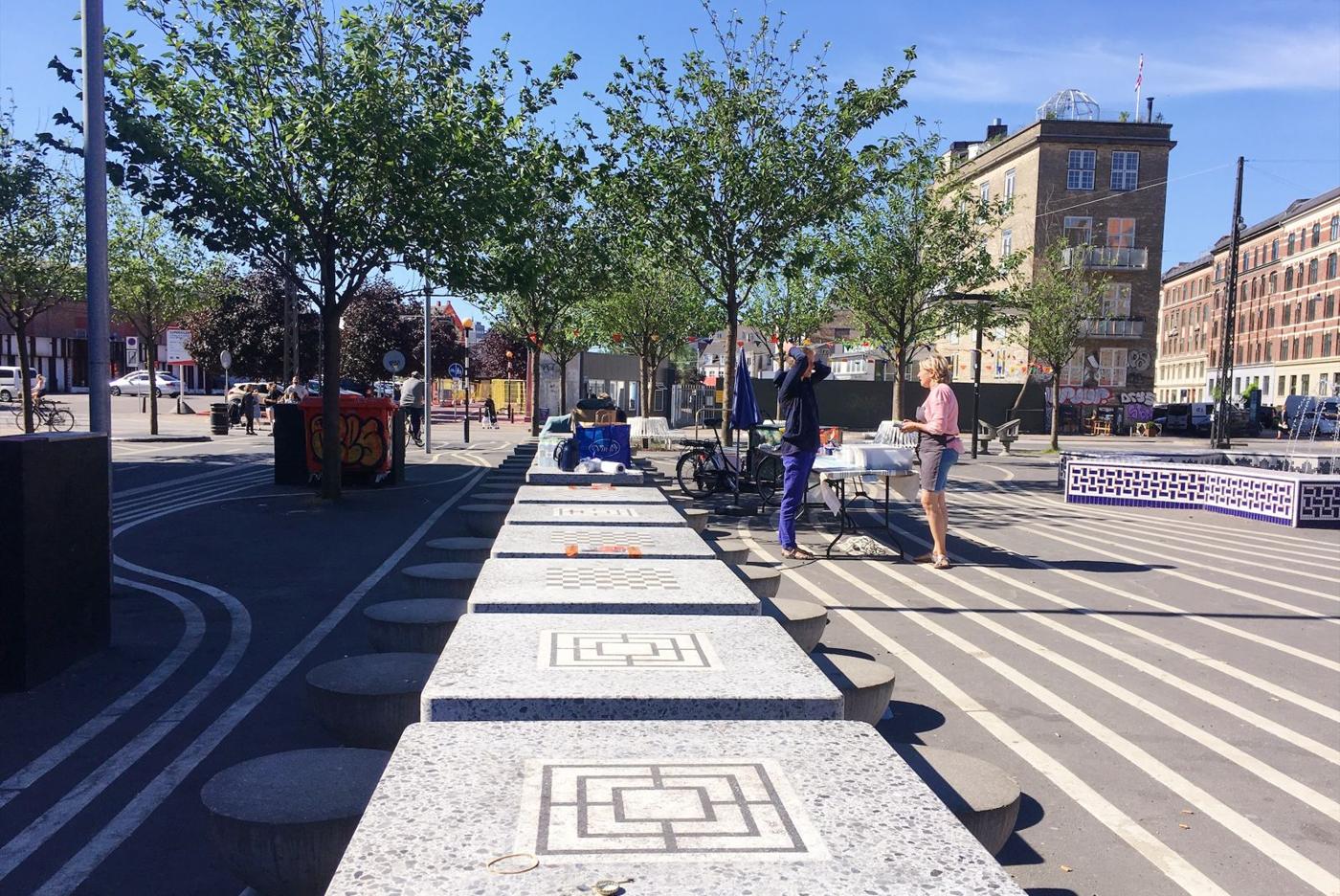
Superkilen Park
Since breakfast at our hostel seemed expensive to us, we came with what we'd brought to this lovely park very close to our hostel and had our breakfast here.
Superkilen, in Copenhagen's Nørrebro district, is made up of 3 different types of area brought together. This public park holds 108 objects from 60 different countries. The sections of this park, made by artists calling themselves Superflex, Topotek1 and Bjarke Ingels, are named, in order: Red Square, Black Market and Green Park.
- Red Square: Cultural activities and a popular market place
- Black Market: A meeting place for family and friends
- Green Park: Designed as a centre for sport and healthy living
It wouldn't be much of an exaggeration to say the park's design swept us off our feet. How well they thought it through to make such lovely places. When we went, there were preparations in the Black Market part of the park for a puppet show for little kindergarten pupils. You could say we had fun before the kids did. But we loved the event. After the show for the little ones, a workshop where they'd make their own puppets and an exhibition area were also being set up. We see that these events become more frequent when summer comes and that the little ones really enjoy them. How lucky they are!
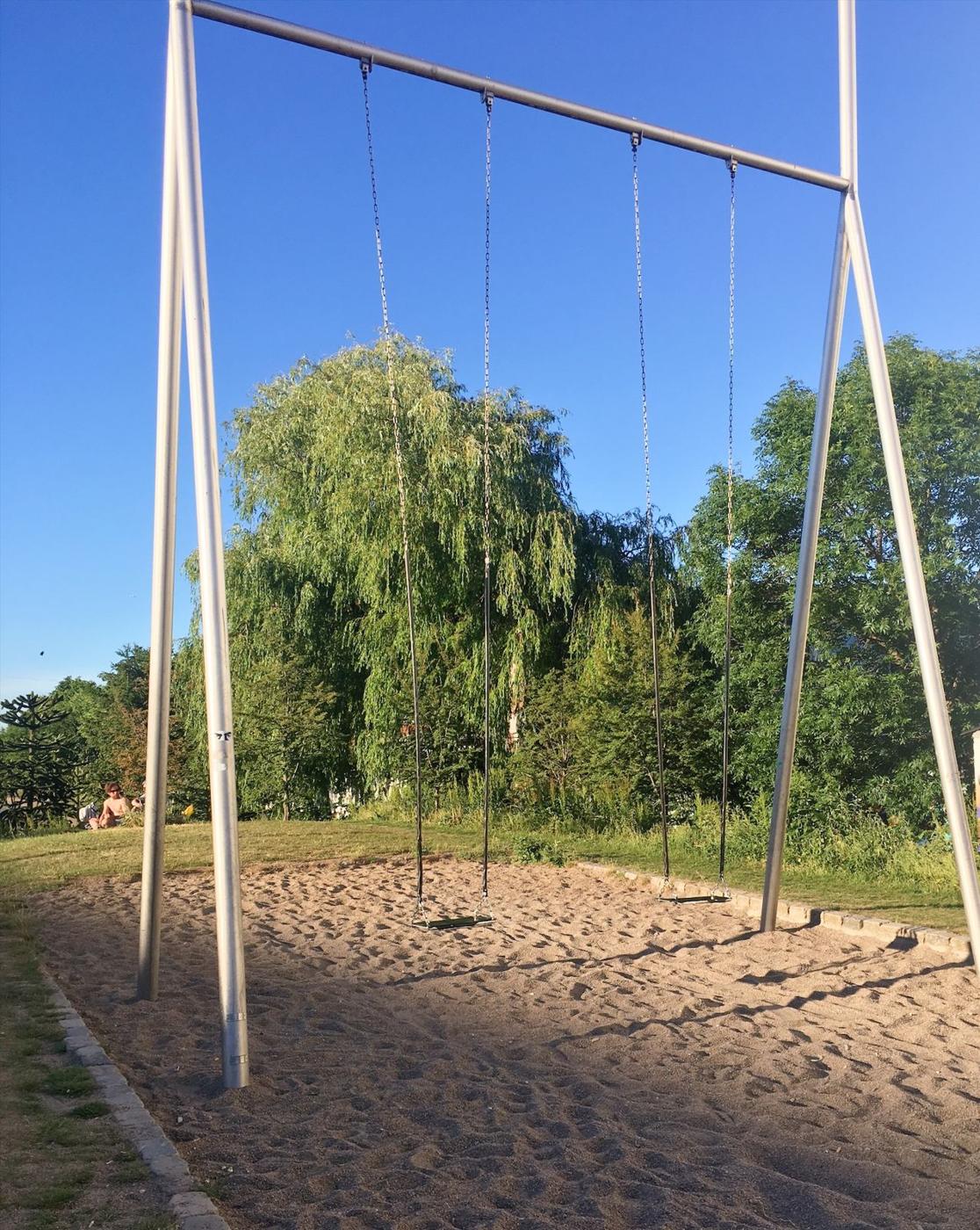
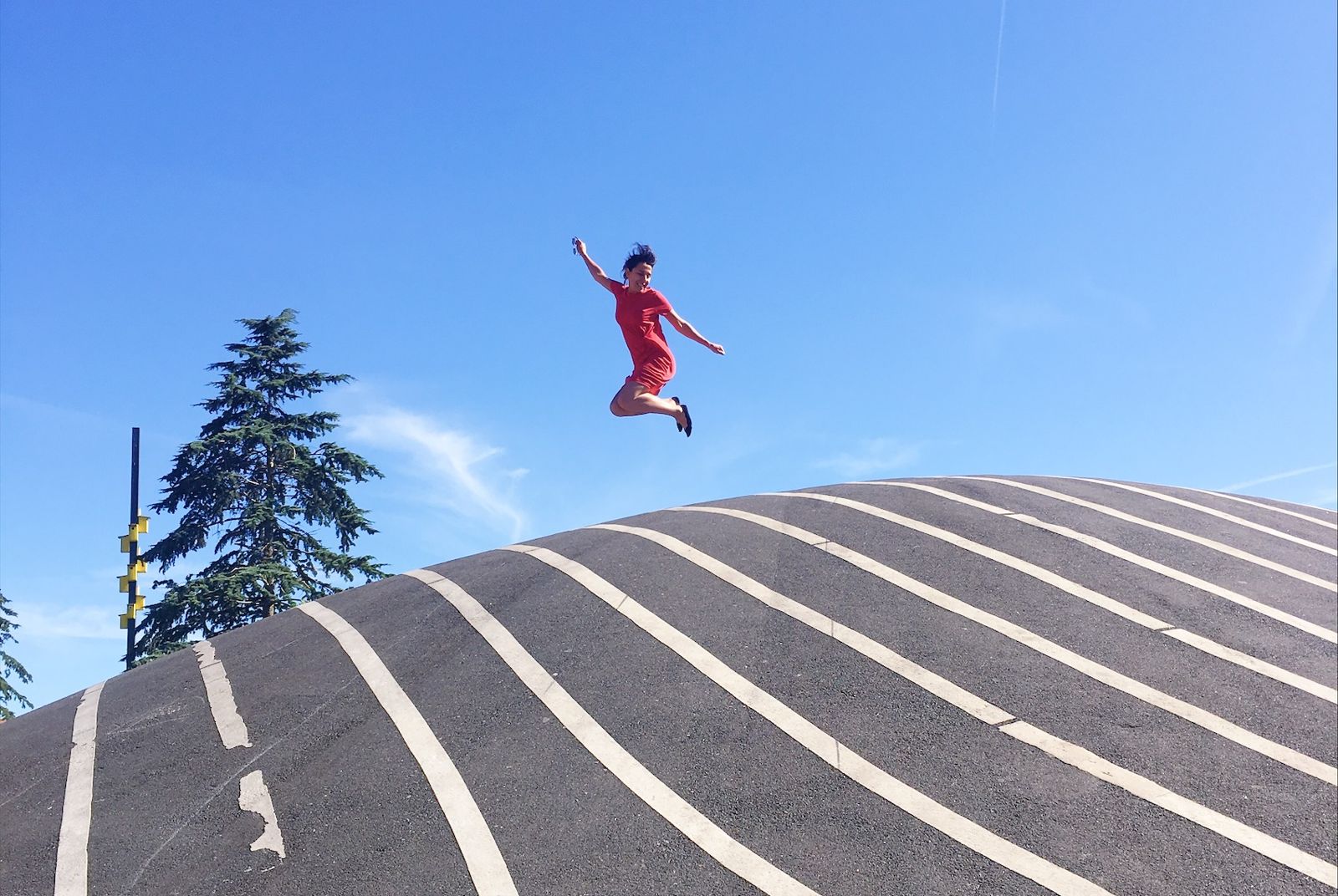
This hill, which we know from Instagram photos, is a meeting point for "instagrammers" who want to capture unusual photos! We owe these empty shots to going early in the morning, but when we passed by on our bikes in the late afternoon we saw tourists from East Asia waiting in line. ☺
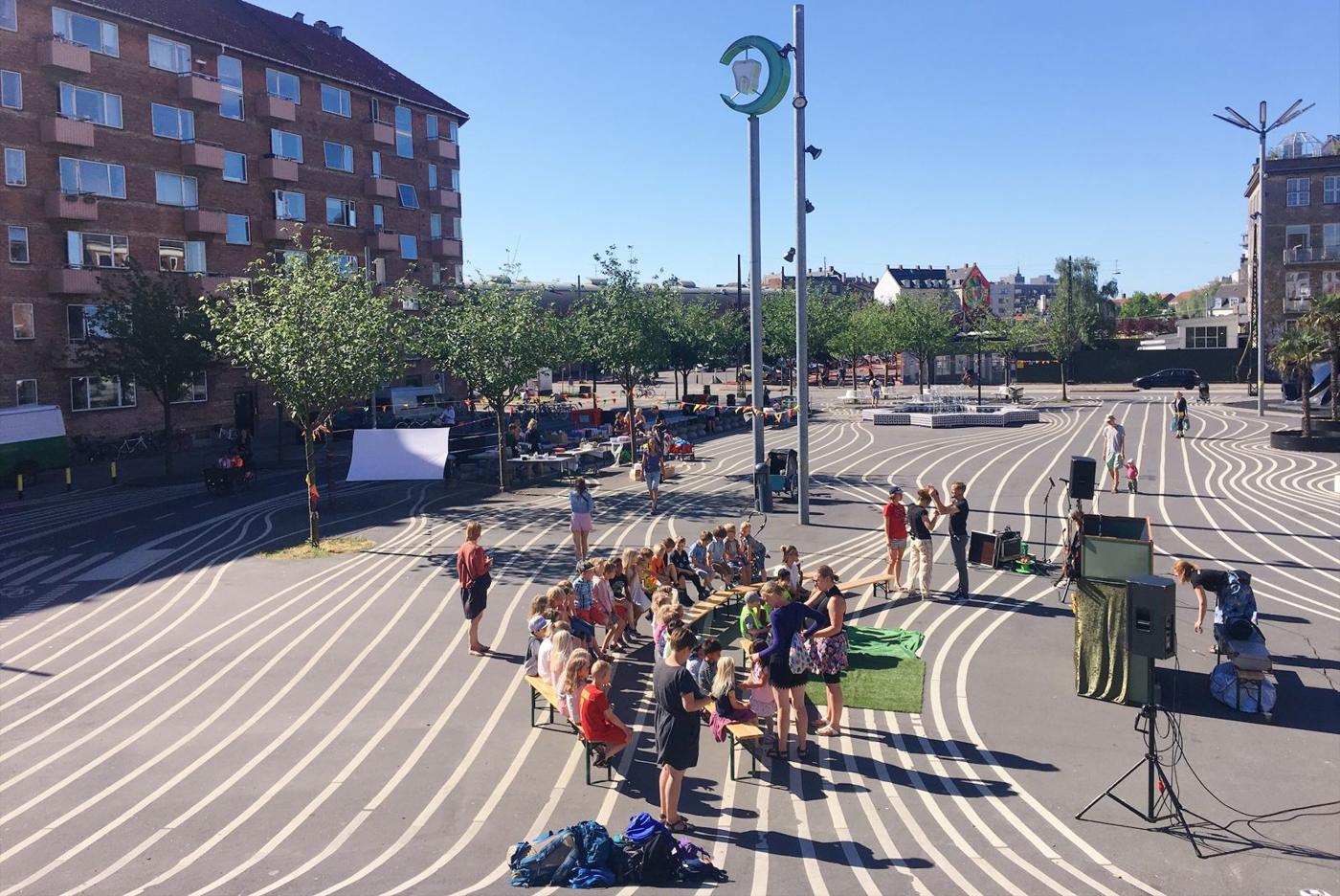
The Green Park part of the park is also really enjoyable: in the park, which locals choose for sport and meeting up, you can do many sports in the open air, and swinging happily or having a barbecue is allowed too. ☺
After our breakfast, we turned our route towards the bike shop that would open at 10.00. After renting our bikes from the bike shop within walking distance of the park, we carried on with our route like this..
Frederiksberg Gardens - Frederiksberg Have
Now to the best part of the trip, exploring Copenhagen by bike.. After pedalling 4 km from Superkilen Park, we came to Frederiksberg Gardens to get our fill of green. Frederiksberg, although it's within Copenhagen, has its own separate council, and the area isn't seen as part of Copenhagen.
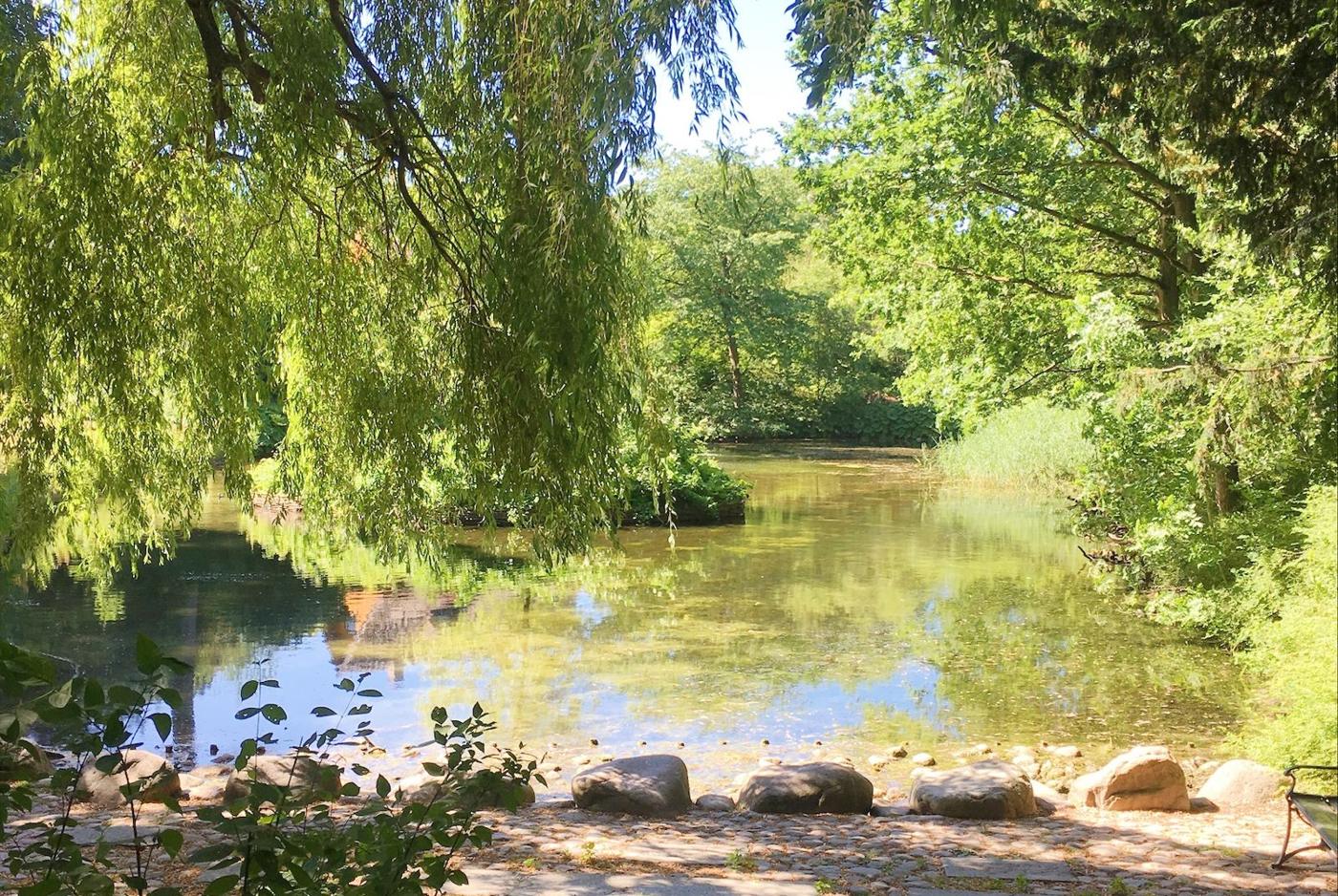
Along the way, with its streets lined with wide trees, its parks, shops and cute little restaurants, we caught the feel of the city. With the bike's effect we fell under the spell straight away. This area is very quiet; if you go in the morning like us, there's not a sound. If you don't have a bike you can enjoy it on foot too; definitely prepare a little picnic and go! ☺
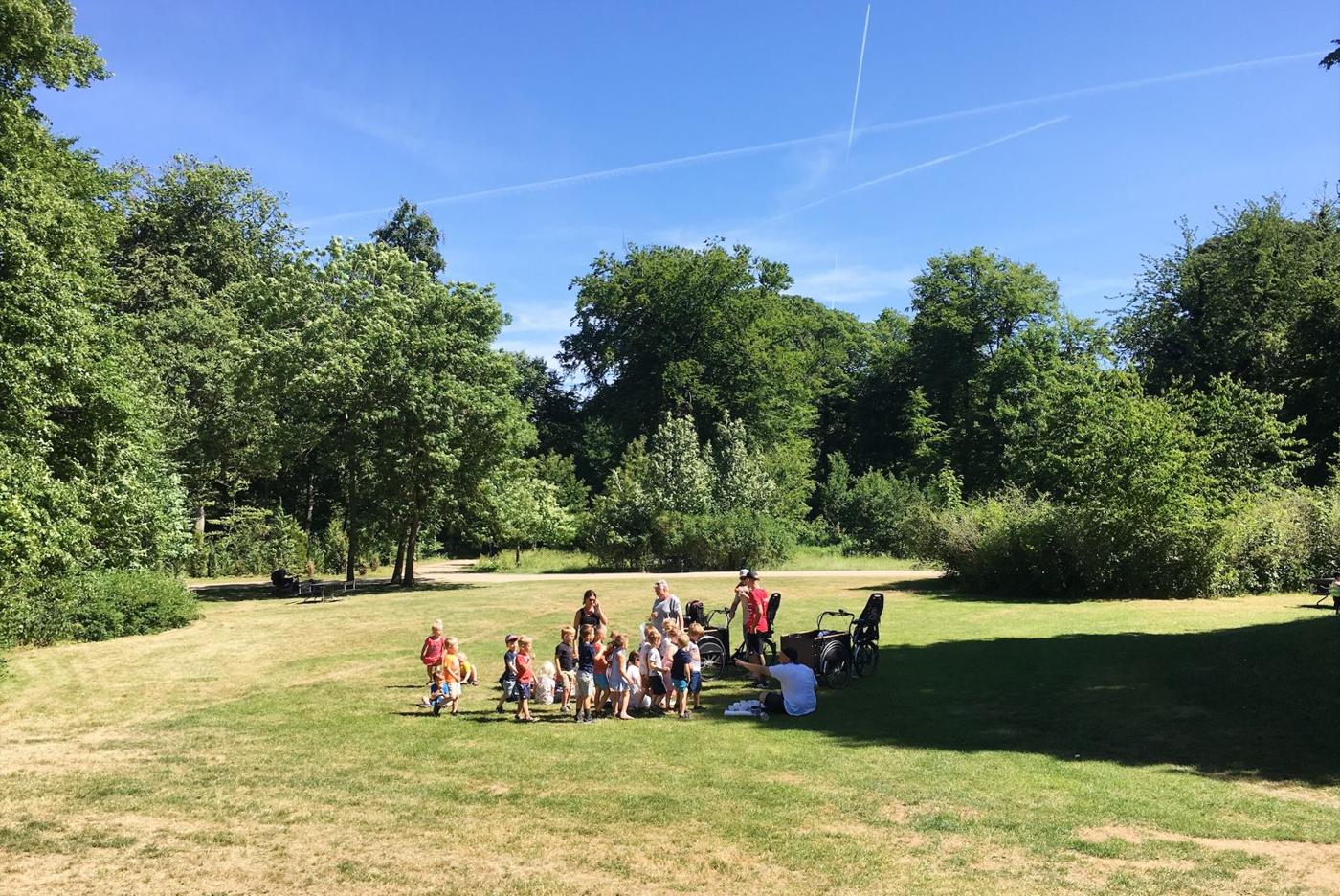
For centuries, Frederiksberg Gardens has been a favourite outing spot for Copenhageners, and many even come for a picnic at lunchtime. They start the day by visiting Copenhagen Zoo at the northernmost end of the gardens.
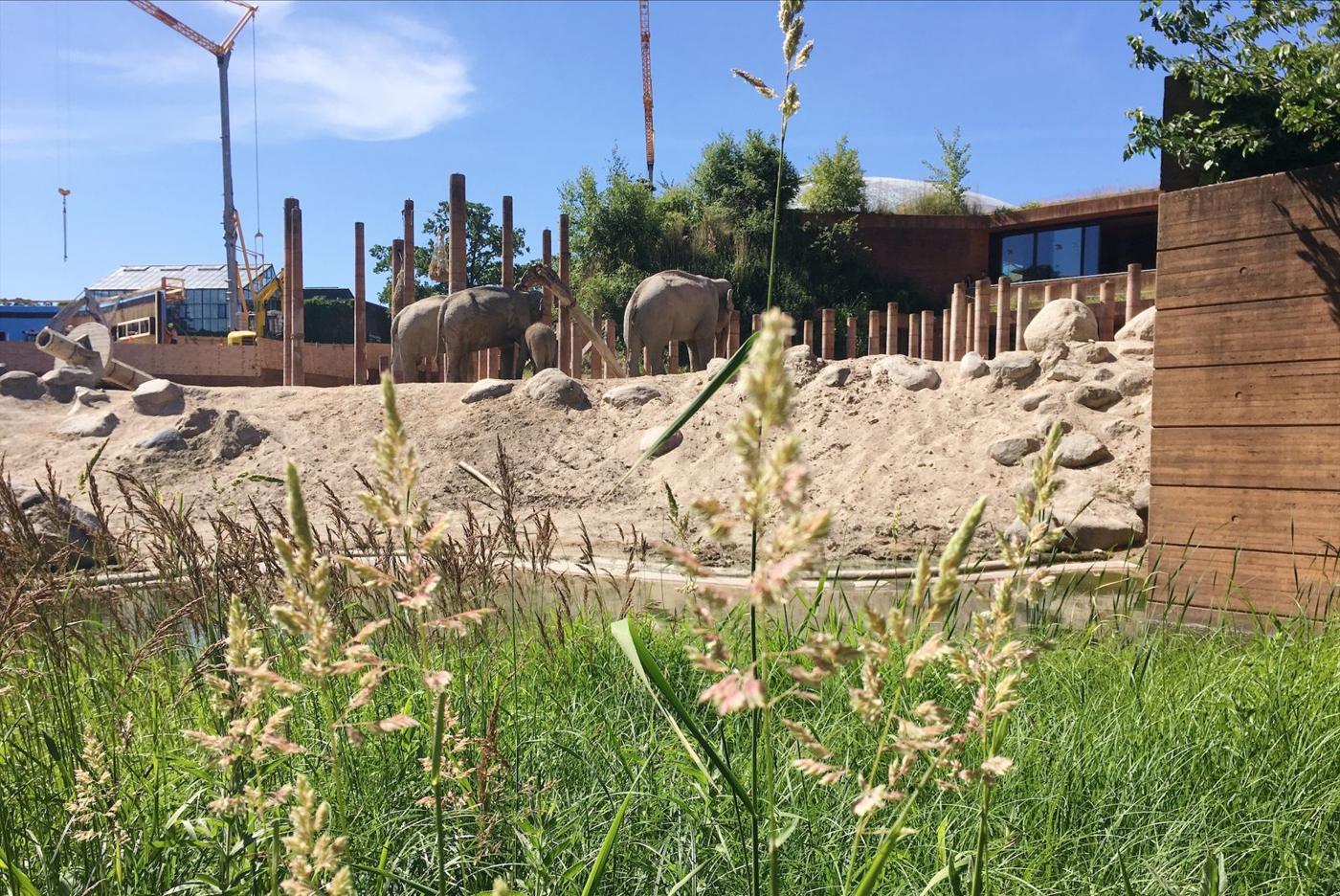
The park is so big that we got carried away and spent quite a while there. As we rode through the park in admiration, we suddenly saw a crowd and, behind it, the elephants they were watching! We were so surprised you wouldn't believe it; it was as if we'd been imagining a separate zoo. This enclosure is right inside the park; don't be surprised if you see it too! When we left the park around 11, people were already coming to picnic, sunbathe and take their children out. How lovely to have such a beautiful park in the middle of the city..
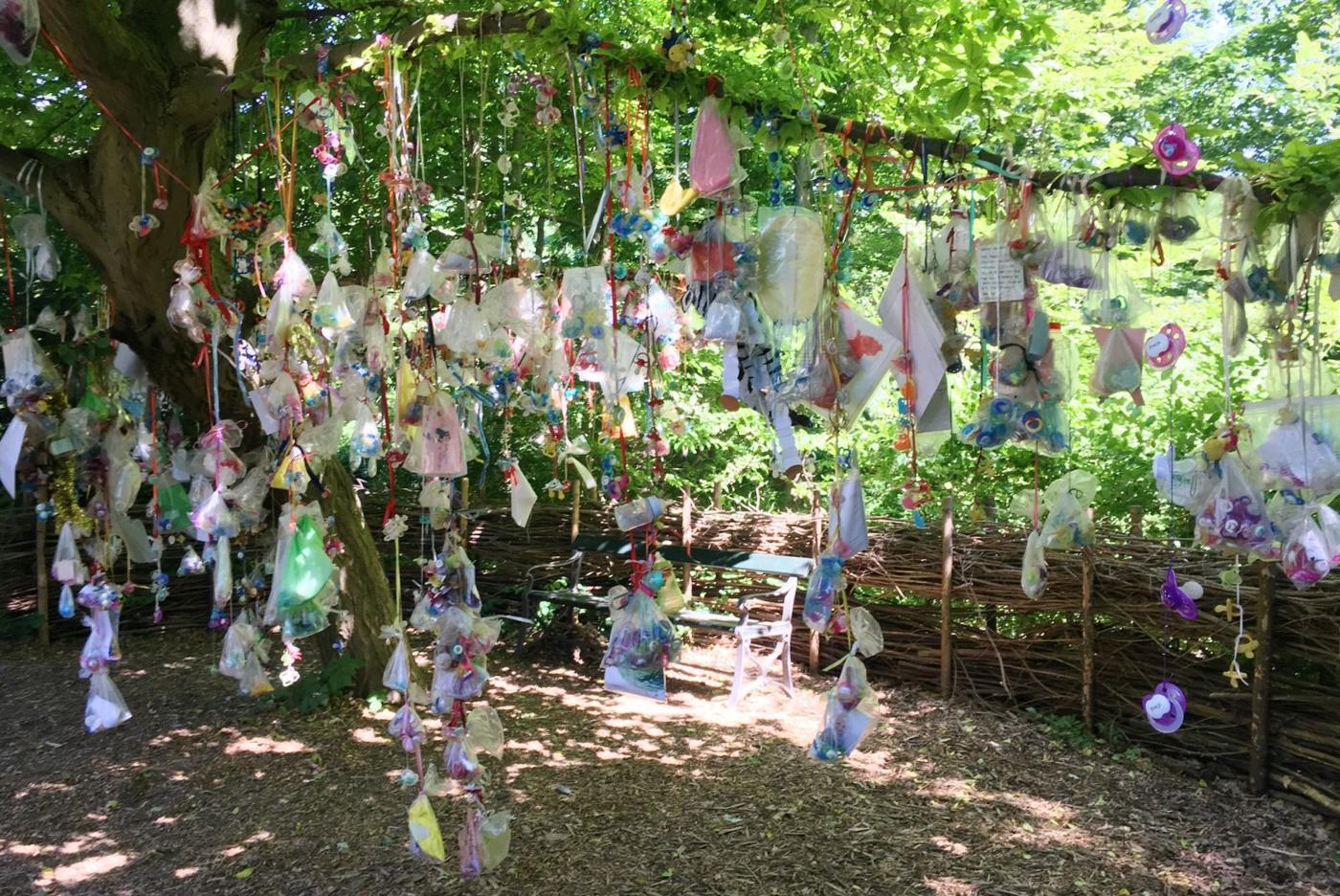
Finally, we want to mention the hundreds of dummies we saw on a tree while walking in the park! It's really very interesting, but there are hundreds of dummies hung on the branches here. We talk to three children who come running and ask them. It's an old tradition, the little one says: when a baby stops using its dummy, it's hung on these branches. She'd come with her childhood friends too; they took a sweet selfie and left. ☺
City Hall - Rådhus
As in most European cities, the city hall is right at the central point of the city, just behind the central train station. Designed in the National Romantic style by the architect Martin Nyrop and inspired by the Siena City Hall in Italy, the building has had 4 big fires in its past. The tower of the city hall, one of Copenhagen's tallest buildings, is 105 metres high and is climbed by 300 steps. The square where the city hall stands hosts various activities, events and shows.
This square was the starting point of the City Free Walking Tour I found in my research before going to the city. The tour normally starts here at 11.00, but for some reason I'd remembered the start time as 12.00. So when we arrived there wasn't a soul around. If you're here around 11, a tour of about 3 hours awaits you.
Having missed the tour, we put the city map in front of us and came up with 2 routes. The first to explore during the day, the second after dinner. After leaving our bikes in the parking area, we started our tour on foot.
Magstræde
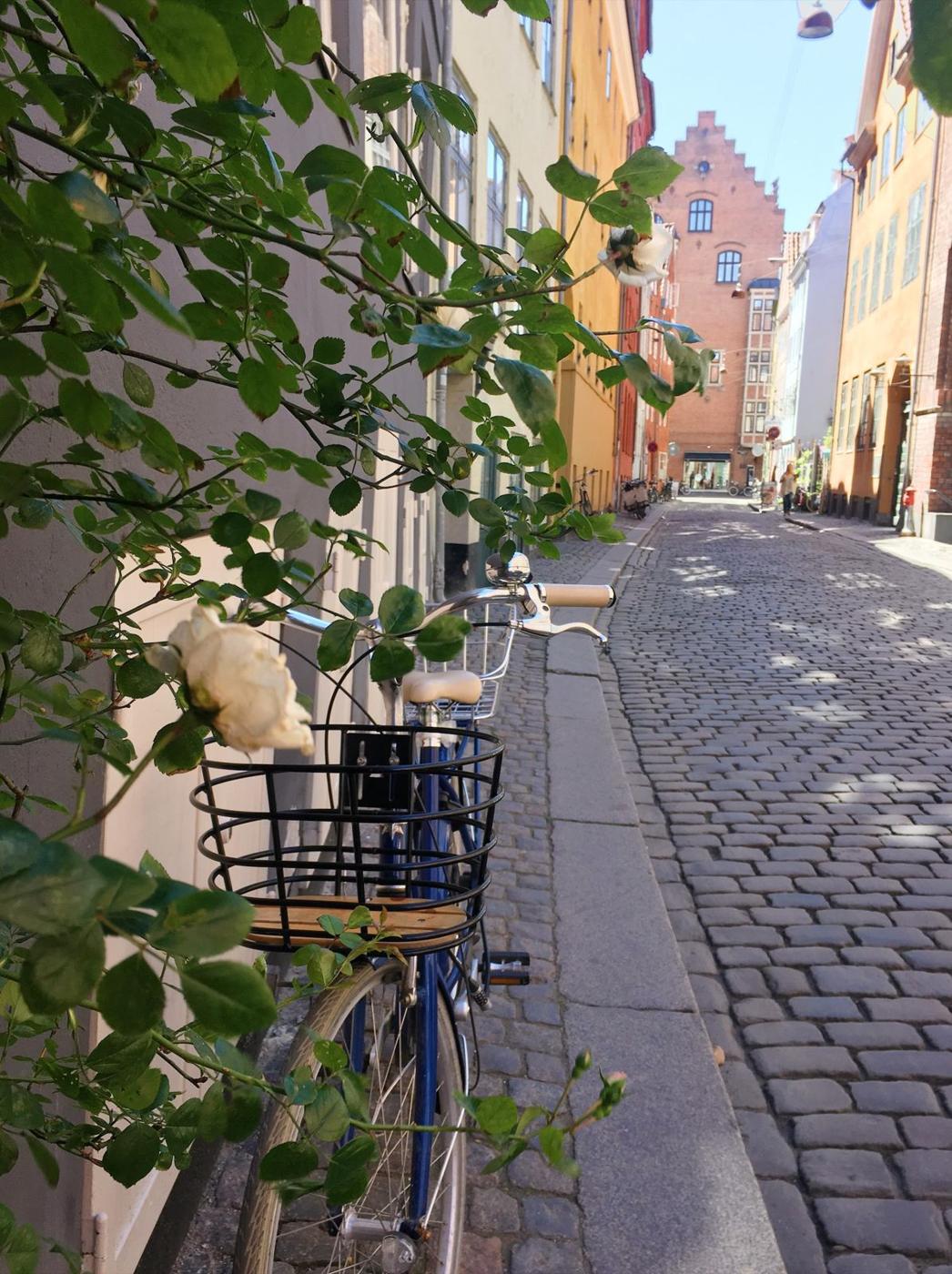
Especially in the world of Instagram photos, this place makes up a large share of Copenhagen photos. An interesting thing about the street is that it has the first concrete building built in Scandinavia. Getting photographed with the colourful, lovely buildings is a must! We made use of the flowers and bikes that go with the colourful, well-kept houses too; we couldn't resist taking photos here..
Christiansborg Palace - Christiansborg Slot
The palace, with 800 years of history, is today home to the parliament, the prime minister's office and the supreme court. Denmark is governed from here. Some parts are open to tourist visits. Since I'd researched before going, we didn't push ourselves to go inside, at 125 DKK - 90₺ per person. Walking around its garden, we felt the palace's magnificent structure.
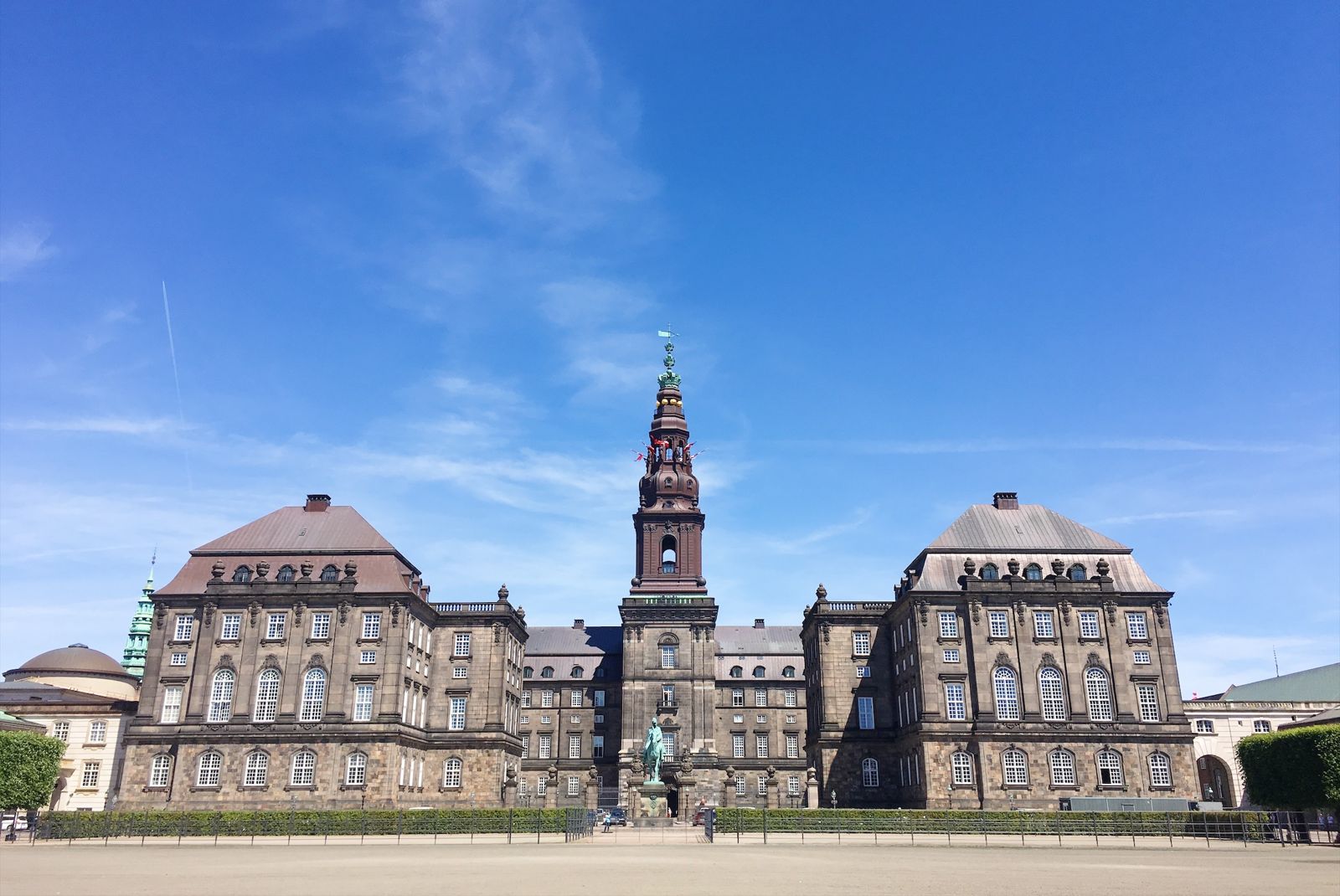
Since we said the country is governed from here, let's give this information too. In Denmark the special consumption tax is 200%, VAT is 25%, and income tax is in the range of 40% - 70%. Even we said ooh! We used to complain about taxes in our country. Look, there are those who take even more, but you see, all the taxes collected have come back to the people(!)
Library Garden - Bibliotekshaven
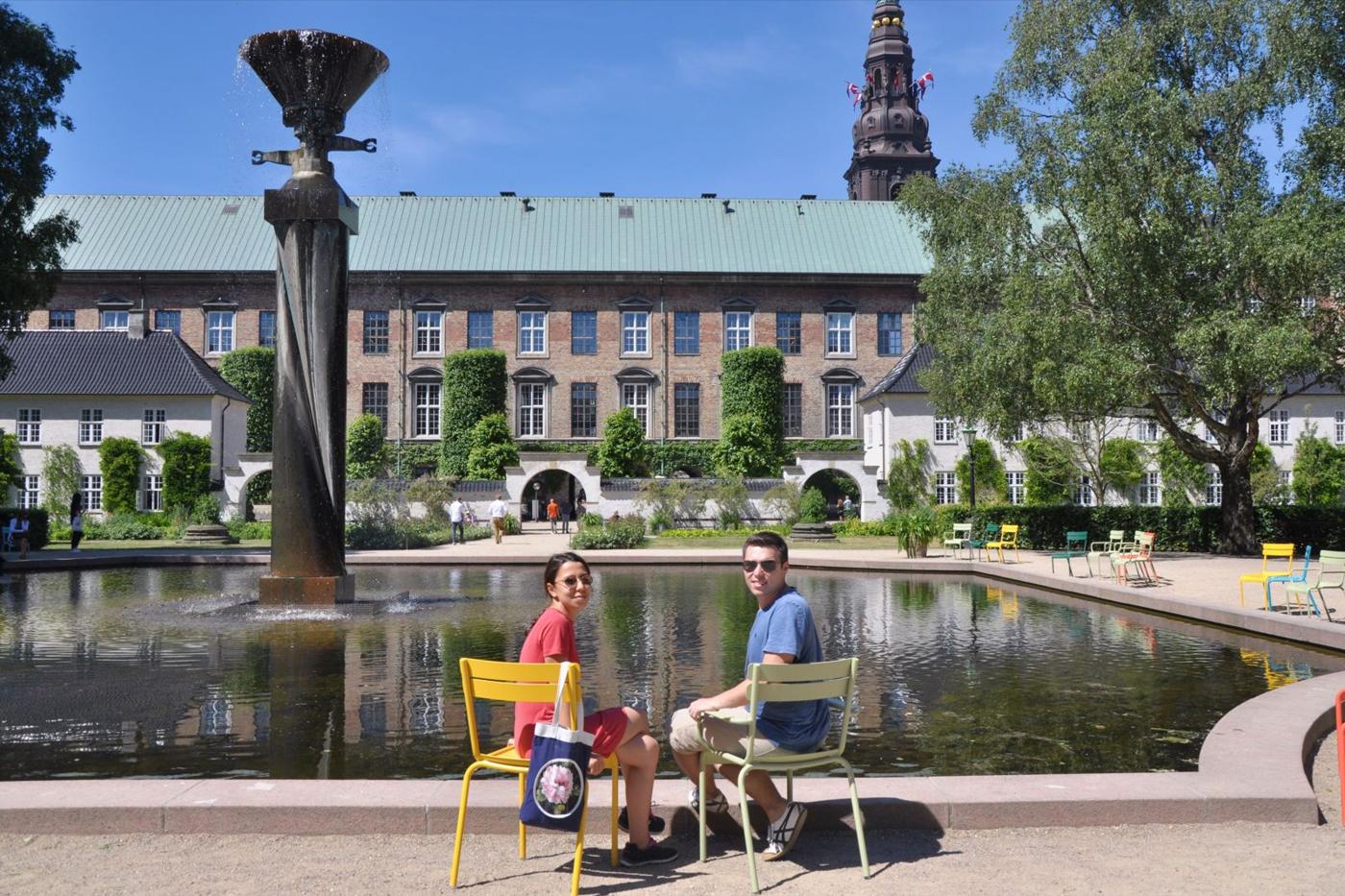
If you go through the palace and come out on the right, you come out into this lovely garden. If the weather is sunny, it's a wonderful place to take a break and rest in the silence. Definitely make time for it: it's at one with nature but a peaceful spot in the middle of the city. We'll be quiet and let the photos tell it.. ☺
Royal Danish Library - The Black Diamond
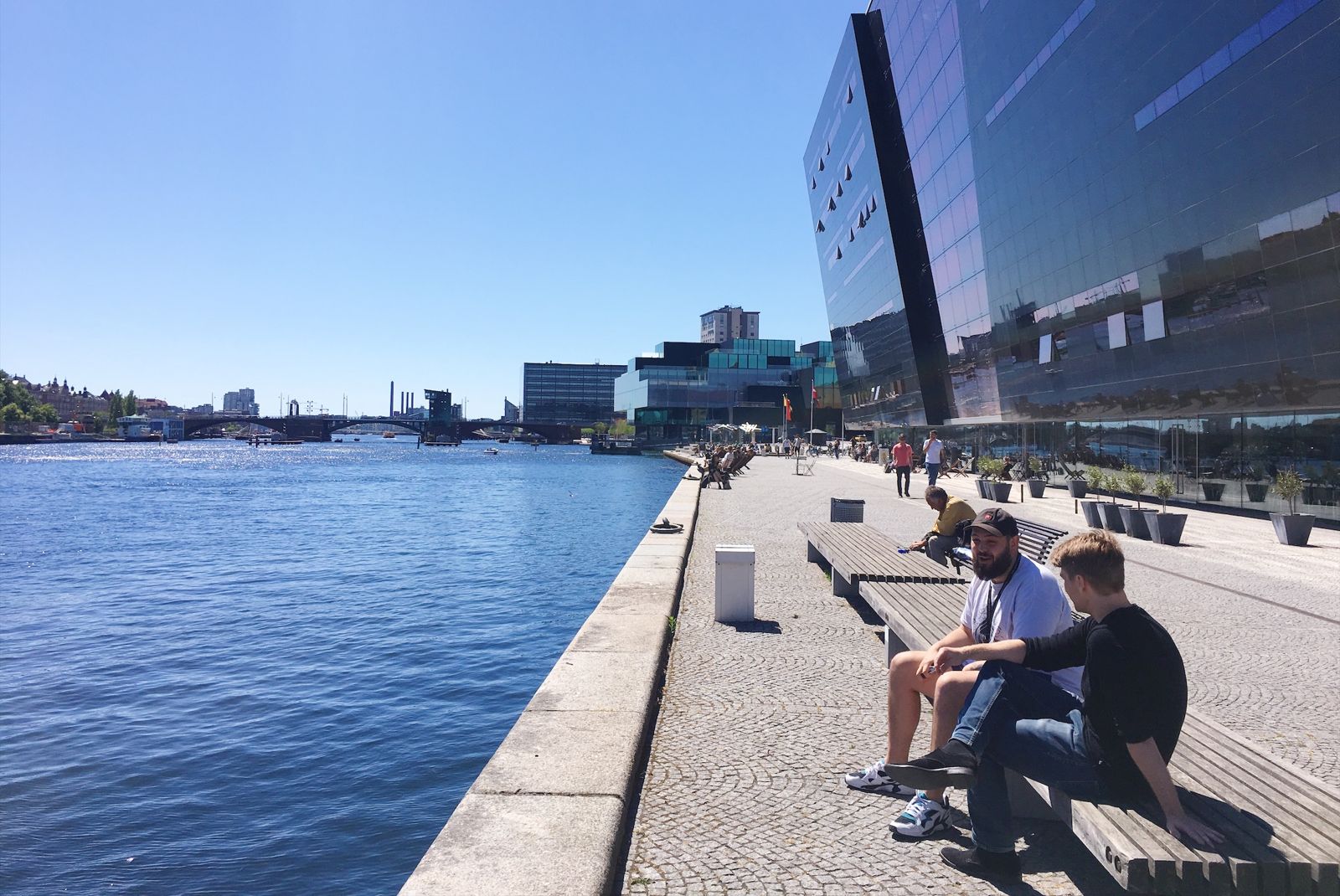
When you leave the library garden and cross the street, a modern library overlooking the sea welcomes you. The view enchanted us! With the lovely weather, everyone had sat down on deckchairs, and everywhere was buzzing! We quickly grab a chair each and take a short break. We have a snack while sunbathing, enjoy the view, then carry on with our route..
Royal Danish Theatre
On the way to Nyhavn, don't pass without seeing the royal theatre, standing since 1748. All the performances held in the theatre hall are funded by the state. Compared with a show in Vienna, the tickets look very reasonable. We recommend those staying longer to take a look.
New Harbour - Nyhavn
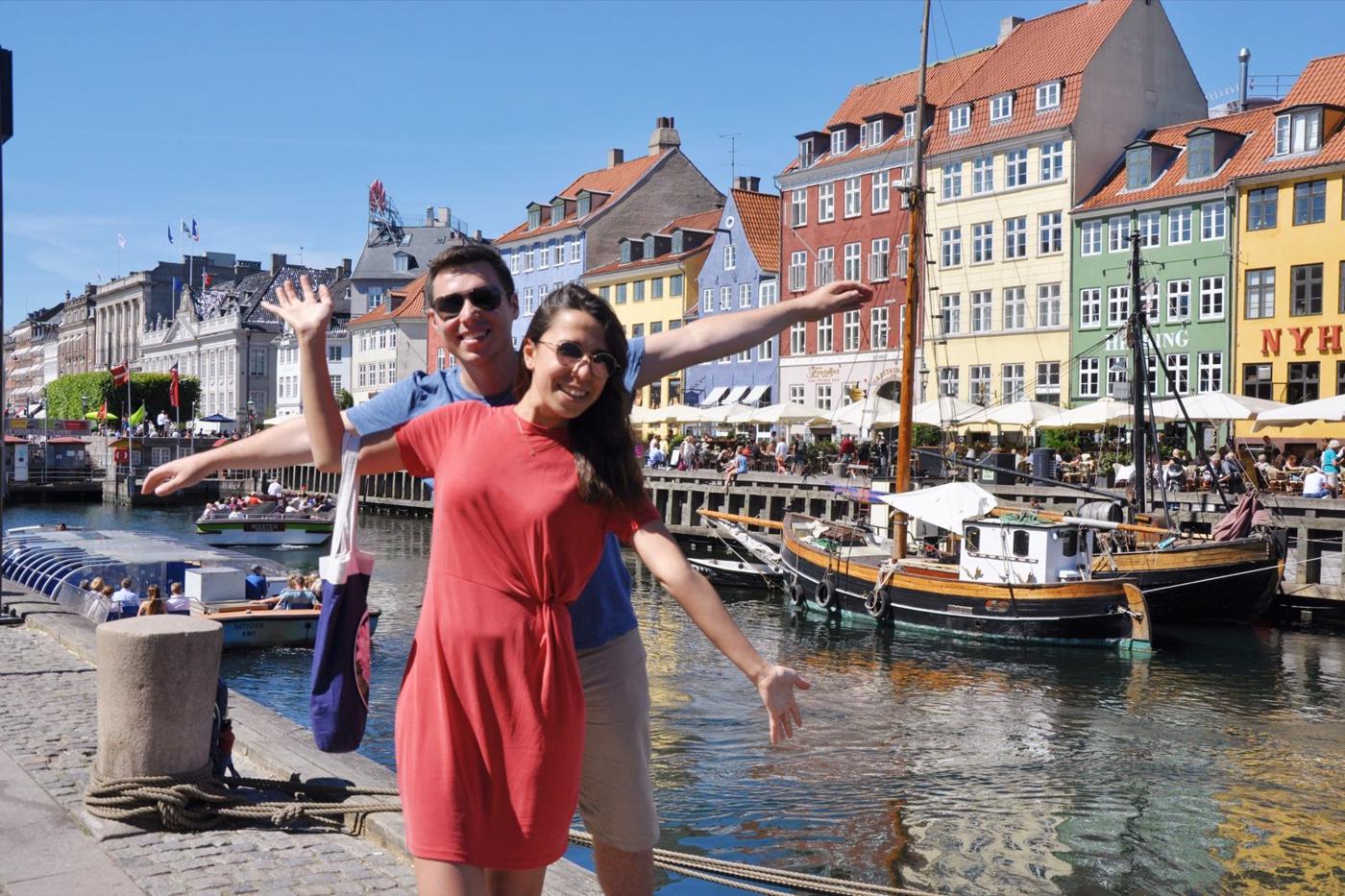
And to the first place that comes to mind when you say Copenhagen, Nyhavn, which we know from Copenhagen photos: Nyhavn, once a busy commercial port where ships from all over the world anchored, was an area of sailors, brothels and bars. When the state took the area in hand, the houses were renovated, the buildings became colourful, and restaurants facing the harbour opened.
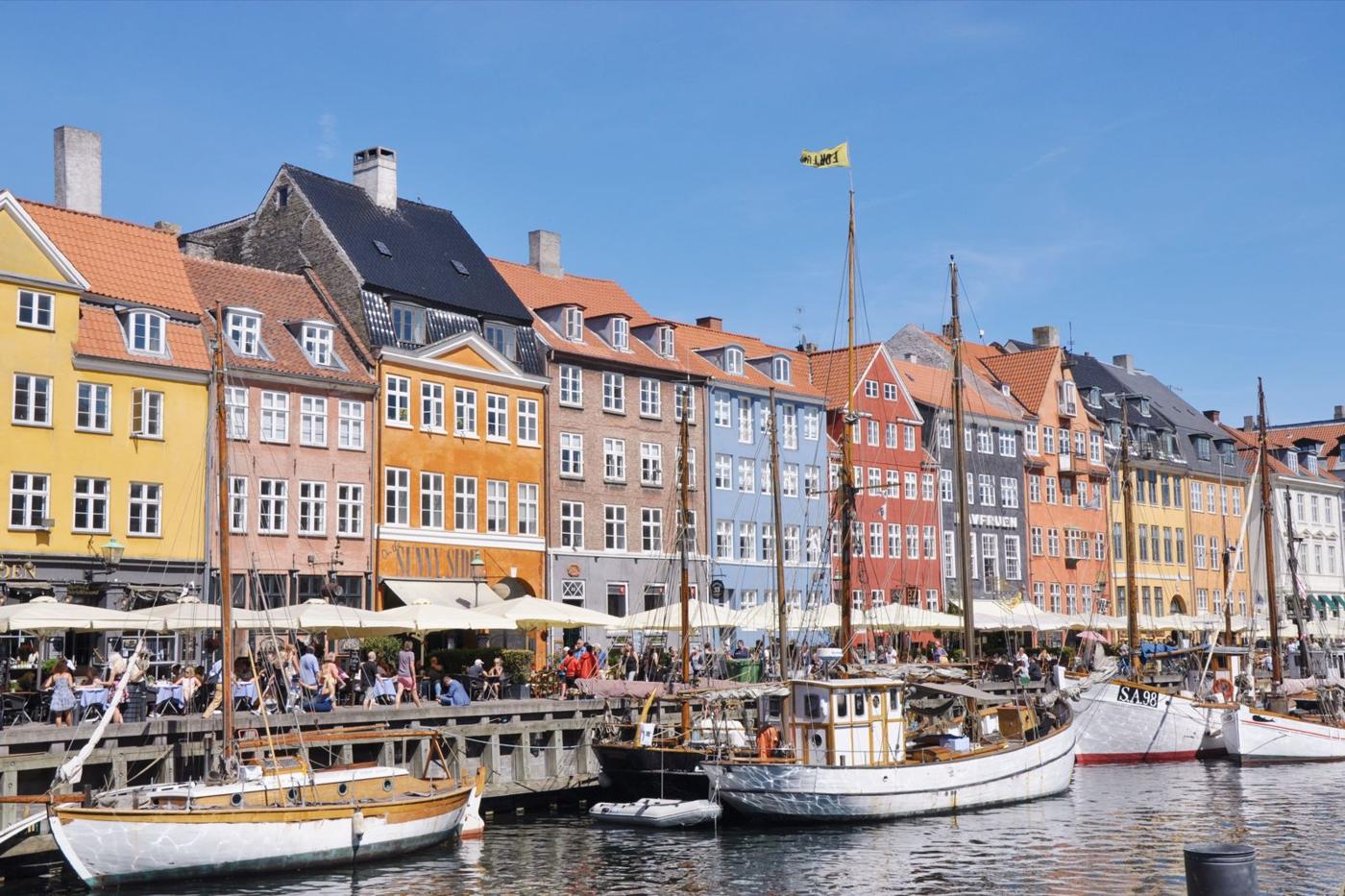
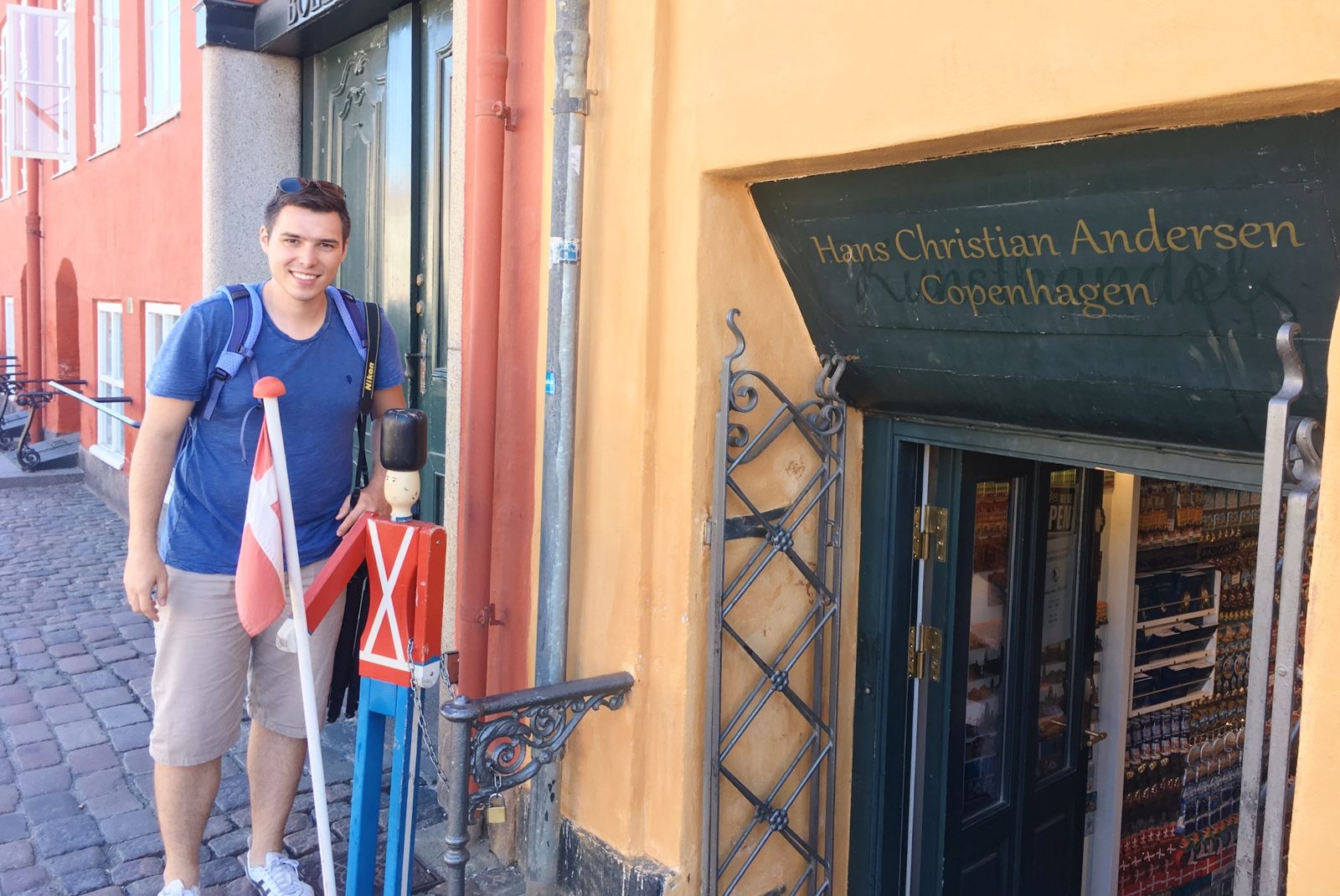
House number 9 is the oldest house in the area, dating back to 1681. The house's design hasn't been changed since then. These waterfront houses were homes to many famous artists of the time. We even read that Hans Christian Andersen lived in 3 different houses on this street at different times. He lived in building number 20, which today carries his name. Right next to it, in a gift shop, you can find his books and figurines.
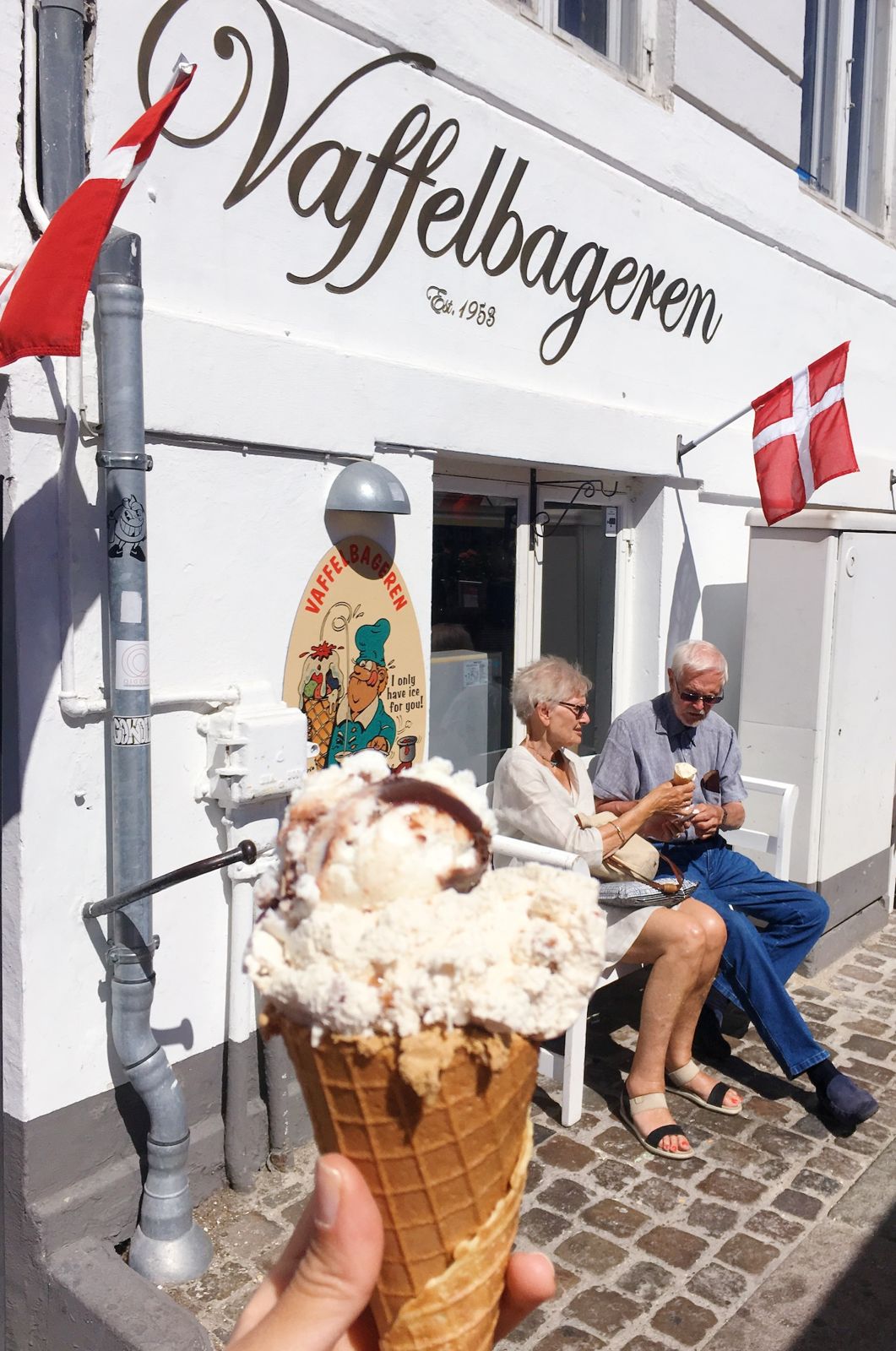
Wafflebageren on the corner is again one of the oldest and most essential places here. Eating ice cream in cones or waffles baked fresh in the same place since 1953 must be a real pleasure.
We really liked its ice cream: not too sweet, with the texture of Italian ice cream.
If there's a New Harbour, there must be an Old Harbour, right? The place with the famous Copenhagen Little Mermaid is known as the Old Harbour. Since it's on the tourist routes that disappoint, we didn't turn our route there at all, and our tour wasn't over yet either. What was next?
Ofelia Plads
Right beside the theatre building is a modern pier and bar; even though the ads suggest having something to eat or drink before the show, it's a favourite meeting point after work, and at any time of day really. It's not just the bar here: many mobile cafés and restaurants have set up their vehicles on the pier. Coffee, snacks, ice creams, drinks, and there's even a pizza van with a stone oven inside. Pizzas cost about 70 DKK.
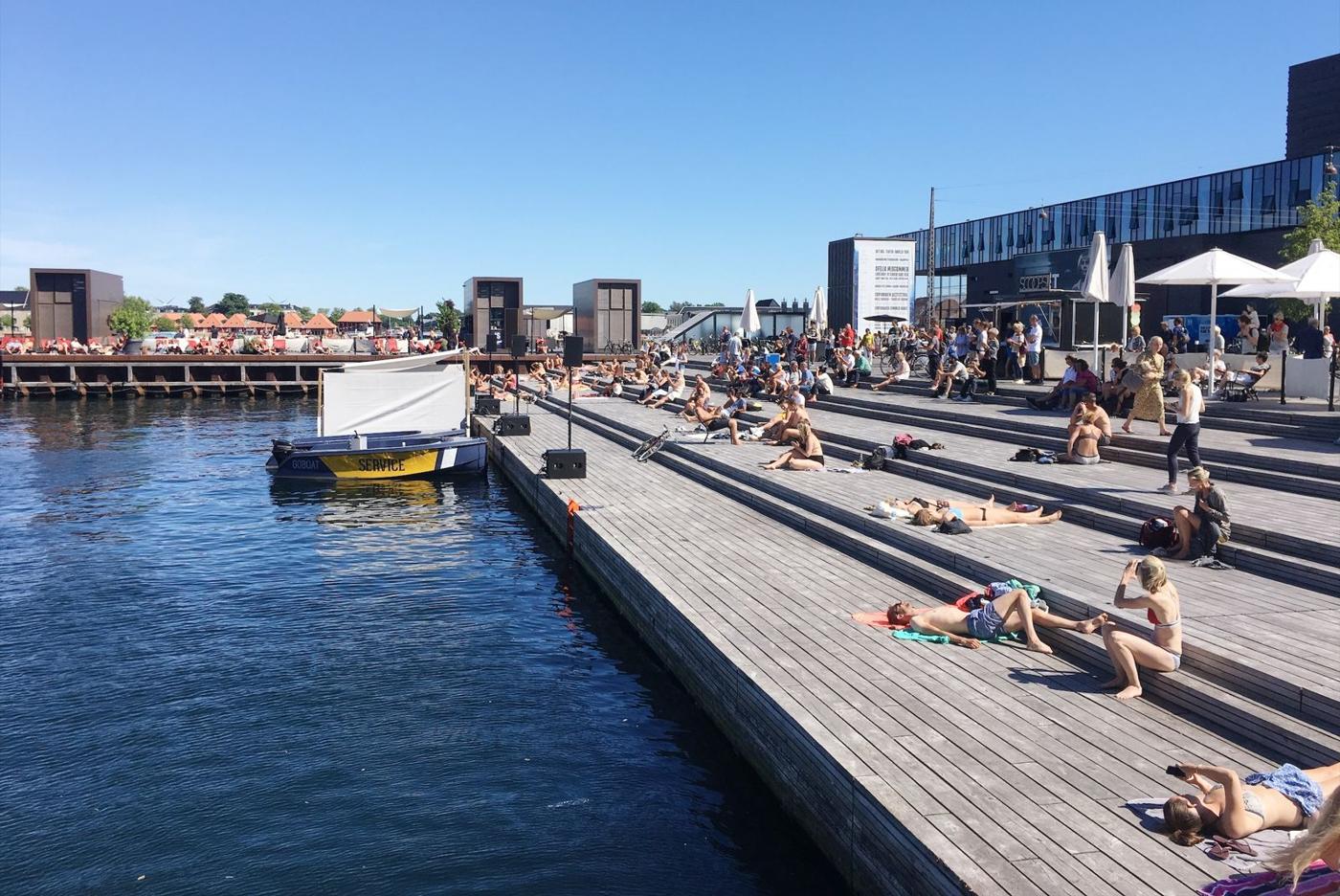
We pulled up a chair each too and enjoyed this lovely atmosphere. We'd have loved so much to spend time with our friends on this square after work!
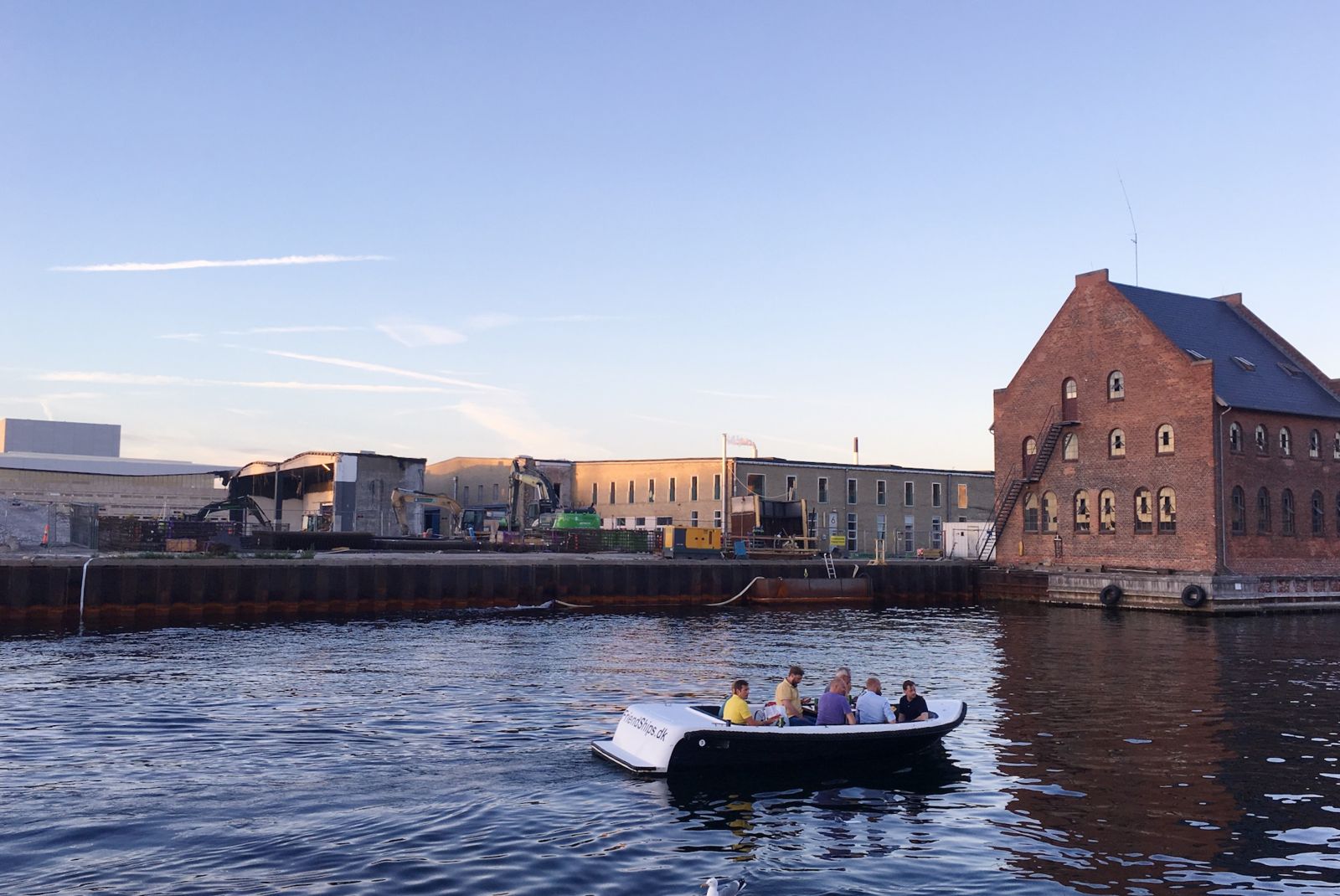
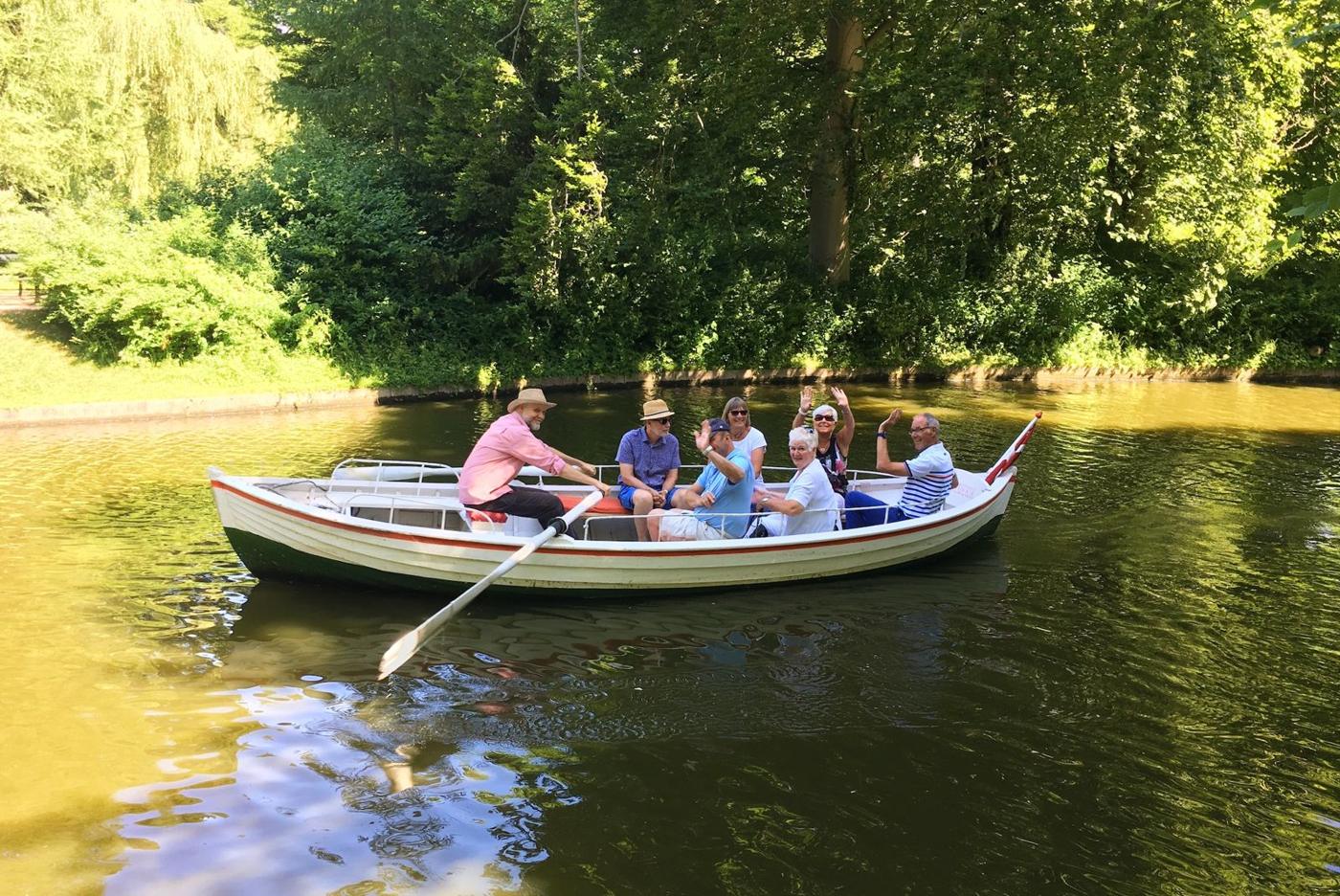
Some listen to an opera singer while having a drink, some sing along to the music. Besides music shows there are dance shows, and even parties where you can join in the dancing. Or they just sunbathe, or rent small boats and head out on the calm water. We highly recommend canal tours like Hey Captain, and you can get information about Copenhagen canal tours from the blue minibus here.
Amalienborg Palace - Amalienborg Slot
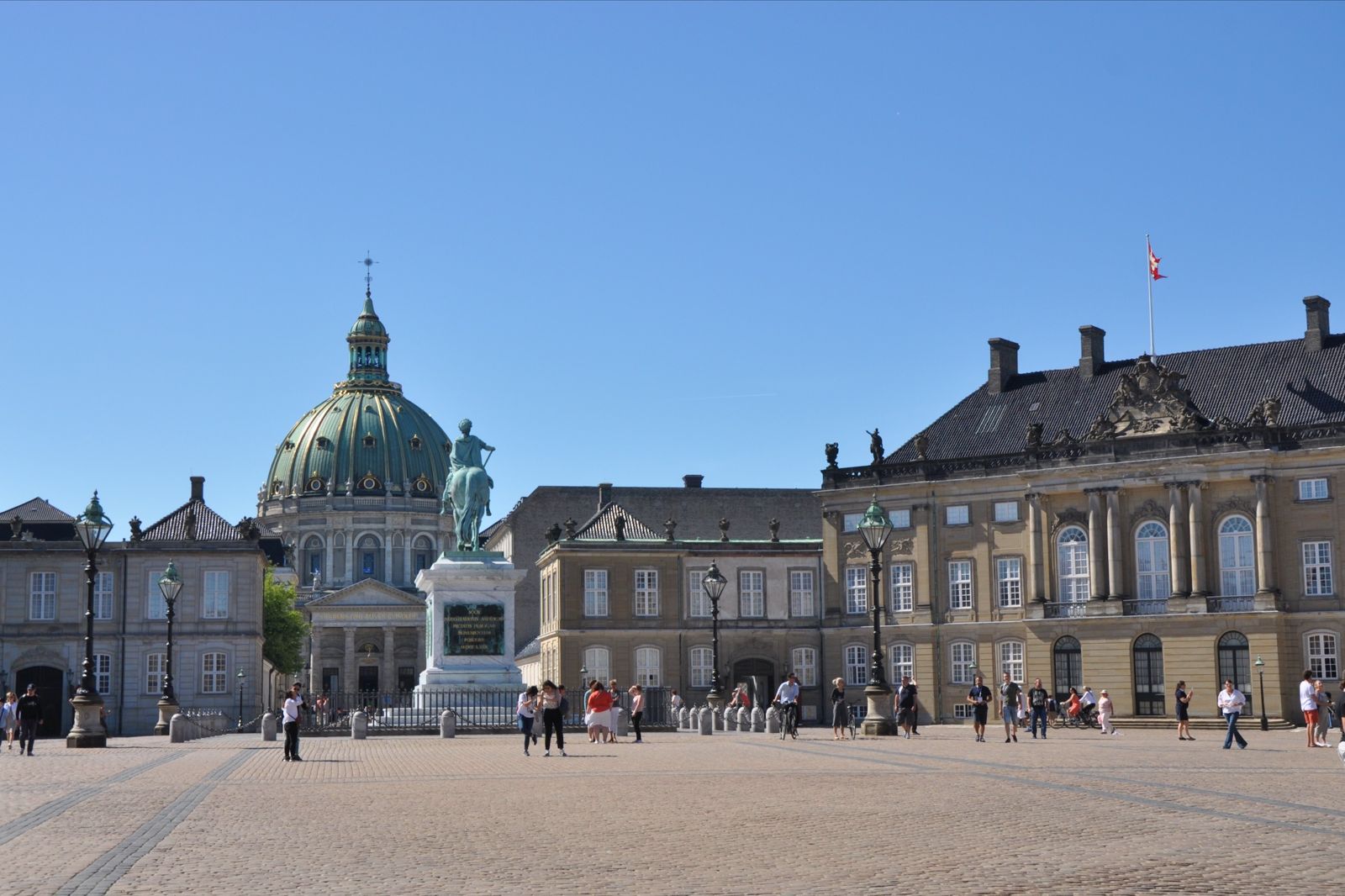
Passing through the huge Amalie park, we came to the palace where the Danish royal family lives. The palace consists of 4 large buildings: the prince's house, the queen's house, one smaller building where staff live, and a building used as a museum. The palace was built in line with the Rococo architecture that emerged in France in the 18th century. Soldiers still stand guard.
Kastellet
Right behind the palace you cross a river; a sweet bridge over it leads to a little island. The view from the bridge is wonderful! Behind a river full of water lilies there's a church.
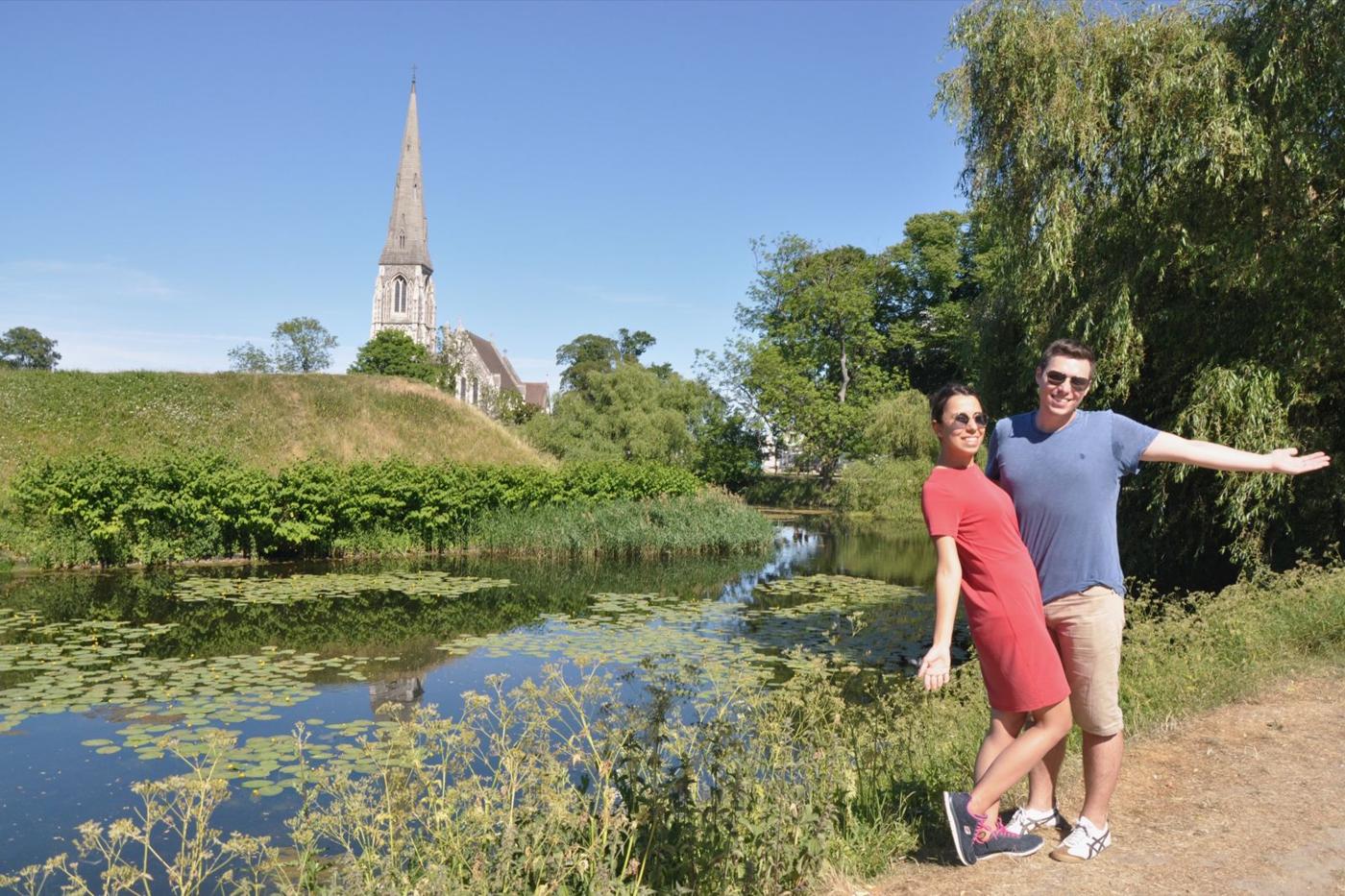
The little island we crossed to has a star-shaped fortress dating back a very long time, and private houses. We later learn it was used as a military garrison. A legendary structure built in the 1600s, especially to protect against Swedish and English attacks...
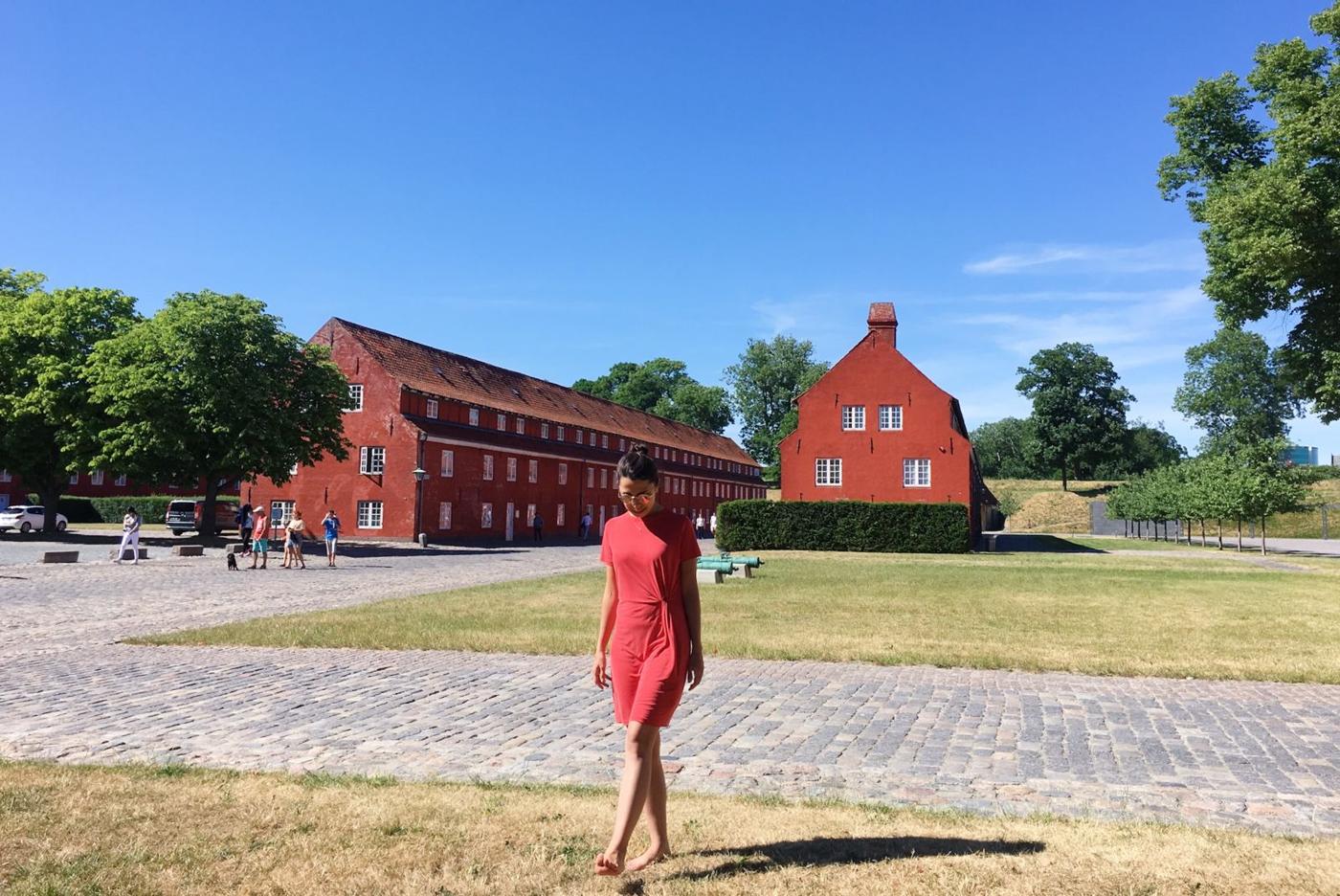
There's still life in the big red buildings today. There's a church and a windmill. These days there are people living in the houses, but it was planned for the protection and defence of the city. It's right next to the old harbour.
Nyboder
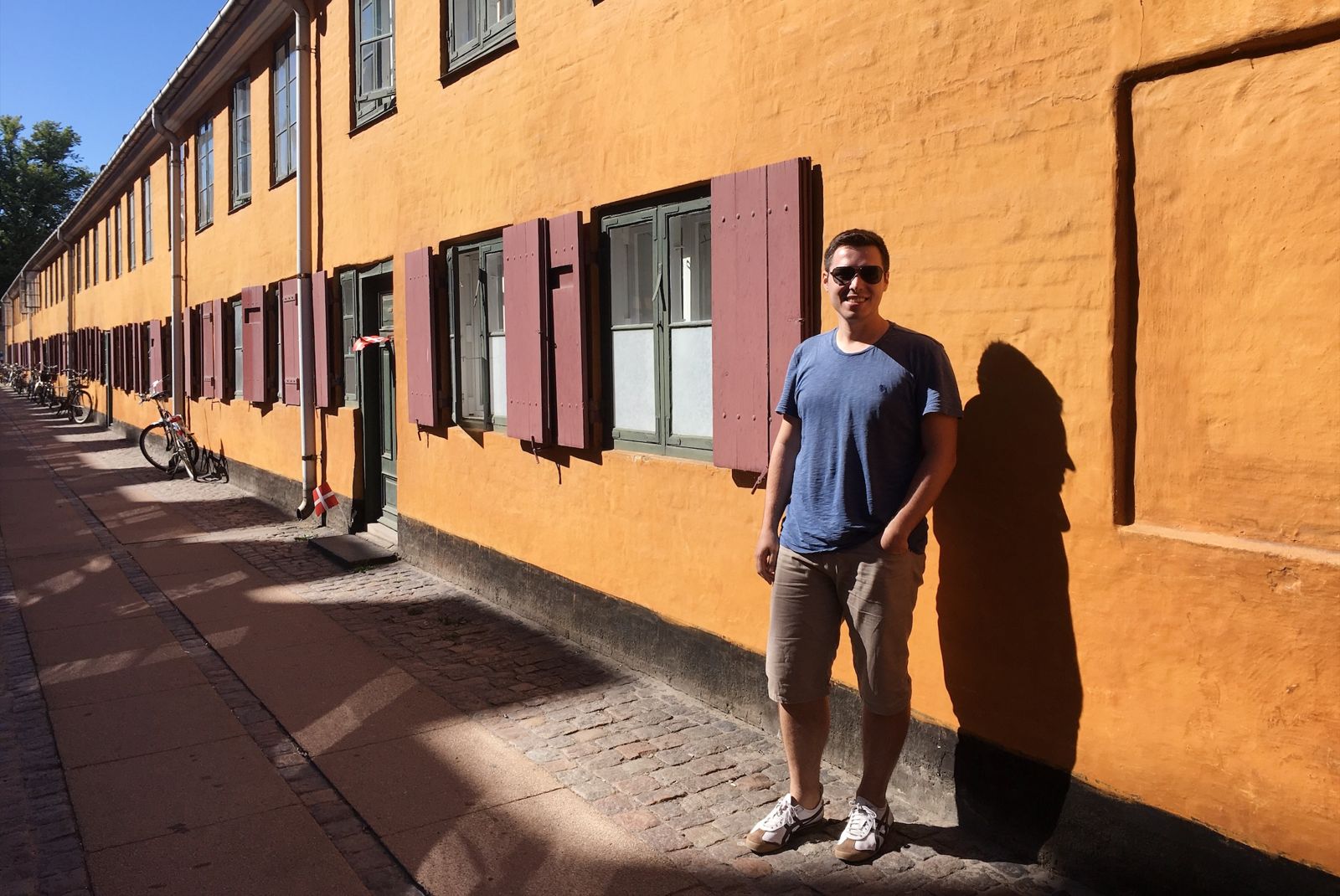
Here's another ordinary street in Copenhagen; when these identical yellow houses were being built, who could have known that over time they'd welcome visitors coming to take photos and share them on Instagram :)
The King's Garden
We had a quick ride around here by bike; it's one of the city's biggest parks and of course lush green. Exploring the city takes a long time; keep this place in mind. And come on, catch up with us! ☺
Rosenborg Castle
Especially if you're planning to go in at the weekend, coming early and getting in the queue is a little trick to save time. There are places to eat and drink inside, but it's no problem if you bring your own either. For detailed information, the official website is here.
The Round Tower - Rundetårn
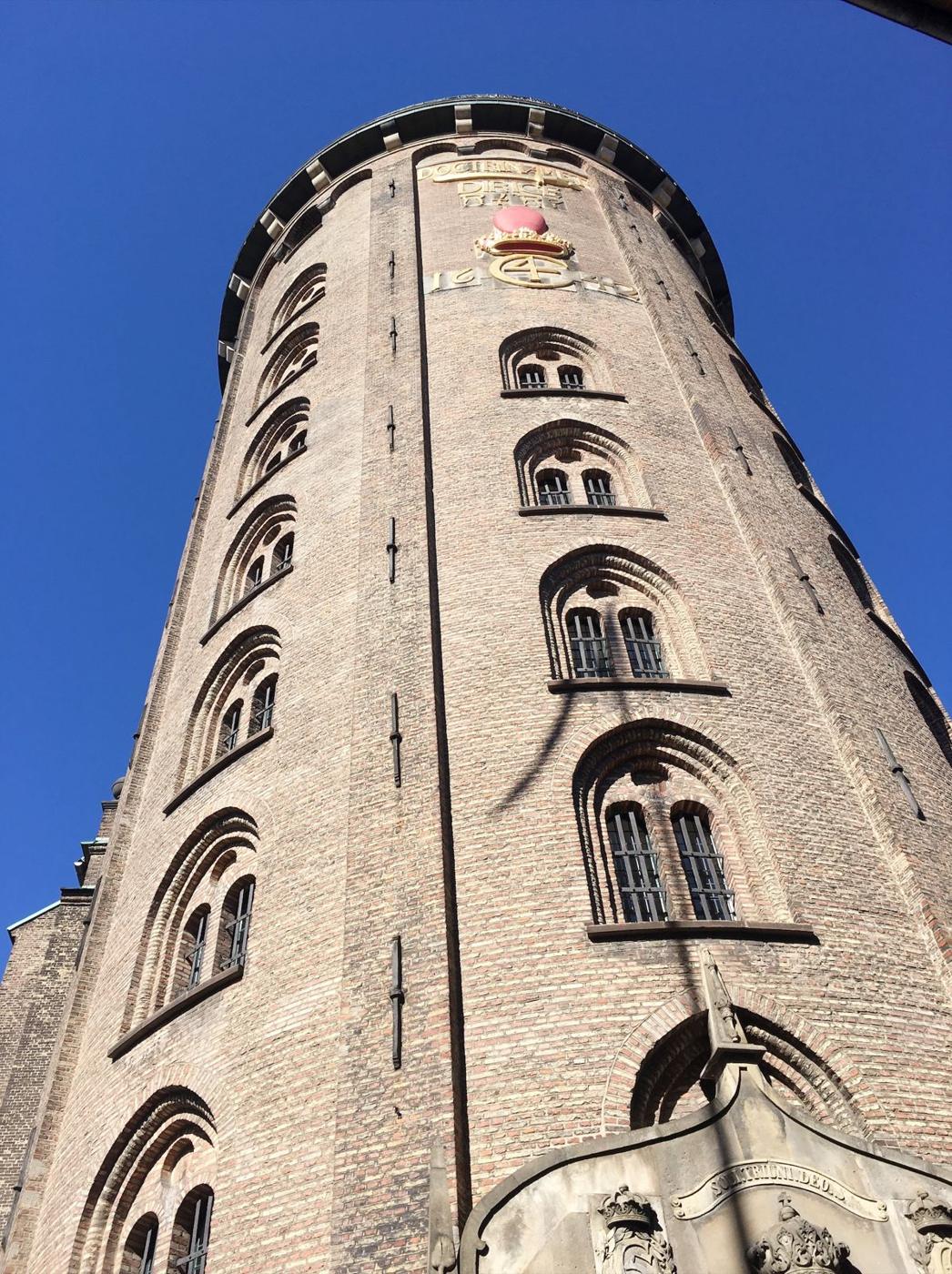
The name of this roughly 40-metre structure, built in 1642 as an observatory, translates as Round Tower. You can reach the very top by climbing about 7.5 floors. Don't be scared straight away: since you go up in a spiral, you hardly notice how you climbed. When you get to the top, I'd say don't come down without looking down on the city! Entrance fee: 25 DKK.
The Church of Our Lady
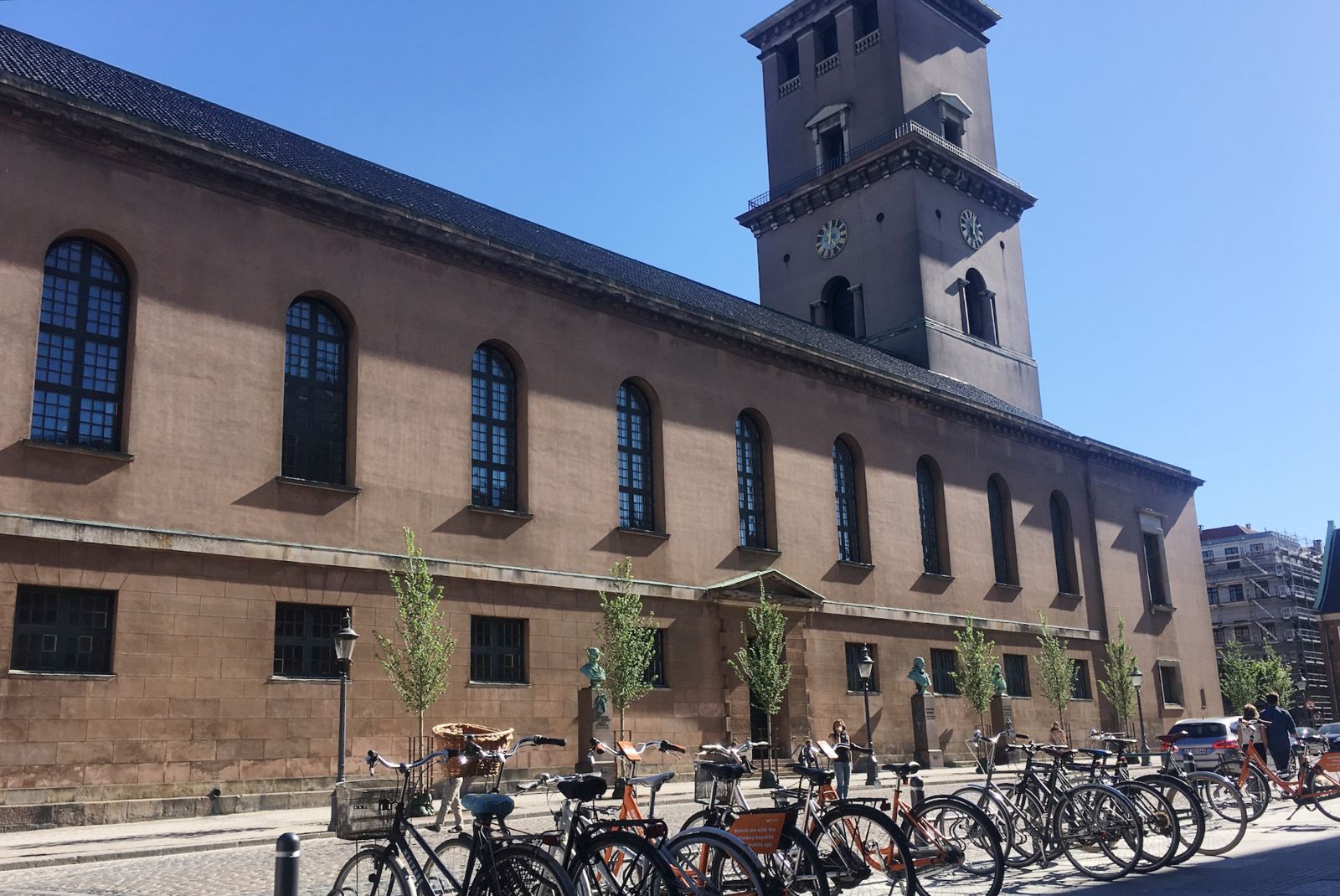
With a history going back to the beginning of the 1200s, the Church of Our Lady welcomed us with its huge structure. We'd stopped visiting churches on our trips for a long time, but when we came across this one, we watched it from where we sat down to rest. The church, rebuilt 4 times since it was first built, has seating for 1500 people. The bell that rings in the tower has gone down in history as Denmark's oldest bell.
Strøget
Welcome with us to the first shopping street that comes to mind in the city. :)
Starting from City Hall, Strøget, a lively shopping area where you can find a string of boutiques, cafés and restaurants, has made its name in history as the longest pedestrian street in Europe. It has all kinds of shops together, from clothing stores like Prada, Louis Vuitton, Zara and H&M to the Lego store. We visited the one in the centre for those not going to Legoland.
Lego Store
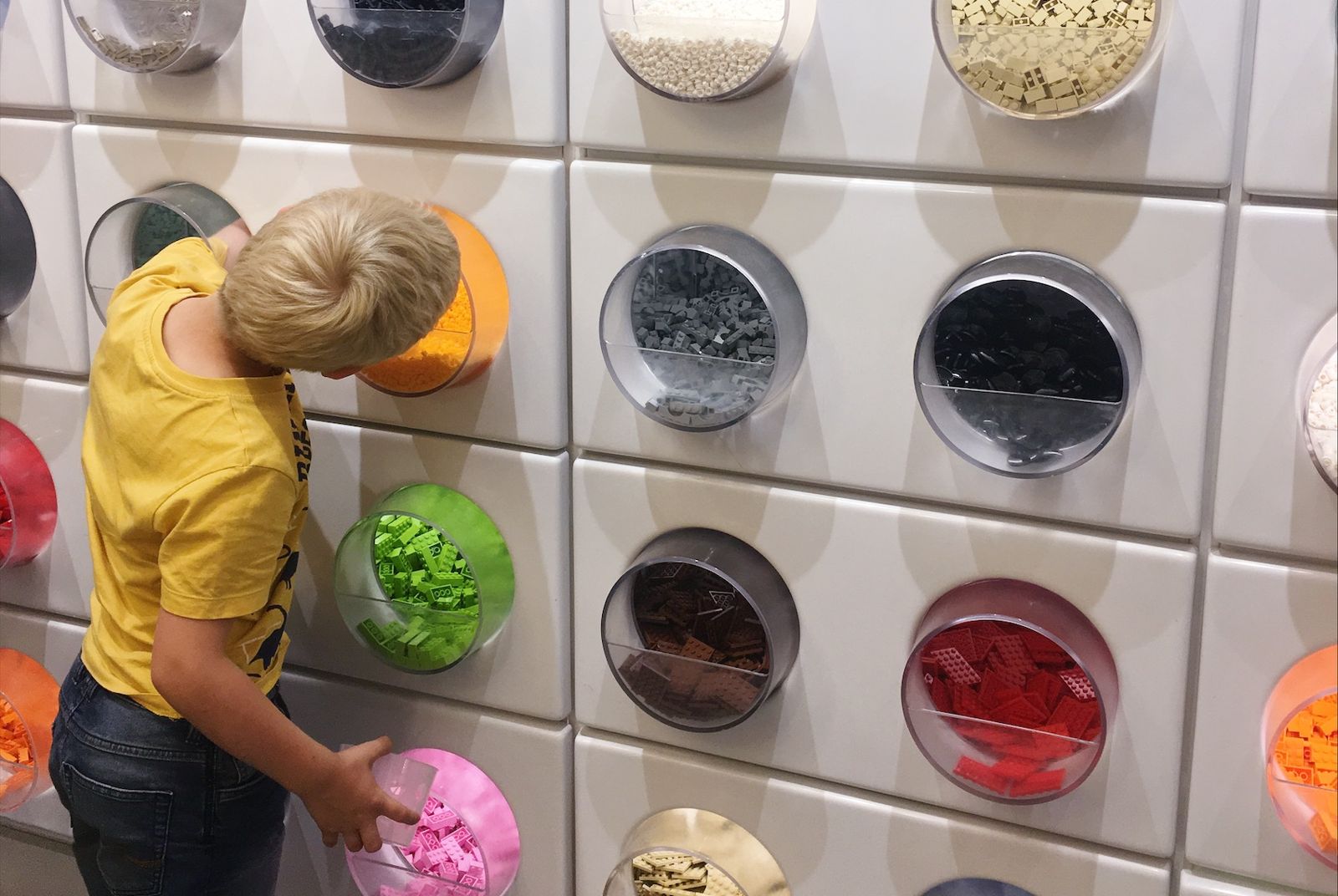
The Lego store in the centre is at the junction of Valkendorfsgade and Strøget; you'll see it on the street anyway. Inside, as well as buying all kinds of different Lego, you can see works similar to the creations we saw at Legoland. Having toured Nyhavn just before, seeing the Lego model of it in the shop was really sweet. ☺
The second round starts in the late afternoon. As you know, the nights come late, so we jump back on the bikes. Since we'd rented the bikes for 2 hours we could have returned them in the morning, but since we'd be setting off early, we choose to return them on our way back to the hostel in the evening.
Tivoli Gardens
Tivoli Gardens, one of the first places that comes to mind when you say Copenhagen, is actually more of a huge amusement area than a garden, or rather a big funfair! The entrance fee for the park, which has more than 20 different ride areas including roller coasters, is 120 DKK - 90₺. The park's entrance fee doesn't let you ride the rides inside. You can buy tickets per ride, or an unlimited day ticket.
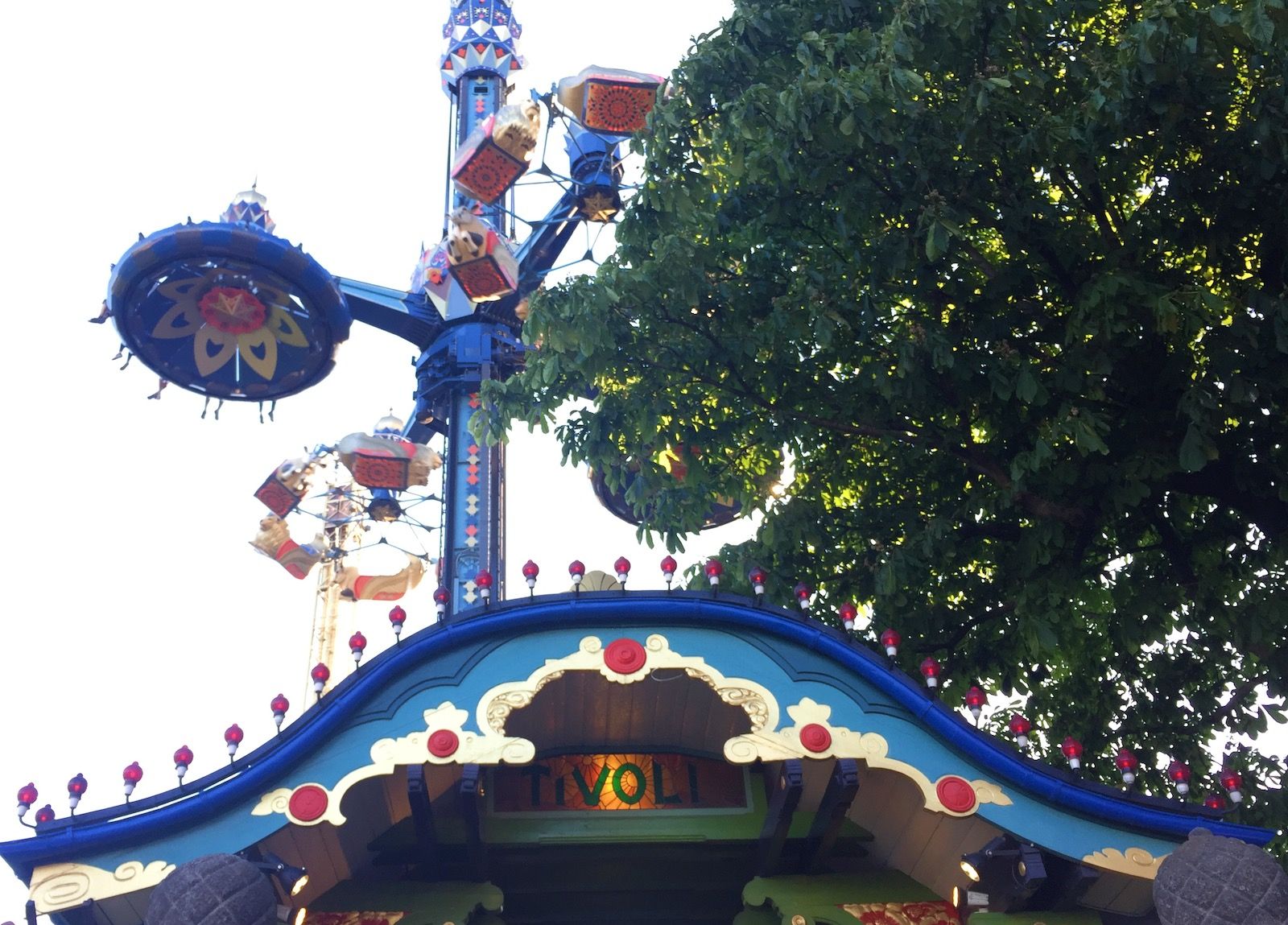
The unlimited day ticket costs 230 DKK - 170₺; since we'd saved ourselves for Legoland, we skipped this place! But from outside it looks very colourful and fun too. There are also discounts for those with the Copenhagen Card; we'd say don't miss them.
Christiania Free Zone - Freetown Christiania
After what we'd heard, this was a place we said we definitely had to see. We rode our bikes here with a bit of excitement and curiosity: yes, the special area of Christiania, which rose from its ashes in the 1970s and is home to hippies today. There was no such intention at first, of course, but it turned into something that has become one of the most popular spots in the city, even in Denmark.
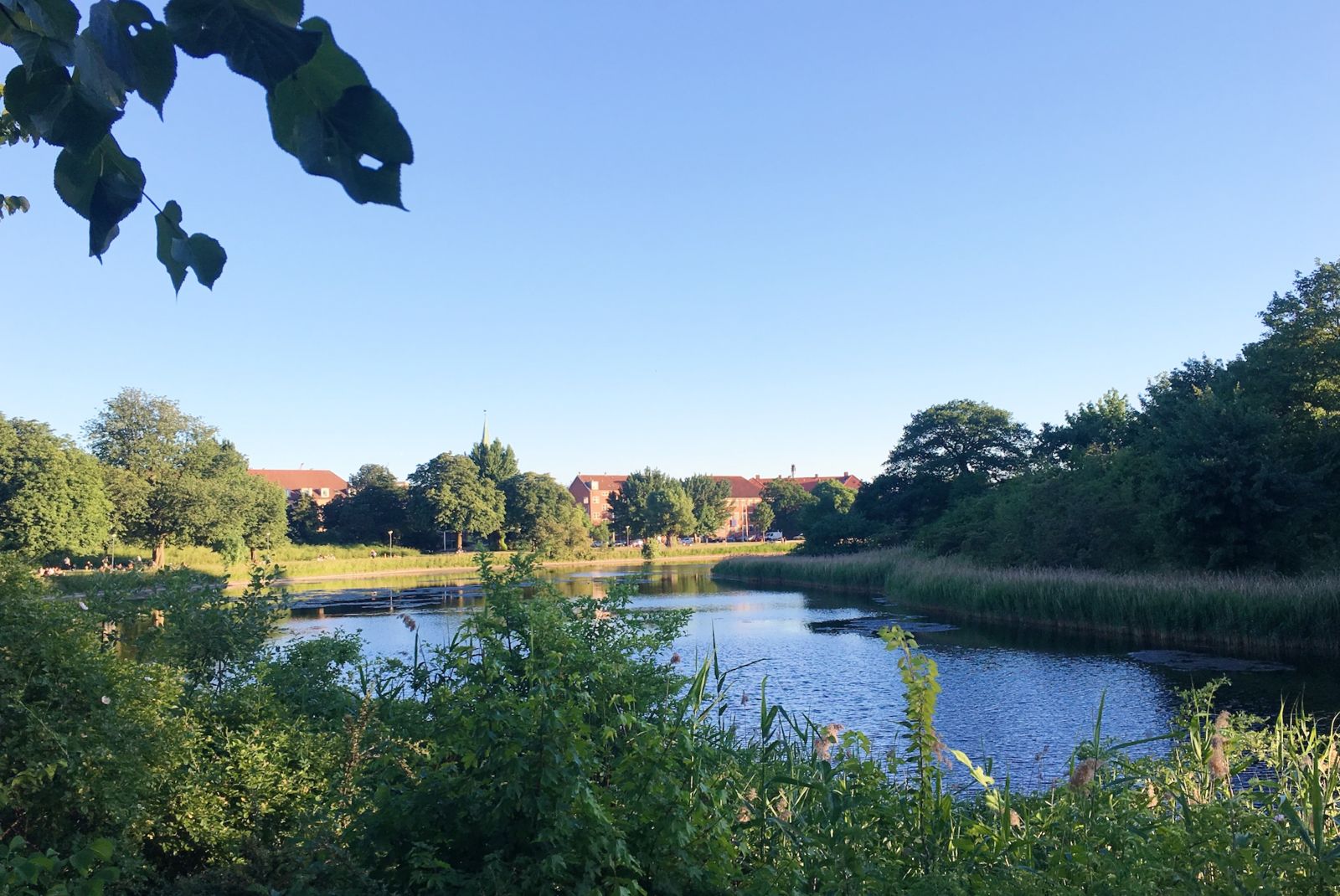
A home for the homeless, and even the summer houses of many city dwellers and hippies, are in this autonomous area. They even have their own flag and a supposed currency they use inside. Of course, as you can tell from the smell of weed, alcohol and drugs are everywhere.. We think they both produce and sell them; you walk around the parks and gardens a bit fearfully. :)
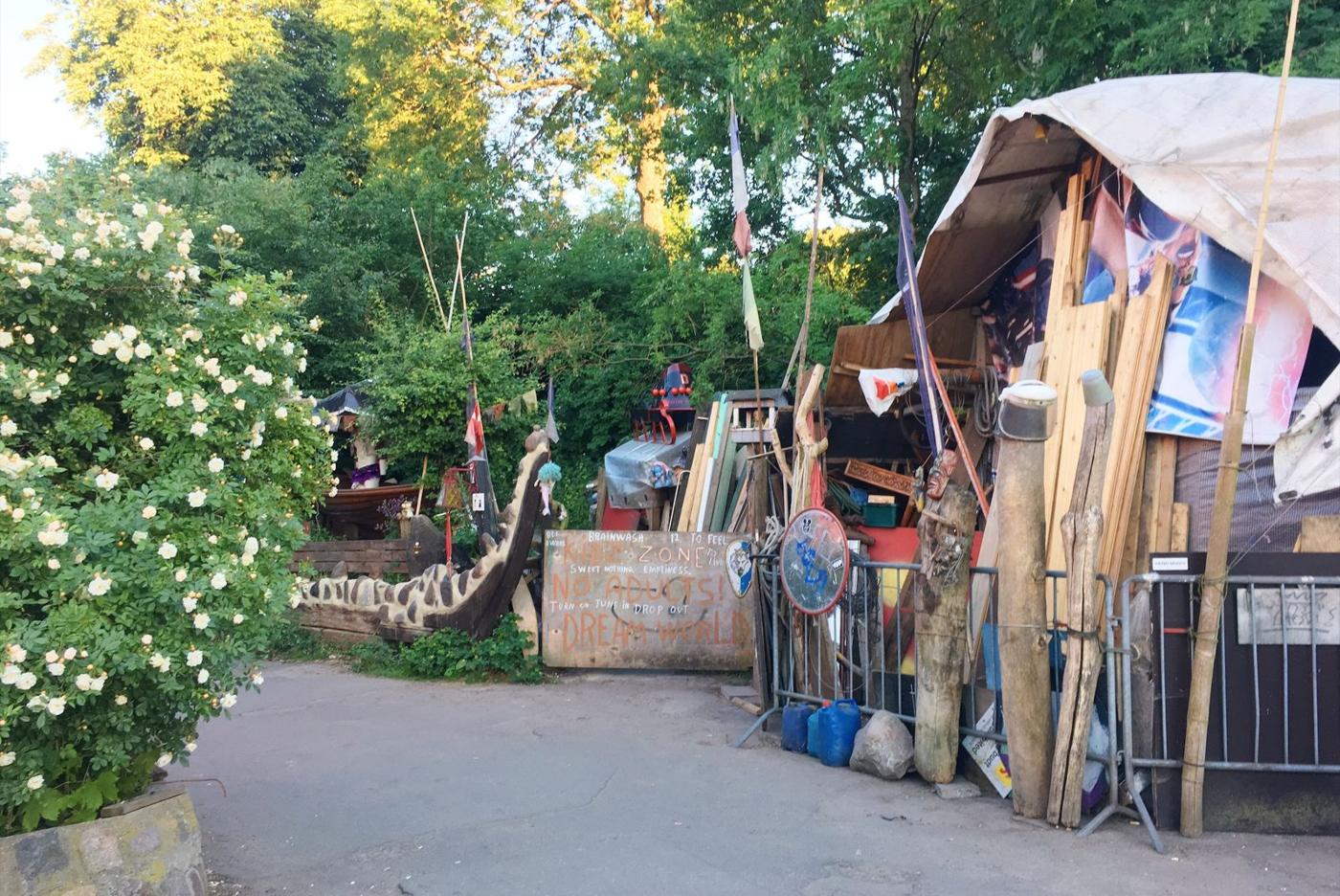
But you shouldn't forget that there are yoga people and education planned in natural areas for children too. The area with the summer houses was very cute; we even saw a children's theatre.
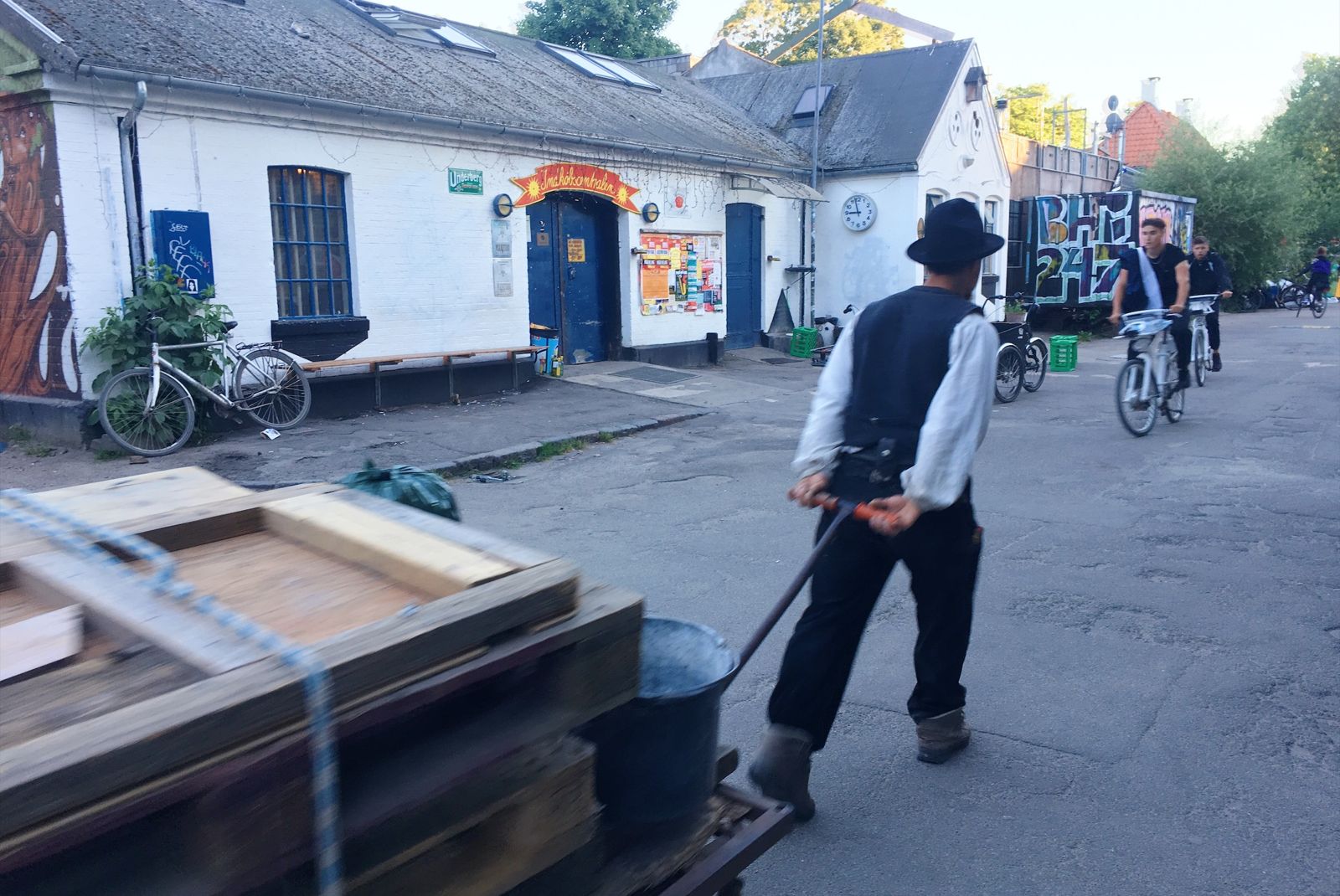
Photogenic Copenhagen Streets
When touring the city by bike, you can't skip the most photogenic spots. We'll add their locations to the map too, but here are a few places we liked:
Amagergade Street, Sofiegade, Islands Brygge, The Dubliner, Nyboder Houses, Gernersgade, Rosengade, Paper Island, Kultorvet, Larslejsstræde and Olufsvej.
This has been one of the most detailed and longest posts on the blog. We hope it's been a guide for you..
 30 km
 157 km
 217 km