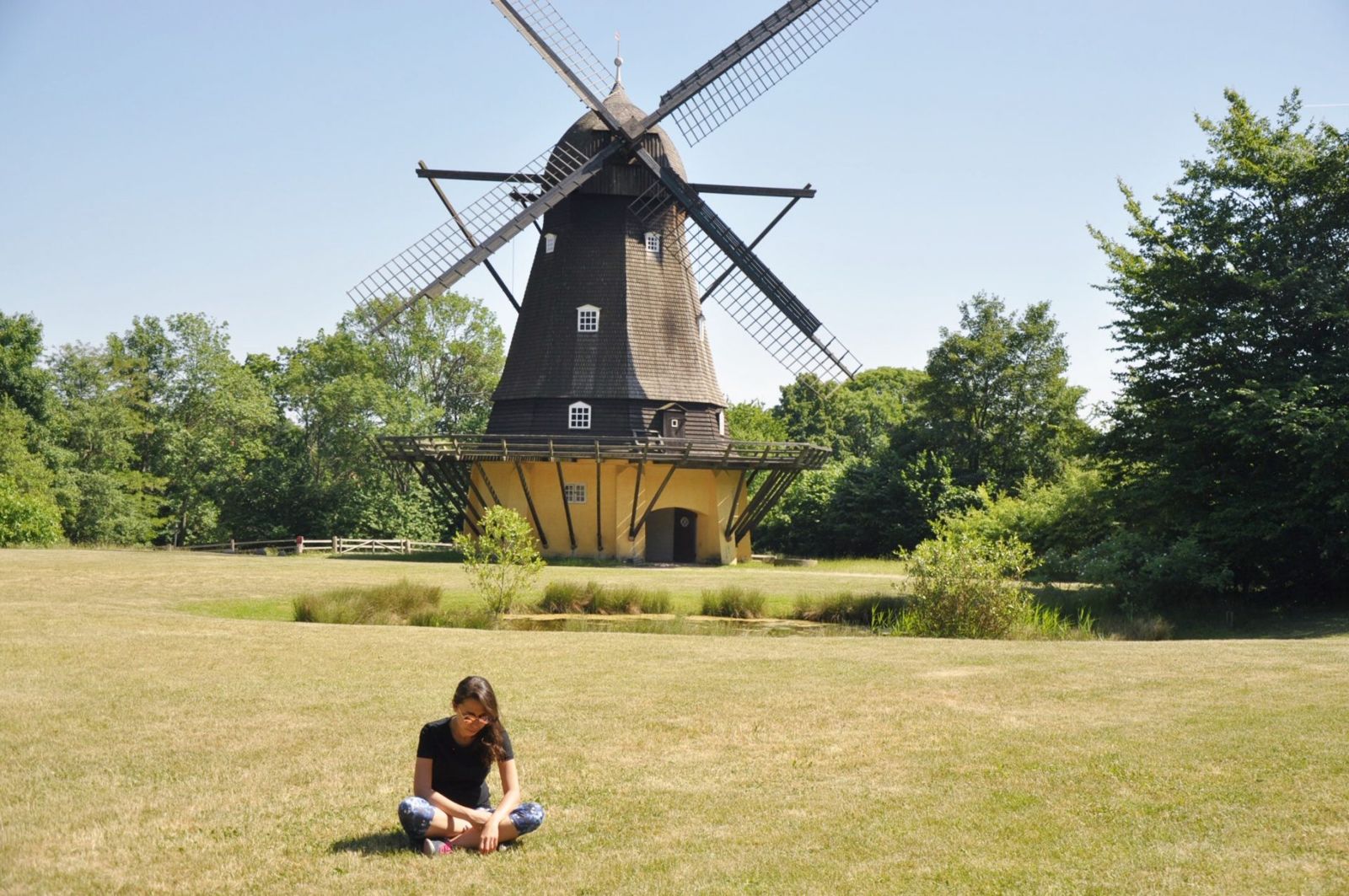
Beyond Copenhagen there is much more to see in Denmark! If you want to get out of the city and explore the Danish countryside, you can spend a day visiting the country's magnificent castles and palaces by train.
In Helsingor, just forty minutes away by train along the coast, is Kronborg Castle, a 16th-century residence famous as the setting of Hamlet. And if you take the train from Copenhagen to Hillerød, forty minutes later you'll find the impressive Frederiksborg Castle. Having come all the way to Copenhagen, you must stop by! And there's more in the post.. You can find our Copenhagen travel guide here.
We meant to wake up quite early at our hostel in Copenhagen to make the most of the day, but we overslept a little. Luckily we caught the train leaving 20 minutes after the one we'd planned. We leave Copenhagen Central on the 06.11 train, and our first stop is: Humlebaek
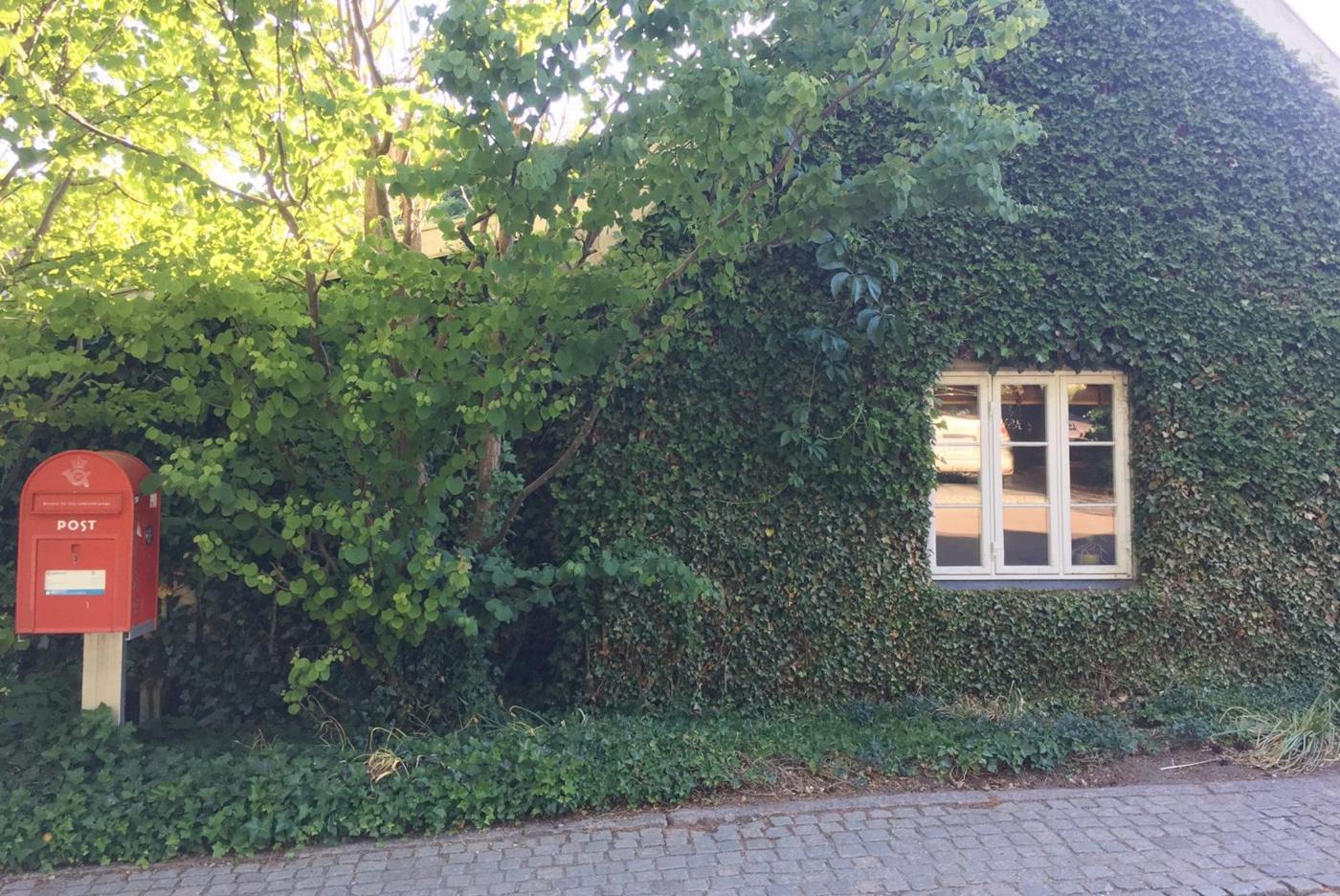
Humlebaek
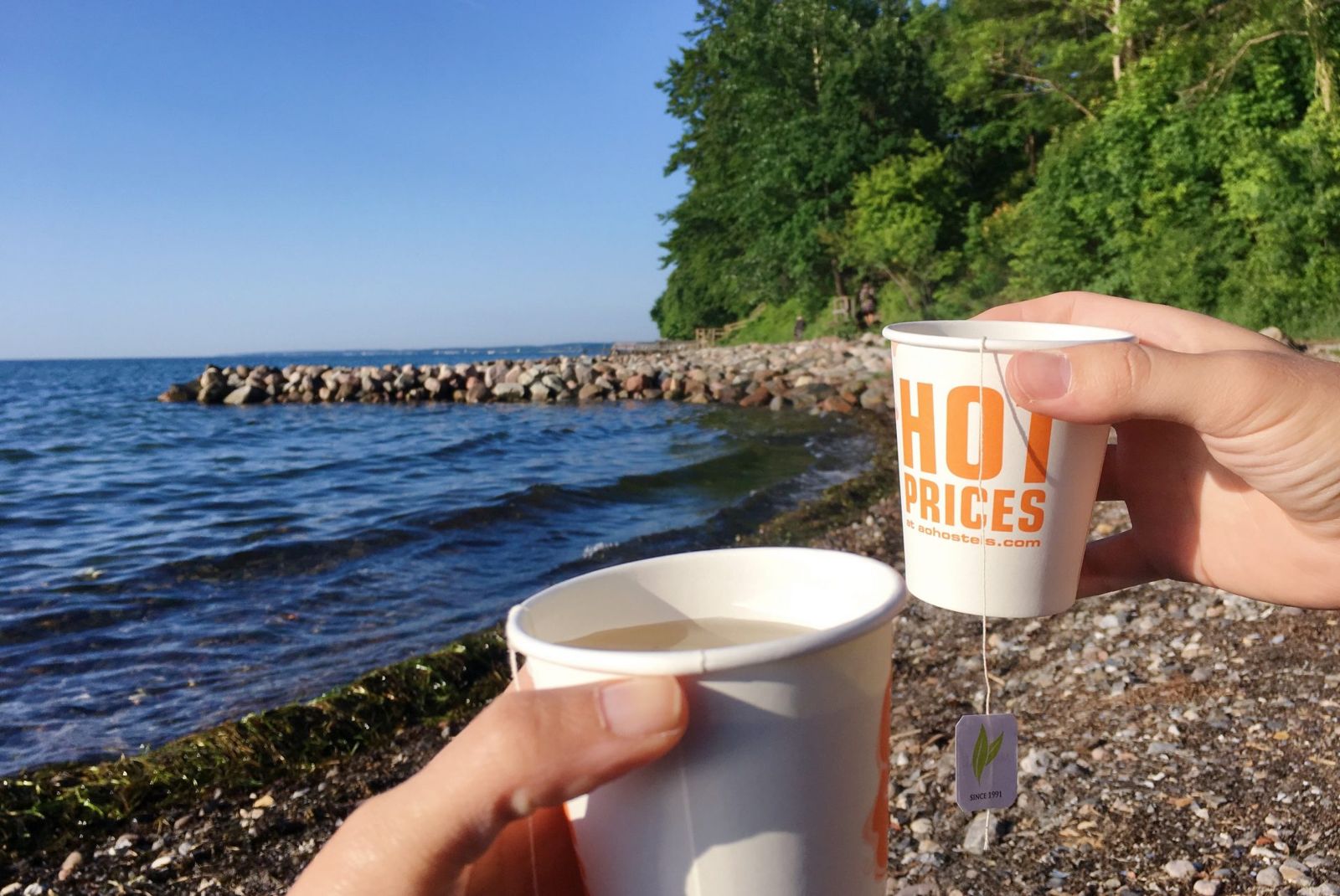
We're heading to the town of Humlebaek, 40 km from Copenhagen and about 15 km from Helsingor. You can take one of the trains that leave Copenhagen every 20 minutes. Our journey took about 35 minutes and we got off at the 10th stop. Our reason for going to this small town was to see the Louisiana Museum of Modern Art and Danish art, but the museum opens at 11.00 and by our schedule we had to leave here around 08.30. Sadly we couldn't see it. For those who go, ticket prices are: students 110 DKK, adults 125 DKK. We went right up to the front of the museum and had a good look around. We even had a lovely breakfast on the beach near the museum! :)
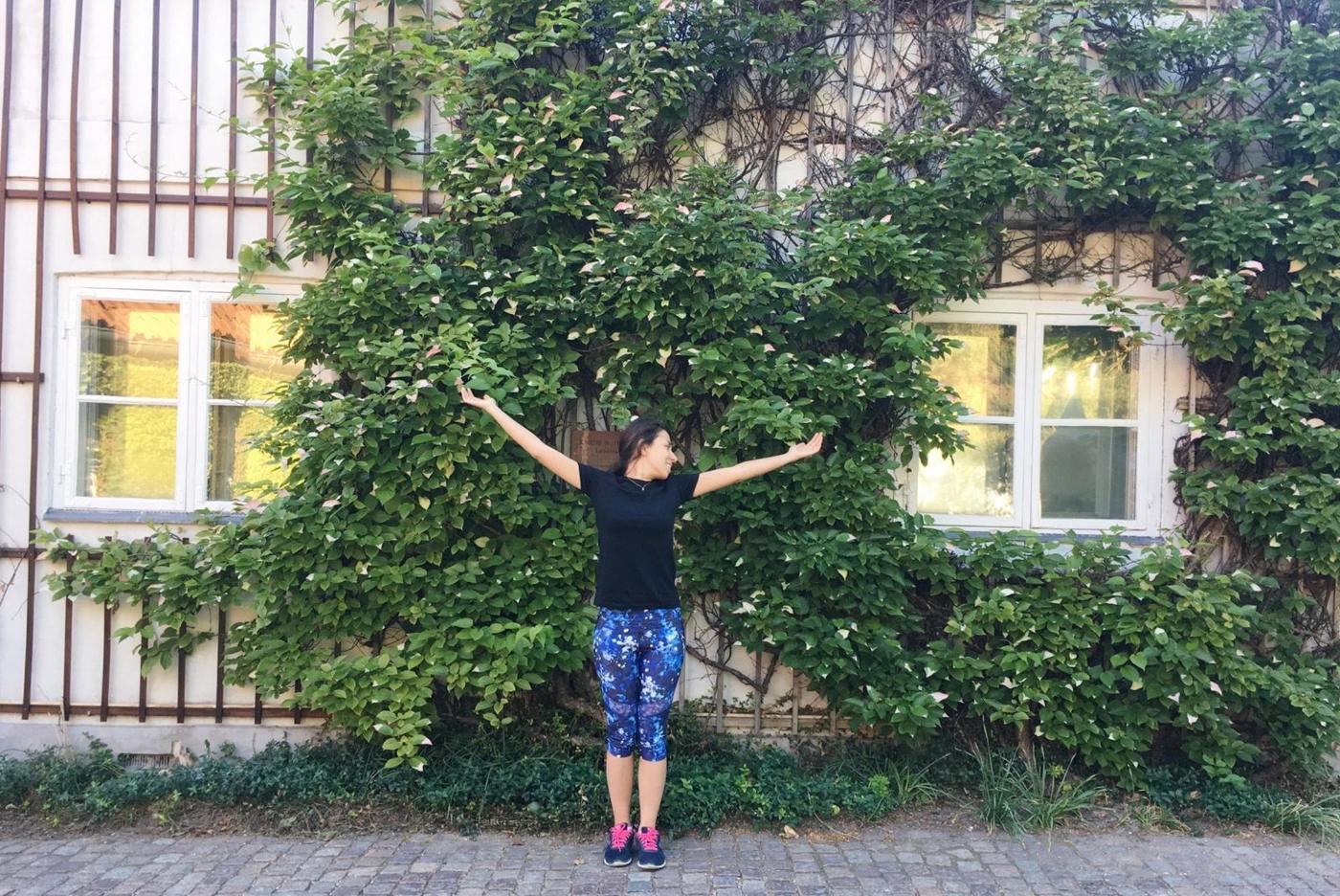
The museum is seen as a milestone of Danish architecture. It exhibits a great many works of modern art. If you're wondering whose works, here they are: Picasso, Morris Louis, Rauschenberg, Henry Moore..We couldn't go into the museum, but let us tell you what stayed with us from the town of Humlebaek.. After the train station, a lovely walk of about 1 kilometre awaits you. All along the way, the green gardens of the houses on both sides and the beautiful Danish houses keep you company. We couldn't stop photographing the houses in this lovely town, which reminded us of the fairytale villages around Amsterdam.
Also, about 100 metres past the museum is the Humlebaek beach. If you like you can swim here, or, like us, have breakfast with a sea view. It's impossible not to admire the lifestyle and opportunities of the people who live here.
On the way back, along the street there were stalls like the ones old ladies set up on our village roads. Some had someone standing at them and some didn't. They'd left a money box there and written the prices of the jams and marmalades. So it says: look at the price of what you want and drop the money in the box. Then you can take the product and go. Here we have a Denmark that has gone beyond us when it comes to trust!
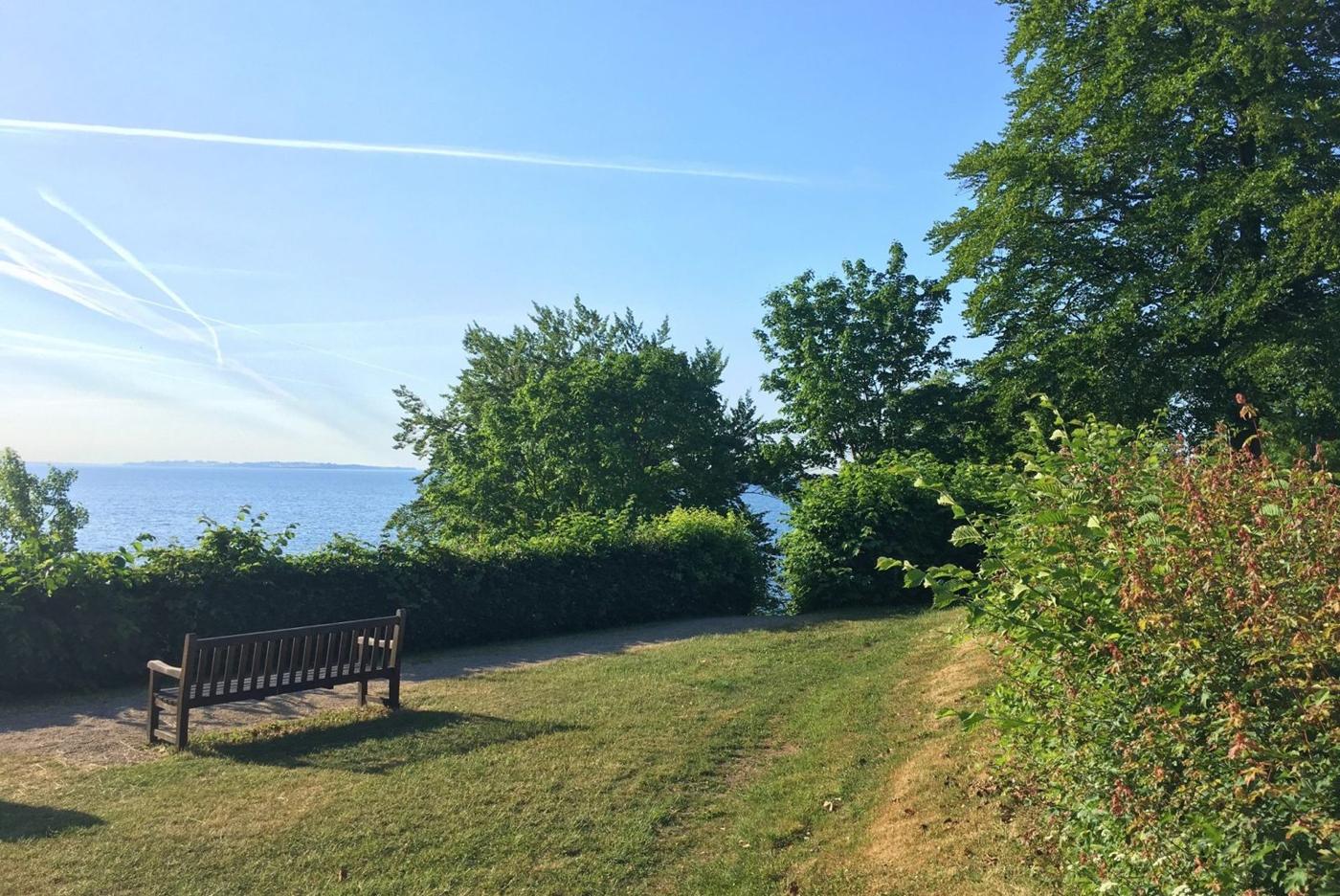
Helsingor
You can reach Helsingor, 50 km from the capital Copenhagen, in 10 minutes from Humlebaek. Again our choice was the indispensable train journey. For Swedes coming over from Helsingborg, which we visited before, it's seen as a little shopping centre. Since Sweden is very expensive, Swedes cross from Helsingborg to Helsingor many times a day to have fun, to shop and just for a change. Don't make this journey bigger than it is in your head; just picture a ferry from Beşiktaş to Kadıköy. Some people even spend the whole day on this ferry buying cheap drinks and having fun, then get off in Helsingborg in the evening and go home.
Yet the town has many lovely sides and shouldn't be seen only as a shopping town. As well as its medieval Shakespearean past, the town is home to Kronborg, Hamlet's castle. We really enjoyed exploring this lovely medieval area. Now let's see what we did and where we went in Helsingor.
Kronborg Castle
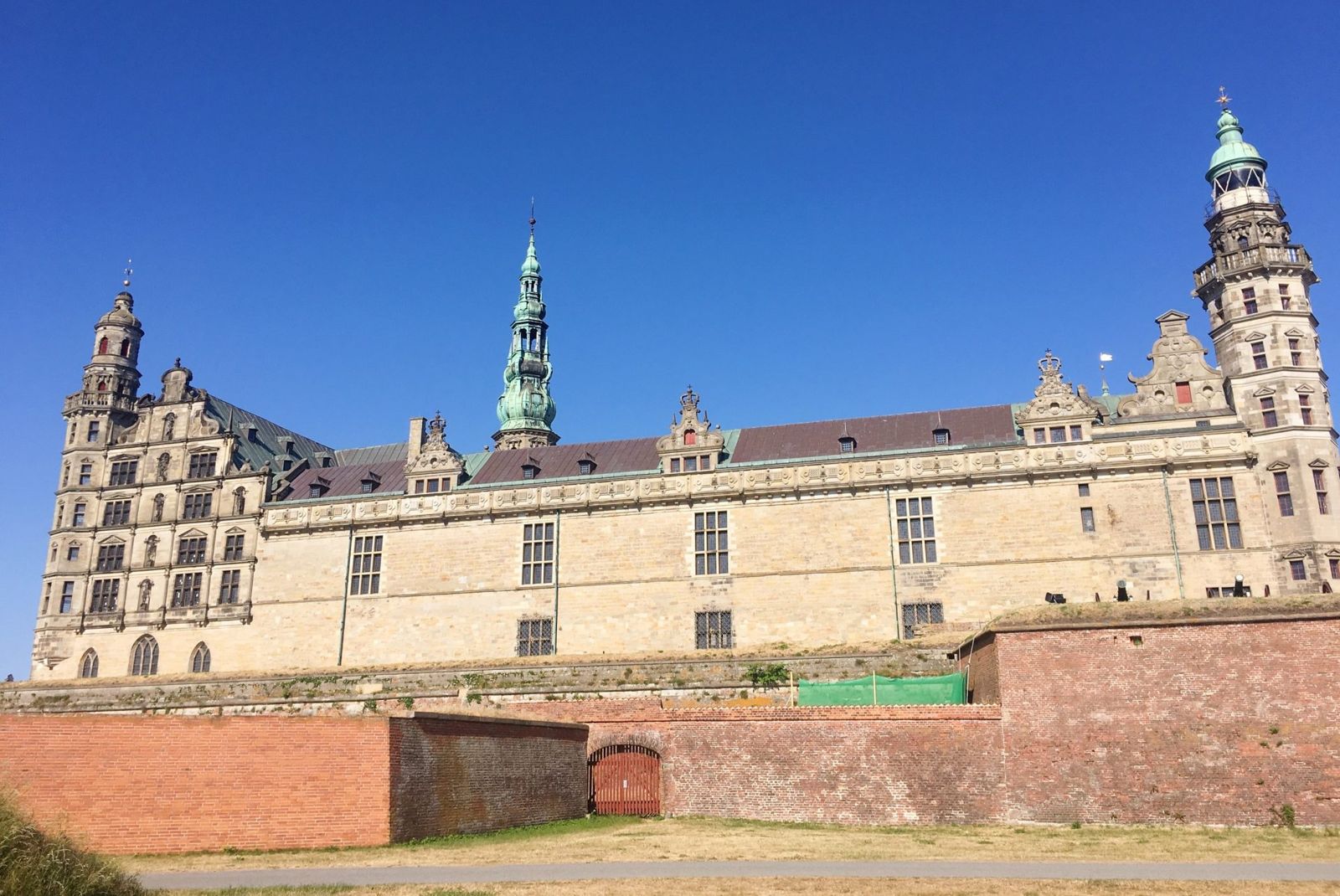
On the UNESCO World Heritage List, Kronborg Castle is the setting of William Shakespeare's famous Hamlet and the first place that comes to mind when you say Helsingor. It's also positioned at a point overlooking the Øresund Strait. Throughout our trip in Denmark, we'd say we had our fill of castles and châteaux.
First built in 1420 by Eric of Pomerania, the present castle was later built by Frederick II in the 16th century as a new four-winged structure with an enclosed inner courtyard. The castle, which managed to stay standing despite the fires it went through after it was built, served as a garrison for more than a century and was restored in 1924.
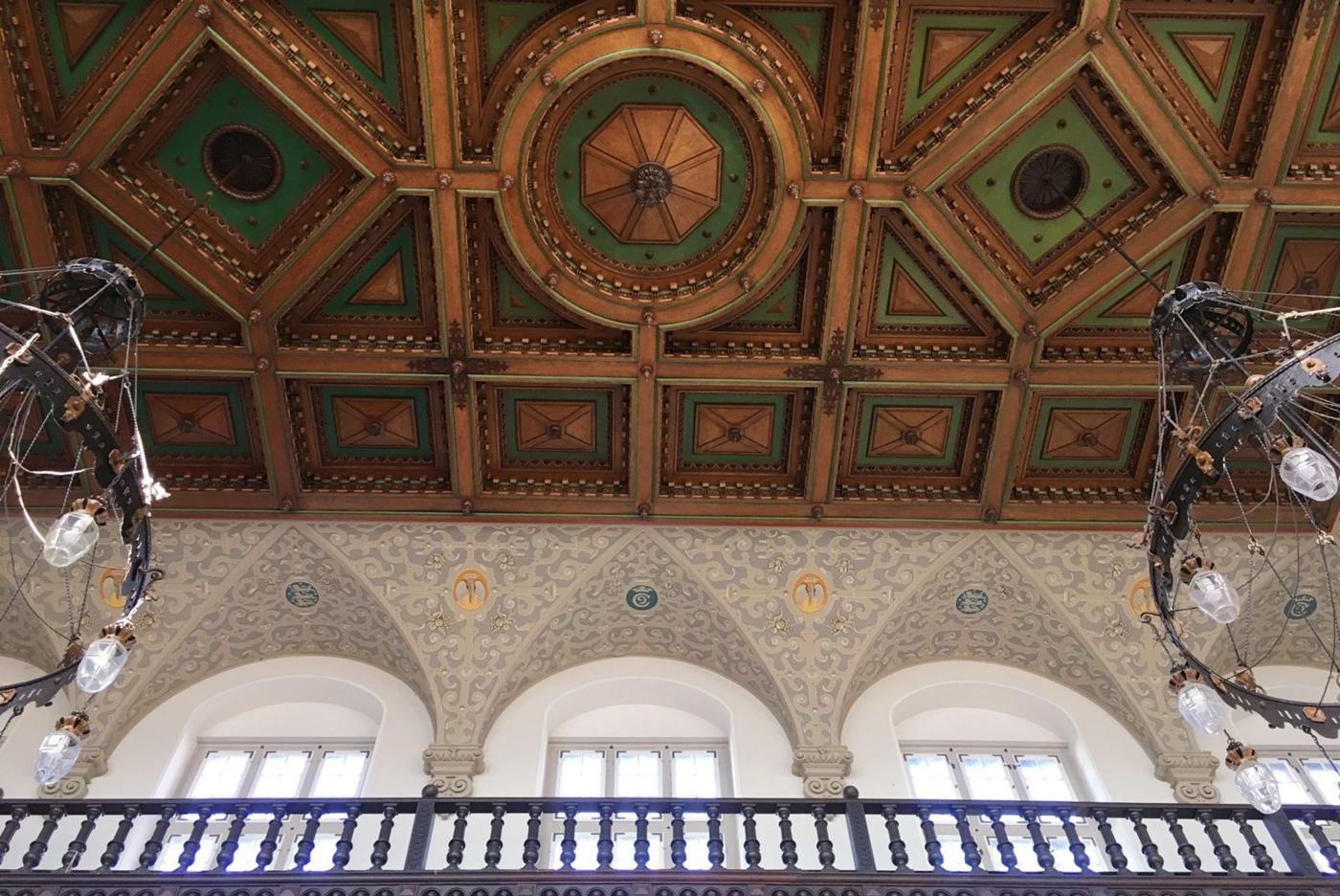
What isn't inside the castle! It is home to interiors reflecting the Renaissance period, a large ballroom, a knights' hall and magnificent tapestries.
Danish National Maritime Museum
If anyone wants to set off on a journey through Denmark's rich 400-year maritime history, this is the right place! They tell you about the sailor, the sailor's daughter, the colourful characters of the quay, the repairman, the inventor, the traveller, the merchant, the consumer, those who drowned at sea, those who fought at sea and many more.. Besides these, Denmark's conquests in Greenland, India, the West Indies and West Africa are also on display.
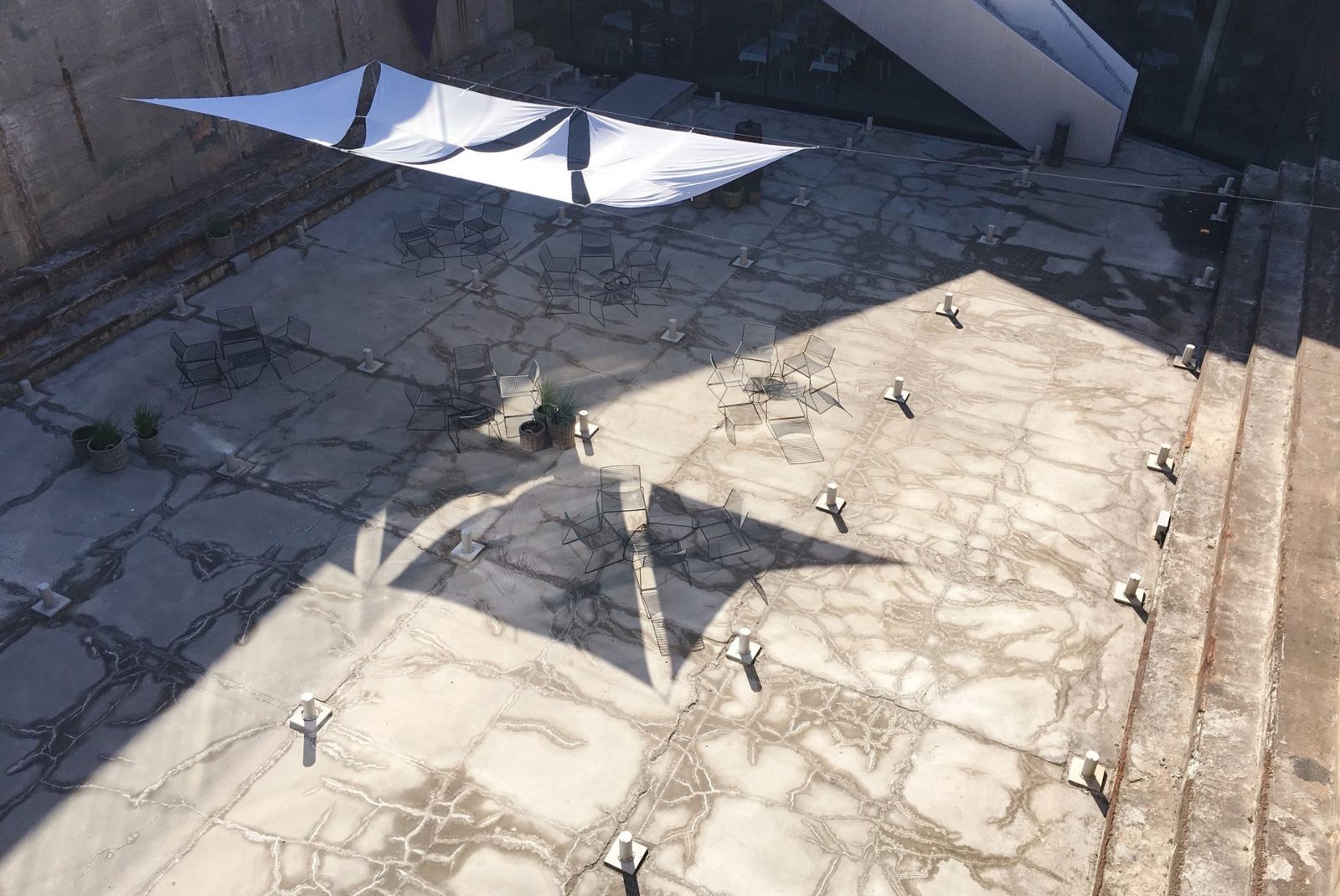
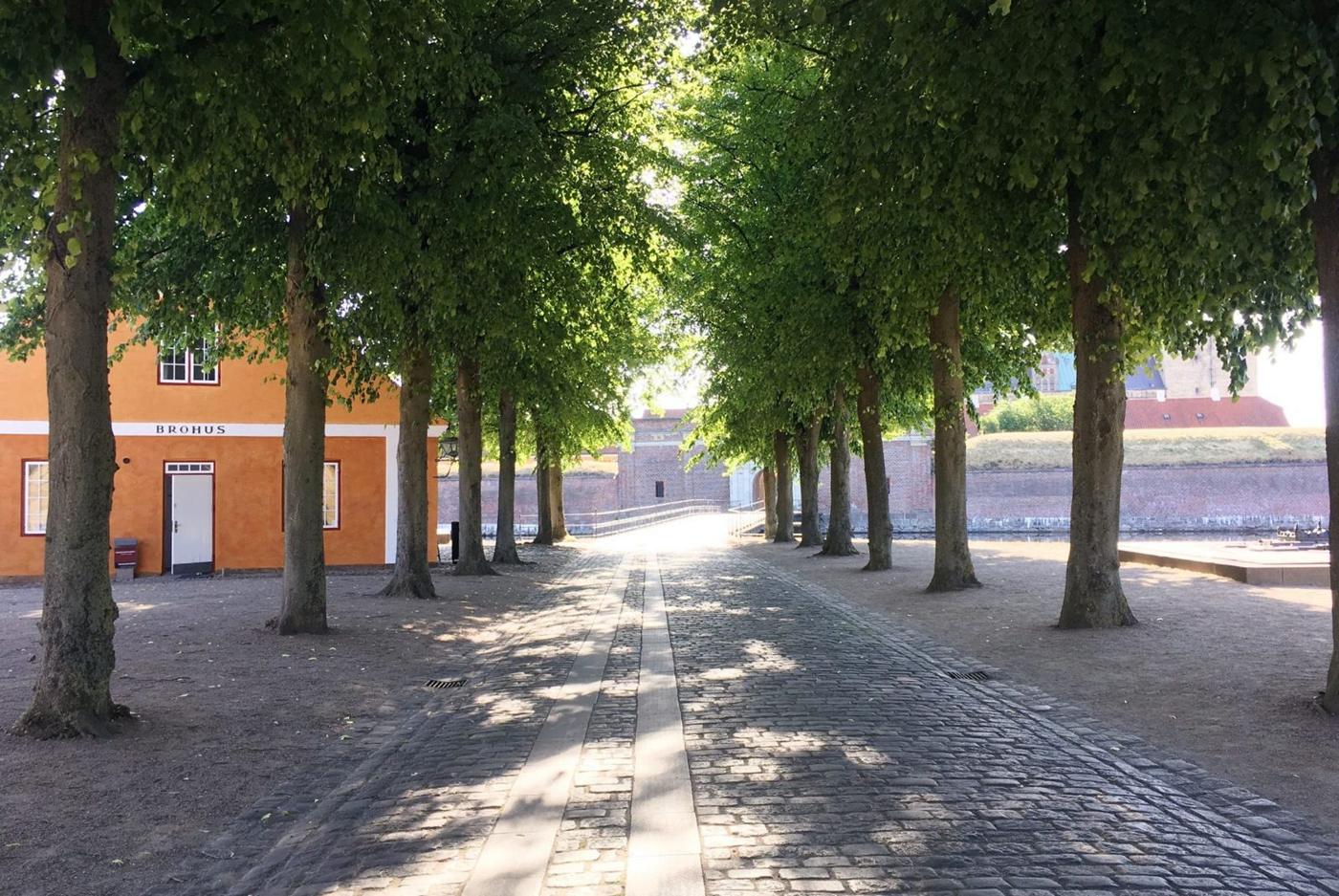
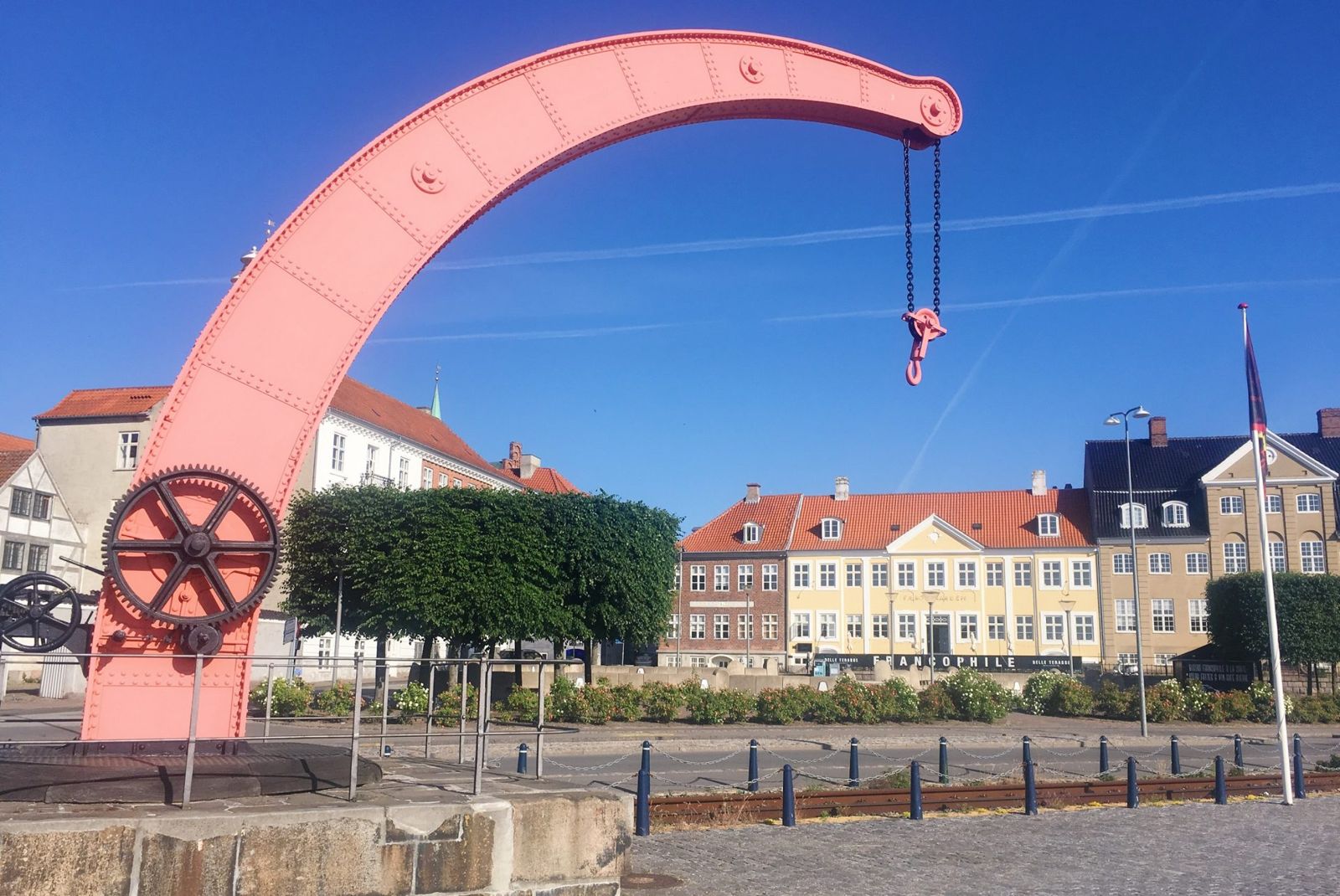
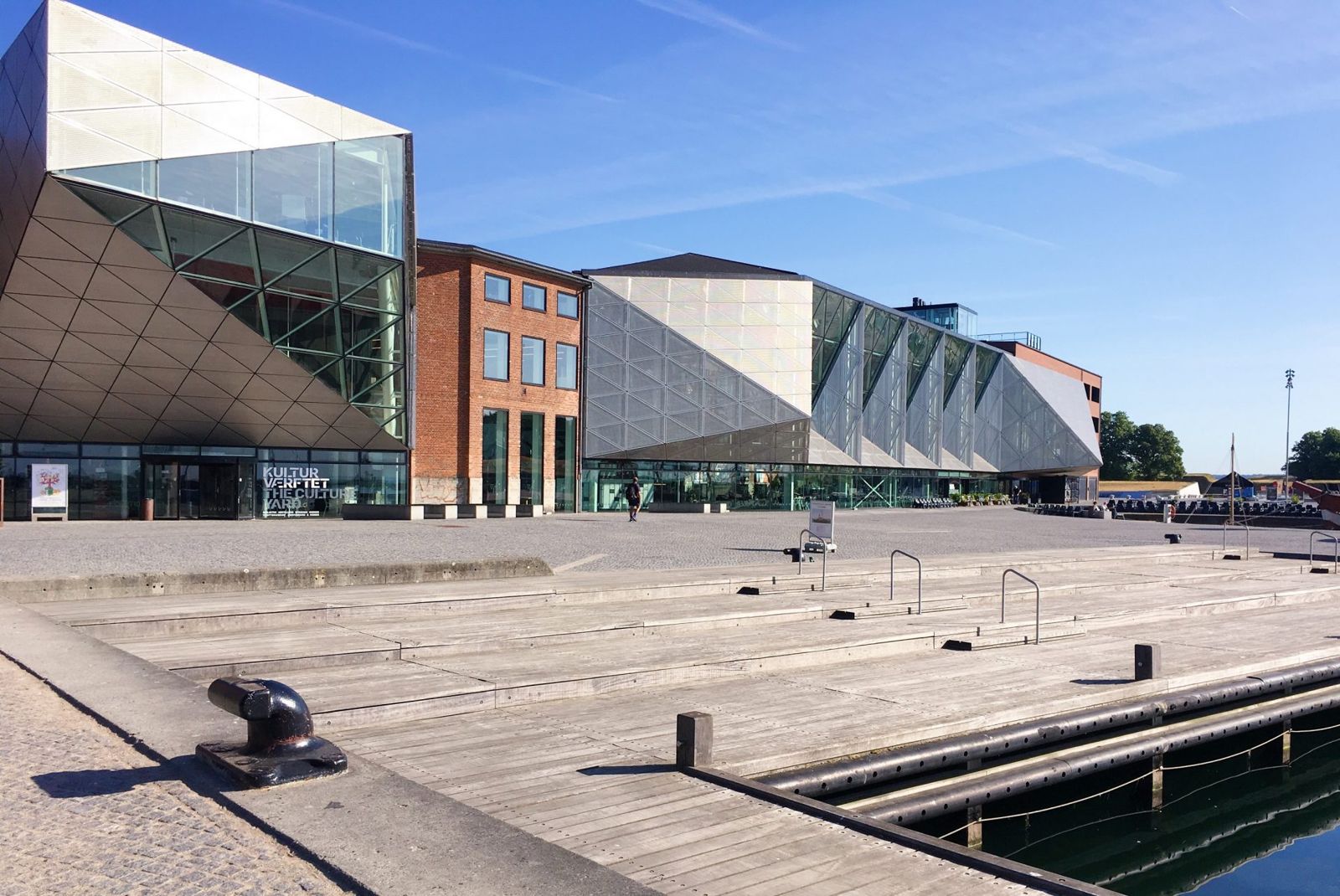
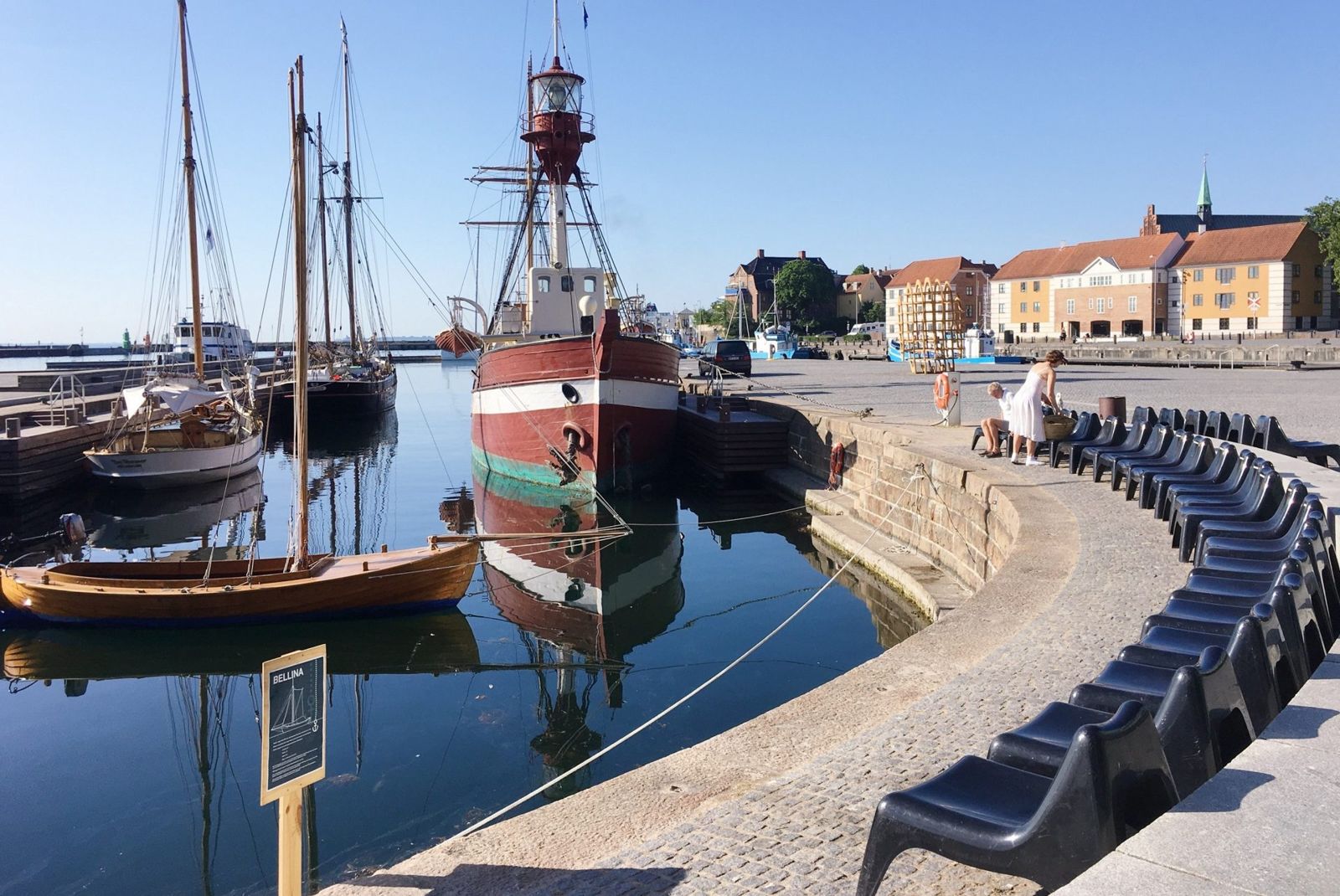
The old shipyard right next to Kronborg Castle has been turned into this lovely maritime museum.
St. Olaf's Church
Built in the sixteenth century, St. Olaf's, a red-brick church with a very impressive exterior, is right in the centre of Helsingor, we wouldn't be far wrong to say. The church has a carefully carved pulpit and all sorts of frescoes.
Denmark's Technical Museum
We're talking about a museum located in an industrial zone about 4 km from Helsingor city centre. This museum, which gives a lot of information about Danish technology, was built on the site of an old iron foundry. Sometimes we think these people really think through what to build and where. They manage to turn whatever they have into a tourist attraction.
Inside the museum there are old steam engines, electrical appliances, cars, mini aeroplanes, and even a section explaining how the telegraph, forerunner of modern communication, works. The museum is open to visitors Tuesday - Thursday; adults 90 DKK, students 80 DKK.
Fredensborg
At first our plan after Helsingor was to go to Hillerod, but a Dane we met on the way advised us to get off at Fredensborg station, 2 stops before Hillerod, and see the palace. Since it wouldn't affect our tour plan much, we thought that having come this far we should see it, and set off.
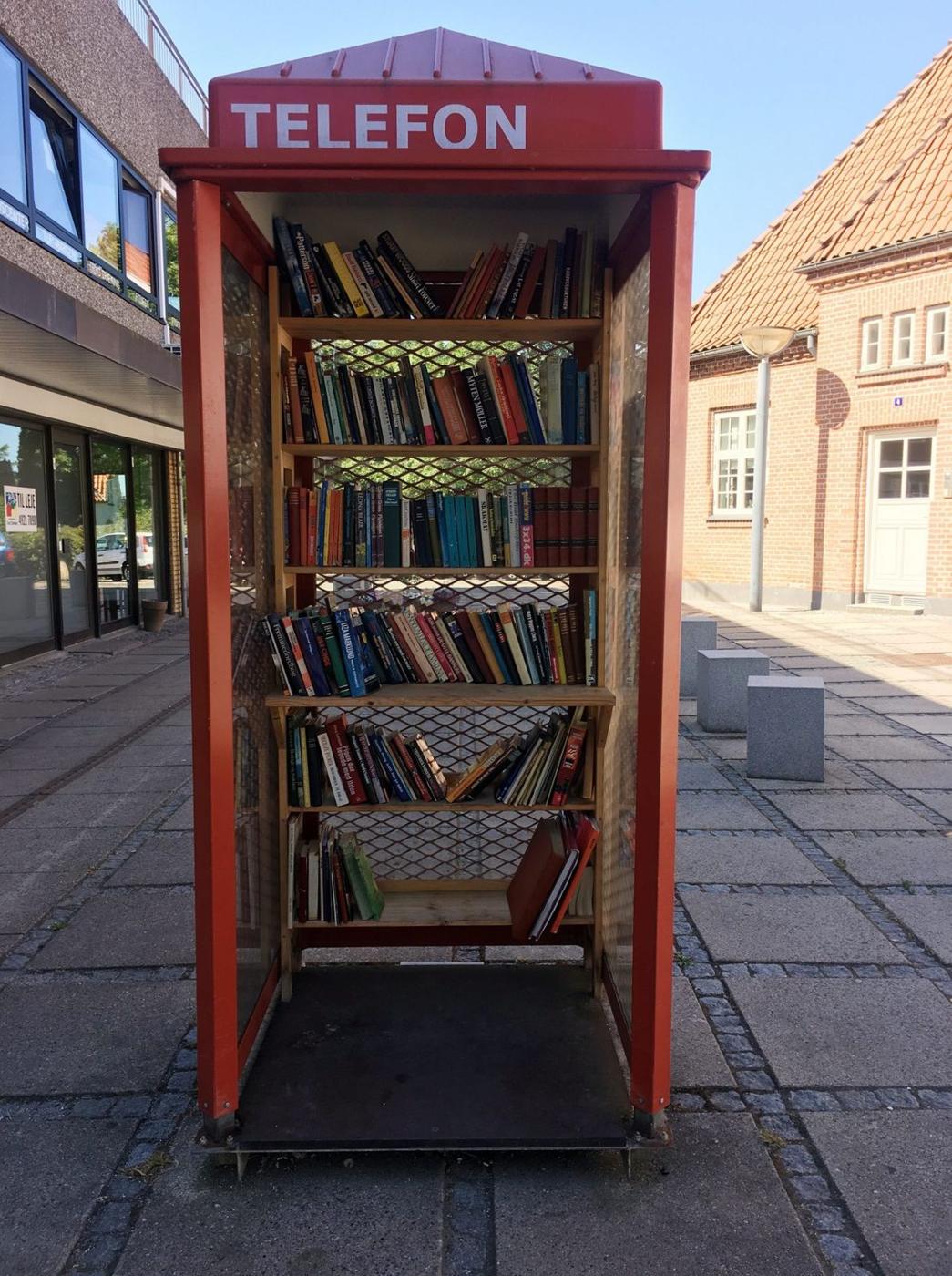
9-10 minutes from the train station we reached Fredensborg Palace! We really loved that this country isn't only the birthplace of Christian Andersen, but has real castles and palaces scattered all over it.
Fredensborg Palace, in beautiful 18th-century baroque architecture, was built as a hunting palace for Frederik IV, and today it usually hosts major official state visits and family events of the royal family.
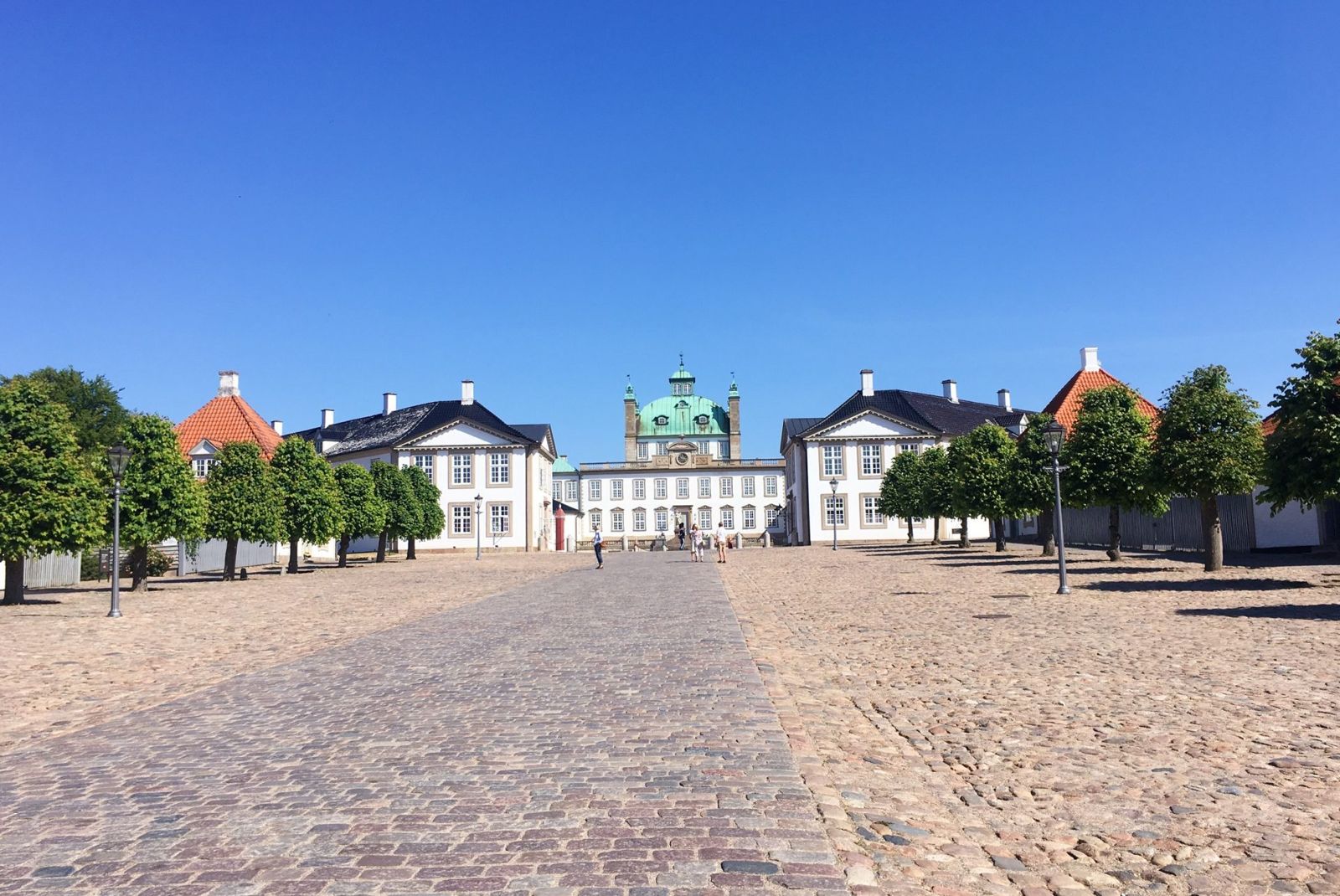
The palace apparently usually hosts important events in the royal family, including weddings, anniversaries and birthday parties. Isn't that strange?! We were both surprised and found it odd.. By the way, we didn't catch one, but if you go in July and August you have the chance to join guided tours. With this tour, the palace's private gardens are also opened to you. If, like us, you can't go in this period, you'll make do with just the palace garden, but even that is lovely! :)
Hillerod
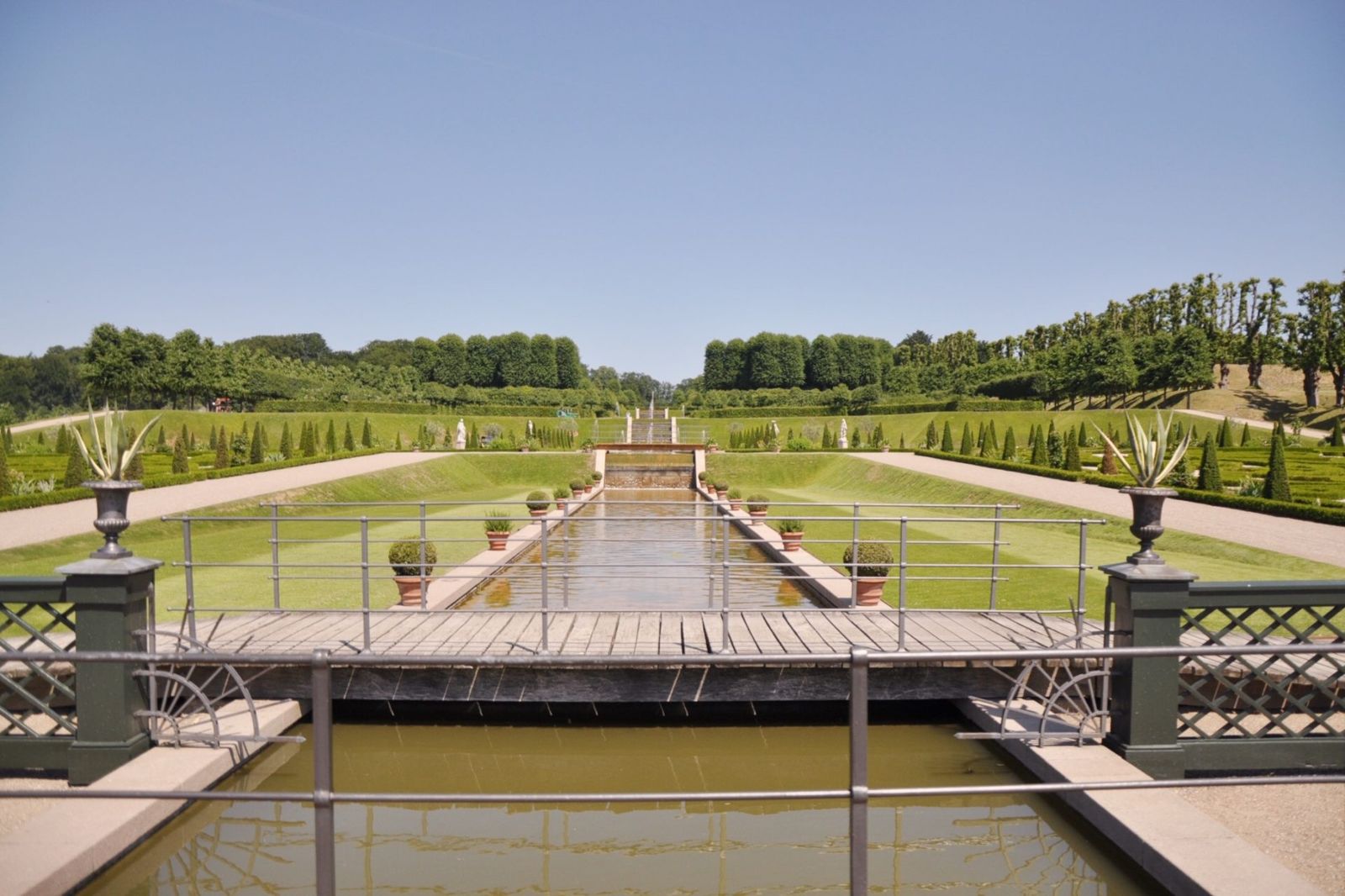
Our next stop is Hillerod! We came to Hillerod, 25 km from Helsingor, by train. Of course you can get here on a single train., it's only 9 minutes from Fredensborg. Our reason for coming here was Hillerod's magnificent Frederiksborg Castle, with its copper towers, lake islands and baroque gardens; we could say it's the only place to visit in Hillerod. While planning our route around Copenhagen we really wanted to see it, so we couldn't skip it.
Also, since Hillerod is centrally located, we can call it a transfer hub for those heading to the north coast.
Frederiksborg Castle
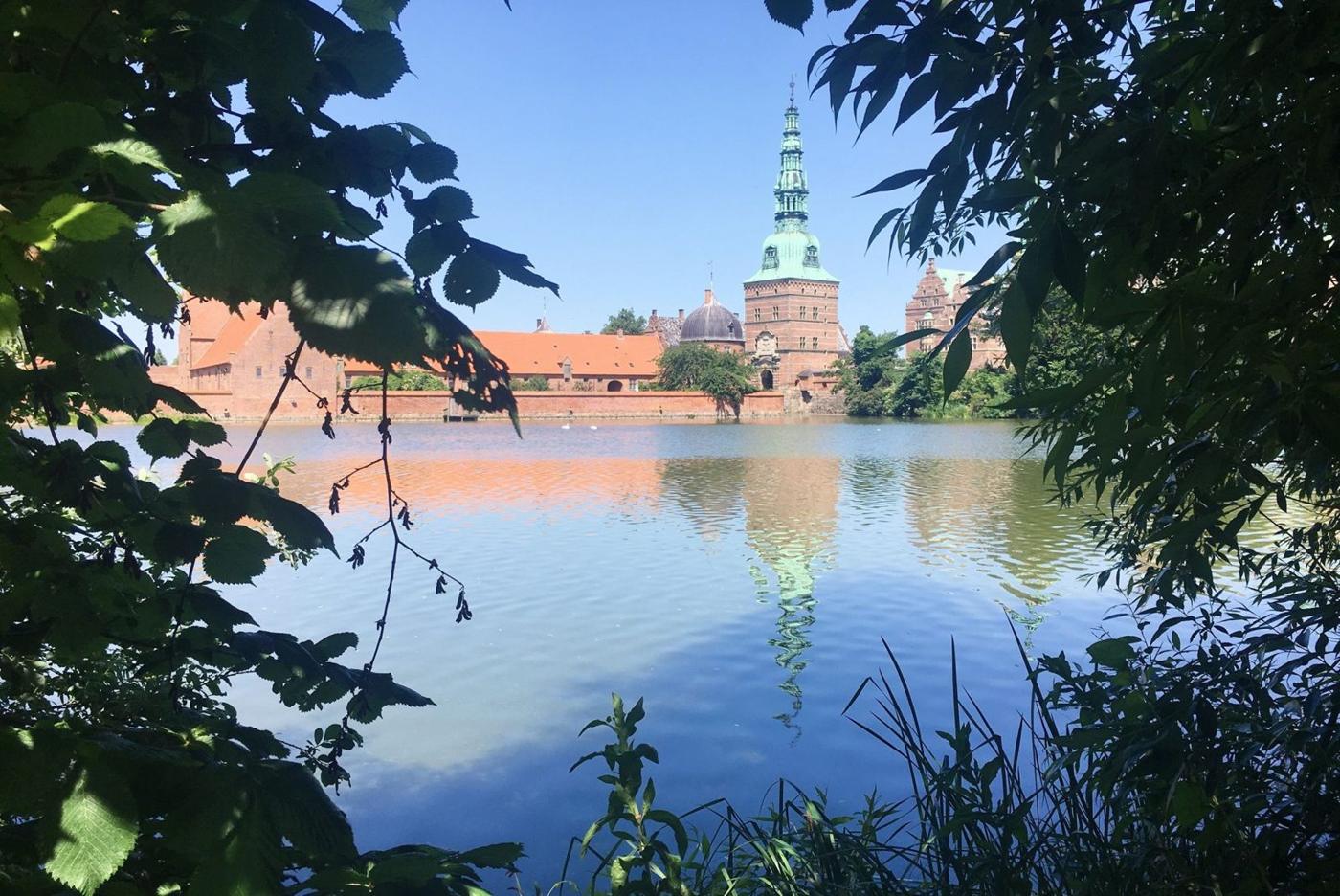
High on the list of must-sees in Denmark, this lovely castle is also a fine example of Dutch Renaissance architecture. This large red-brick castle was built in the 16th century, decorated with stonework.
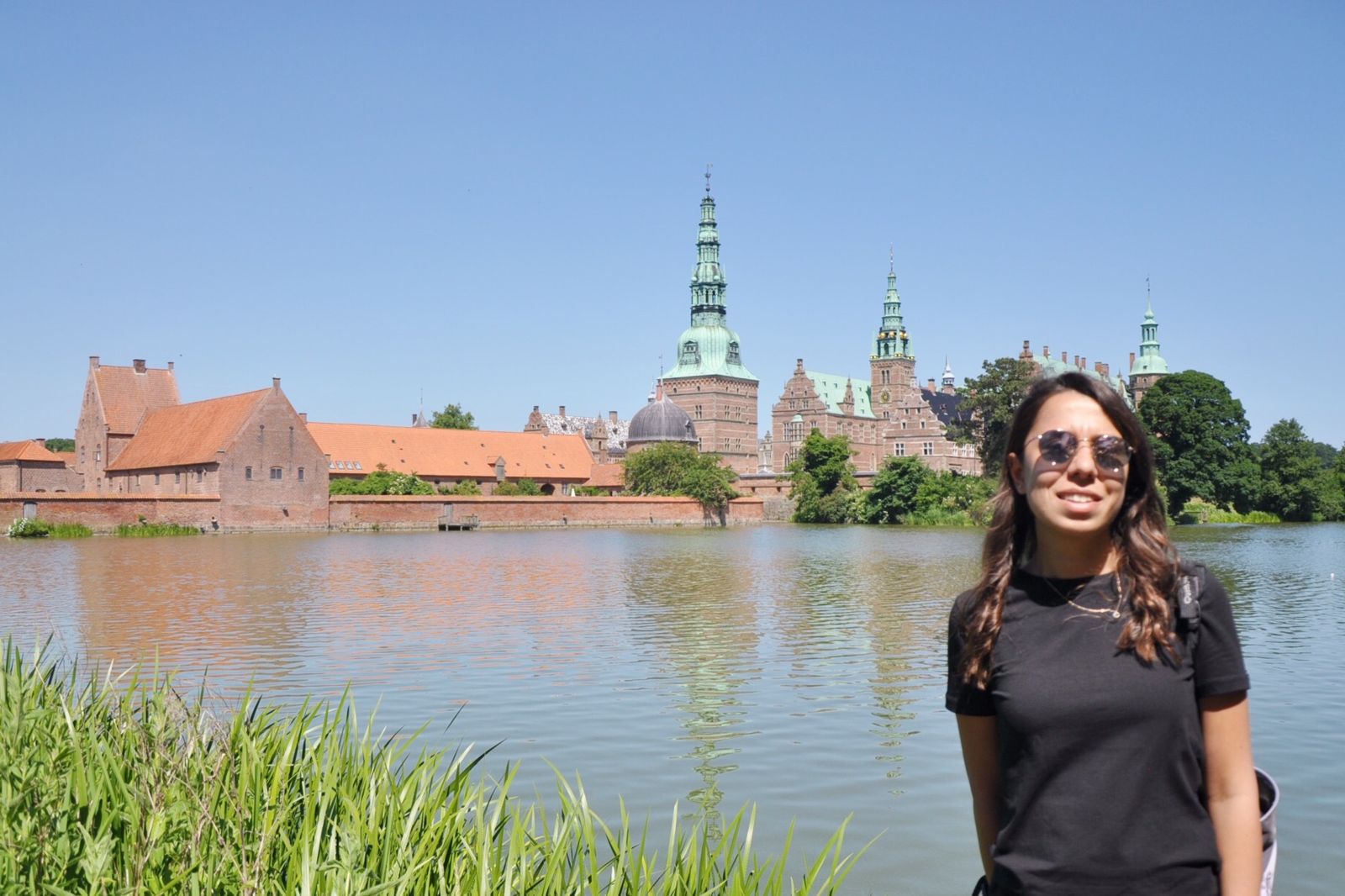
The castle was used as a royal residence in the early part of the 19th century. Danish kings were crowned in the chapel from the middle of the 19th century. In 1860 a fire engulfed most of the palace, but in 1878 it was rebuilt by the founder of the Carlsberg brewery as the Museum of National History of Denmark, which still operates today. Danish history through the centuries is displayed throughout the palace in the form of furniture, paintings and more. The museum is home to a collection of nearly 10,000 portraits!
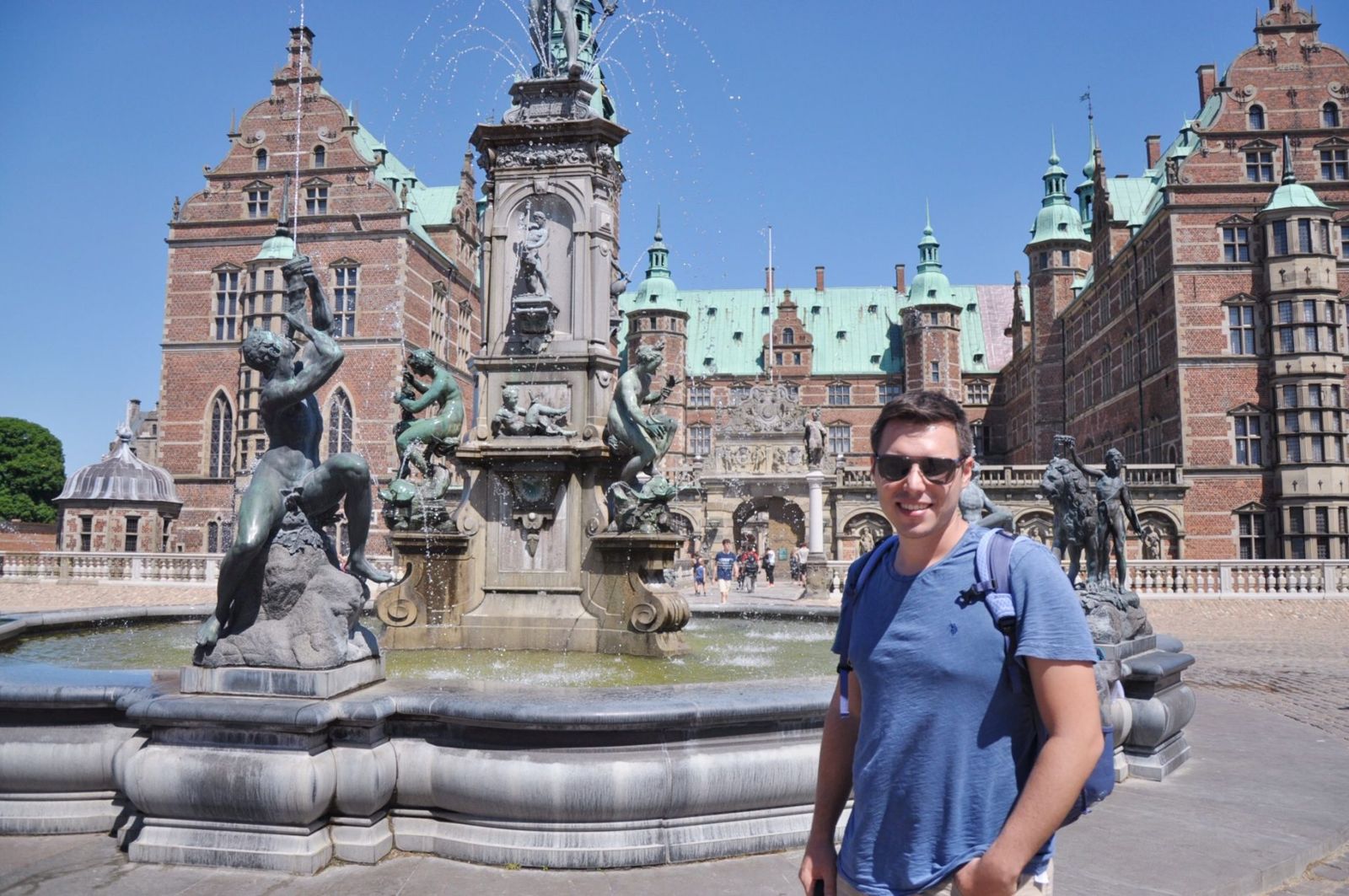
The castle is open every day of the week and you can visit between 10.00 and 17.00. The entrance fee is 75 DKK.
You can reach the castle by walking about 2 km from Hillerod train station. Especially before you reach the castle, you can catch wonderful views at the lake called the Castle Lake.
Denmark Open Air Museum
After Hillerod our first stop is Sorgenfri; when we heard there was a wonderful open-air museum here, we couldn't skip it. But to get here from Hillerod you change at Holte. It takes about 20-25 minutes.
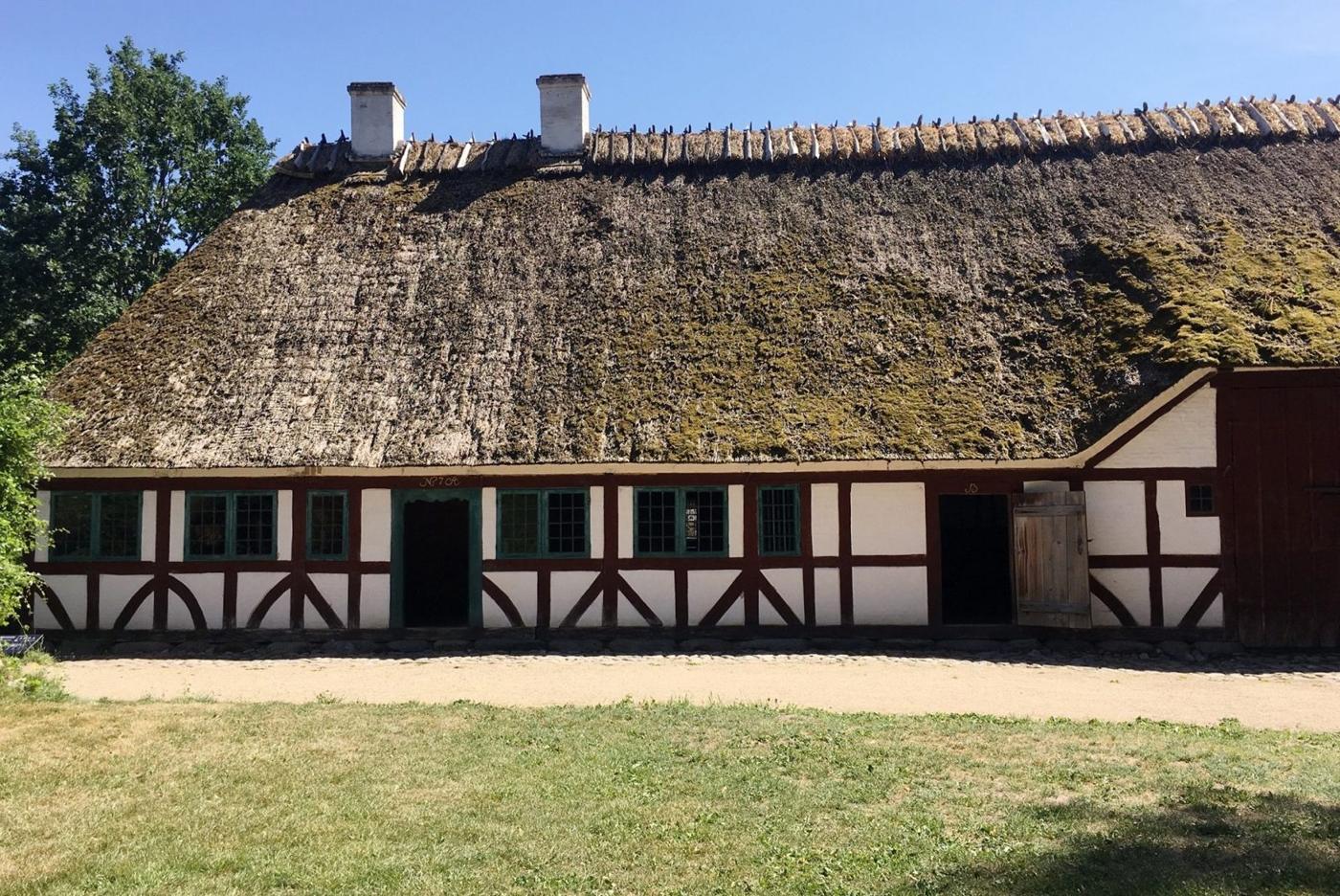
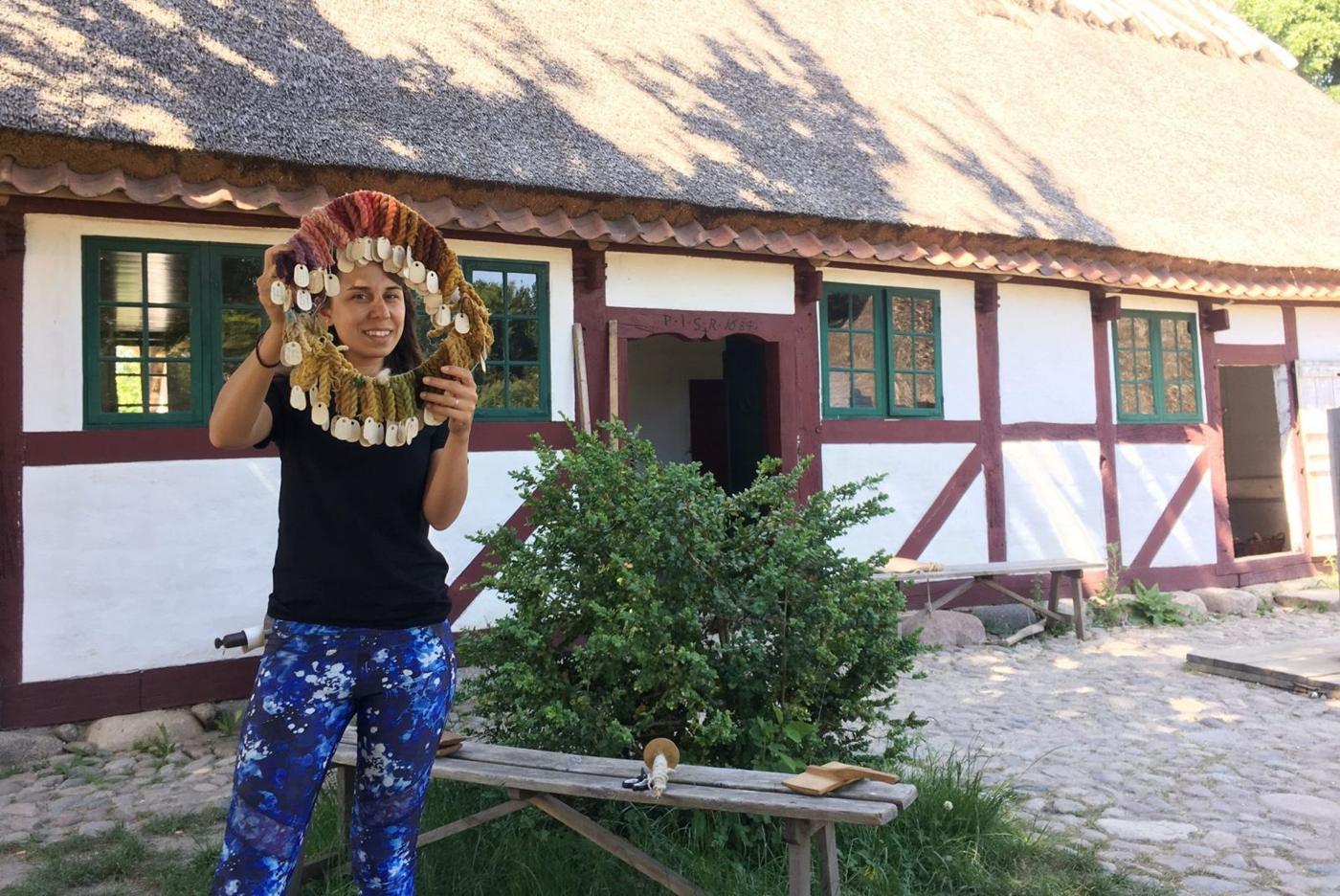
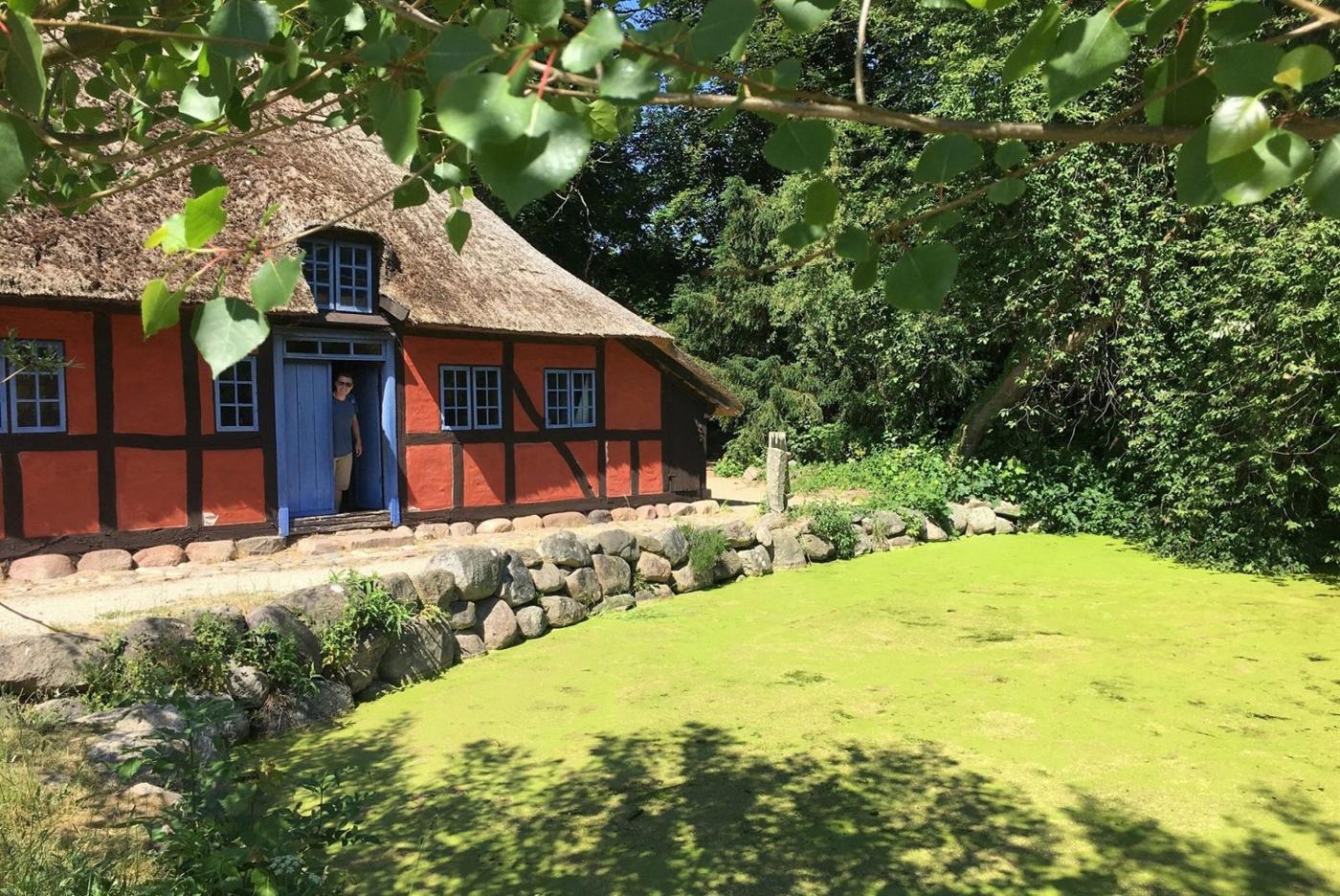
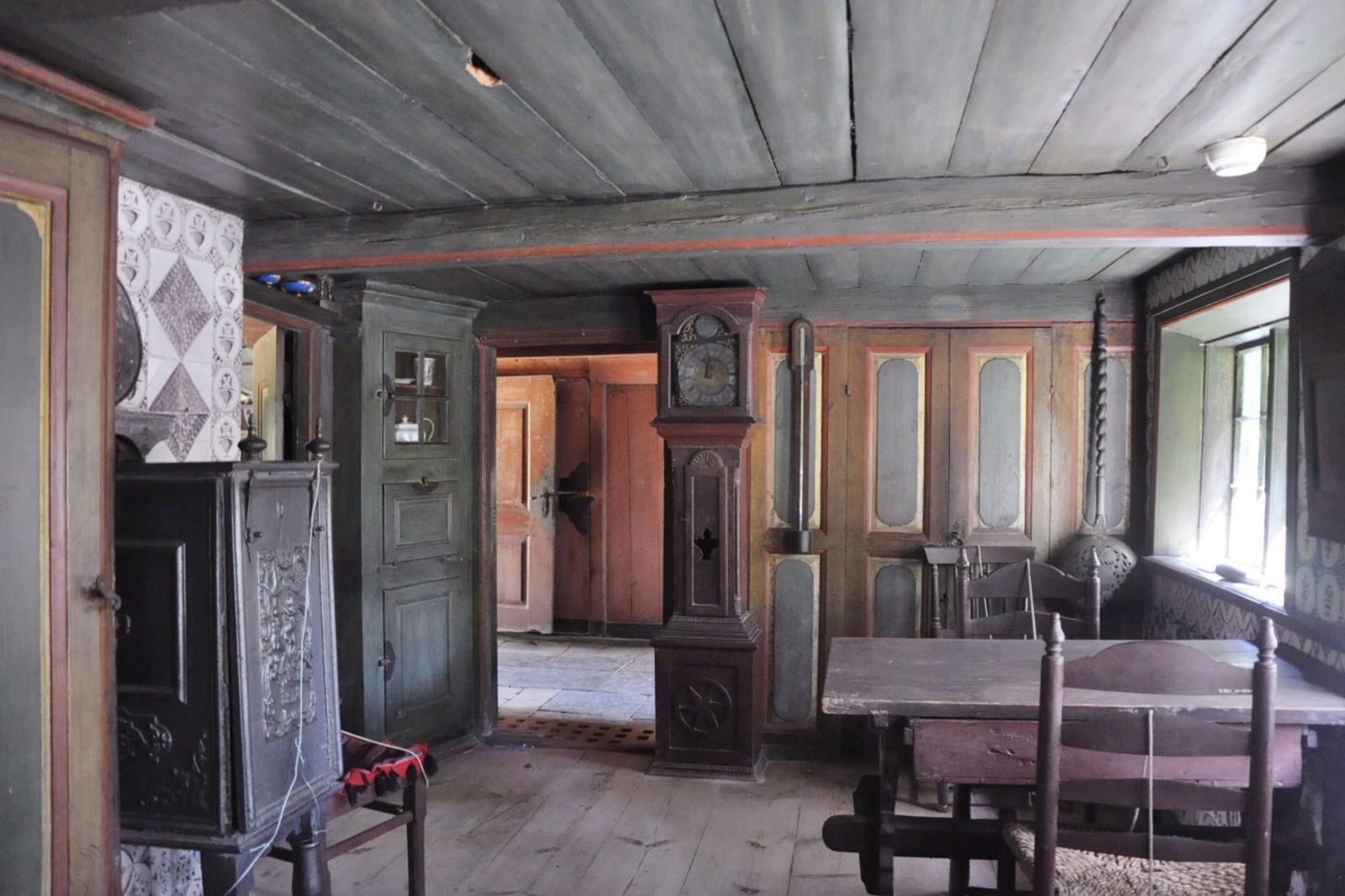
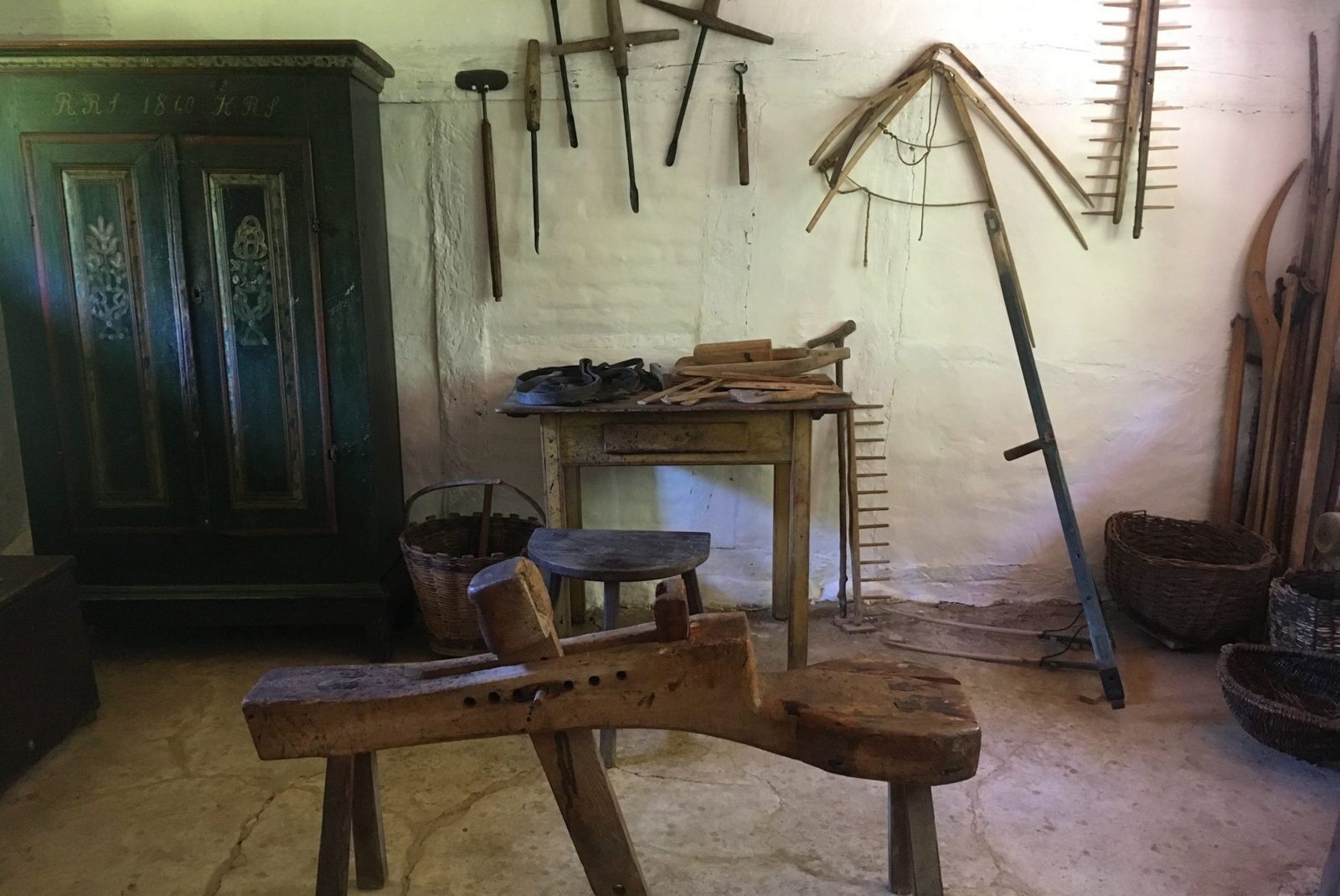
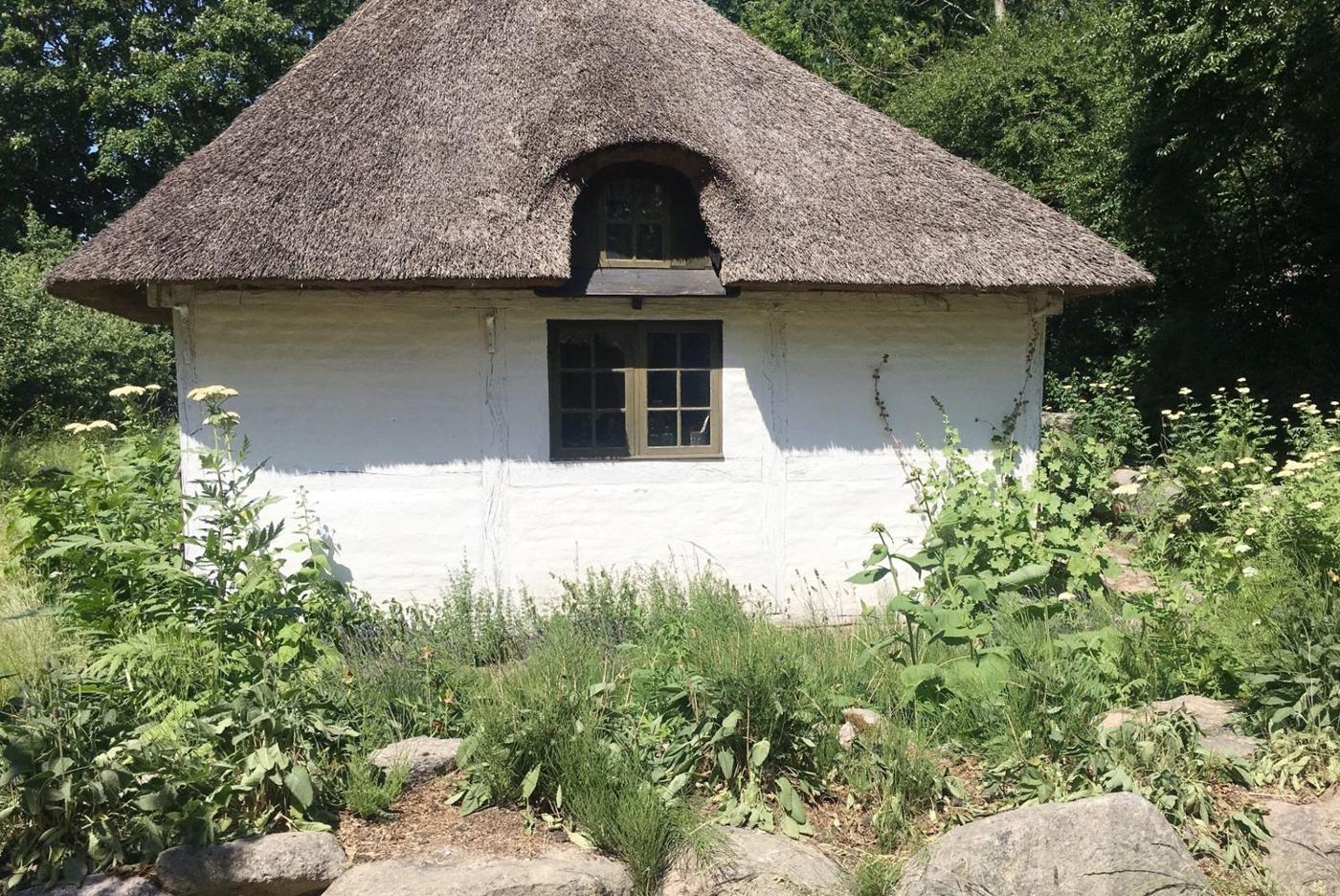
The museum is an 8-9 minute walk from the train station. Known as Frilandsmuseet, the Open Air Museum is known as one of the oldest and largest open-air museums in the world. The museum, which you can also reach from Copenhagen with a short train ride, sits on 86 acres of land. It lets us live the period from the 1600s up to the 1900s. There are more than 50 farms, mills and houses in the museum.
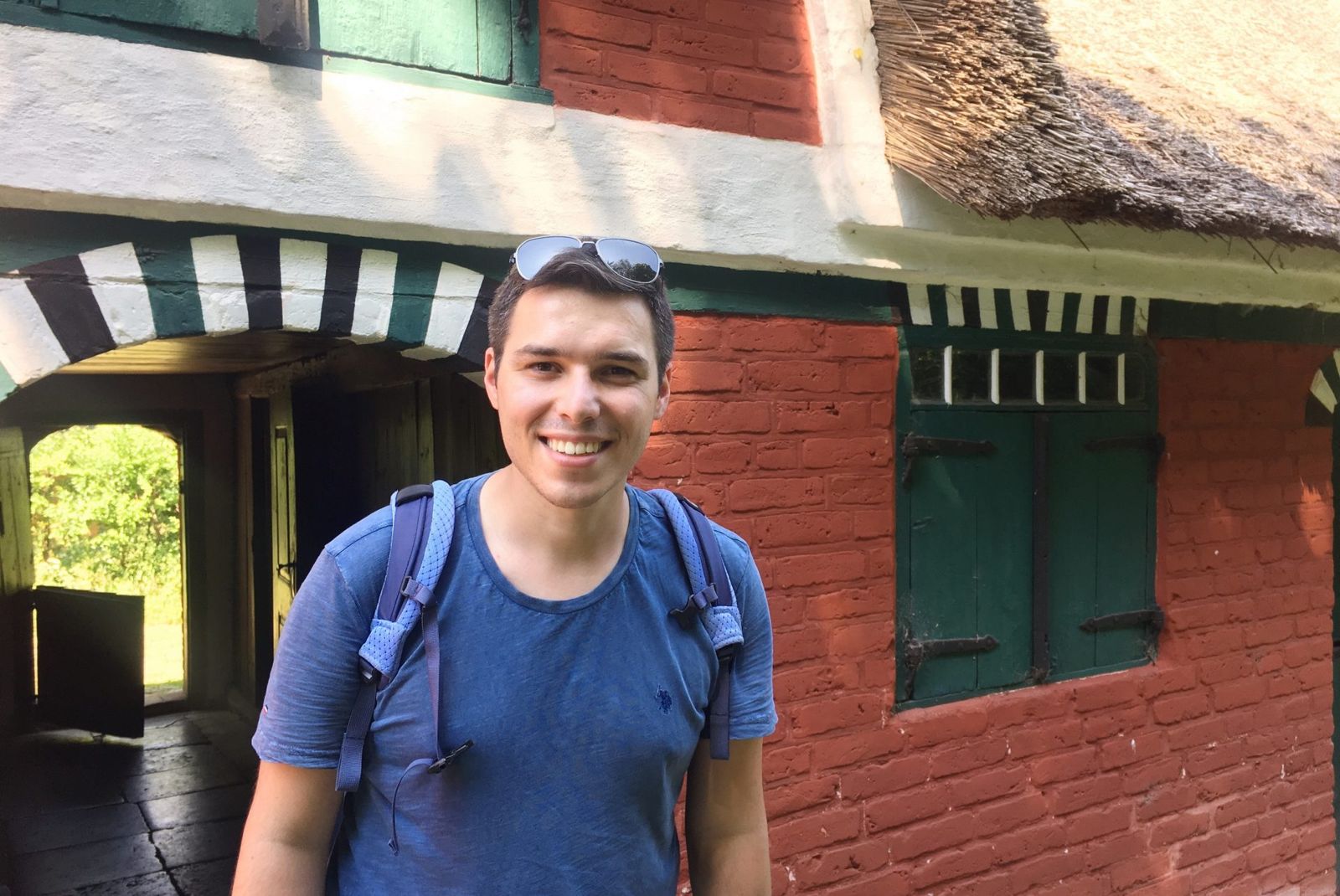
Designed with examples of houses from countries such as Denmark, Germany, Sweden and the Netherlands, the museum takes you, as we mentioned above, on a 300-400 year adventure through history. From the mills to the gardens, you can tell time was taken to work on each one individually.
The museum is open Tuesday - Sunday, 10.00 - 16.00, and the entrance fee is 75 DKK. If you have a Copenhagen card, entry is free.
Vejle
Now it was time for Vejle, the city where we'd stay the night! Don't ask where that is; since we were going to the Lego village of Billund the next day, this seemed the most ideal spot to us. The train we took from Copenhagen reached Vejle 2 hours later. Our choice of accommodation here was Airbnb. You can find the house we stayed in here.
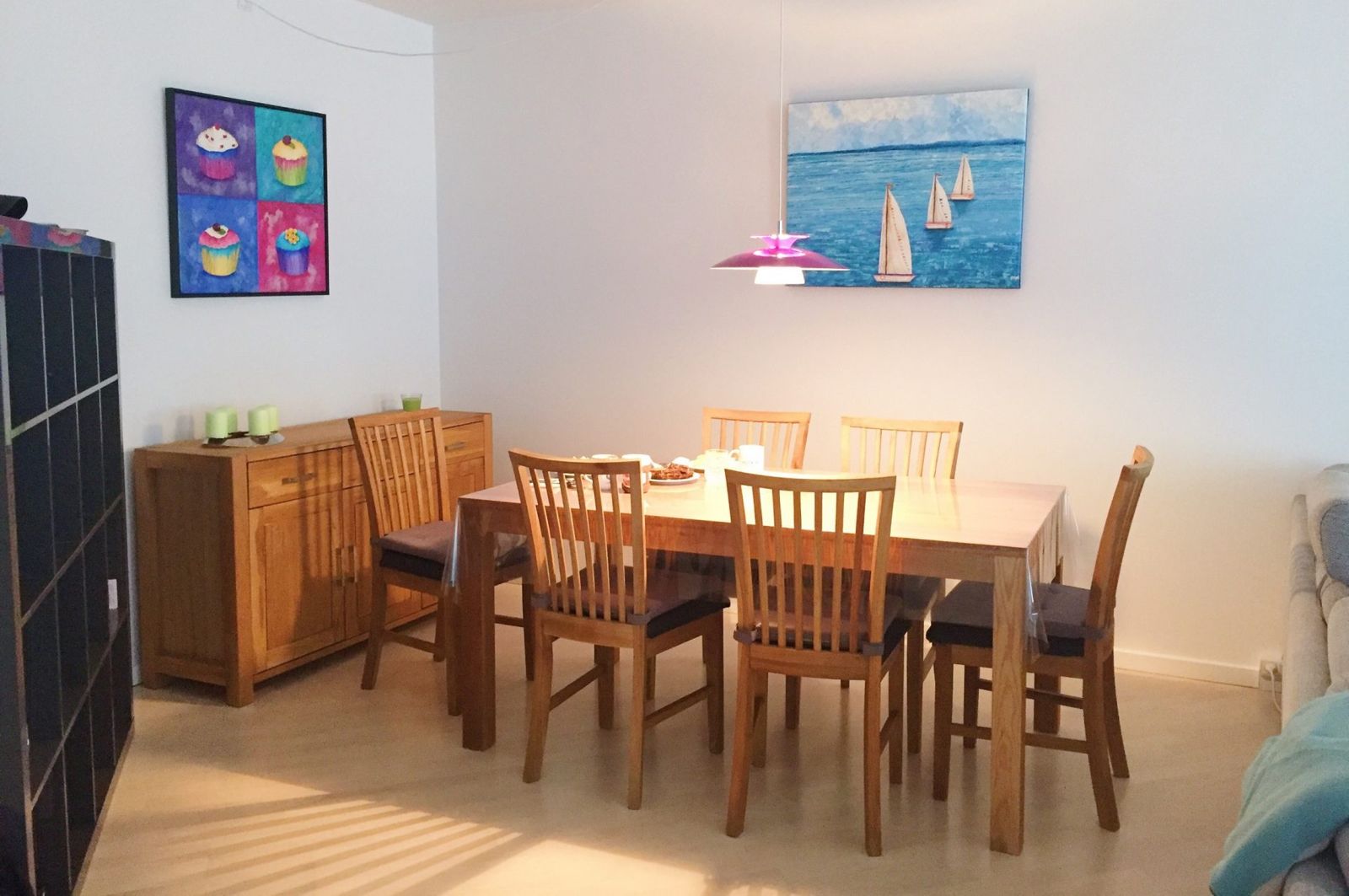
There's plenty to do in Vejle, but all we did here was go to the house we were staying in, drop our things and then head straight to the marina.
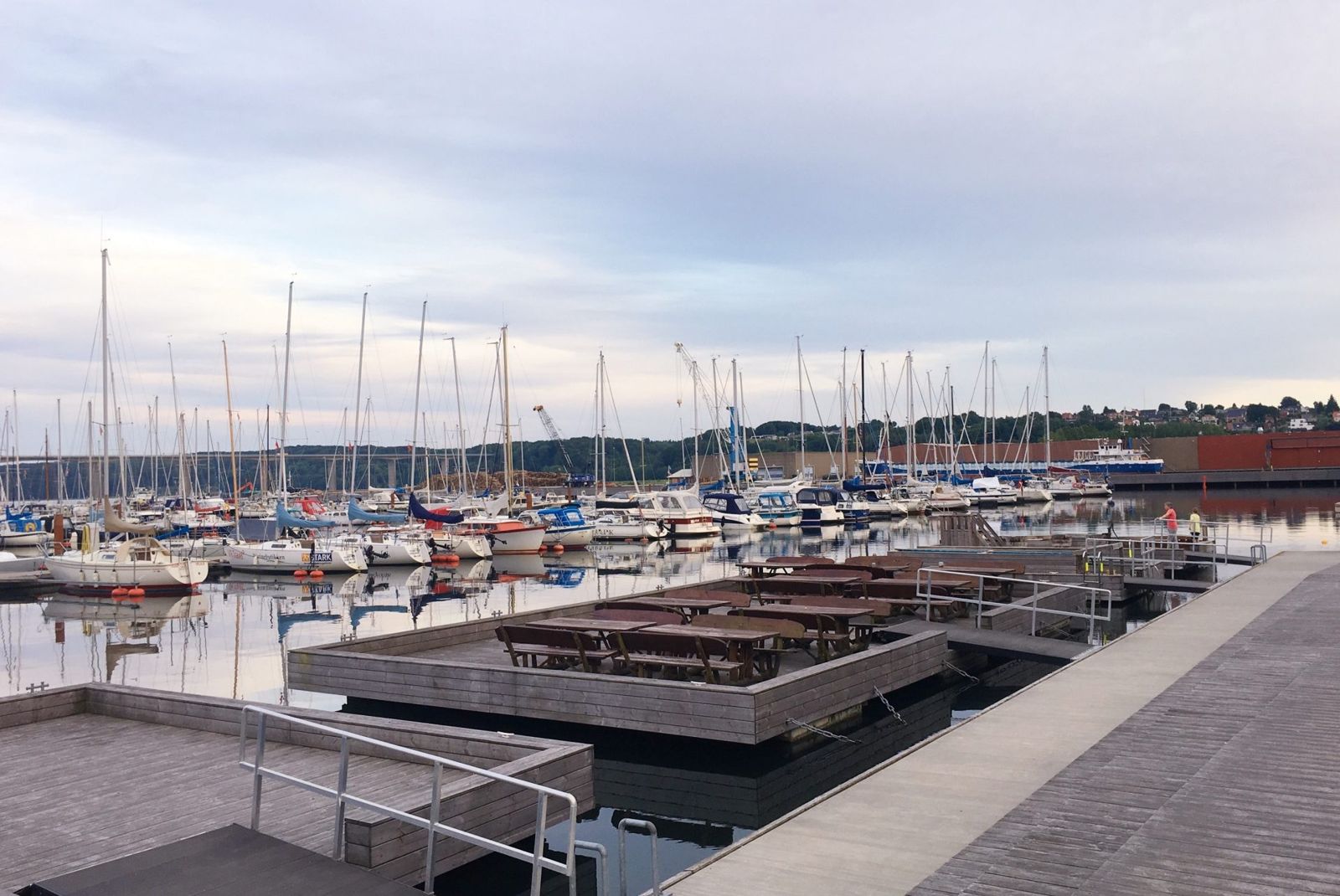
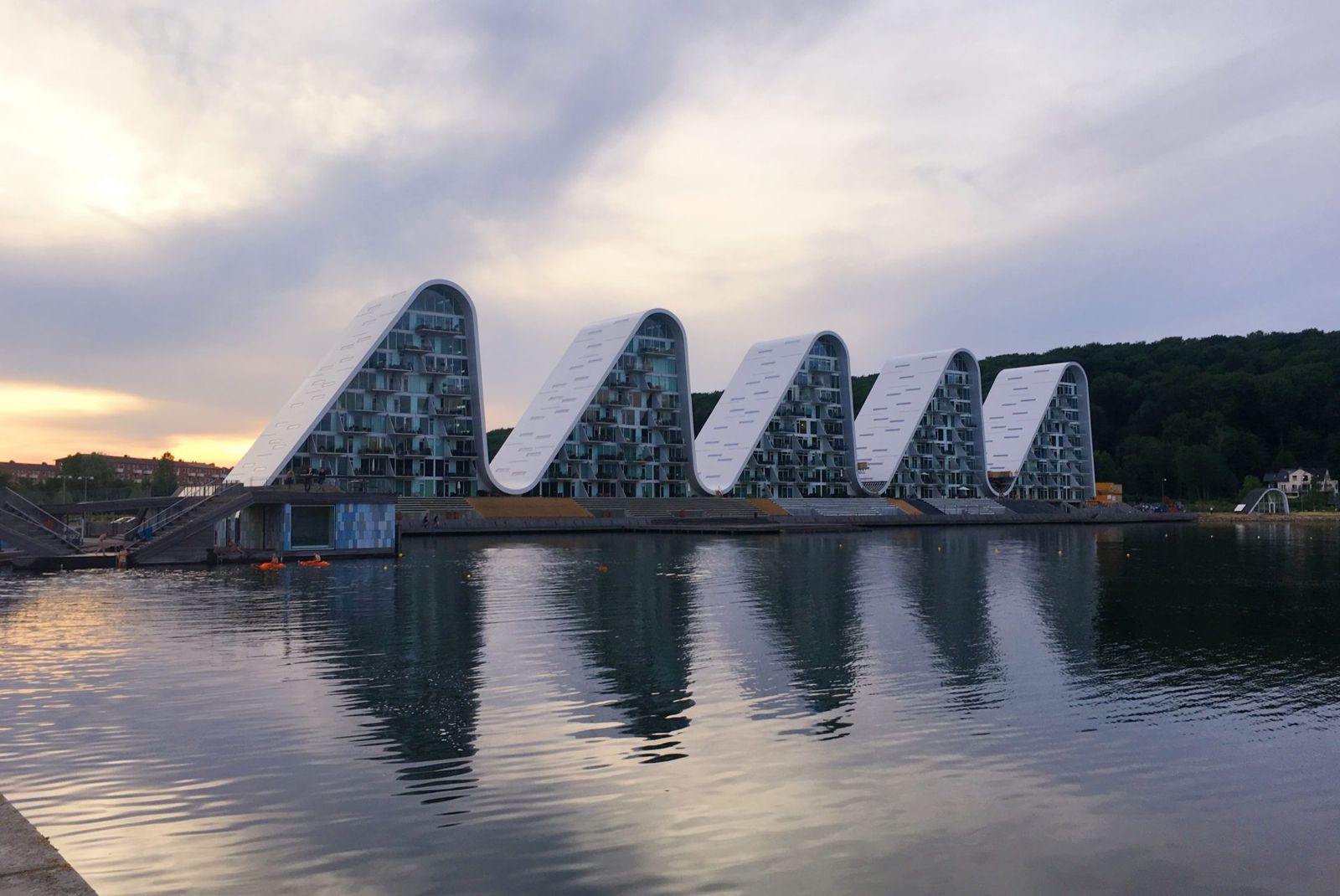
If we hadn't stood under The Wave and looked out at the fjord and the bridge, it would have been as if we'd never been in Vejle. And it's lovely both at night and by day. If we'd had time during the day, we'd have liked to visit the deer park known as Deer Park.
Midtpunktet
Translated into English as midpoint, this word is the name of one of the most popular and most photographed places in Vejle. Also known as the Latin Quarter, Midtpunktet is one of the top places to find the busiest cafés and restaurants with a real Danish atmosphere. A photo with the dozens of colourful umbrellas hanging over the street, which we're used to from our own country, turns out really sweet.
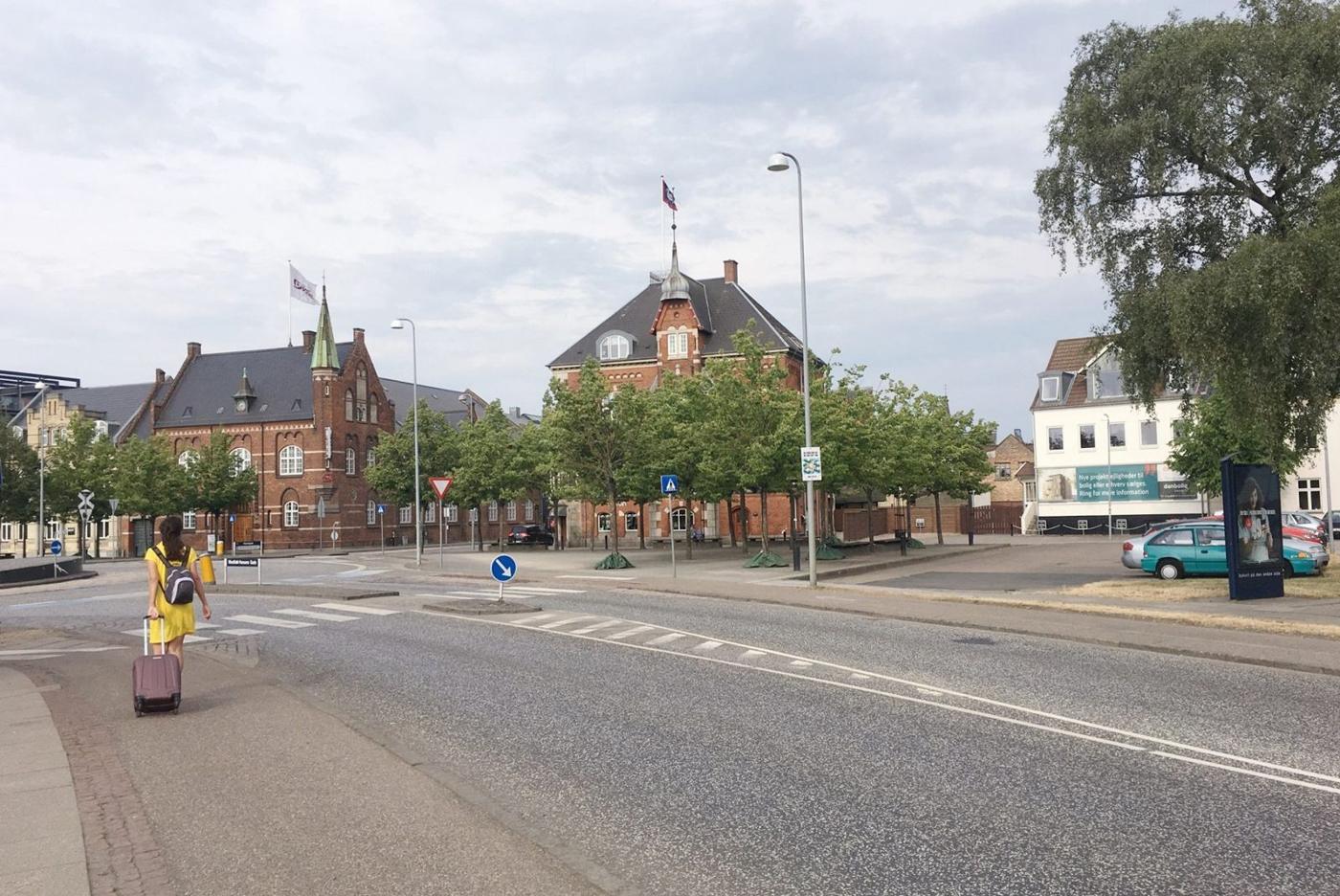
Window Shopping
Vejle was named Denmark's busiest shopping and trading city in 2014 and 2016. The pedestrian street on the main road is 900 metres long, and you can find many boutiques and cafés around you. There's a shopping centre at each end of the street: Mary's and Bryggen. We hope you enjoy this lovely atmosphere..
Vejle 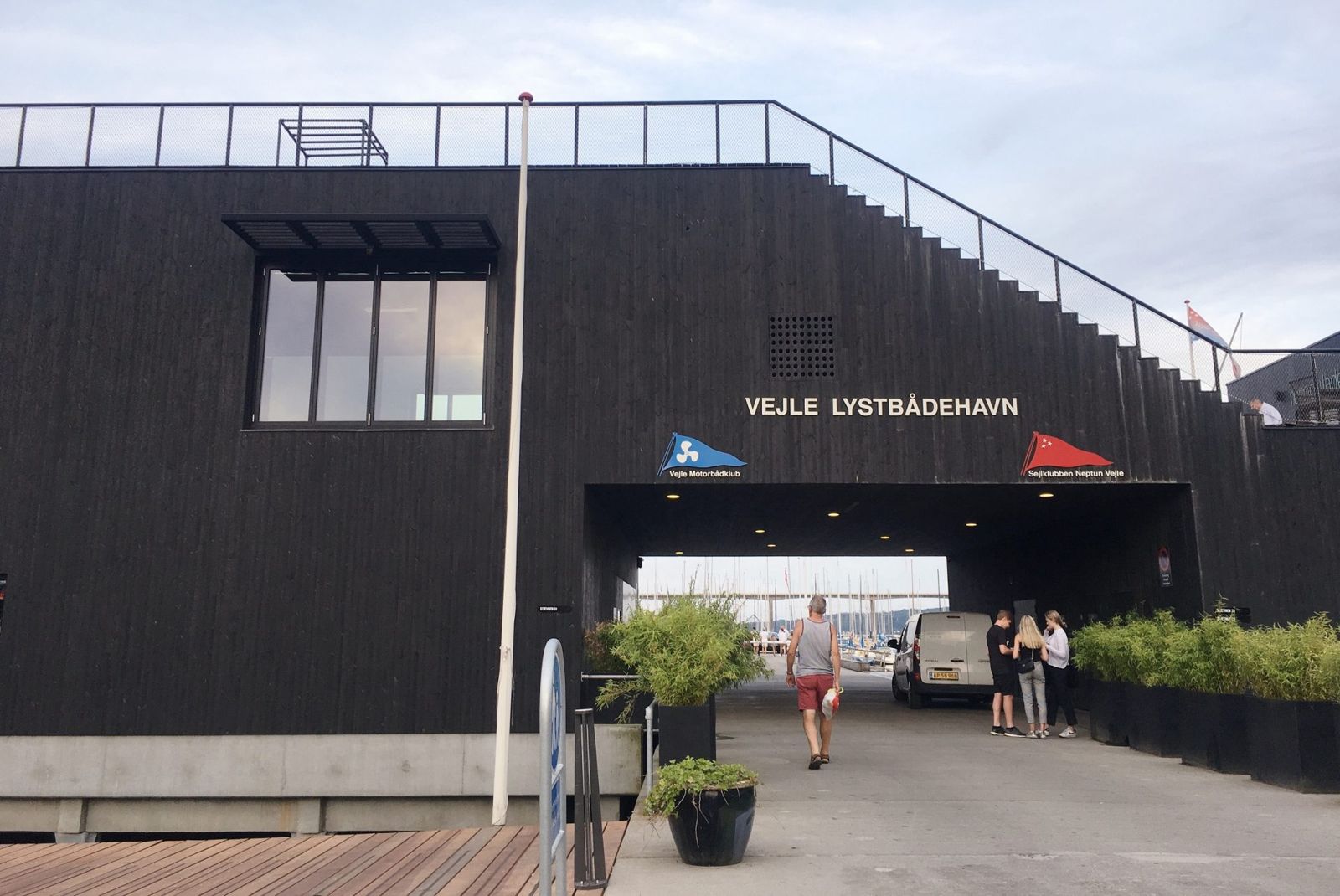
Vejle 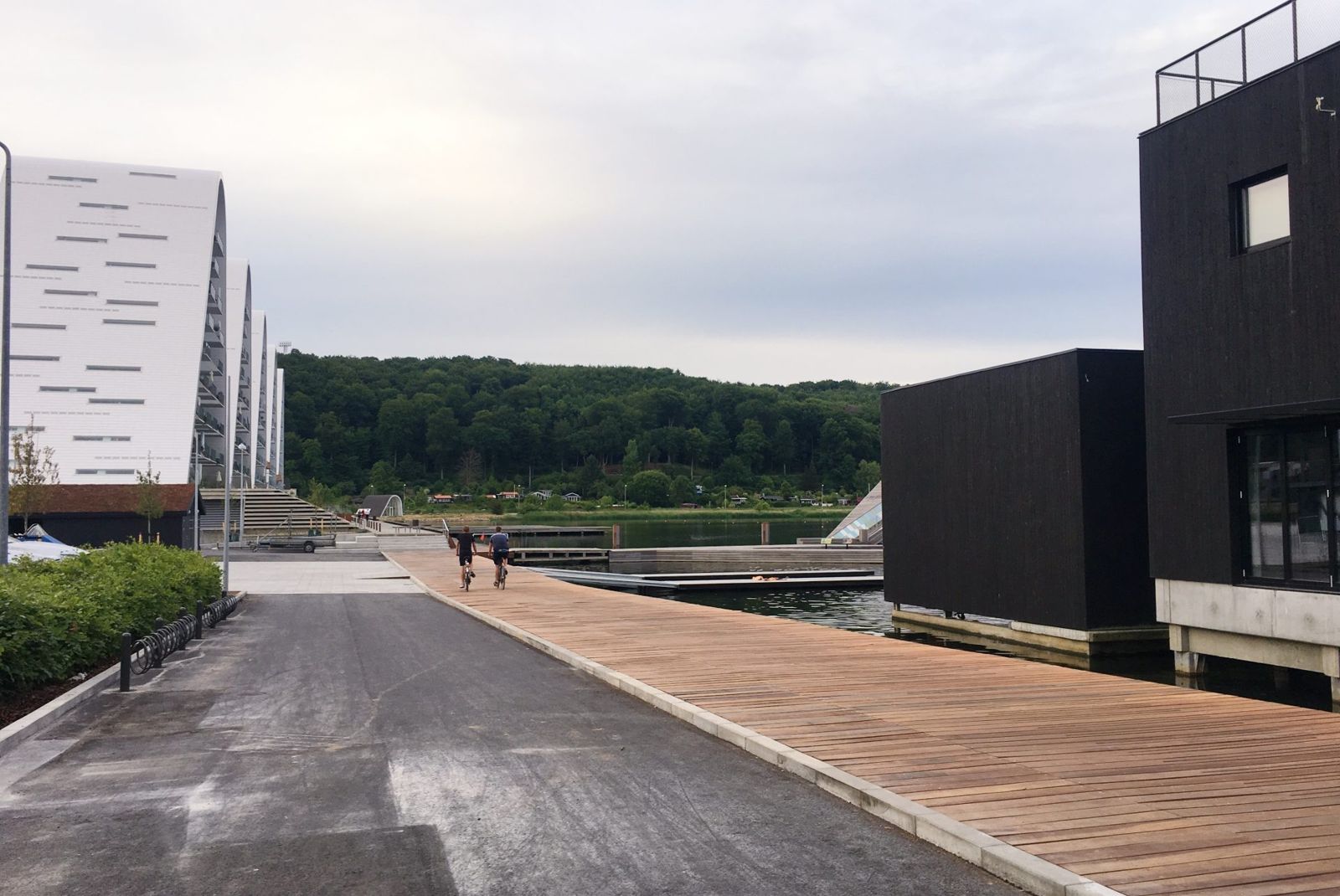
Vejle
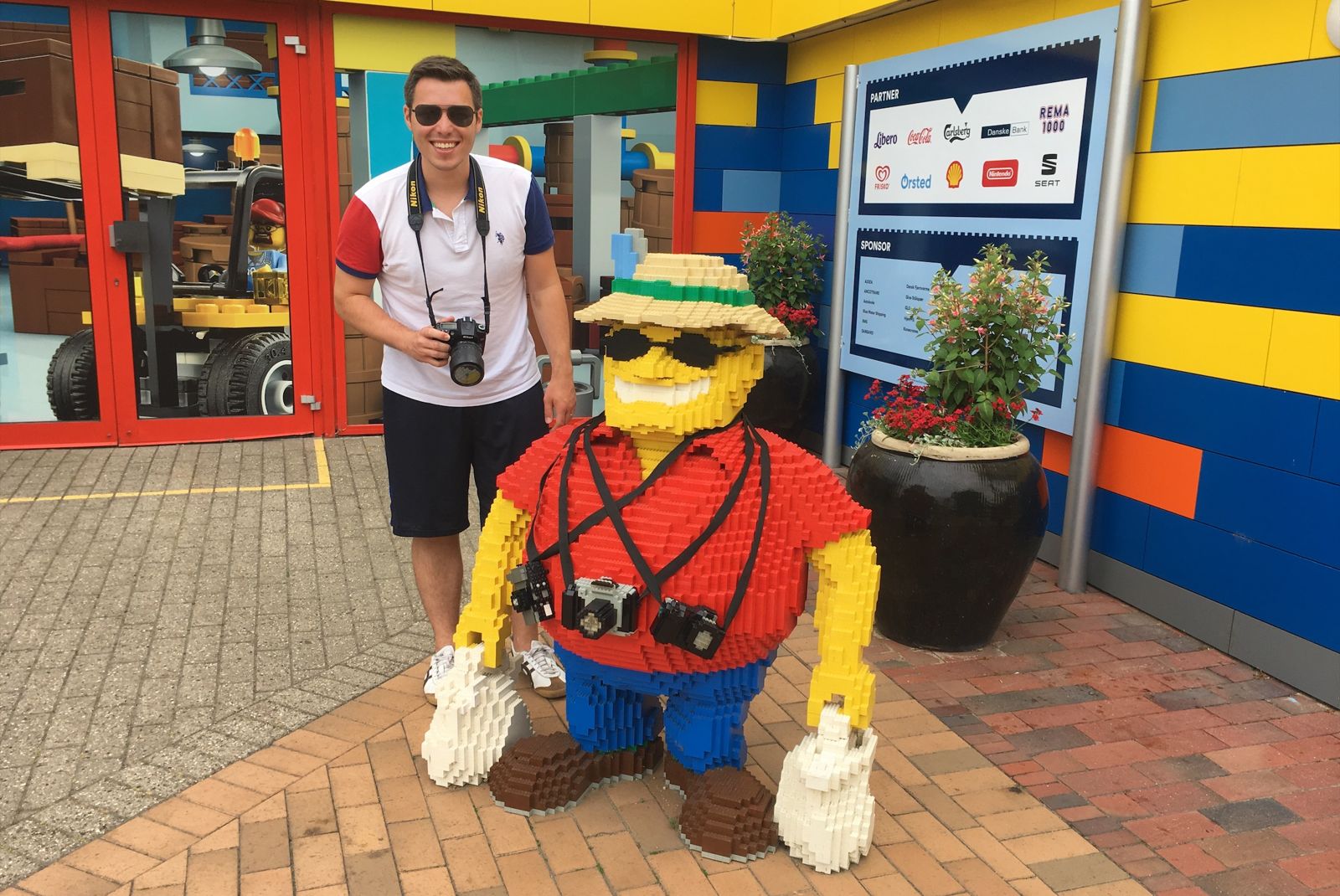
We continue our route. Next up is the Lego town, Legoland Billund!
 30 km
 145 km
 213 km