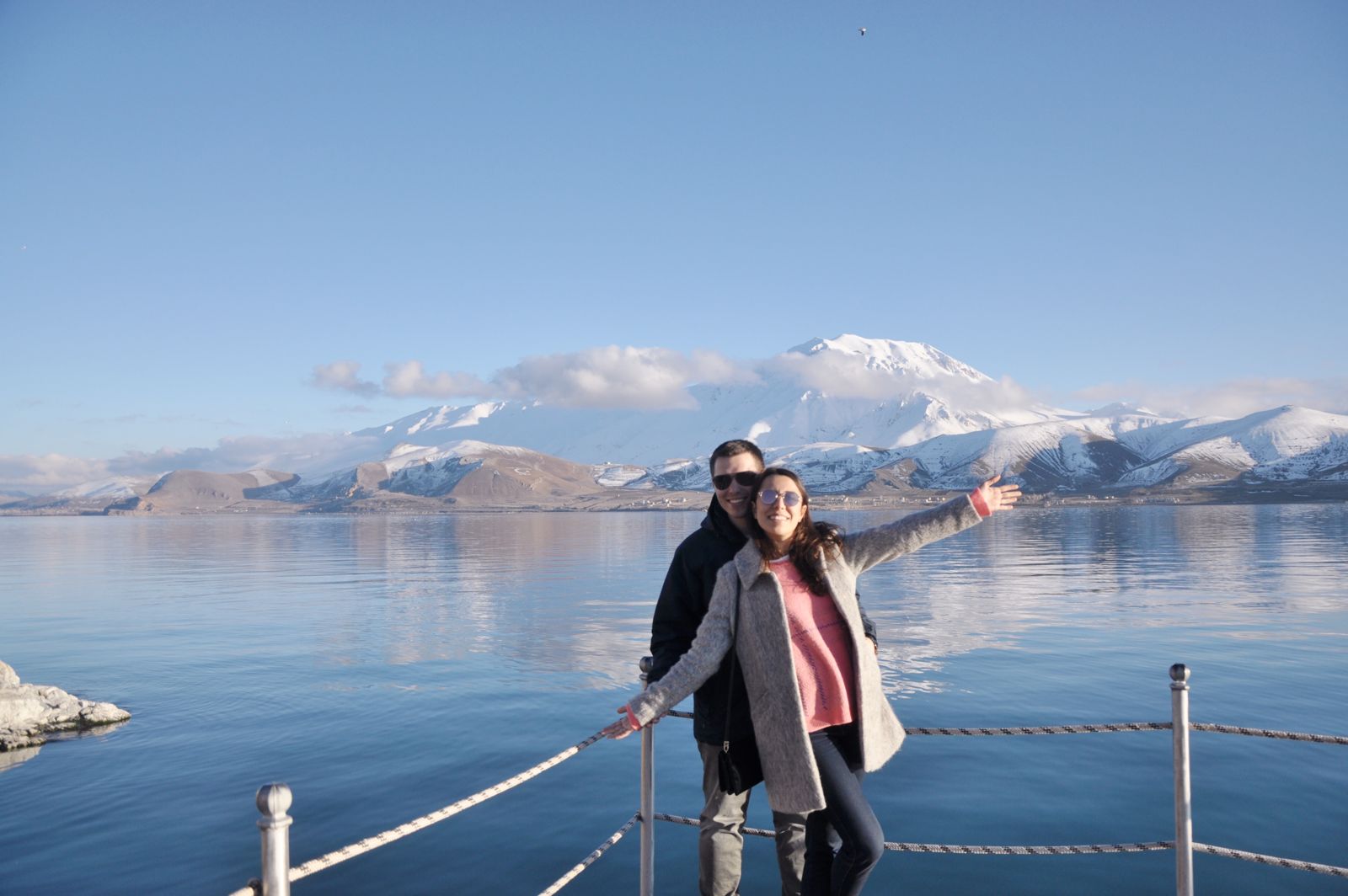
Our trip to Van, the pearl of the East, begins... We started our trip with Akdamar Island before going to Van. We've listed the places to go in the order of the route we followed.
Akdamar Island and Church
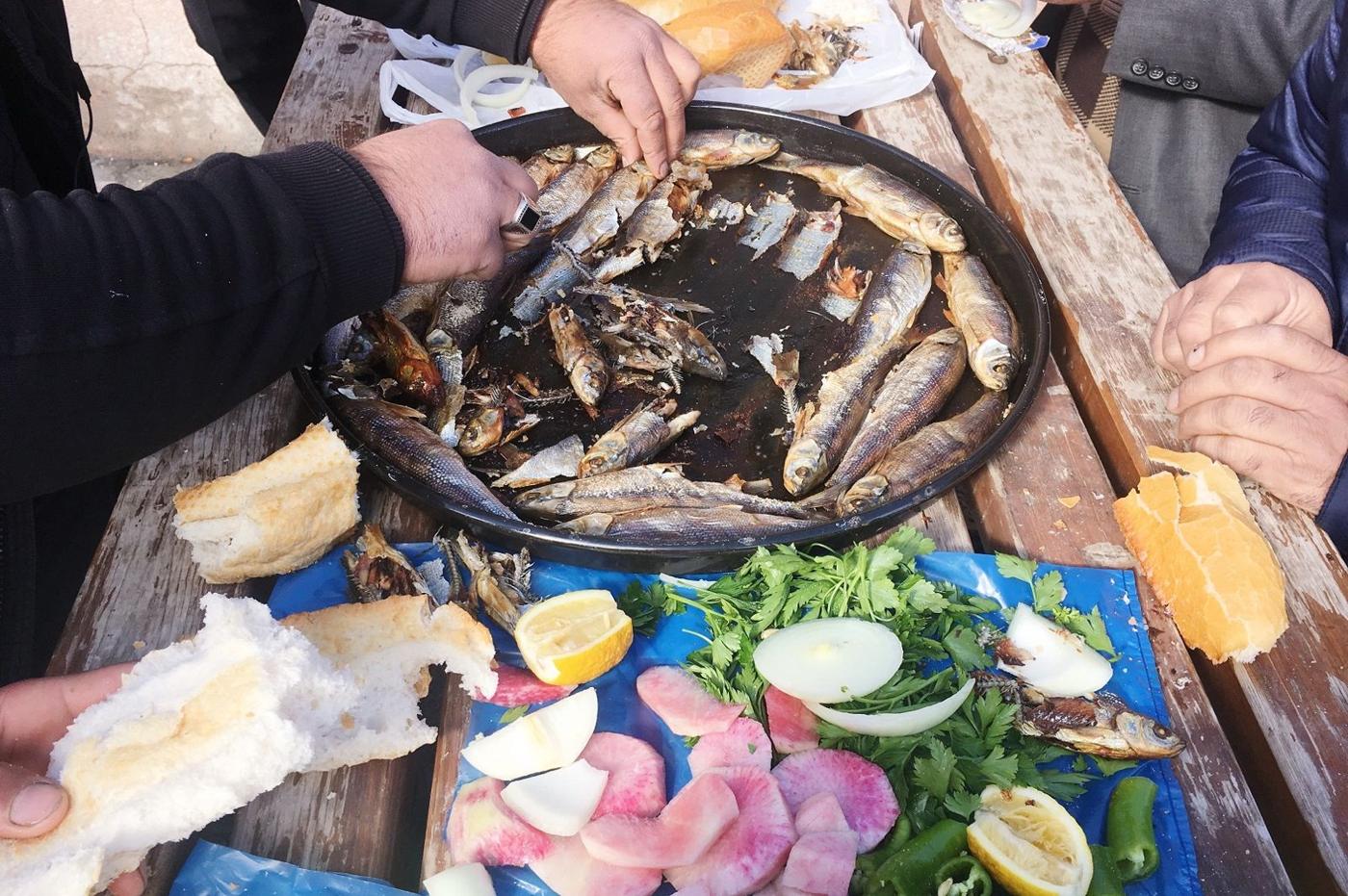
Coming from Tatvan, we got off in front of Akdamar Pier. We were met by the fishermen who go to Akdamar Island. They'd caught pearl mullet from the boat going to Akdamar Island and put it in the oven. As if they'd been waiting for us, what a treat and what hospitality! The taste of these fish, freshly caught from Lake Van, is wonderful! You can get them fresh too. The people of Van know it anyway, ready and waiting.. 😋
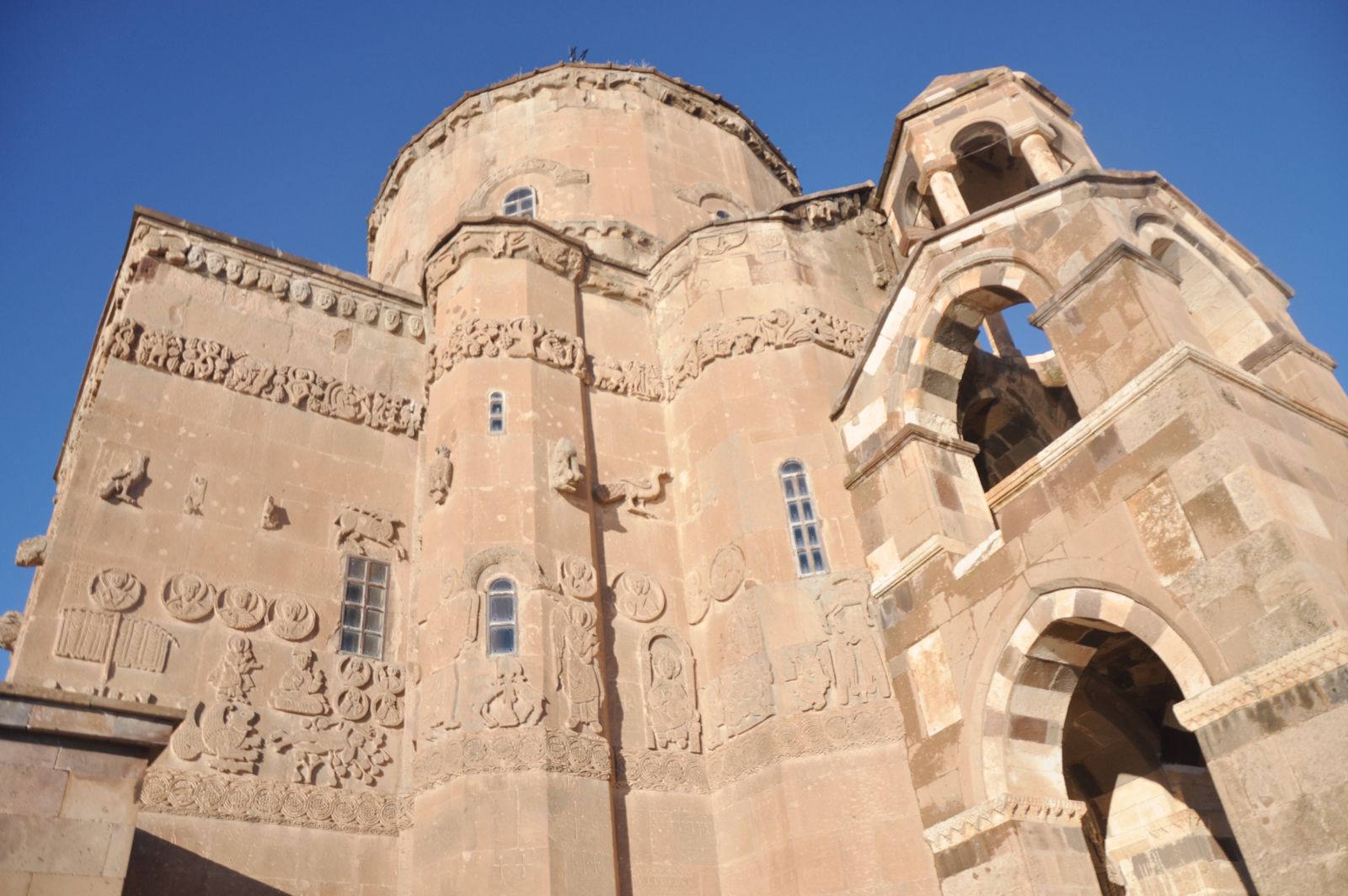
Now let's start telling you a bit about the island and the church. The ruined church of Akdamar Island, breathtaking with the beauty around it, represents one of the greatest examples of Armenian architecture.
History
The church is the only remaining building of the Aghtamar Palace, built by the architect Bishop Manuel between AD 915 and AD 921. Built in the time of the Armenian King Gagik Ardzrouni of the Vaspurakan Dynasty, the complex originally included streets, gardens, a palace and terraced parks surrounding the church. Built with a cross-shaped plan and a conical roof inside, the building is made of red tuff stone brought to the island from distant quarries. Back then, carrying this much stone by boat was an event worth applause in itself. 👏
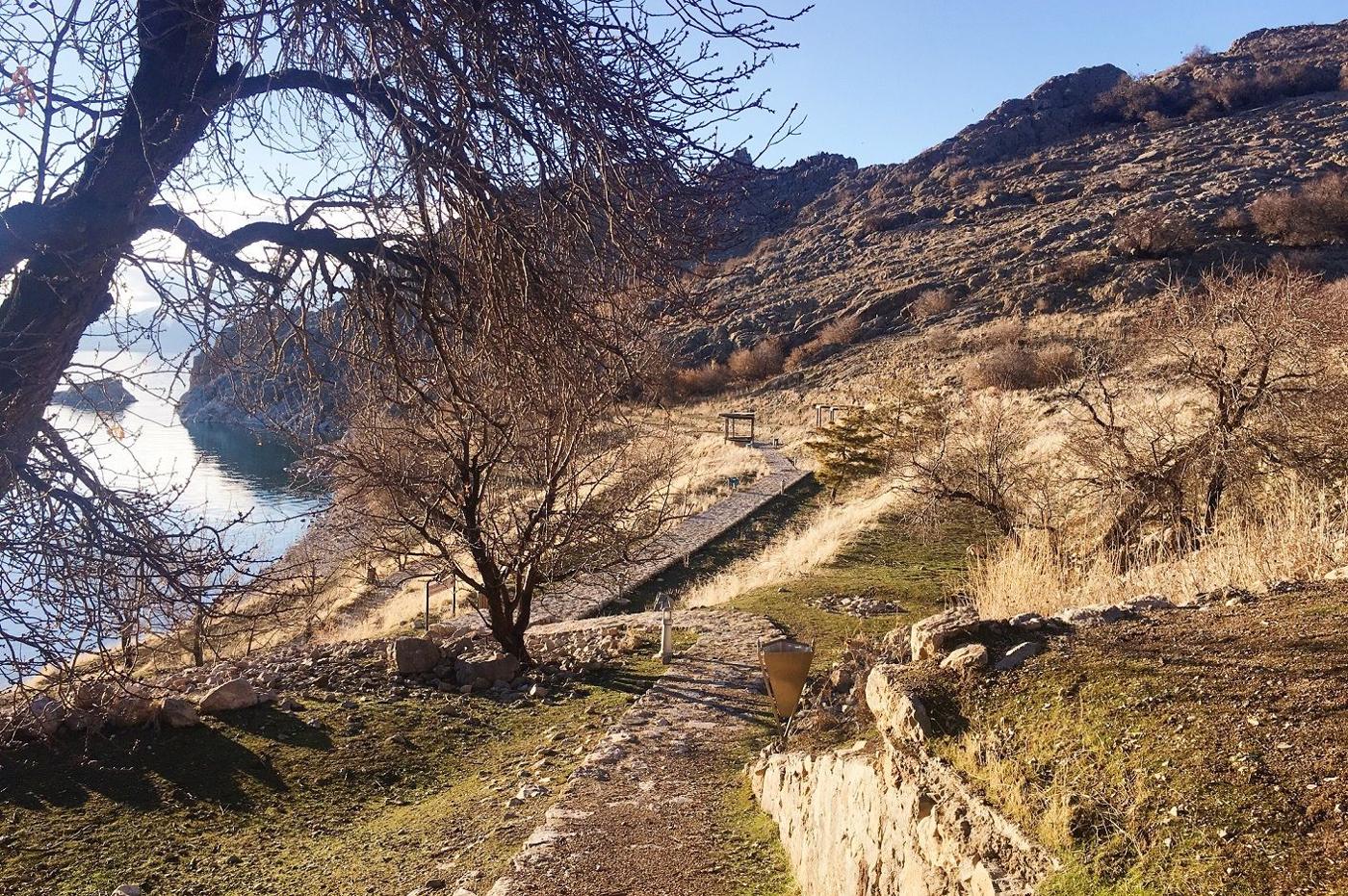
A The church's outer walls have very beautiful but quite worn stone reliefs by Armenian masters. These reliefs depict, alongside Adam, Eve, Abraham, David, Goliath and Jesus from the Bible, worldly themes such as life at the palace, hunting scenes, and human and animal figures. An extraordinary vine decoration carved in high relief and adorned with animals encircles the outside of the church. The treatment of these themes shows the influence of 9th- and 10th-century Abbasid art, which was influenced by Central Asian Turkish Art. Inside, the church walls are decorated with frescoes showing religious themes, but many of these beautiful paintings are damaged.
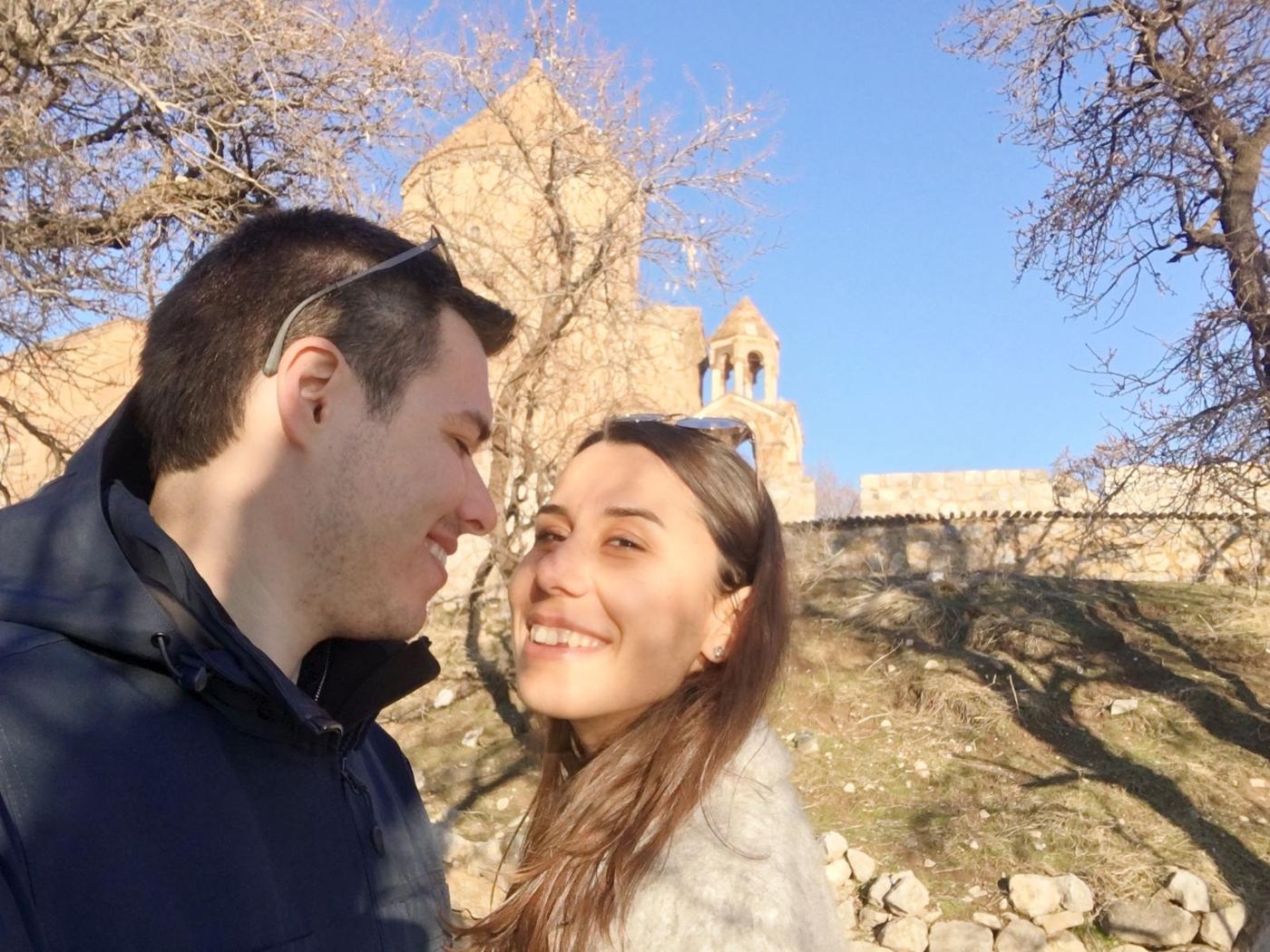
Akdamar Island and Church
There are various legends about where the island got its name. The one that caught our attention most was this:
A handsome young nobleman in love with a beautiful girl named Tamar used to visit the island every night to see her. On a stormy night, the young man, wanting to go to the island again, capsized his boat. The last words from the mouth of the young man struggling with the waves were "Ach Tamar". Tamar, waiting for her love, was devastated when she heard of his death, and she too died of her grief. Since then the island has been called "Ach Tamar" (Aght'amar). Although we visited the island in February, we were met by spring-like weather. On sunny days the island is a different pleasure. Birdsong and silence: you feel alive.
Another unusual thing we learned: in Ottoman times, to repair churches that had been destroyed or damaged, permission had to be obtained from the Ottomans. But in the 19th century, as the Ottomans lost power, non-Muslims began to demolish such churches and rebuild them without informing the Ottomans. And when rebuilding, they started making them many times bigger than before. That was apparently the reason magnificent buildings rose in the Tulip Era.
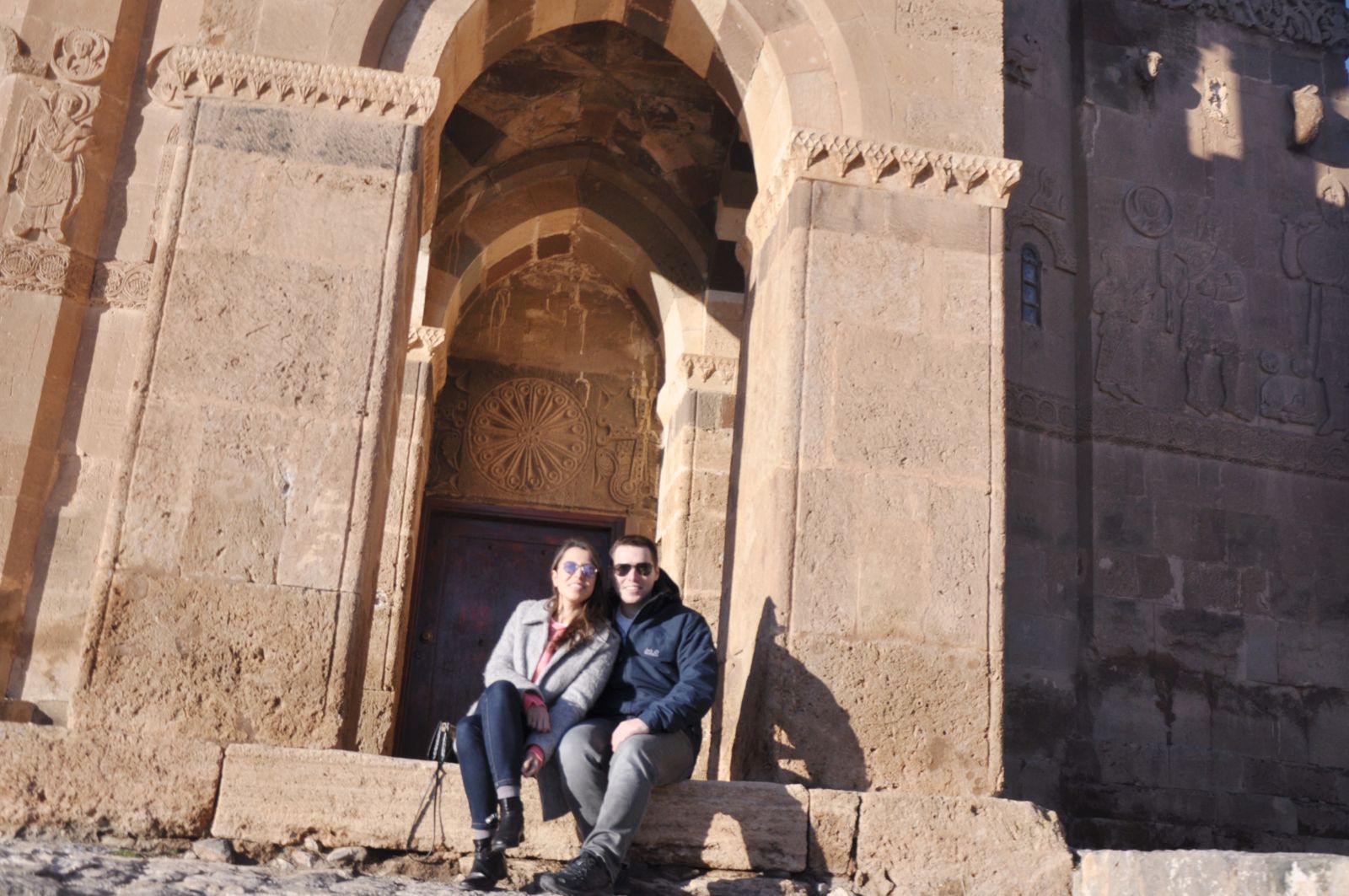
Note 1: Crossing to the island by boat is 15₺, but they want at least 16 people. So we waited a while and finally set off for the island. The motorboat ride takes 20 minutes. When we reached the island we were amazed by the view. Of course our first goal was to visit the church; if you don't have a museum card, entry is 10 ₺.
Note 2: The church and monument, open every day of the week, can be visited between 08.00 - 17.00 in winter and 09.00 - 19.00 in summer.
🚤Getting there: Tatvan – Van is 135 kilometres, and it took 1 hour 30 minutes with the crazy dolmuşes. We wanted to visit Akdamar Island before going to Van. We got off the dolmuş in front of Akdamar Pier. To get from Tatvan to Akdamar Pier you pay the dolmuş 15₺.
Muradiye Waterfall
Besides historical richness, the places to visit in Van include natural beauties like Muradiye Waterfall. On the way to Muradiye Waterfall, both the Lake Van view and snowy mountain views will give you a visual feast.
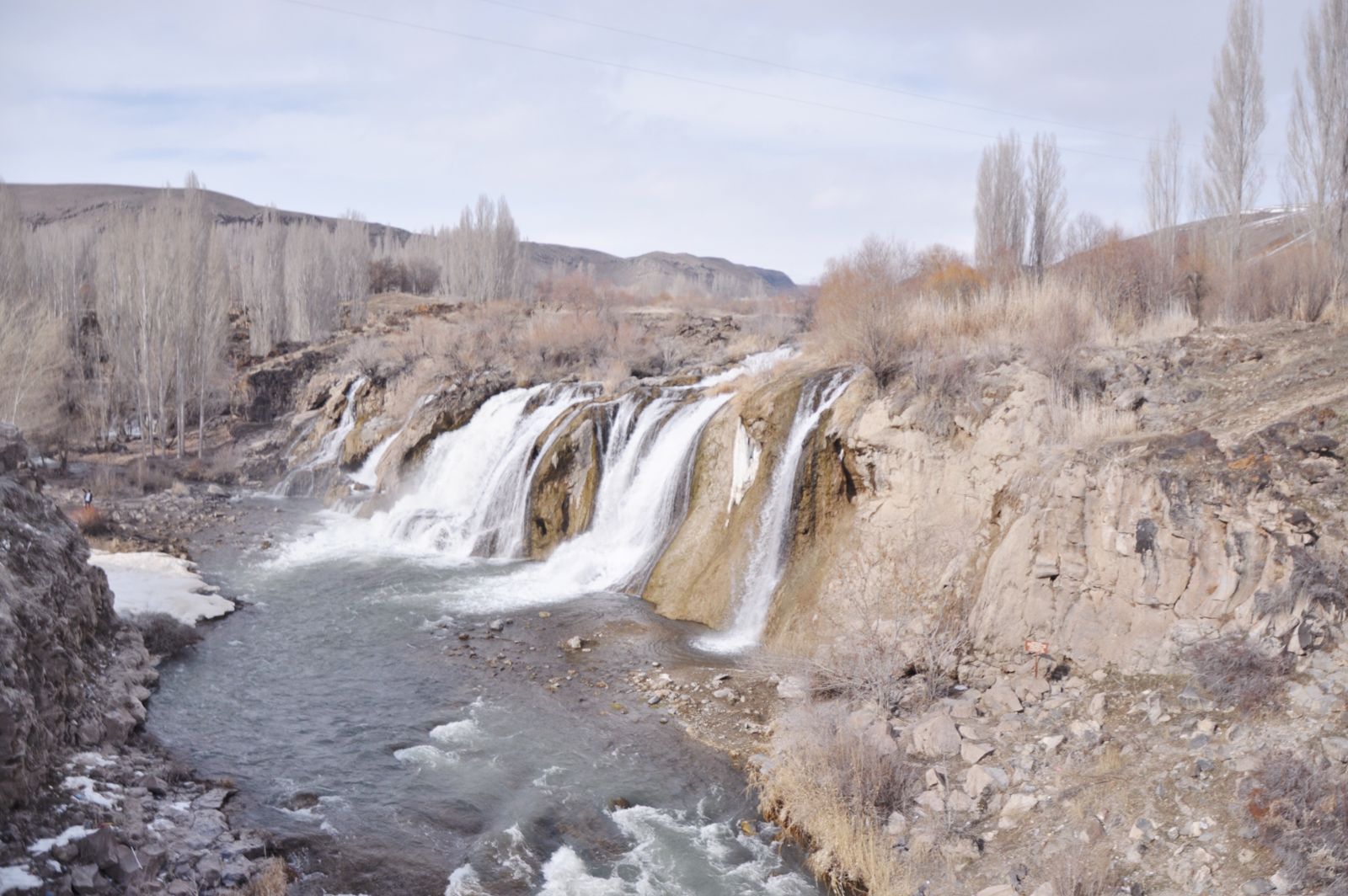
Since there wasn't a normal winter anywhere in Turkey this year, when we went, never mind the waterfall freezing, there wasn't even snow around. For those going in the spring months, it'll no doubt be a refreshing setting.
🚗Getting there: The waterfall, 80 kilometres from central Van, is on the Van – Doğubayazıt road. You can get there in about 1 hour.
Devil's Bridge
When we got up close, the tiny bridge left us with a huge disappointment. Whether you should go or not is up to you. We weren't very satisfied with the view we found.
The bridge, sitting over a kind of cliff, is 16 metres long and positioned about 20 metres high. Its width is about 3 metres, so 1 vehicle can pass comfortably.
The reason it's called Devil's Bridge is that on the way back from a wedding, the wedding convoy fell into the canyon while crossing this bridge, and sadly everyone died.. After this event the bridge started to be known by this name. The Bend-i Mahi Stream flows under the bridge. If the weather is good, you can catch lovely shots.
🚗Getting there: The bridge, 75 kilometres from central Van, is on the Van – Doğubayazıt road. You can get there in about 1 hour. If you've set off from Van, you can visit this bridge 5 kilometres before Muradiye Waterfall.
Van Cat House
Isn't the Van Cat one of the first things that comes to mind when you say Van?! The Van Cat House, set up in Van to preserve the bloodlines of these cute cats, is of course one of the places you should visit. Inside, the rooms for the females and the rooms for the males are separate. In the middle there's an exhibition area open to all visitors where they can all meet. They can come here when the tunnels under their rooms are opened. Even I, who can't really love animals, felt like petting cats here! 😊
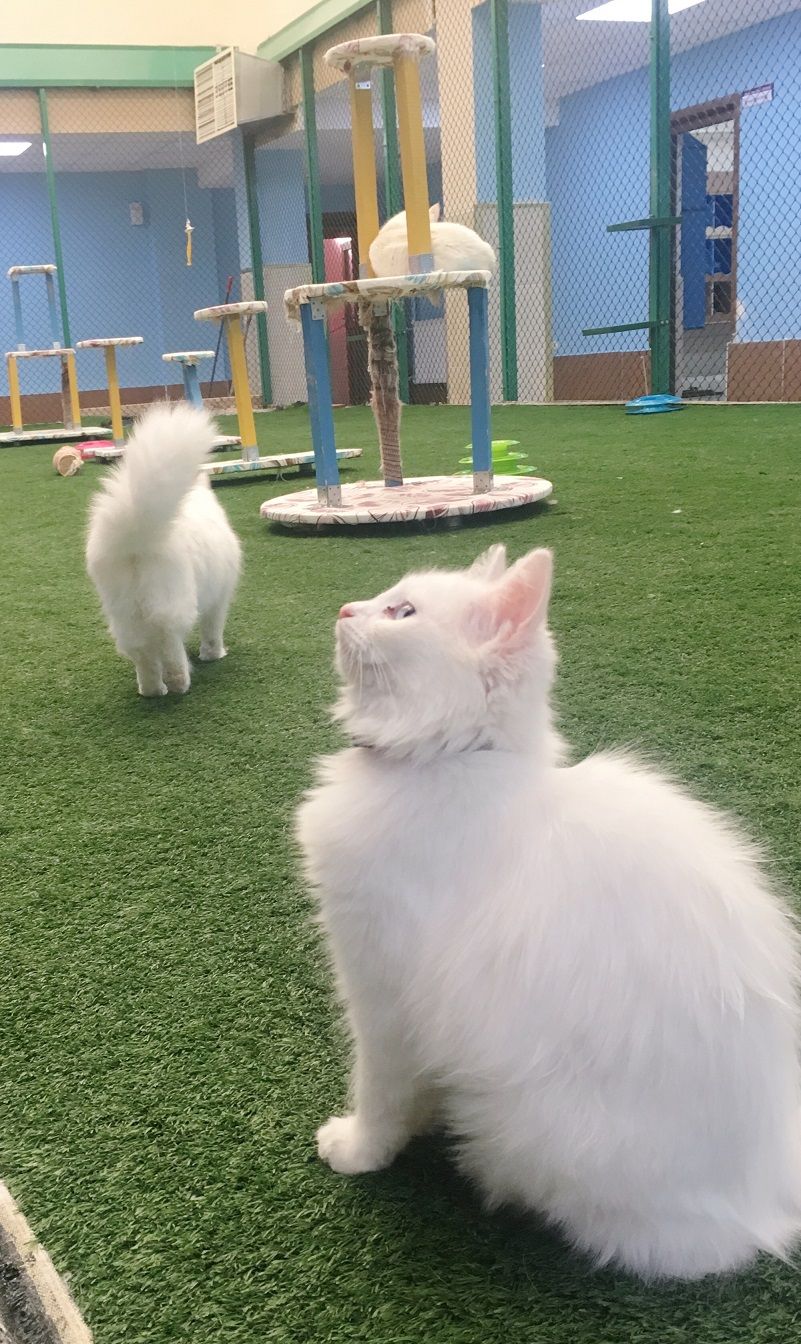
VNote: The cat house, open every day of the week, can be visited between 09.00 - 17.00. Entry is 1.5₺.
🚗Getting there: If you're coming from the Doğubayazıt road like us, it's on the right before you reach Van city centre. If you're in Van city centre, you can visit by taking the blue dolmuşes to the university.
Van Breakfast - Bak Hele Bak Yusuf
On our Akdamar Island visit we met an auntie from Van. She insisted, "Go to Bak Hele Bak Yusuf Konak." So instead of Sütçü Fevzi, we chose this place. Don't mind that she said konak (mansion); it's actually a huge place with the air of a kebab house. I think this wasn't the Van breakfast we expected, or since we're used to Aegean breakfasts those feel better to us; breakfast without vegetables and herbs isn't really for us. But kavut is a very different and interesting taste, eaten with honey. The breakfast, which includes local flavours, is 20₺ per person.
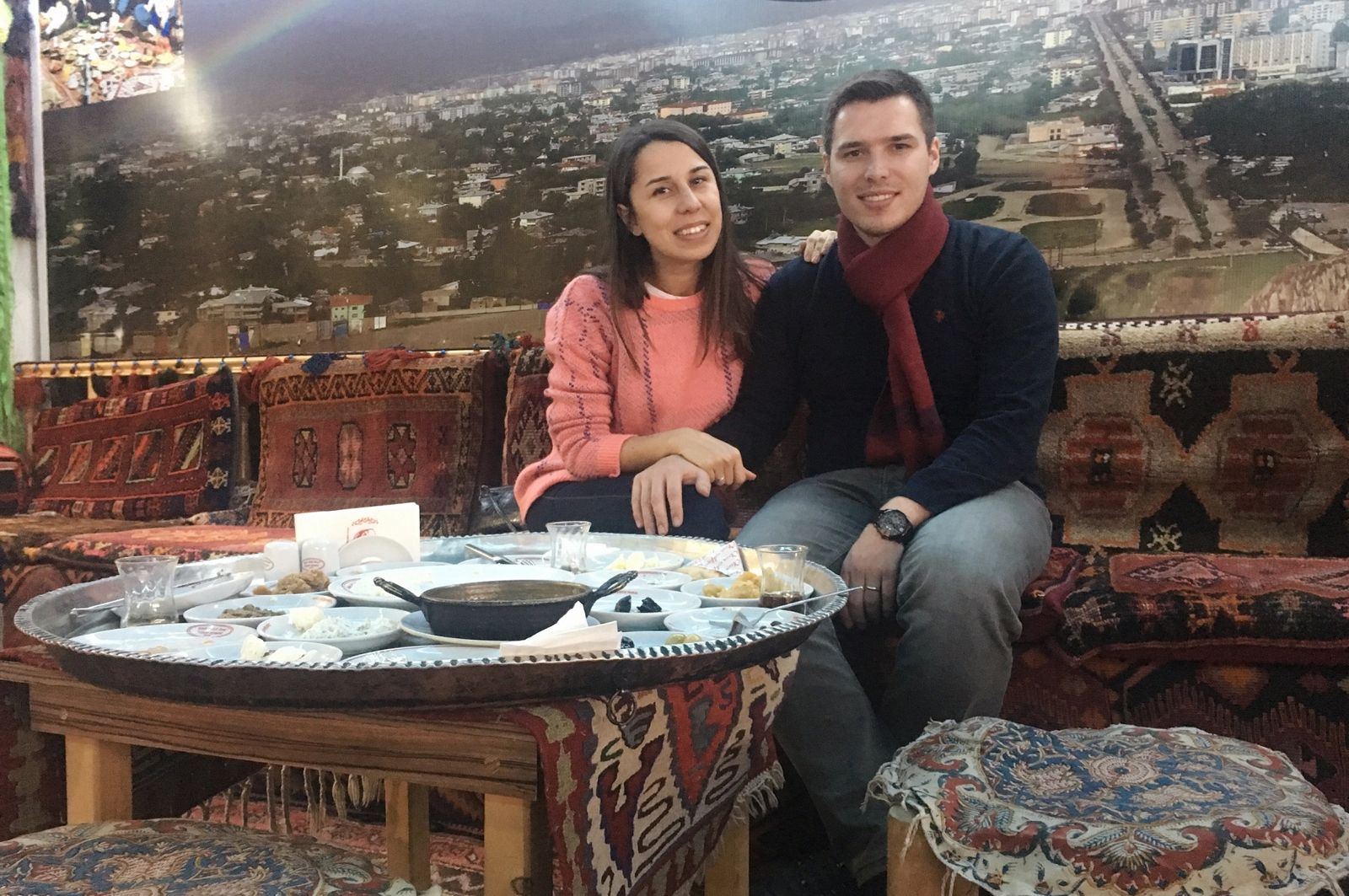
🚗Getting there: If you're in the centre, you can walk to our breakfast place in Van city centre.
Van Castle
Van Castle, which deserves its view of the city, was very impressive for us. From what we've heard, the castle, about 3 kilometres from the city centre, is a wonderful place for a picnic in spring. We happened to be there at sunset, and the colours were a real feast!
After entering the castle, when you reach the summit, the old city appears like Pandora's box. Towards the south face of the rock you'll see an iron gate blocking a long cuneiform inscription. It tells of the high points of King Argishti I. There are several burial chambers, including King Argishti's.
At the castle you see a flat area broken up by the grass-covered foundations of countless buildings. This was the site of the Urartian city of Tushpa, which flourished almost 3000 years ago. But the foundations you see are what's left of the old city of Van, destroyed during the destruction of the First World War. Afterwards you can walk around the base of the rock and explore these ruins.
Only a broken brick minaret remains of the Seljuk Great Mosque. But the Hüsrev Paşa Complex, dating back to 1567, has been restored. If the complex is open, you can go inside to see the fine brick dome and fragmentary murals.
Note: The castle, open every day of the week, can be visited between 08.00 - 17.00 in winter and 09.00 - 19.00 in summer. Entry to the castle is 5₺.
Kaya Çelebi Mosque
Construction of the mosque, located near the city walls in Van's Ortakapı neighbourhood, was started in 1660 by Kaya Çelebi Zade Koçi Bey. But after Koçi Bey was suddenly executed, it was completed by someone else. The mosque consists of a single dome and a 5-part congregation section.
Kaya Çelebi Mosque (1662), near the castle, similarly has a banded minaret, but it's still in use and very likely to be locked outside prayer times. It's one of the main pieces of heritage left to us by the Ottomans.
 0 km
 131 km
 503 km