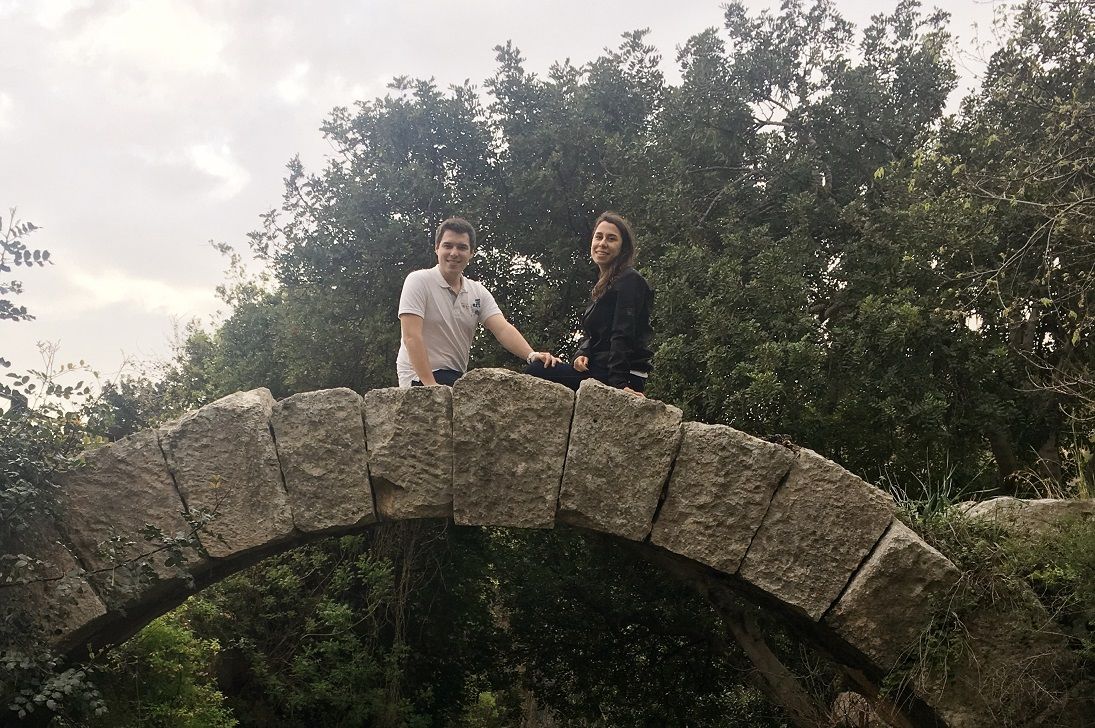
Hatay has such a big heart that the mosque door greets the synagogue, and its door greets the church. Even the doors facing each other are a sign of the embrace of the people of Hatay; it's a beautiful city of ours where all religions live in peace. Hardly anyone hasn't heard of the fame of its food, and we've listed food and drink options from our own discoveries too. Besides these, for those who want to reach into the depths of history, Hatay is a perfect storyteller… Alongside all this unifying power and riot of colour, you'll meet its lush nature and views and say, why didn't we come here sooner? Let's begin.. ☺
Hatay Hasbahçe Village Breakfast
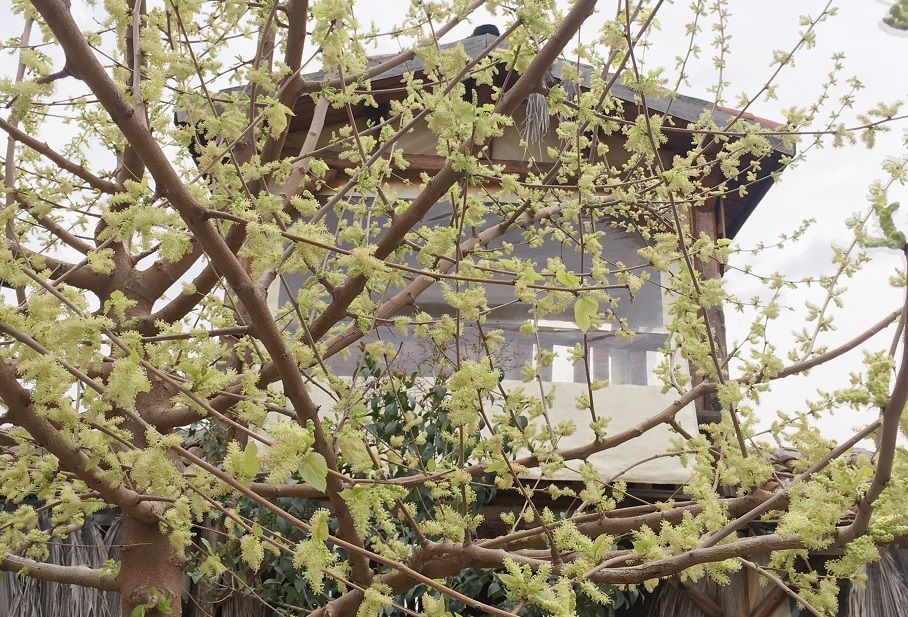
On the way from Hatay Airport to the city centre, it's a pleasant road through olive groves that fills you up on green. On the Karlısu road, a place set among all kinds of flowers and trees. In the garden there's a pony, geese, chickens and goats. A children's playground has been thought of too, and there's a stand where you can buy local products.
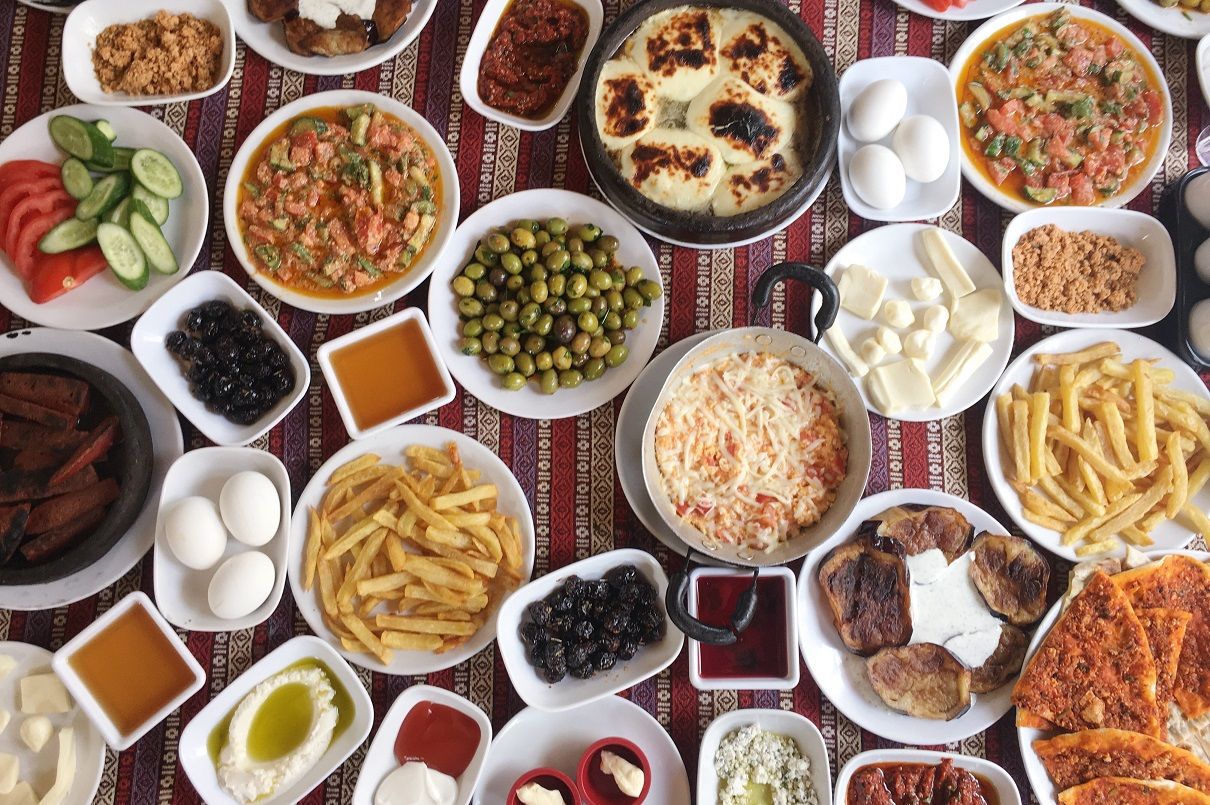
Breakfast is served in wooden arbours in the country garden. They seat you at a floor table similar to Yörük breakfasts, and a full 18 kinds of breakfast items came on 3 trays. 😋 We loved the halhalı olives, and the salty yoghurt too! What else is in this magnificent breakfast? Sürk, or küflü çökelek, a cheese they also use in many breakfast items, a çökelek salad made with this cheese, katıklı or pepper breads, fried eggs.. Fresh and natural products.. We paid 25₺ per person, and hot items like sucuk and menemen can be added at very reasonable prices, 7₺. But be careful not to overdo the eating in the fresh air; as you know, a Hatay gourmet tour has lots of food, so you should leave room for tasting! 😀
Vakıflı Village
To make the most of our 2 days quickly and effectively, we turn our route to the farthest points of our plan. The road to Samandağ is very pleasant..
After 45 minutes we reach our first stop, Vakıflı, which remains the only Armenian village in Turkey, outside the borders of Armenia. The smell after a sweet rain welcomes us. Spring has come here!
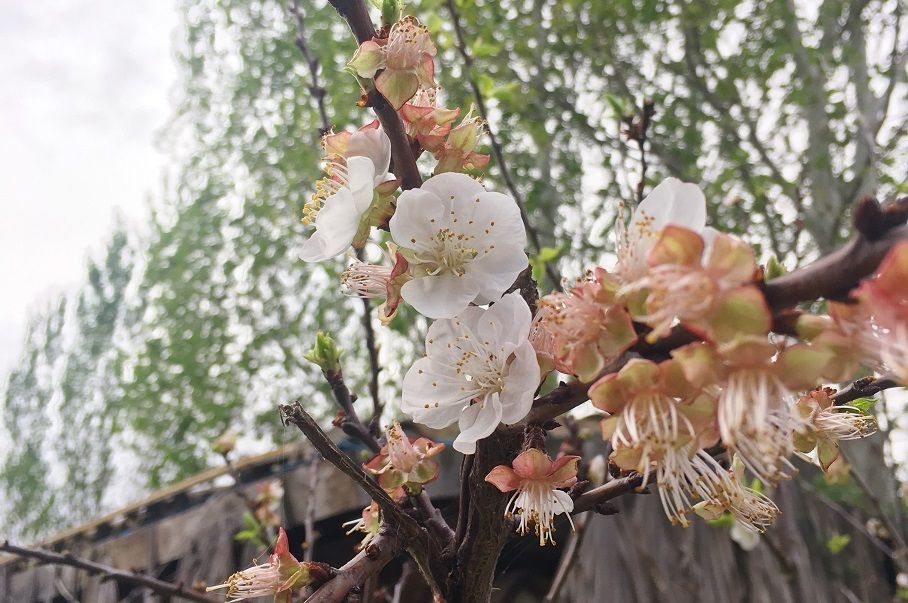
You can buy jams, liqueurs and handicraft products prepared by 25 women from Vakıflı village as part of the project "Flavours from History Come Alive by Women's Hands", supported by the Ministry of Development's Social Support Project (SODES) and the Governorship of Hatay.
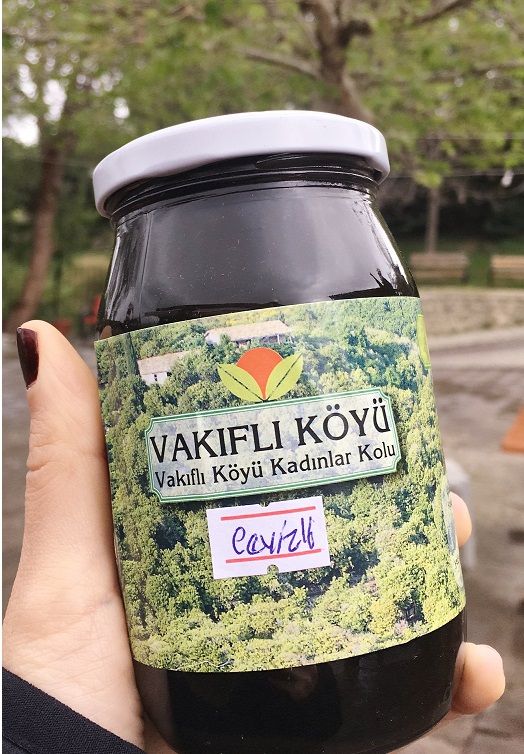
Also here, next to the church, there's the restored Vakıfköy Patriarch Mesrob II Cultural Centre and a spotless guesthouse. With a lovely view and fresh air, this alternative holiday option is worth considering too.
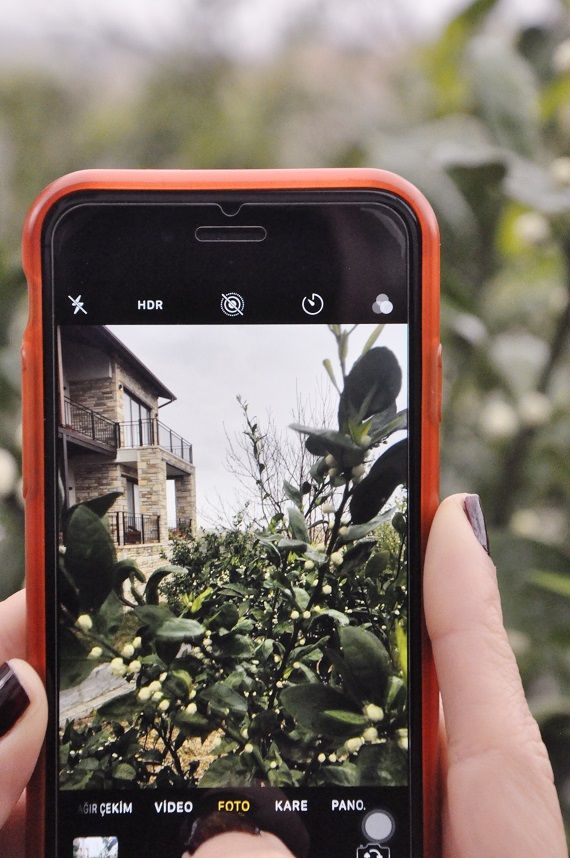
Hıdırbey Village
After a walk in Vakıflı Village and a 10-minute drive, we reached Hıdırbey. We parked in the area at the village entrance and started walking, and what a lovely smell! The orange blossom festival associated with Adana has come here too! The May oranges on the right and left of the road greet you with such a lovely smell...
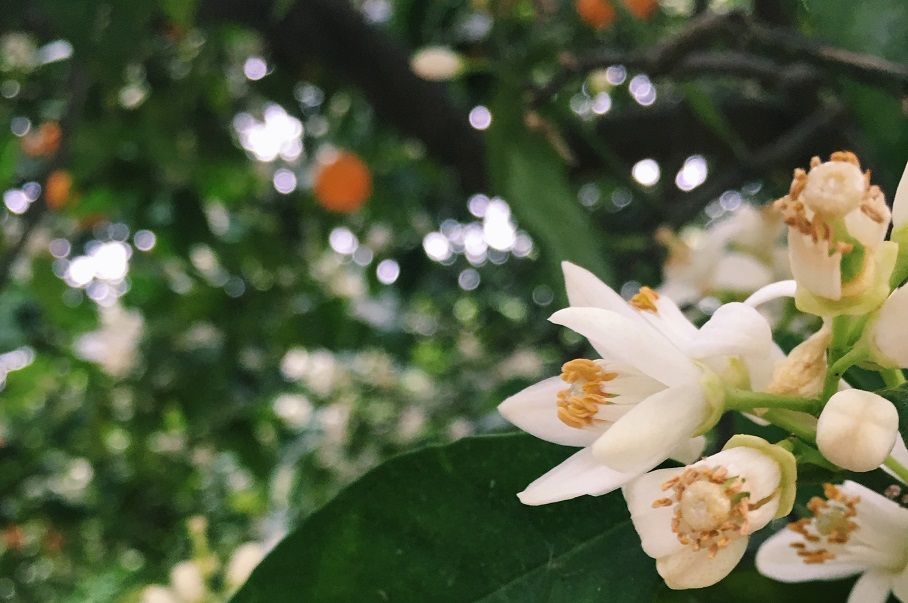
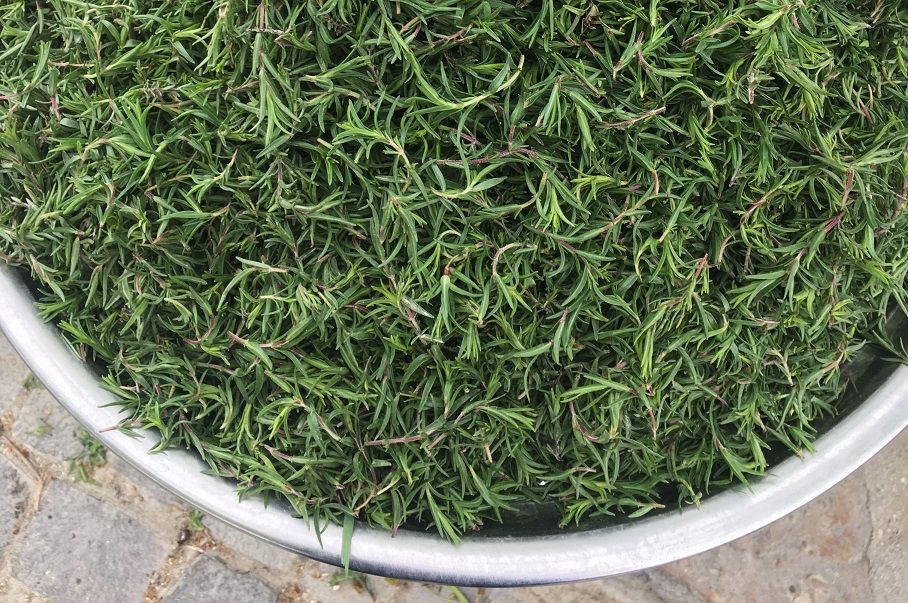
We've come just in time, and we say let's get lost here. Right next to the path of orange trees, the river running alongside ends with a mini waterfall. Along the way there's also a market where the villagers of Hıdırbey sell local products. We buy lovely fresh mountain thyme and sumac and walk on.
The legend goes that on a mountain journey with Khidr, Moses thrust his staff into the ground and drank water from the spring. The staff turns into this magnificent tree, now brought into tourism, and the water has flowed ever since... The tree is protected in Hıdırbey; we think the area, restored about 10 years ago, has been a real gain. The village aunties bake katıklı bread and gözleme.
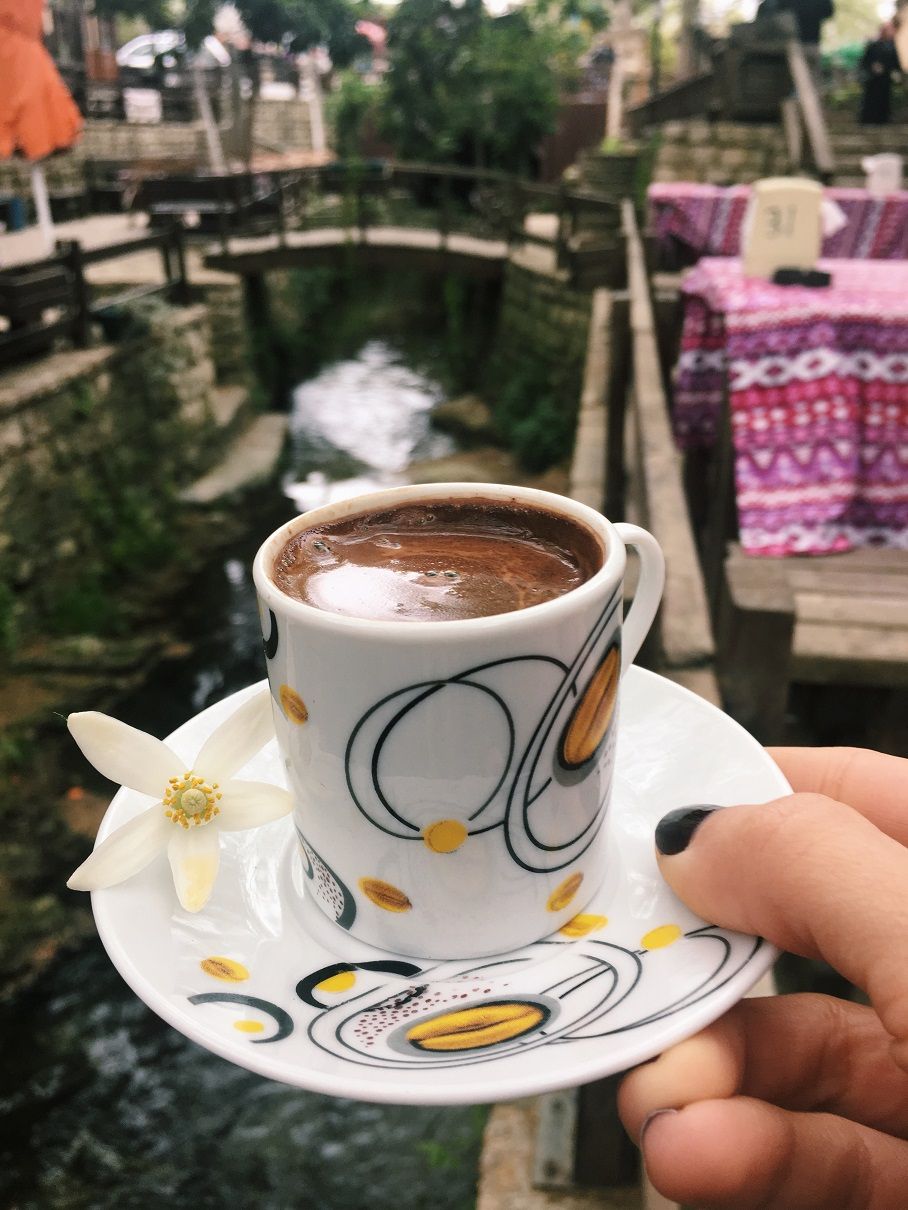
As we sip our coffees by the river, it's impossible not to see the effect of spring. If only we could send you the lovely smell too. We suggest seeing this lovely area set up right beside the orange trees, especially if it's late March or early April..
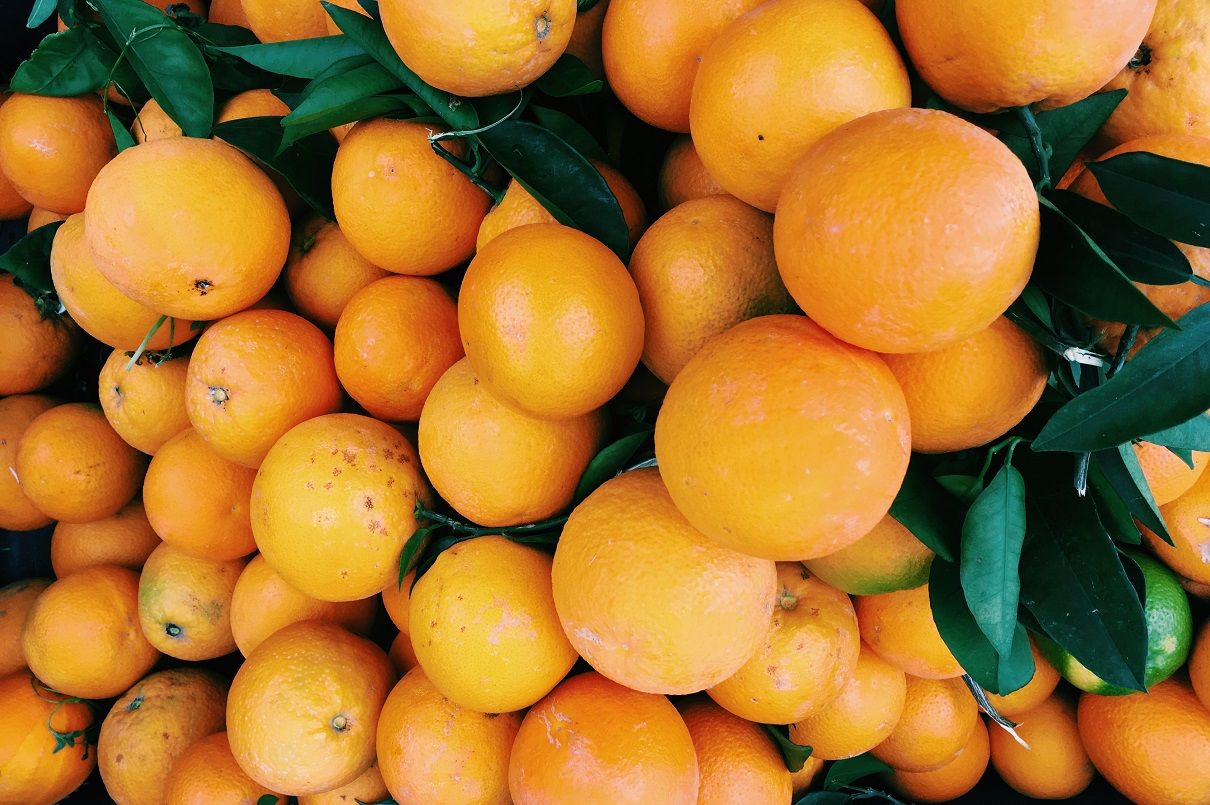
Doric Temple, Çevlik
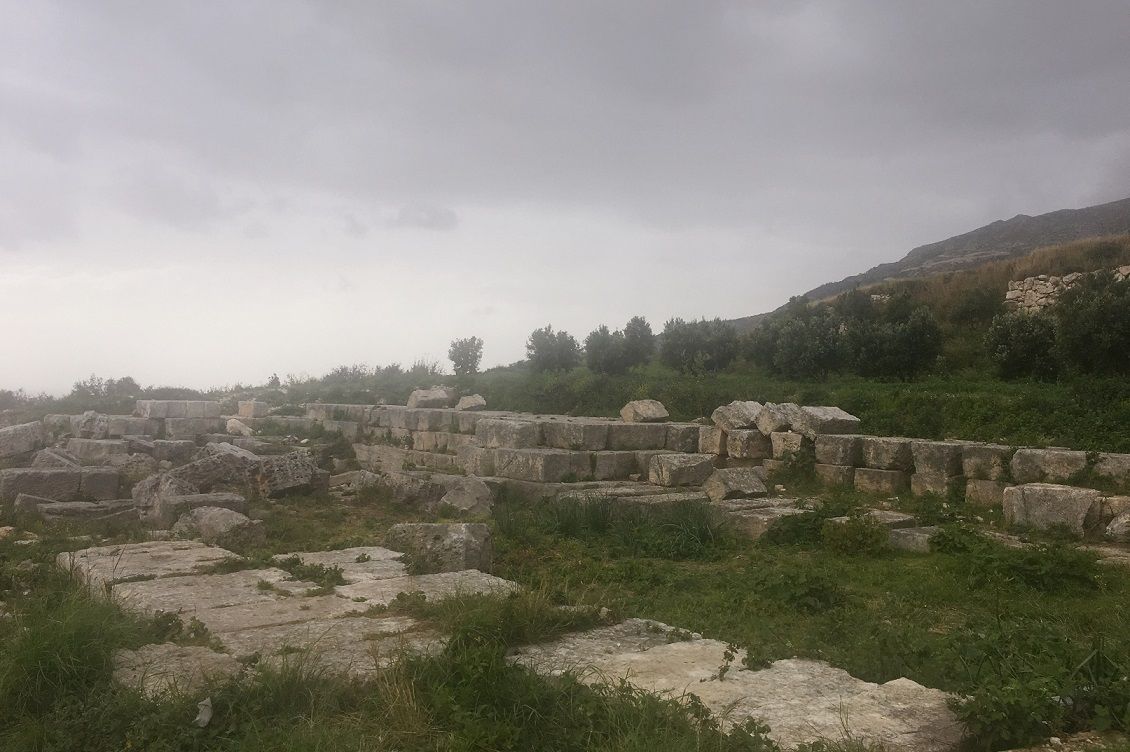
A work made entirely of white marble, reminiscent of Stonehenge in England, it has a wonderful view facing the sea. In its time it was a temple built as a royal temple overlooking the whole city; we visited the area where its ruins are. If the weather had been a bit nicer, we'd have had nothing to complain about. From here we head on to the Ancient City of Seleucia Pieria, also on the way... In the background of the view, Samandağ beach and the Amik plain, with incredibly fertile land harvested three times a year.
Titus Tunnel, Beşikli Cave, Rock Tombs and Nature Walking Trail, Samandağ
In 2016 the Ancient City of Seleucia Pieria was arranged and brought into tourism by the Samandağ District Governorship, with contributions from the Eastern Mediterranean Development Agency (DOĞAKA) and Samandağ Municipality.
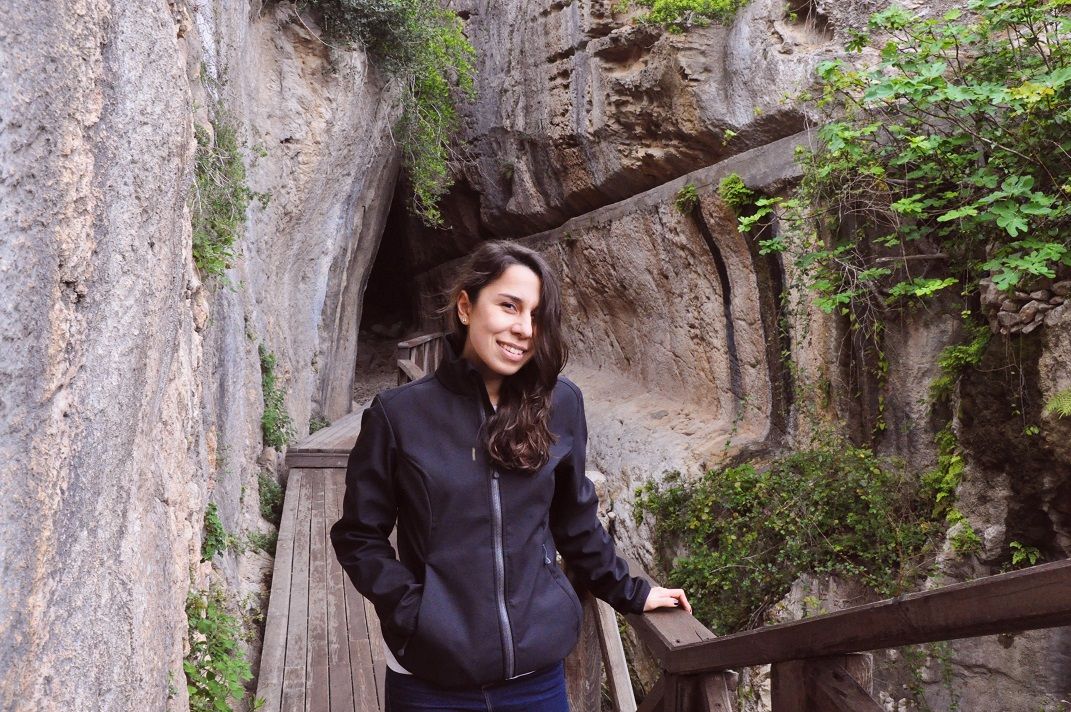
The plots are still private property, and the villagers sell their produce at stalls they've set up along the path on their own plots, and graze their goats. A perfect walking route waiting for you to explore. Recalling the story of Daphne, we suggest buying some bay laurel oil.
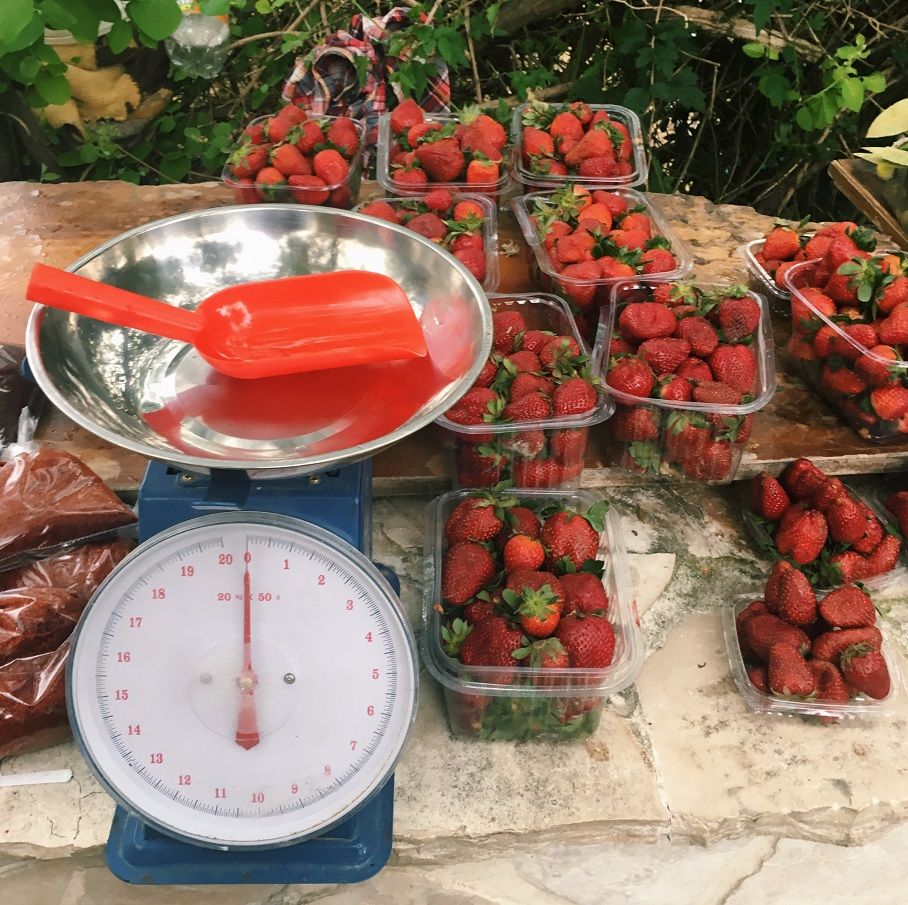
Fresh strawberries 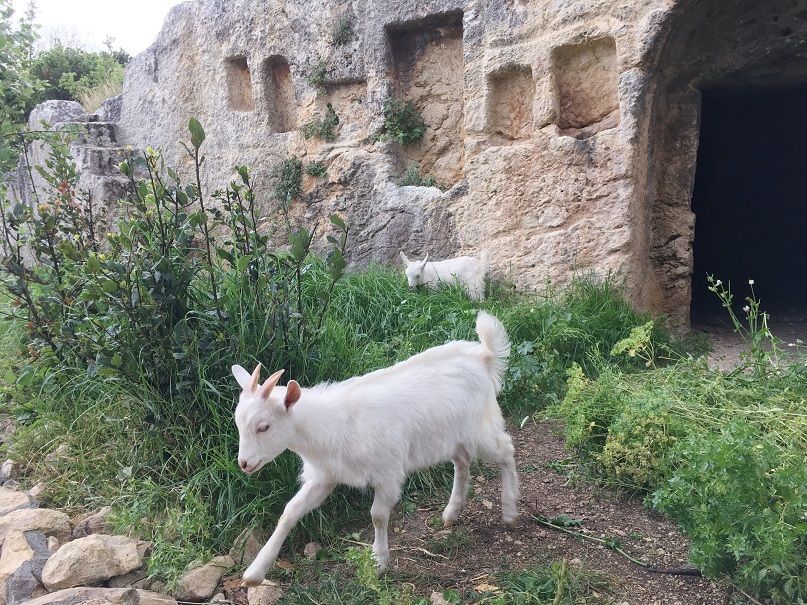
Sweet goats bring the view to life
Beşikli Cave, at the end of the walking trail, is actually a large place with the city's cemeteries and mass burial sites; in archaeology these areas are called necropolises. According to information from excavations in the 1930s, in the area, thought to have been used between the 1st and 6th centuries AD, there are a full 93 burial beds in the limestone. The decorations are ruined, but with the burial beds and the columns still standing it keeps its grandeur and splendour. So why is this place called Beşikli (Cradle) Cave?
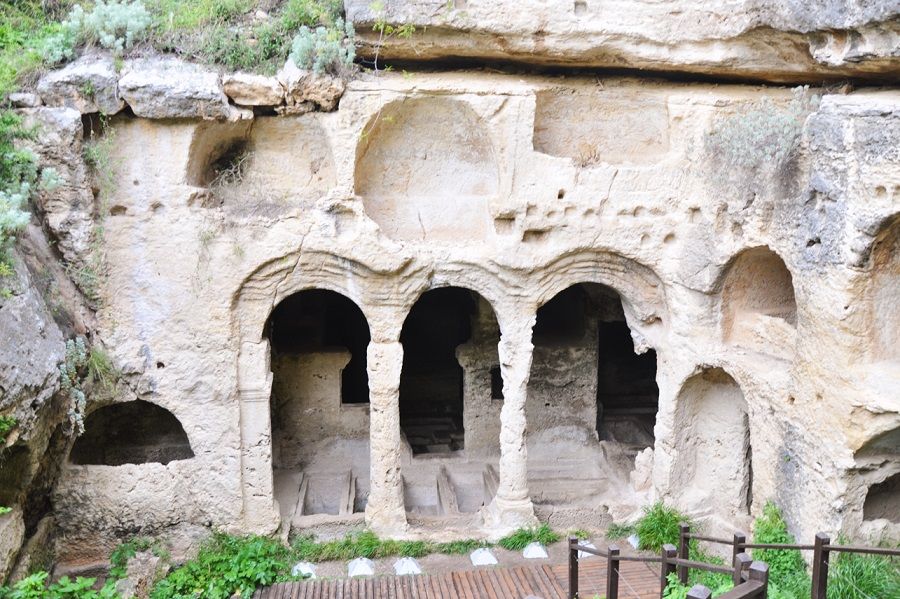
The section, set apart as a closed and private area of its own, is thought to be a family tomb made mostly for the city's leading and noble people. And the local people likened the area, separated by columns, to a cradle. Other names given to this place are the Tomb of Kings or the Rock Tombs.
Now to the Titus Tunnels and their story! This perfect structure impressed us a lot. This huge man-made structure, which took 150 years to build, was made by carving through the mountain as a measure against possible disasters from streams forming and bringing alluvial soil. Thanks to these tunnels, the soil was prevented from being carried away. The engineering marvel, started under the emperorship of Vespasian, was completed in the time of his son Titus, exactly 1380 metres.
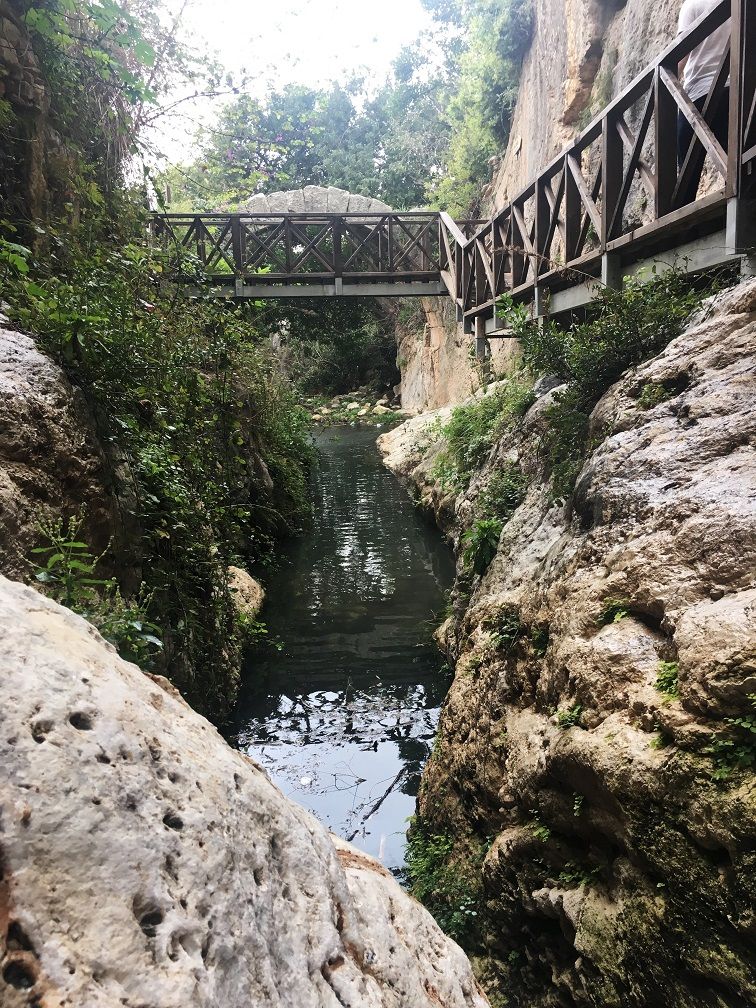
Titus Tunnels 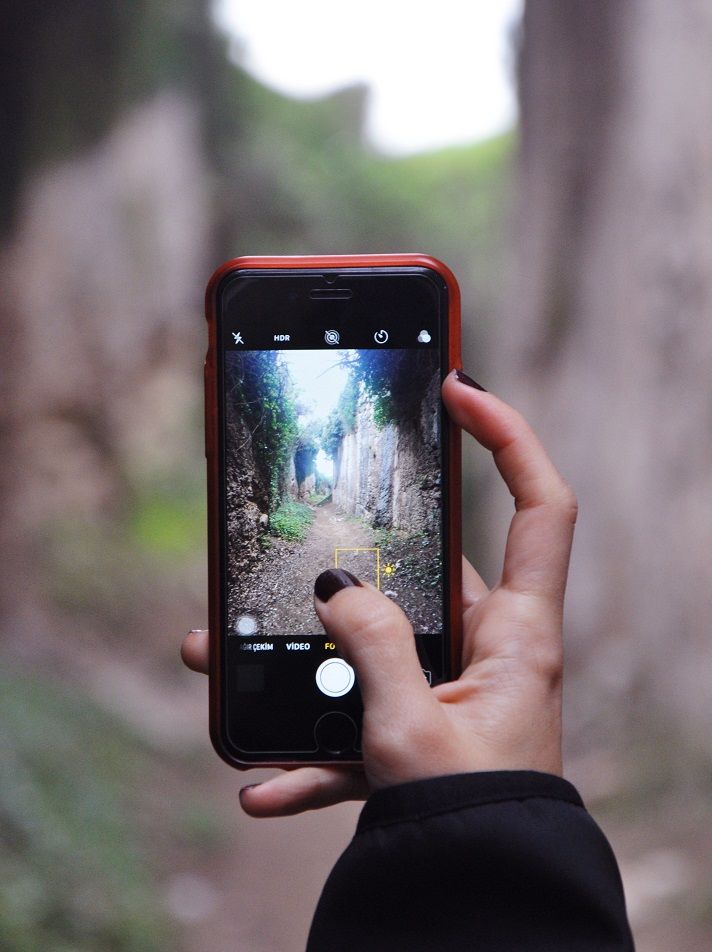
Titus Tunnels
Samandağ Beach, Değirmenbaşı Mah. Samandağ
The beach is 14 km long and Turkey's longest beach. We're truly curious about it in summer!
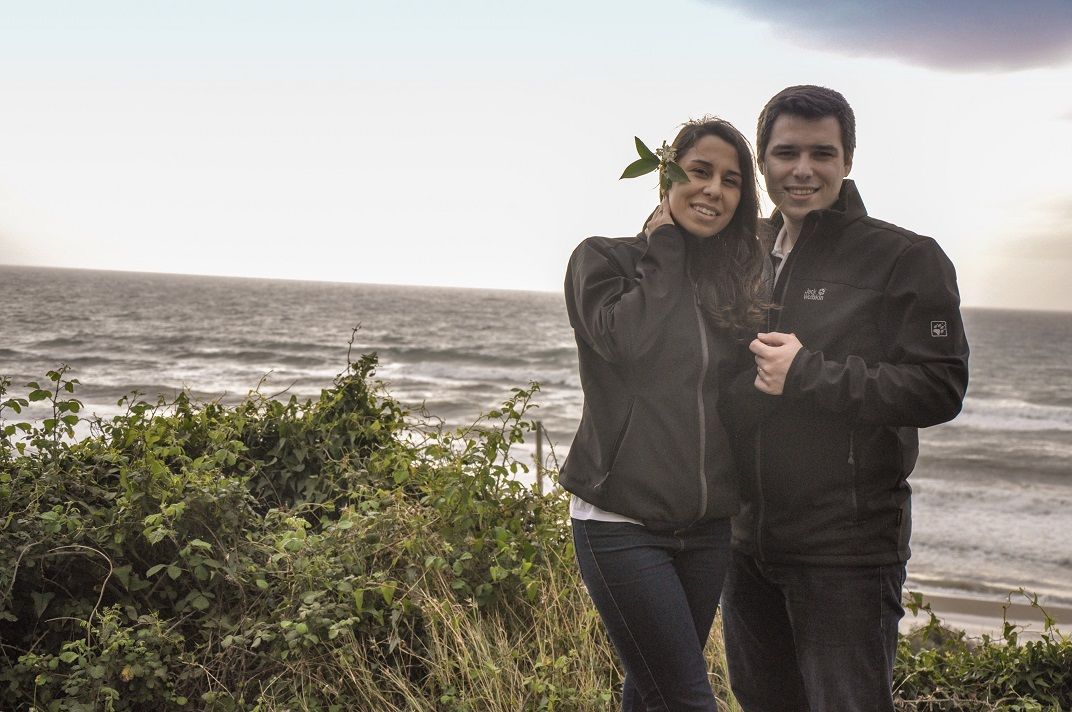
At Samandağ Beach, green sea turtles are protected, and as much as the turtles, the sand on the beach is valuable and protected too... The soil structure, turned into sand by the flow of the Asi river, is in danger of being lost as the Asi's waters decrease..
Harbiye Waterfalls, Değirmenbaşı Mah. Defne
We hit the road quickly to see the Harbiye Waterfalls before sunset. Oh, a downpour hit! As if the sky had burst and become one with the waterfall. We'd wanted to see it before evening fell, but everywhere selling souvenirs on the road down to the waterfall had closed, and the dirt road was naturally covered in mud. Not pushing our luck too much, we watched from a distance for a bit, jumped into our car and returned to the city centre.
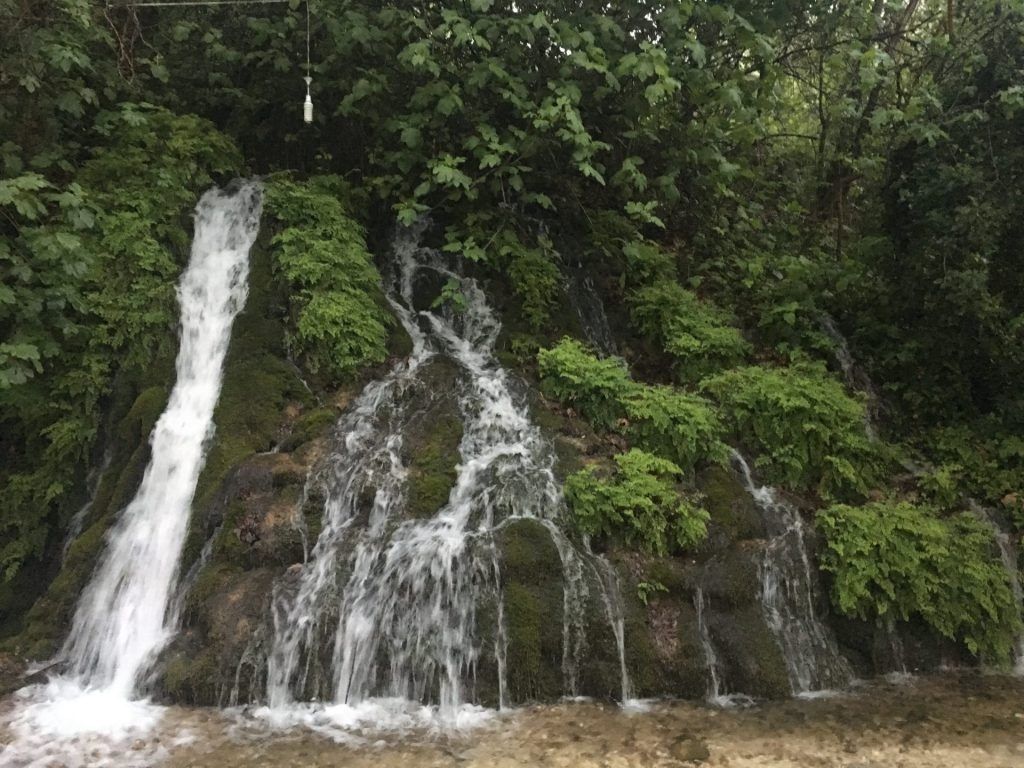
But its story is very moving; if you go, take lovely photos and collect memories for us too! The story everyone knows goes like this: Apollo, son of Zeus and god of light, falls in love with the most beautiful Daphne, whom he sees by the river. And with Eros's arrow, no less! At Daphne, the daughter of Zeus and Hera, Eros had shot his arrow full of hatred. Apollo in love, Daphne flees without even looking back, from Olympus and from Apollo... They crossed the Mediterranean, passed Cyprus and came all the way here. The chase ended right here. Daphne desperately asks Mother Earth for help: "O Mother Earth, hide me, cover me, protect me!". At this wish of Daphne, Mother Earth turned Daphne right there into a sweet-smelling tree. Apollo said at this, "Since you didn't become my beloved, let no one eat your fruit, but let your scent be on everyone's lips!"; and again the story goes that Daphne turned into the sweet-smelling bay laurel tree, and Daphne's tears into the waterfall that has been cascading right here for years. Thousands of trees, birdsong and the waterfall!
St. Simeon Monastery, Değirmenbaşı Mah. Defne
The butchers that caught our eye on the way to the monastery are everywhere in Antakya. The odd part is the big animal displayed in the window 😊 and the butchers being an oven and a restaurant at the same time. The word Pişirim catches the eye, meaning ovens where you can bring the filling of your pide or your güveç ready to be cooked are very common here.
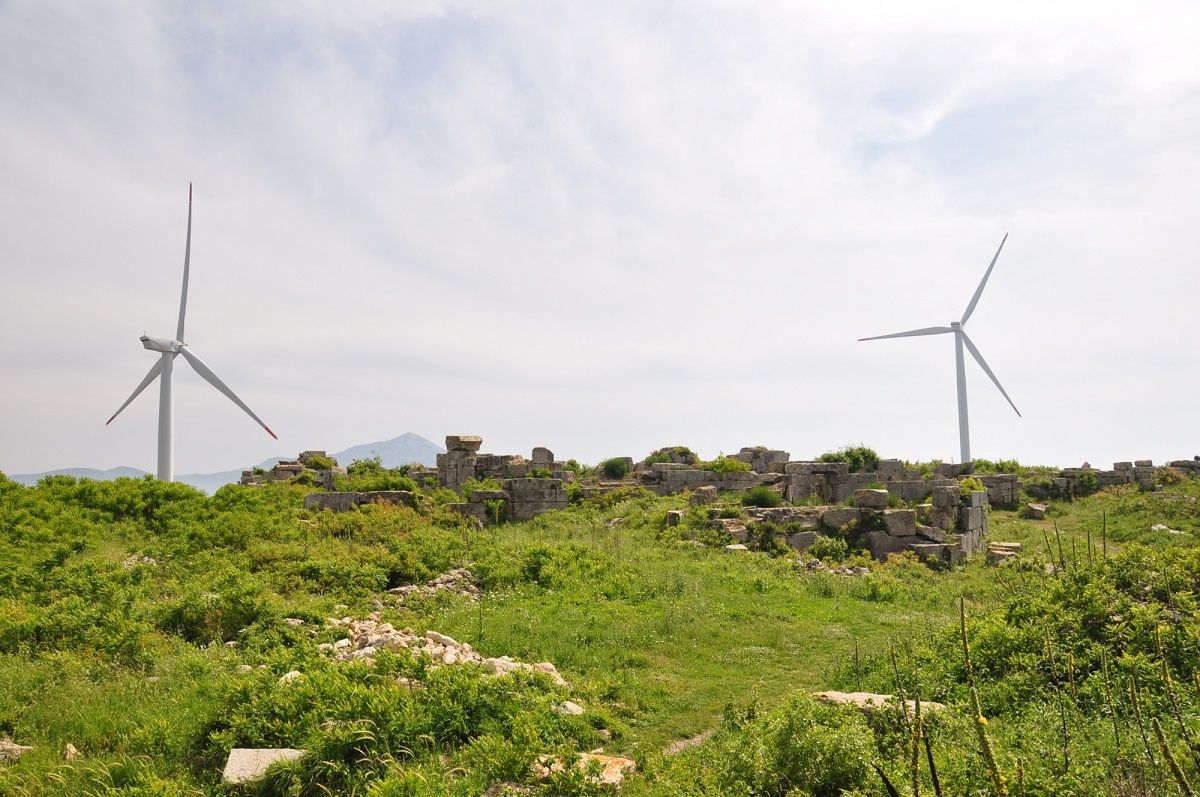
Now to the monastery; it seems to prove once again that Hatay is a centre of tolerance for religions, as we said at the beginning of the post. After the religious education he received from his namesake Simeon, the young Simeon, who started living in Antakya, climbs a mountain near the city, and according to legend chains himself to a rock here. Outside the chain he also draws a circle, and he never steps outside the circle he drew. Sick and troubled Christians who believe in the miracle of his patience and faith come to him to find healing. In the sixth century AD, a monastery is built here in the name of St. Simeon. St. Simeon, retreating into seclusion at the monastery, lives on a stone column 20 metres high for a full 45 days. The area, an early Christian pilgrimage centre of its time, is scattered, ruined and neglected today. But the view is still magnificent; it's history we hope the culture and tourism officials will restore for the area.
At the end of today we suggest a lovely dinner in the old Antakya houses. There are lots of options, but a reservation is a must, especially at the weekend: Konak Restaurant and Avlu Restaurant can accompany long conversations, a wonderful cuisine from mezes to kebabs. For a quick bite, we recommend the famous Hatay-style döner with sauce at Mısırlı Restaurant. You can see the detailed post under the Hatay Gourmet Guide food and drink heading.
 0 km
 146 km
 192 km