Continuing into the second day with places to visit in Antakya.. For those who haven't read the first day, we're leaving the link here.
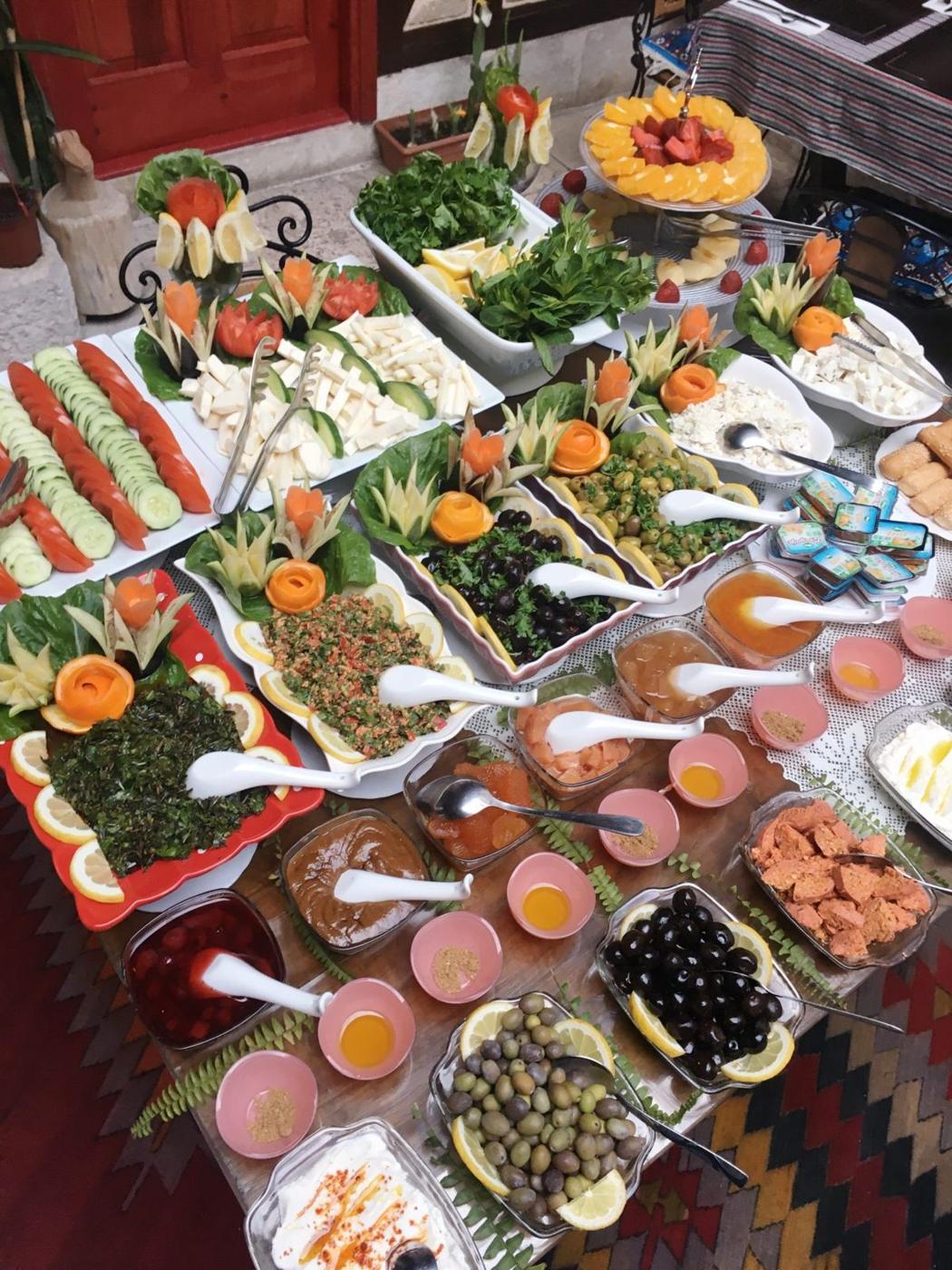
We wake up with the lovely breakfast of our cute, cute hotel, Kavinn.
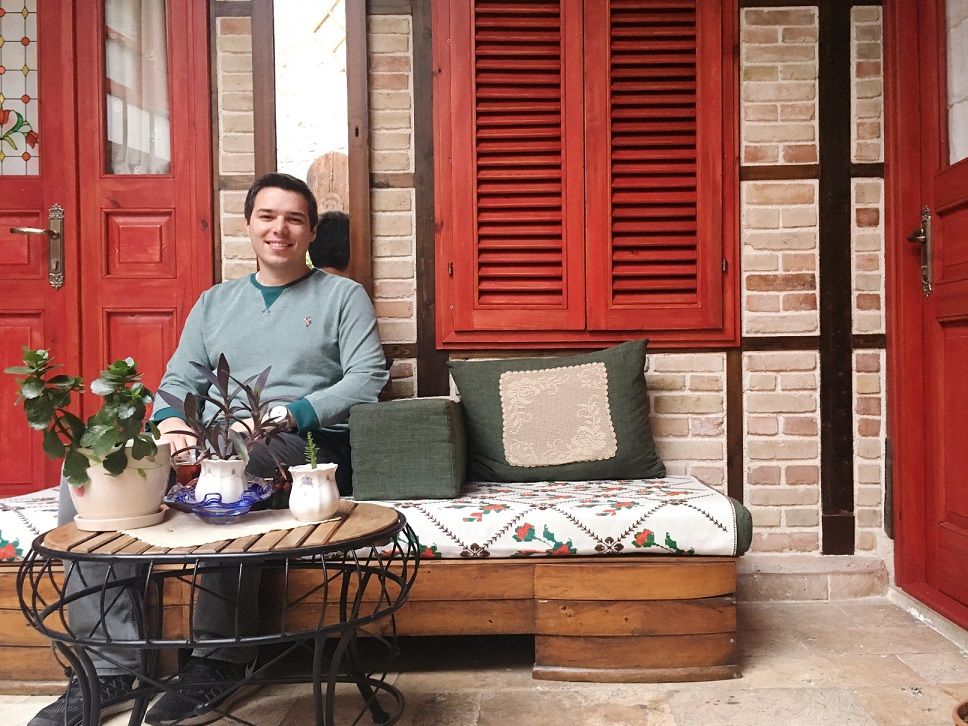
At Kavinn Butik Otel, where the care shows from the decoration to the service, there's the warmth of the people of Hatay/Antakya! Its red doors and tasteful decor added colour to our photos; at the welcome came orange drinks and in the rooms elegant treats like the season's green almonds, and oh, the unforgettable breakfast, adorned with lovely homemade jams and local flavours!
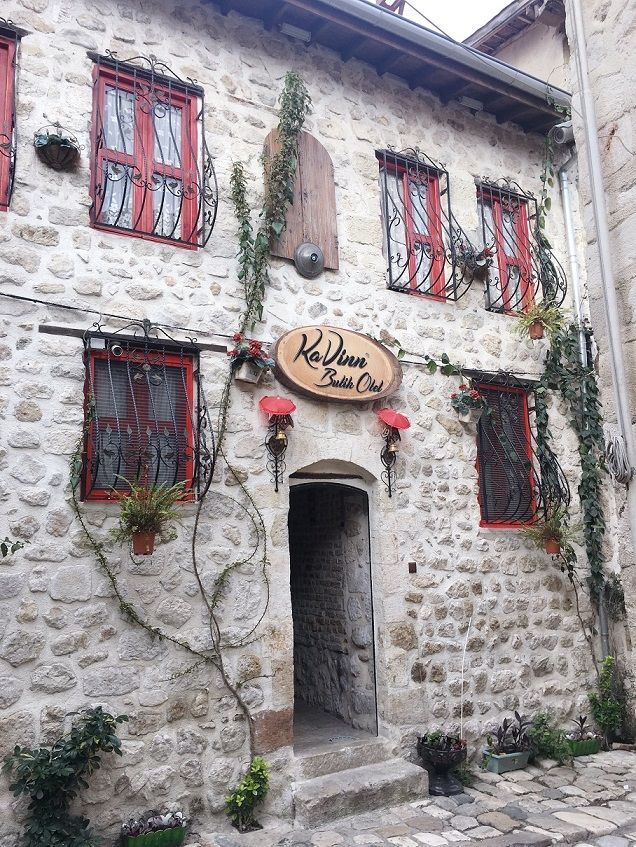
We were very glad that this tiny 9-room mansion was restored and brought into tourism. We congratulate Esra Hanım. Greetings to those who shared the chatty breakfast table in the sunlit courtyard and to the staff☺ Our support for boutique hotels that do their work with joy is endless👍
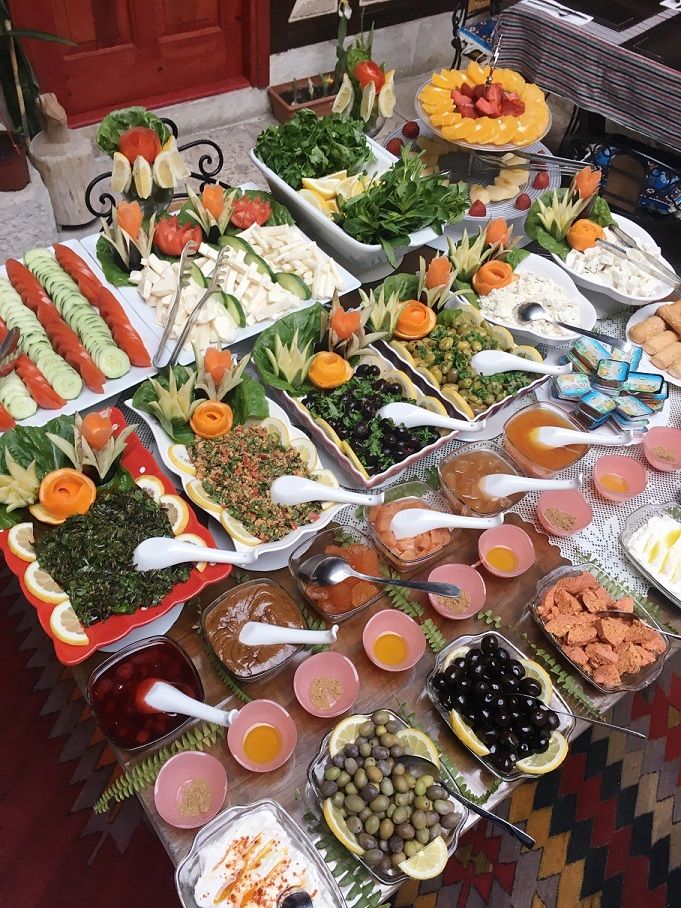
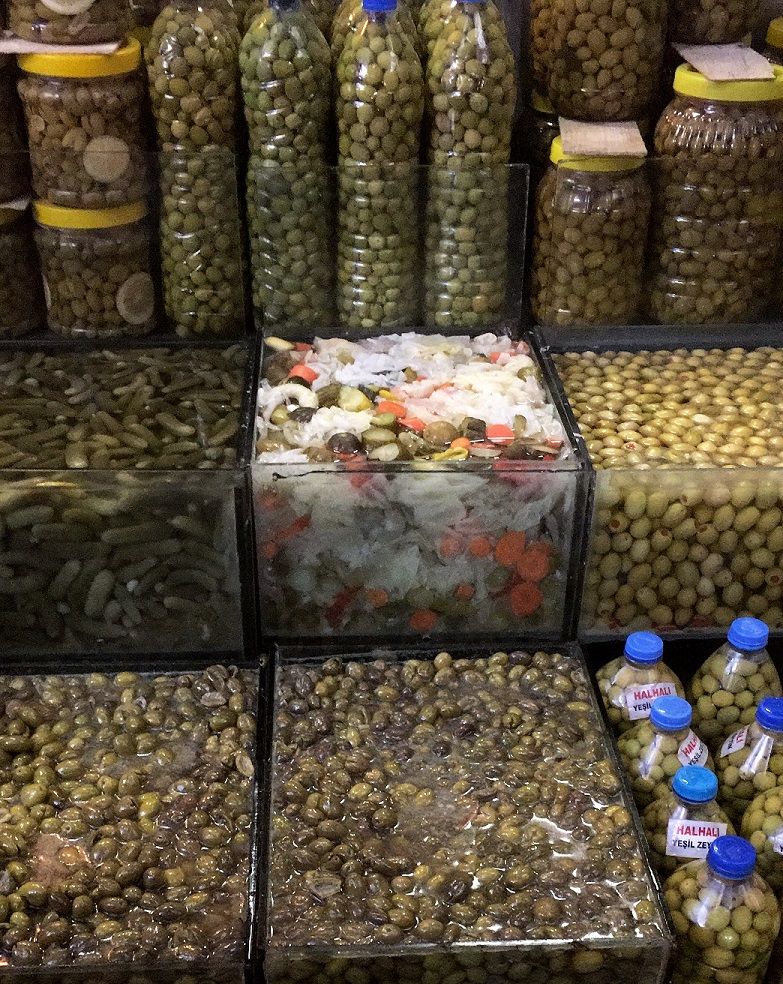
At breakfast there were many things we'd tasted at Has Bahçe, but since the products are prepared in a boutique way they're even more delicious. The salad made from fresh thyme, the halhalı olives of this place and the salty yoghurt are, again, chosen as favourites of a Hatay breakfast.
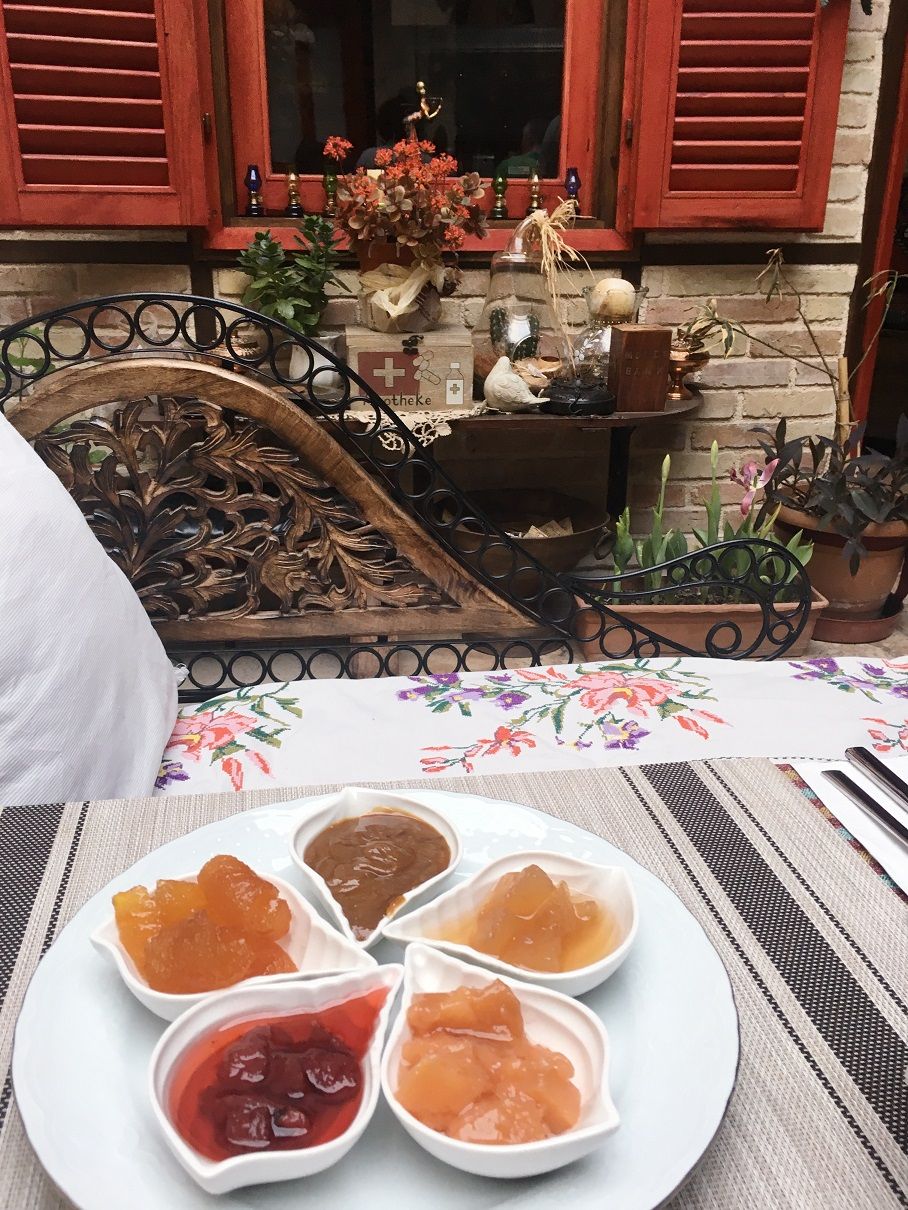
By the way, I can't not mention it: you must taste the sugar-free jams! These jams let you fully feel the fruit's own taste and aroma, and since they're not a syrupy jam consistency, they don't get cloying as you eat. The last time I'd had these was at Privato Cafe in Galata, Istanbul, and these were even a notch better. We had the chance to try apple, strawberry and quince; they may vary with the season.
After the lovely breakfast, we start our Day 2 route in the streets of Old Antakya, where our hotel is too:
Old Antakya Houses, Central Antakya
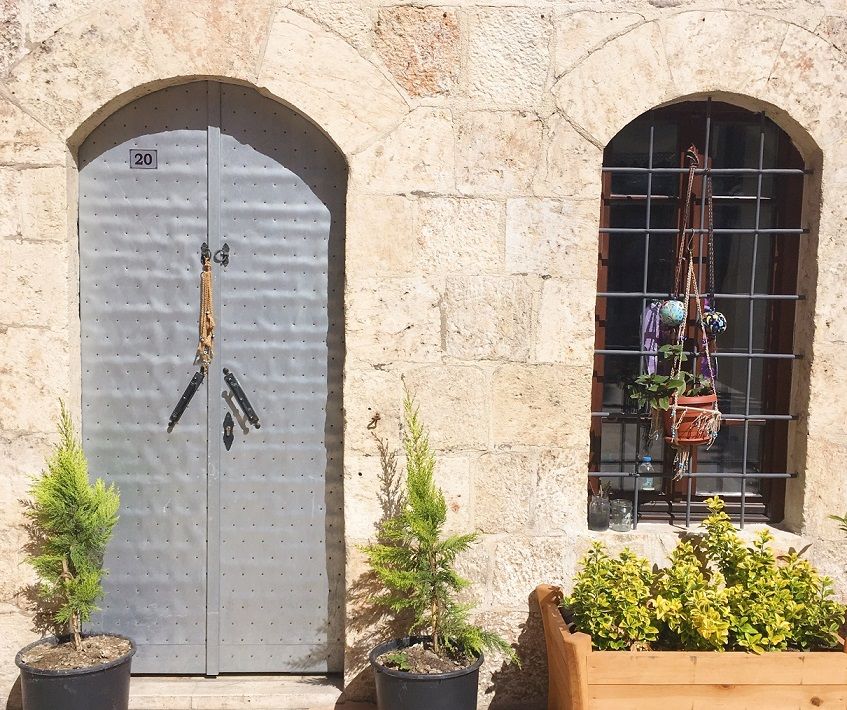
In the old city centre, because of how it was built, as you walk the streets you see the houses camouflaged behind outer walls. As is generally the case, the house's outer door doesn't open directly onto the street. In the houses, where privacy is respected, there's a courtyard system like in Europe.
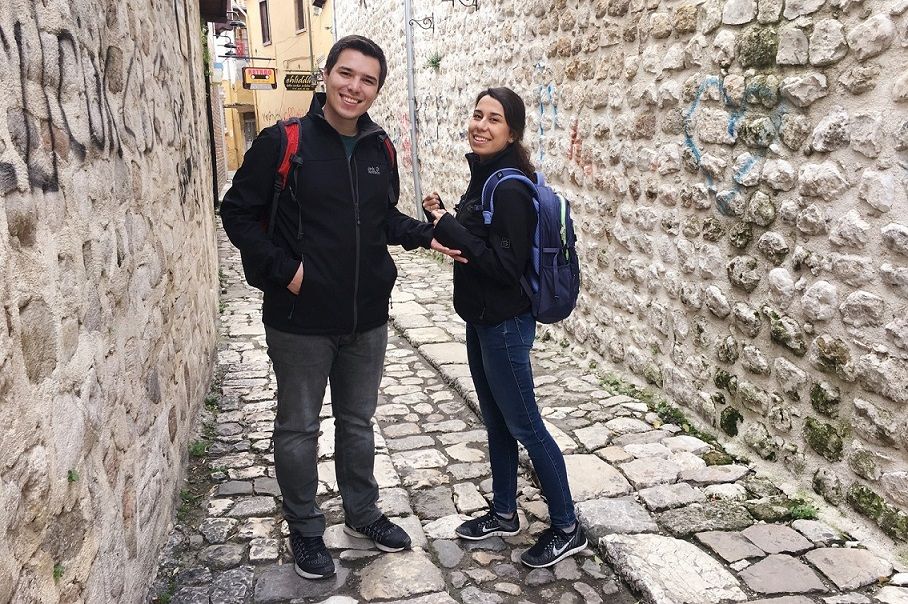
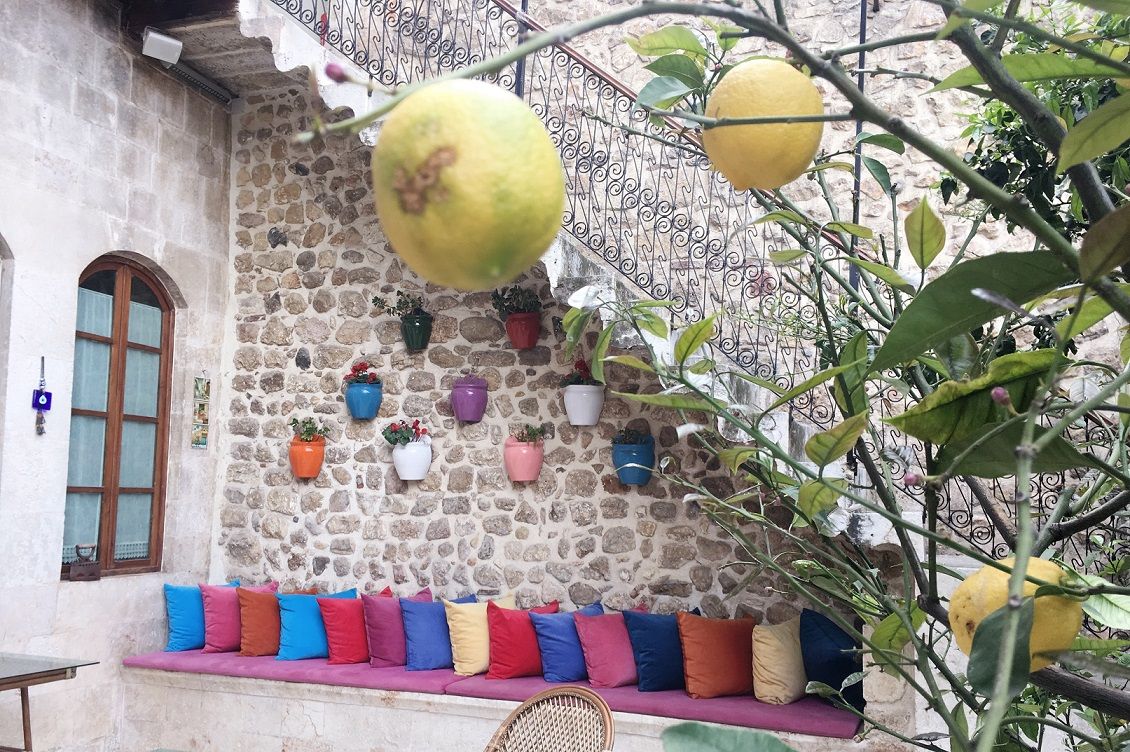
Through doors behind narrow tunnels you reach wide courtyards. In the stone houses spreading out from the courtyards, doors in a row. Rooms, and in a separate corner from them the kitchen and bathrooms. When you lift your head to the sky from the courtyard, you say "What luck"! Living spaces being this close to the sky makes you feel like you're breathing.
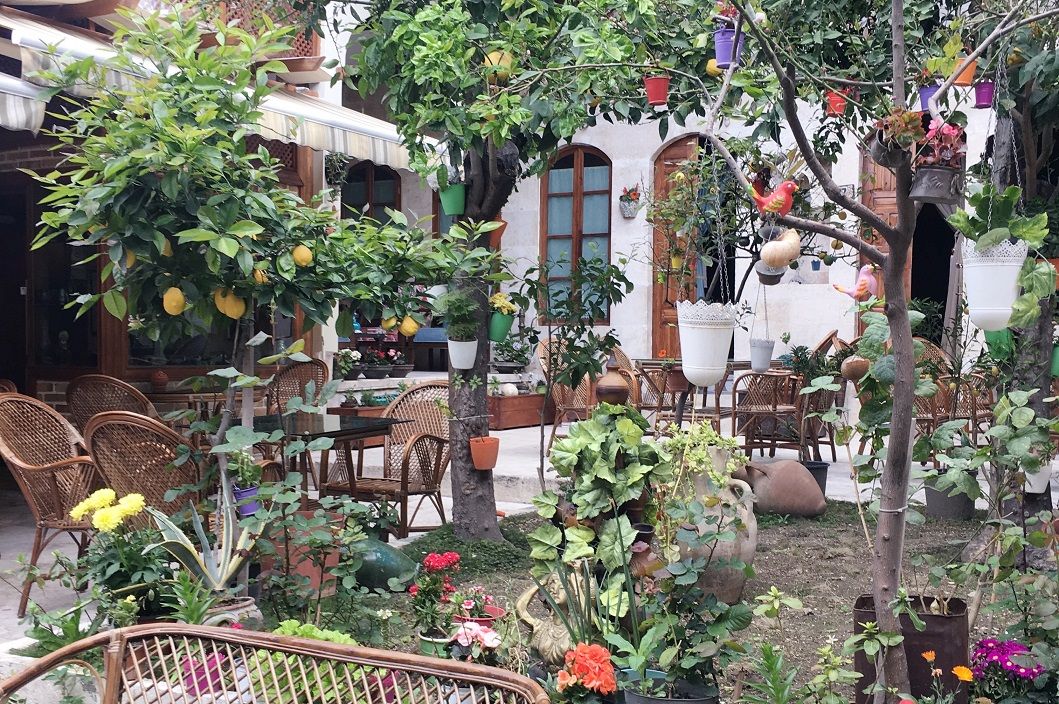
There are more than 350 registered Antakya Houses in the area. In some you can stay, in some you can have a coffee today... We had a lovely experience at Kavinn. Since it's a tiny boutique hotel you may not always find a room. Booking ahead is a must, of course. Jasmin Butik Otel, which we also liked, can be considered as another alternative. Whichever you stay in, don't feel you've missed out on the other: these hospitable hotel owners welcome you for coffee. 😊
The streets are like magic; besides the beauty of exploring by day, last night confirmed that exploring at night is wonderful too. As you know, we came at the end of March; as the weather gets nicer, night walks will be even more enjoyable. Put an evening walk on your to-do list.
Cafés and restaurants are lively as they join in tourism, and there are alternatives for nightlife. Since we were tired we couldn't drop by these places at night, but there wasn't a place that caught our eye for spending quality time either. The most appealing were the street artists in the square!
Habib-i Neccar Mosque, Central Antakya
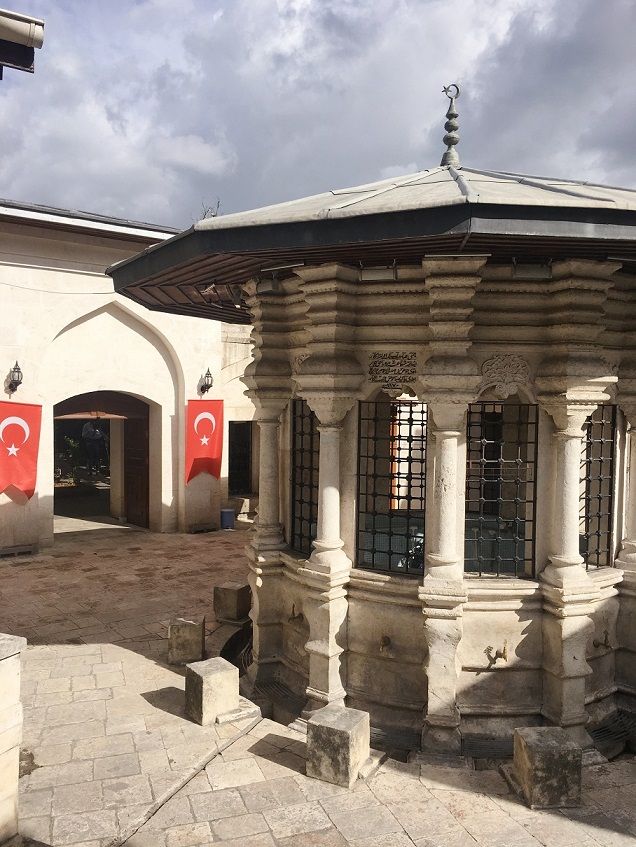
Hatay is a city of firsts. The first church, the first lit street, and the first mosque built within today's Turkish territory is Habib-i Neccar Mosque. In AD 636, one of the armies commanded by Abu Ubaidah ibn al-Jarrah added Hatay to the lands of Islam, and the mosque was built as a symbol of the conquest. Until the Ottoman period, the rulers of conquered lands made it a church, then a mosque.. The mosque that has come down to us was built in the Ottoman period; the minaret belongs to the 17th century and the lovely ablution fountain to the 19th century; it's an important religious centre whose last restoration was completed in 2006.
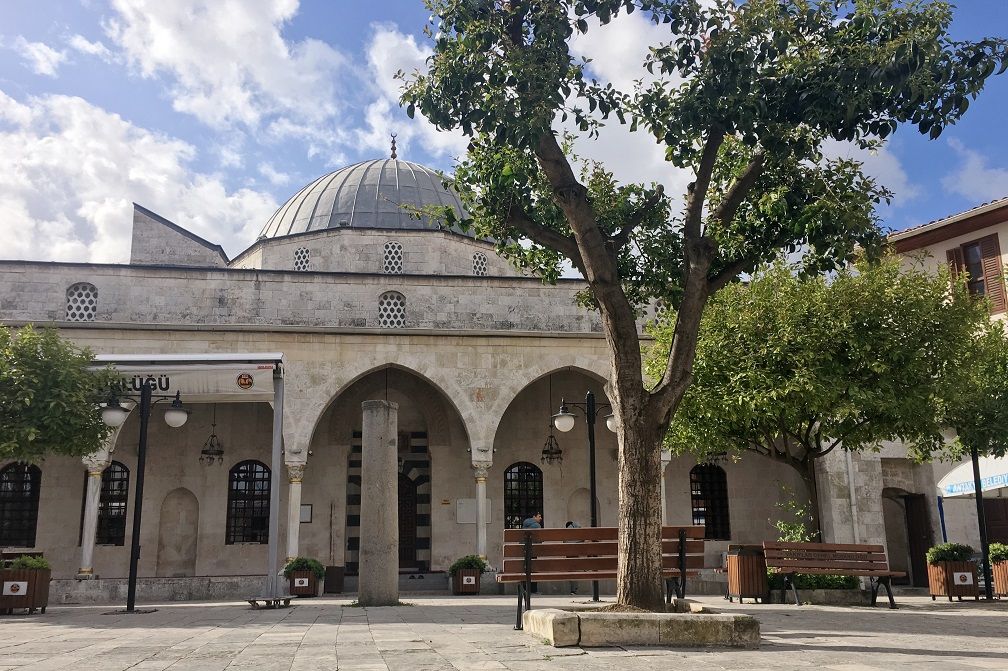
The mosque also shares its name with the mountain rising behind it. There are many accounts that have come down to us about the person named Habib-i Neccar; it's known that he was a carpenter (Neccar) living in Antakya and one of the first to believe in Jesus. In fact, the story of his bearing witness while the apostles of Jesus invited the people to faith in God, and of his being martyred along with the apostles during this event, is also told in the Surah Yasin.
Of course, all this has an important share in the stories about him becoming such legends. Today, with visitors from all religions, he is a very important person, and it's an important place, for the brotherhood of religions and the belief in the oneness of God.. Christians or Muslims pray together in the same place here, and the tomb of Habib-i Neccar is inside the mosque together with those of the Prophets Jonah and John.
Great Mosque (Ulu Camii), Central Antakya
The Great Mosque, built by the Mamluks right inside the bazaar, is again made of cut stone. It's a big mosque, with a courtyard for resting. And again, like many mosques, the minaret detail catches our interest.
Sarımiye Mosque, Central Antakya
The door of Sarımiye Mosque greets the Catholic church. This greeting is a sign of the tolerance of the people of Hatay and of this embrace. What a beautiful place we live in, that we can see such a whole where all religions live in peace.
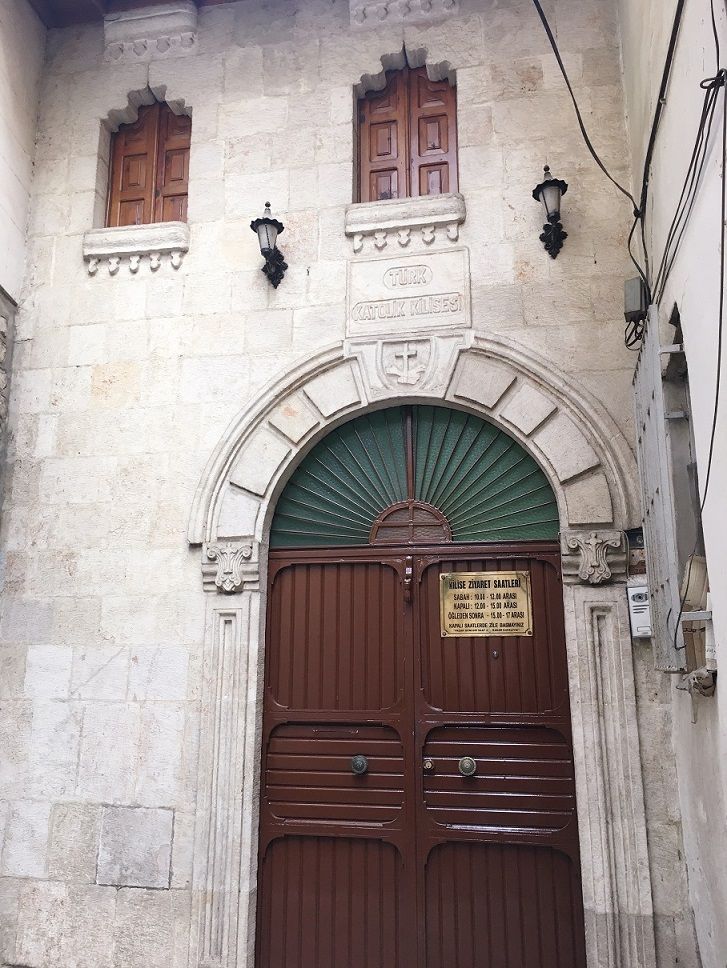
Sarımiye Mosque and its next-door neighbour, the Catholic Church 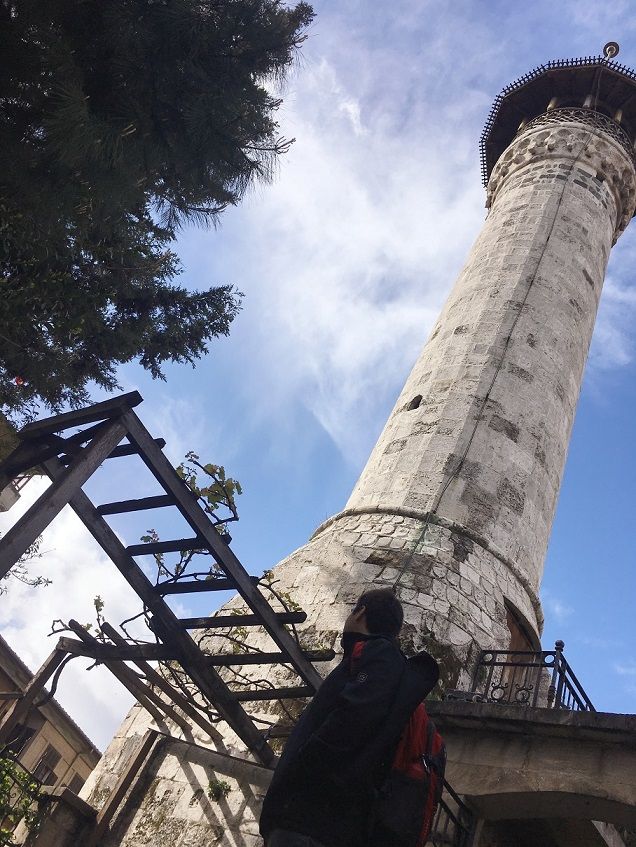
Sarımiye Mosque
Sounds come from a silk loom right next to Sarımiye. We head that way; in the shop there are hand-woven local silk products in all colours and patterns. For those interested 😊
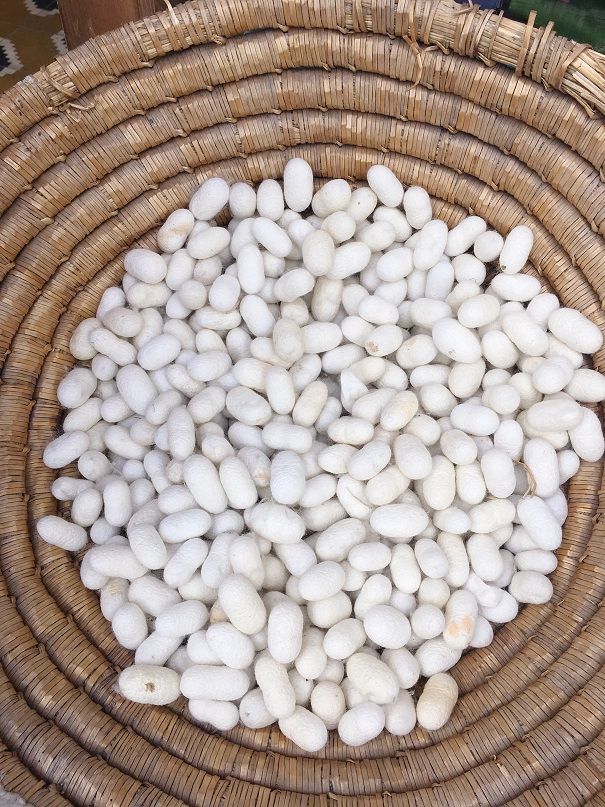
Local silk 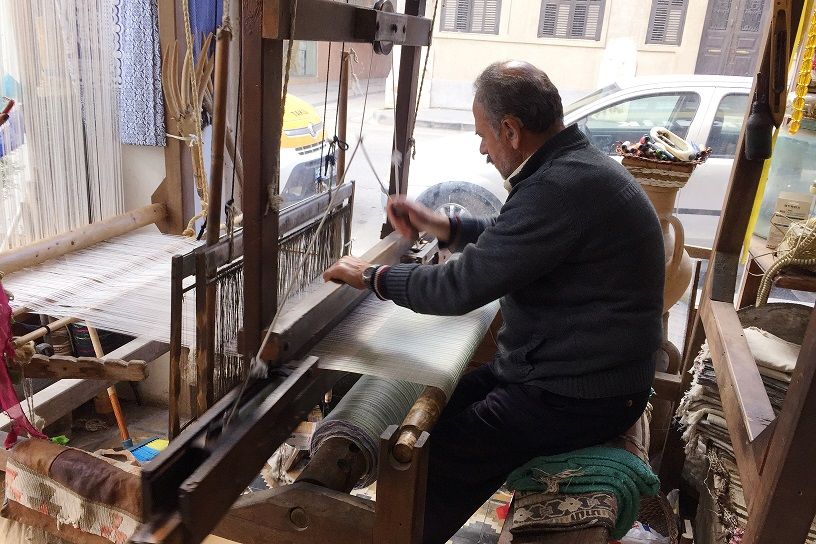
From the silk-weaving loom
Cindi Hamam, Central Antakya
Right next to Sarımiye Mosque there's also a historic hamam. If we'd come in good time, we'd have loved to enjoy the hamam. We note it here too so you keep it in mind.
Antakya Synagogue, Kurtuluş Cad.
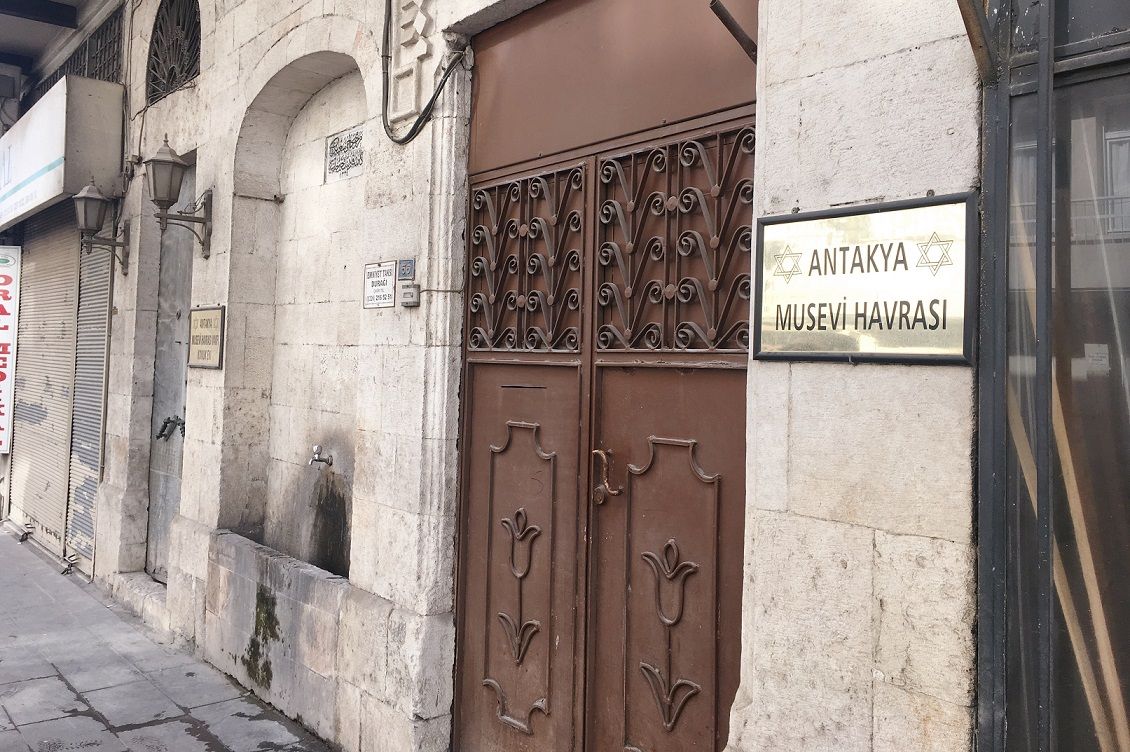
We wanted to note this place too, converted into a synagogue in the 1700s. We heard that an original Torah written on gazelle skin is kept here. You'll see it on your walk along Kurtuluş Caddesi. We couldn't get past the door since it was closed. It's open for visits and worship on its important days. There's also a guesthouse.
Antakya Uzun Çarşı
The lovely bazaar, full of colours and textures, opens at 08.00. The bazaar's clothing and fabric shops are closed on Sunday, but everywhere we needed for our purpose, shopping before going home, is open. 😊
As you know, spices are the secret of good food, and here there are many herbalists that have kept their local look and texture. From sumac to za'atar, from mountain thyme to bay leaves, you can find many spices and plants unique to here that we can't even list. You can also see menengiç and get information about it.
Another culture that caught our attention here: butchery and the ovens called pişirim. It's so widespread that you can't miss it. After researching, we see that this culture supports Hatay's gourmet scene. Special stone ovens working in coordination with butchers, the butcher choosing the best cut of meat for the dish the customer wants, creating recipes and cooking it for you in the oven, and all this being gathered under one chamber to prevent unfair competition and support the tradespeople: it's absolutely wonderful!
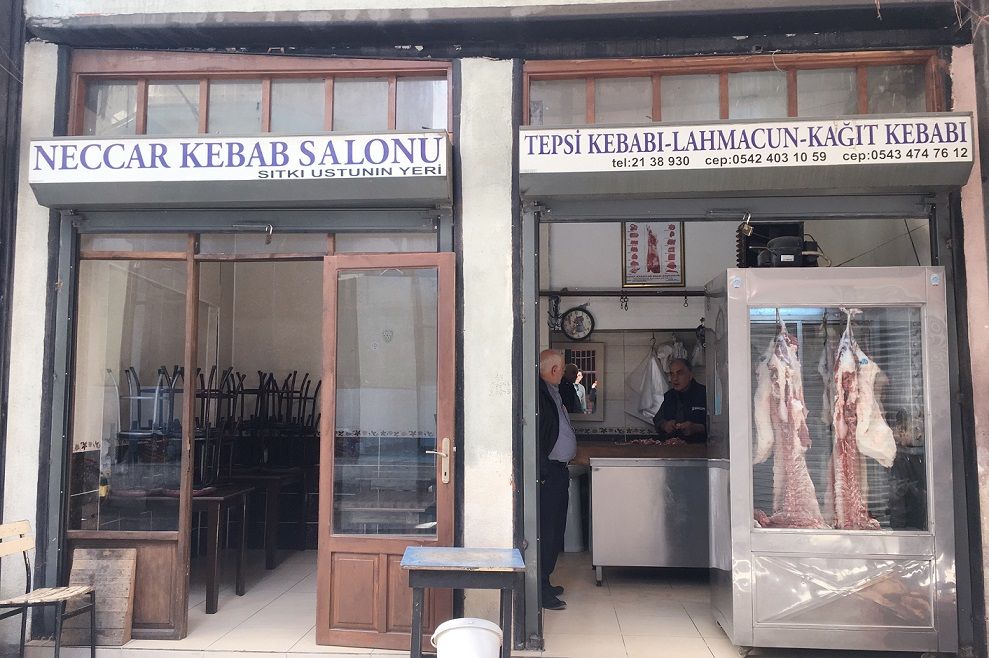
Tray and paper kebab cooked in a stone oven, with lovely oven-baked pide on the side, is truly legendary 😋 Pöç Kasabı is one of the most famous in Uzun Çarşı for tray and paper kebab. We couldn't try it here as the oven closed at 07.00. If you try it, we'll look forward to your comments..
Well, after lovely kebabs, let lovely desserts delight the palate. As you know, its künefe and taş kadayıf are famous. In Uzun Çarşı, many kadayıf masters still prepare kadayıf fresh with old techniques so the ladies can make these treats by hand.
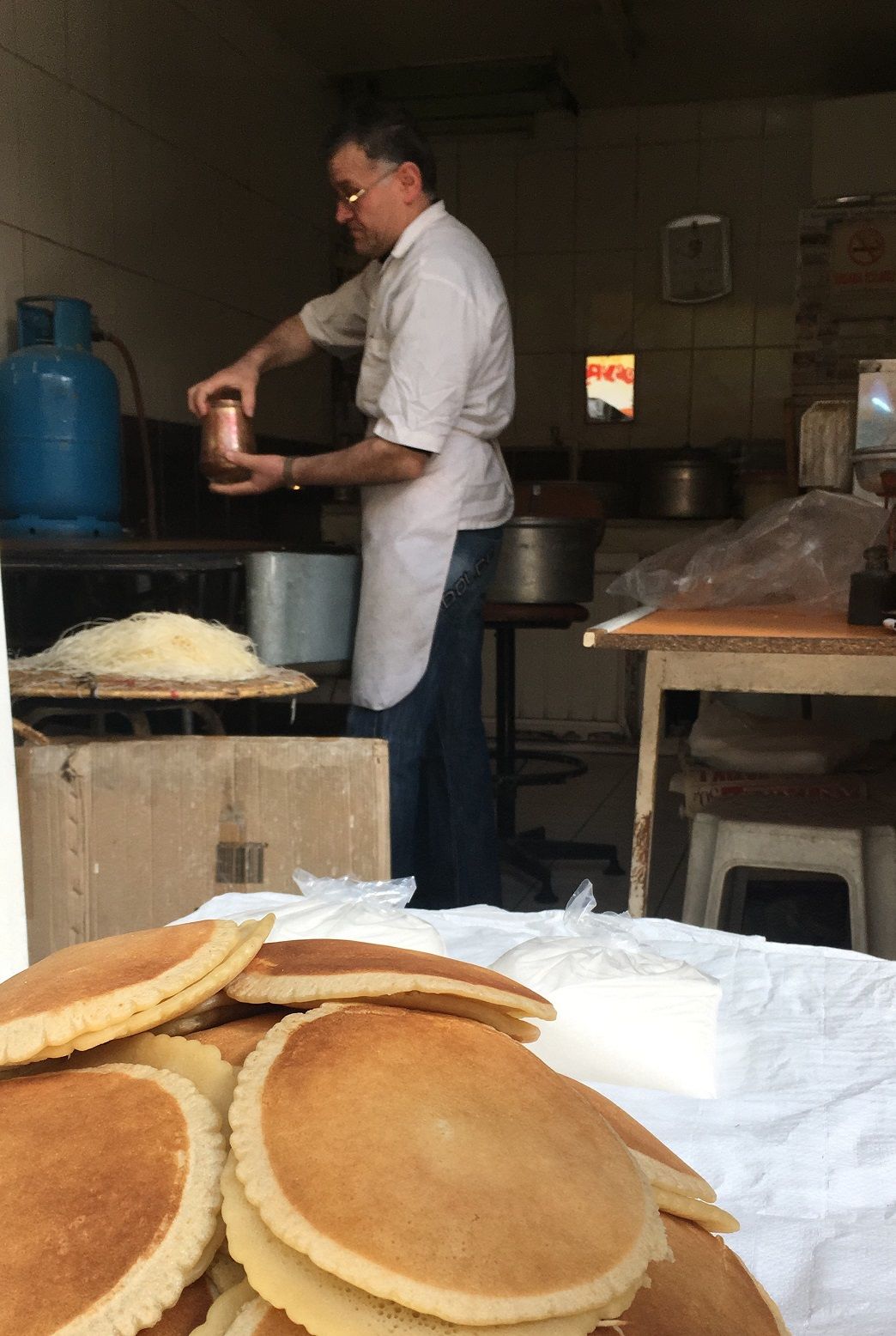
This lovely kadayıf is also called that. We ate a lovely, lovely künefe at Ferah Künefe on Abdo Bey's suggestion. It was cooked on the stove and it was delicious! Only, we'd have liked tea with it. Again we took our packages with us, the syrup and the künefe separately.
We'd put the famous wood-fired künefe at Çınaraltı Künefecisi in the Bazaar on our list to try, but we didn't make it on Saturday evening, and on our Sunday morning walk the fire wasn't ready yet. We said it wasn't meant to be, and left it for you to try a good künefe. We chose local products: shopping time!
Kurşunlu Han, Yeni Camii Mah.
The building, which has come down to us from the 1600s, reopened in 2017 after its restoration was completed again. It's lovely to see it brought back with the small shops and cafés inside and its wide courtyard.
Affan Kahvesi, Kurtuluş Cad.
The last breather on our central route is Affan Kahvesi, which keeps its historic atmosphere. We parked our car on its street, and it caught our attention as we passed.
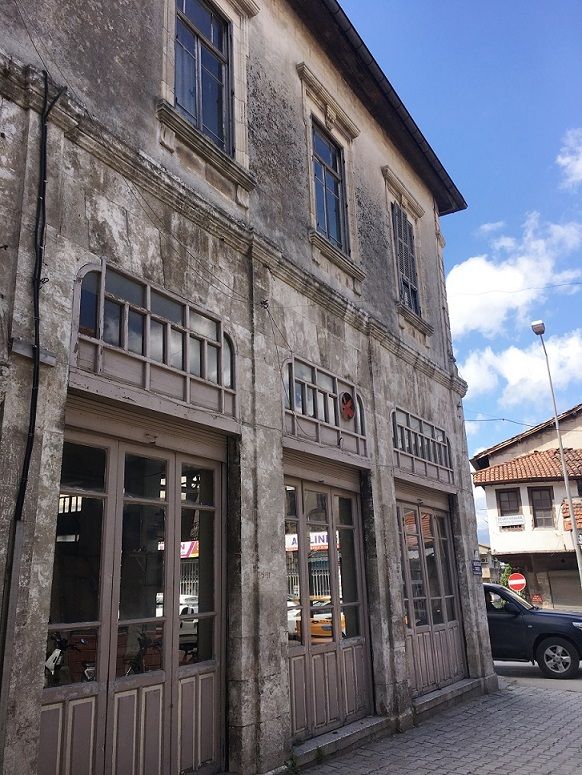
Besides its lovely look from outside, meeting Zübeyir Bey and hearing his story made it a special memory for us.
The coffee house was founded 100 years ago when there was no electricity yet; when electricity came, they solved the lighting problem with a pulley system. The same system is still in the coffee house today, says Uncle Zübeyir, and the chairs and the table with the till are 70 years old.
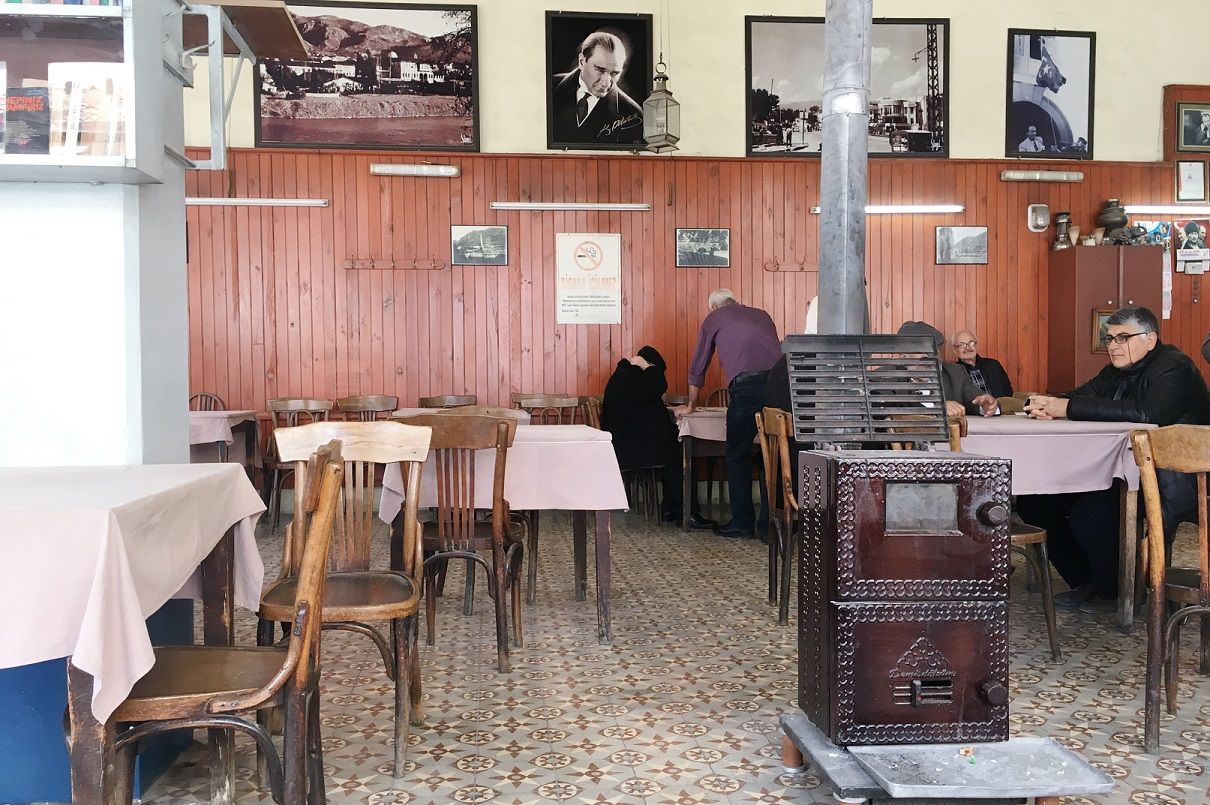
At the back there's a wonderful part where you can rest under the vines, and you can have coffee like us. You can also take a break from Hatay's syrupy desserts and try a haytalı.
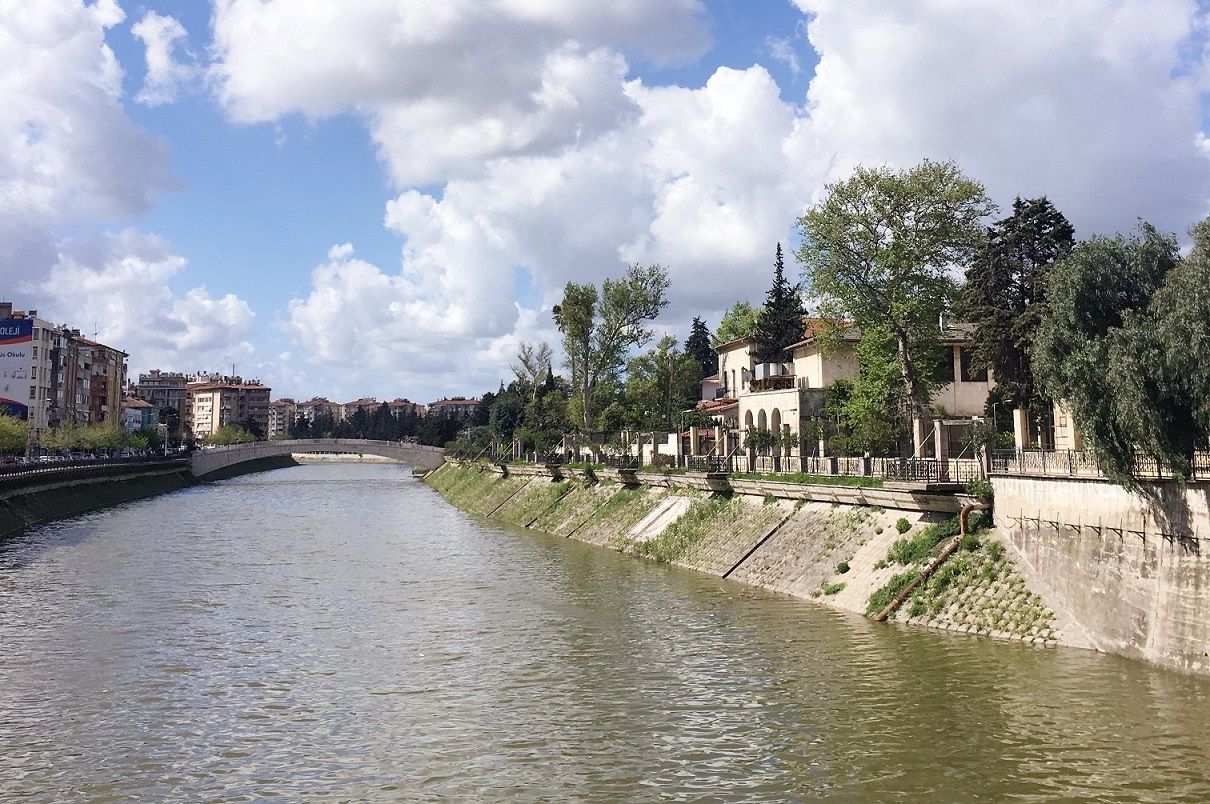
Asi River
And the Asi river, where all the streets lead! Walking along it in the city centre, you feel as if you're in one of the cities in Europe built on a riverbank. The spotless Asi seems to add another temperament to the city.
Savon Hotel, Kurtuluş Cad.
This historic building, founded in the 9th century as an olive oil and soap factory, is used as a hotel today. The building, which has kept its originality since it was first built, was constructed in a typical U-building concept, with rooms at the sides and a large courtyard in the middle. Although Hatay is in the Mediterranean region, this kind of architecture is generally common in the Southeastern Anatolia Region, around Gaziantep and Urfa.
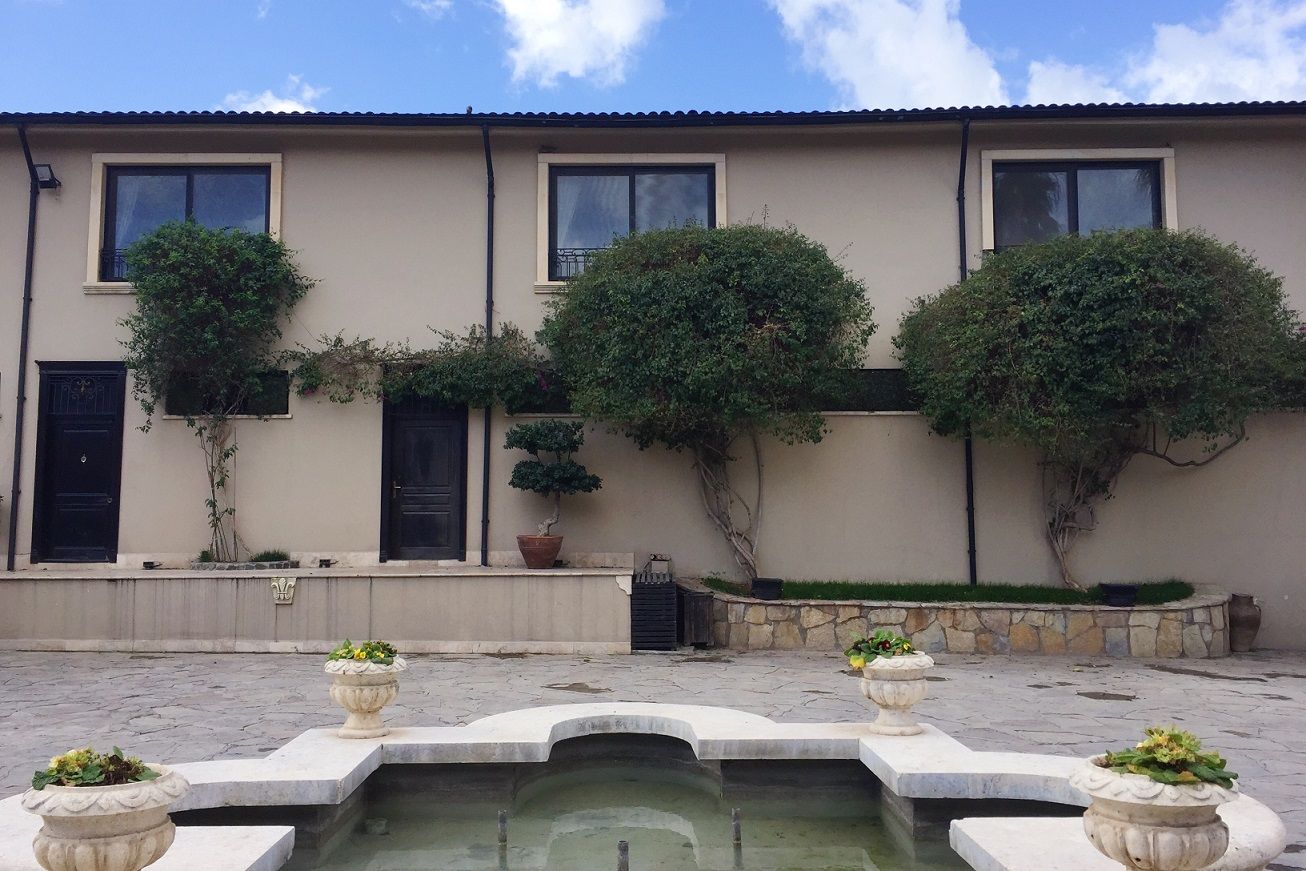
The building, bought from the French as a factory in the time of the Republic, kept operating until the middle of the 20th century. Closed from the 1950s to 2001, the building was brought back to Turkey in 2001 with a hotel concept, on its way to becoming a symbol of Hatay.
Note: To keep the smell of soap from the factory alive, they've placed tiny soaps everywhere. Everywhere smells wonderfully of soap. You can visit without staying at the hotel, like us. You can even have tea/coffee in its cafeteria.
Verda soap was closed; we're still thinking about the bay laurel soaps and other products.
Antakya Aromatic Plants Museum, Ayyıldız Sk. No:8
We'd written the story of the bay laurel; in this lovely region where Anatolia and the Mediterranean meet, hundreds of endemic plants grow. Antakya alone meets all of Turkey's parsley needs. Samandağ is called Turkey's vegetable and fruit store. Befitting these fertile lands, in 2012 the Medicinal and Aromatic Plants museum was created by restoring an Antakya House. Many plants and healing herbs are on display. The information is priceless, of course, but entry is free.
Church of Saint Pierre, Küçük Dalyan Mah.
The first cave church in the world; it was here that those who believed in Jesus were first given the name Christians. The church, visited today for pilgrimage and visits, is also very important for Christian Turks of Hatay. It opens at 08.30
İskenderun
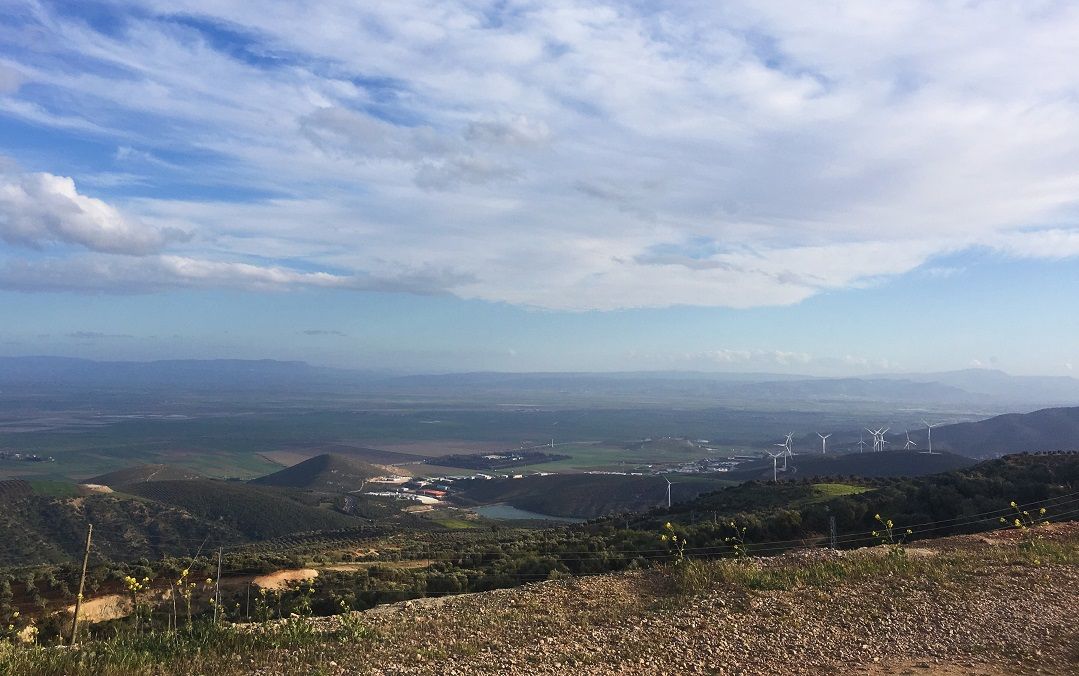
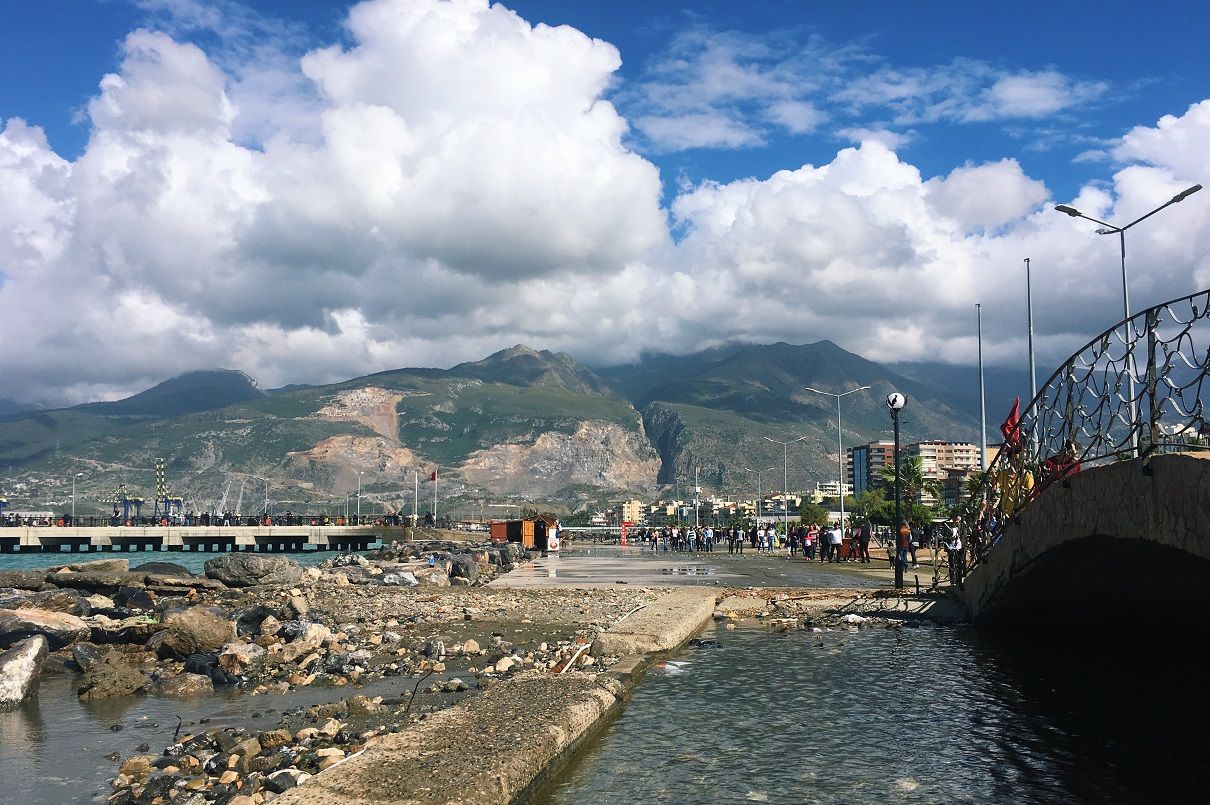
We turn our route towards İskenderun. The road is very beautiful! The Amik Plain and endless green, followed by blue sea...
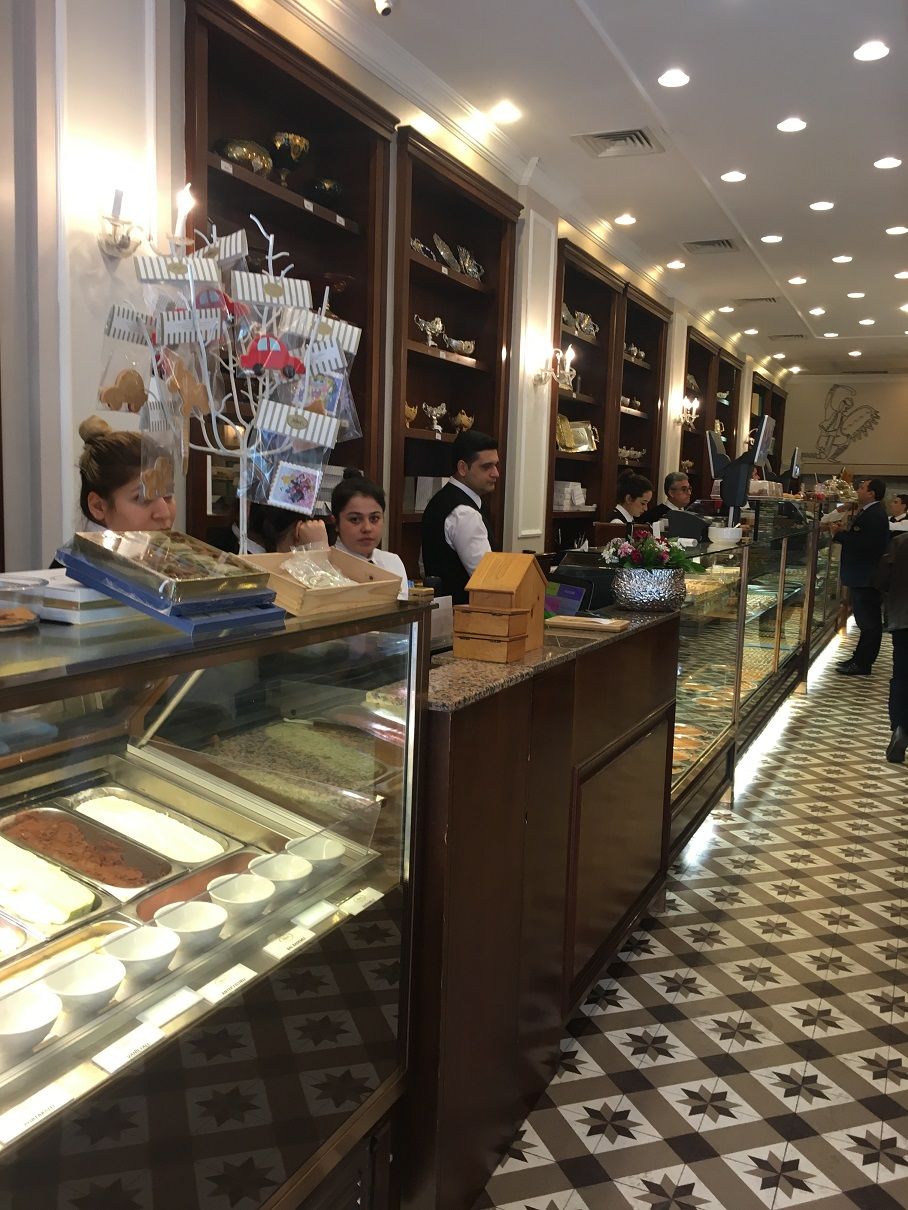
We turned to İskenderun for family reasons and spent half our day with family friends, but we've promised to come back separately for İskenderun and the Amanos mountains. This time we took lovely shots on the seafront and tried lovely desserts at Petek Pastanesi. With its decor and concept no different from Austria, it's already gone straight to the top of the most beautiful patisseries we've been to!
Safety in Hatay
Because of the war in Syria, everyone who heard about our Hatay route brought up this topic with the question "Is Hatay safe?", and we got lots of questions while we were there too. As an answer to these questions and warnings: when we went, we saw that with the effect of the war, Hatay's economy had lost its former liveliness. While we were exploring, we didn't have a single moment where we felt unsafe. We explored the centre and the places open to tourism, and reached all of them ourselves by renting a car from Hatay Airport.
We heard from people in the centre that there was no problem in the border area either and that the villages hadn't been evacuated. Still, while encouraging you to explore Hatay, we can't give anyone or any moment a guarantee of safety. What's written here and the lovely times there are our experience. If you want to go, we suggest you don't go, not only to Hatay but anywhere, without being sure it's safe for you and your family. 😊
Bonus: We couldn't go, but we're truly curious; we'll come again
The mountain gazelles called Gazella gazella are protected in this village. In this adventure, which started in Perişan Village with seven male and seven female gazelles, there's a protected breeding farm. The farm, set up so they don't die out, has succeeded, and today the number of gazelles is over 500!
See you on the discovery of another Anatolian city..
 0 km
 146 km
 192 km