
1. ZEUGMA MOSAIC MUSEUM
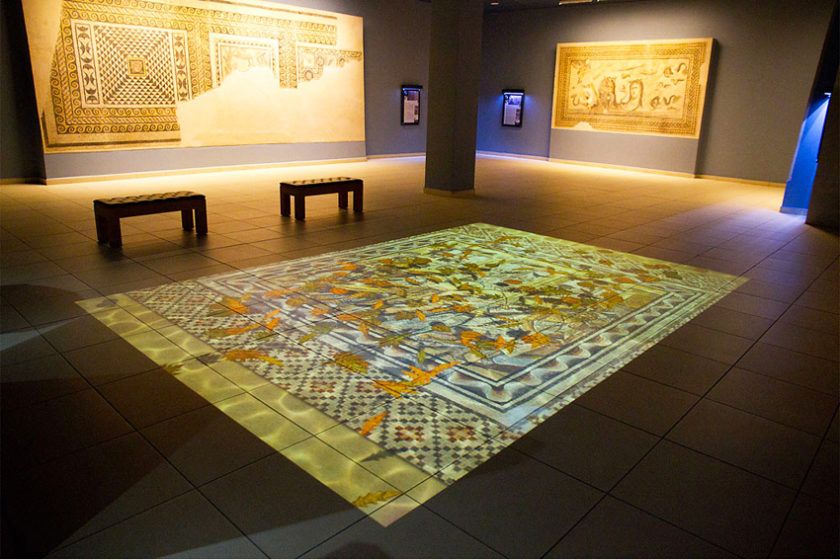
Although it opened in 2011, as a candidate to become the world's most visited museum of mosaic works, it has become a treasure that can make both our country and Gaziantep proud. Besides the famous Gypsy Girl mosaic, there are hundreds of different works in the museum. Our advice: visit the museum at a quiet time, and definitely get an audio guide at the entrance.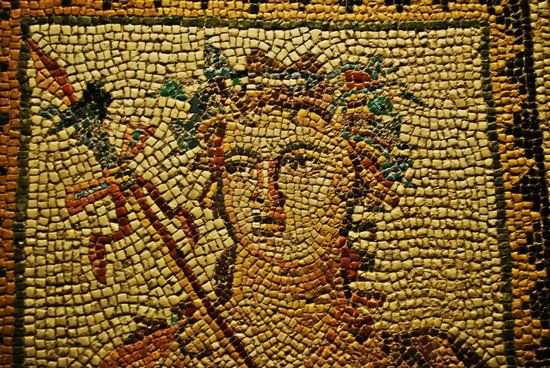 The Ancient City of Zeugma was founded in 300 BC by Alexander the Great under the name "Seleucia Euphrates". In 64 BC the Roman commander Pompey gave the city to Antiochus I in return for the help he had given him.
The city, one of the 4 great cities of the Kingdom of Commagene, was completely tied to the Roman Empire from 31 BC and took the name "Zeugma", meaning "bridge" or "crossing". Zeugma, which enjoyed great wealth and splendour in the Roman period, was captured, burned and destroyed in AD 256 by the Sasanian King Shapur I.
Note: The entry fee is 15 TL, and it's open between 09.00-19.00 in April-October and 09.00-17.00 in November-March.
2. RUMKALE
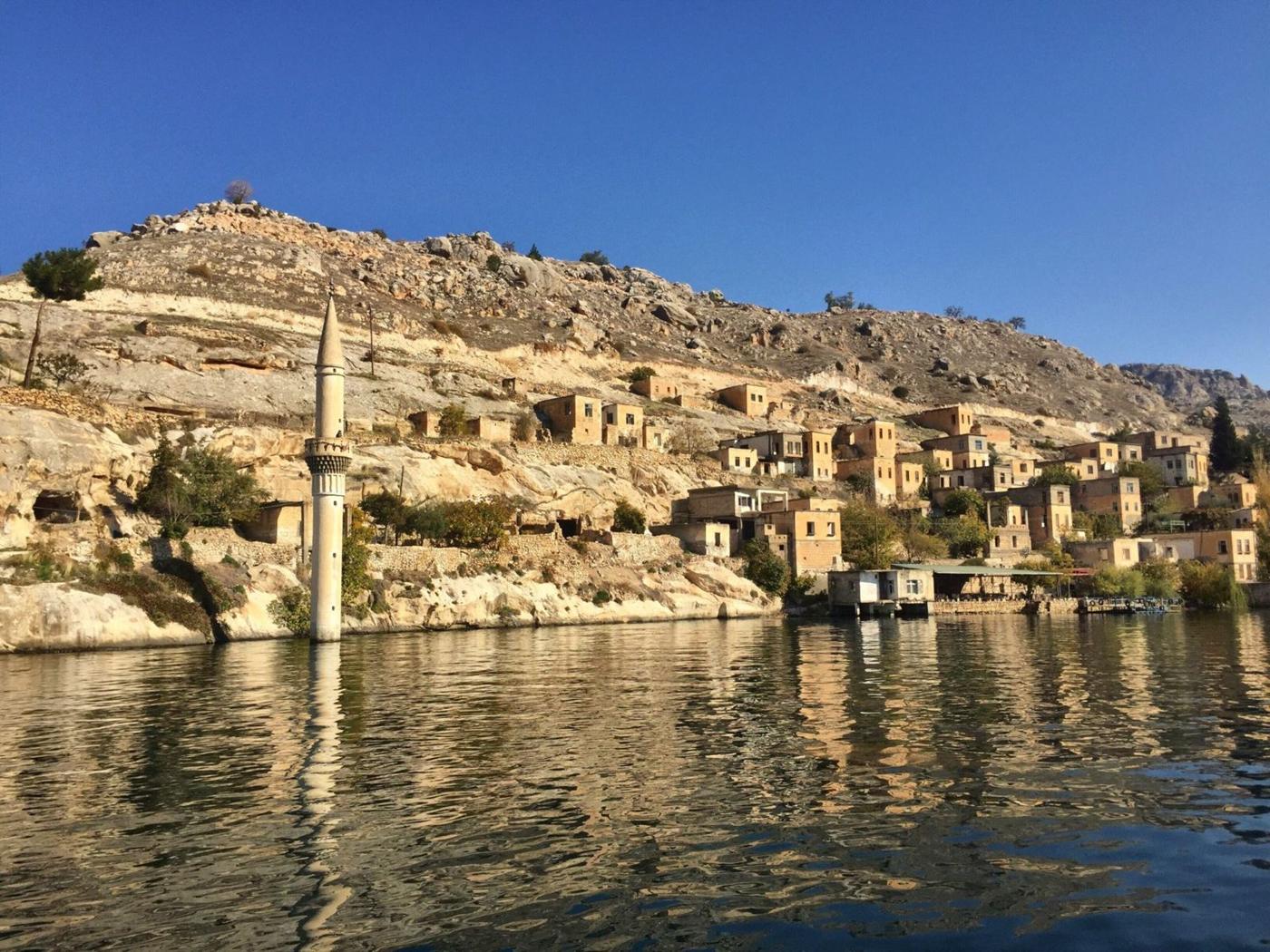
Rumkale, near Kasaba village in the Yavuzeli district of Gaziantep Province, sits on steep rocks where the Merzimen Stream meets the Euphrates River. Rumkale is easily reached by boat from Kasaba village and from Halfeti. From antiquity to the present day it has been called by many names, such as Şitamrat, Kal-a Rhomayta, Hromklay, Ranculat, Kal-at el Rum, Kal-at el Müslimin, Kale-i Zerrin (Golden Castle) and Rumkale.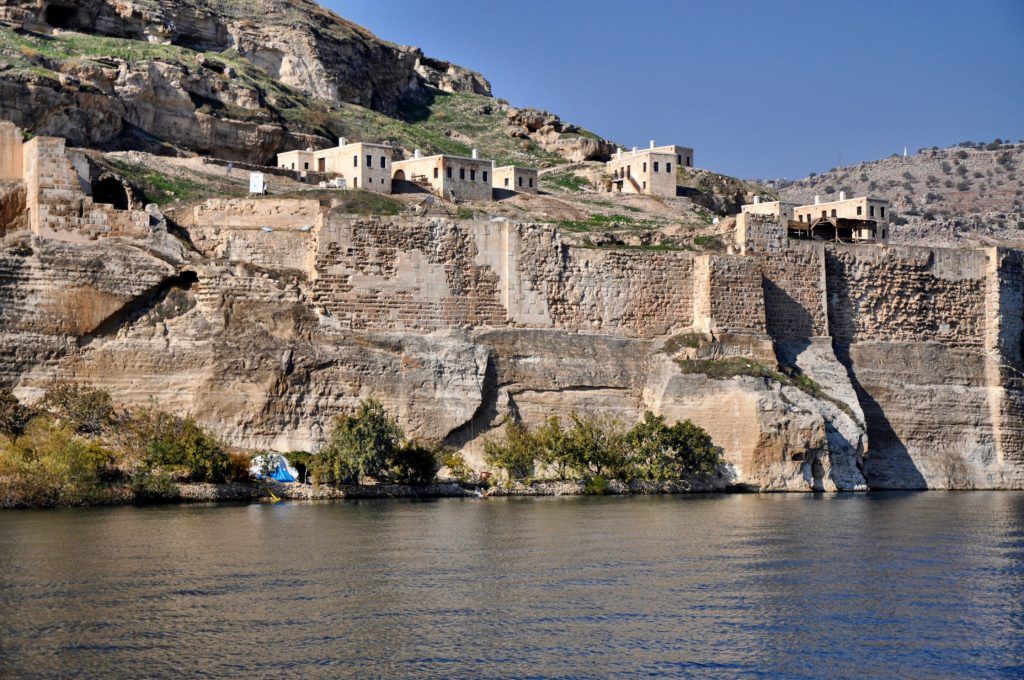 Rumkale was built on a high hill surrounded by sheer cliffs rising straight up from the banks of the Euphrates and the Merzimen. Its architecture is in such harmony with nature that it made Moltke, who visited Rumkale in 1838, say "it's very hard to say where the rock ends and where the work of man begins". The castle has two walls. The first wall was formed on the castle's east, north and west by carving the natural rock steeply, creating a natural rampart. The second wall was built on top of this natural rampart as a rampart wall of hard cut limestone.
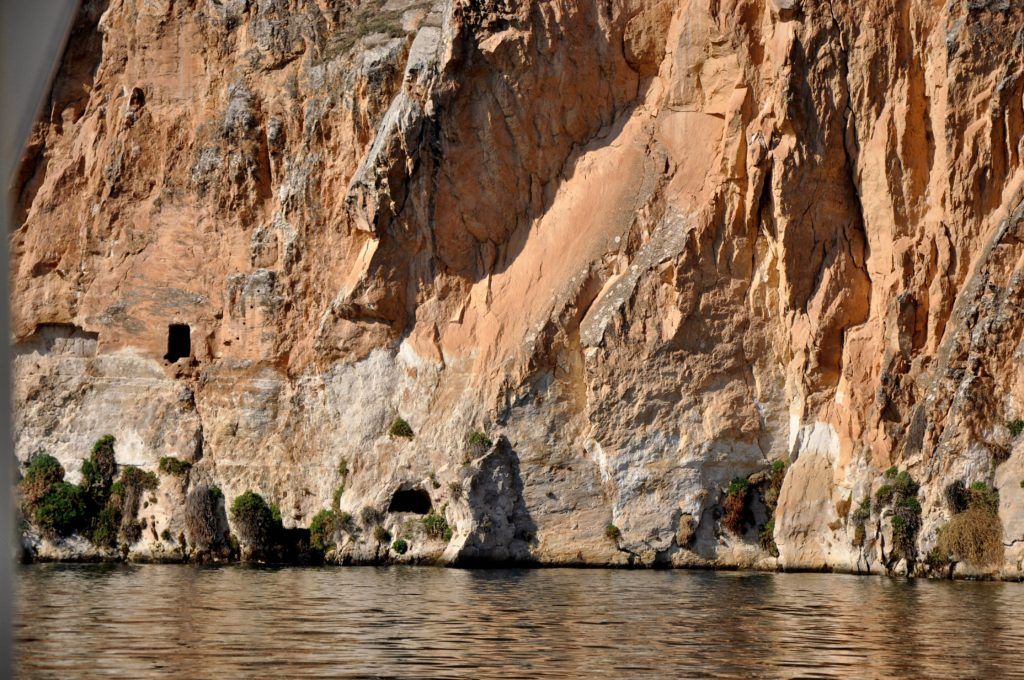 Rumkale once stood on the bank of the Euphrates, which formed the border between Halfeti (Şanlıurfa) and Gaziantep. The waters of the Merzimen stream joined the Euphrates, flowing in a deep, steep valley, at the foot of Rumkale. Today it's surrounded on three sides by the dam lake and looks like a peninsula. At the foot of the castle was the lower city.
We got there by boat from Halfeti Village. The boats generally charge 10 TL per person and take you on a trip lasting 1-2 hours. If you're 3-4 people, with a little bargaining they can take you around for as little as 5 TL.
3. GAZİANTEP CASTLE
Gaziantep Castle is one of the finest examples of the castles still standing in Turkey, and with its splendour and grandeur, as well as the history it hides like a secret, it sits in the city centre on a hill 25-30 metres high that catches almost everyone's attention.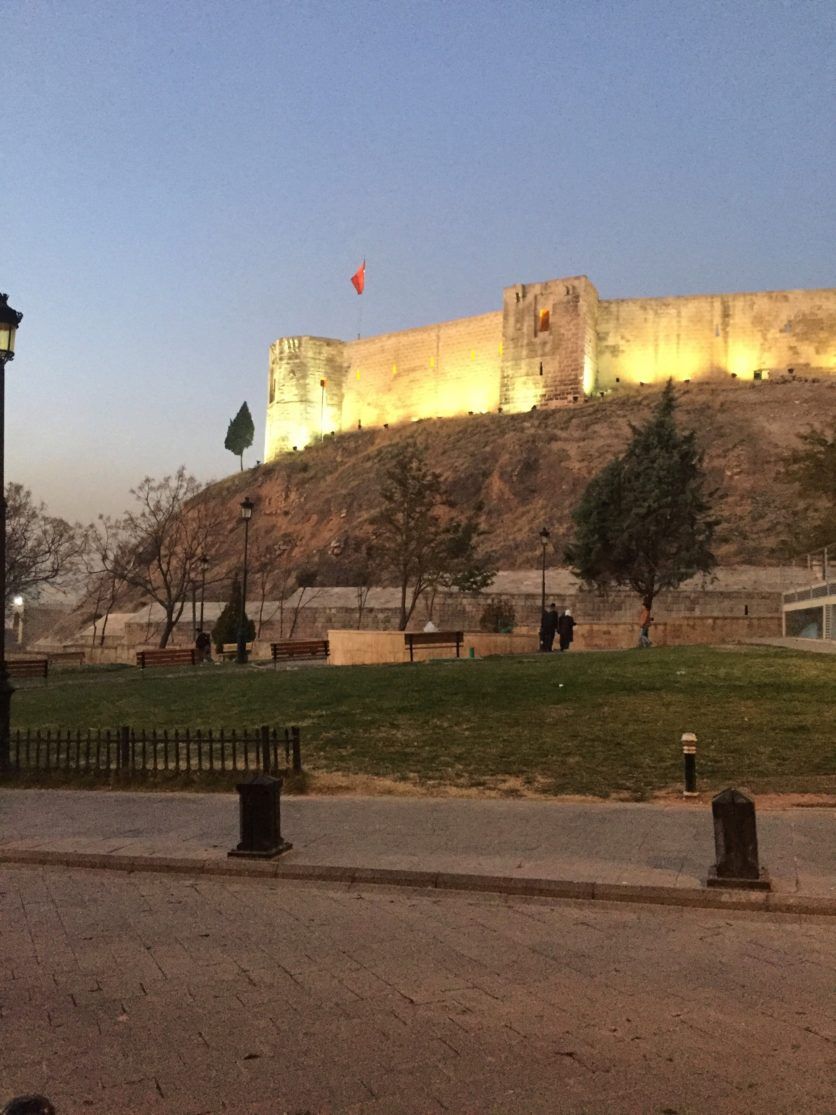
The castle was first built in the Roman period as a watchtower on a mound. It took its present form in the time of the Byzantine Emperor Justinian, called the "Architect of Castles". Also in this period the castle underwent a major repair; during the repair the castle was equipped with its basic structures of arched and vaulted galleries, towers connected to each other by these galleries were built, and the walls were extended to the edge of the hill. In this form the castle has an irregular circular shape of about 100 metres, with a circumference of 1200 metres. There are 12 towers in the castle. A legend about the name of Gaziantep Castle: The name of Gaziantep Castle, whose original name is Kal'a-i Füsus (Ring Castle), is based on a legend. According to this legend, the castle was being built by a girl who owned the region. To cover the cost of building the castle, she sold her ring with a very precious stone. That's why the castle was given the name Kal'a-i Füsus, meaning Ring Castle.
Note: No fee is charged for entry to Gaziantep Castle.
4. ZİNCİRLİ BEDESTEN
Zincirli Bedesten, built by Darendeli Hüseyin Pasha in the first quarter of the 3rd century, known among locals as the "Kara Basamak Bedesten", and also called the meat hall because it was home to butchers for many years, is a historic building that, after restoration work carried out by the regional directorate of foundations, offers an authentic setting with 73 shops of varying widths to those who want to do business, especially spice sellers and souvenir sellers. The bedesten has five doors. The author of the four-line inscription on the south door is Kusiri. It's made up of two intersecting sections, one running from north to south and the other from east to west. It's a covered, single-storey building. Later another floor was added on top and it was used as the Courthouse building, but this part was completely destroyed in a fire in 1957.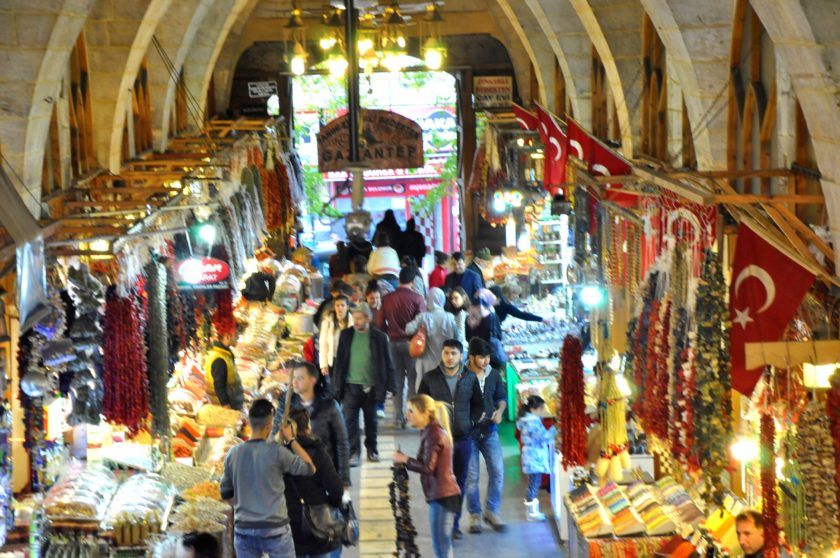
5. EMİNE GÖĞÜŞ CUISINE MUSEUM
I'd like to tell you a little about the museum, which holds the title of Turkey's first cuisine museum. This museum is in Gaziantep's Şahinbey district, quite close to the Castle and the centre. Its special feature is that it's the first cuisine museum opened in Turkey. It fulfils a very important task in carrying our food and culinary culture into the future. While you tour the museum, the guides assigned by the Municipality give you a wonderful introduction inside. I strongly recommend looking for the guide after going in, before you start touring. The guide was so sincere and so warm that we could have listened all over again.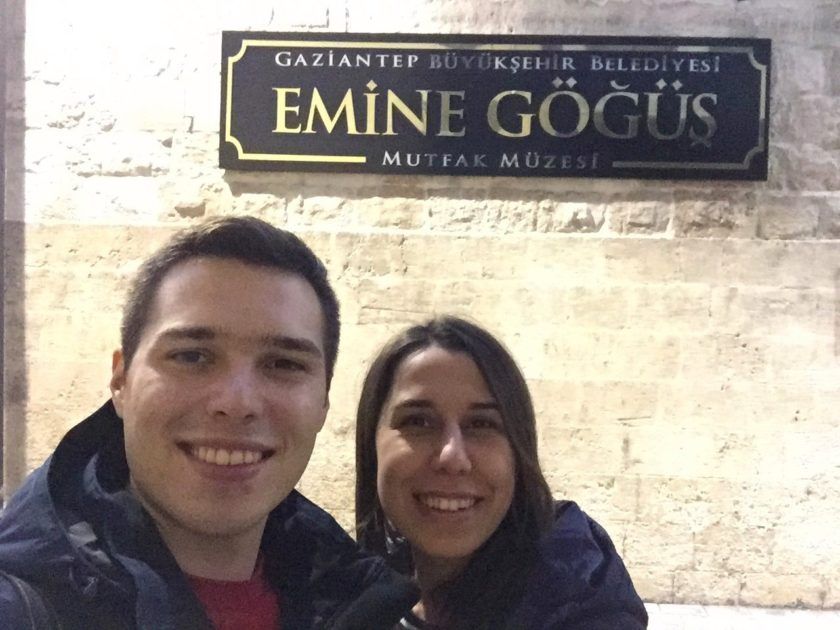 The Göğüş Mansion, south of Gaziantep Castle, is within the historic fabric. The mansion, known to have been built in 1905, is called the Kethüdazade Göğüş İbrahim Efendi Mansion.
In 2005 it was donated to the Gaziantep Metropolitan Municipality by Ali İhsan Göğüş, one of Gaziantep's important figures, who served as a minister and member of parliament for 13 years and was Turkey's first Minister of Tourism, on condition that a museum bearing his mother's name be made. In 2007 the renovation work was completed and the museum opened to visitors.
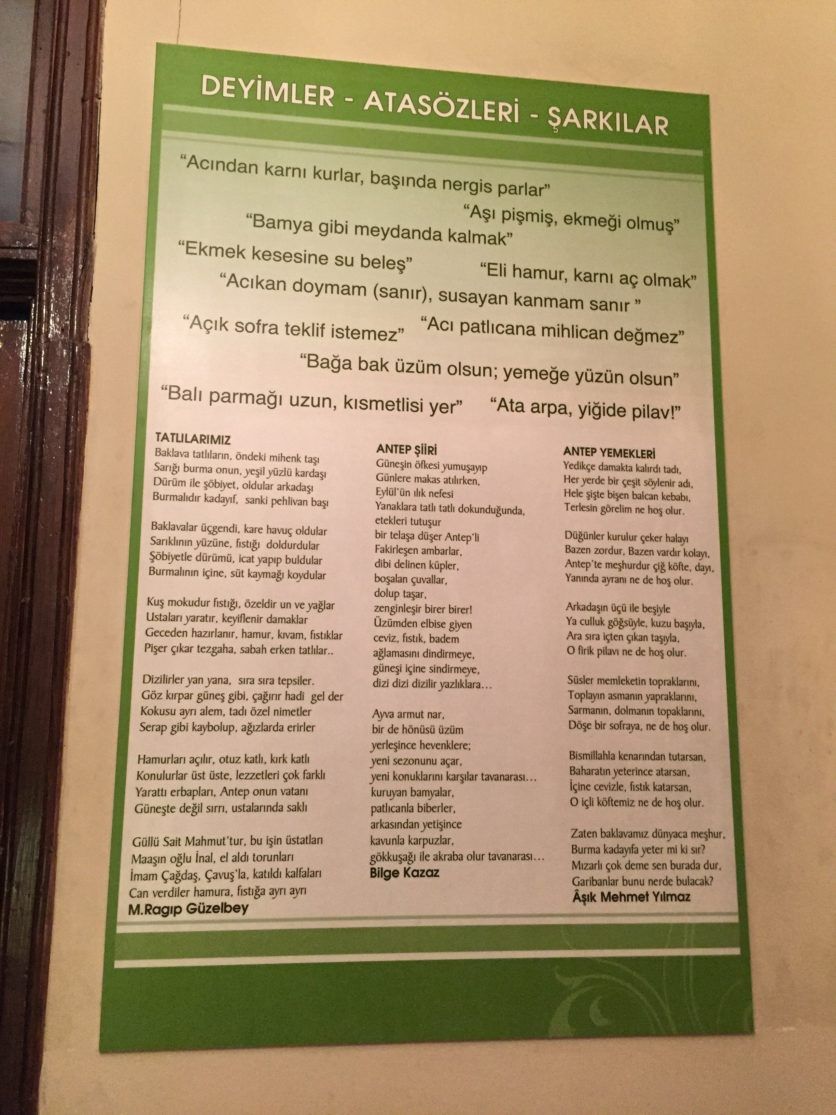
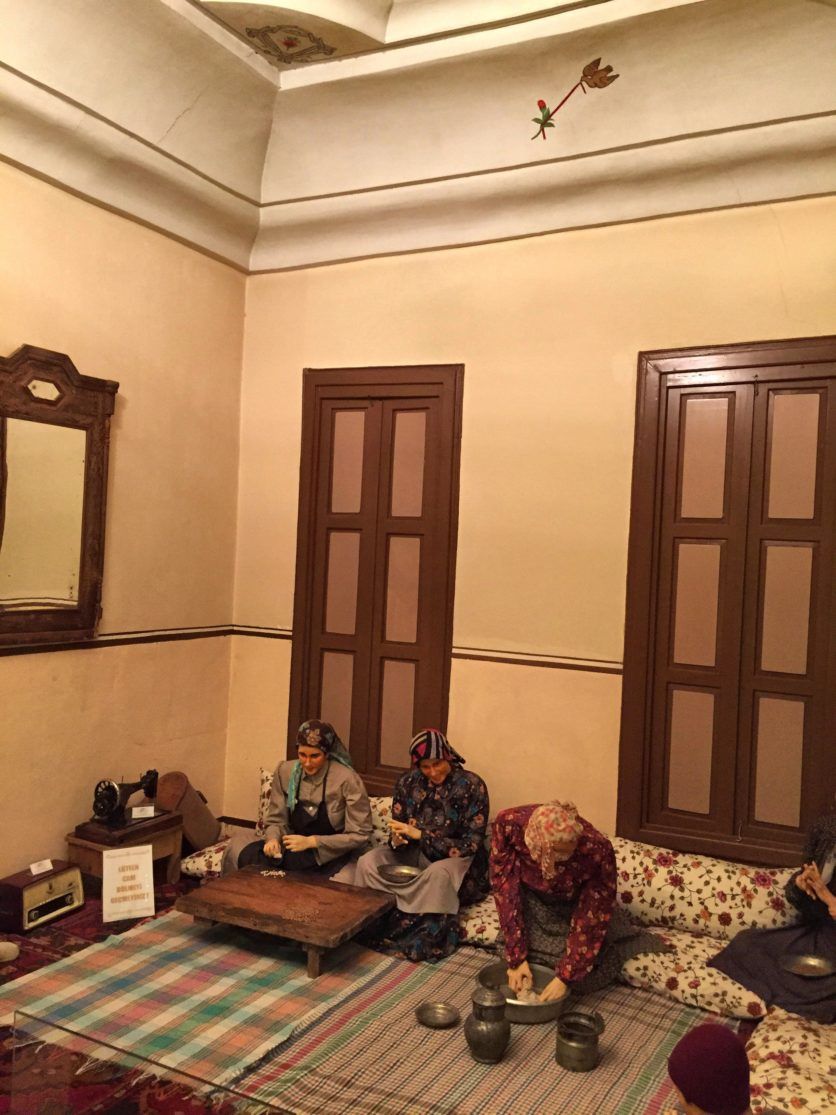 The museum introduces traditional Gaziantep culinary culture. Kitchen utensils, table settings and local ways of using them are displayed with their local names.
In this museum we understood why we saw copper everywhere while touring Gaziantep. The cauldrons, pots, plates, ladles and spoons used in Gaziantep cuisine are almost all made of copper.
Note: Museum entry is priced at 1 TL for adults and 0.5 TL for students, and you can visit between 08.00-17.00 except on Mondays.
6. GAZİANTEP ATATÜRK MEMORIAL MUSEUM
Mustafa Kemal Atatürk, who came to Gaziantep on 26 January 1933, on the eve of the Ramadan Bayram, was welcomed with great enthusiasm by the heroic people of Gaziantep, who hadn't bowed to the enemy at the end of the struggle they waged against the French for 10 months 9 days. Mustafa Kemal Pasha rested at the Teachers' House, drinking his coffee. The festivities lasted until morning. He inspected the city, made suggestions to the then Mayor Hamdi Kutlar and gave support for the city's development. By decision of the Municipal Council, Atatürk was given a certificate of honorary citizenship. Although originally born in Thessaloniki, Atatürk was registered in the population records of Bey neighbourhood in Gaziantep province. For many years Atatürk's arrival in Gaziantep was celebrated with great joy, in a festive mood. The Gaziantep Metropolitan Municipality, to show its debt of gratitude and its loyalty to the Great Leader Mustafa Kemal Atatürk, decided to build an Atatürk Memorial Museum in Gaziantep worthy of him, and a wonderful museum has emerged.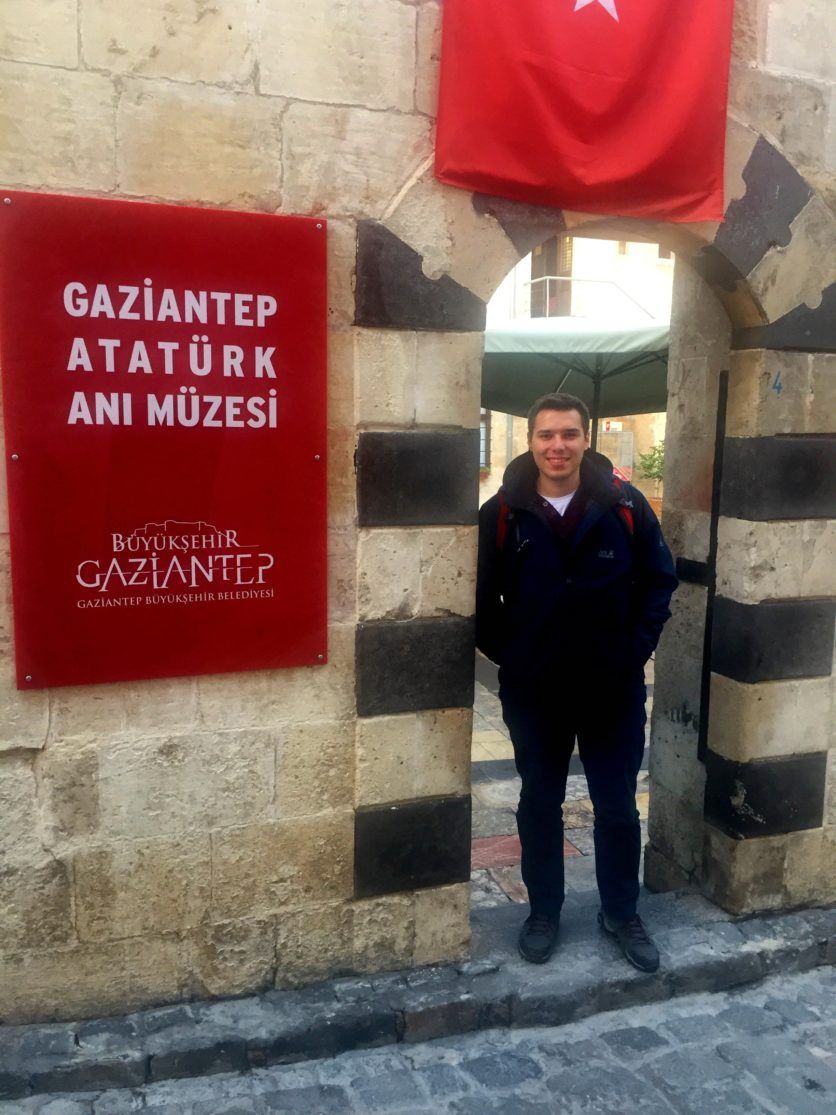 The traditional Antep House belonging to the Konukoğlu family, in Bey neighbourhood where Mustafa Kemal Atatürk was registered, was donated to the Gaziantep Metropolitan Municipality to be made into a museum. With the Atatürk Memorial Museum project, renovation work began; in converting the Traditional Antep House into the Atatürk Memorial Museum, first the original plan, the facade layout and the original Republic and Antep themes that make up the character of the space were worked in across a wide range.
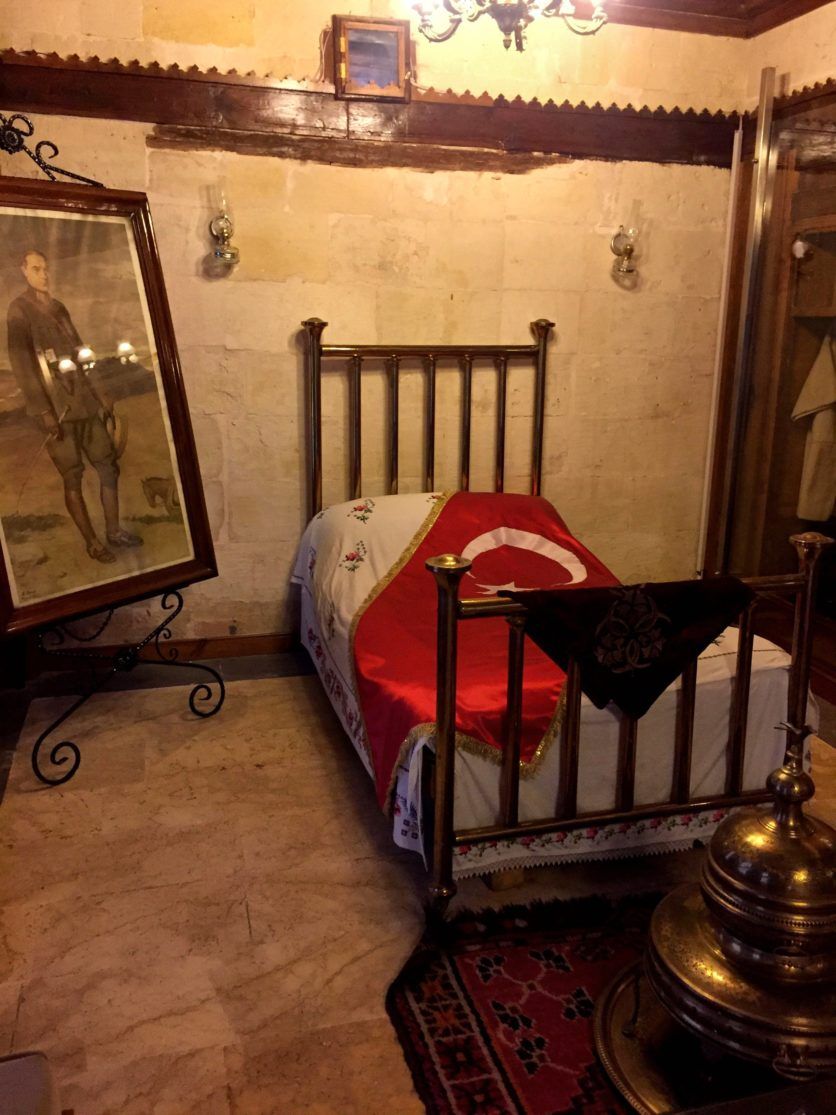 In this museum, which brings the two Gazis together, there are memoirs of Gaziantep and of Gazi Mustafa Kemal. Right in the museum's courtyard, a copy of the identity card showing Atatürk's registration in Bey Neighbourhood and the Medal of Independence given to Gaziantep are displayed. In the "Traditional Antep House" section, the bed Atatürk used when he came to Gaziantep, donated to the museum by Neyir Barlas, is displayed. There's also a traditional Antep house room with a pasha brazier, an Antep kilim donated to the museum by Esra Ağtaş, Antep-embroidered shirts donated to the museum by Yüksel Tekeoğlu, a divan and so on on display.
On the upper floor of the Traditional Antep House is the "Atatürk Research Library". In the library, mostly acquired through donations, besides the many books donated by his family in the name of Cemil Cahit Güzelbey, books donated by visitors make up a library with thousands of publications covering Mustafa Kemal Atatürk, the Republican Period and all the general subjects of Turkish History.
7. GAZİANTEP GAMES AND TOYS MUSEUM
We've said Gaziantep has lots of museums, we've called it the city of museums. So much so that there's even a toy museum. With the toys in its collection, the historic building it's in and its street, it's a wonderful museum. Very enjoyable, very cute…Yes, the Gaziantep Games and Toys Museum is in a historic building in the historic Bey Neighbourhood. Bey Neighbourhood is one of the areas of Gaziantep worth seeing. In this neighbourhood there are 200 Gaziantep houses that have been restored and are used as homes, cafeterias, workshops and art centres. Best of all, a few of them have been opened as museums. The Atatürk Memorial House, the Toy Museum, the Hasan Süzer Ethnography Museum and the Ali İhsan Göğüş Museum are all in the same area.
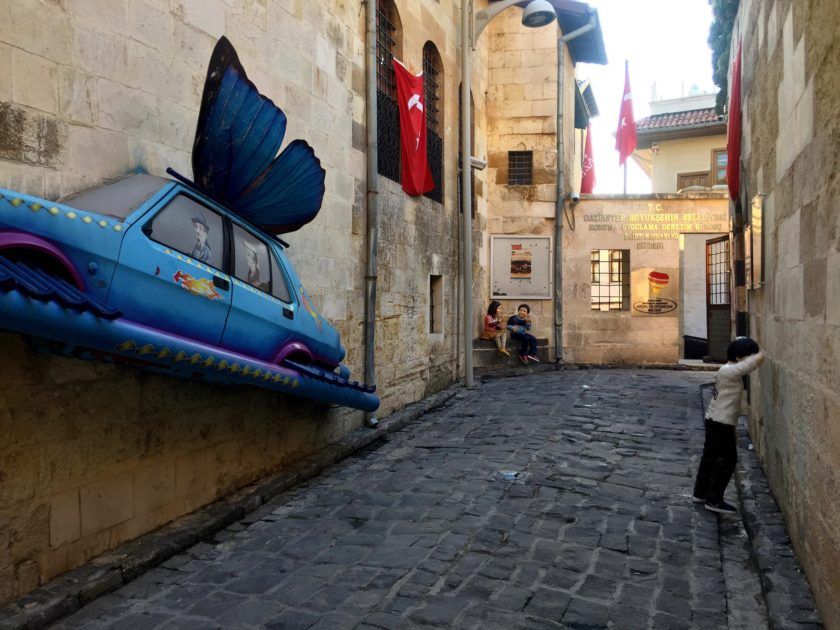 While Bey Neighbourhood is such a historic and lovely neighbourhood, we can say the Toy Museum has added even more to this beauty. Would you look at how lovely the street with the museum is? You get excited before you even enter the building and rejoice like a child. This very narrow street, full of young and old visitors laughing and having their photos taken…
The Gaziantep Games and Toys Museum is in a historic Antep house in Bey Neighbourhood, one of Gaziantep's oldest neighbourhoods. The building was expropriated by the Gaziantep Metropolitan Municipality, renovated between 2010-2011, and opened to visitors on 6 April 2013. The building, with a single courtyard, has 3 floors and is a rare Antep house with its 2-storey cave. The museum's exhibition area is 250 square metres outdoors and 315 square metres indoors. The Games and Toys Museum, which aims to pass on children's culture of life from the past to the present to future generations by preserving and keeping it alive, contributes to children's physical and mental development as a bridge between past and future. In this fairytale house, everyone, young and old, finds something of themselves, and feels the excitement of being able to show their own children the toys they played with in the past.
The museum displays a total of 573 sets and pieces of handmade and factory-made toys from the years 1700-1990. The museum has 9 separate themed sections in total: 4 on the ground floor, 3 on the middle floor, 1 in the attic and 1 in the 2-storey cave.
The rooms on the first floor have the Turkish toys, cinema room, kitchen and social life sections. On the second floor are the wooden room and the golden room. In these rooms you can see the history of toys in toys that are among the very valuable first productions. In the attic room there are toys of recent technology vehicles, and in the cave you can see the section where the world's children are displayed in their traditional clothes, in arrangements of their countries' symbols.
The Turkish Toys section is a room with toys starting with "Fatoş Dolls and their toys" in the 1960s.
The Cinema Room is the section with toys of cinema, theatre, cartoon and fairy tale heroes. Toys such as Pinocchio, Snow White and the 7 Dwarfs, Mickey Mouse, Ghostbusters, a Shakespeare Stage, The Flintstones, Charlie Chaplin and a Laterna Magica are displayed. In the Kitchen room, toys describing daily home life are displayed, such as kitchen utensils, porcelain tea sets and kitchen stoves from home areas like the kitchen and bathroom, used since the 1870s.
Note: You can visit the museum every day except Monday between 08.00-17.00. It's opposite the Gaziantep Atatürk Memorial Museum.
8. GAZİANTEP WAR MUSEUM
In the historic Antep House known in Gaziantep as the "Nakıpoğlu House", keeping alive the memory of the 6,317 martyrs who fell in the defence of Gaziantep, as a symbol of our national unity and solidarity, how the Battle of Antep was won is told to future generations with an audio narration and chronological panels. The city, whose name "Ayıntap" changed to "Gaziantep" on 8 February 1921 when the Grand National Assembly gave it the title of gazi, announces through this "War Museum" the secret of how it was defended for 10 months 9 days with 2,920 people against an army of 21,500.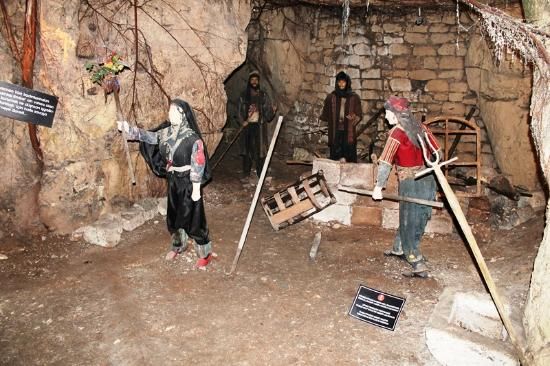 The museum, which almost brings back to life the hard conditions of the war days with the chronological narration of panels prepared entirely with real events and photographs, and with audio, was completed in a short time by Şahinbey Mayor Ömer Can, sparing no sacrifice, with the contributions of the historian Adil Dai. It takes us travellers back to those days and stirs our national feelings.
In addition, the people of Gaziantep donated family heirloom war mementos they kept at home to be displayed in the museum.
The 'Tak-Takı', used in the defence of Antep to make a machine-gun sound and frighten the French soldiers, and the 'sahan bomb', made by the people out of copper food containers because of shortages and thrown at Armenian trenches, are a few of the striking items displayed in the Şahinbey War Museum.
Note: You can visit the museum between 08.00-16.00.
9. MEDUSA GLASS WORKS MUSEUM
It holds the title of Turkey's first private glass works museum. Near Gaziantep Castle, with a collection of close to 2000 glass works and around 1000 bronze, silver, gold and clay works, it's a museum and culture and art centre created by restoring several old Antep Houses to bring out a magnificent atmosphere, reviving handicrafts and presenting various shows.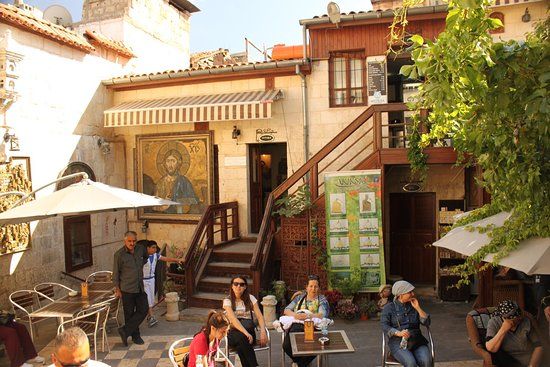 During your visit you can have a nice time in the museum, made up of 3 houses, rest in a lovely atmosphere accompanied by a gramophone recital, and watch various visual shows.
The museum building is made up of six rooms. 5 of the rooms are used as exhibition halls, and 1 as a space where copies of the works are made and offered to visitors.
In exhibition hall 1: bronze figures from the Early Bronze Age, various bronze works from the Roman period, gold jewellery, clay seal impressions, gold coins from the Islamic period, and the lower right buccal (jaw bone) and vertebra (backbone) of a not fully fossilised mammoth from about 150,000 years ago are displayed. In exhibition hall 2 there are glass bottles, perfume and oil bottles, and glass and terracotta amphorae from the Roman and Islamic periods. In exhibition hall 3, spirally grooved, coloured glass bottles from the Islamic period, tear bottles from the Roman period, glass cups, glass bracelets from the Roman period and terracotta oil lamps are displayed. In exhibition hall 4 there are necklaces made of glass and stone, various pieces of jewellery and glass bottles from the Roman and Islamic periods. In exhibition hall 5, glass cups from the Roman period and liquid containers, with and without handles, used for various purposes are displayed.
Note: You can visit the museum, whose entry fee is 4 TL for adults and 2 TL for students, between 08.00-17.00.
 48 km
 146 km
 146 km