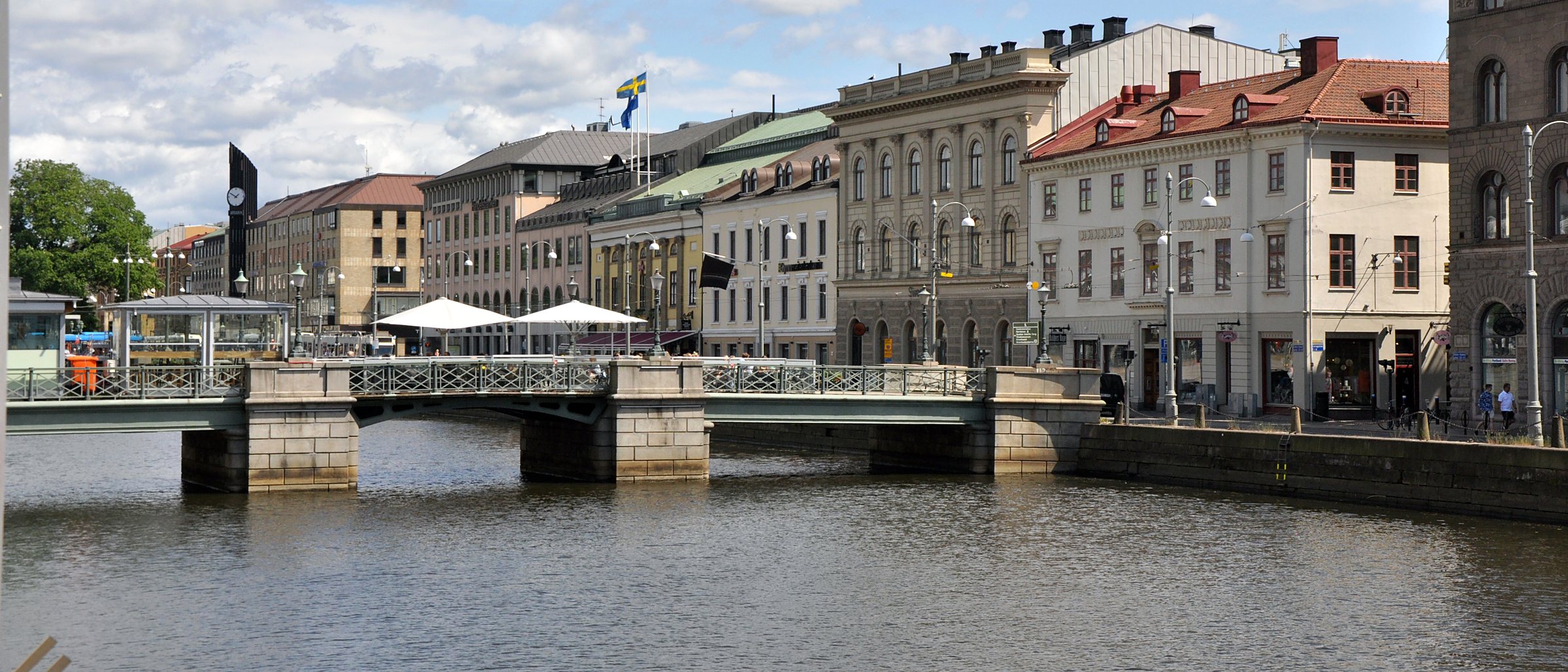
Grab your backpack, we have a few hours for Gothenburg! Sweden’s second largest city, with a population of over 1 million!
It is also the 5th largest city on the Nordic coasts. We want to avoid the tourist traps and make the most of this short time. Here is the Gothenburg guide we put together by reading the locals’ recommendations before we went!
Röda Sten Art Centre and the Älvsborgsbron Bridge
We couldn’t skip this inspiring place, which appears in every local recommendation. As the furthest point from the train station, we chose it first. We arrived excited: towards the edge of the city, right next to the oil harbour. A charming place that works as an art centre and a restaurant/café.
A favourite of the locals, many of them vegans… The Älvsborgsbron bridge may be a pile of metal, but it adds colour to the view. With the noise the cars make as they cross, it reminds you how heavy metal is.
Plaskdammen
As we said, we decided to explore by following local tips rather than the usual sights. In Mariaplan, a hipster village in Majorna, there is a really sweet pool. They told us whoever you are looking for, you’ll find them here. A cool bit of fun in the middle of the city for children and little dogs!
The Poseidon Statue, Götaplatsen
Poseidon, king of the seas, was waiting for us to come back to the city centre. We decided to spend the rest of our time in the centre.
On the square with the statue there is an art museum, the city theatre, a concert hall and a huge open space!
If you have time, the Gothenburg Natural History Museum, Slottsskogen Park, the Gothenburg Botanical Garden and Liseberg amusement park are great places to visit. Even if they are a little outside the city, they are worth the time! Liseberg was opened to mark the 300th anniversary of the founding of Gothenburg. Entry to the botanical garden is 20 SEK.
The Haga District
From the square with the statue we start walking towards the Haga district.
The Home in Haga city museum, Oscar Fredrik Church, Linnéterrassen and Skansen Kronan (a fortress built as a shelter) are close by. There is a Lidl around here too! :)
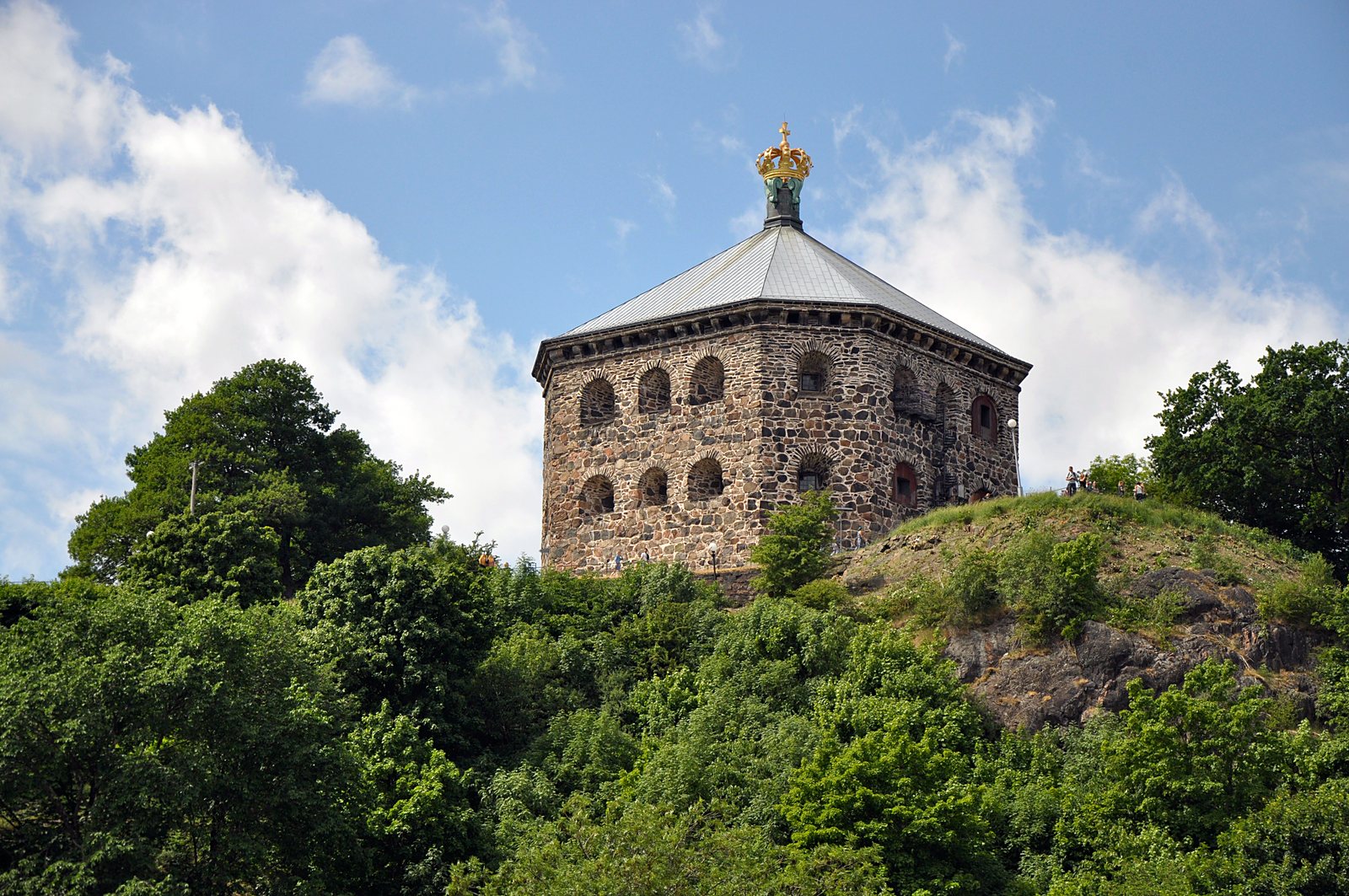
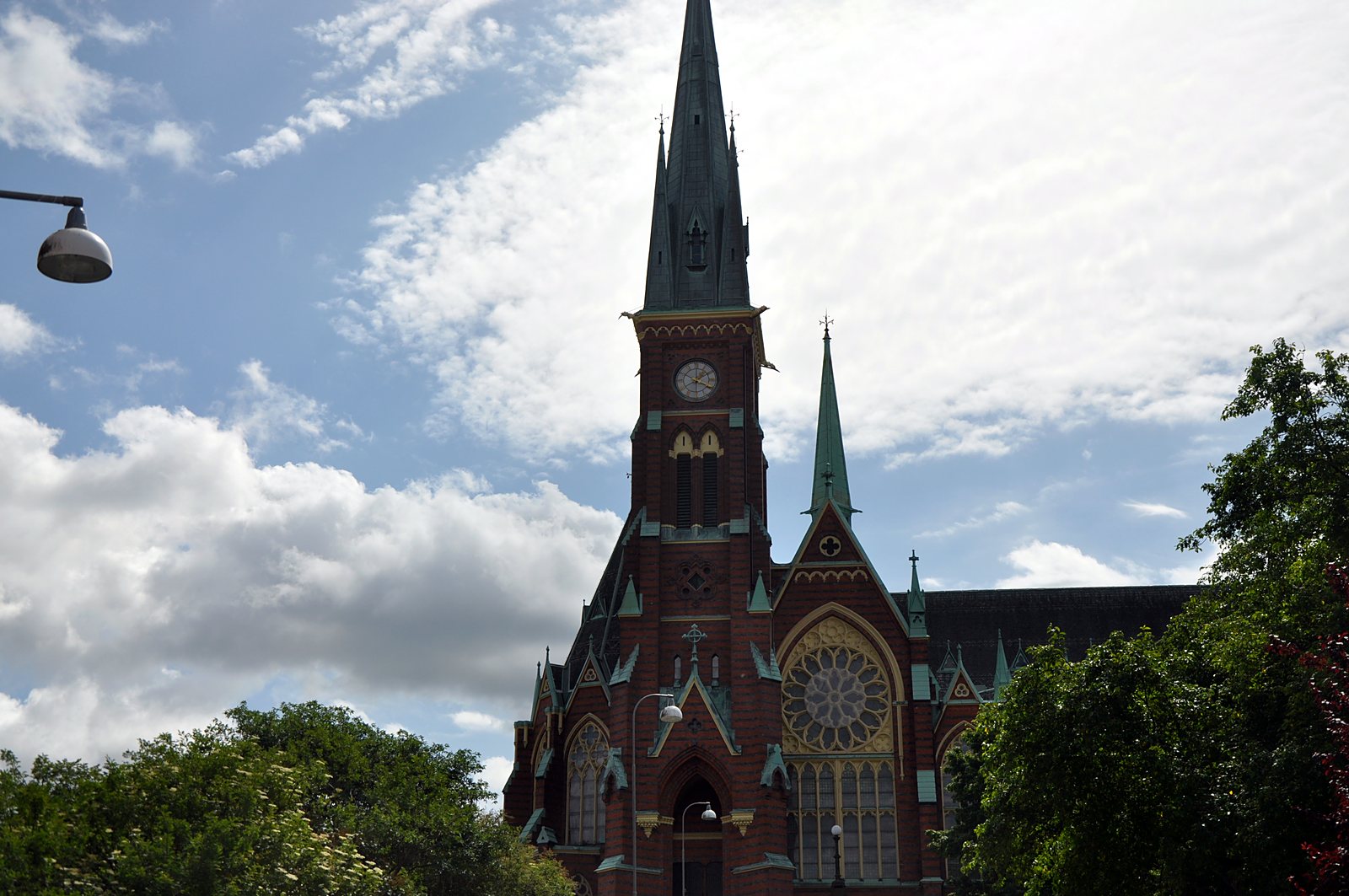
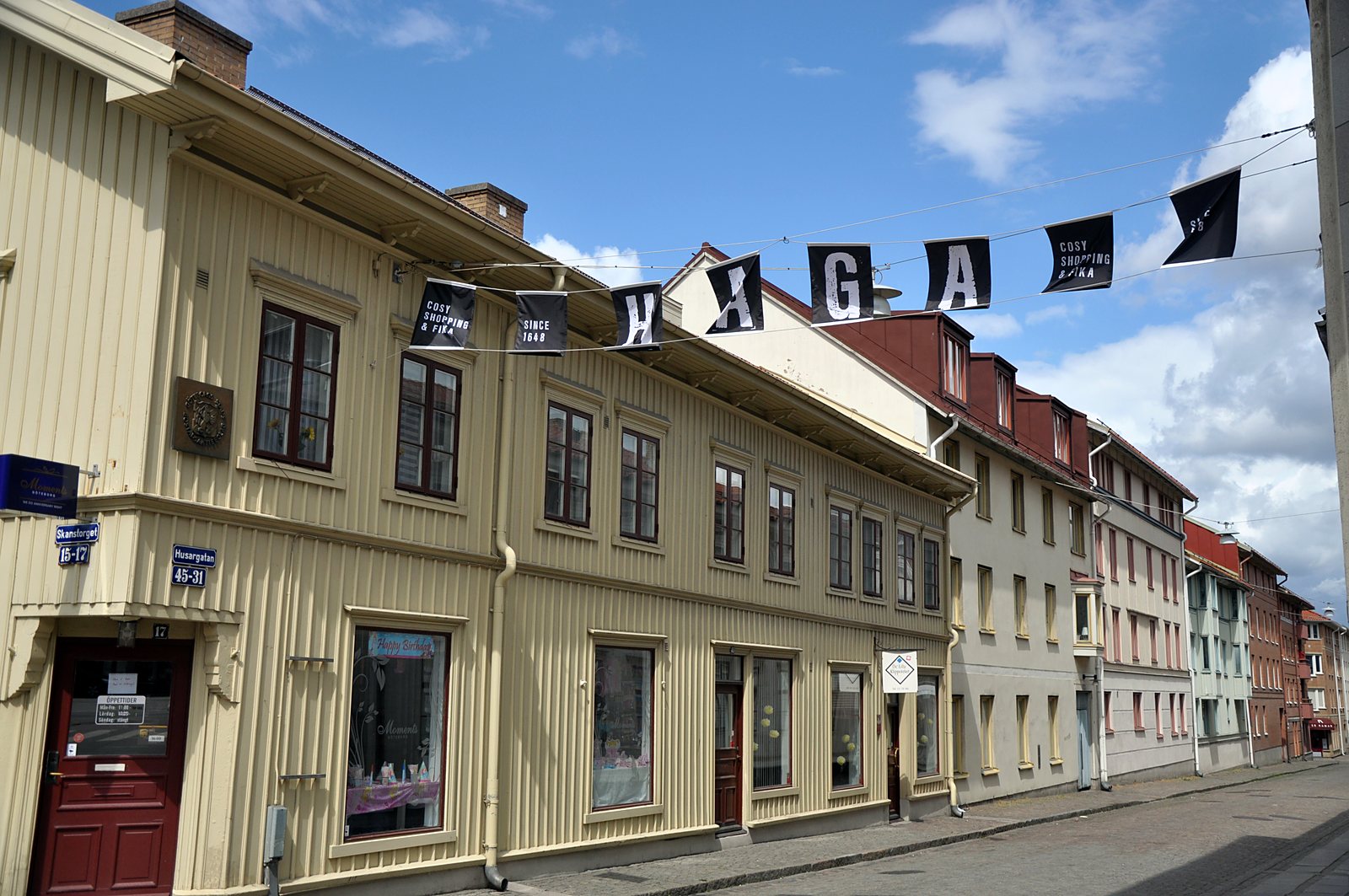
Haga, with its historic wooden buildings and cobbled streets, is the oldest and sweetest part of the city! Buildings from the 1600s have been restored and preserved, and have come down to today as a popular destination.
The historic spa Hagabadet, open since 1876, is here too!
Many cafés here are the meeting place for shopping, fashion and of course “fika”, the Swedish coffee tradition. If you ask us, we wouldn’t even buy socks here though :D Popular coffee tips are Da Matteo (Viktoriapassagen, Vallgatan 5) or Viktors Kaffe (Götaplatsen, Geijersgatan 7). An espresso is 17 kronor, about 10 TL; and for something sweet with it, we recommend a kanelbulle.
Feskekôrka (Fish Hall)
Walking towards the train station there is a big park; even from the pictures it was clear we would really enjoy exploring it. Here is King’s Park.
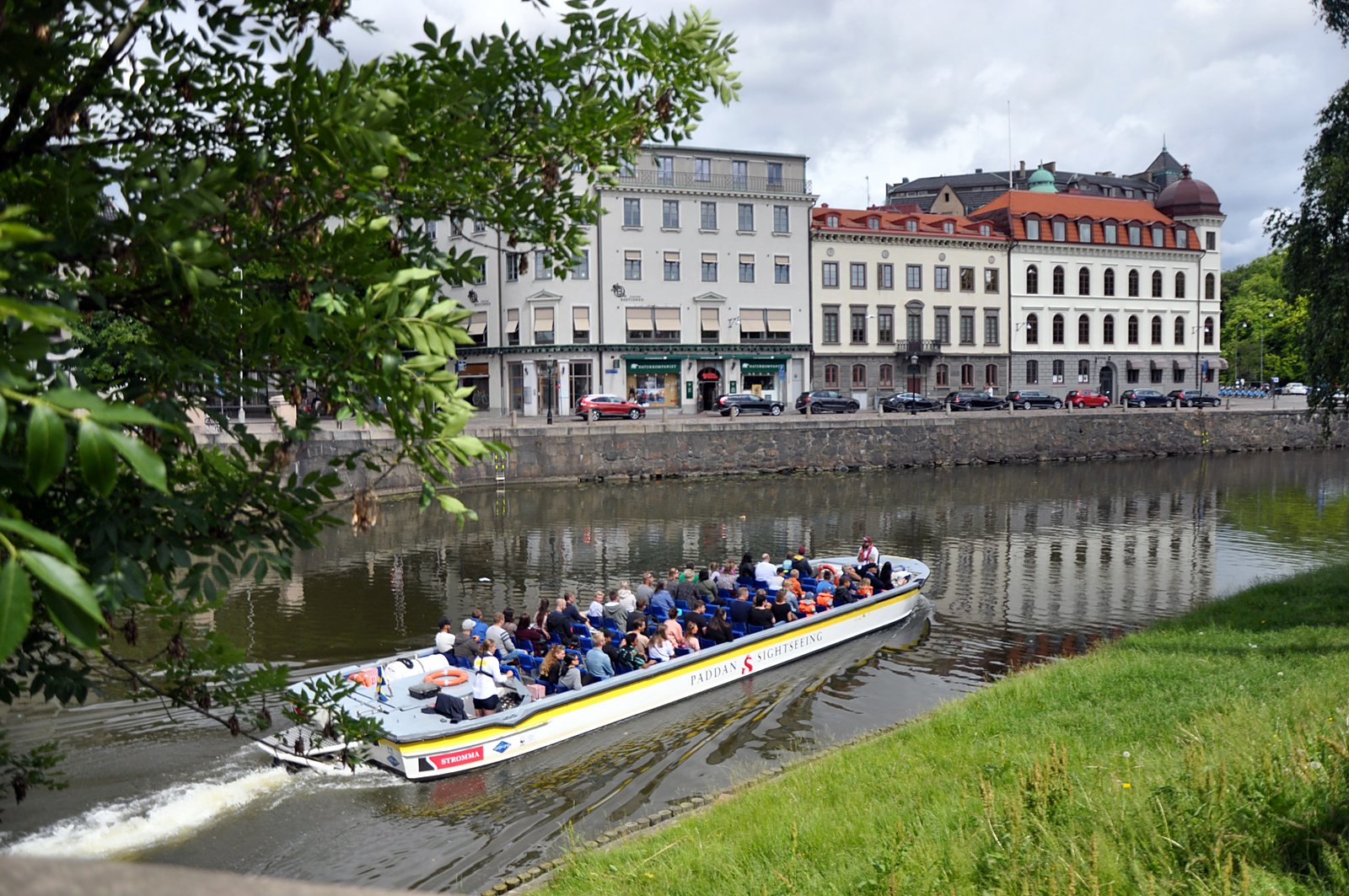
King’s Park (Kungsparken)
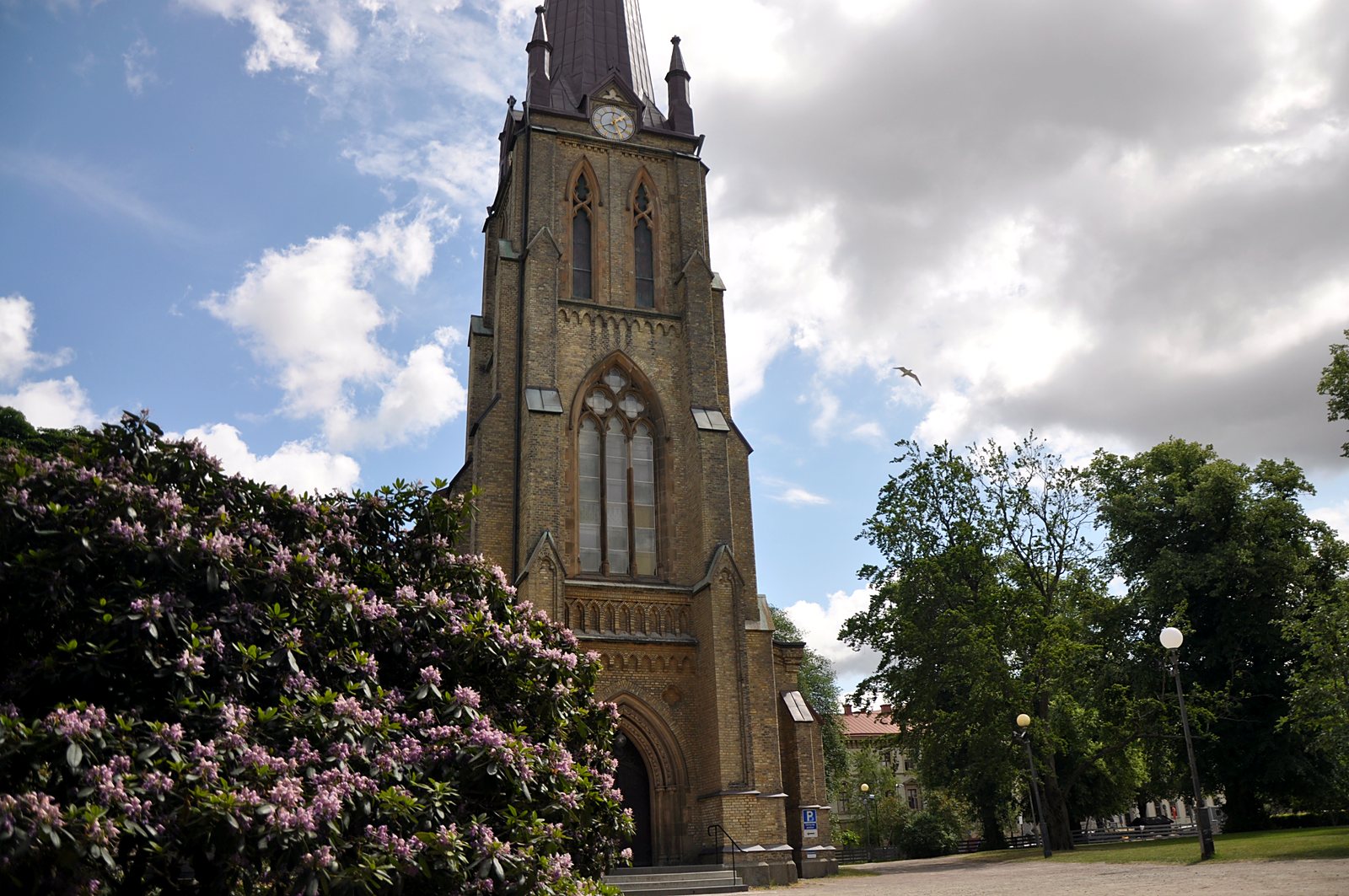
The park, with the Protestant church Hagakyrkan at its entrance and stretching along the river, goes on and on. Our favourite corners:
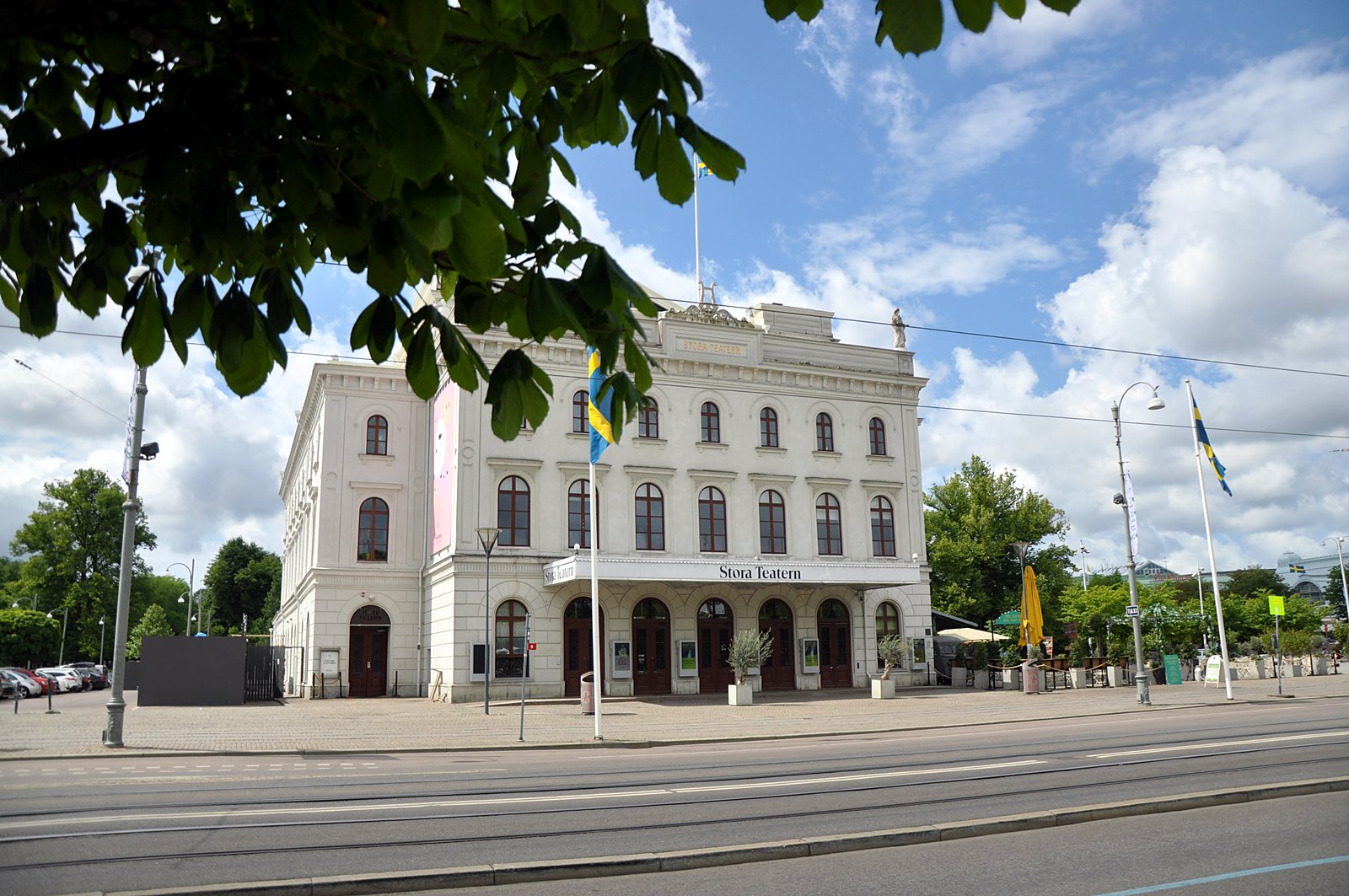
- Grand Theater and the Stora Teatern Café: a theatre for music, dance and the performing arts
- Stora Nygatan
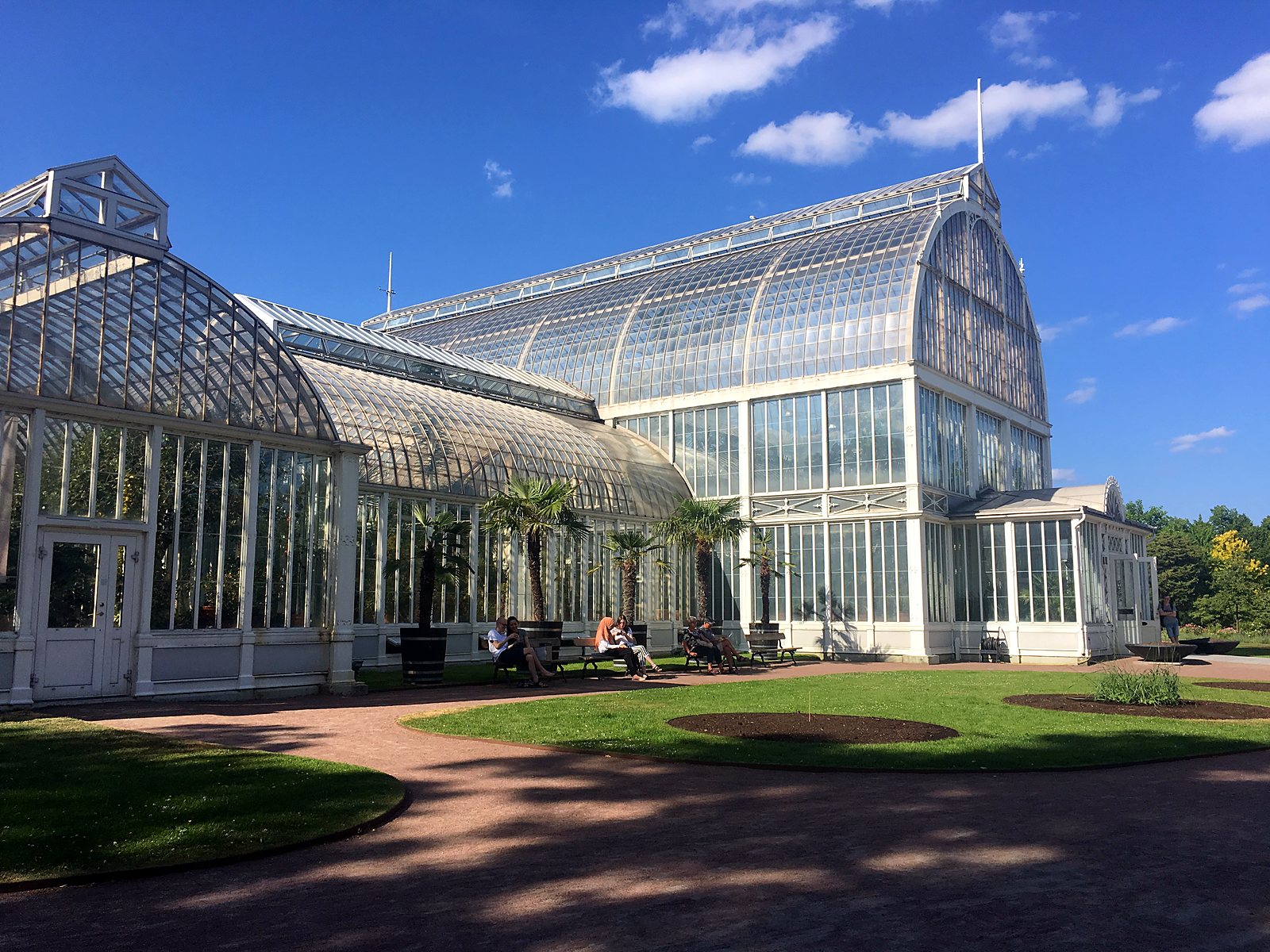
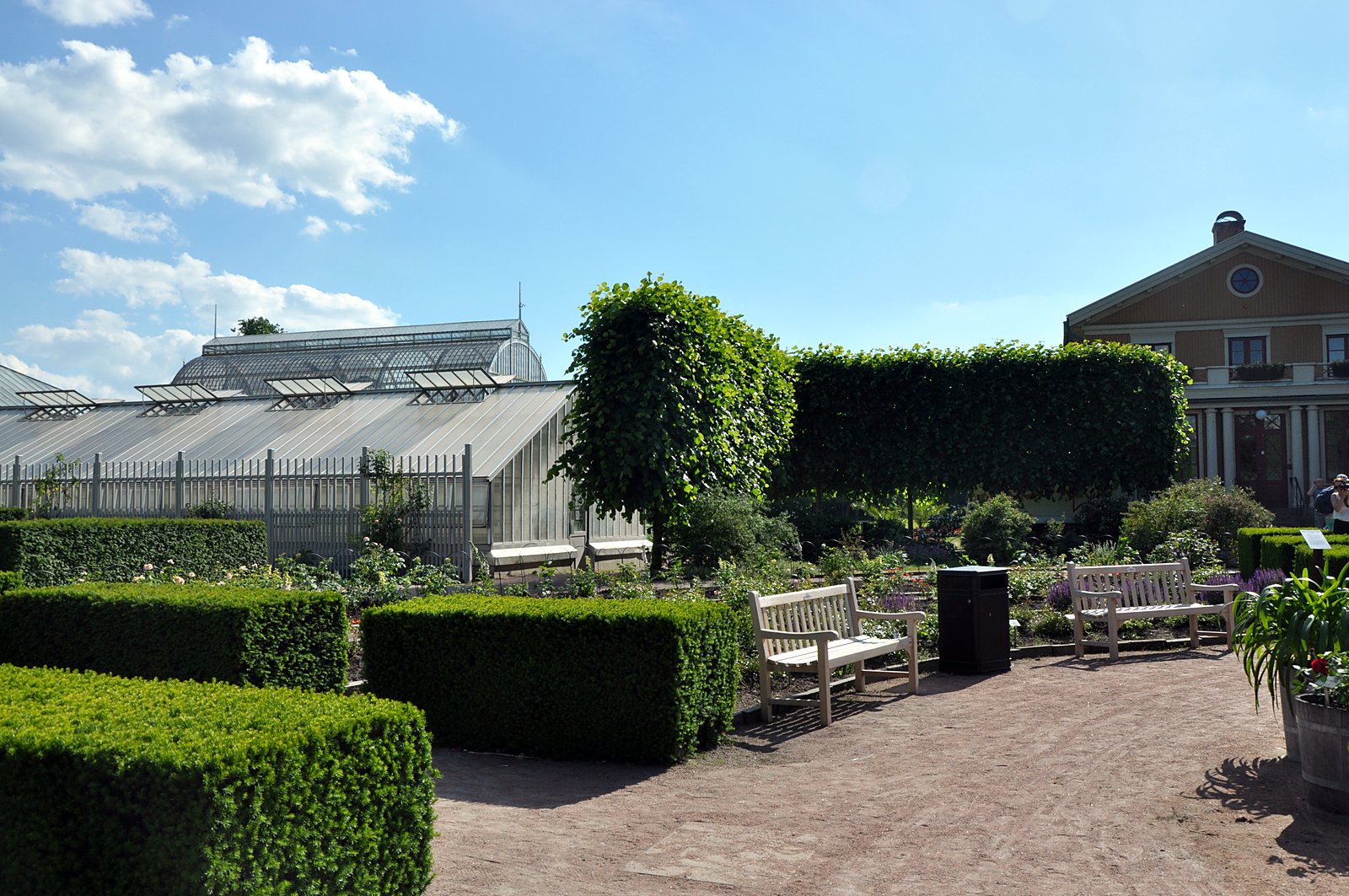
- Palm House, a wonderful winter garden
- The garden of the Gothenburg Garden Society (Trädgårdsföreningen)
And from here to the train station, on to our next stop: Malmö!
 198 km
 203 km
 229 km