With its palaces, museums and art houses, here's Vienna! 👇👇
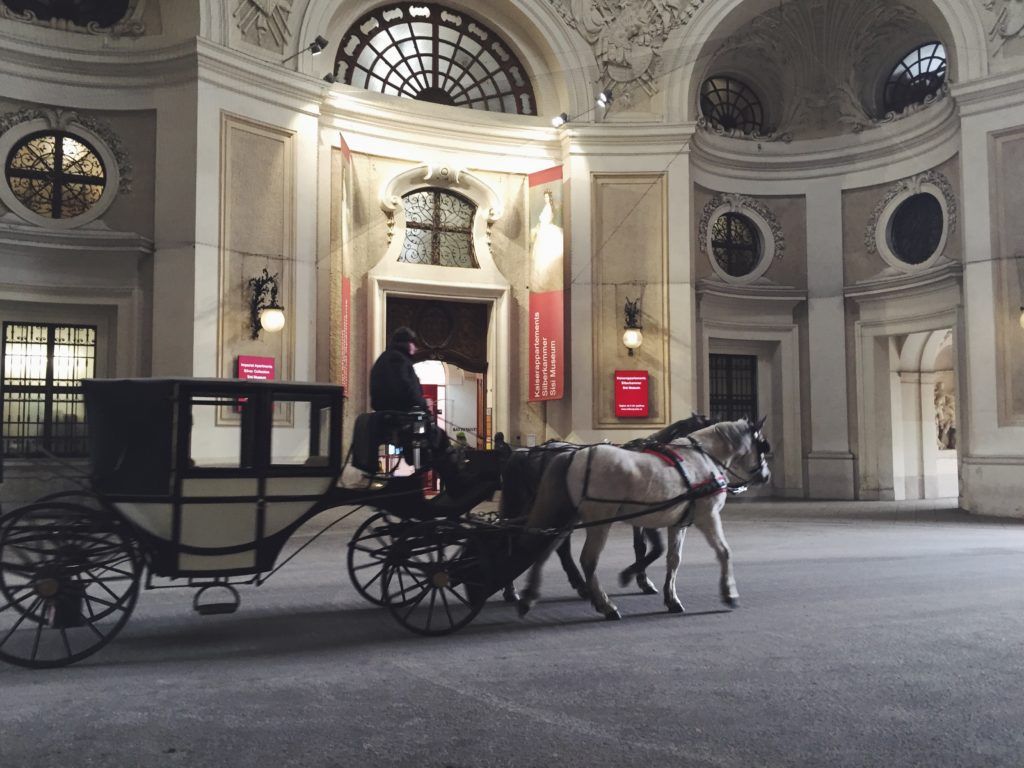
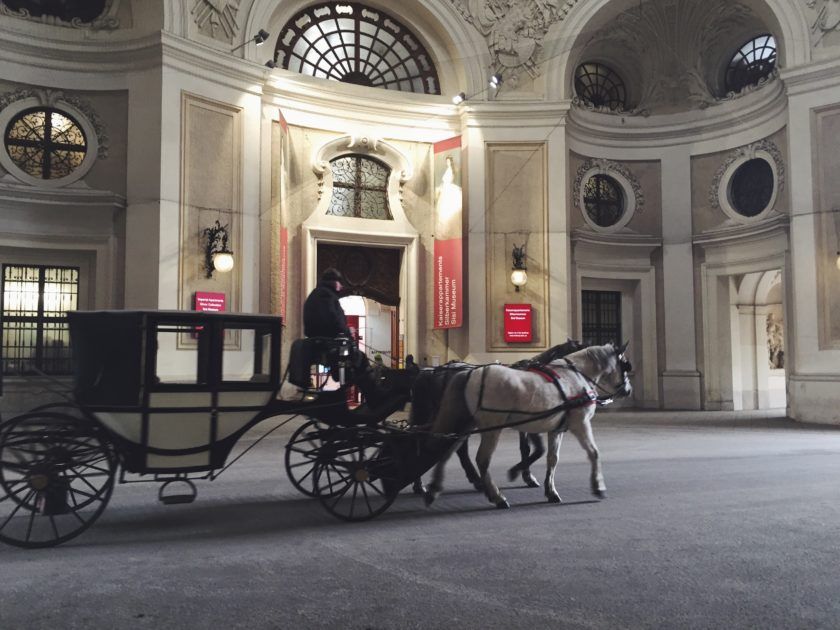
HOFBURG IMPERIAL PALACE - THE WINTER PALACE
From the palace, right in the centre of the city, almost everywhere is within walking distance. For visitors the palace is divided into three different sections: the Imperial Silver Collection, the Sisi Museum and the Imperial Apartments.The first section has objects like plates and bowls. The Sisi Museum gives you the chance to see the belongings of Franz Joseph's wife, who won the people's love and was famous for her beauty. In the Imperial Apartments you can have an interesting experience exploring the places where Franz Joseph and Sisi lived and their belongings.
Note: The palace, open every day of the week, can be visited between 09.00 - 18.00 in July-August and 09.00 - 17.30 in September-June. Entry costs 12.5€ for adults and 11.5€ for students. Being a student doesn't seem to get you much :)
Getting there: You can get here on the U3 metro line from Herrengasse station.
SCHÖNBRUNN PALACE - THE SUMMER PALACE
Yes yes, you read that right: sum-mer pa-lace! That being the case, of course, when summer comes it's only proper to stay in the summer palace :)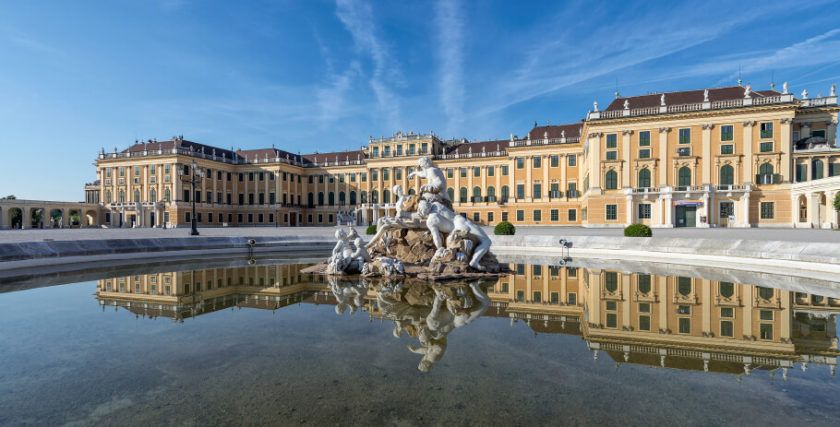
Photo: https://www.schoenbrunn.at
Touring Schönbrunn Palace isn't an easy job. If we think of it as a summer residence, the palace is of course quite far from the city centre. Well, say we've got here; then there's the touring. The palace, made up of 1000 rooms, is daunting. As everywhere, here too you don't get the chance to tour the whole palace. You have two tour options:Imperial Tour, touring 22 rooms, 12.9€ Grand Tour, 40 rooms, 15.9€
You need to decide before you go and buy the ticket. When you go inside the palace, the grandeur you'd expect greets you. The palace gardens are a completely different world; during our Vienna trip, touring the palace gardens was the thing that tired us most. Especially in winter it's quite hard. But it's worth the pleasure you get; wandering among them you travel into the past :)
Note: You can visit the palace, open every day, between 08.30 - 17.30 in April-June, 08.30 - 18.30 in June-September, 08.30 - 17.30 in September-October and 08.30 - 17.00 in November-March.. In addition to the prices mentioned above, there's also a small student discount.
Getting there: You can get here on the U4 metro line from Schönbrunn station.
BELVEDERE PALACE
In Vienna, the city of palaces, we carry on touring palaces! We've come to another palace, Belvedere Palace!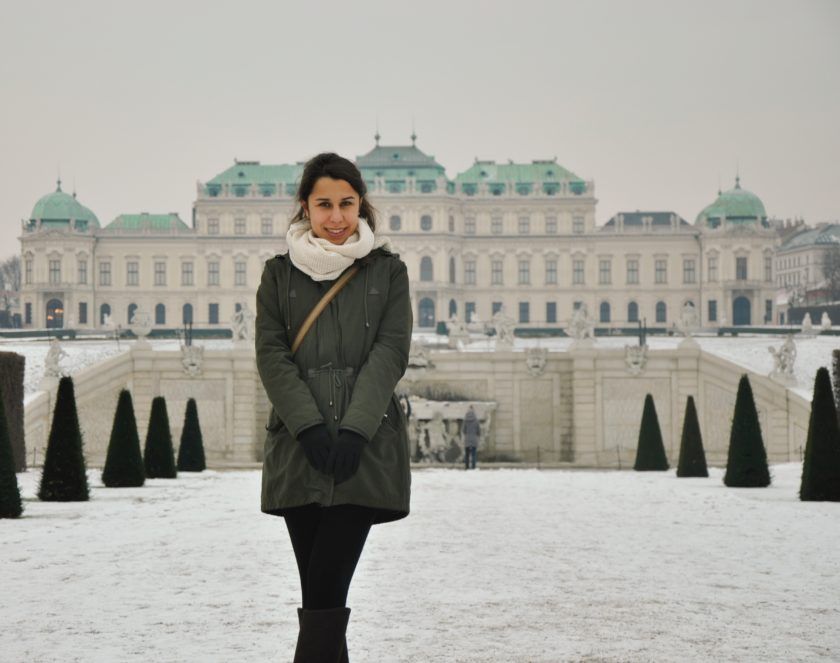 This palace, given as a gift to Prince Eugene of Savoy, who showed outstanding success during the Siege of Vienna, also made it easier for us to understand where the name of the hotel we stayed at came from. The snow getting heavier in the early morning coincided with our tour of the palace. I can say we got wonderful shots. Visually it will satisfy you a lot.
The palace is made up of two parts. These are named the Lower Belvedere and the Upper Belvedere. If your time is limited, you can tour the Upper Belvedere and see the paintings "The Kiss" and "Judith".
Note: You can visit the palace, open every day of the week, between 10.00-18.00. With a palace this big, naturally there isn't just one type of ticket. The Upper Belvedere is 14€, the Lower Belvedere 11€, and a ticket covering both the Lower and Upper Belvedere costs about 20€.
Getting there: You can get here on the U1 metro line from Taubstummengasse station, or using the D tram line from Schloss Belvedere station.
ST. STEPHEN'S CATHEDRAL - STEPHANSDOM
Like Hofburg Palace, this is on Stephansplatz, said to be right in the middle of Vienna. It's a huge cathedral with marvellous architecture. It's one of the top 5 buildings that come to mind when you say Vienna. Since it's in the centre, it's nice for photographing both by day and by night. Because of the square it's on, it's very close to Kärntner Straße, one of the streets in the city with the most tourists, so you'll see it in front of you.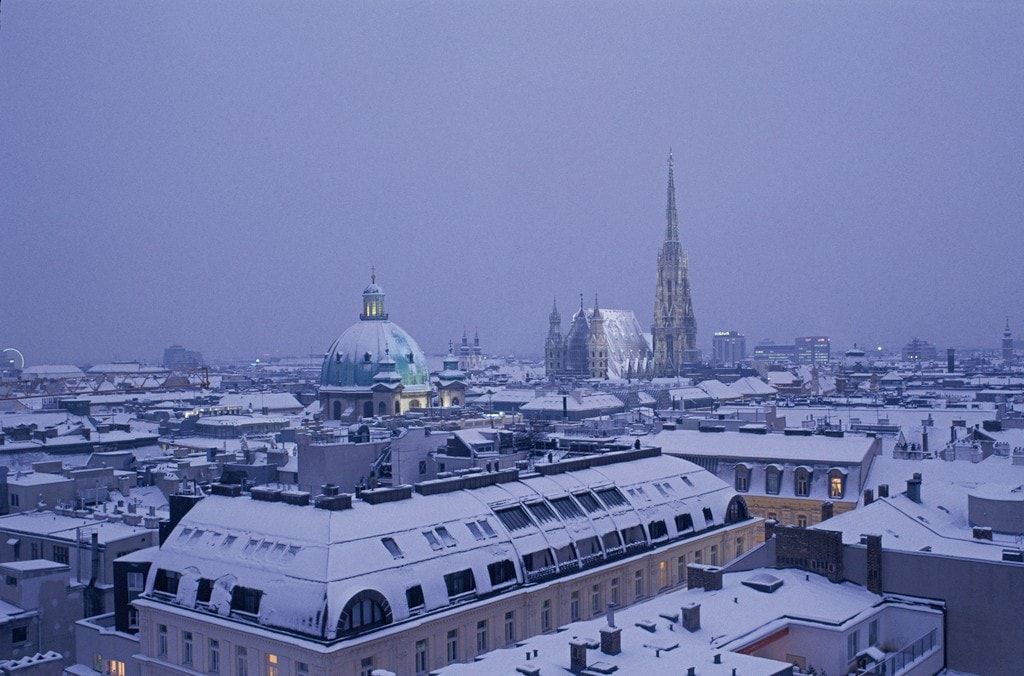 The building is used both as a museum and as a café. You can look at the architecture to your heart's content and, if you've gone in winter, sip something to warm you up.
Getting there: You can get here on the U1 metro line from Stephansplatz station, or using the D tram line from Kärntner Ring, Oper station.
HUNDERTWASSER HOUSE - HUNDERTWASSERHAUS
It's an apartment building built by the Austrian artist Friedensreich Hundertwasser. It's very different from the many council houses the Vienna Municipality built in 1983-1986. Its most striking difference from the other houses is that there's no flat part anywhere on the building, and, as you can see in the pictures, its exterior is colourful.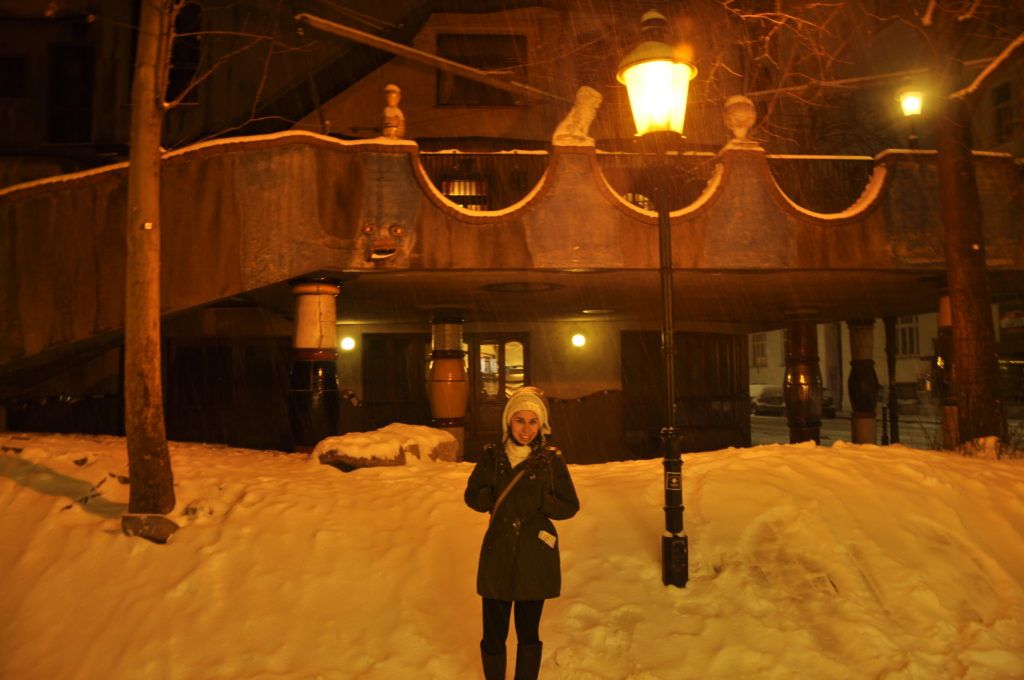
With the day getting dark early, we could only go after dark
The building has 52 flats and 4 shops in total, and the terraces on top of the building look like a big garden. This building by Friedensreich Hundertwasser is at the top of the buildings that attract the most tourists in Vienna.Getting there: You can get here using the O tram line from Radetzkyplatz station.
VIENNA ART HOUSE - KUNST HAUS WIEN
The building, made by Friedensreich Hundertwasser, the architect of the Hundertwasserhaus, is used both as a museum and as a café. So you can look at the architecture to your heart's content and, if you've gone in winter, sip something to warm you up.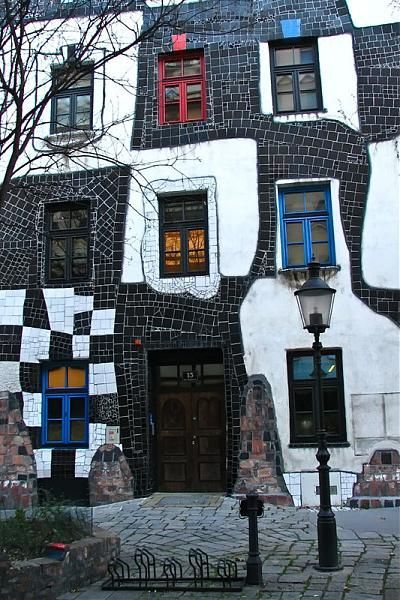
Kunst Haus Vienna
Getting there: You can get here using the O tram line from Radetzkyplatz station, or using the 4A bus line from Rasumofskygasse station.THE OPERA HOUSE - WIENER STAATSOPER
The Vienna State Opera House, considered to have the best hall in the world, appears before us as one of the city's landmark buildings.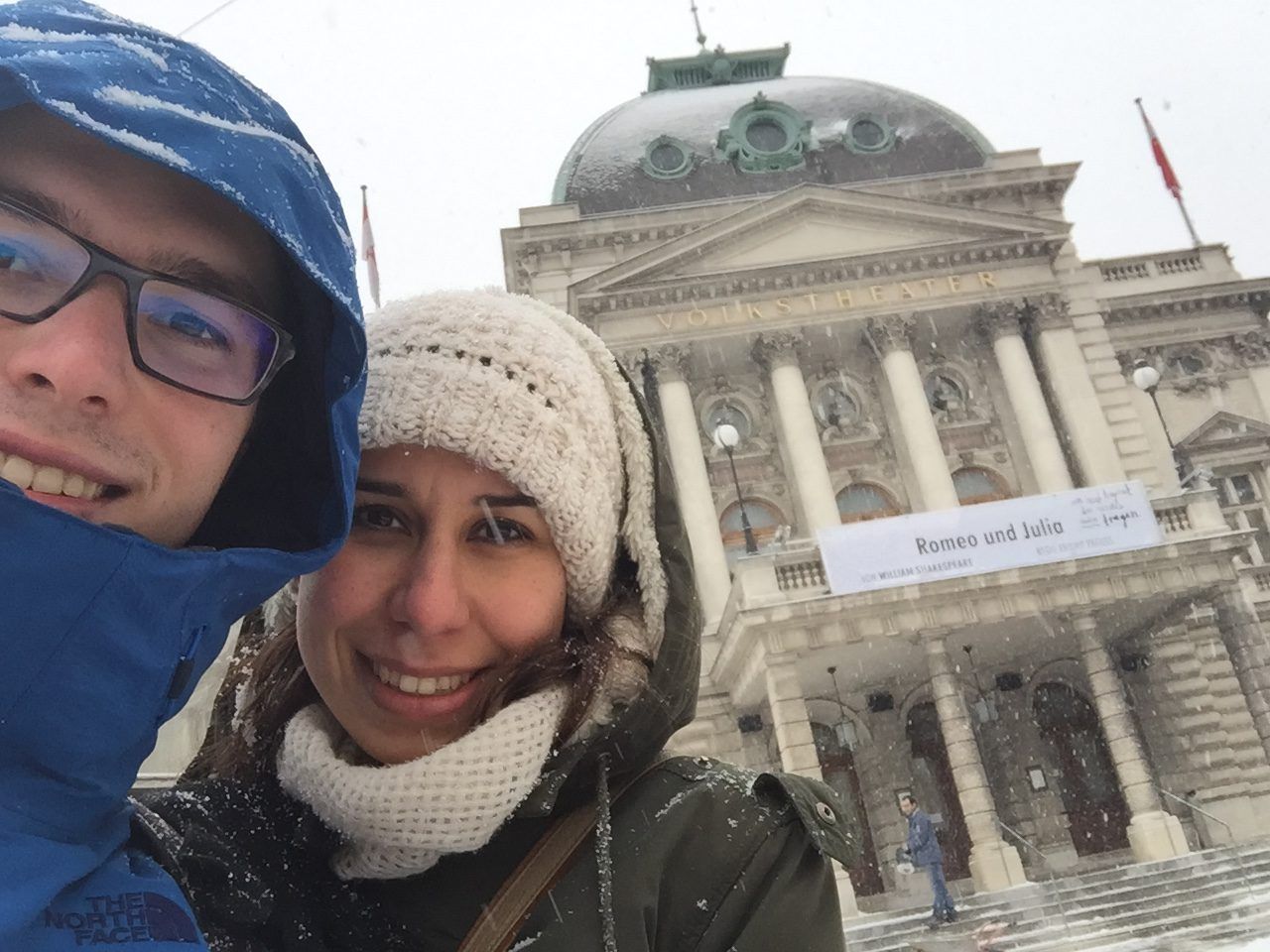
Vienna Opera House
The Neo-Renaissance building, built for Emperor Franz Joseph between 1861-1869, didn't get much interest from the city's residents when it was first built. Although the building, bombed in 1945 during World War II, was badly damaged, the restoration afterwards has carried it to the present day.You can tour the Opera House on guided tours, and you can also see it by buying tickets for the performances held. When we looked at tickets before going we couldn't find seats, but even if we had, the prices weren't really the kind you'd buy.
Getting there: You can get here using the D tram or 71 tram line from Kärntner Ring, Oper station.
VIENNA CITY HALL - RATHAUS
The Neues Rathaus, known as the New City Hall, appears before us as one of the city's new but most impressive buildings.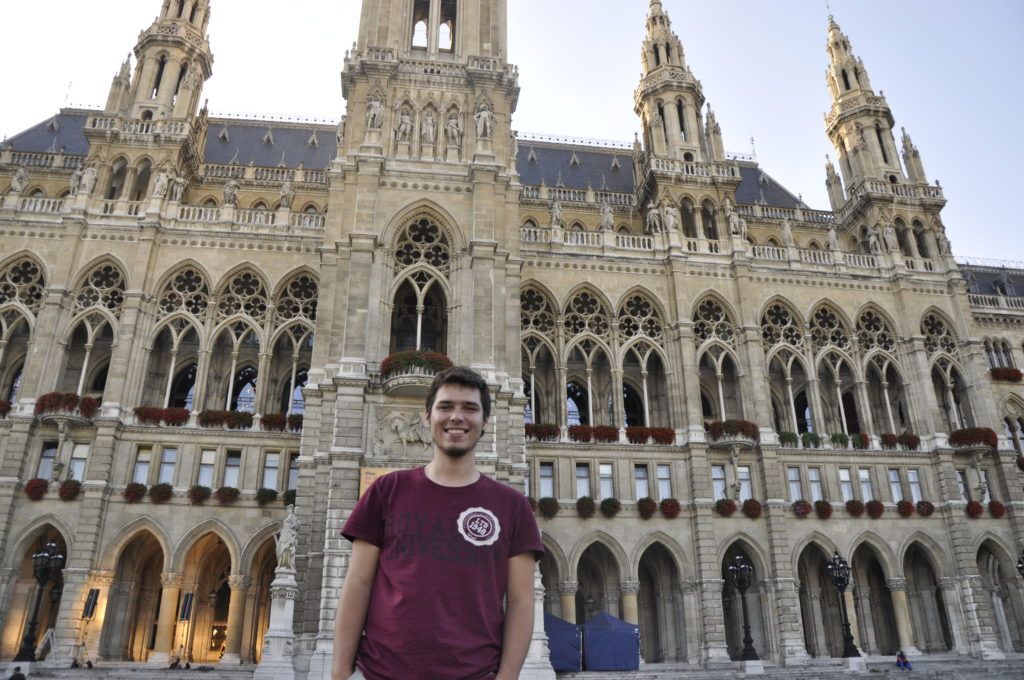
Photo: from my 2012 Interrail trip
The City Hall, built between 1872 and 1883 on the site of the old building, has Neo-Gothic architecture. Seeing the building, home to the Vienna City and State Assembly, is very advantageous for January visitors like us. Why?? You get the chance to see the Vienna Ice World Festival, held every year between the end of January and the start of March. I think if you're going at this time, definitely don't miss this visual show!Getting there: You can get here using the D tram or 71 tram line from Stadiongasse/Parlament station.
TÜRKENSCHANZPARK
This park, spread over an area of 150,000 m2, is very important for us. The reason is perfectly clear: it's the last point the Ottoman State was able to advance to during the Second Siege of Vienna! The city was besieged in this area and this park was used as a trench. After the siege, it's said that the Ottoman soldiers left their weapons here and fled. The park, like the summer palace, is a little outside the city. If you have time, I recommend going to the park. In the park you can see:- 400 different species of trees and botanical plants,
- a 23-metre water tower with 88 steps, built by Franz Joseph in 1888,
- a fountain built in 1991 to mark the 750th anniversary of Yunus Emre's birth,
- running-walking tracks,
- different fountains and many statues.
AUSTRIAN NATIONAL LIBRARY - NATIONALBIBLIOTHEK
The Austrian National Library, known as the Royal Library until 1920 and Austria's largest library, is right next to Hofburg Palace. With its inside being more beautiful than its outside, it's an unchanging member of the "World's Most Beautiful Libraries" list. If you're a student like us, you won't have any trouble being let in.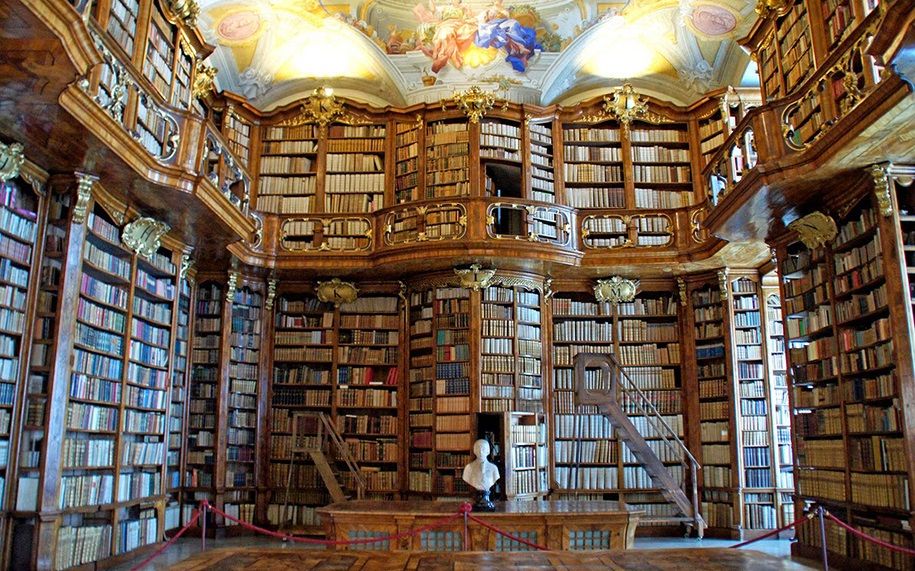
Photo: Renate Dodell
Getting there: You can get here using the U1 metro line from Stephansplatz station, or using the D tram or 71 tram line from Kärntner Ring, Oper station.MUSEUM OF MODERN ART - MUMOK
The Museum of Modern Art, Central Europe's largest modern-contemporary art museum, is in the Museumsquartier, the city's museum district. Interestingly, with its prison-like exterior architecture it has a very eye-catching design.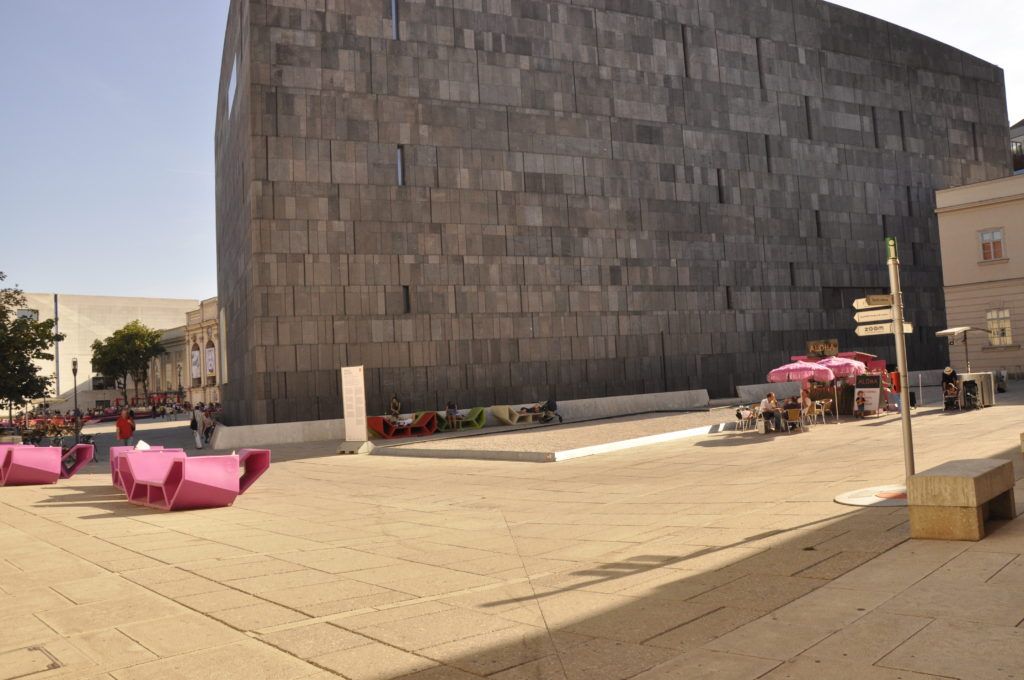
Photo: from my 2012 Interrail trip
Here's an interesting fact: with more than 230 works donated to the museum by Peter Ludwig and his wife, it began hosting many works from 1981 onwards.Note: The museum, open every day, can be visited on Monday 14.00-19.00, Thursday 10.00-21.00 and on other days 10.00-19.00. Entry costs 11€ for adults and 7€ for students.
Getting there: You can get here using the U2 metro line from Museumsquartier station, or using the 71 tram line from Burgring station.
LEOPOLD MUSEUM
The Leopold Museum, another museum in Vienna's museum district, is a wonderful museum where you can see many works made by Egon Schiele, one of Austria's most valuable artists, in his very short life.Note: The museum, open every day except Tuesday, can be visited between 10.00-18.00. Entry costs 12€ for adults and 8€ for students.
Getting there: You can get here using the U2 metro line from Museumsquartier station, or using the 71 tram line from Burgring station.
13. ALBERTINA MUSEUM
It has a unique collection displaying modern works, with close to 65,000 drawings and close to 1 million prints made with techniques like lithography. Don't really consider not visiting as an option!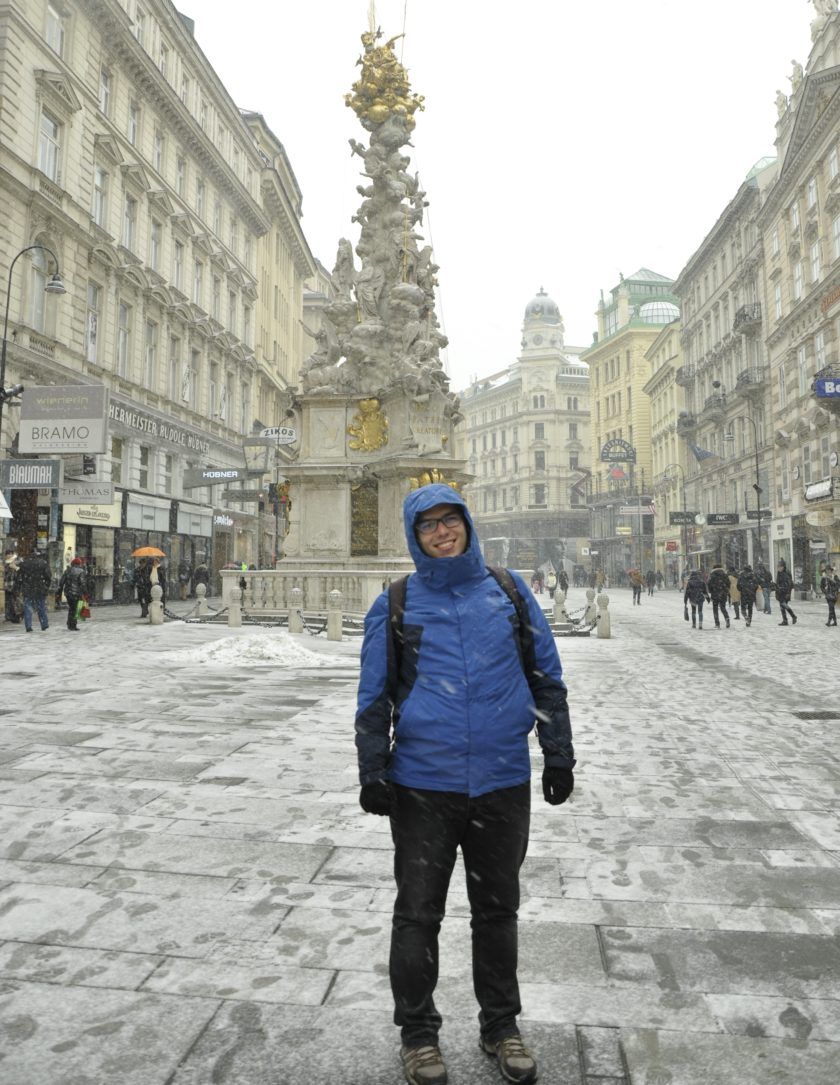 Note: The museum, open every day, can be visited between 10.00-18.00. Entry costs 12.9€ for adults and 8.5€ for students. I couldn't really make sense of museums in Vienna selling tickets with .9 fractions, like in a clothes shop. Just make it 13€ and everyone's happy!
Getting there: You can get here using the U1, U2 and U4 metro lines from Karlsplatz station, or using the 71 tram line from Kärntner Ring, Oper station.
 42 km
 214 km
 251 km