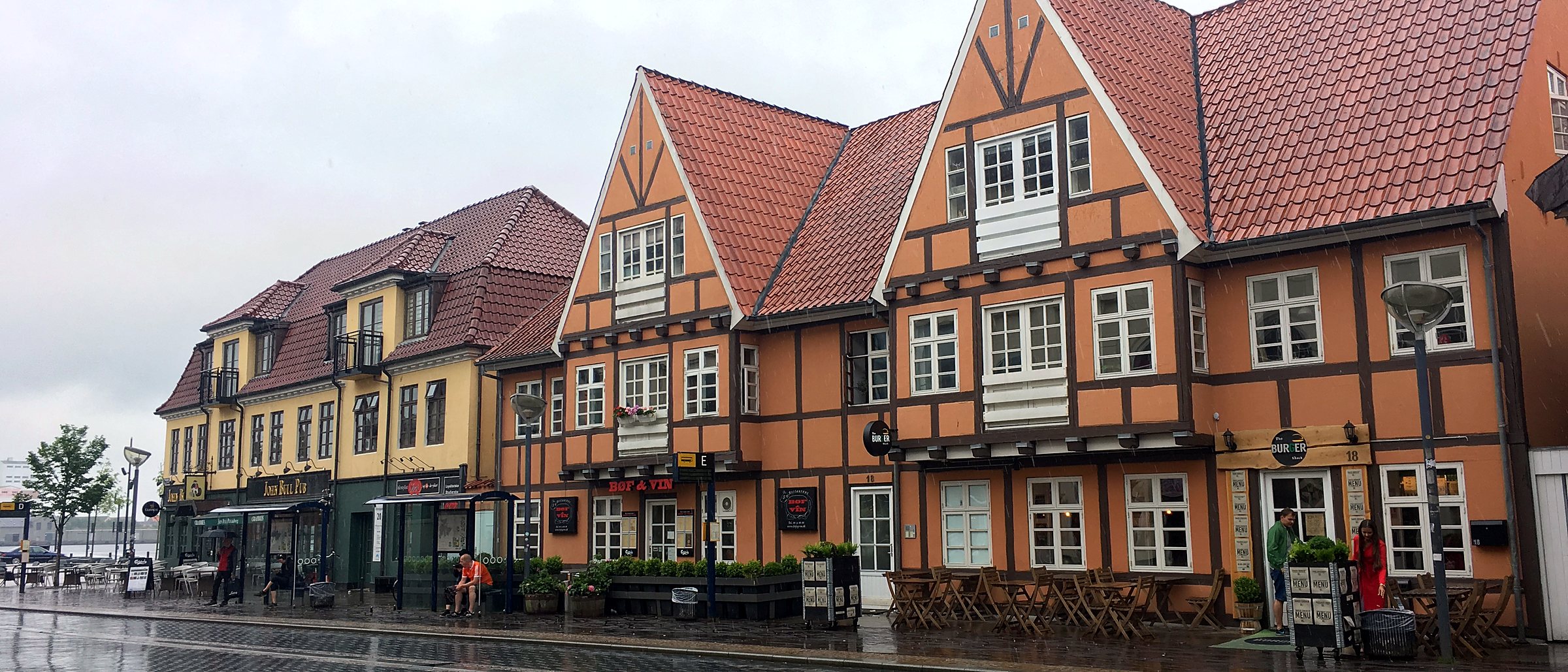
Since Vejle we have been continuing north through Denmark. After Vejle we explored Aarhus, and now it is Aalborg’s turn! Aalborg, Denmark’s fourth largest city, is a port city like Aarhus and also a university city. But we didn’t really like this city. Since we had already seen everything we could in the other cities we visited, honestly it didn’t interest us much. We took a quick look around and thought we’d write about it, but you can skip it. After Aalborg we visited Hjørring and Hirtshals. And then, on the night ferry, our route: Bergen!
Places to Visit in Aalborg
Founded at the narrowest point of the fjord known as Limfjord, Aalborg went down in history as an important town in the Middle Ages.
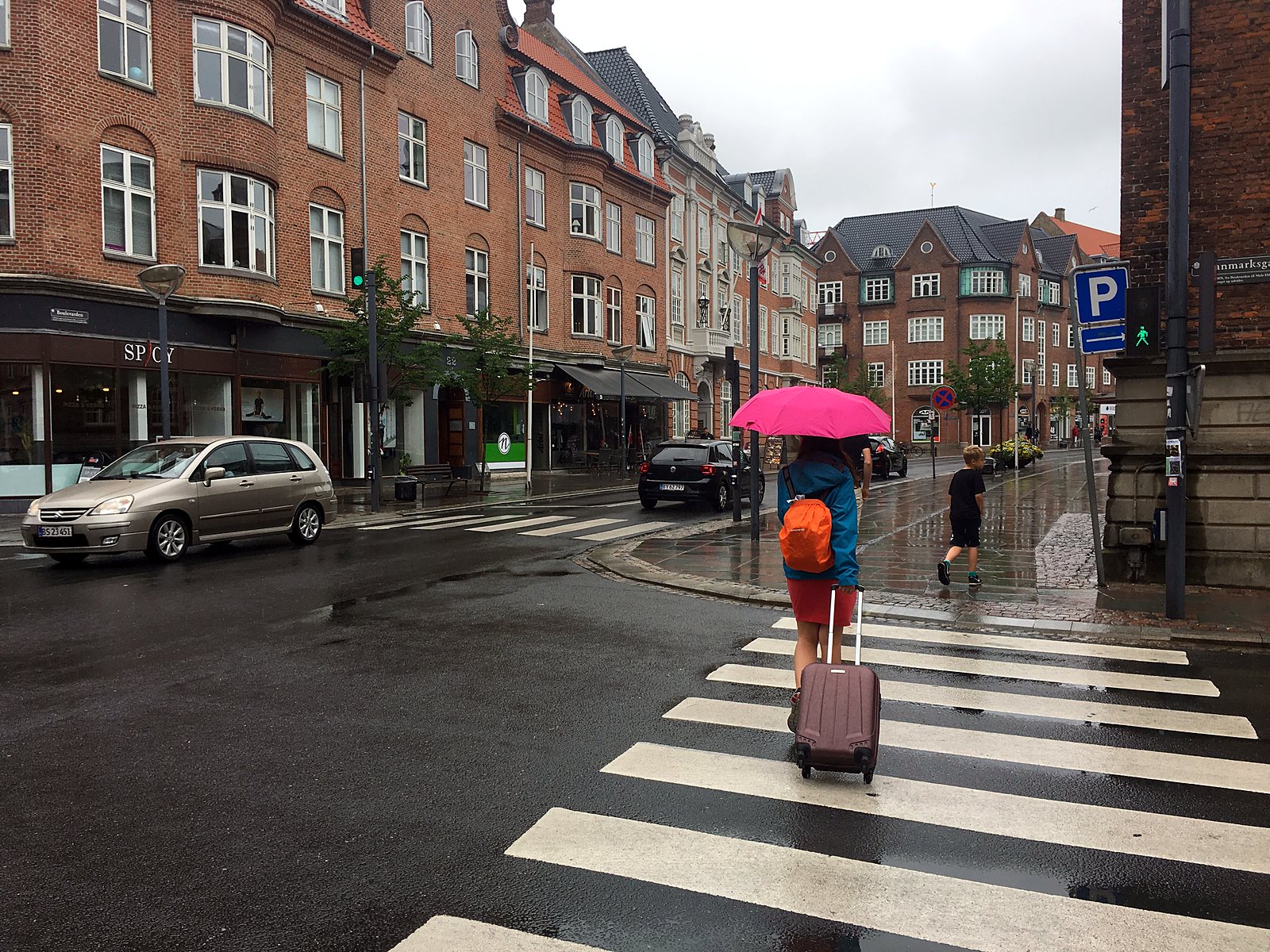
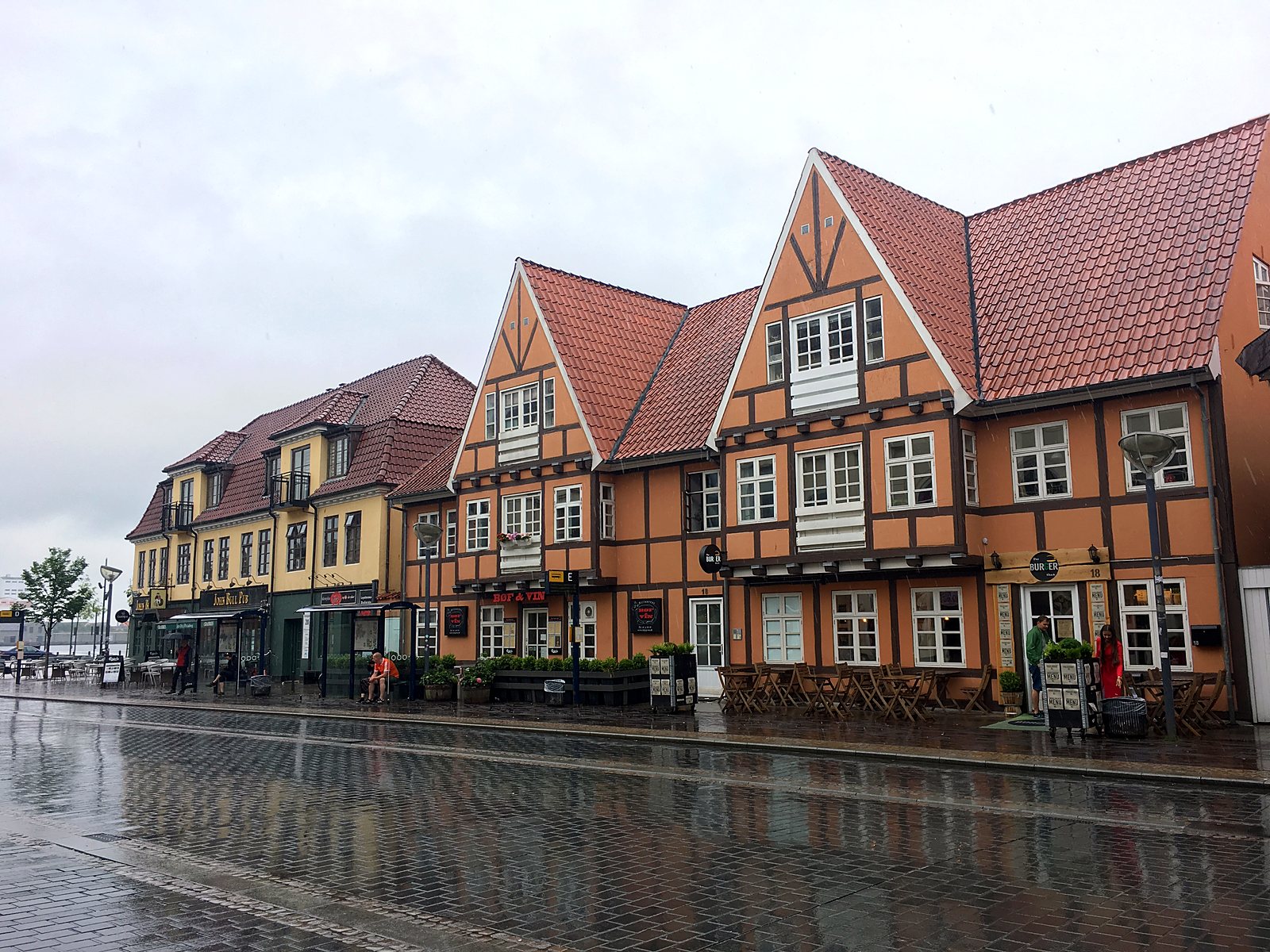
With the rain that started as soon as we stepped out of the train station, Aalborg gave us a bit of a negative feeling. After that our energy didn’t really pick up, but we still tried to see as much as we could. Starting from the train station we followed a route shaped like a small letter “o”. Let’s begin..
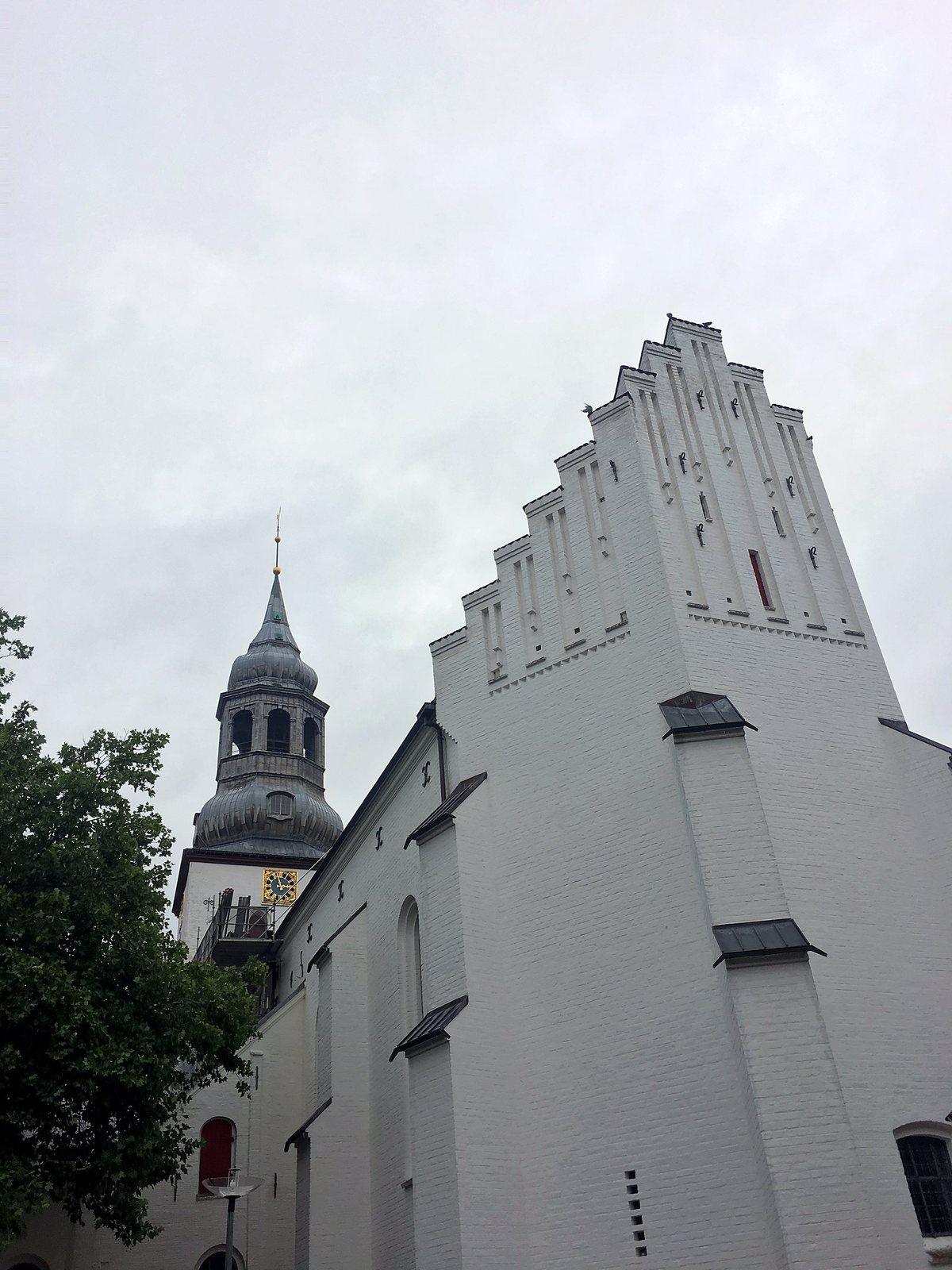
Budolfi Cathedral (Budolfi Domkirke)
Budolfi Cathedral, the first place that comes to mind when you say cathedral in Aalborg, was built towards the end of the 14th century. But if you go down into the crypt, you’ll see stonework from an older church, from the 12th century, uncovered by archaeological excavations. An interesting fact: in the Renaissance, Aalborg became a very rich town thanks to trade. So most of the rich decoration inside the church dates from that period too.
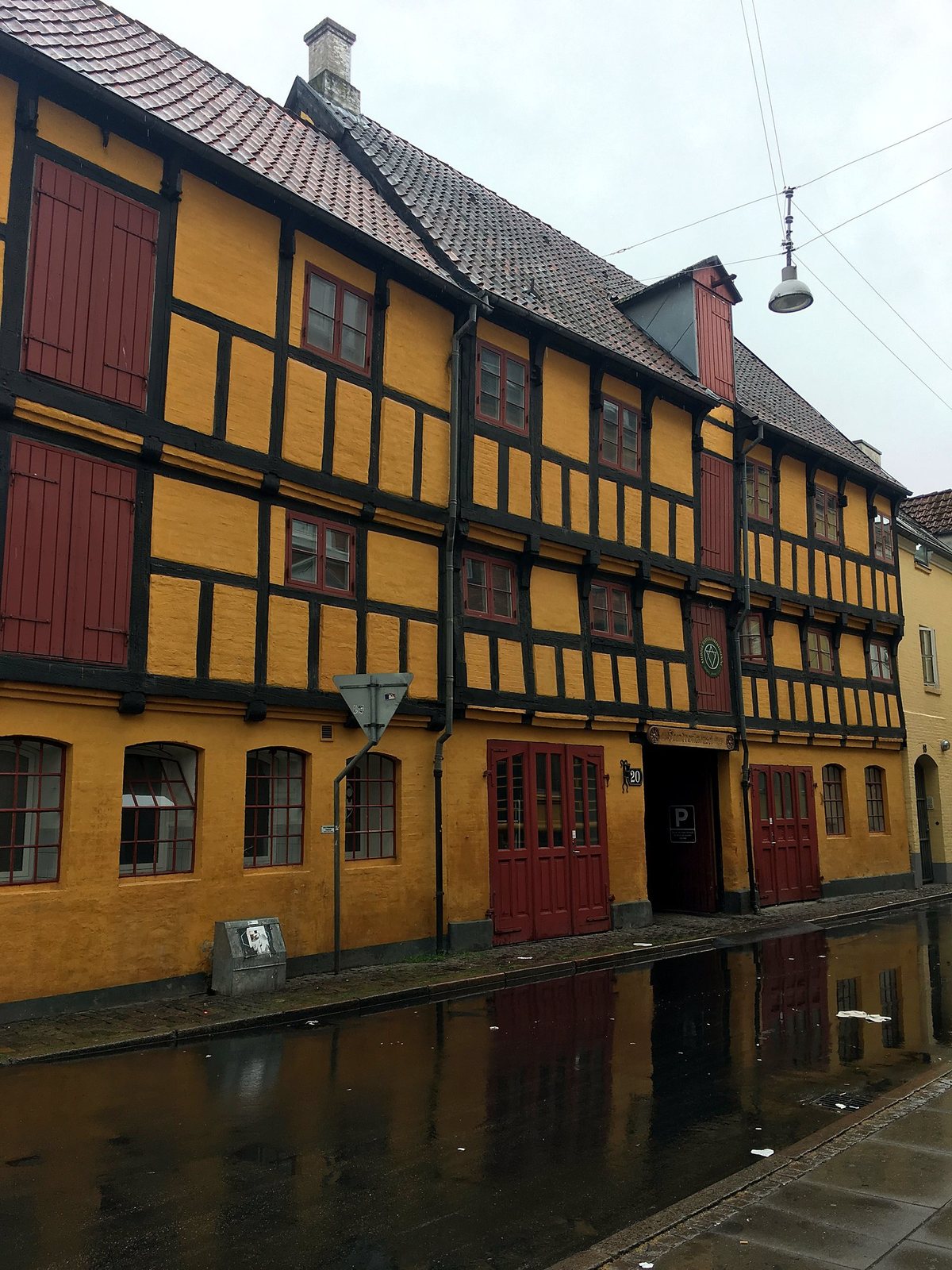
Jørgen Olufsen’s House
This lovely three-storey house, with sandstone walls and a timber structure, was built in its day as Denmark’s finest Renaissance merchant’s mansion. It was built in the 1600s for Jørgen Olufsen, who later became mayor.
They used the same hoist system that is used in Amsterdam to lift furniture into houses, here to lift sacks of grain to the upper floors.
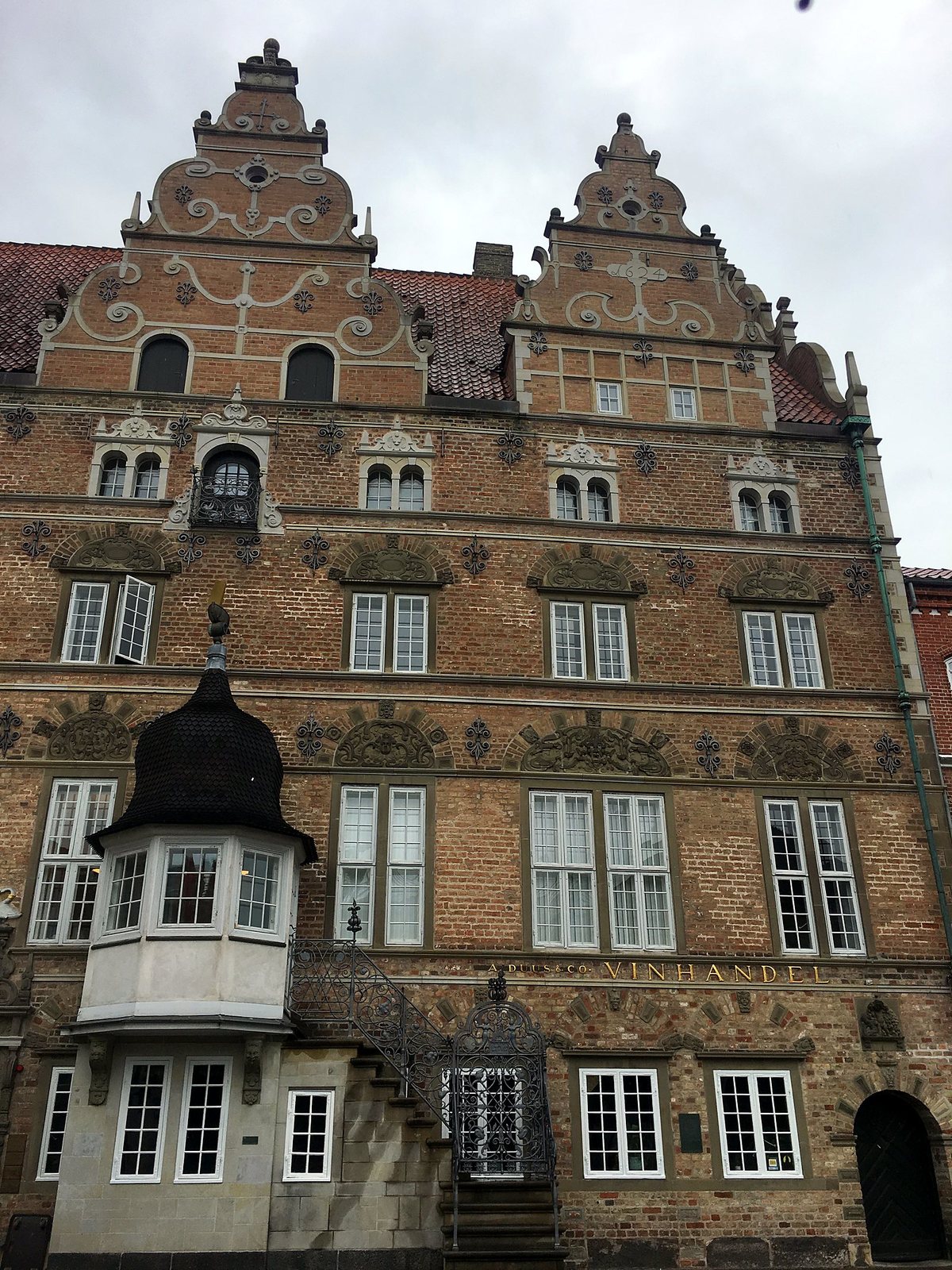
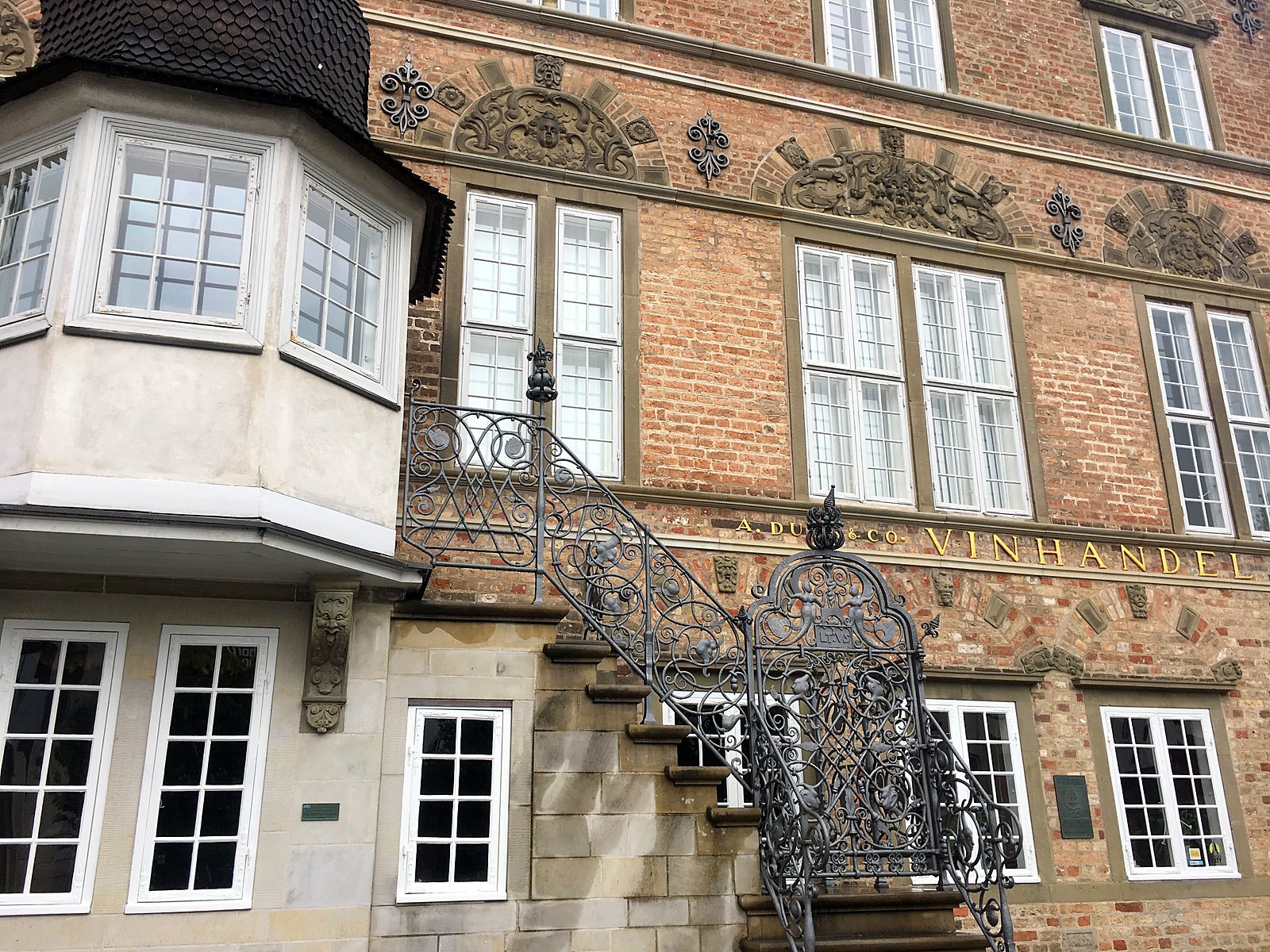
Jens Bang’s House (Jens Bangs Stenhus)
This magnificent five-storey mansion is another product of Aalborg’s wealth in the Renaissance. It was built in the 1600s as the home of Jens Bang, the stepbrother of Jørgen Olufsen whom we mentioned above. Used as a pharmacy for almost exactly 300 years, the building is important to Aalborg’s history.
Aalborg Waterfront
The most popular place in the city is without doubt the waterfront. Until about 40 years ago the area was dominated by shipyards and large factories. Since then the Limfjord shore has slowly been redesigned as a cultural space and opened to the public as Aalborg Waterfront.
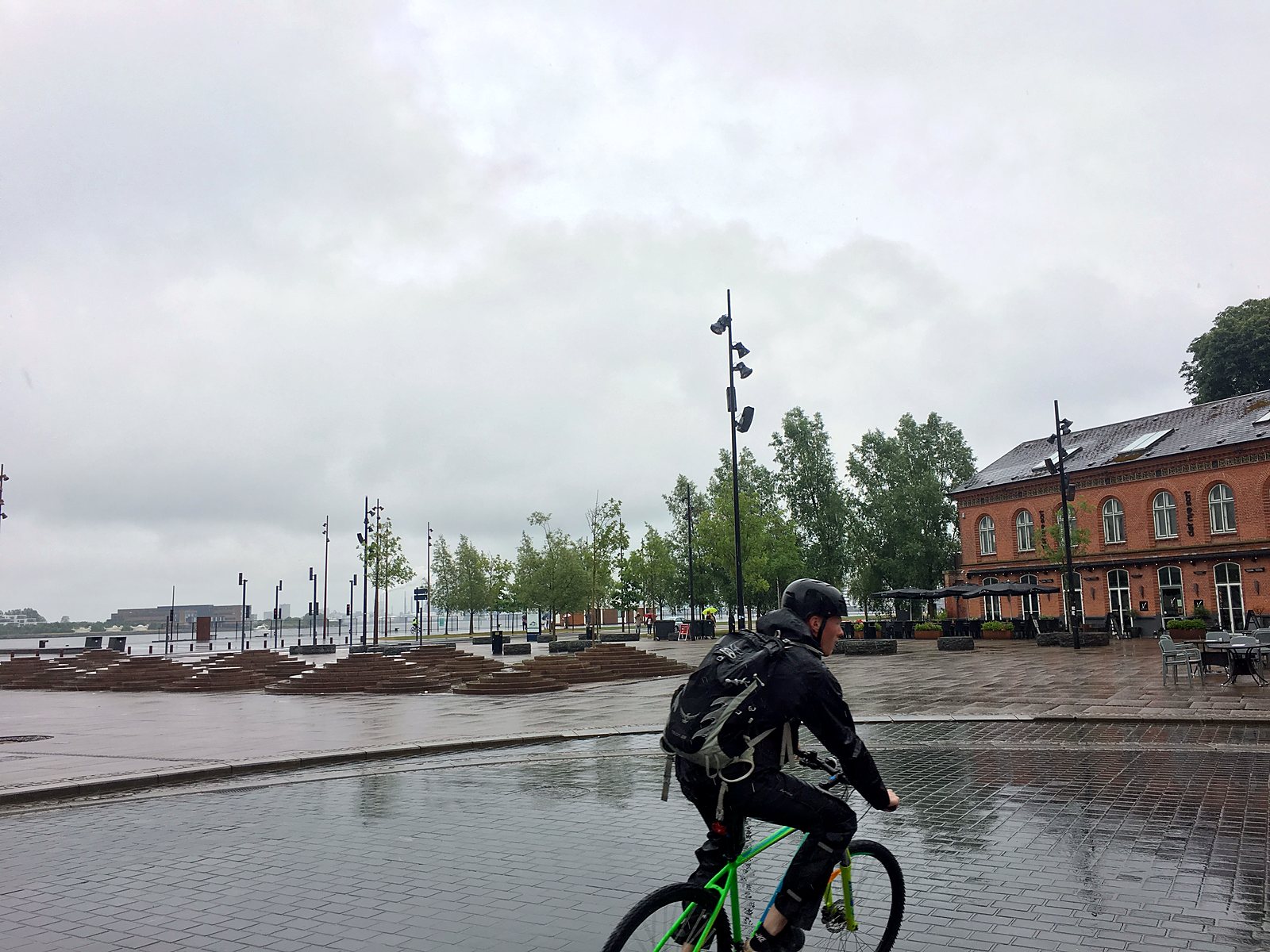
What we loved most here was reading a book for a while and feeling the calm while we waited for our train. Aren’t the benches sweet?!
Aalborg Tower (Aalborgtårnet)
Aalborg Tower, which we didn’t much like in terms of design but is still interesting, was built in 1933 for an exhibition and over time became a permanent part of the city.
It was built right next to the city’s Museum of Modern Art, as a silver disc on top of a large metal frame. On the observation deck you are 105 metres above sea level, and there is a small bistro up there. If you like, you can sip something while enjoying the view.
Hjørring
The place we decided to stop at on the way is really more of a small, sweet town than a city.
The first things that caught our eye in the town were Olai Church, Catharinae Church and the Vendsyssel History Museum. Here, tired as we were, we took a walk focused more on resting. Then we went back to the station and set off for Hirtshals.
Hirtshals
After a 25-minute journey from Hjørring we arrived in Hirtshals. For those asking why we came here: ferries leave from here for cities in Norway like Kristiansand, Stavanger or Bergen. To avoid losing time in the Norwegian fjords we chose the night ferry. A ferry journey of almost 17 hours was waiting for us..
Hirtshals Museum
In an old fisherman’s house built in 1880. It is part of the Vendsyssel History Museum and has a permanent exhibition on the history of Hirtshals and its harbour. There is also a section on the local drink “bjesk” and the medicinal herbs that flavour schnapps. People in North Jutland are known for their bitters; if you bring a bottle of Brøndum Snaps to the museum, they turn it into a bitter with local herbs.
The Bunker Museum (Hirtshals 10th Battery)
The only excavated, complete German World War II defence installation in Denmark that is open to visitors. There are 54 bunkers, gun, mortar and machine-gun emplacements, and radar and searchlight positions; 70 locations in all, connected by 3.5 kilometres of trenches. In the summer months you can join a guided tour.
Port of Hirtshals
As soon as we got off at the train station, the huge size of the port caught our eye. It is one of Denmark’s largest ports, used as a base for fishing and transport.
But we had no idea it would be the start of a bad journey for us. We had barely walked 100 metres when heavy rain started, and fighting it was hard. We needed to get to the harbour where the Fjord Line ferry left; meanwhile Color Line was right next to us.
What came after the ferry is in our Bergen travel guide.
 100 km
 143 km
 155 km