Bulgaria's capital has many stories to tell. How could a capital not have stories! Sofia, where almost every corner is a historic attraction, doesn't have the old Ottoman buildings you might expect given its known past. That gives us and other visitors a new perspective.
Most of the buildings you'll see took their current form at the end of the 19th century, when the country broke away from the Ottomans and Bulgaria was reshaped.
Note: You can explore Sofia on free walking tours. You can look at the walking routes and pick the one you like here.
How Many Days for Sofia?
We arrived in Sofia around noon. Our goal was to see Sofia's sights by the evening. Since it was a Monday, we saw most places except Vrana Park. We think one full day is enough for Sofia.
If you like taking it easy, you can comfortably see it in 2 days too.
When to Go to Sofia?
Since we did our Balkan route in spring, we explored the cities in lovely weather. Days were lightly sunny and evenings a bit cool. We recommend April to June and September to October.
If you're coming to Bansko for skiing in winter, it wouldn't hurt to stop by Sofia as well!
Where to Stay in Sofia?
We didn't stay overnight in Sofia, so we can't share our own experience here. But if we were staying, these would be our suggestions. In Bulgaria, prices for two start from 20€ and can go up to around 100€.
Hotel Central Point 36€ and Light Hotel 42€ would be among our choices if we were staying.
How to Get to Sofia?
You can get to Sofia in many ways: by car, by train or by plane.
Car: getting to Sofia
Istanbul to Sofia is 560 kilometres, so the journey won't be that short. But if you're going on a long tour, visiting Sofia by car makes a lot of sense. The drive takes 6-7 hours if you don't wait at the border at all.
To get to Sofia you need to cross at the Kapıkule border gate in Edirne. Since you'll be using Bulgarian motorways, you need to buy the motorway sticker called Vinyet | Vignette.
For a 1-week Vignette we paid 10€. There's also something we hardly saw at other borders. The Bulgarian side asks for 3€ as a wheel-washing fee, charged as a disinfection fee just for driving your wheels through water.
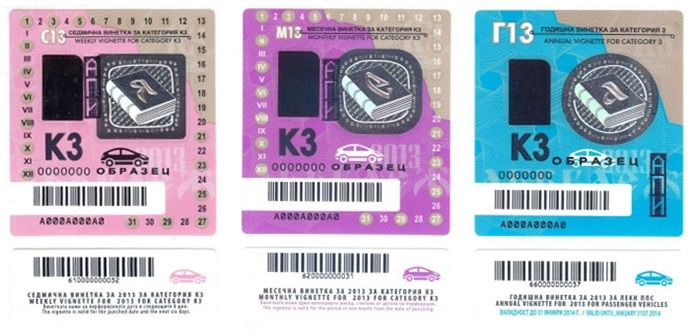
In short, setting foot in Bulgaria costs at least 13€. And it doesn't end there: you also need Green Card insurance. We got it for 15 days and paid 52.50€.
Things to watch out for on Bulgarian roads:
- If an oncoming car flashes its headlights, there's definitely a speed camera or police check ahead.
- Headlights are mandatory during the day. The police can fine you for this at a check.
- Always keep your vignette visible on the windscreen. Otherwise you can be fined.
- The roads aren't great; they're mostly single carriageways. The two-lane motorways aren't wonderful either.
- Later we realised that during the rest of the Balkan trip we kept missing the roads of Bulgaria and Greece; we wished all the roads were like the roads in these two countries.
- With today's exchange rates fuel isn't as cheap as it used to be. We'd say fill up your tank before leaving Turkey.
Train: getting to Sofia
With the Istanbul - Sofia service restarting in 2017, it became possible to go to Sofia by train. The Sofia Express, which could be an alternative to the Eastern Express or the Lake Van Express today, leaves Istanbul Halkalı at 21.40 and arrives in Sofia at 08.50 in the morning.
From Sofia, the train leaves at 21.15 in the evening and arrives at Istanbul Halkalı station at 07.40.
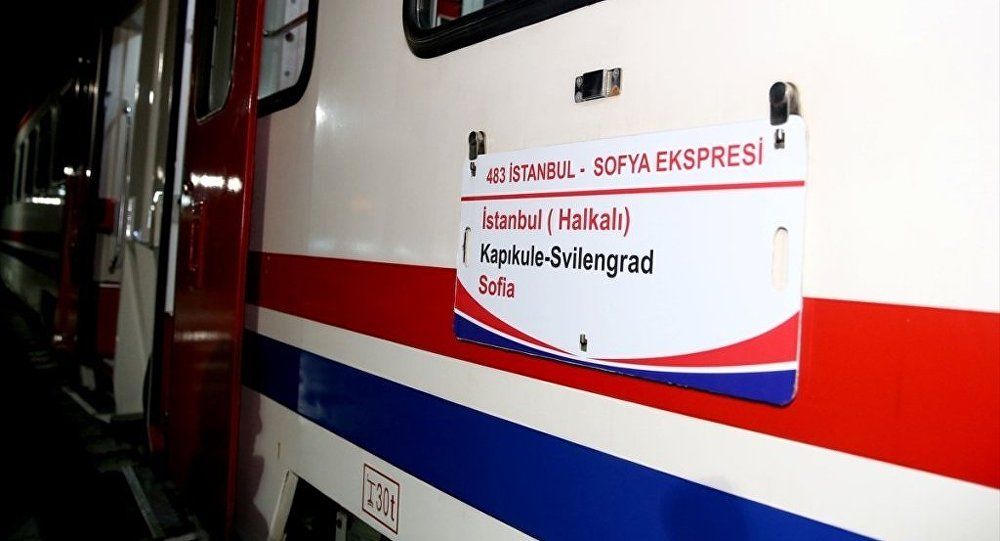
In a 2-person sleeper car it's 15€ per person one way, so 2 people going Istanbul - Sofia and back would spend 60€ on transport. Spending the night on the train makes sense and the prices are very reasonable.
Anyone planning a weekend getaway to Sofia should definitely consider this option.
Plane: getting to Sofia
For flying to Sofia, the only non-stop option is Turkish Airlines, with 3 flights a day; the flight takes 1 hour 20 minutes.
What Comes to Mind When You Think of Bulgaria
- Can-do, hard-working people
- From what we heard in the old days, the Bulgarian mafia
- Incredibly large sea parks opening onto the sea
- Loved by skiers: Bansko Ski Resort
- Lively in summer: Bulgaria's beaches
- Stopping Turkish cars on the road, the bribe-taking Bulgarian police
- Those who know, know: Naim Süleymanoğlu
- A country that is still cheap even with the Turkish lira losing value. Especially meat dishes are very cheap and tasty.
- Delicious fried pickled peppers
Places to Visit in Sofia
Here are what we think are the best things to do in Sofia..
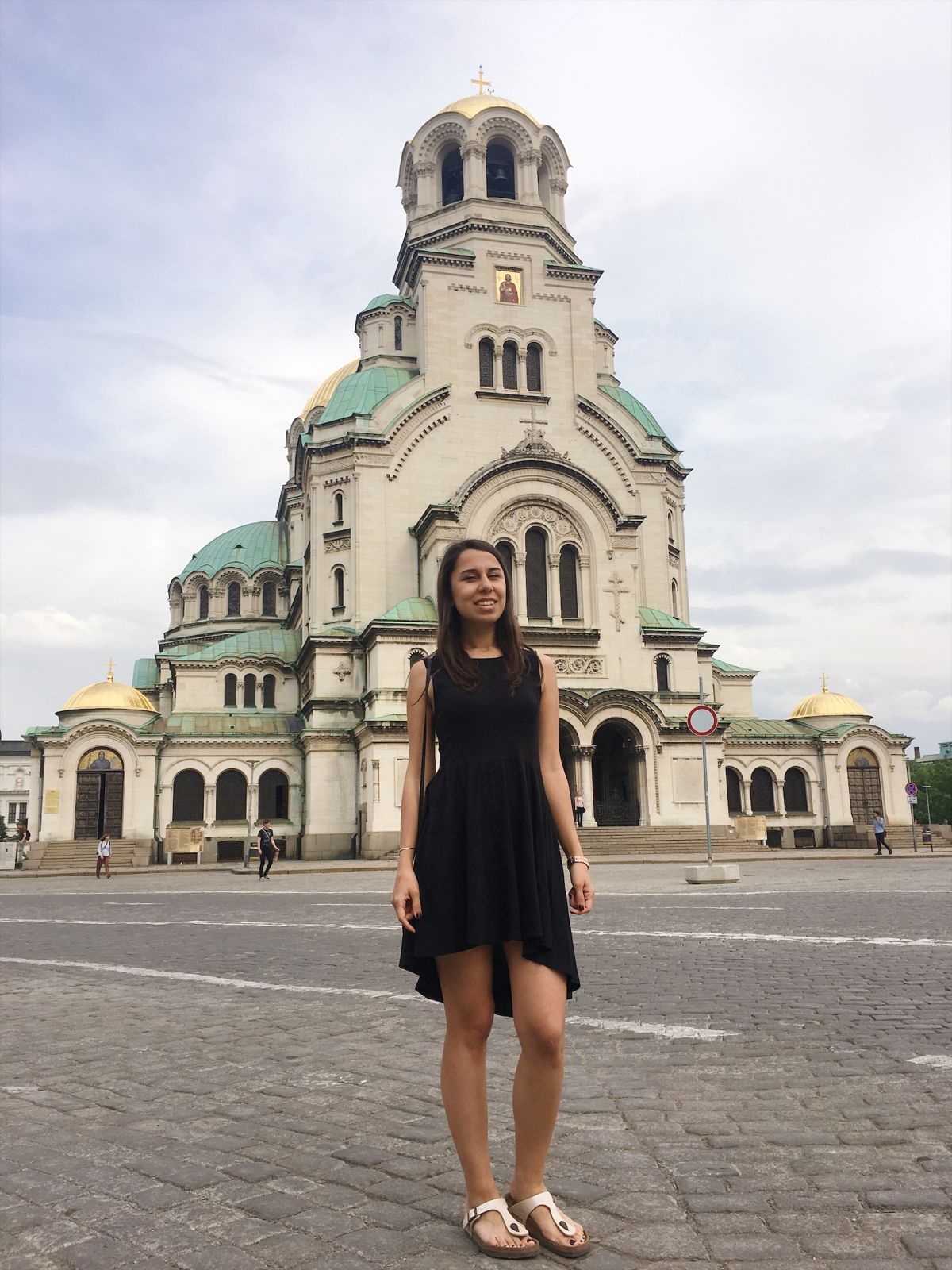
St. Alexander Nevsky Cathedral
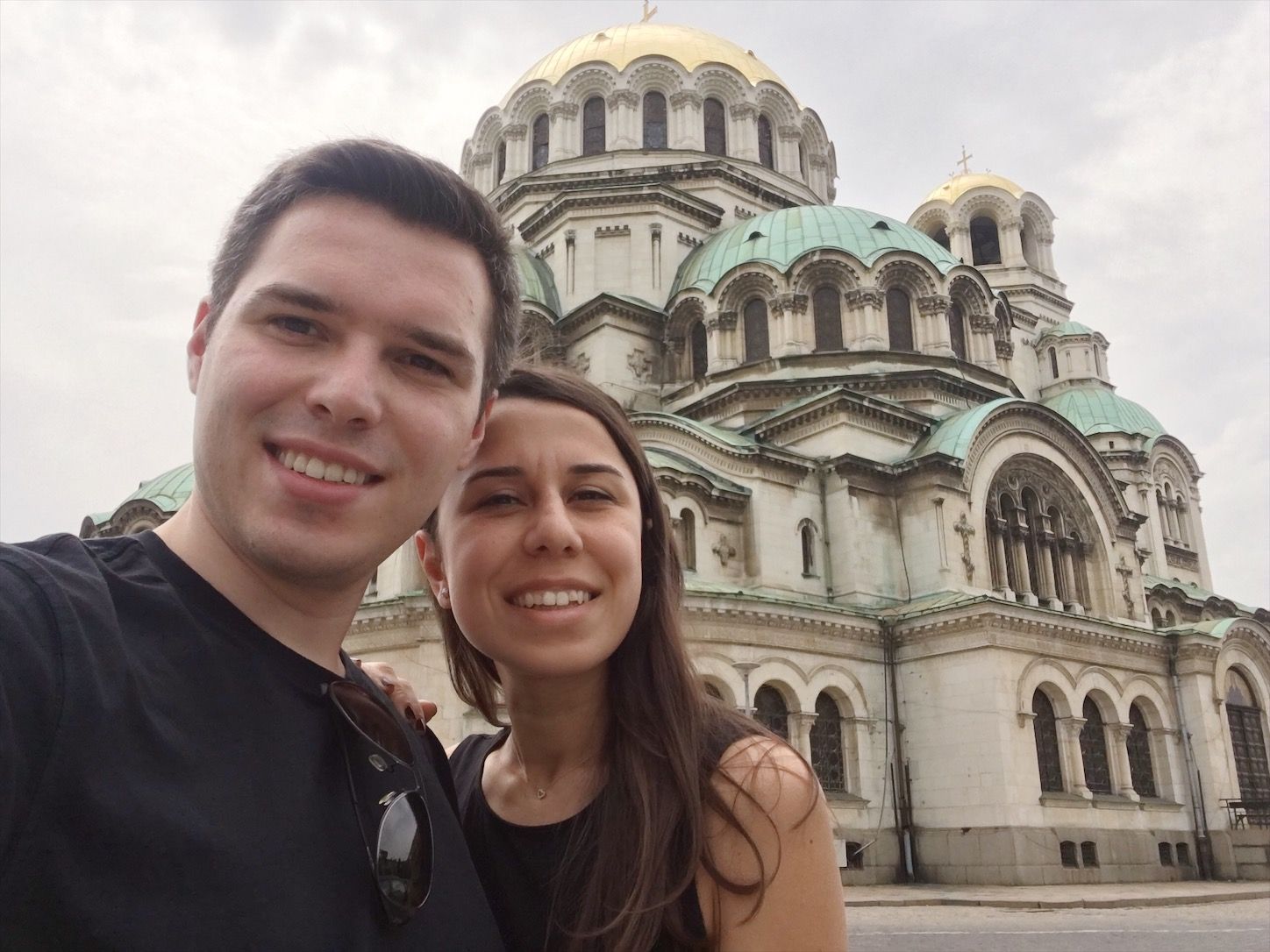
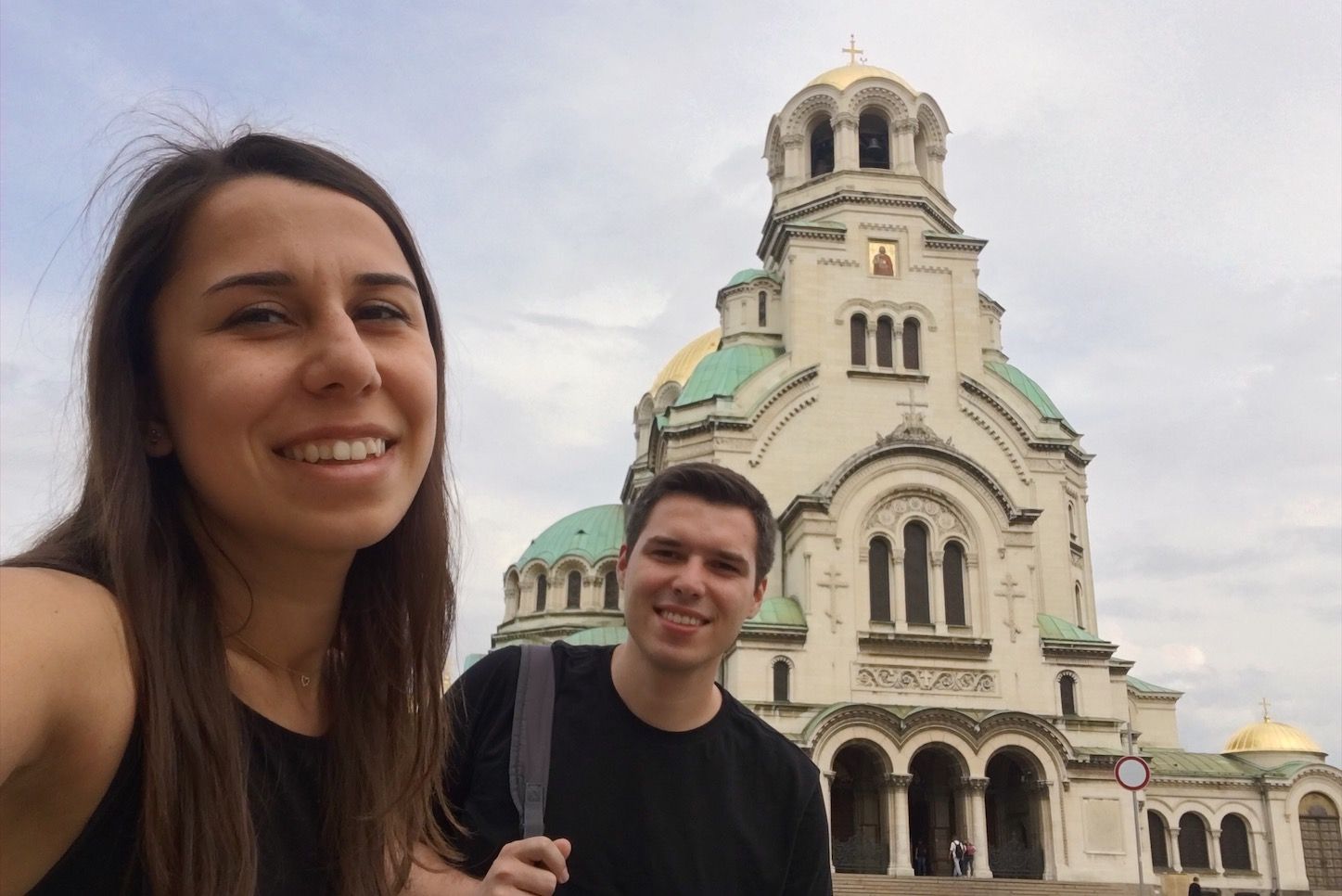
The sheer size of this building blew us away, and it may blow you away too. Inside is St. Alexander Nevsky's hall for 10,000 people, and it holds the title of the second largest cathedral in the Balkans. The history of this magnificent cathedral goes back to the late 1800s.
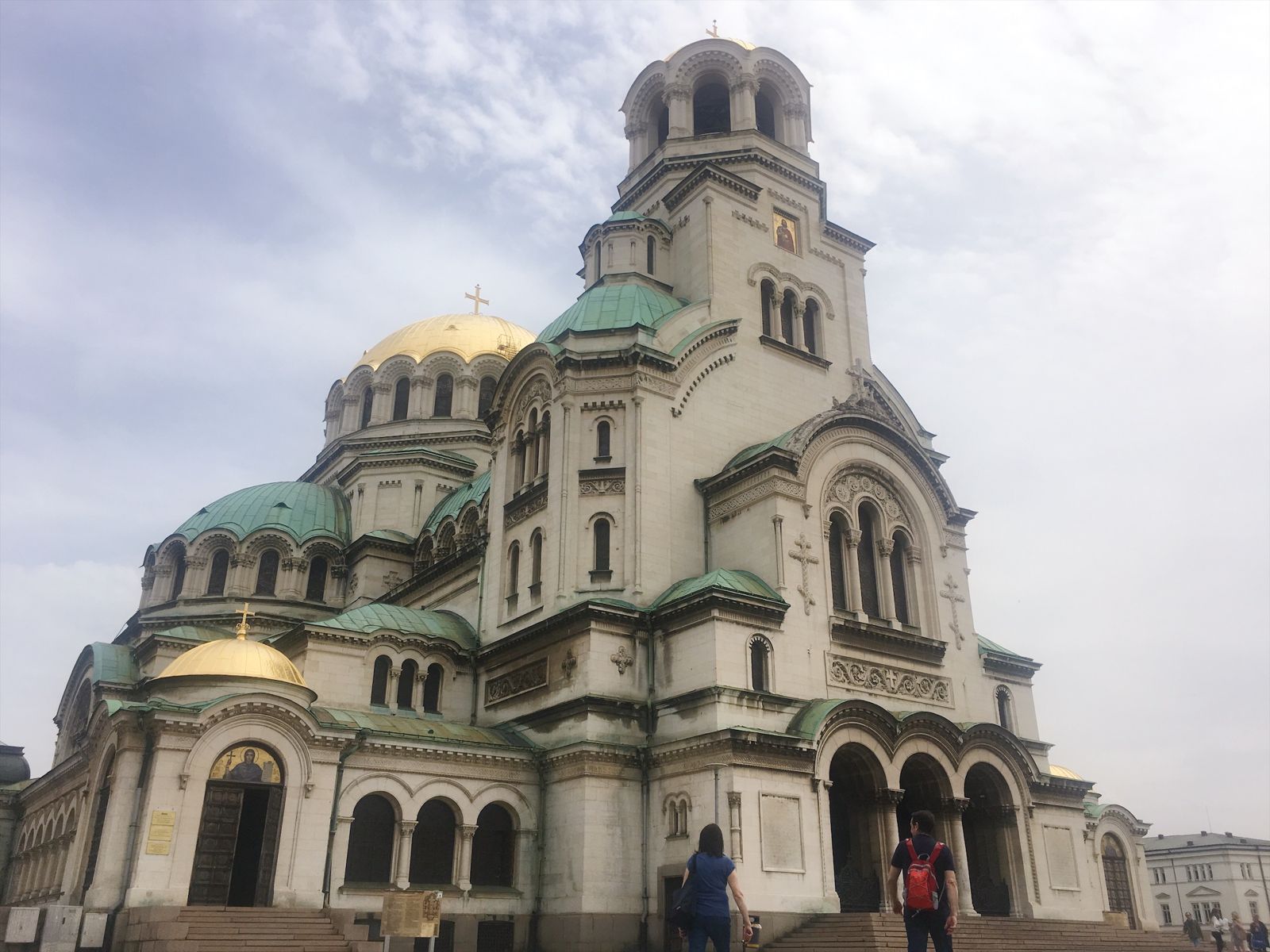
As we mentioned above, the cathedral was built after Bulgaria broke away from the Ottomans and made its own revolution. It was originally built in dedication to Russian soldiers. The church is open to all visitors. It has a very large collection of icons. If you visit only one church in Bulgaria, it should be this one!
Crystal Garden
Thanks to the famous historian and journalist of Turkish origin İsmail Cambazov, we had the honour of touring this park as if travelling through history. We were especially interested in the history of the Stefan Stambolov Monument inside the park.
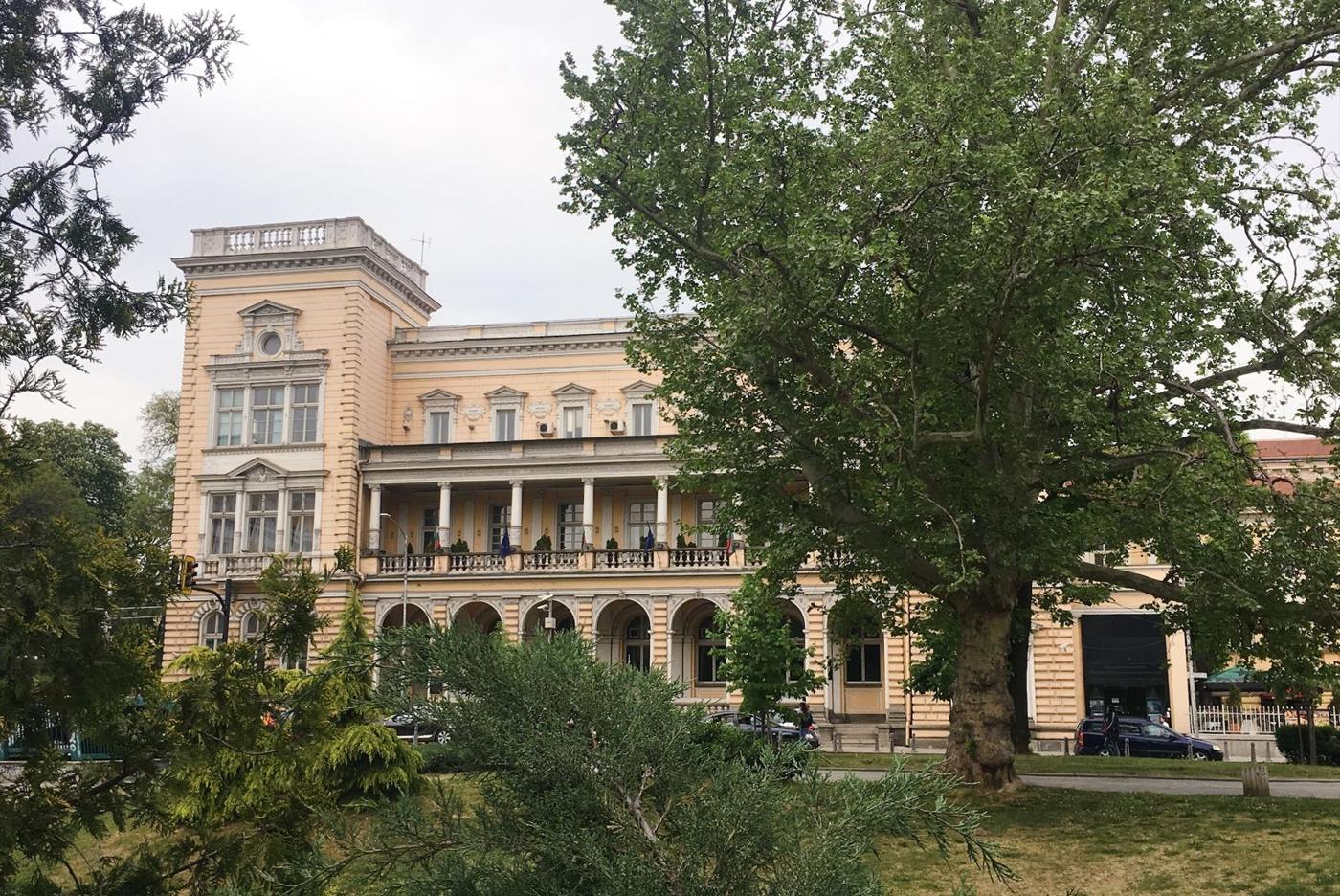
Wanting access to warm seas, the Russians set out to win over Bulgaria, which was working to break away from the Ottomans. Easily gaining influence in Bulgaria through race and religion, they stirred it up against the Ottomans. Led by Stefan Stambolov, who headed the break from the Ottomans, Bulgaria broke away in 1878.
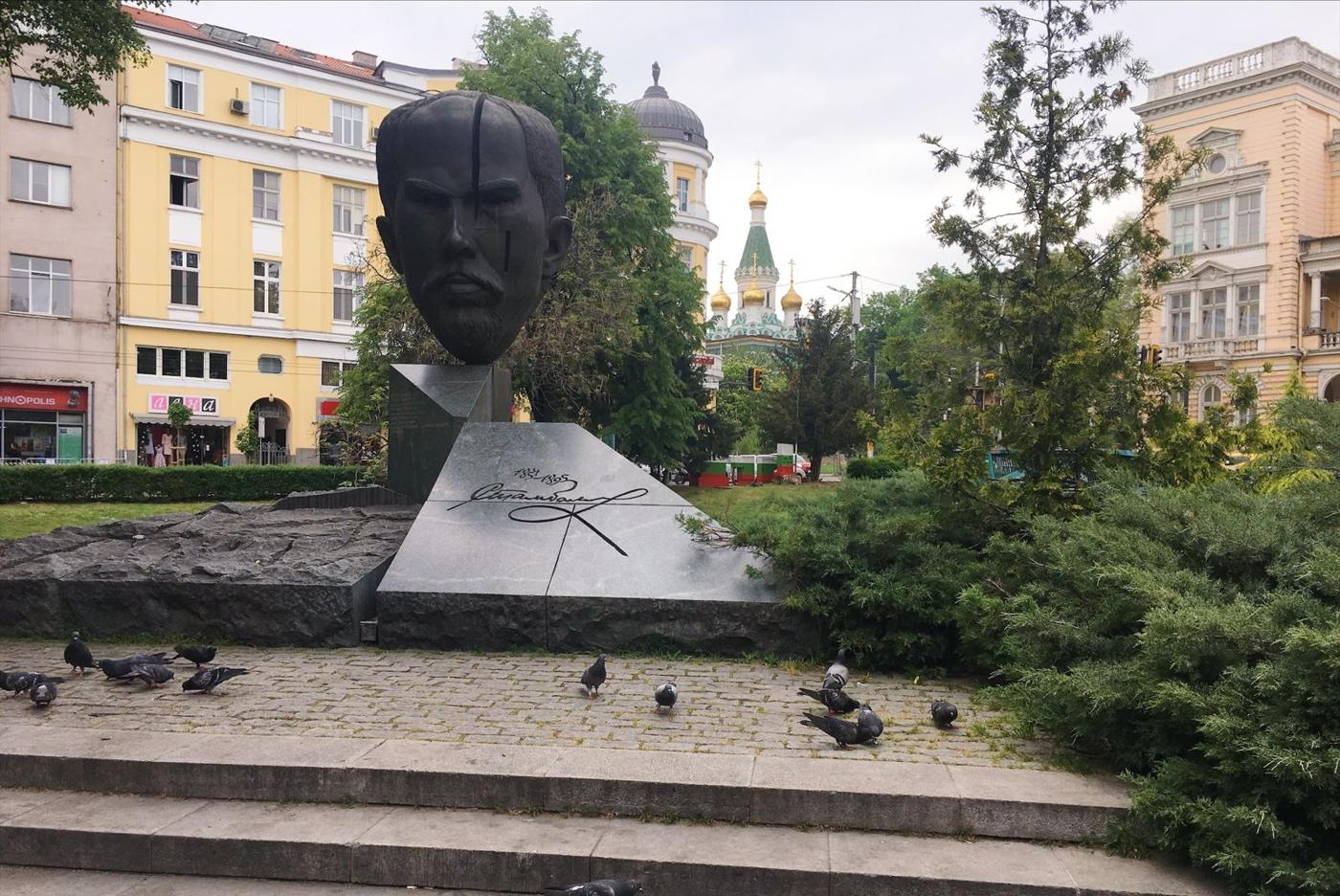
But internal unrest continued in newly independent Bulgaria, and the reason was Russia's wish to take Bulgaria under its protection. Realising this, Stefan Stambolov sent his 3 closest colleagues to Istanbul to give Sultan Abdülhamid II the message: "We were wrong to break away from you, take us under your wing again." But the sultan kept them waiting at Yıldız Palace for 3 days, didn't let them in, and said: "I looked after you for so many years and you rebelled; go and face the consequences!". This time Stefan Stambolov came to Istanbul alone, the sultan again refused his request, and afterwards, in that anger, he was struck on the head with an axe right where the photo was taken and died on the spot!
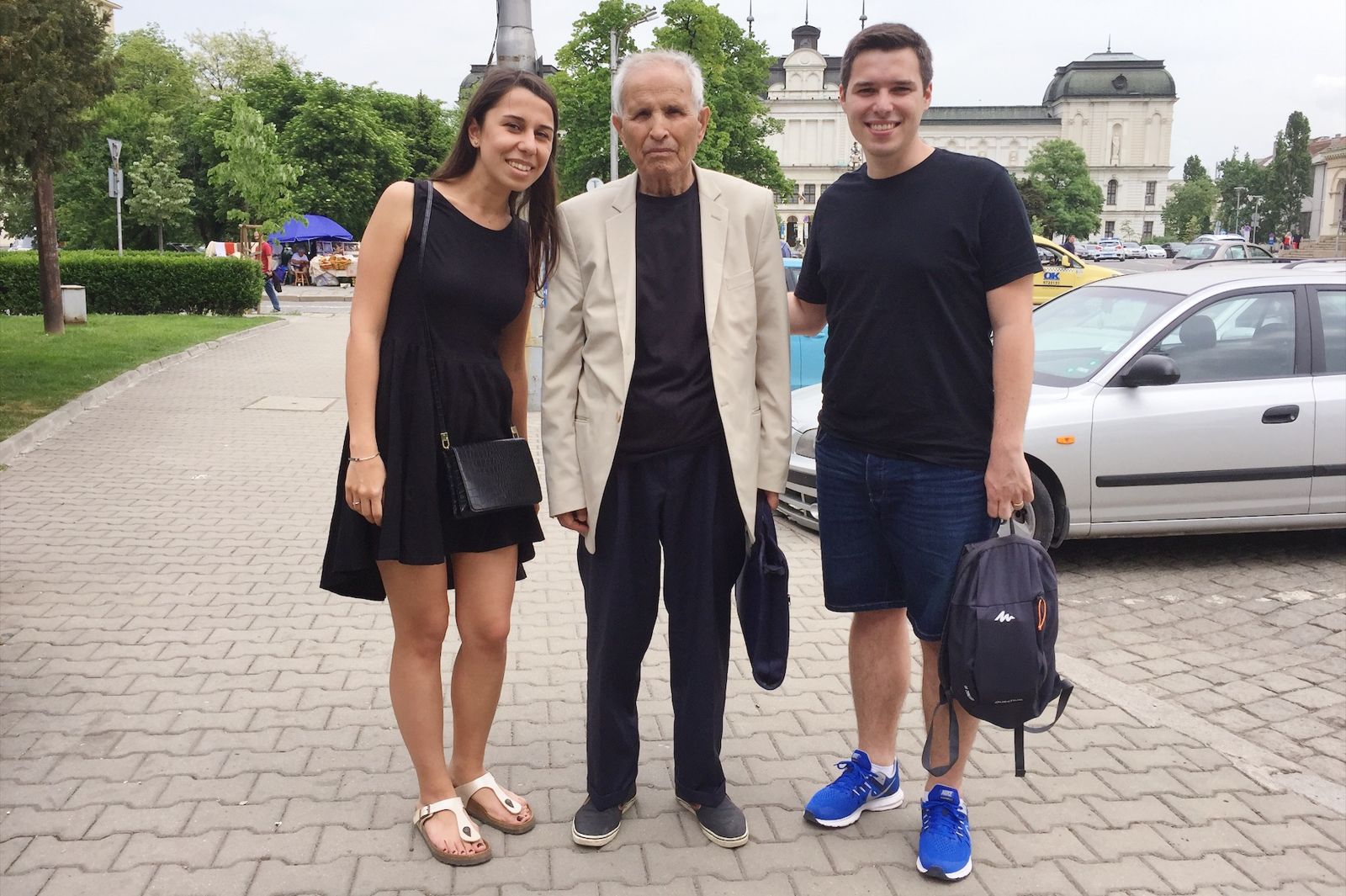
He apparently had a famous saying: "The Russians saved us from the Ottomans, but who will save us from the Russians?". This story moved us a lot, and our trust in our own country grew even more.
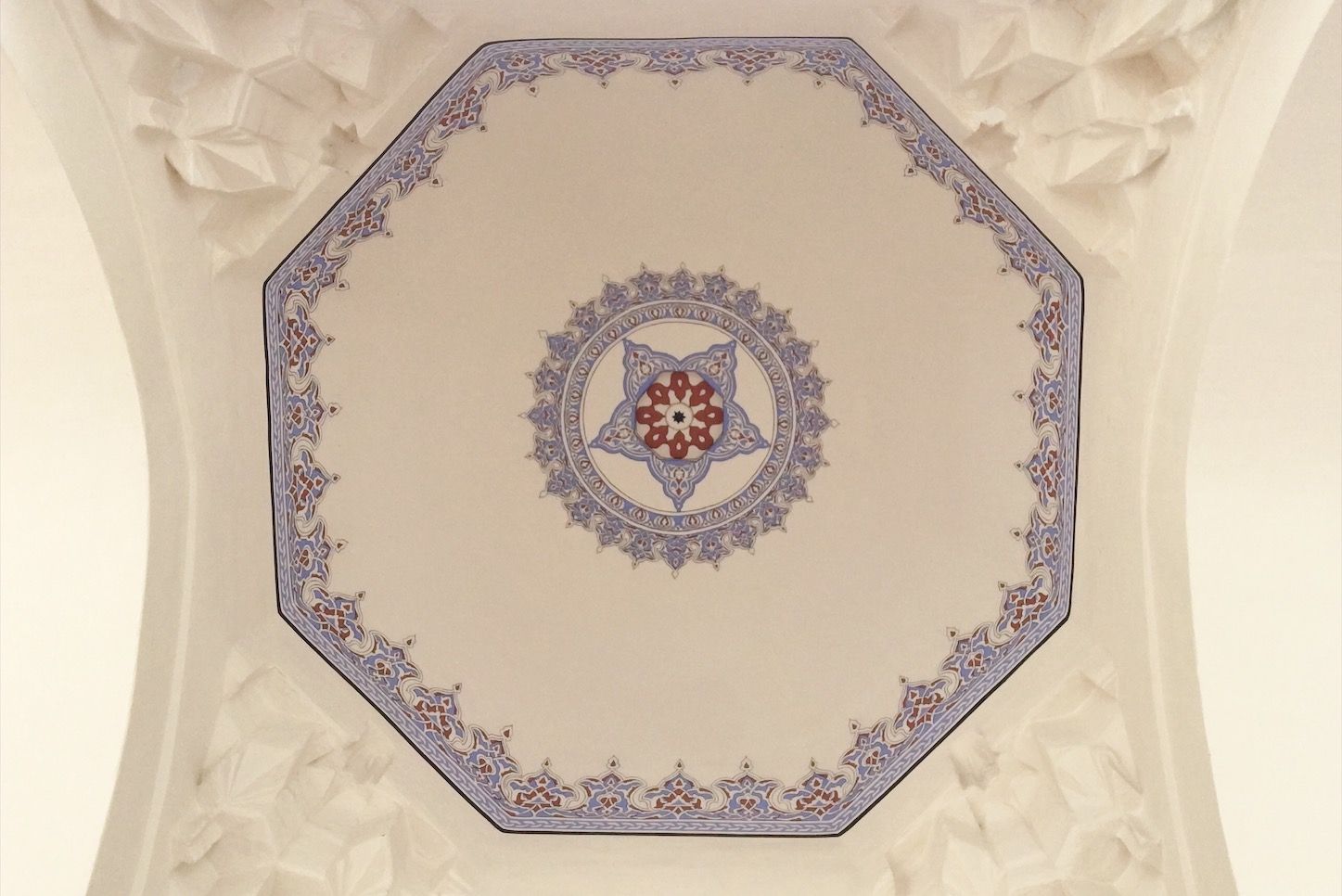
Banya Bashi Mosque
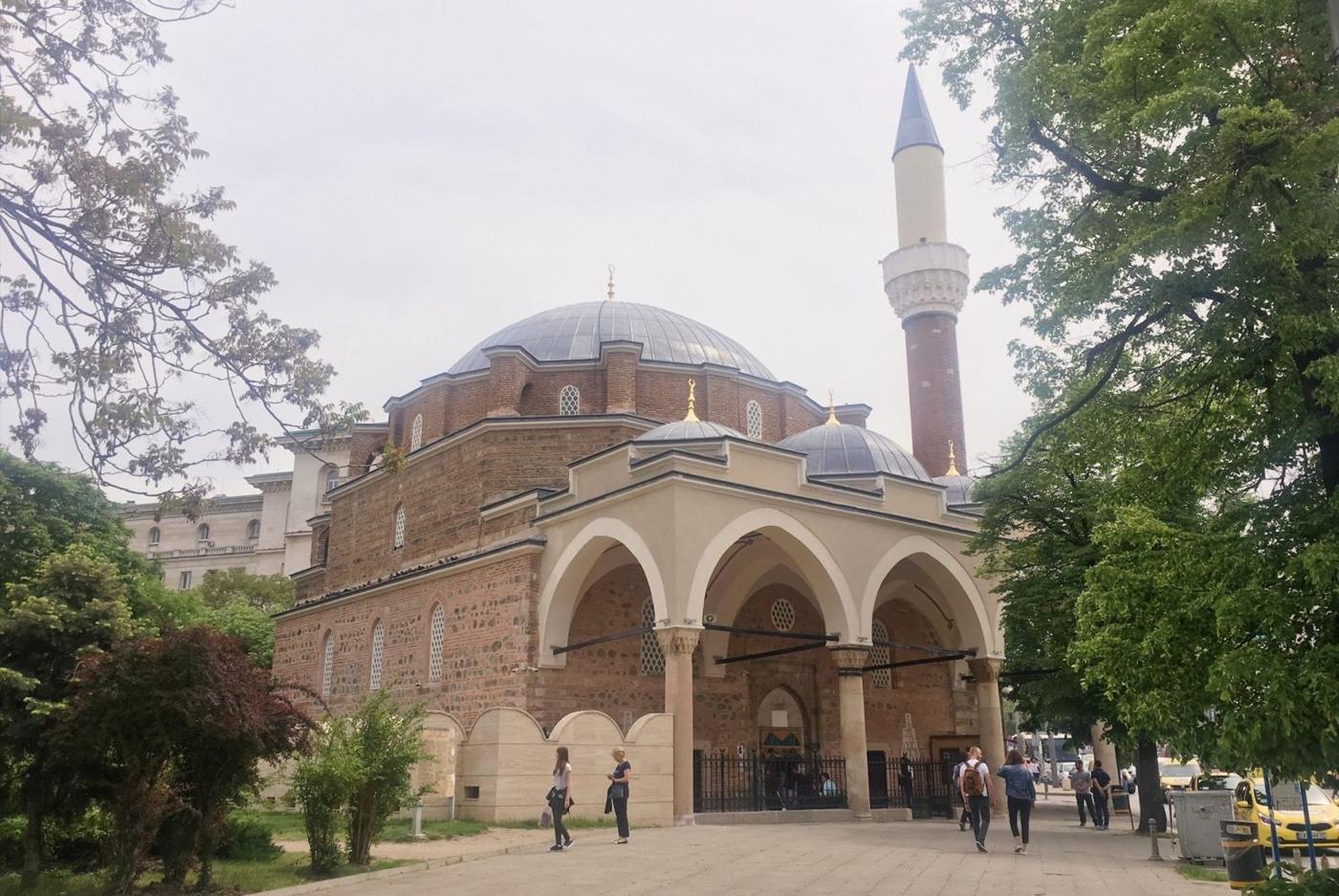
The mosque was designed and built by Mimar Sinan, the famous architect behind the Ottomans' grandest works. It has stood since 1576 and still welcomes visitors. It has room for 700 worshippers.
Banya Bashi Mosque 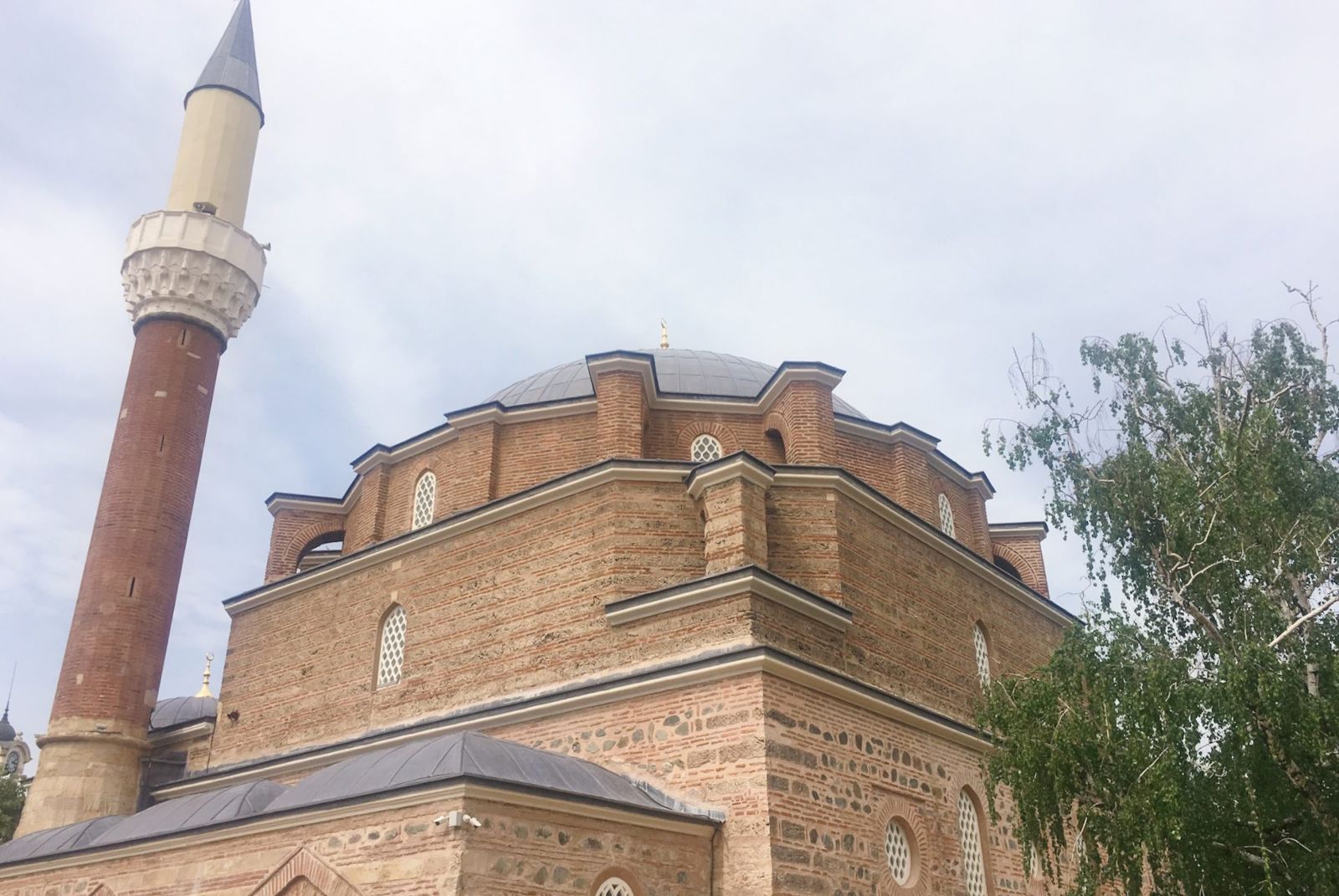
Banya Bashi Mosque 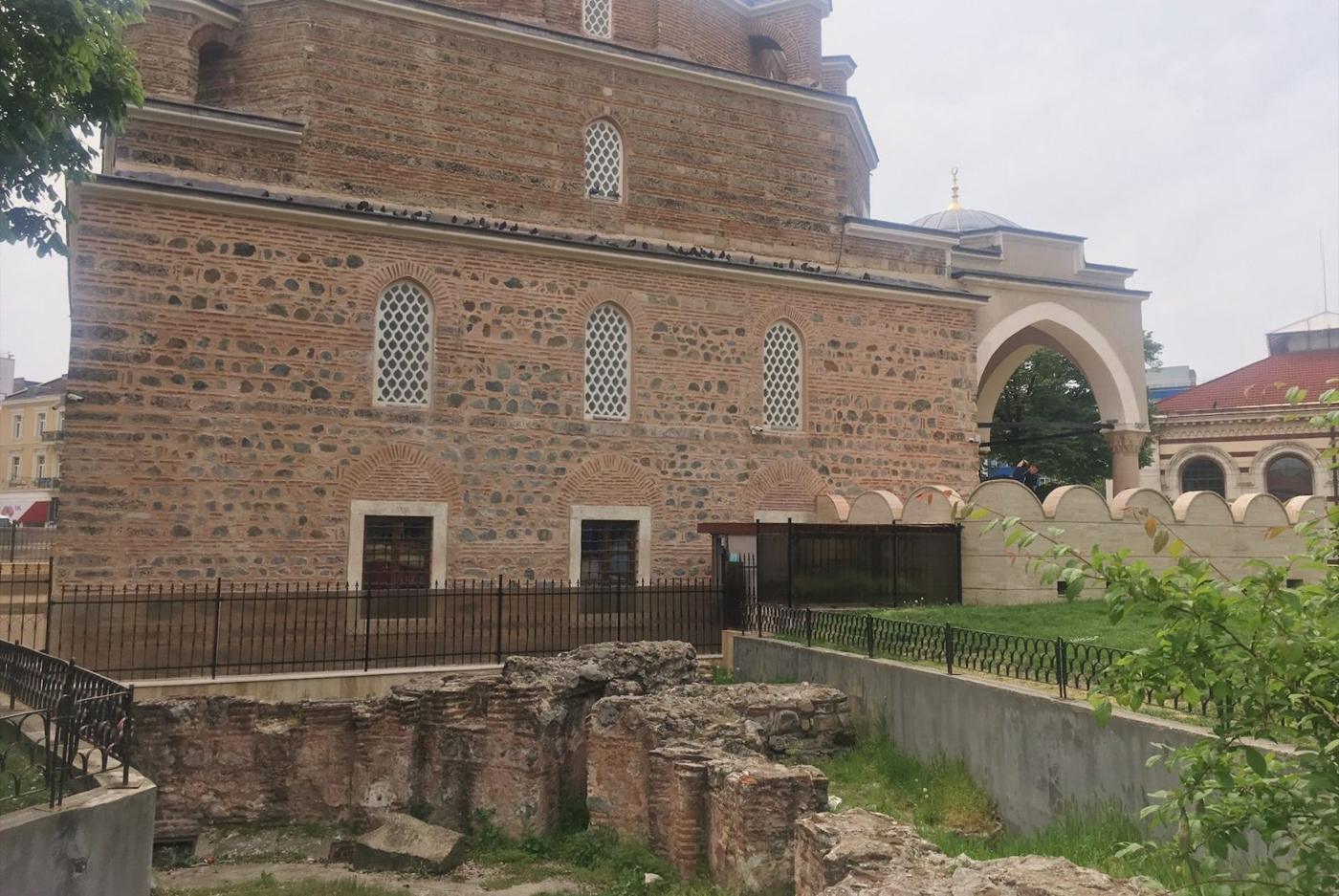
Ottoman works
Outside prayer times, this is the only mosque you can visit in Sofia. Unfortunately the Bulgarians didn't leave any other building symbolising Islam in Sofia. The mosque's name apparently comes from Sofia's mineral baths, which visitors from all around the region came to. For some reason this surprised us a lot! :)
Central Mineral Baths
Sofia, and Bulgaria as a whole, has many spring events. Honestly, it was a pity we didn't catch one of them. The thermal spring here has had visitors since the Middle Ages!
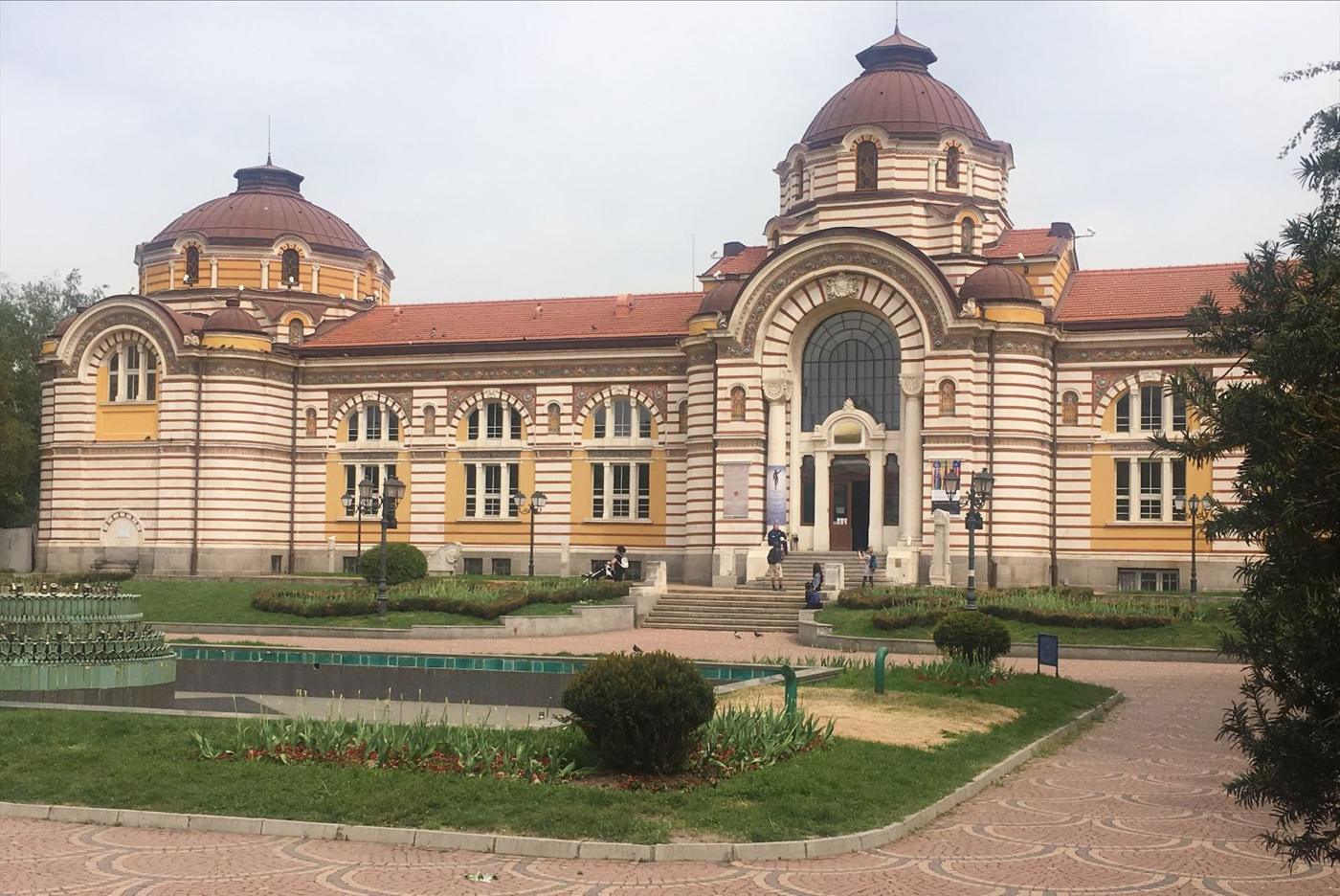
Through their long interaction, the Ottomans spread their culture and brought the hammam tradition to these lands. The central baths were used until the mid-1980s. Later, of course, as wealth grew around the world and people had bathrooms at home, demand for them fell over time.
When it was revived in the 20th century, this building left from the Ottomans was demolished by the Bulgarians. In its place, the bath complex we see today was built with a new face.
Behind an impressive entrance, one of Sofia's most photographed buildings welcomes us, built in neo-Byzantine style with a large dome. The gardens are open to the public, and the fountain in the centre is fed by natural hot mineral water. If you dare, you can test its temperature and taste. :)
St. George Rotunda
The heart of ancient Serdica and the oldest building in modern Sofia, this red-brick church was built in the 300s. Let us explain right away what a rotunda is: Rotunda is the name given to any Roman building with a circular plan. Thessaloniki also had a building like this.
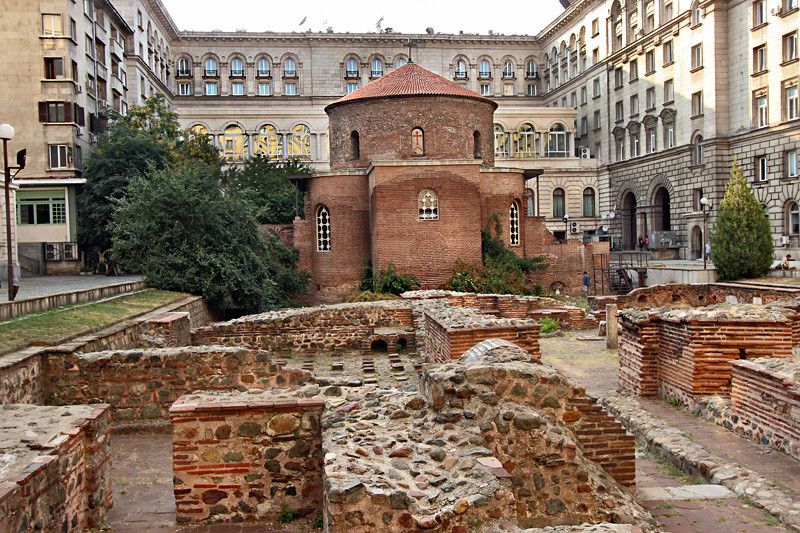
We couldn't decide which was more surprising: that this building stands in the middle of the city after 1,700 years, or that it has survived to this day without any damage..
When the Ottomans took control, the church was turned into a mosque and painted over by them. You must visit to see the old frescoes, which were uncovered after the land passed back to Bulgaria and can be seen today.
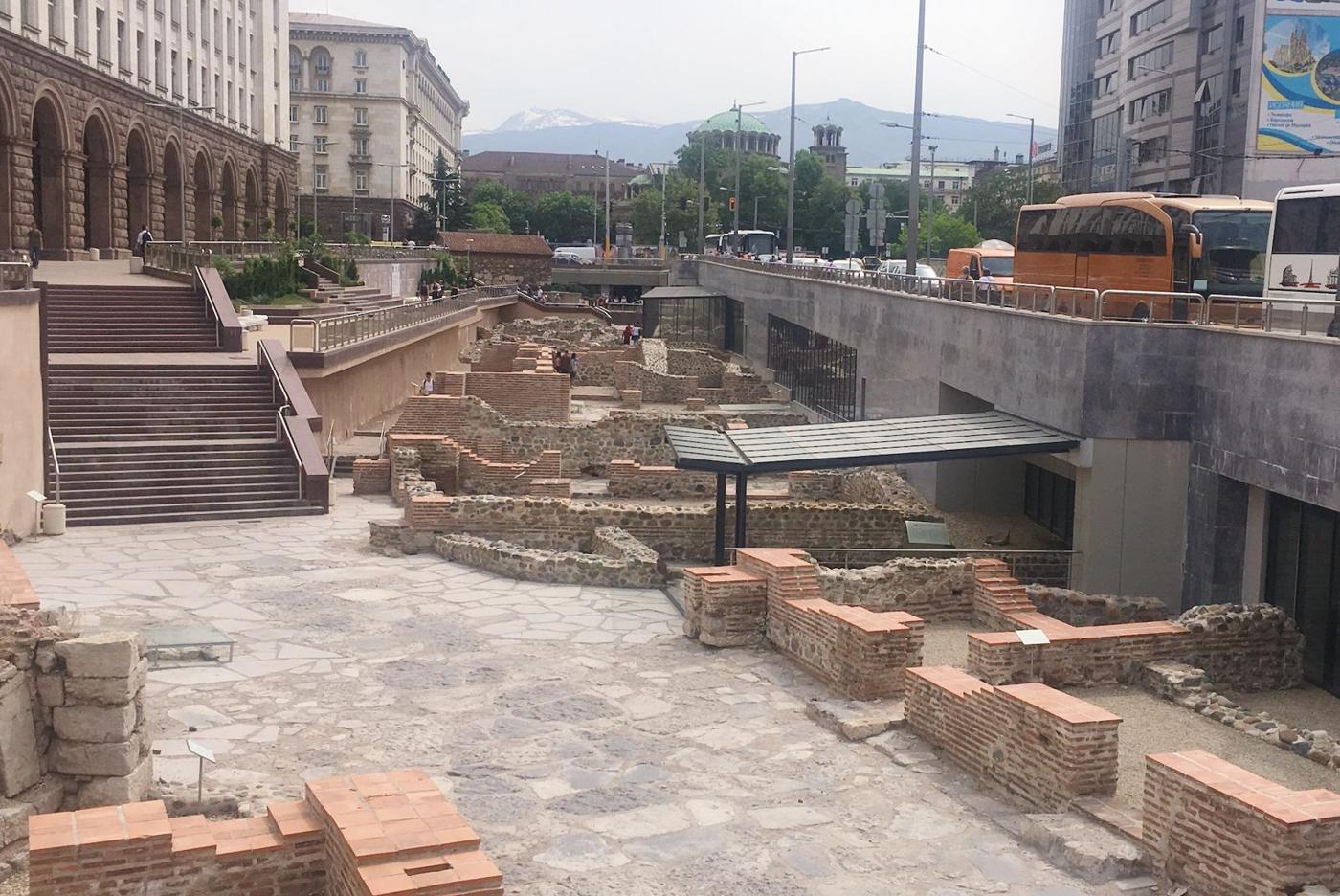
The frescoes came to light in the early 1990s, and restoration work began after that. Outside you can see the paving stones of a Roman street and other remains of old Serdica.
Ivan Vazov National Theatre
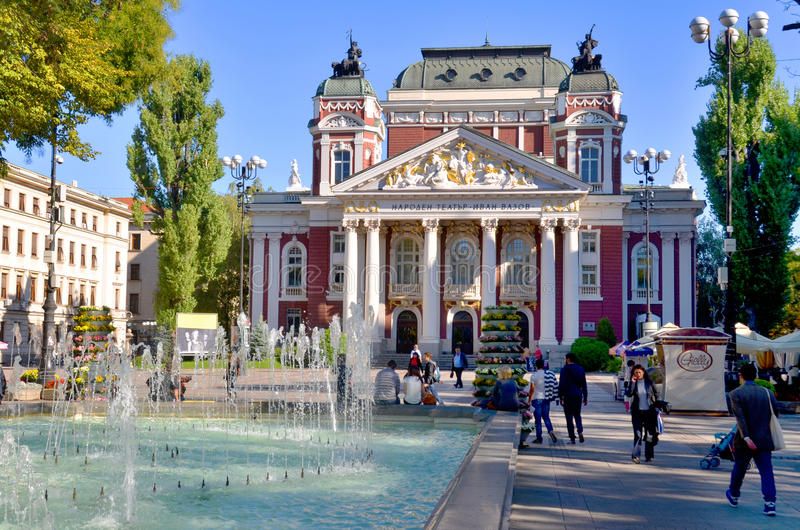
The Viennese architects Helmer & Fellner, responsible for some of Central Europe's extravagant buildings and wedding-cake palaces, built this theatre in 1909.
The Ivan Vazov National Theatre has neoclassical architecture. With its grandeur, the building has become an icon for Bulgaria; it appears on banknotes and is famous for its most dramatic productions.
St. Sofia Church
This church, which gave the city of Sofia its name, was built in the early 1300s, during the Second Bulgarian Empire.
The history of this grand red-brick building, which is far from modest, goes back to the Byzantine era. In the 500s it was built on top of an old Serdica necropolis and an older church from a century before. When you visit, you can also see the remains of this older church and historic tombs more than 1,500 years old.
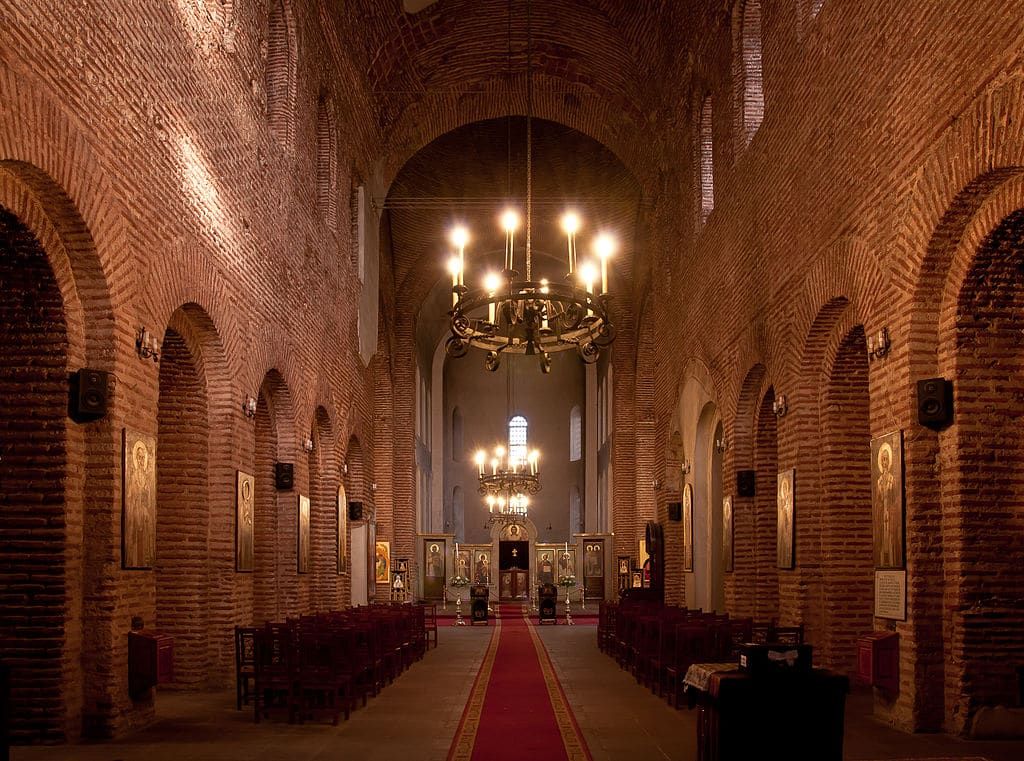
Used as a mosque in Ottoman times, the church wasn't repaired after its minaret fell in an earthquake in the early 19th century. Then, when the city passed back to the Bulgarians, the mosque was turned back into a church.
Borisova Garden - Borisova Gradina
It's fair to call it Sofia's most famous park. Among the projects built under the rising Bulgarian rule of the early 20th century, this park comes near the top. It took its current form over 50 years with contributions from 3 different designers.
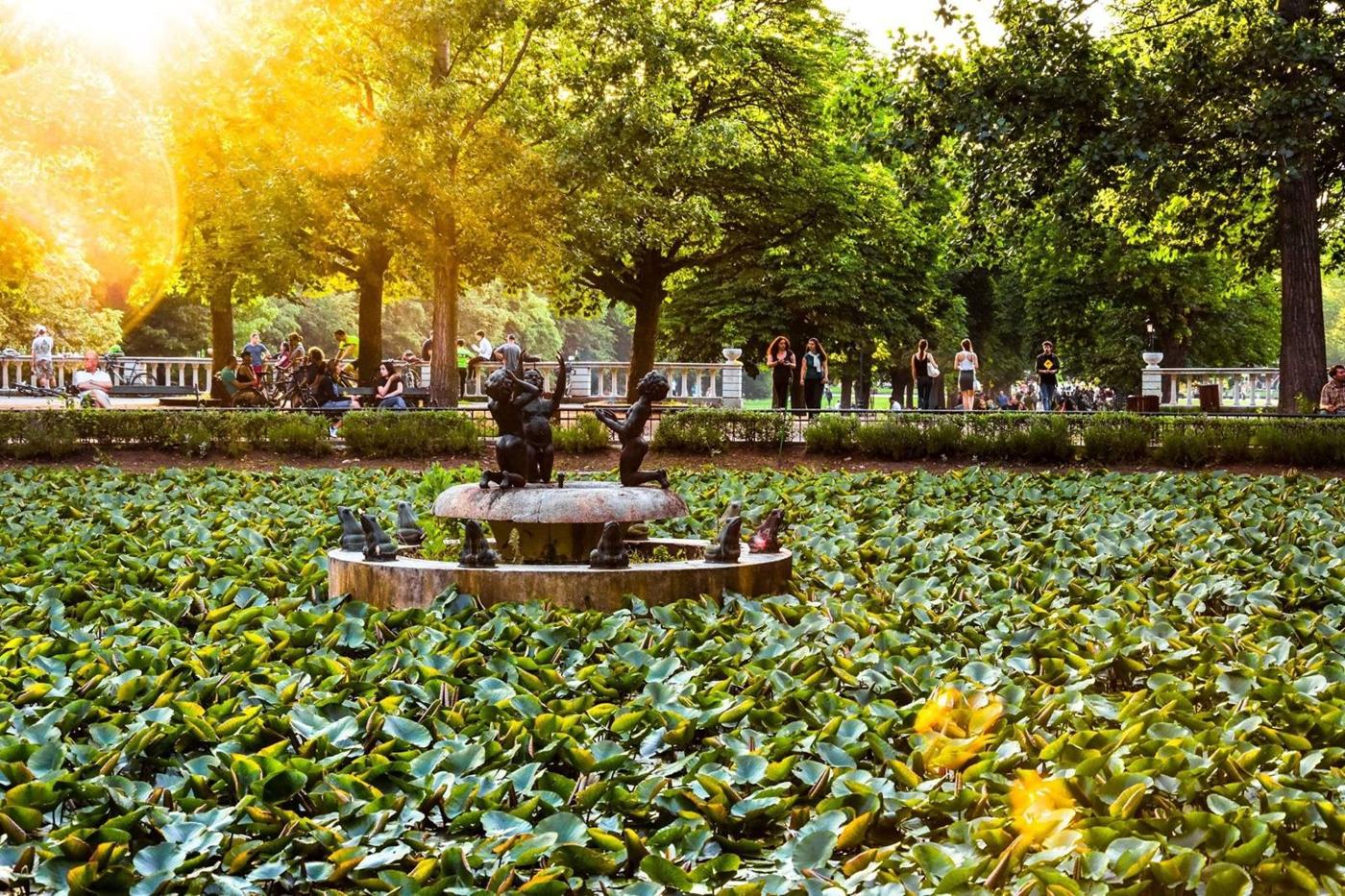
The strange thing is that for almost 50 years all the landscaped areas have stayed in their original form, with no major changes. You don't see that much where we come from, and once again we were in awe of the parks! If it impressed us this much in spring, who knows what awaits those who go in summer?! There are street performers almost every day at every hour, and free concerts are held on summer evenings. We hope you catch one..
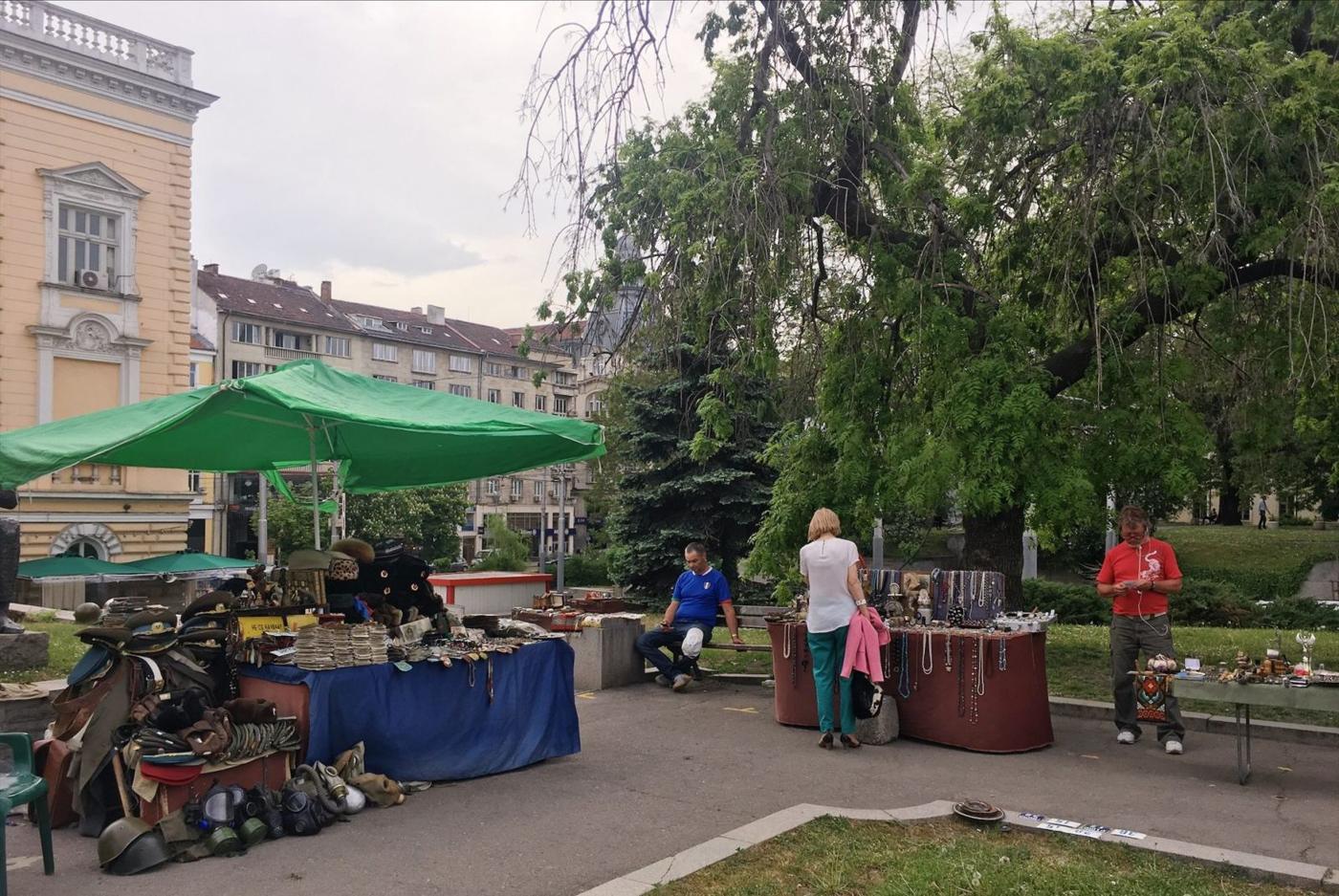
Parks of Sofia 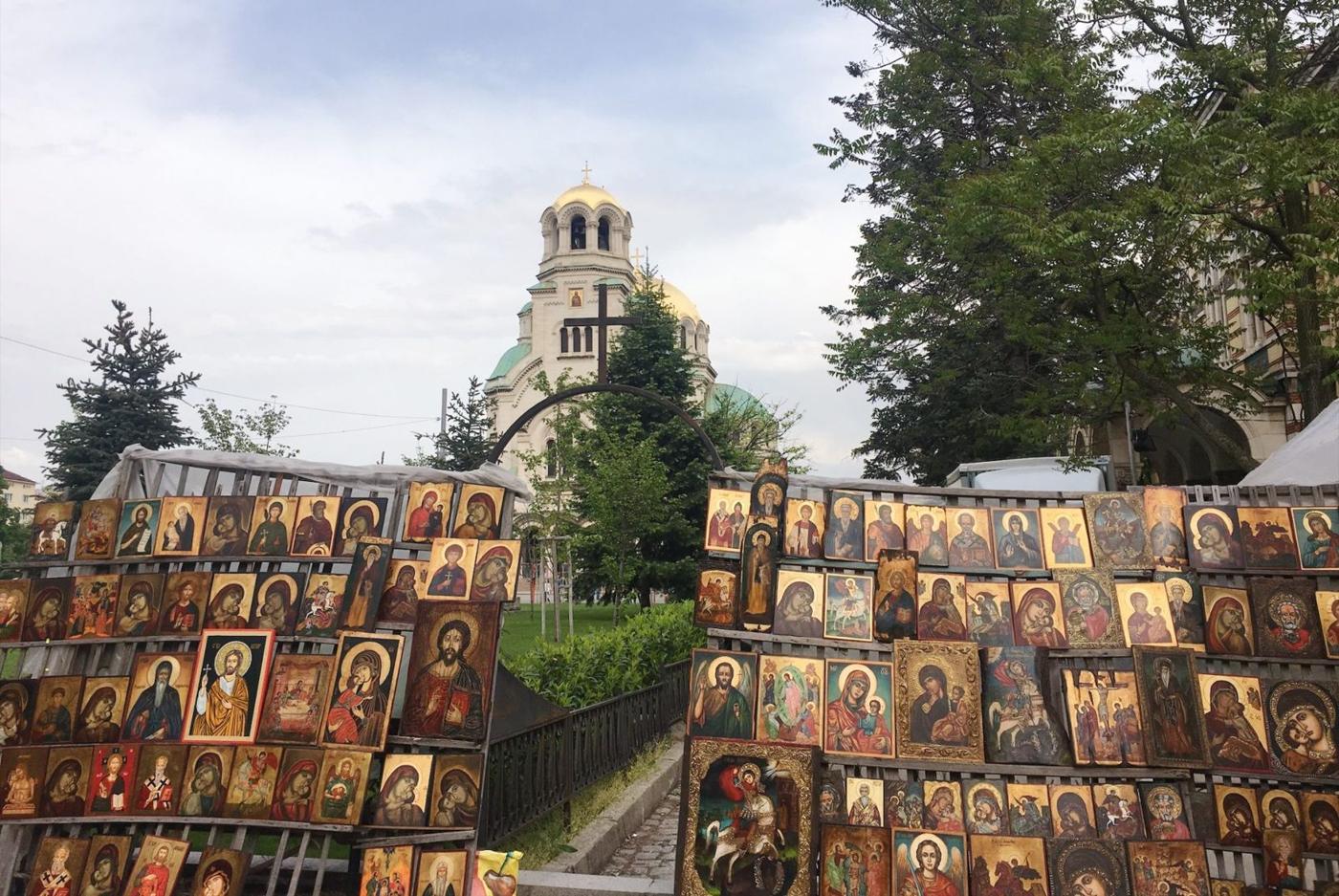
Colourful frames in Sofia's parks
The Synagogue
Sofia is home to the largest synagogue in the Balkans and the third largest in Europe. It was built in 1909 for Sofia's large Jewish population. Inspired by the old Sephardic temple in Vienna destroyed in 1938, the building holds up to 1,000 people at once. If you're curious, you can go inside and see images related to Jewish life.
Vitosha Boulevard
Vitosha Boulevard, the coolest street in the city, is where all the luxury boutiques and fashion houses are.
If you're not a shopaholic, you may find yourself among the people watching the view of Mount Vitosha, snow-covered all year, framed by the tall buildings of the wide boulevard. :)
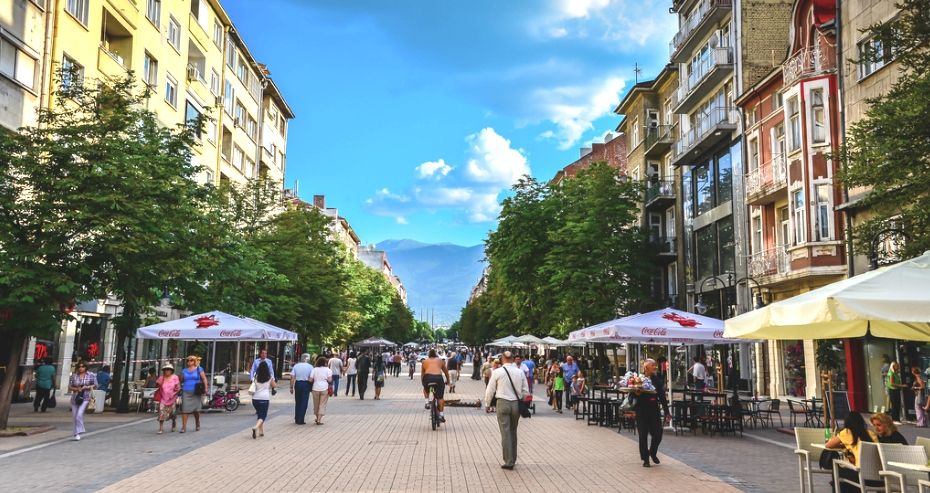
In any season you can sit at the cafés on the street for a drink and a breather. A nice, popular meeting point..
It's lovely that the street lamp posts on the boulevard have been redesigned in an elegant style to recall the early years of Bulgarian art. It reminded us of the old days of İstiklal Avenue, where we used to enjoy strolling.
Vitosha Mountain
Behind Sofia's suburbs, Mount Vitosha awaits you: a nature park whose summit, Vitosha, is 2,200 metres high. The easiest way to reach Vitosha is Aleko, the mountain's ski resort, where the Simeonovo gondola lift drops you off.
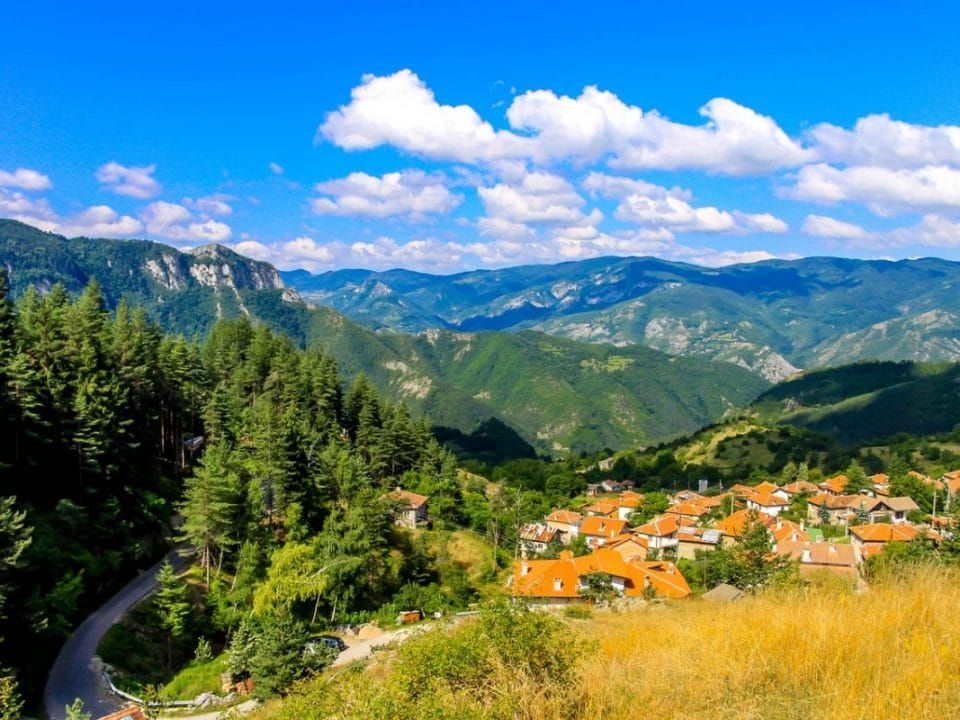
From there you can hike towards Vitosha's Black Peak. Surprisingly, when the weather is good in spring or autumn, the light gives you the impression of being part of a vast plateau that goes on forever. Like us, without getting too carried away, you can head back down after some lovely views of Sofia.
Vrana Park
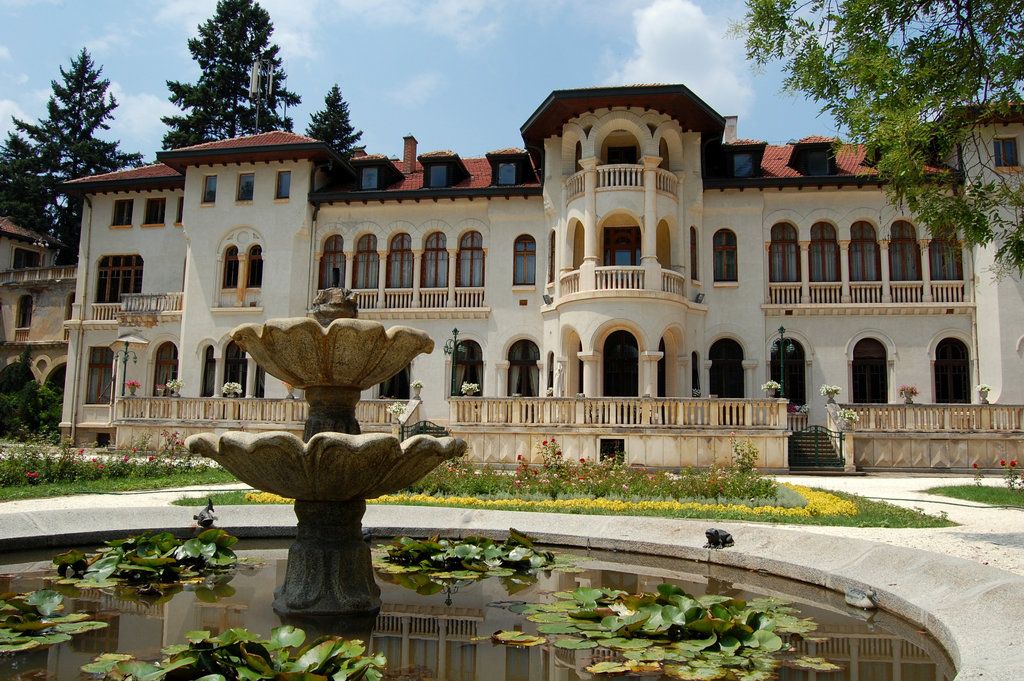
Vrana Park lies in the gardens of the grand home of Simeon II, the Tsar of Bulgaria at the time, who went into exile between 1943 and 1946. Back from exile, Simeon became prime minister from 2001 to 2005. The park is open only at weekends and you can't go inside any of the buildings. But you can wander the landscaped gardens as you like. Guided tours of the palace run every hour.
 133 km
 164 km
 170 km