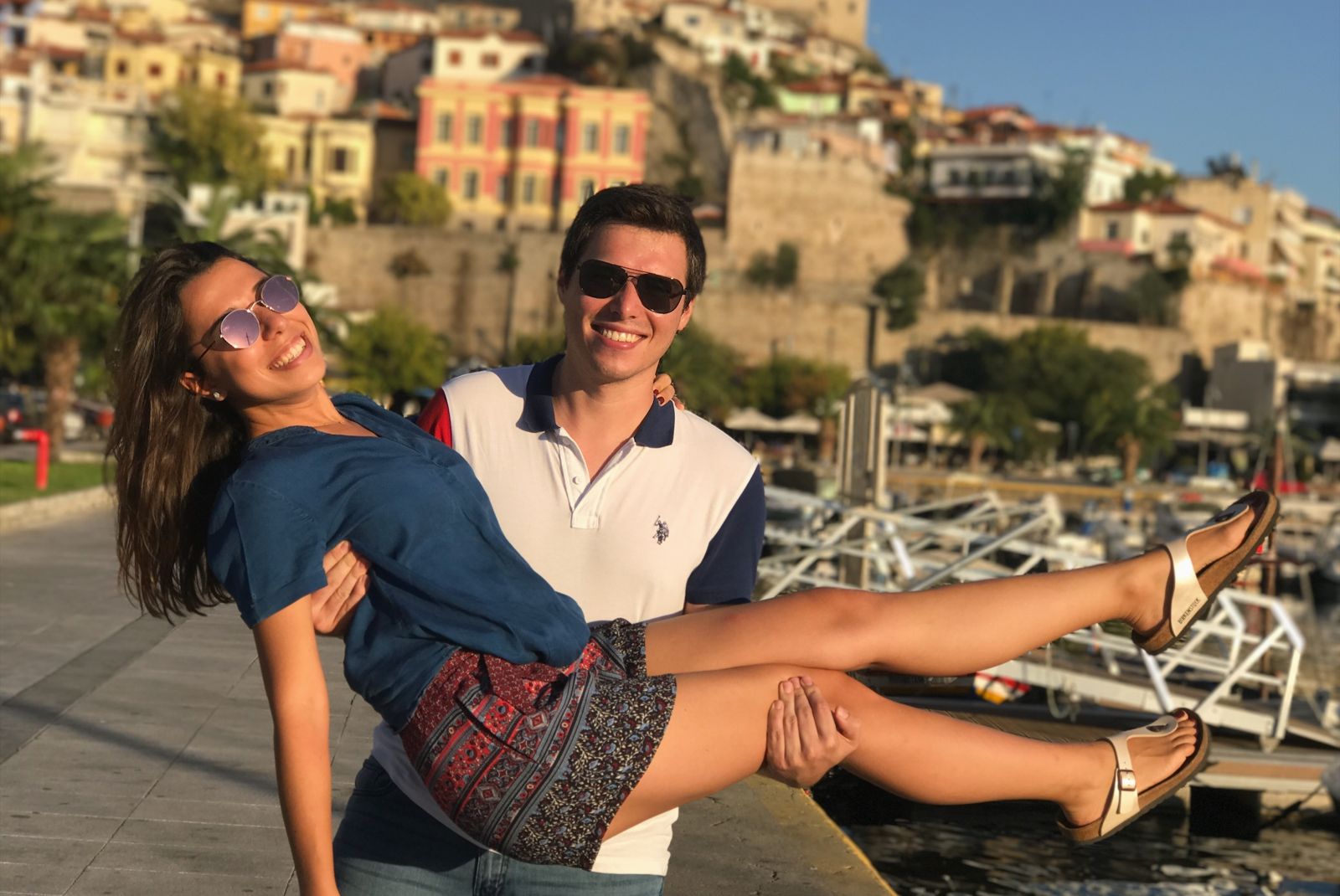
We'd been to Greece before, but this time we were off exploring in 72 hours! Thessaloniki, Kavala, Xanthi, Komotini and the last stop, Alexandroupoli!
On our tour, which we set out on Friday evening, we travelled through the night. 100 km before Thessaloniki, right after the motorway toll booths, we got our energy back by sleeping a little at a rest stop. After setting aside a full day for Thessaloniki, we gave most of our second day to Kavala. On this trip our families were with us too, and they weren't really used to high-tempo sightseeing like ours. We tried to keep pace with them by slowing down bit by bit.
We'll try to tell you about the places to visit in these cities, which are a short distance from Istanbul, in separate posts.
The Aqueduct
The Aqueducts, right at the entrance to Kavala, are first on the list of places to visit.
The world-famous Larnaca Aqueduct looks very impressive with its tremendous columns spread across the countryside. This distinguished structure in the Larnaca Region takes travellers back to past eras with its countless arches and columns.
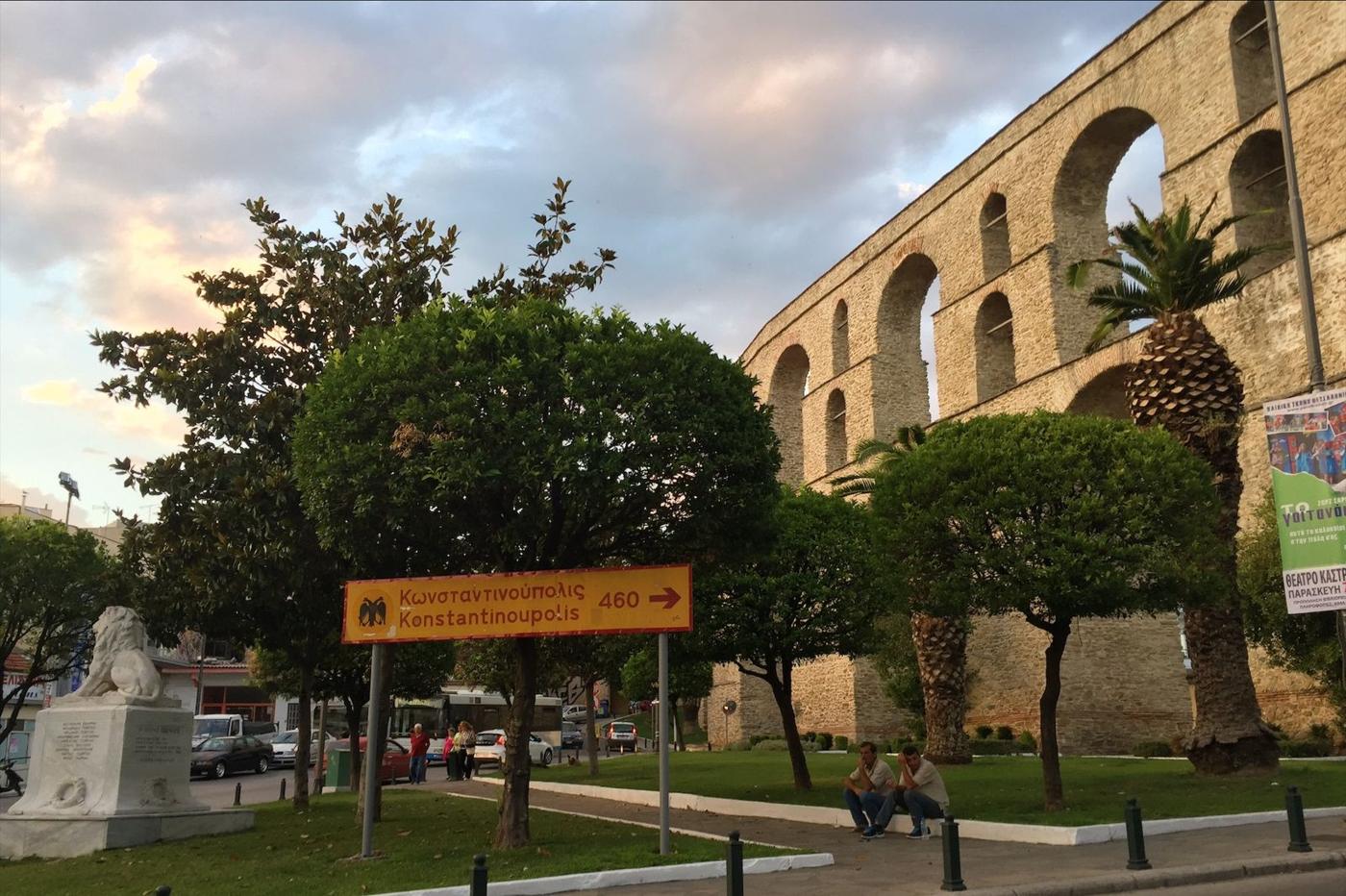
Designed by the Romans, the aqueduct is made up of 60 arches in all, of different sizes, the highest point being 55 metres. Renewed in the 16th century by the great sultan Suleiman the Magnificent, the aqueduct is one of the main heritages left to us by the Ottomans.
For the local people's use of water, at first the aim was to bring water to the Panagia area using clay pipes. In times when technical knowledge wasn't enough to raise the water even higher, the people got their water thanks to these arches. With his restoration, Suleiman solved this problem and made sure the water reached all the way to the top.
Panagia
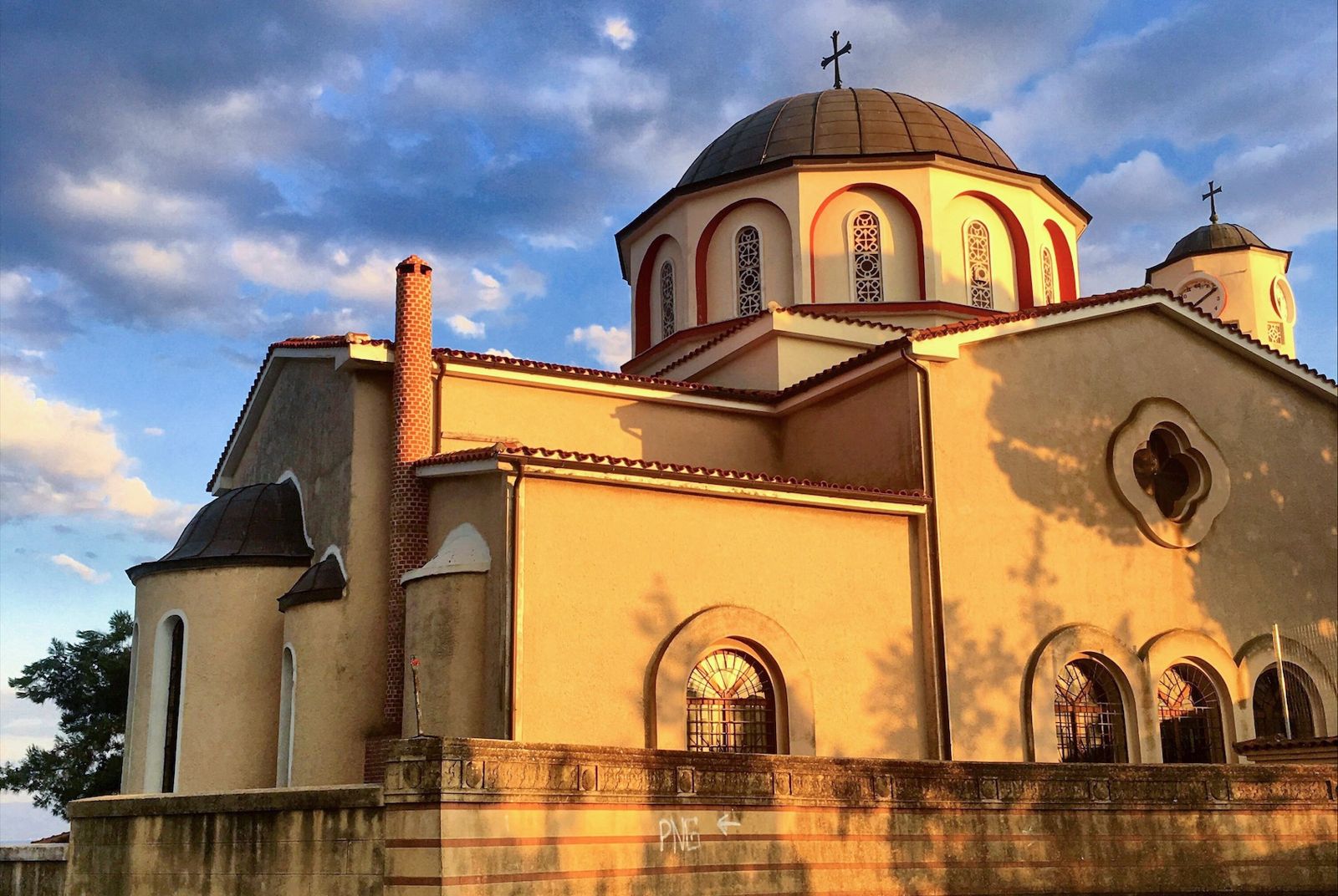
The Panagia area was formed by the non-Muslim population, as the Christian population wasn't allowed to go beyond the walls in Ottoman times. There's no option but to walk to explore the old town. Don't try getting there by car, because its streets are so narrow it would be fair to say it's impossible to get through. If you have walking/trainer-type shoes on your feet, you can tour it comfortably.
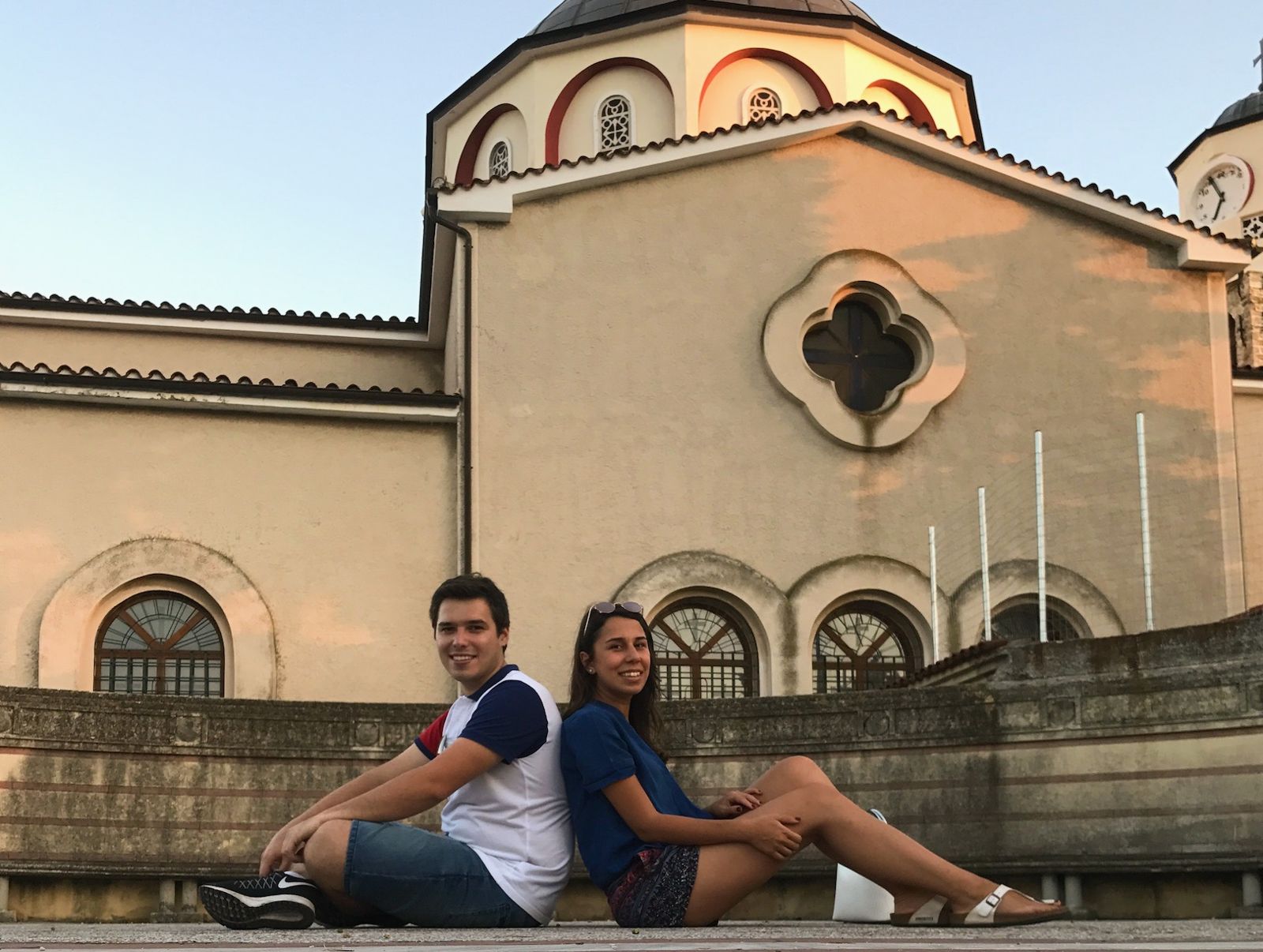
The church you'll come across while climbing to the old town was built in the 16th century in the name of İbrahim Pasha at the request of Suleiman the Magnificent. But right after Greece slipped from our hands, its minaret was taken down and it started being used as a bell tower.
The Imaret
This building, a classic Ottoman structure, has 2 masjids, 2 madrasas and 1 imaret, that is a poorhouse.
The building, used as a soup kitchen and madrasa in the Ottoman period, was acquired by the Egyptian government and is today run as a very luxurious hotel. If you like, you can stay here in Kavala.
If you pass the Imaret and continue on the cobblestones of the Old Town, you'll come face to face with Kavala's unique view.
The House of Muhammad Ali Pasha of Kavala
The house where the famous Muhammad Ali Pasha of Kavala was born, in the Old Town area of Kavala, was built in the 13th century and is an example of Macedonian architecture. Years ago it was entered in the records as treasury property of the Egyptian State. The two-storey house is also open to visitors.
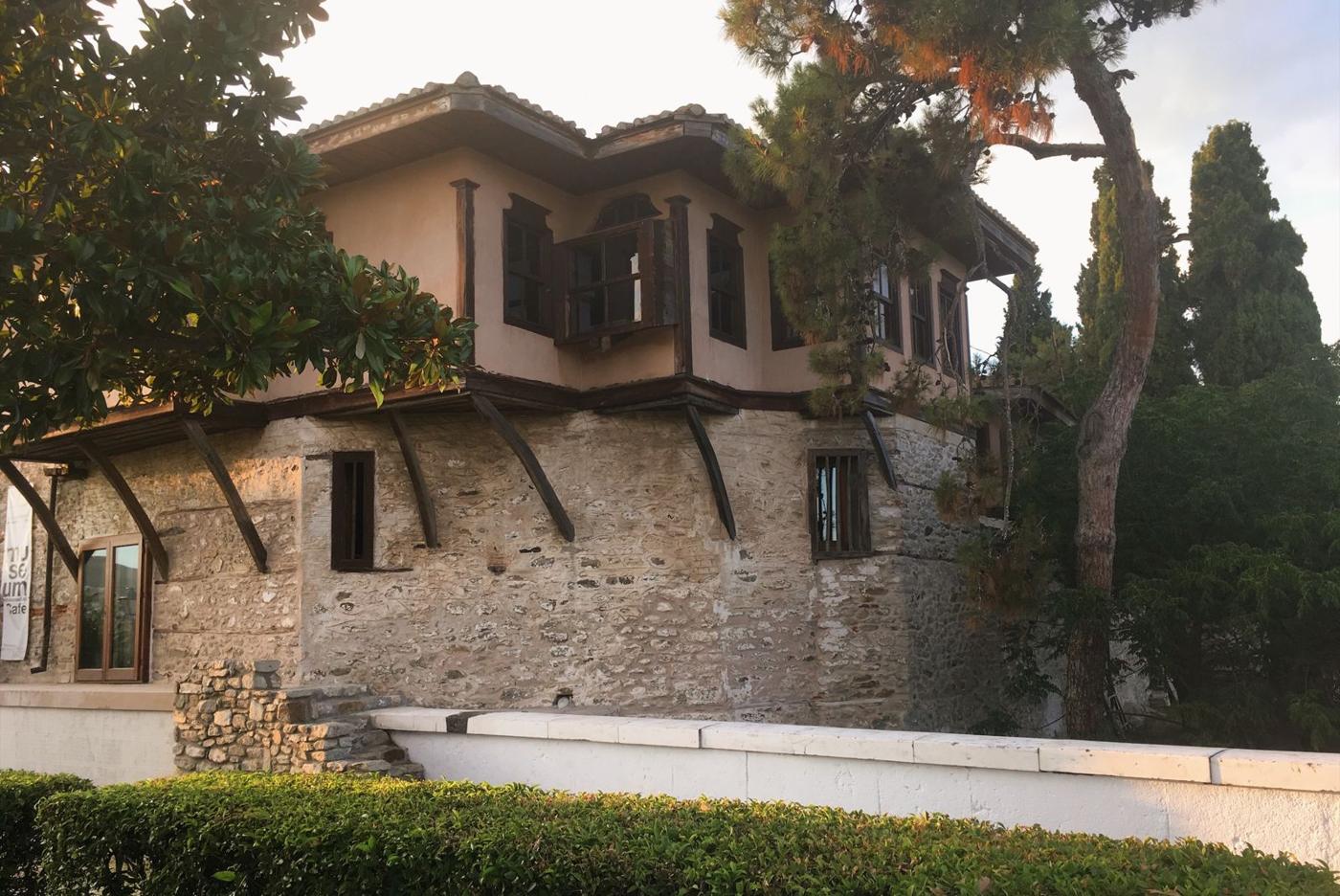
I'd like to share with you something we learned when we went. The Governor of Egypt, Mehmet Pasha, is much loved by the Greeks. The reason is thought to be that in his time he went against the Ottoman Empire and declared his own kingdom.
Note: Those who want to visit the house can do so every day from Tuesday to Friday: 10:00 – 14:00. Entry fees are full ticket: 2€ | Students: 1€.
The Tobacco Museum
For centuries Kavala has been known as a tobacco-producing place, and thanks to the city's harbour these products were shipped to various regions around the world. The large buildings that once housed the tobacco trading businesses spread across the centre are seen as a sign of the city's main source of income in the past.
Tobacco-related business in Kavala increased further following its liberation from Ottoman rule in 1913, and increased even more in 1922 after a Greek military campaign made up of Greek refugees of Greek origin in Anatolia, as a result of the flow of Greek refugees living in Anatolia.
Thousands of people, Christians, Muslims and Jews alike, worked long hours in the city's tobacco warehouses.. Tobacco production, processing and trade played an important role in Kavala's society.
In the museum, tobacco's journey from field to product is explained in detail with visuals. It even displays almost all the content about the tobacco sector, right up to the tobacco merchants, that is the class struggle. The classic tobacco technique, hardly known any more, is exhibited almost only in this museum in Europe.
Note: Entry: free.
Kavala Castle - Byzantine Castle
Get ready for a castle view that'll take your breath away! This beautiful castle sits at the top of the Panagia area, the oldest part of the city of Kavala, which hasn't lost its traditions.
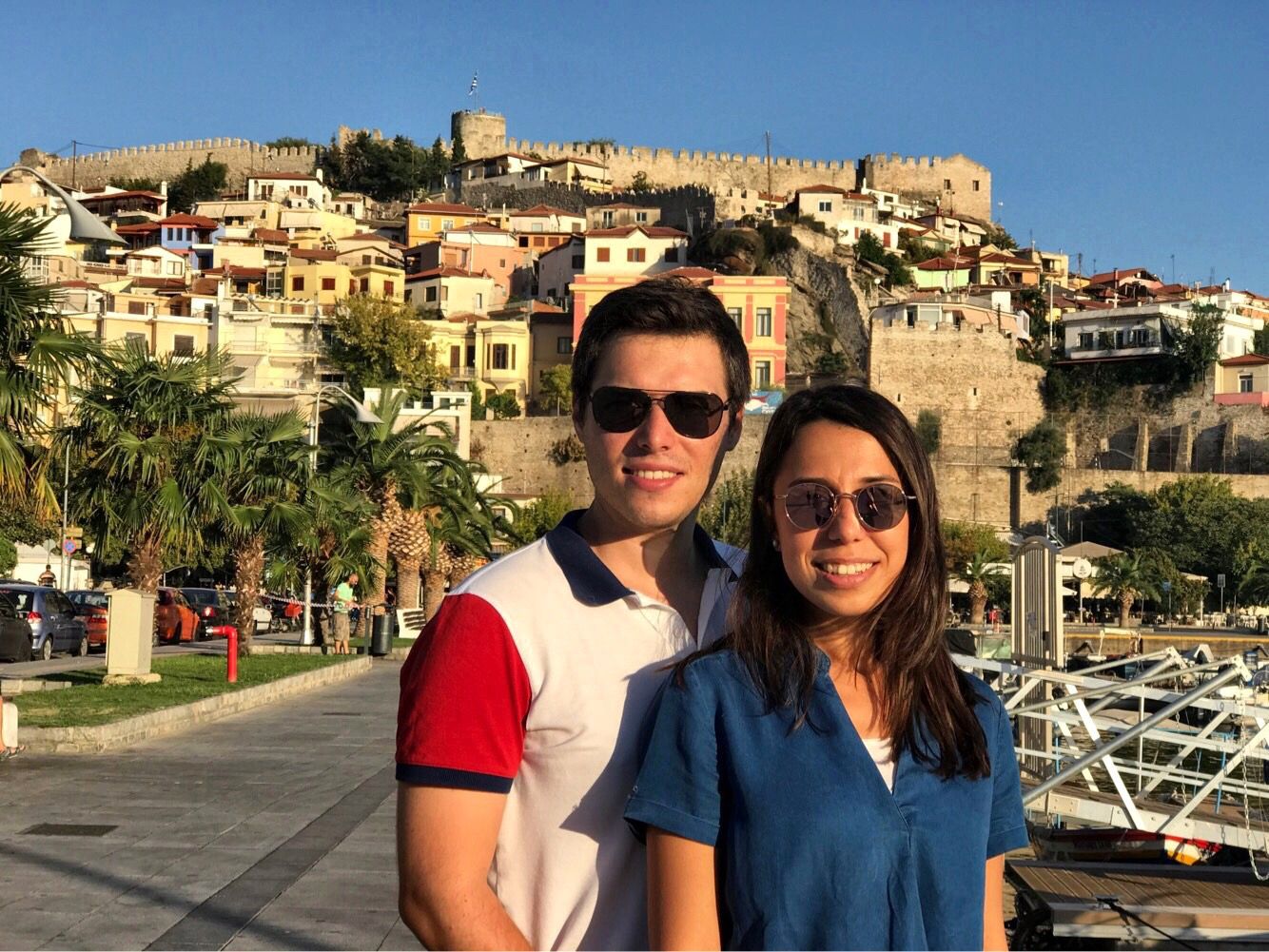
This area, flocked to by visitors every year, is very popular and represents one of the most important historic symbols in the area. The castle, which hasn't suffered any damage to this day, has kept its authenticity. The castle, holding hundreds of secrets, has attracted the attention of architects, students, historians and archaeologists from all over the world with its interesting corners.
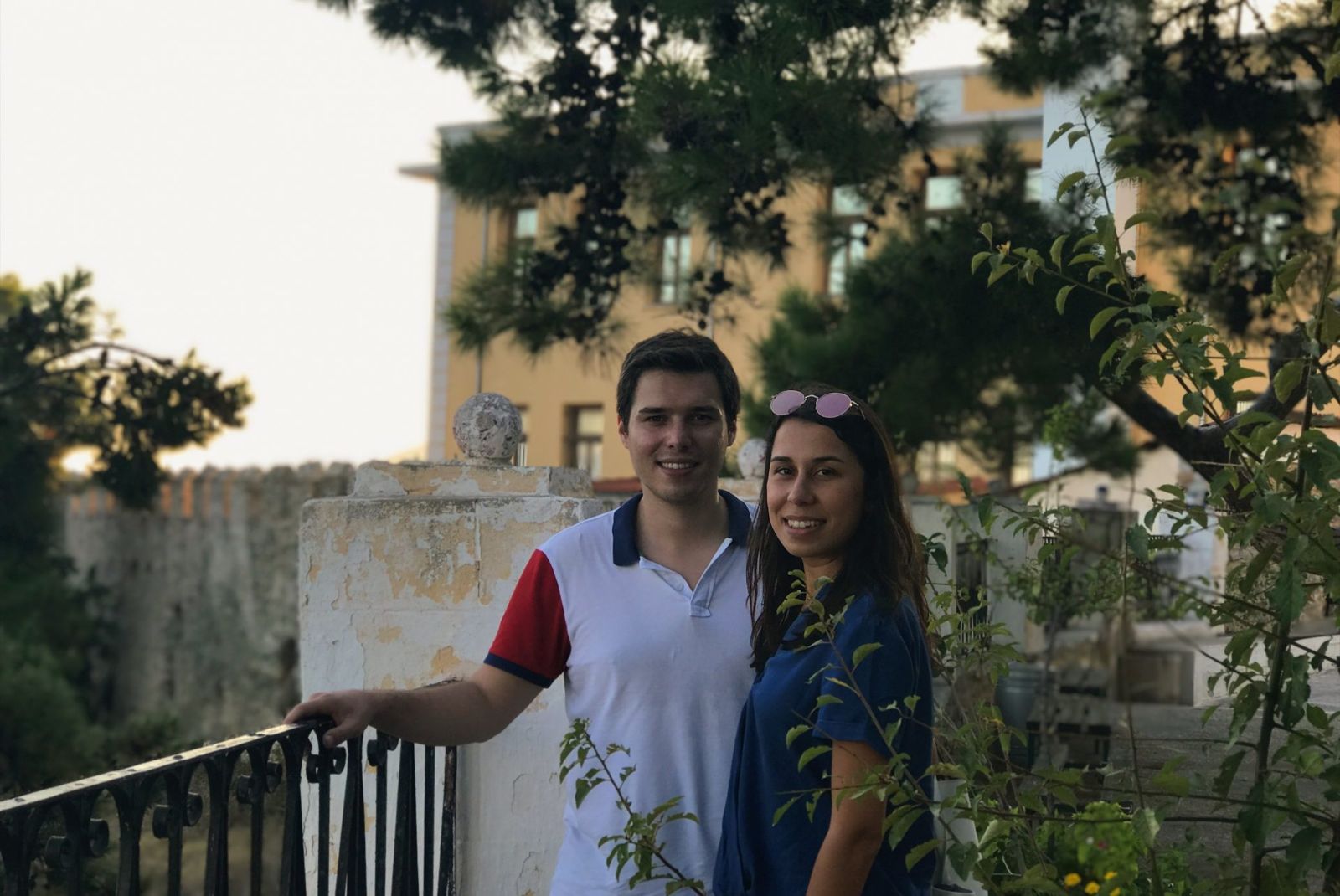
Greeks, foreigners and Kavala locals of all ages visit the castle to travel into the past, enjoy the perfect view, watch plays, concerts and children's shows in the castle's open-air theatre, and see the painting and photography exhibitions hosted in the rest of the castle.
You can get there by vehicle up to a certain point; but on foot you can enjoy the beauty of the old town.
The New Town
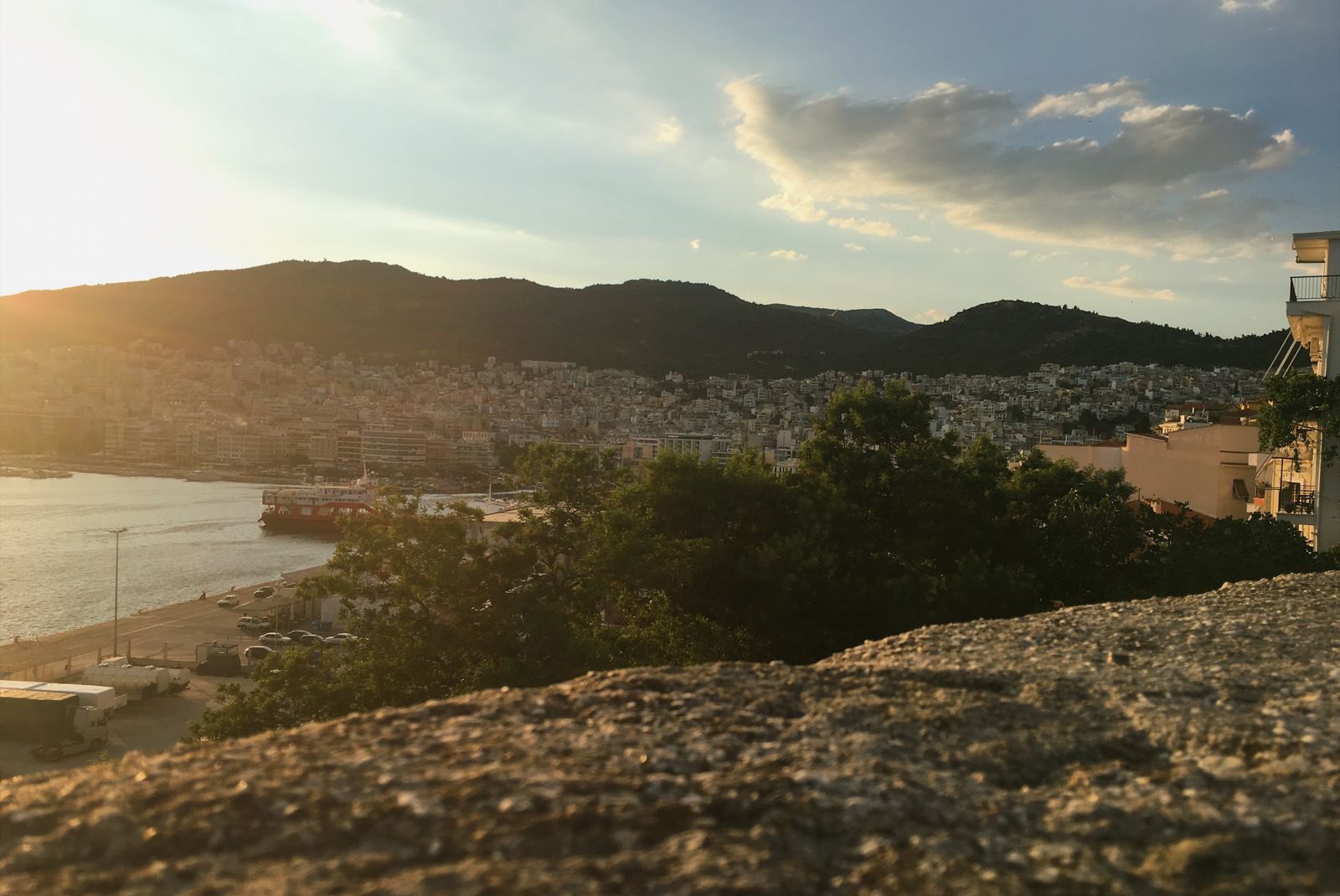
Right after exploring the Old Town, as you go down towards the sea, you can get the chance to explore the New Town too. You can tour this view, which we looked at from a bird's-eye view, up close. The streets and cafés, empty in the daytime, come incredibly alive once it gets dark. Here you can taste Greece's famous drink, the Greek Frappé.
Kavala Beaches
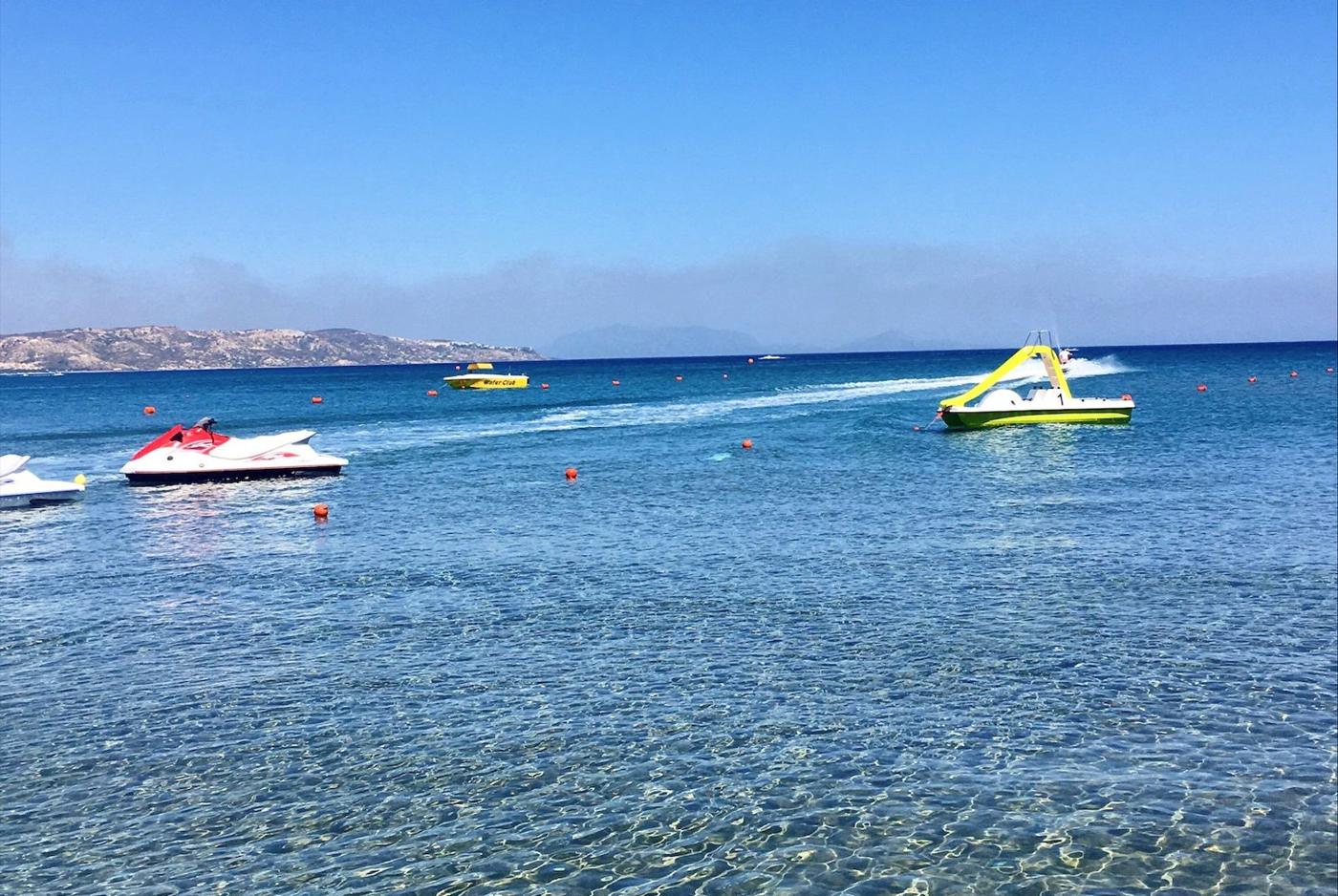
As in most parts of Greece, Kavala has wonderful beaches too. You can go to the Amolfi, Keramto and Kalamitsa beaches, close to the city, and enjoy this lovely sea. As in Alexandroupoli, here too no fee is charged for umbrellas and sun loungers. It's enough to pay for what you eat and drink. :)
 123 km
 123 km
 128 km