For anyone living in Istanbul, Edirne is a trip not to be missed. It's close, and you can go in almost any season. With history reaching back to the Ottomans and one delicious dish after another, it gives you cultural and food tourism in one.
We have always gone to Edirne on day trips with friends; our most recent visit was a seven-person trip with our families. We wanted to tell you about this city we've been to so often and know inch by inch. I hope you enjoy the post
How Many Days for Edirne?
As the title suggests, if you want to see the centre of Edirne, one day is easily enough. But if you'd like to savour the city and relax a little, leaving on Saturday morning and returning on Sunday evening is just right. So let's say one day for fast-paced travellers and two days for those who like to take it easy.
When to Go to Edirne?
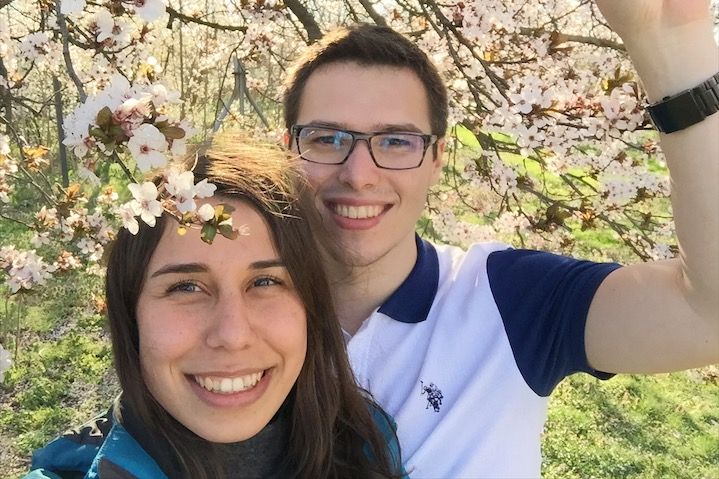
Our favourite months are spring and autumn. Spring is colourful, and autumn has a wistful feel. Anyone going in winter will surely feel the cold in Edirne, which, as people have said for years, is the first stop for cold waves coming from the Balkans.
Where to Stay in Edirne?
We didn't think about accommodation because we went for the day, but if you're staying, Taşhan Otel or Taşodalar Otel are good choices. Prices for two with breakfast range from 200₺ to 250₺. For something more luxurious, there are Ramada and RYS Otel.
How to Get to Edirne?
Edirne is about 240 km from Istanbul, 690 km from Ankara and 520 km from İzmir. From Istanbul we drive there in 2 hours, enjoying the empty motorway. You can also take the bus from Istanbul; the bus journey takes 3 hours.
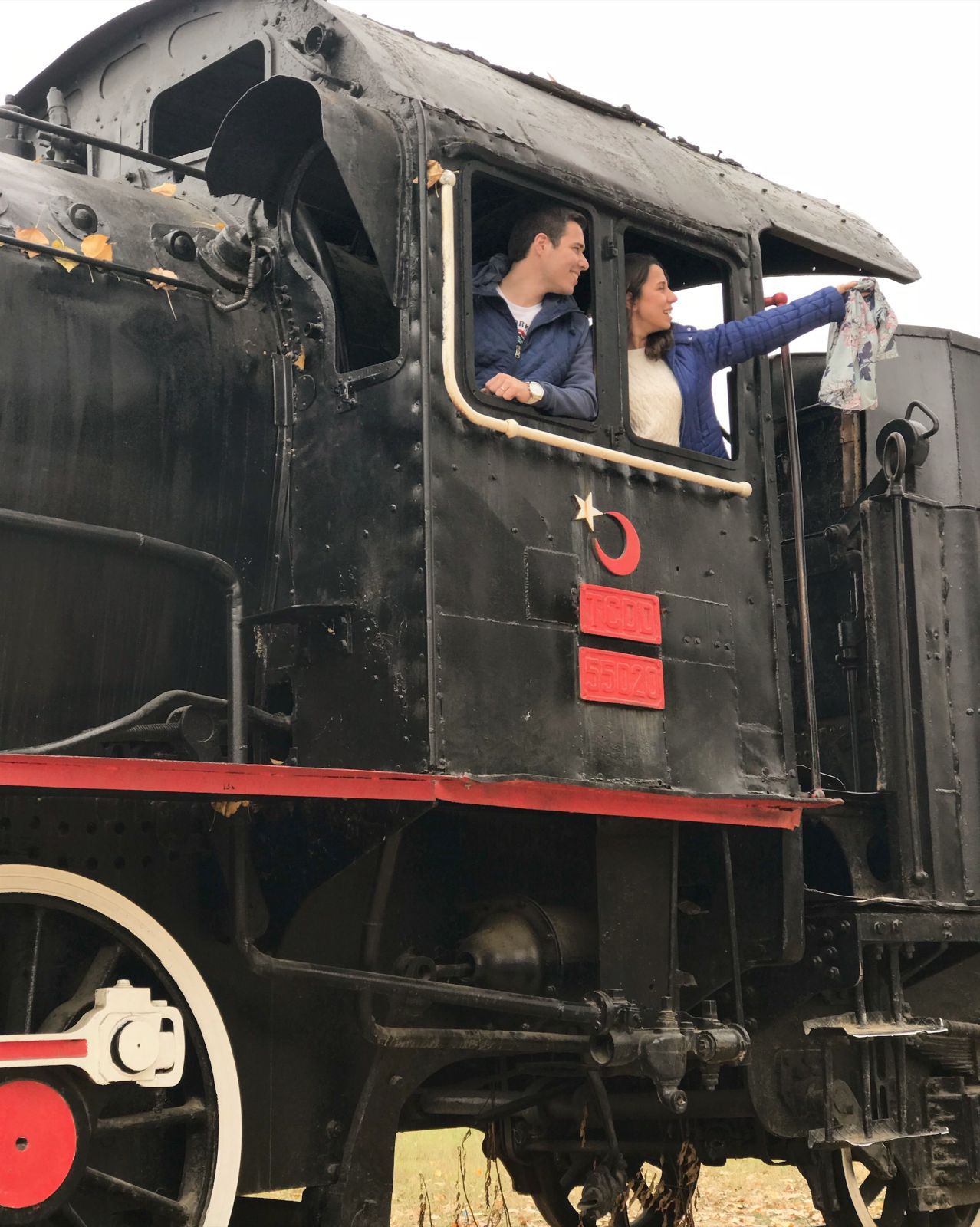
You can also take the Halkalı–Uzunköprü train, which started running again in 2018. On the way there, the train leaves at 08:30 and reaches central Edirne at 12:00. On the way back, the train leaves Uzunköprü at 15:40 and arrives in Halkalı at 19:15. Halkalı–Uzunköprü tickets cost 21₺.
Our Suggested Route for Edirne
Here's a quick look at the route we followed on our day trip:
- When we arrive in Edirne, the first thing we do is go for breakfast.
- Then we head for a stroll towards Karaağaç, where we love walking. Here we visit the historic Ottoman-era Edirne Railway Station, the Lausanne Monument, the National Struggle and Lausanne Museum and finally the Faculty of Fine Arts of the university. Then we sip a relaxing coffee in one of the cute cafés on Karaağaç Street.
- Next is the Sultan Bayezid II Complex Health Museum, one of the Ottomans' historic hospitals. We've been many times, yet every visit we learn something new and it's always a pleasure. Entry is free for students and 5₺ for adults.
- Now it's time to turn our route towards the centre of Edirne. First a stroll down Saraçlar Street, then on to Aydın Tava Ciğer or Ciğerci Niyazi Usta for liver!
- Once we've eaten, the Selimiye Mosque and the Edirne Archaeology and Ethnography Museum right behind it are some of the places you can add to the route
Where to Eat and Drink in Edirne
Edirne stands out with its own special flavours. Some people may never have eaten Edirne's fried liver, but we guess no one hasn't heard of it. :)
Breakfast - Tadım Kahvaltı Salonu
On our day trips we usually leave Istanbul at 6:30 and sit down to breakfast around 8:30–9:00. As on our other trips, last time we decided to have breakfast at Limon Kafe again. Sadly, I couldn't find the old warmth and the tasty breakfast. We definitely don't recommend it to you.
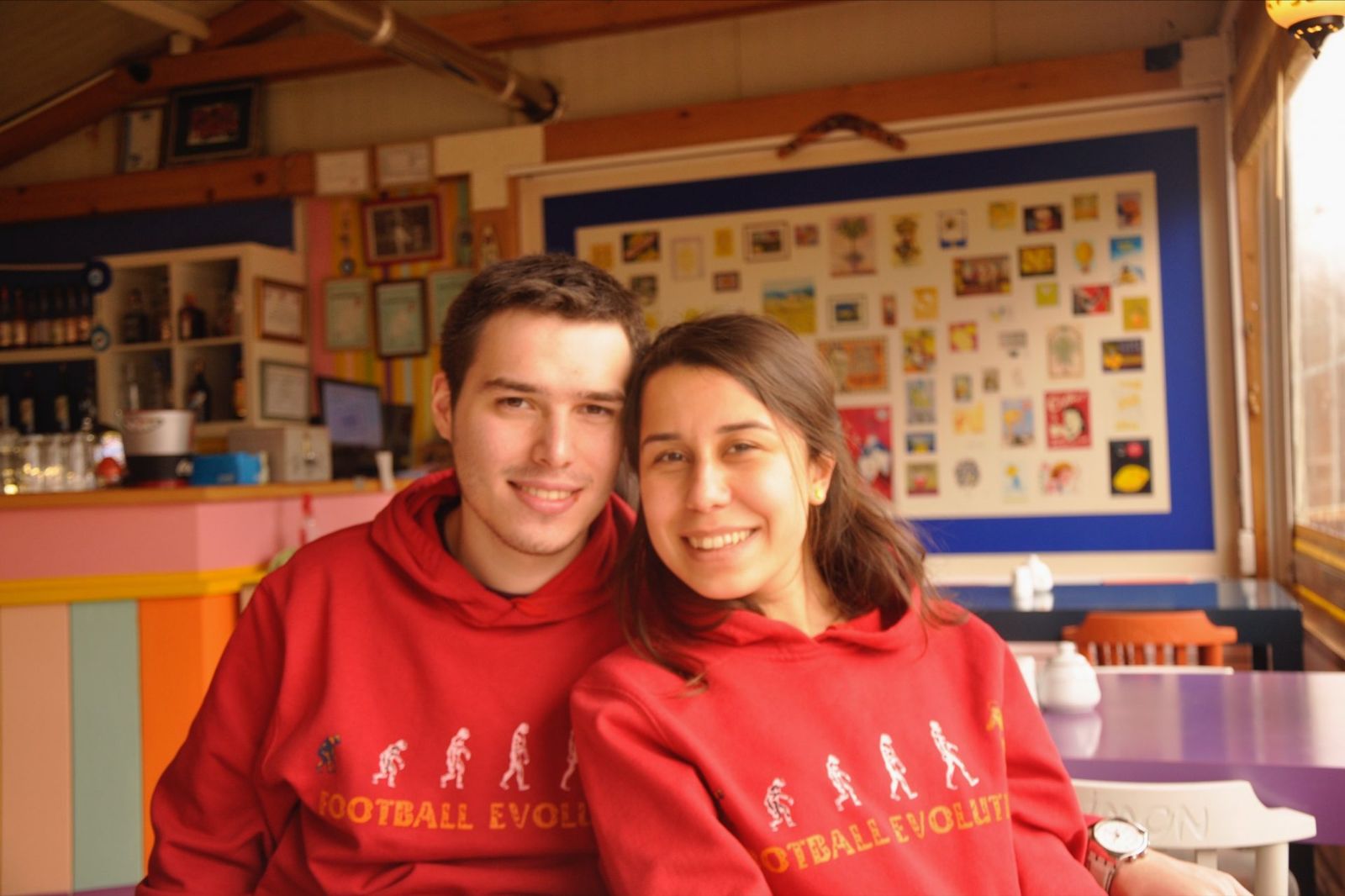
Limon Kafe, 2014! It was really tasty back then.. 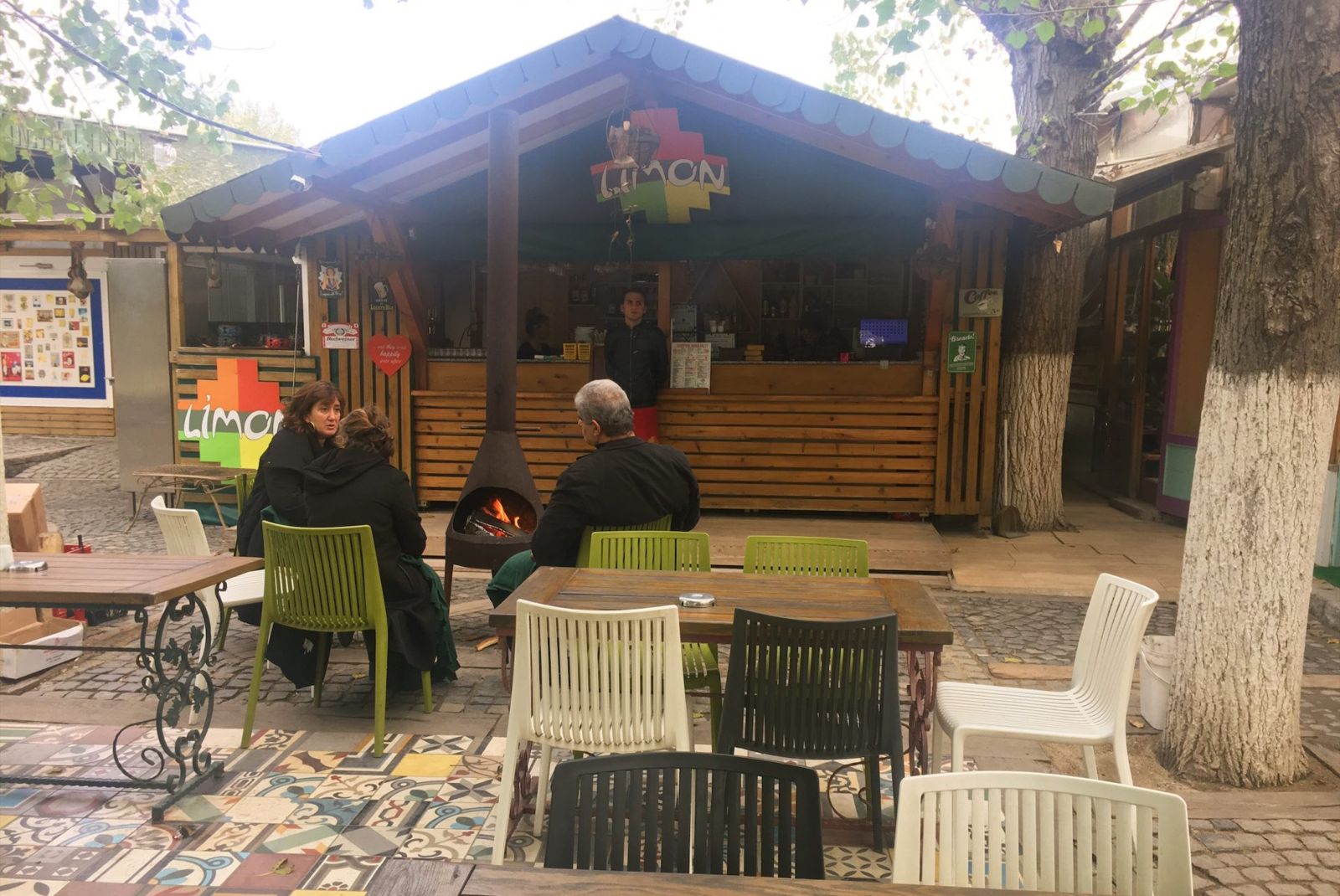
For winter visitors: the stove used to be inside, but these days they've moved it outside..
If you want breakfast at a simple, no-frills menemen place in Edirne, Tadım Kahvaltı Salonu is the first address; prices won't hurt your wallet. The taste is spot on too, worth a try!
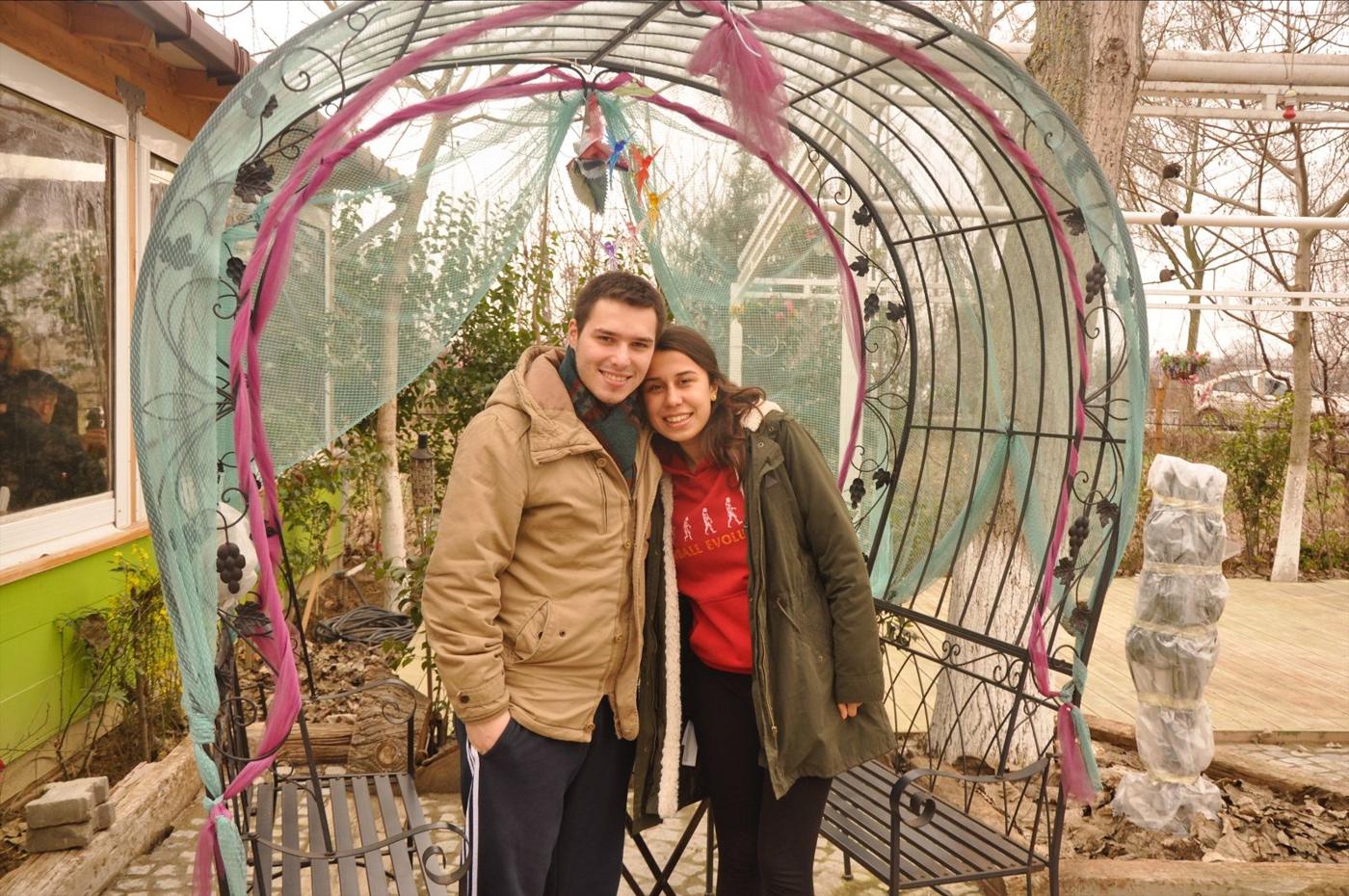
If you'd like somewhere more upmarket, you can go to Edirne Lalezer Tesisleri. Right next to the Meriç (Evros) River, this restaurant is a good choice for a lovely Sunday breakfast surrounded by nature.
Address: Sabuni, Yüksek Kahve Sok. Merkez, Edirne
Edirne Liver - Aydın Tava Ciğer or Niyazi Usta
We went to Aydın Tava Ciğer in Edirne for years, but lately we couldn't find the taste we were used to and came away feeling customers didn't matter to them, so now we prefer Ciğerci Niyazi.
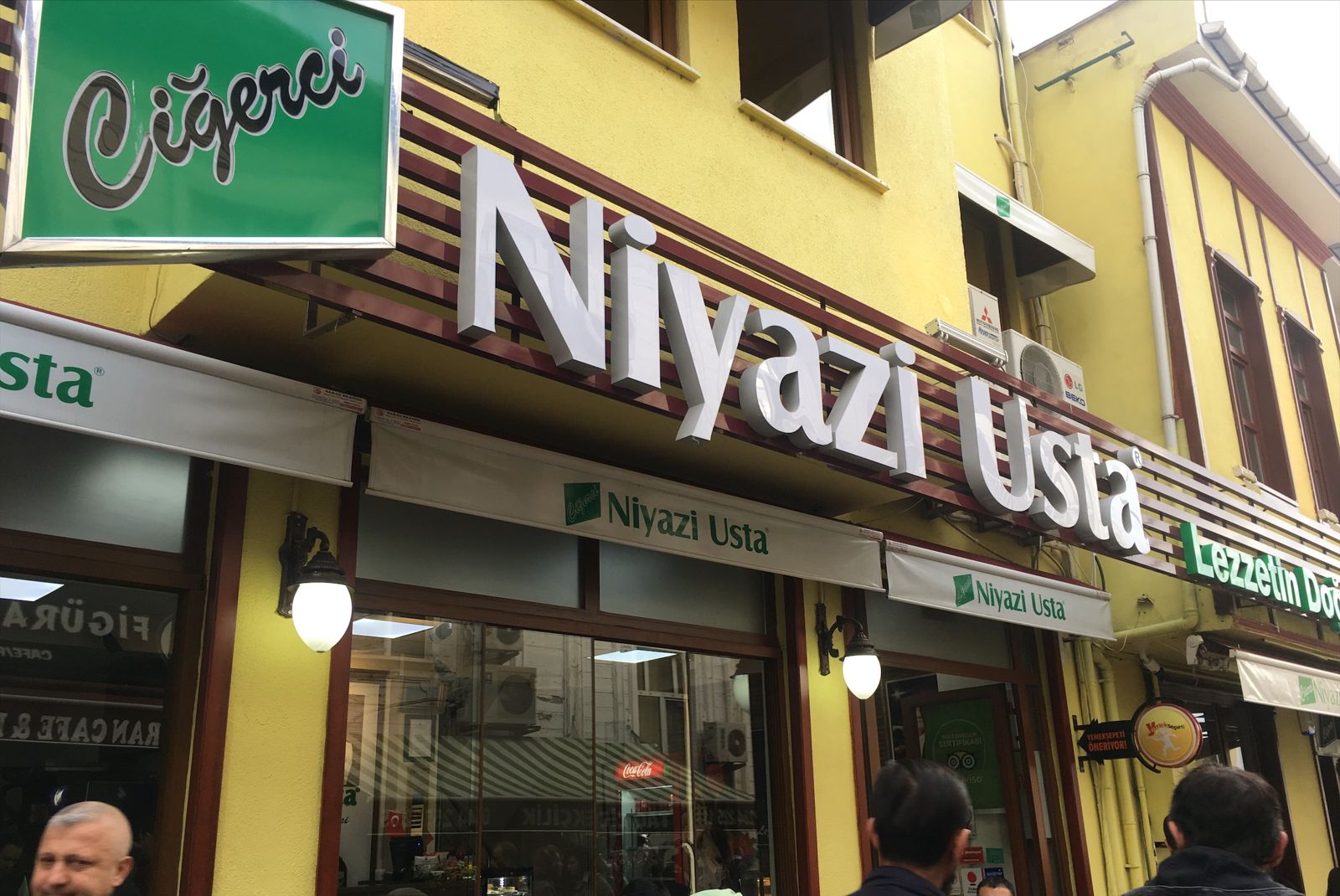
Our favourite part is the fried dried peppers served with the liver. And there's no limit to the meze that comes with it; they refill the plates as they empty. As of November 2018, a portion of liver costs 22₺.
Aydın Tava Ciğer address: Tahmis Çarşısı, No:12 Merkez, Edirne
Niyazi Usta address: Mithat Paşa, Ortakapı Cad. No: 9, Merkez, Edirne
Cheese Halva & Hayrabolu Dessert - Edirne Tatlı Konağı
At Tatlı Konağı in the Çilingirler Bazaar on Tahmis Square you can try all kinds of Balkan desserts. The ones that caught our eye were Hayrabolu dessert, cheese halva, baked cheese halva, trileçe, and another must-try: Cyprus dessert, made with semolina and lots of fruit.
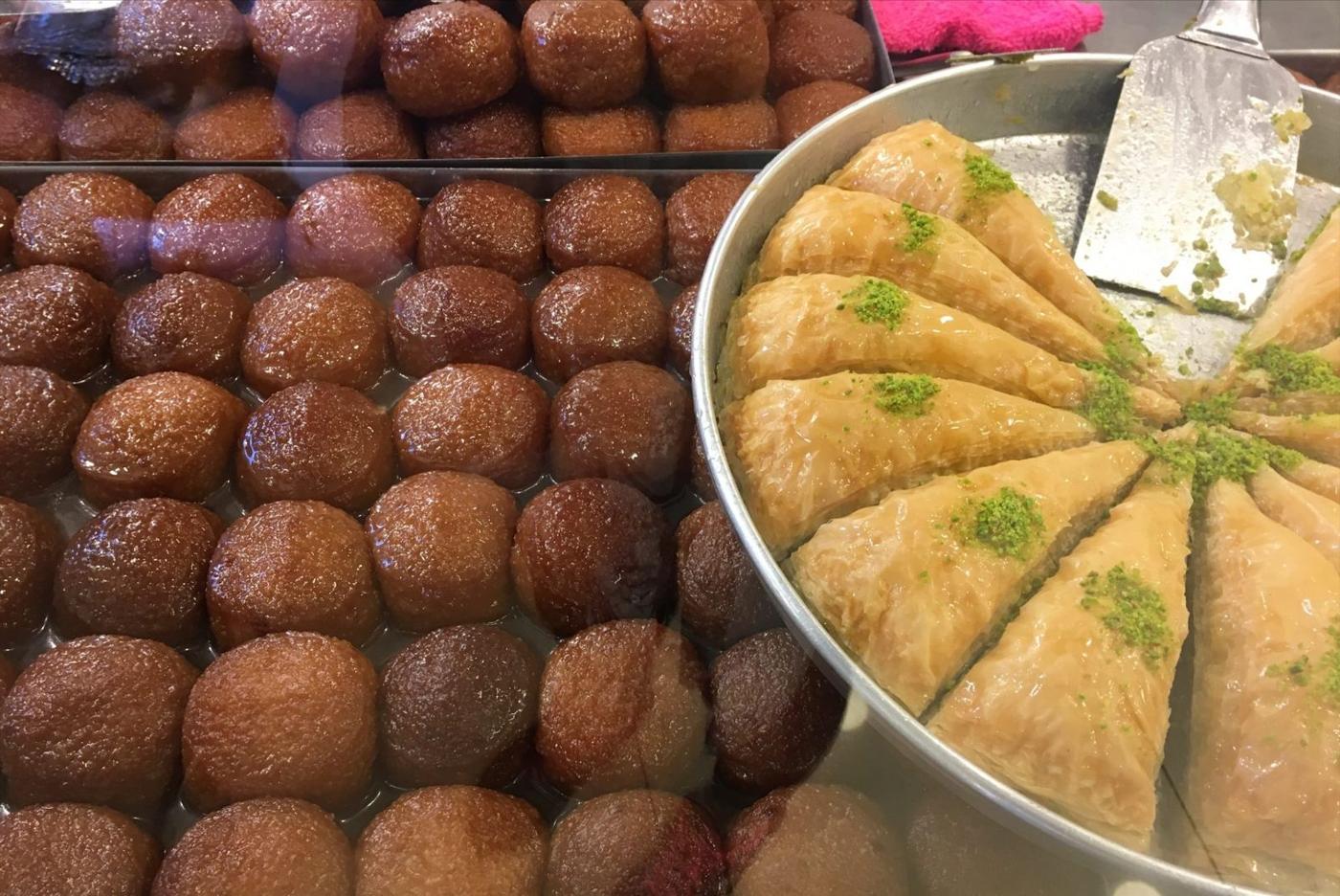
Dessert stop - Hayrabolu dessert 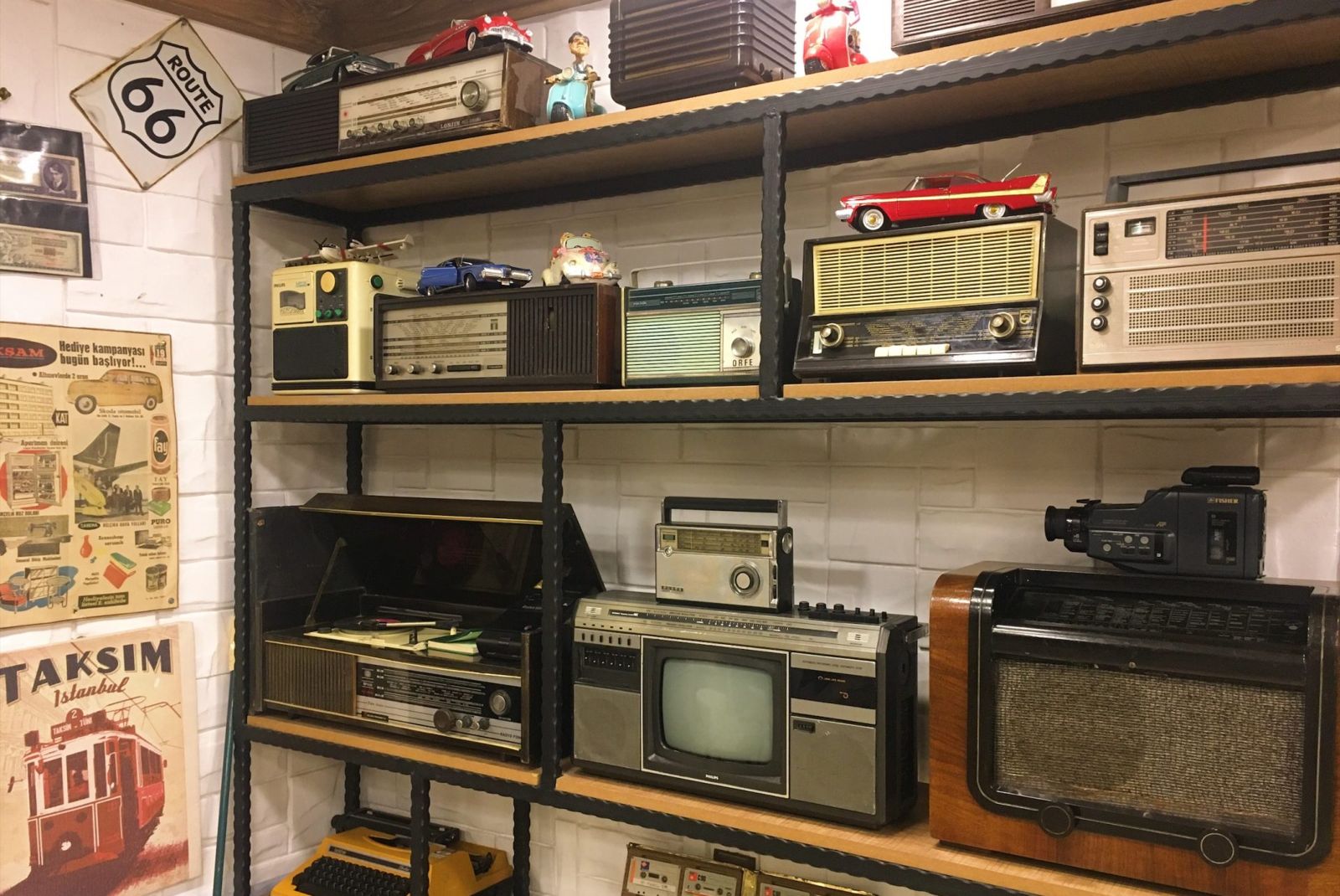
We really liked the nostalgia of the shop and the songs playing in the background..
Our favourite dessert here: Hayrabolu dessert with tahini! A portion is 16₺. If you'd like something lighter, we recommend cheese halva with ice cream! 30₺ a kilo.
Kavala Cookies - Arslanzade
For years, the first name that comes to mind when we think of Kavala cookies has been Arslanzade! Blended with village churned butter and roasted almonds and dusted with icing sugar, the cookies get that delicious taste we all know. As of November 2018, 50₺ a kilo.
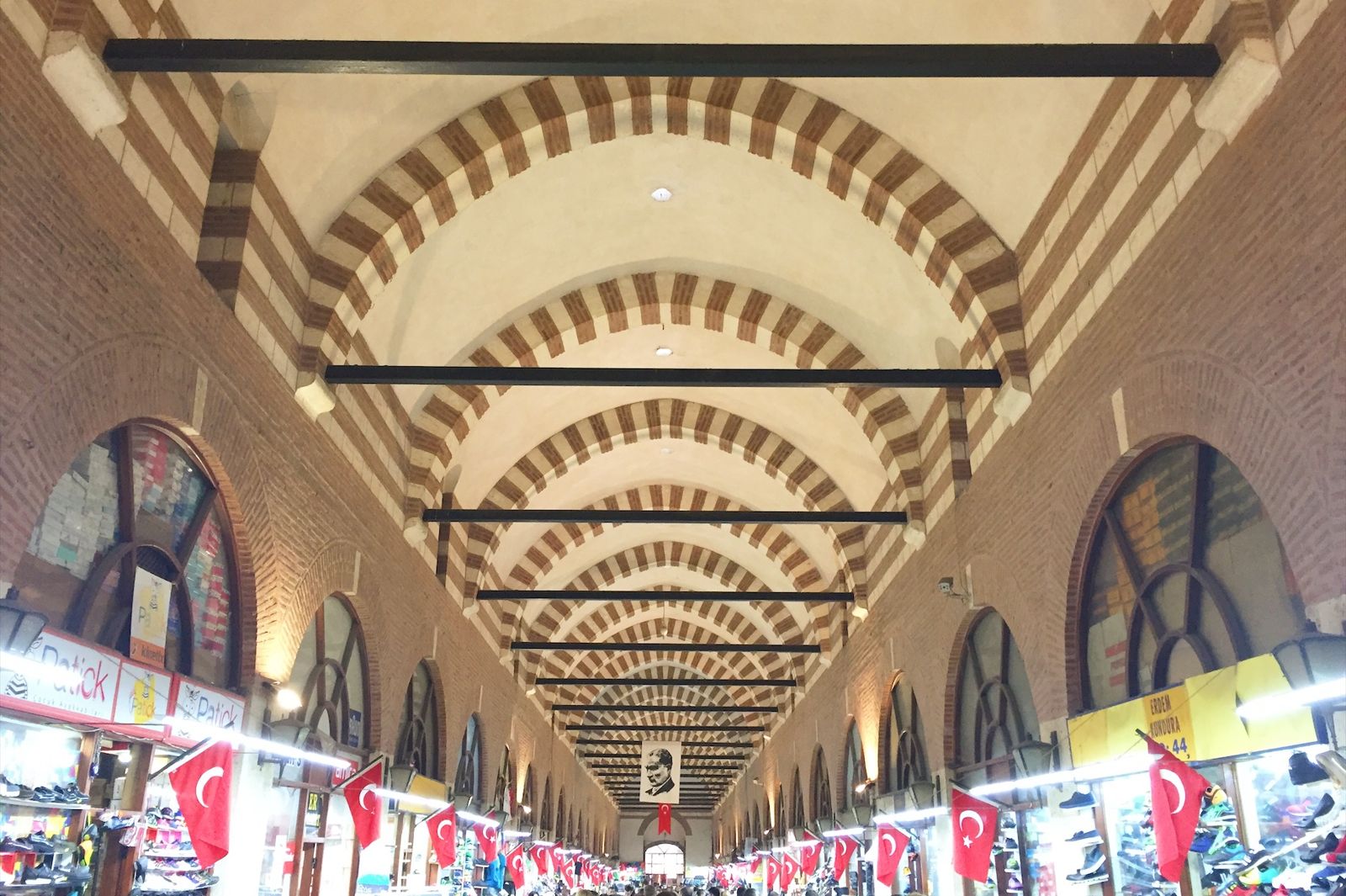
Almond Paste - Keçecizade
When it comes to almond paste, this is our first stop. A little sweet for us, but it goes down very nicely! As of November 2018, 80₺ a kilo.
Edirne Cheese - Nurlu Peynirleri
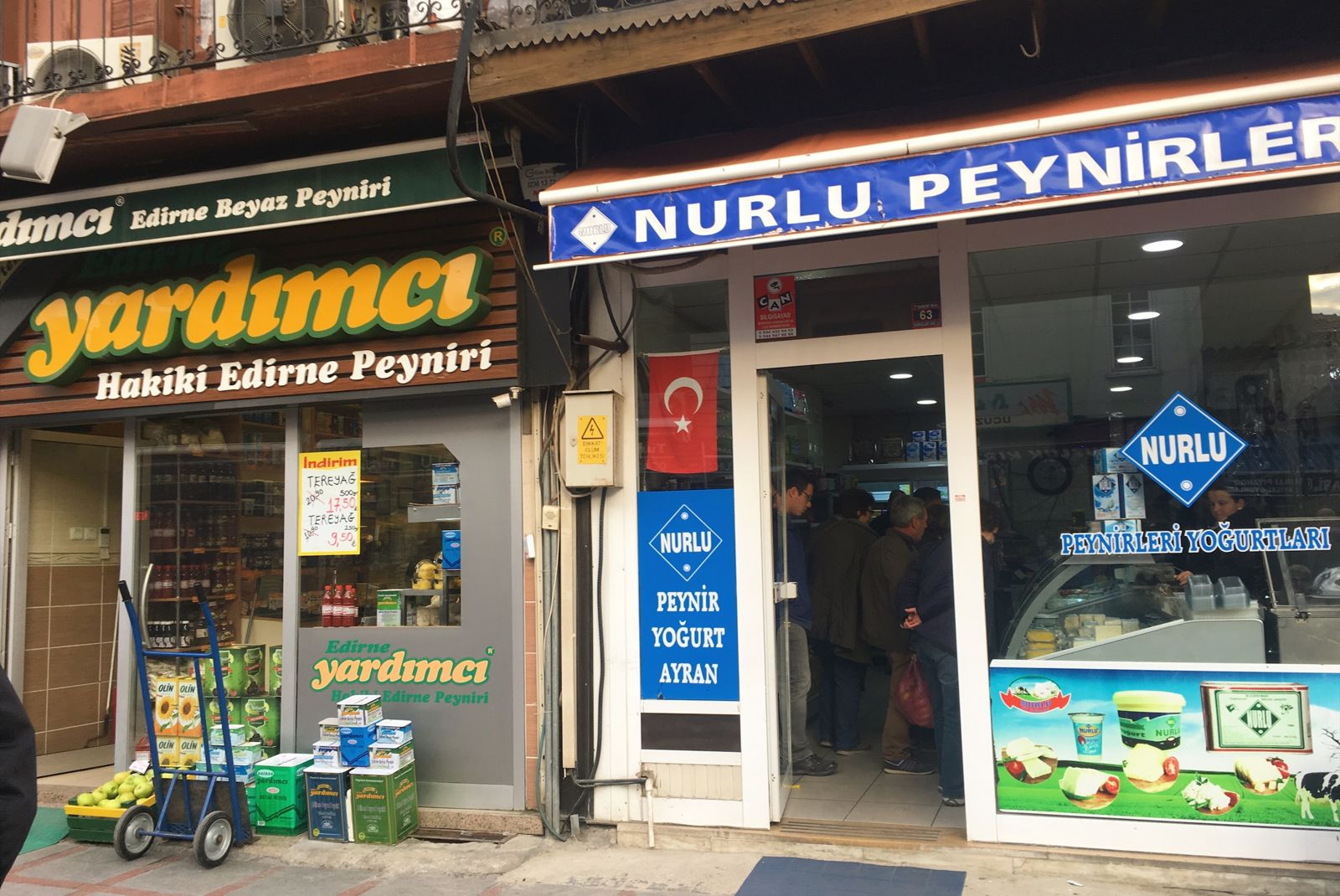
Everyone has heard of Edirne's famous white cheese. We loved the cheese we tasted at a nostalgic shop we came across by chance on Saraçlar Street. They can vacuum-pack it for you, so if you buy a lot you don't have to eat it all straight away. They told us it keeps its taste in the fridge for about 3 months. Depending on the cheese, it costs between 30₺ and 45₺ a kilo.
What Comes to Mind When You Think of Edirne
- First of all, of course, Mimar Sinan's masterpiece, the Selimiye Mosque
- Second, its famous dish, Edirne liver
- Wild old men who drink rakı like water
- The local word "piizlenme" for having a drink
- Thracians who can't pronounce the letter "h"
- Mothers who call little boys "kızan"
- Border gates opening to Greece and Bulgaria
Places to Visit in Edirne
In this section we'll cover the places to see in the order of the route we described above.
The Meriç River
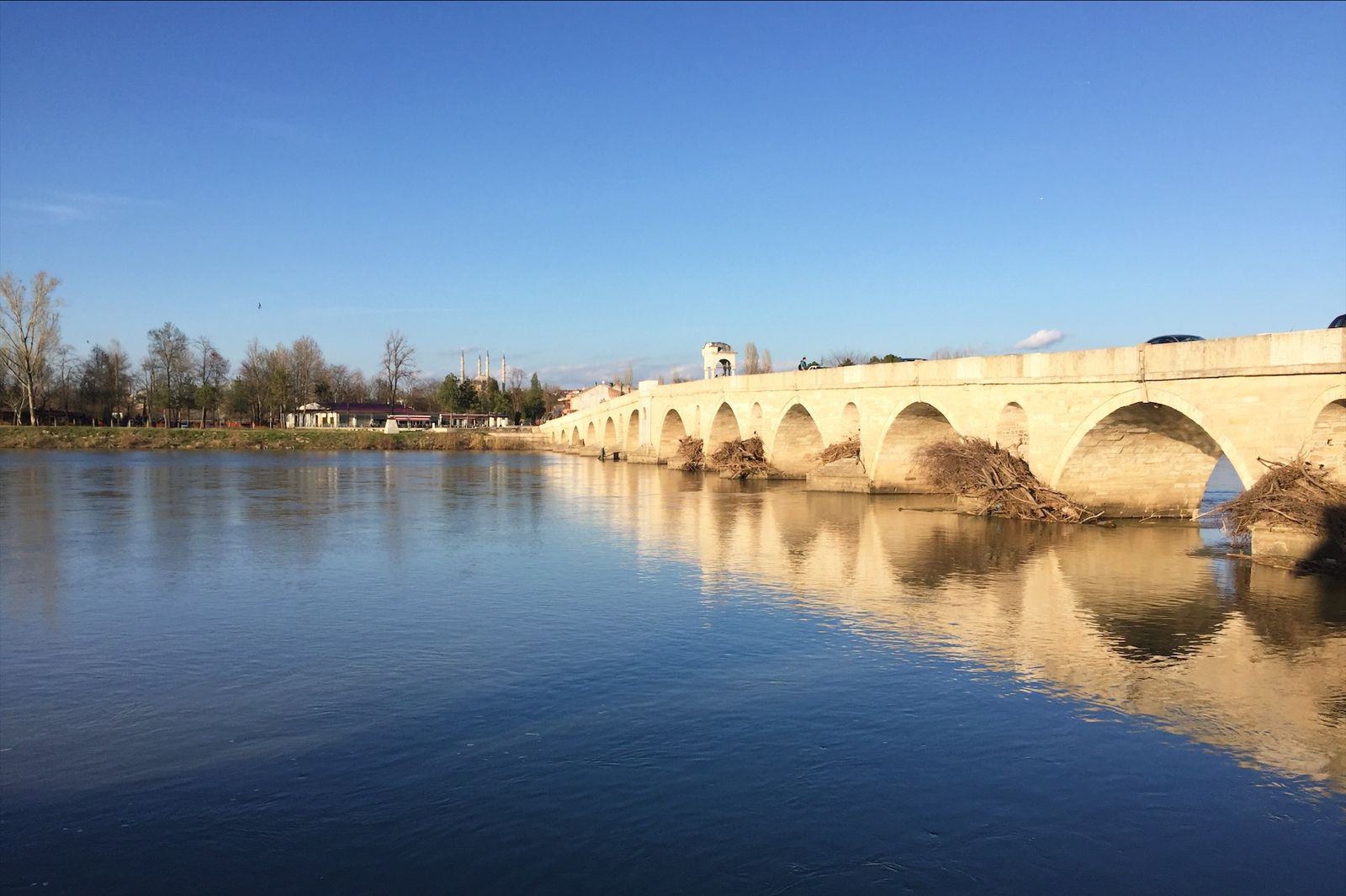
Go at sunrise or at sunset! For us it's always a place worth visiting, worth seeing, worth sitting down with a tea to take in the view.
The Historic Edirne Railway Station
In Karaağaç, one of Edirne's neighbourhoods closest to the border, the historic Edirne Railway Station enchants visitors with its garden and its architecture. Everyone who comes wants a photo here. As for its history: it was designed as an important stop on the Rumelian Railways line, but it never served the purpose it was built for.
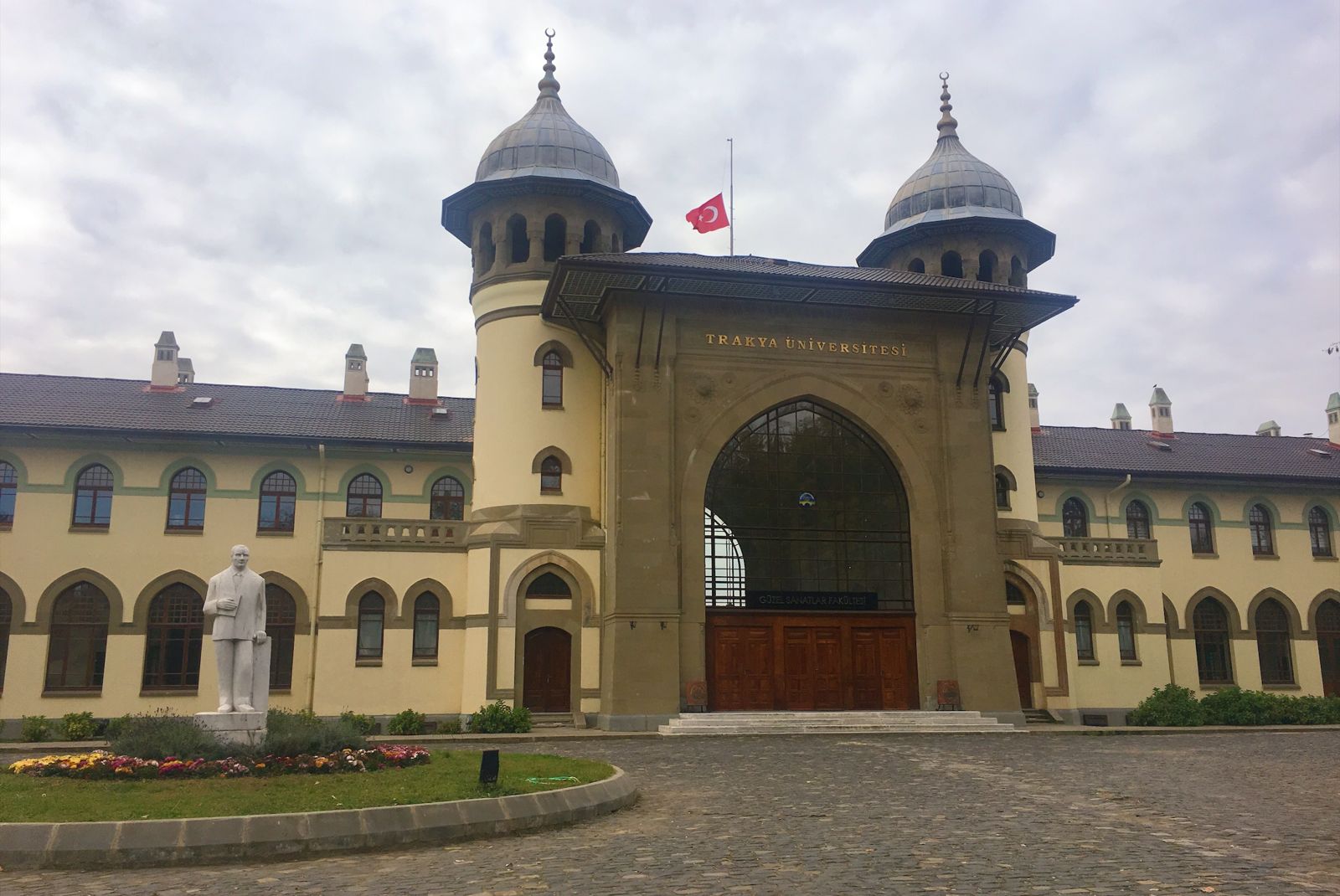
Work on the railways sped up from the mid-19th century to realise the idea of the Oriental Railways, which would stretch from Paris to Istanbul. The Ottomans' main aim was to connect the Oriental Railways with the Rumelian Railways so they could respond quickly to unrest in the Balkans.
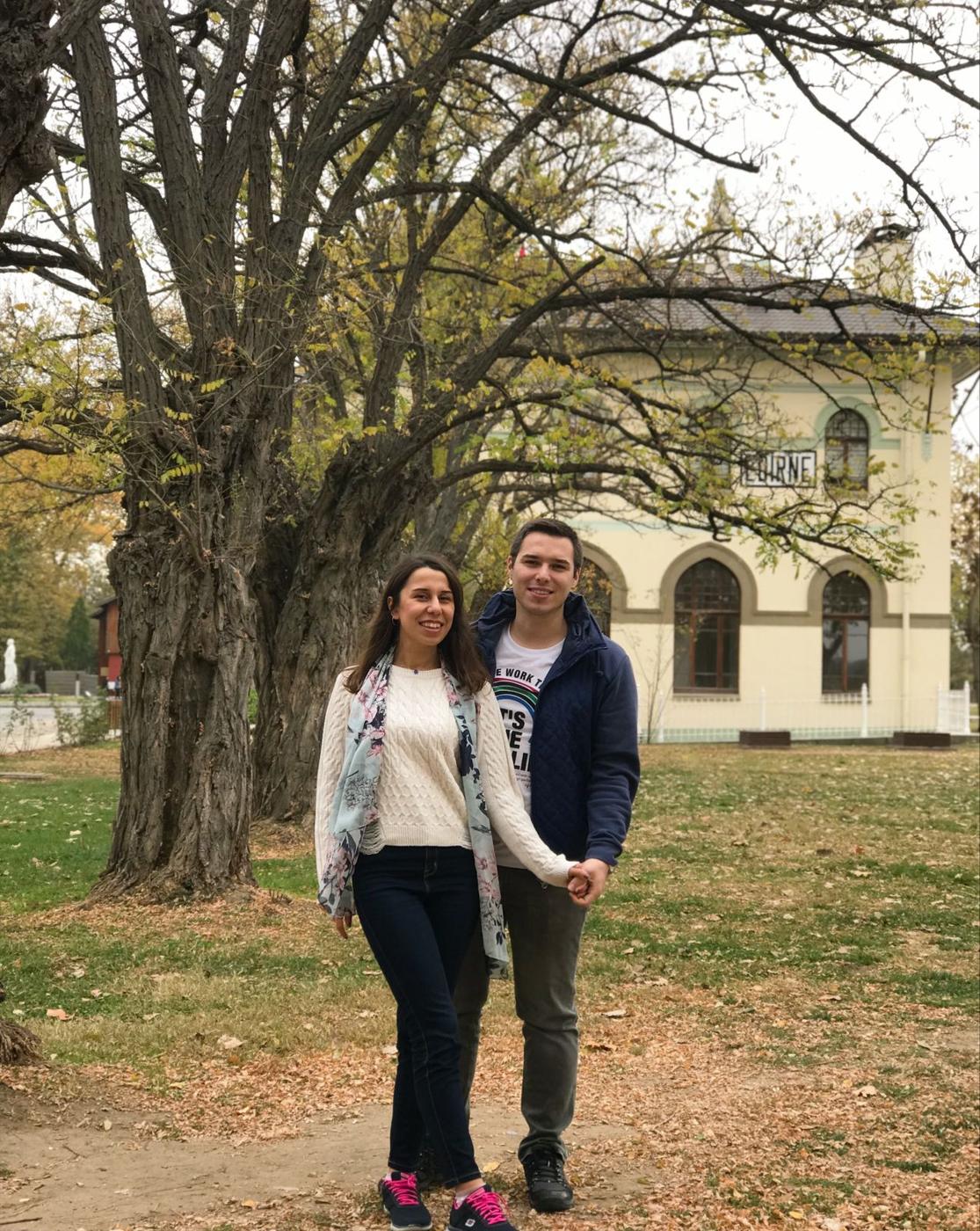
The historic station was completed in 1914 but could not open because of the outbreak of the First World War. With the war, the Ottomans lost most of their Balkan lands, and only a 300-kilometre section of the Rumelian Railways remained within Turkish borders. In fact, although Karaağaç was inside Ottoman borders, you had to cross the Greek border to reach it. An agreement was reached to build a line that avoided Greek territory, but it was only built by the Turkish State Railways many years later, and sadly, with it, the historic Edirne Railway Station was abandoned.
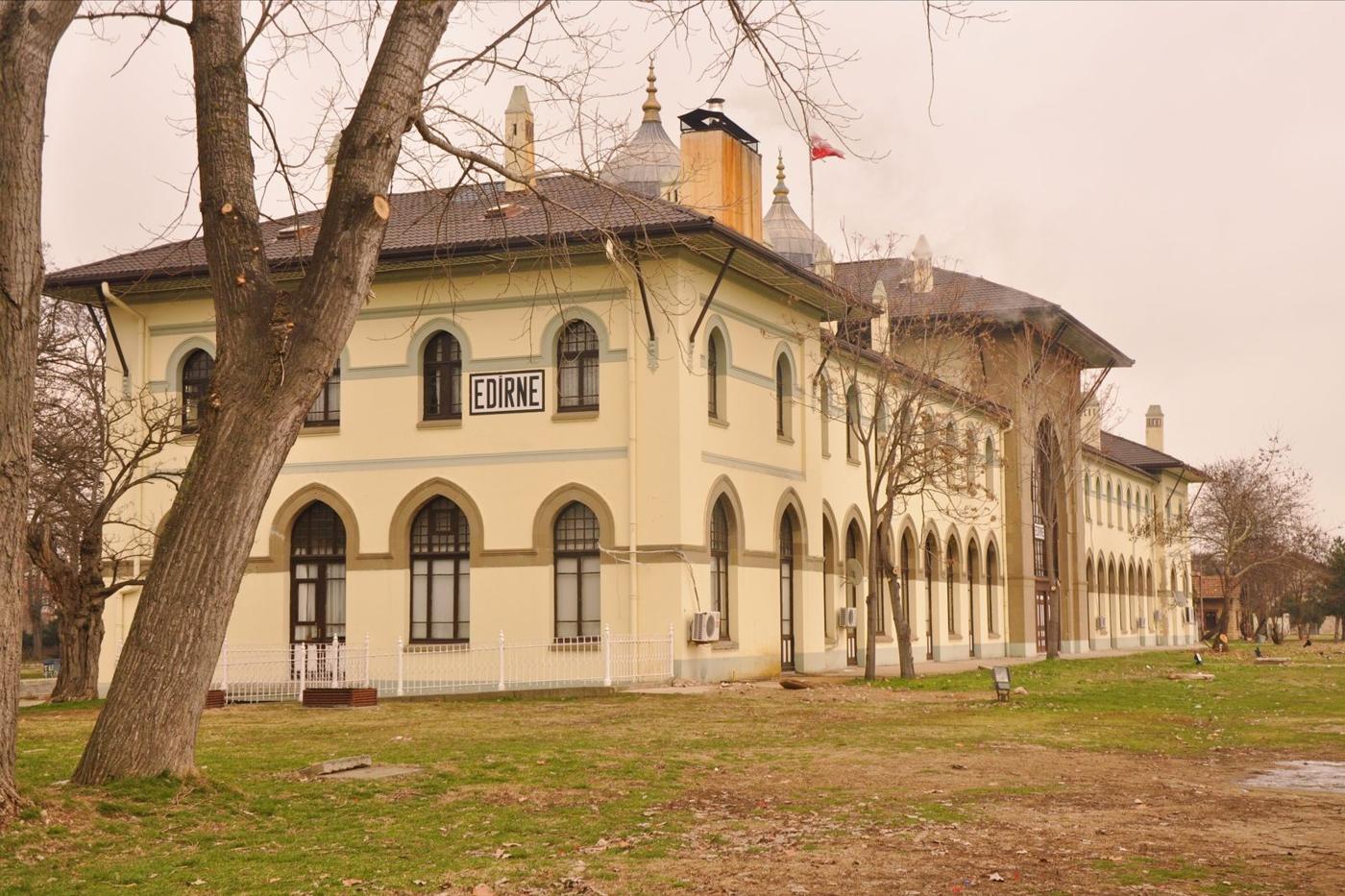
It is known that the building was probably designed in 1912 and built in 1913–1914. The station could not open because of the First World War in 1914. As the Ottomans lost most of their Balkan territory at the end of the war, only a 337 km section of the Rumelian Railways remained within Turkish borders, and to reach Edirne Station in Karaağaç, which juts into Greek territory, you now had to cross the Greek border. So in 1929 an agreement was reached with the Oriental Railways Company to build a new line from Alpullu to Edirne running only through Turkish territory, but the line was only built many years later by the Turkish State Railways, and the old Edirne Station was abandoned altogether.
After the Cyprus War it was given to the university's Academy of Engineering and Architecture, and today it is used as the Faculty of Fine Arts.
The Lausanne Monument
Following a 1996 decision by the Senate of Trakya University to honour the Treaty of Lausanne, the founding document of the Republic of Türkiye, work began on the monument.
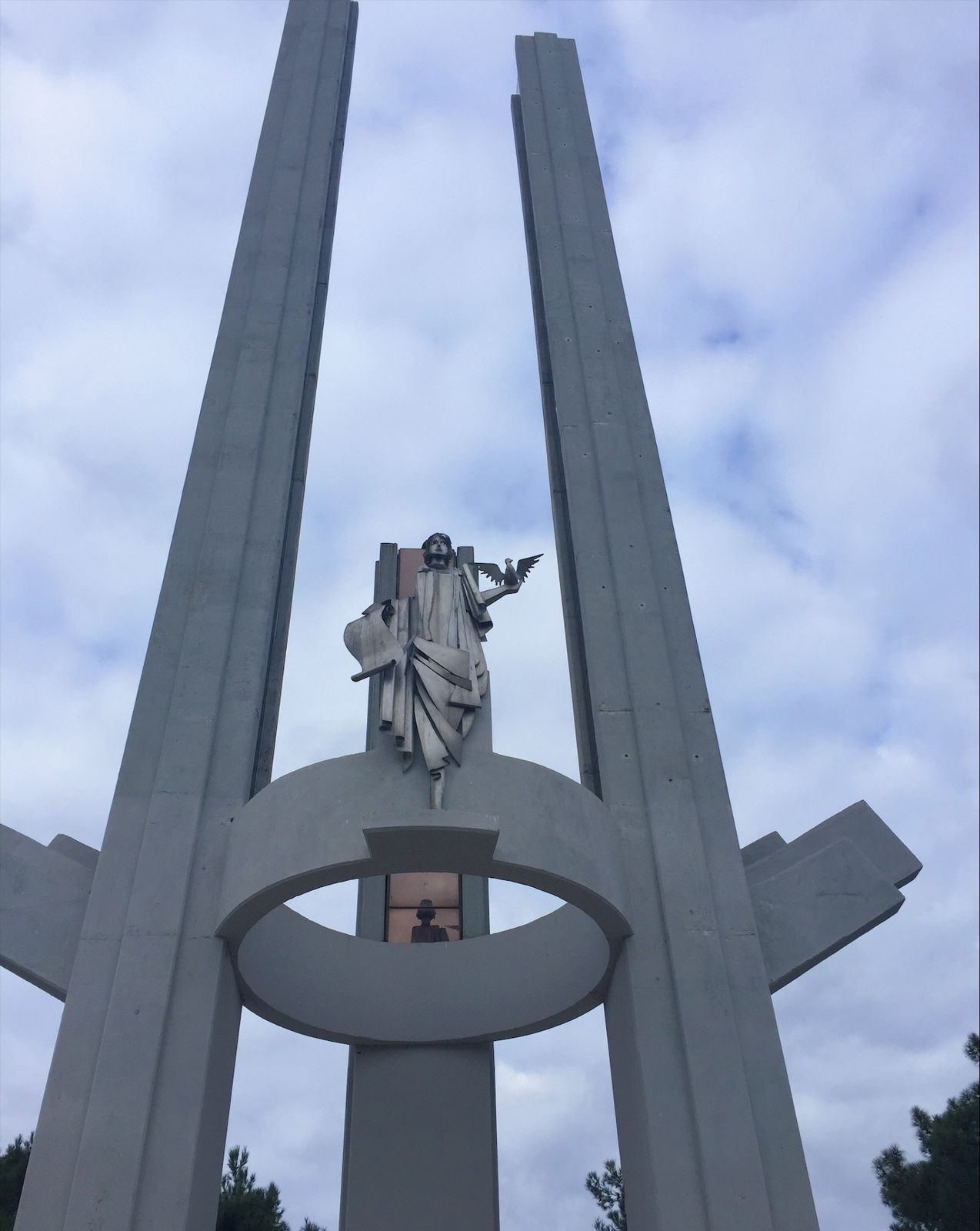
So what does this monument tell us?
Its reinforced-concrete radial foundation carries three separate columns set at a 45-degree angle. The largest column represents Anatolia, the middle one Thrace and the smallest one Karaağaç, while the young woman stands for beauty, grace and justice. The dove in her hand represents democracy and peace, and the document in her other hand the Treaty of Lausanne.
The National Struggle and Lausanne Museum
The museum had been under renovation before, but it had reopened on our last visit, so we went straight in. Telling the story of the War of Independence in Thrace, the museum managed to take us back to those days.
The first floor tells, step by step, the biographies of people who fought in Thrace, the Thracian railway map and the occupation of the stations first by French and then by Greek soldiers.
The second floor has documents and pictures on the liberation of Thrace, its handover to Türkiye, the Karaağaç Protocol of the Treaty of Lausanne, rail transport and the use of Karaağaç station.
Karaağaç Street
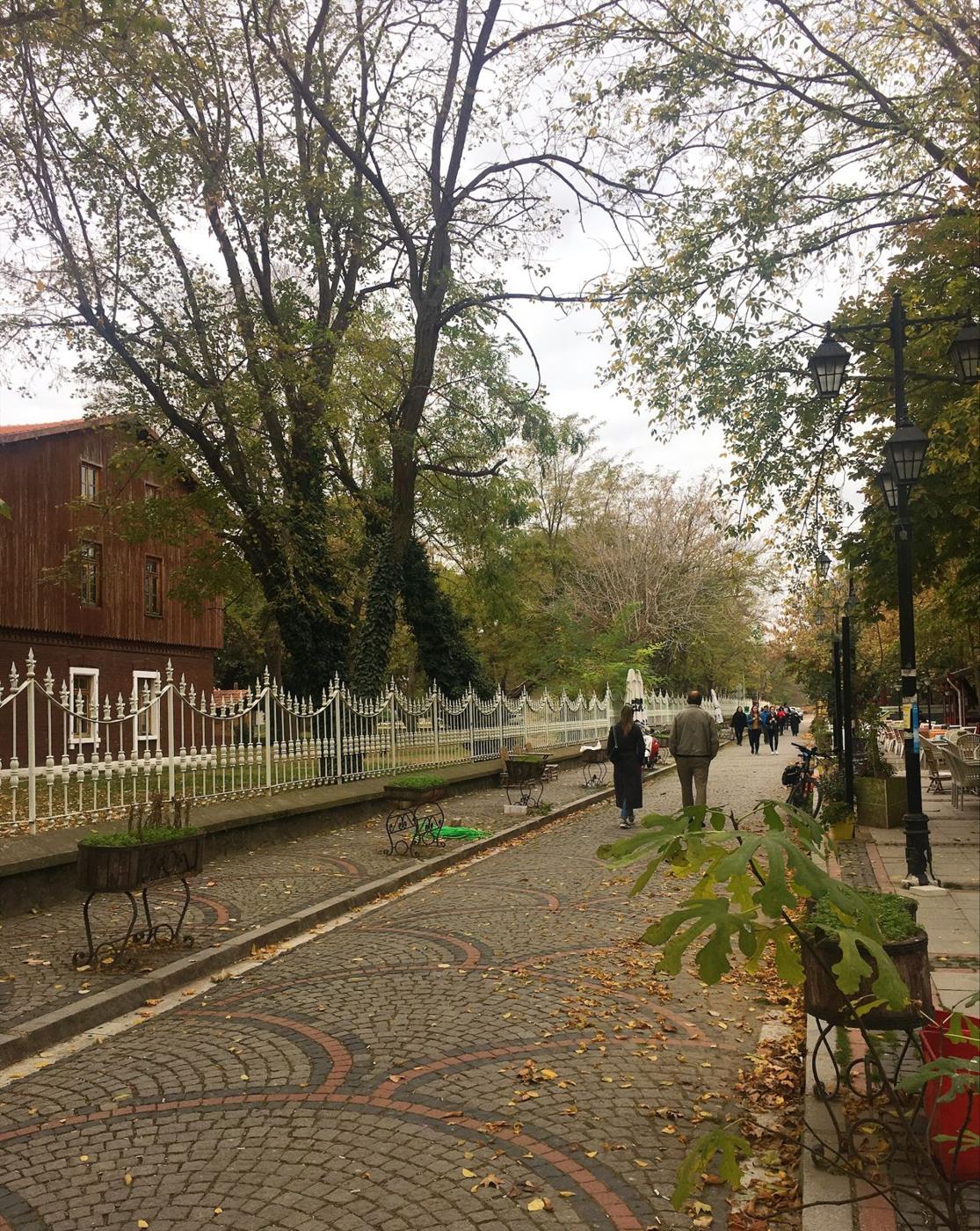
We usually walked from breakfast to the old station, and after the Lausanne Monument and the National Struggle museum we found a sweet café on lovely Karaağaç Street and sipped a coffee to rest. Walking along this street is so peaceful and relaxing, but we recommend going when it's quiet.
Edirne Sultan Bayezid II Complex Health Museum
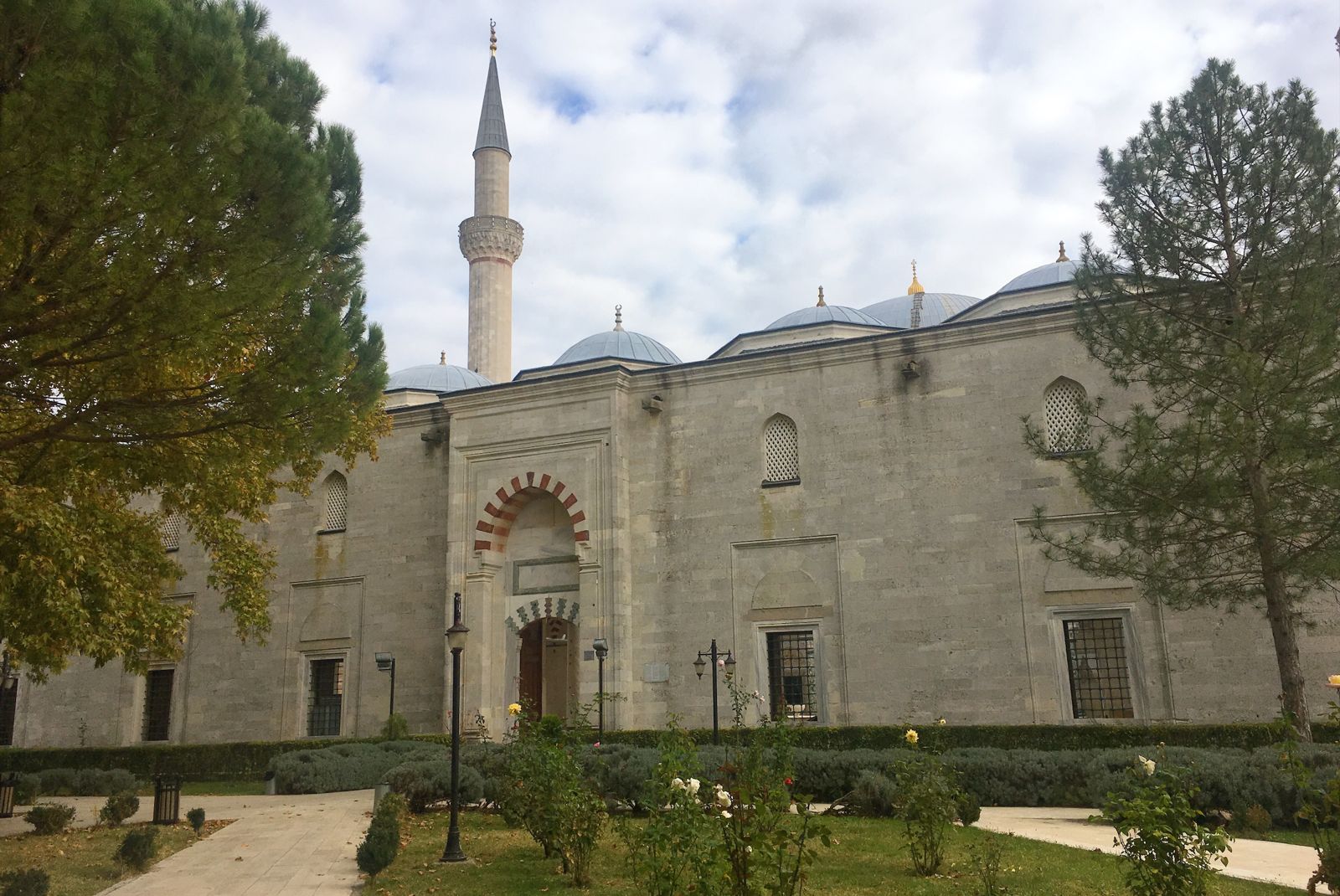
Every time we go to Edirne we want to visit the health museum, and once again we couldn't resist. Edirne once served as the Ottomans' second capital, and Bayezid II, son of Mehmed the Conqueror, decided to give it a complex; construction began in 1484. It became one of the most important medical institutions of its time.
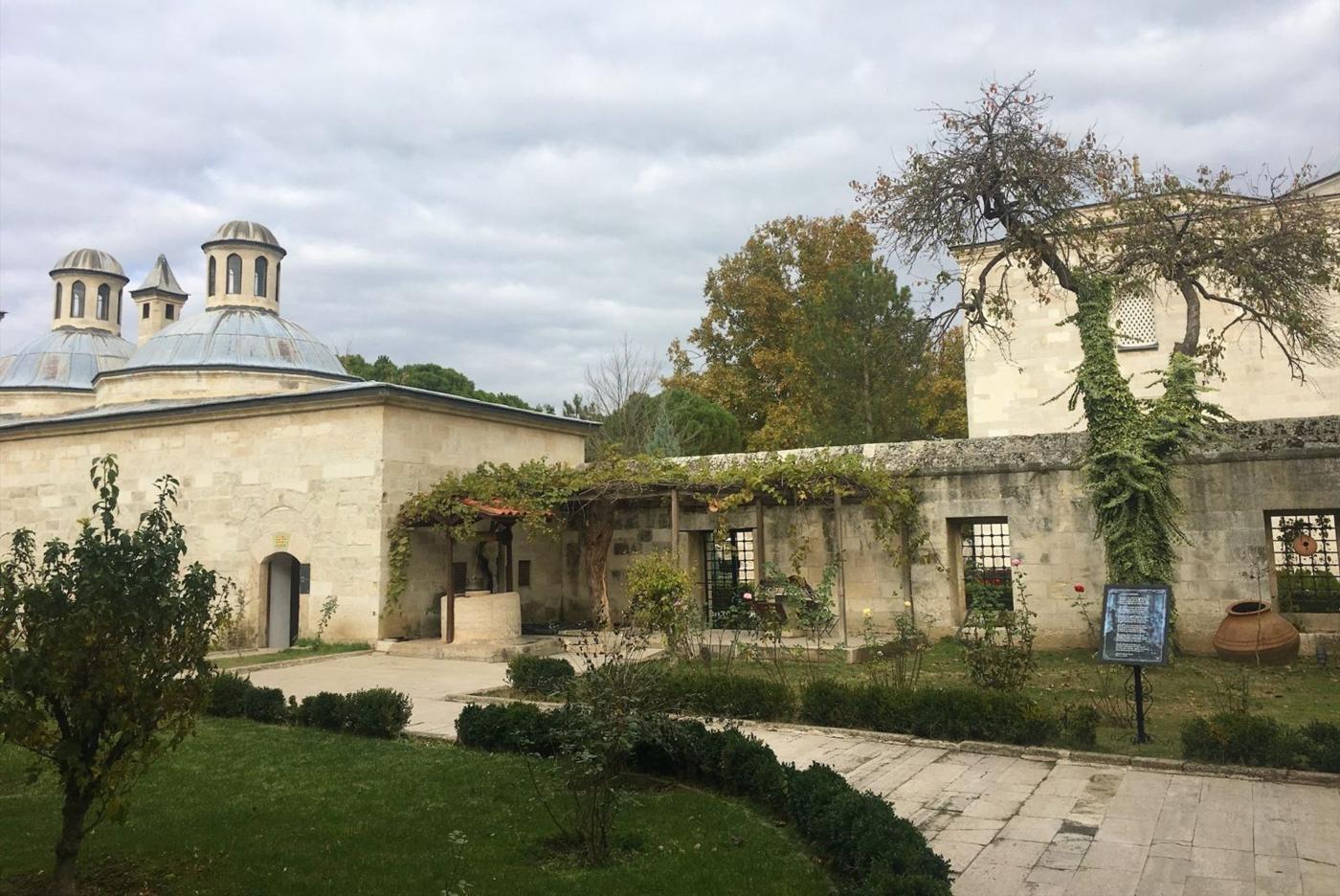
Courtyard of the Sultan Bayezid II Complex 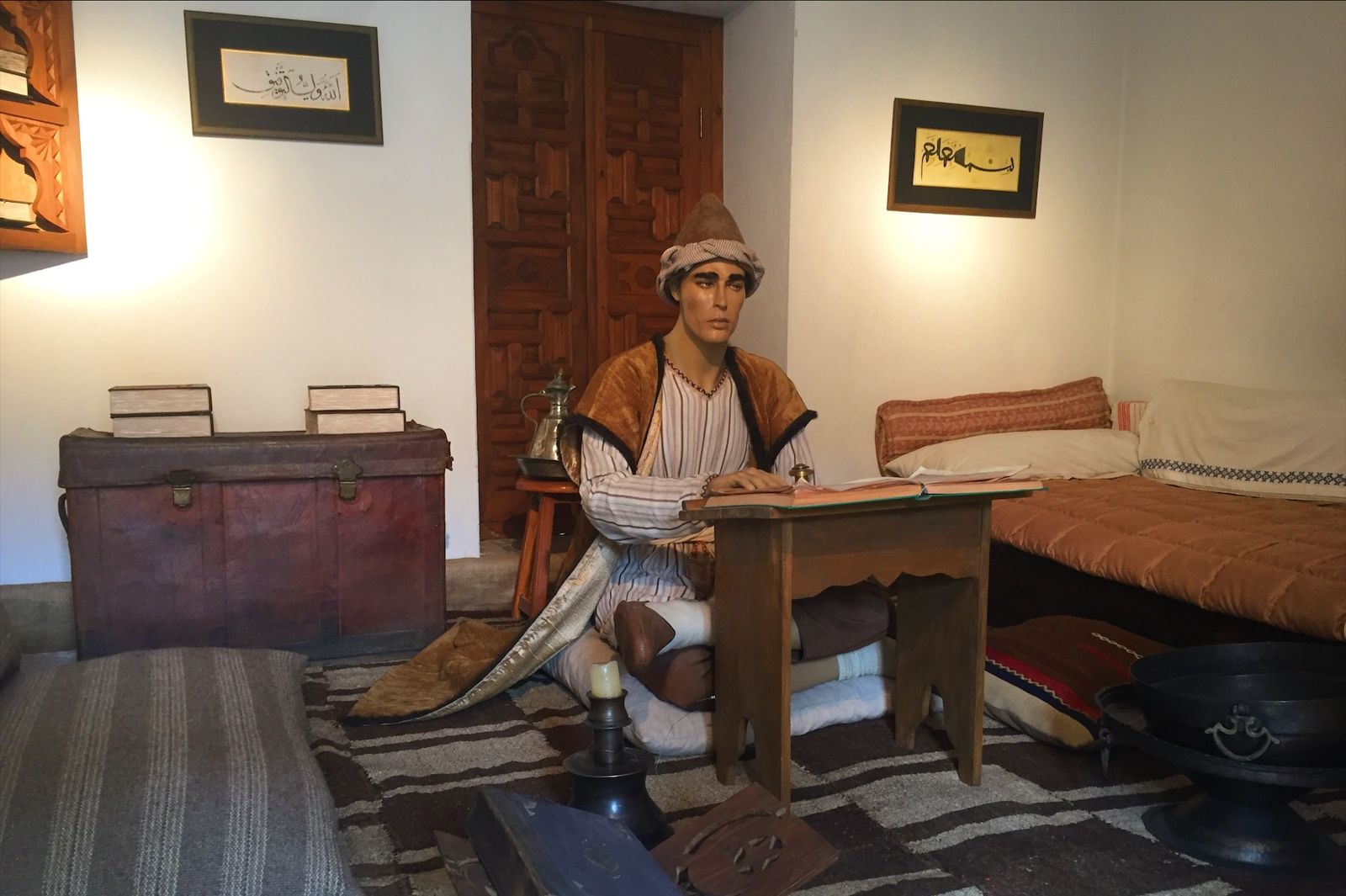
Student room 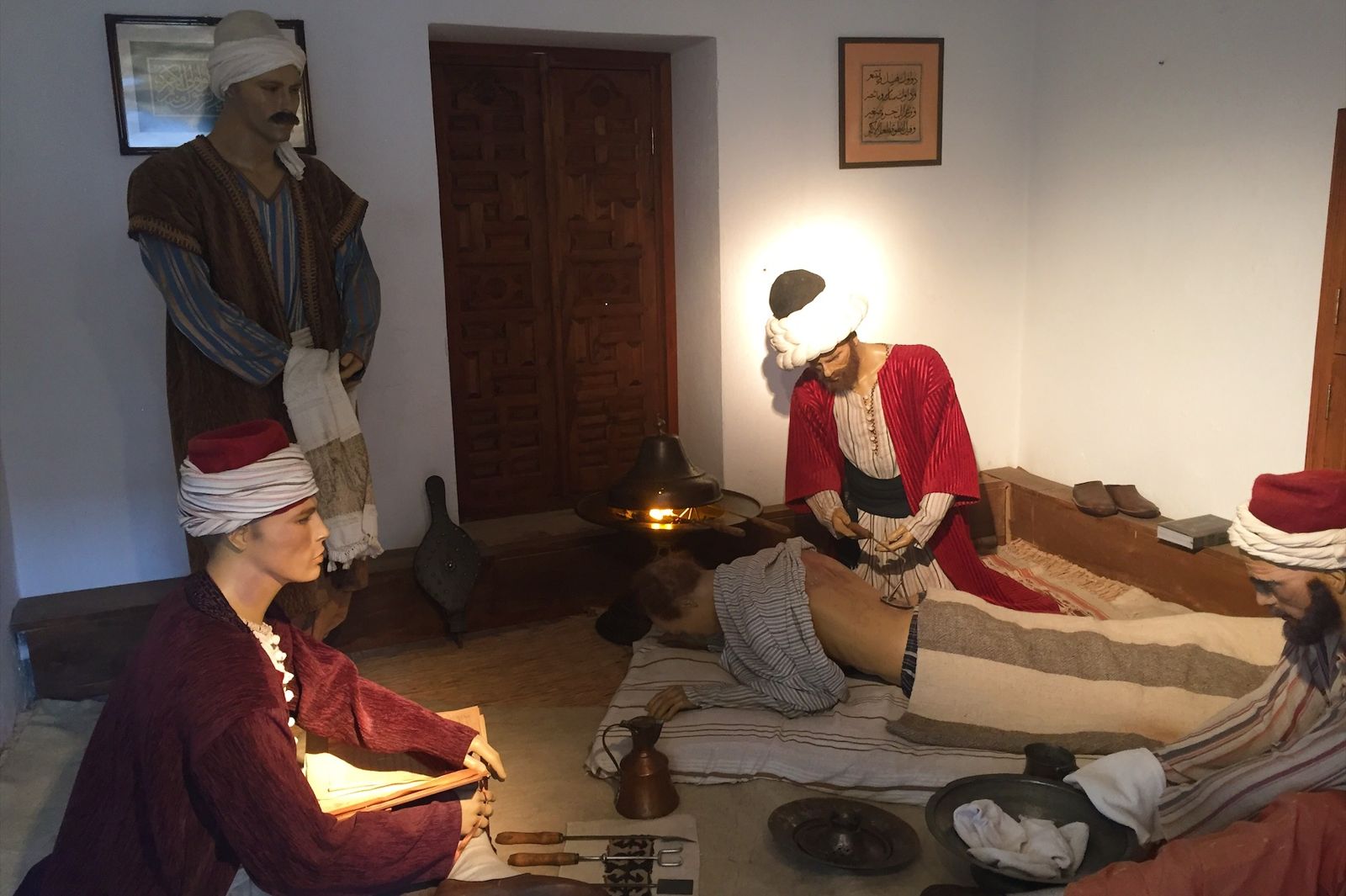
Practical training room 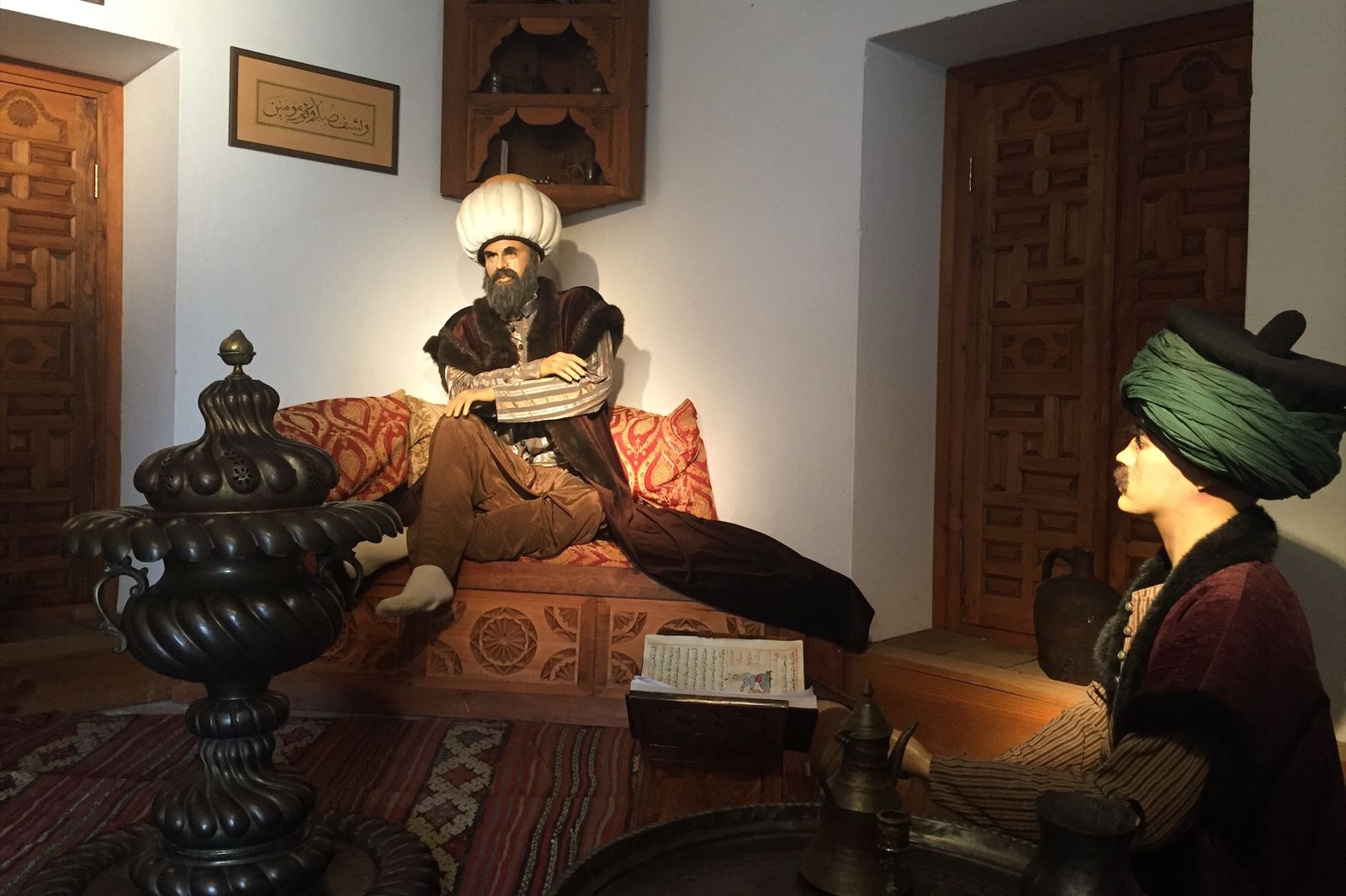
Teacher's room 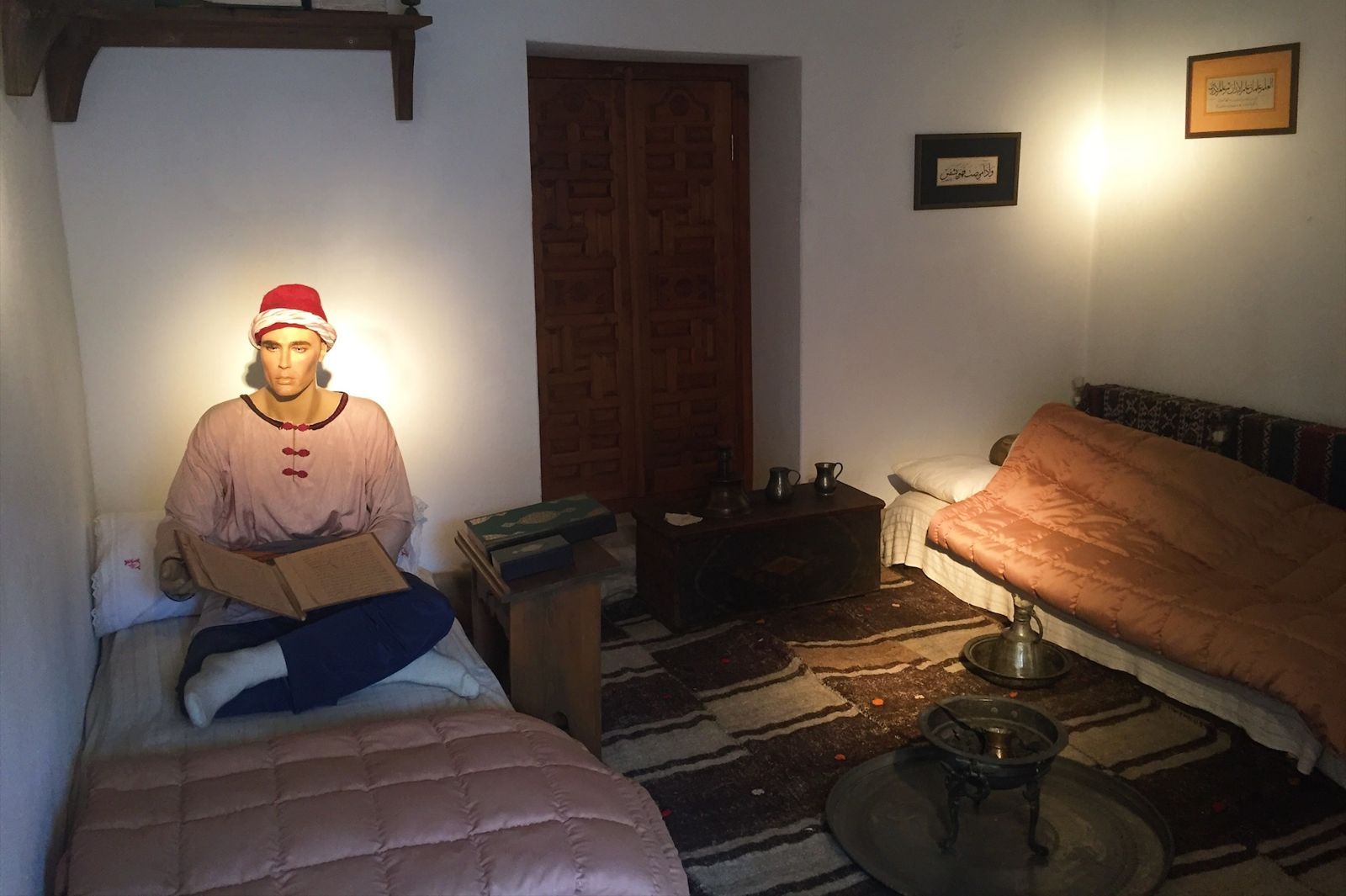
Student room 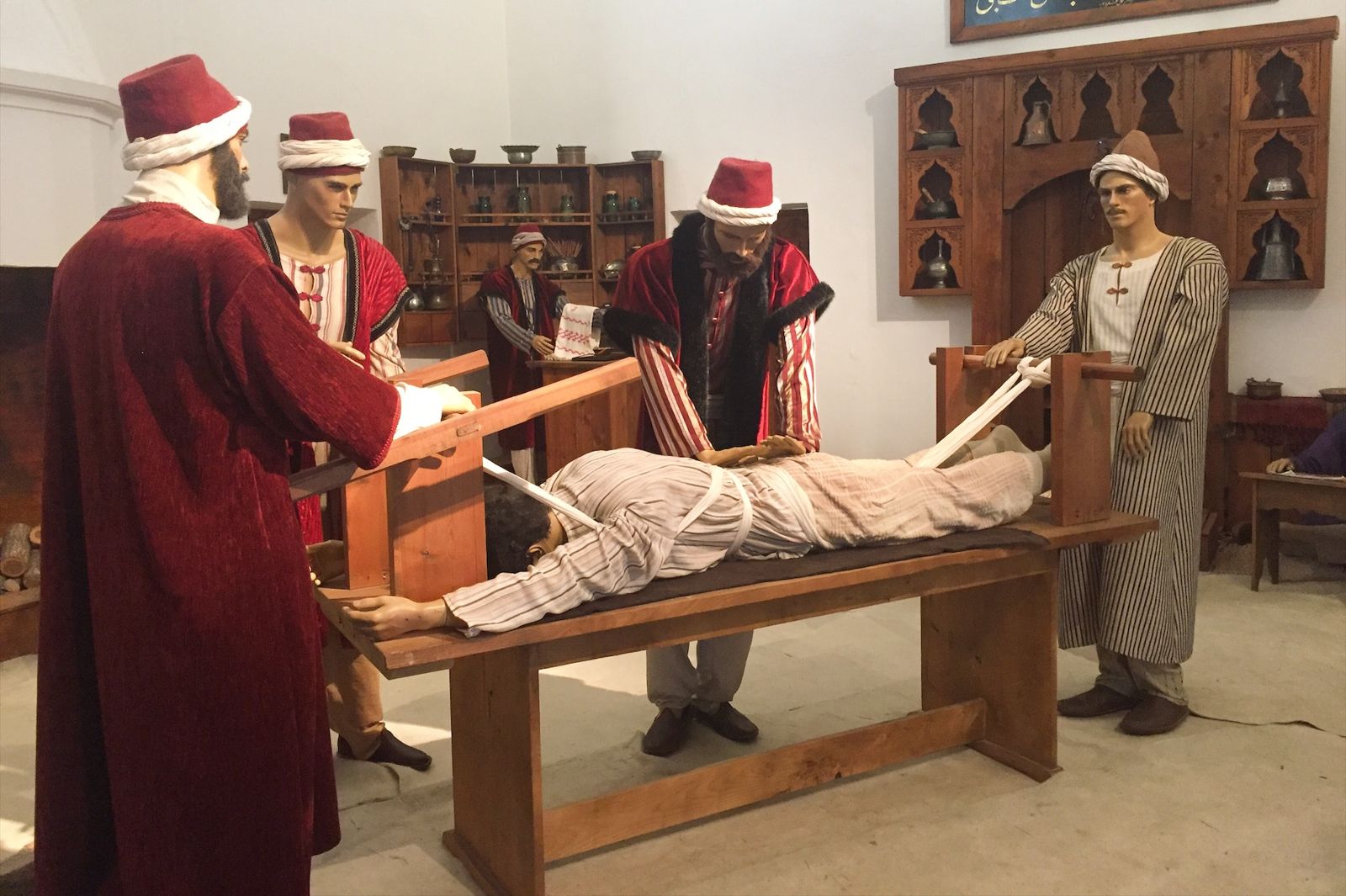
Treatment room
The complex includes a madrasa, a hospital and a medical school. In its day, the hospital had a chief physician, 2 doctors, 2 eye specialists, 2 surgeons and a pharmacist. The madrasa has 18 student rooms and a classroom.
Edirne Selimiye Mosque and Complex
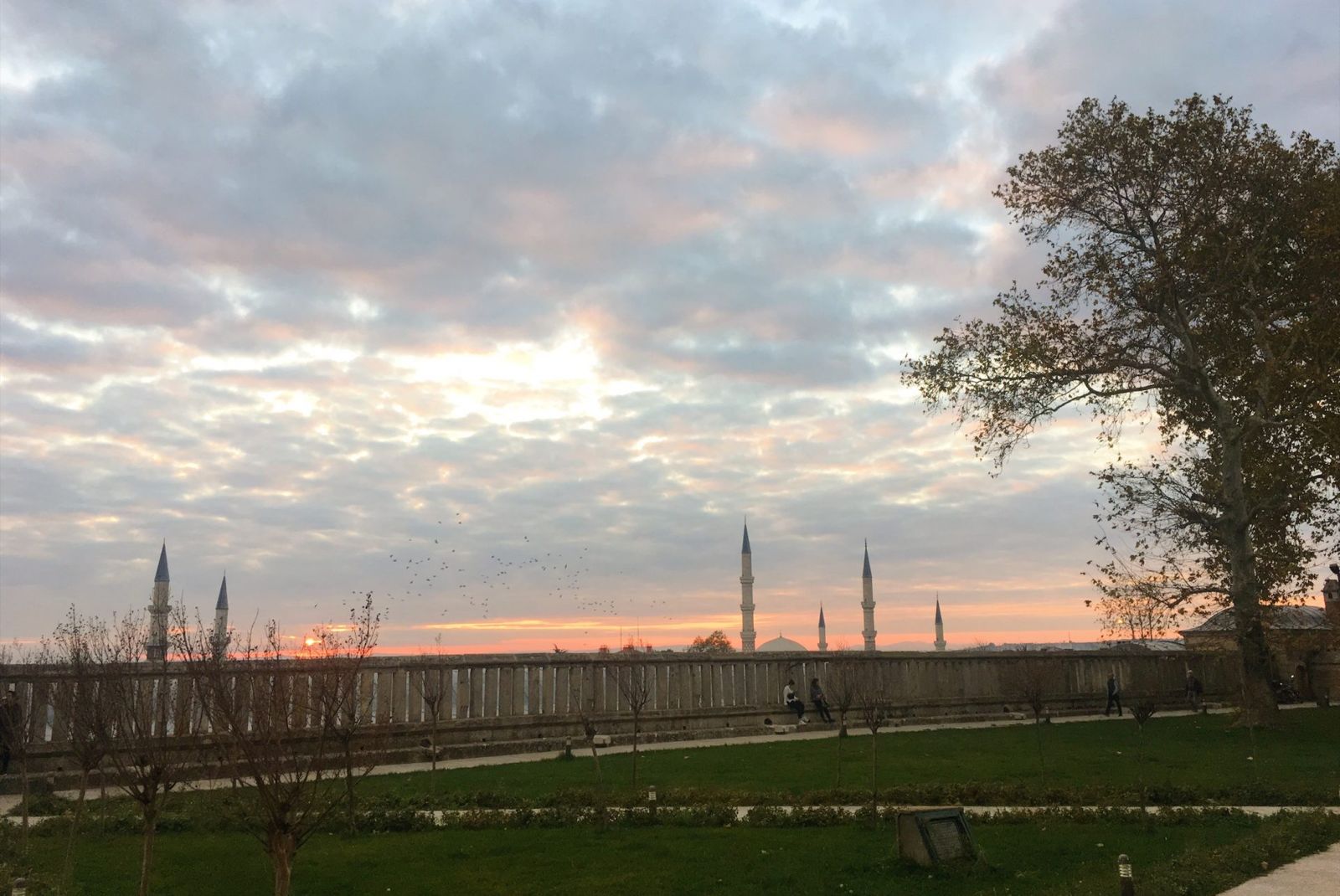
Edirne's Selimiye Mosque at sunset 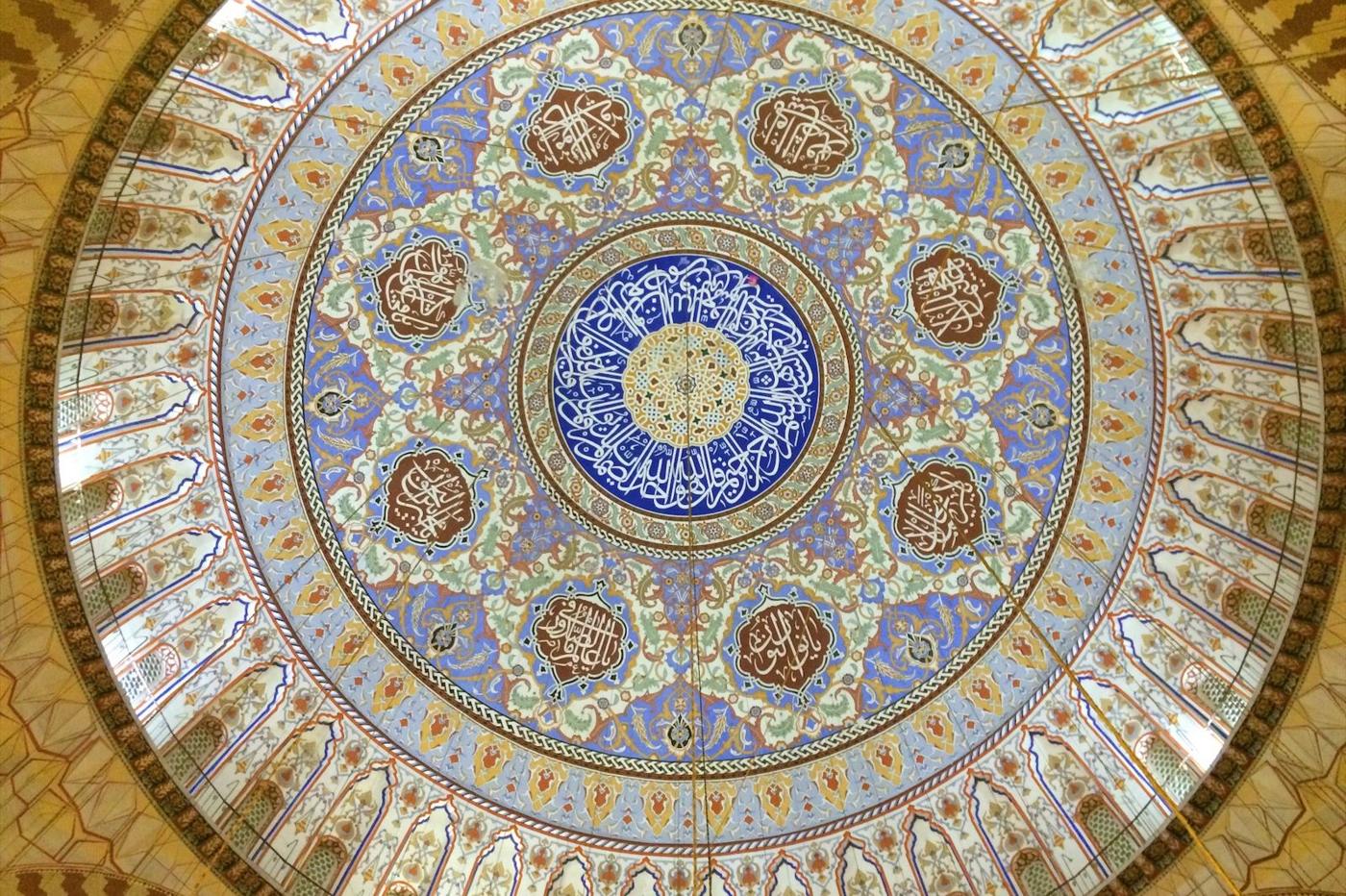
The fine work on its glass dome
Visible in all its glory from the moment you enter Edirne, the four-minaret Selimiye Mosque is a work of the Ottoman architect Mimar Sinan. Building it took about 7 years and thousands of people. Mimar Sinan even called it "my masterpiece". In 2011 this beautiful building was added to the UNESCO World Heritage List.
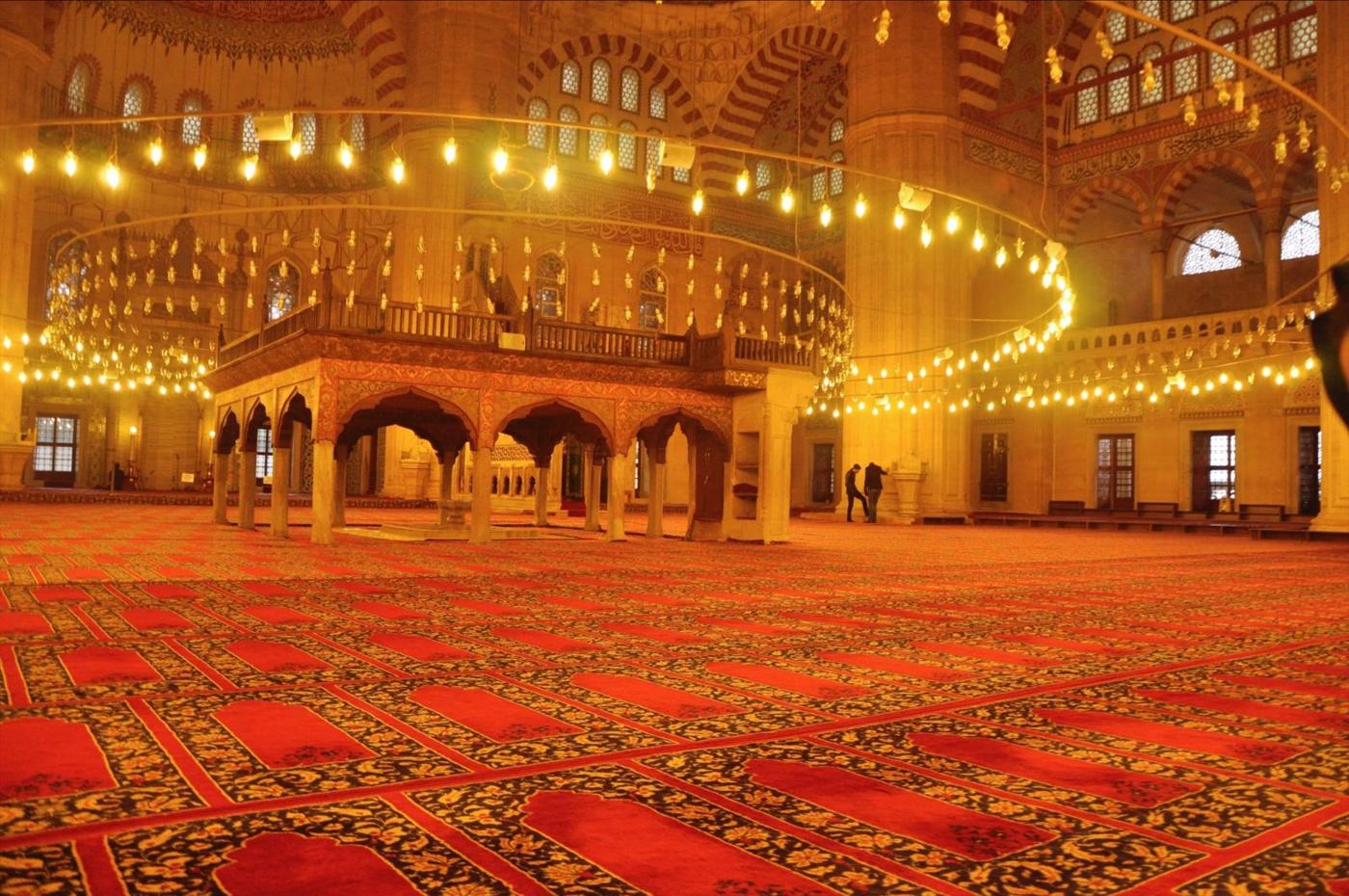
Inside the mosque.. 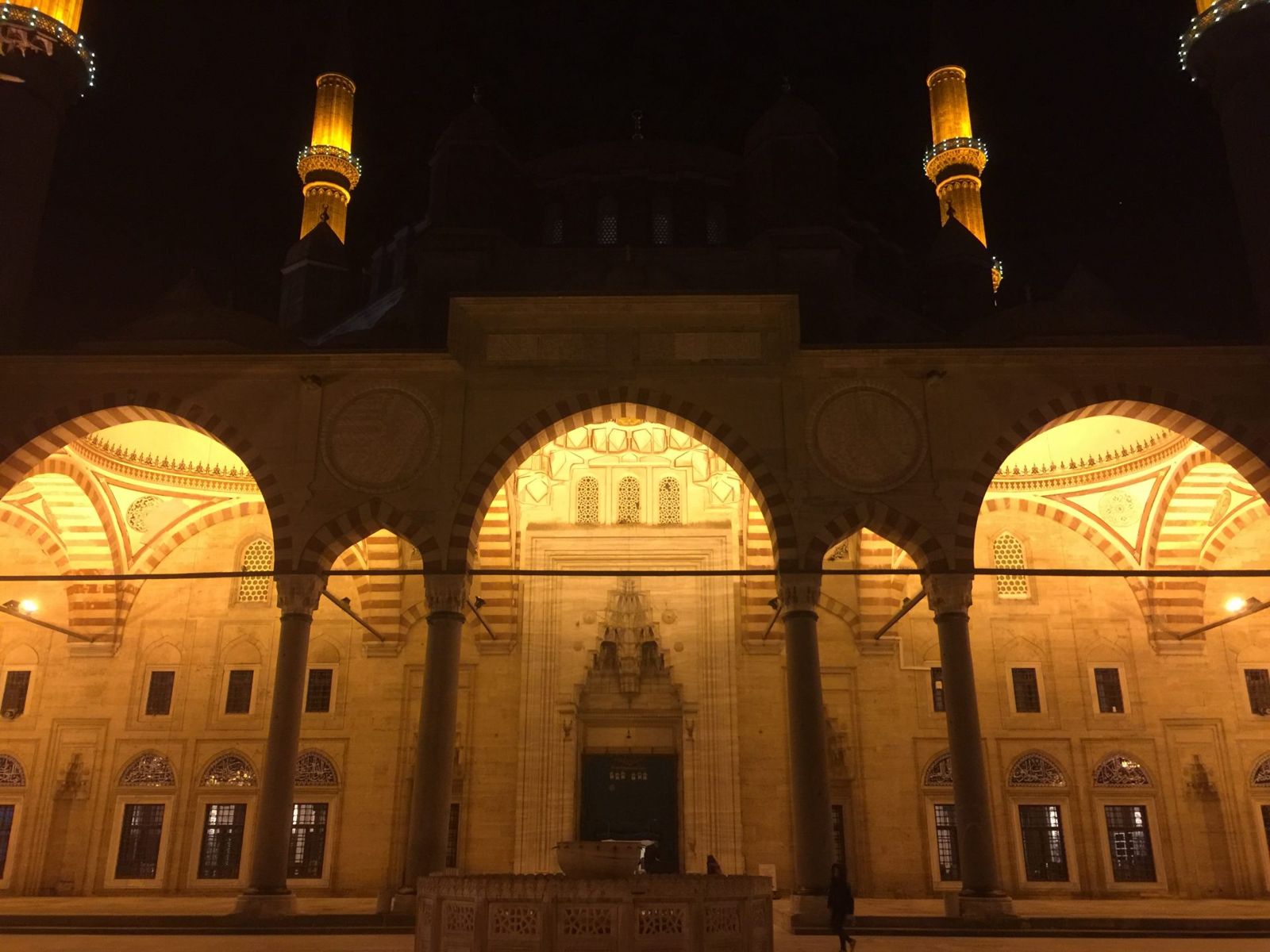
From the mosque courtyard 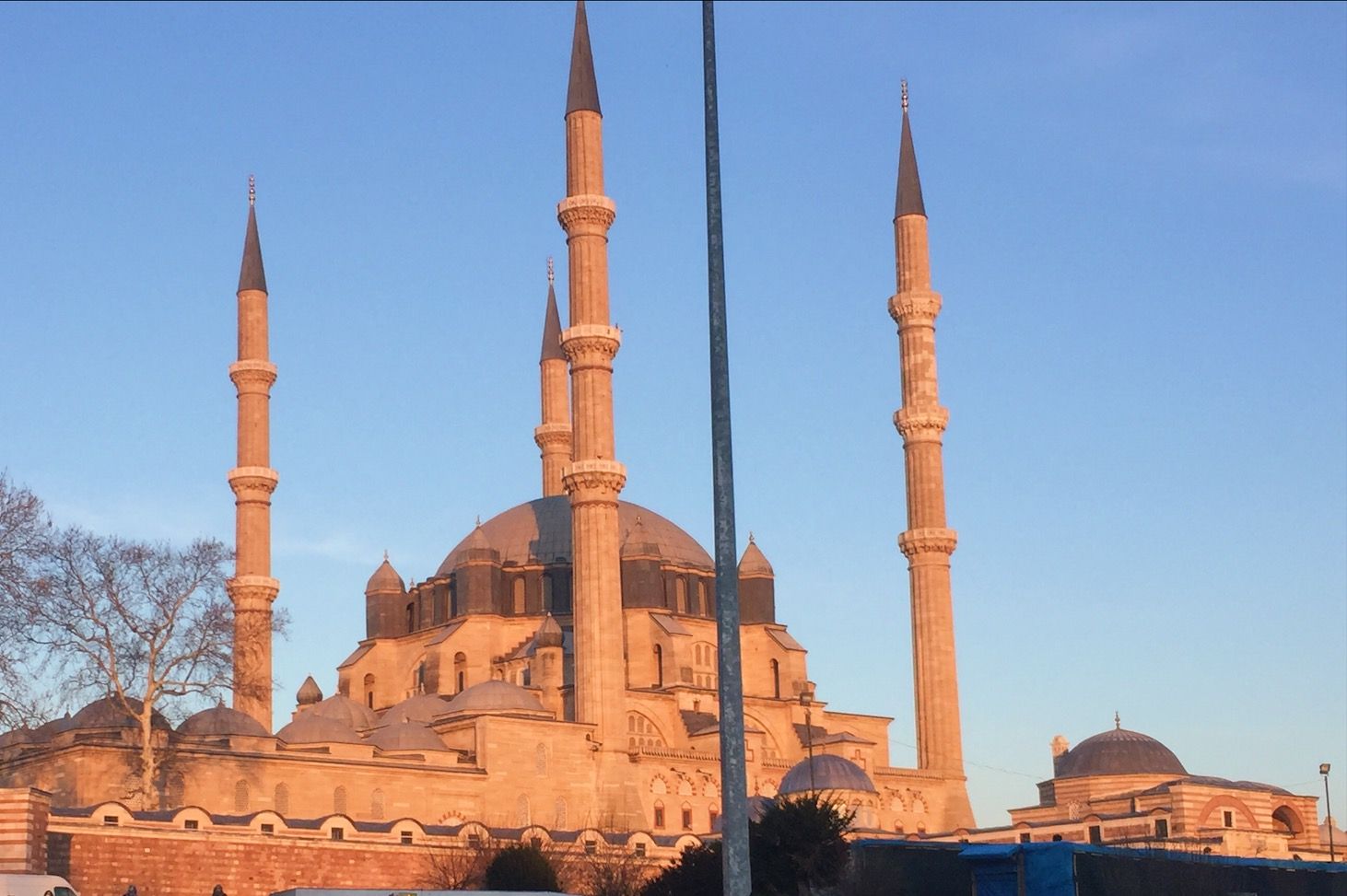
The view of the mosque from the city centre is magnificent
Edirne Archaeology and Ethnography Museum
We didn't have a chance to visit on our last trip, but we did see this museum on earlier trips to Edirne. Here's some quick information.
The museum has two main sections and a garden exhibition. Opened in 1971, it's right behind the Selimiye Mosque. There's a lovely section displaying regional finds, especially Thracian ones.
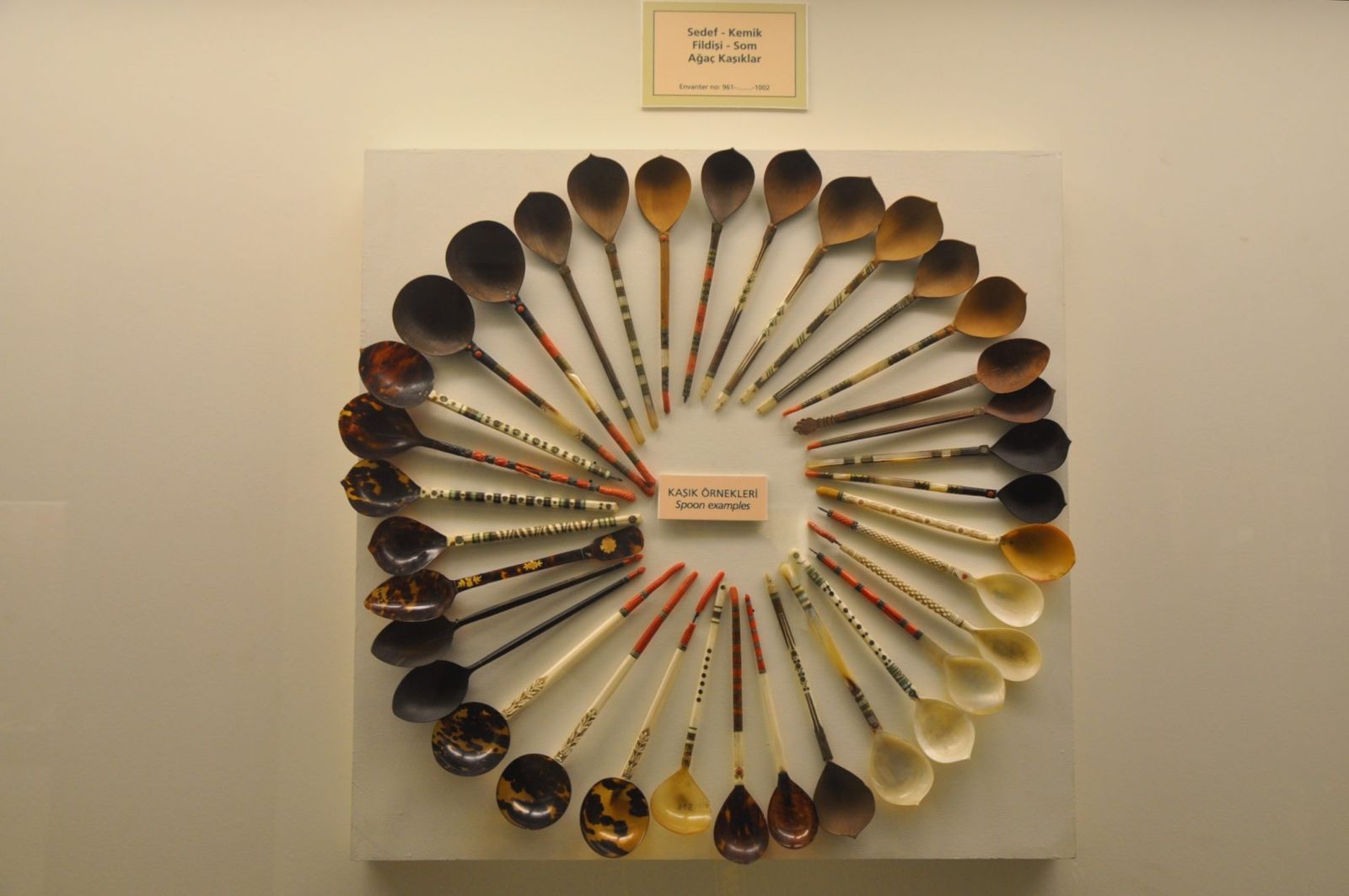
Wooden spoons 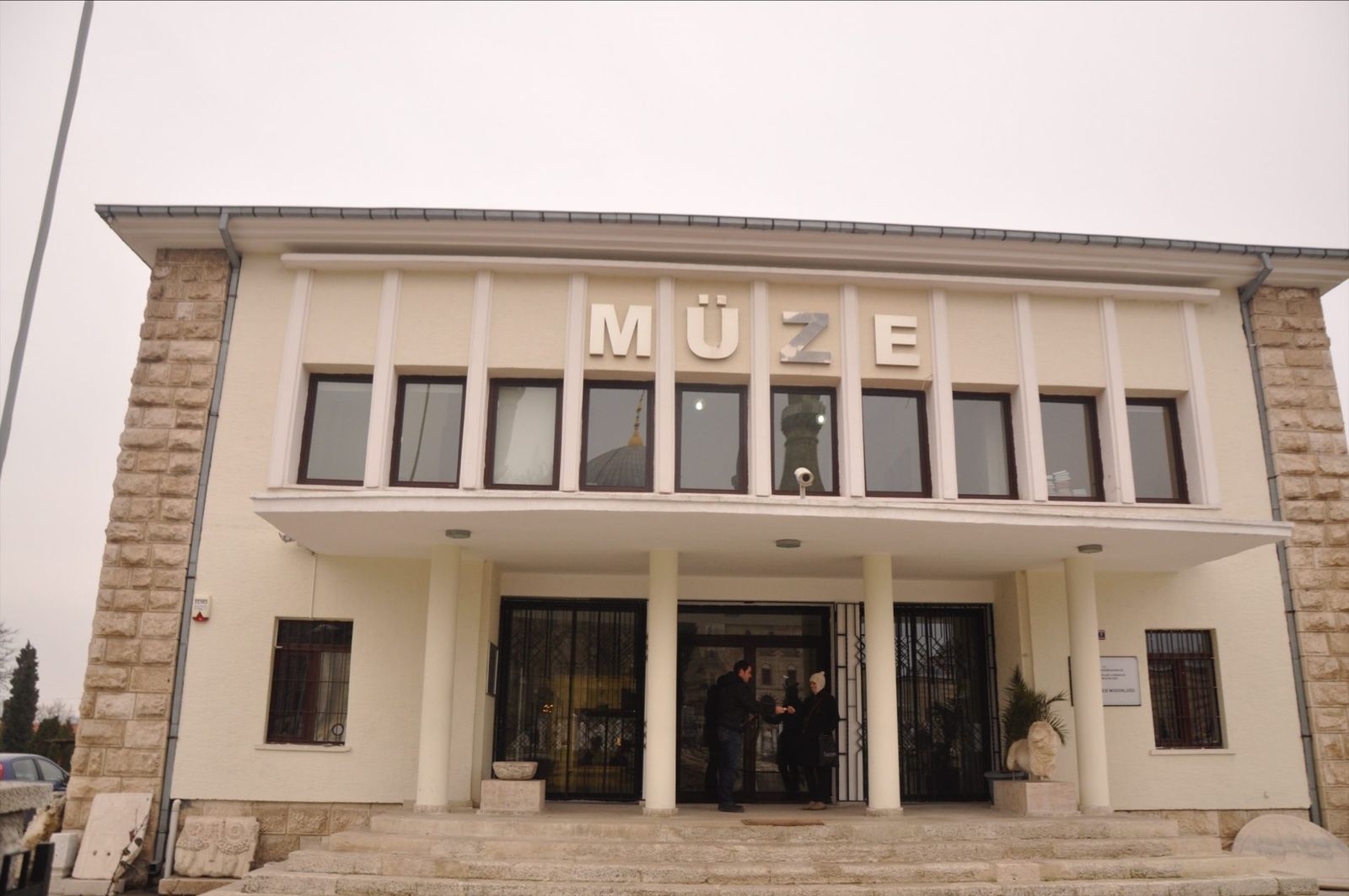
Edirne Archaeology and Ethnography Museum, 2014
The museum is 50 metres from the east gate of the Selimiye Mosque, right next to the area displaying Ottoman-era gravestones. Jewellery, terracotta and glass pieces are displayed alongside sculptures, stelae and coins, in showcases by period.
Entry is 6₺; Museum Card holders get in free.
Edirne Sveti Georgi Bulgarian Church
Built in 1880, the Sveti Georgi Bulgarian Church is very close to the centre of Edirne: a tiny church in Edirne's back streets, so to speak. Unless tour groups turn up, you usually have the church to yourself, which gives you the chance to look at it in detail.
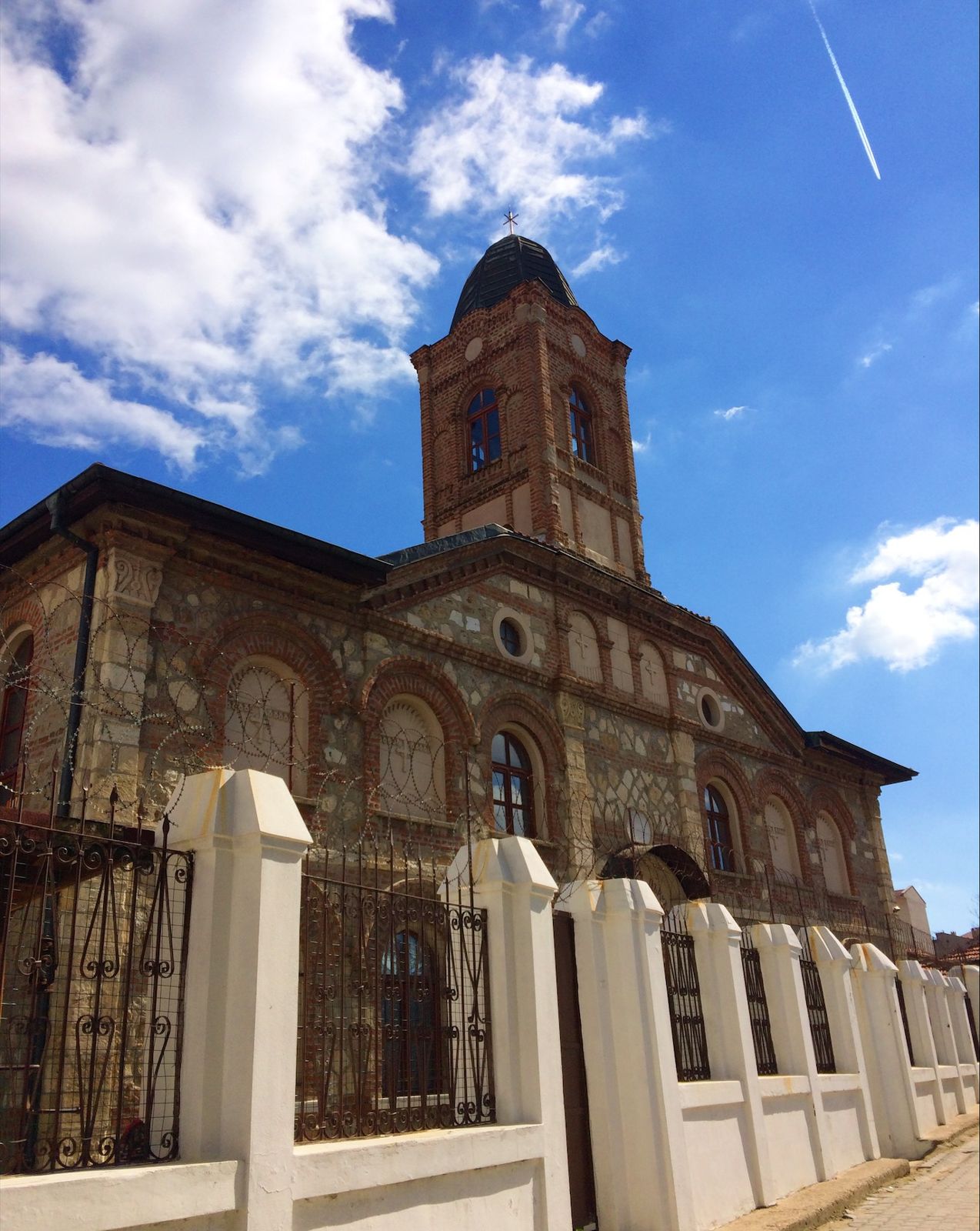
Edirne Sveti Georgi Bulgarian Church 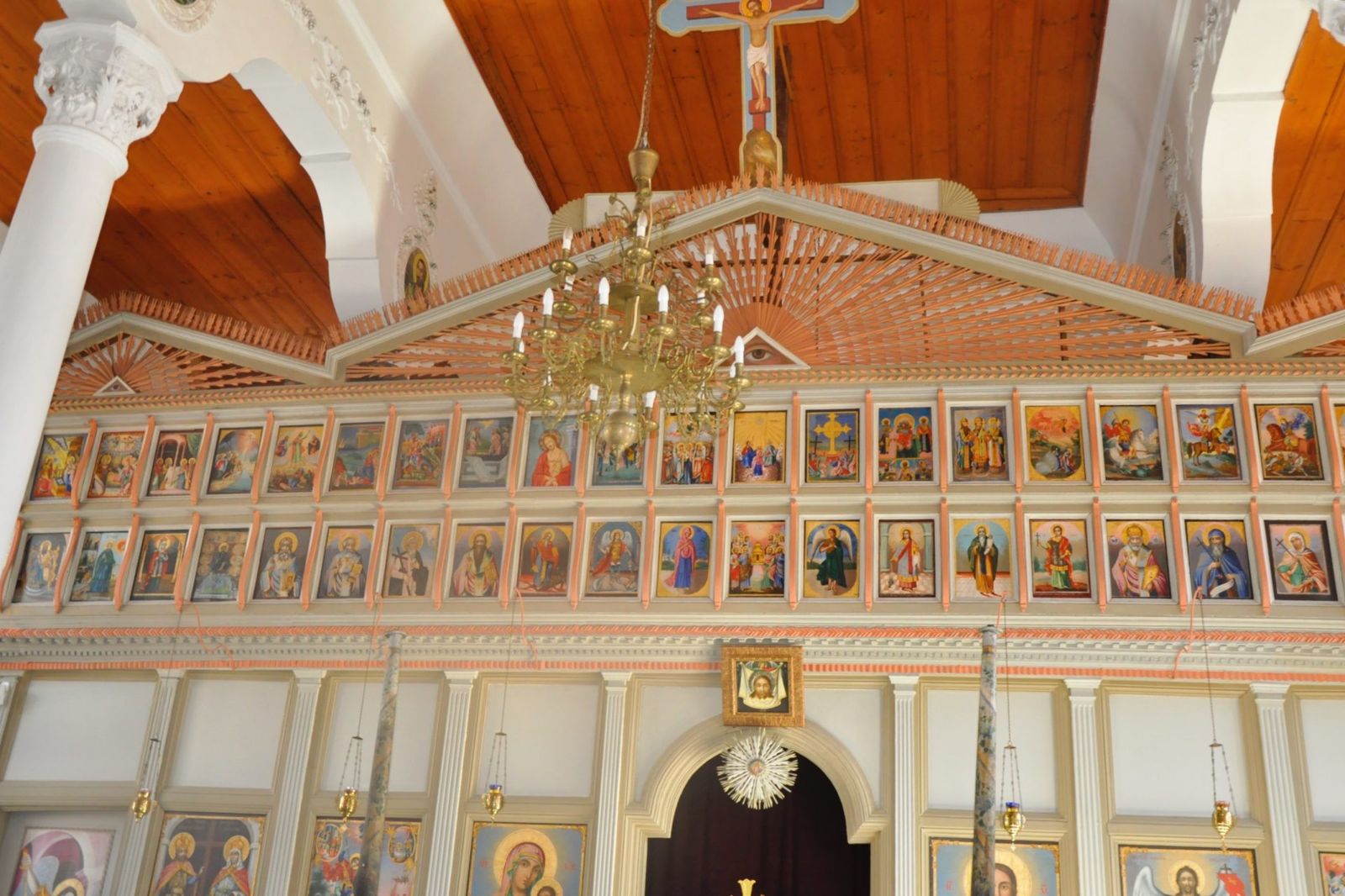
Inside the Sv. Georgi Bulgarian Church
You may not understand the information in Bulgarian, but the pictures and objects tell you most of the story. On special days, groups of people come from Bulgaria to attend services and visit.
That brings us to the end of our Edirne trip.. If we've been helpful, we're happy. See you in another post..
 109 km
 109 km
 118 km