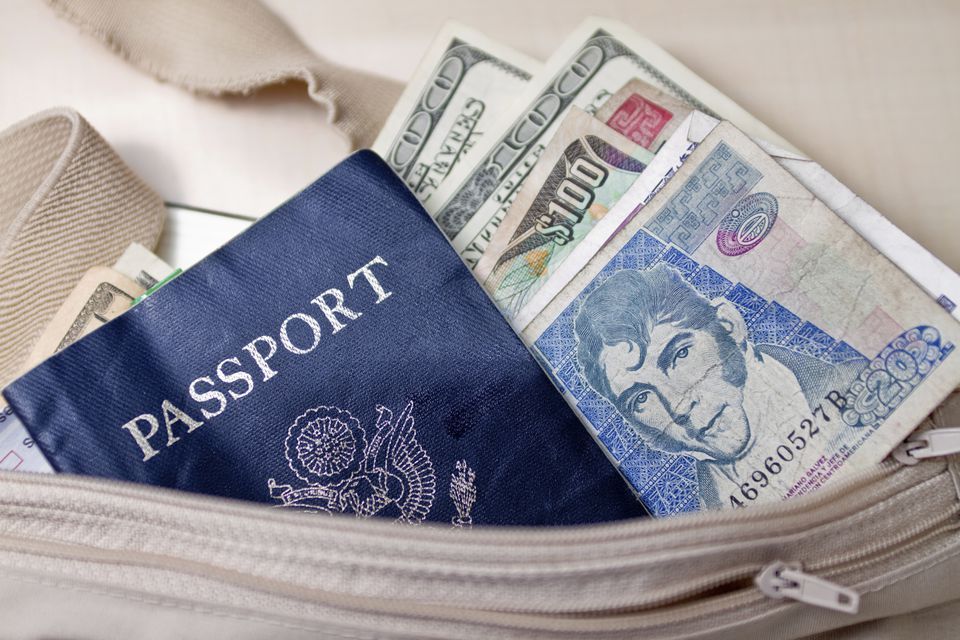
The history of this visa, which these days gives us travellers, and indeed everyone who travels, a lot of trouble, goes back a long way. Germany, coming out of the Second World War, seriously needed people. Because in the war Germany had lost 7.5 million people. It needed to make up for this loss somehow. By the 1960s Germany applied a strategy of recruiting foreign workers, above all from Turkey, until in 1974, with a decision it took, it stopped this and started requiring visas for Turkey. Their main aim was to stop migration from Turkey. When Germany did this, the other countries didn't sit still either, of course; they closed their doors to us too. I really wonder what the politicians in Turkey were doing at this point!!!
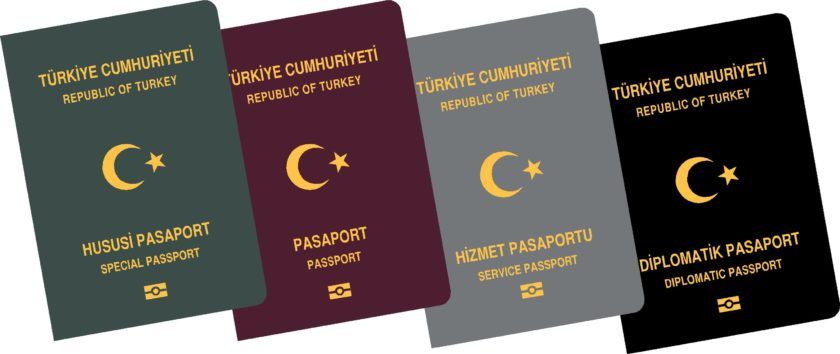
With the doors closing, the Schengen Area was defined by the Schengen Agreement, which came into force in the European Union in 1995. Afterwards, customs checks within the area were removed and they brought in the rule of requiring visas for entries into the area from outside.
In short, the Schengen Agreement, at its simplest, is the member states of the European Union removing the borders between them. So customs checks aren't applied in the countries within these borders. In fact, EU citizens or tourists who get a Schengen Visa can travel as they wish when changing countries, without being stopped at any checkpoint.
What to Know Before Getting a Schengen Visa!
2017: the countries that are members of Schengen, in order;
Germany, Austria, Belgium, Bulgaria*, Czech Republic, Denmark, Estonia, Finland, France, Netherlands, Croatia*, Southern Cyprus*, Iceland, Italy, Spain, Sweden, Switzerland, Lithuania, Liechtenstein, Latvia, Luxembourg, Hungary, Malta, Monaco*, Norway, Poland, Portugal, Romania*, Slovakia, Slovenia, San Marino*, Greece, Vatican*
* These countries aren't Schengen members yet, so they don't issue Schengen visas. But you can travel to these countries with the Schengen visa you got from another country.
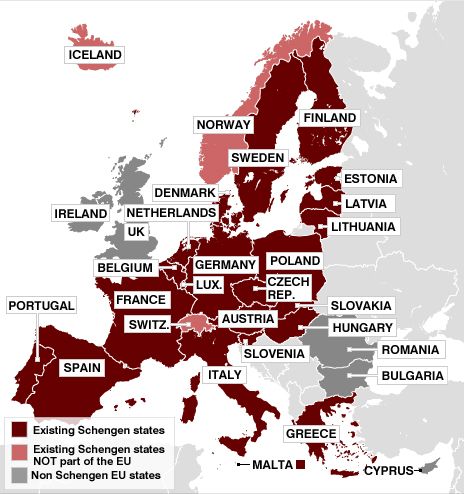
Schengen Area
There's more! Schengen Visa Required Documents