Skopje, one of the first cities that comes to mind when you say the Balkans, is also the capital of the Republic of Macedonia. Our sister city Skopje appears as the country's driving force and its political, economic and cultural centre!
Since it was on our route, we wanted to stop in Skopje and explore this favourite city of Rumelia too. On my earlier trip to Macedonia, when I came for skiing, I'd had a little chance to look around. But this time is different: Berna and I are setting off to explore!
What a lovely welcome: a man coming towards us on the road said welcome in broken Turkish, then said it looks like Bursa, that three of his sisters live there, and that he loves Turkey very much :) It cheered us up, greetings to him!
How Many Days for Skopje?
Our advice is that one full day is enough here, but not everyone may like travelling at a fast pace like us. So how do we travel so fast? It's fair to say that before going to a city we usually leave no post unread. Sometimes books, sometimes blogs, and sometimes locals' recommendations.
On this point, our suggestion is that 1 day is short but 2 days is ideal. Those who want to take it slow can easily see it in 2 days!
When to Go to Skopje?
Don't both our cold and our heat come from these Balkans anyway? Whatever season you like in our country, and we're talking especially about the Thrace climate, come here in those seasons. Our choice was to travel in the cool of spring, before the summer heat. Even in the cool of spring, the weather during the day isn't really great for sightseeing. To those who go in summer, good luck in advance! :)
Macedonia is a country famous for skiing. It gets plenty of visitors in winter too, and almost all of them go to the ski resorts via Skopje. We had a getaway like that in past years too. Winters are mostly rainy with a dry cold.
Where to Stay in Skopje?
On this we can't really offer you a "stay right here" option. Because when we came to Skopje from Sofia it was around 00.30 at night, so naturally we didn't want to stay at a hotel. We found a nice parking spot for the car on a street near the centre. After opening our windows a little to let the air in, we had a good sleep.
If it won't break the budget, our definite recommendation is to stay at Bushi Resort. We only tried its breakfast, but we're sure the accommodation is very comfortable too. An old han in classic Ottoman architecture has been restored and now welcomes its guests.
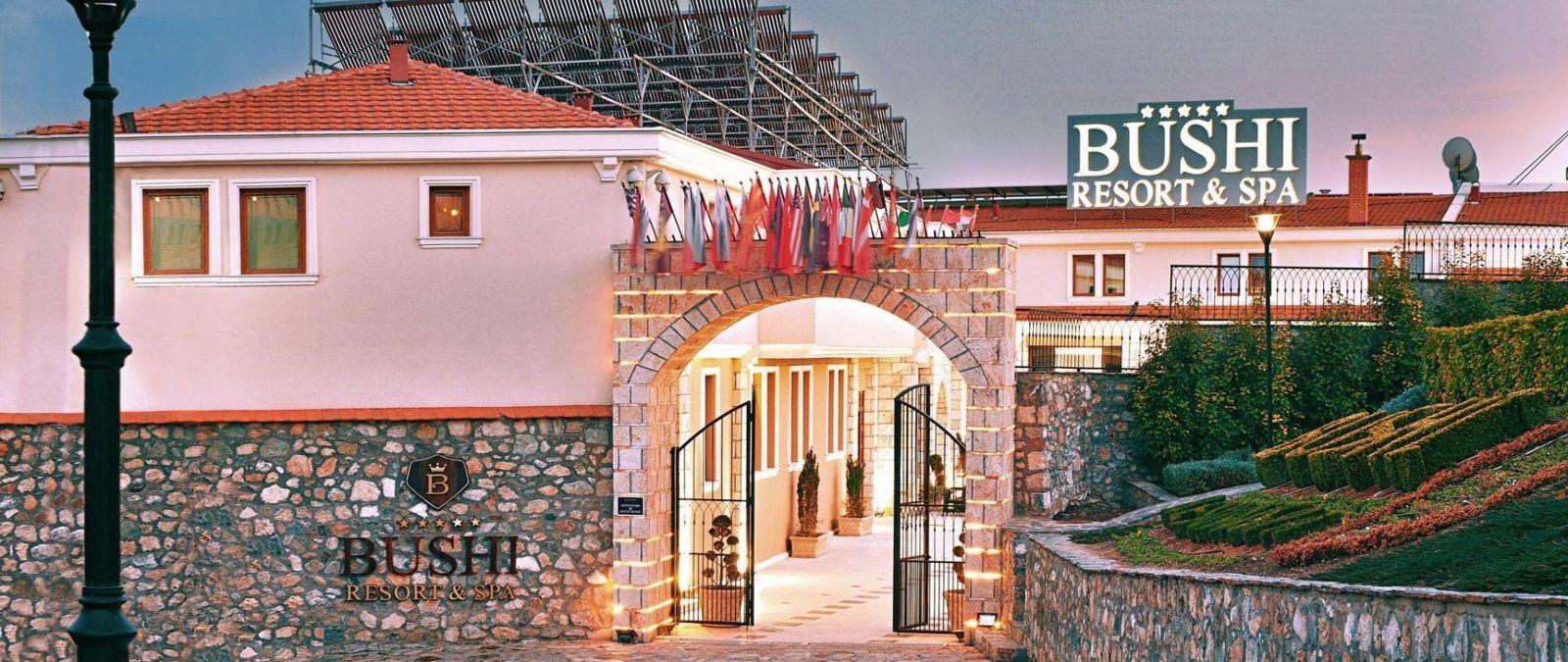
Bushi Resort 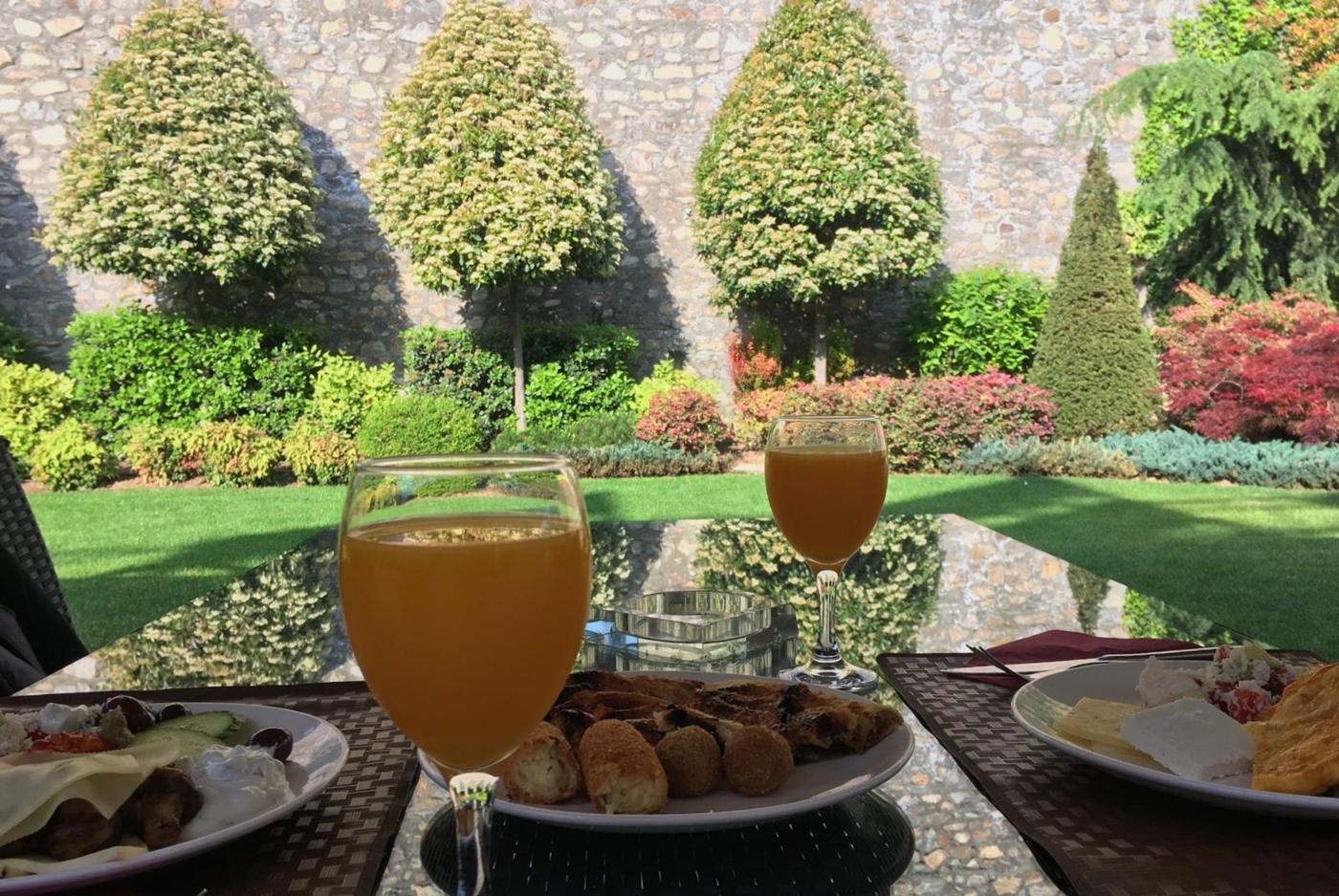
Bushi Resort Skopje, Bushi Resort breakfast 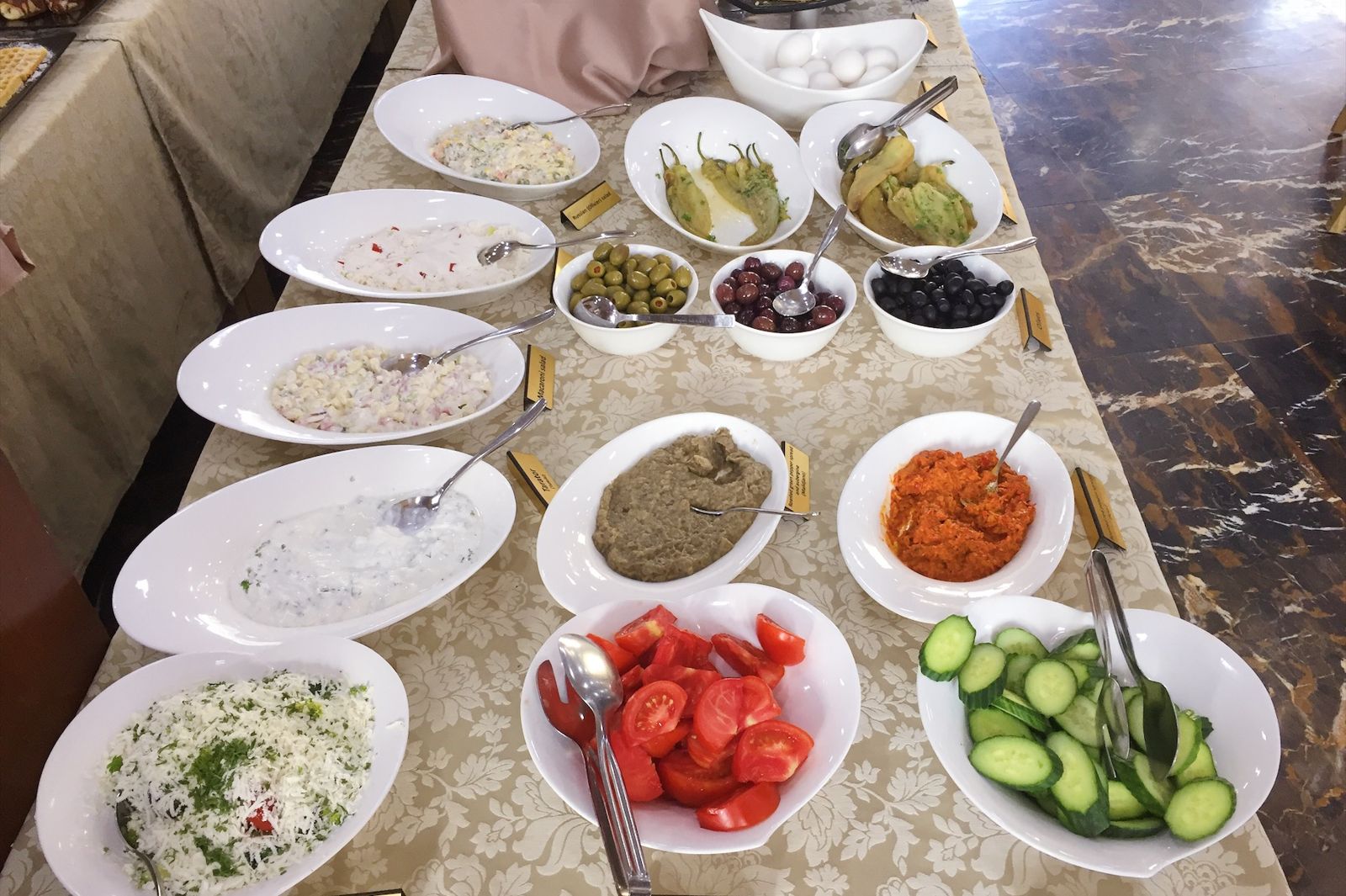
Bushi Resort Skopje breakfast 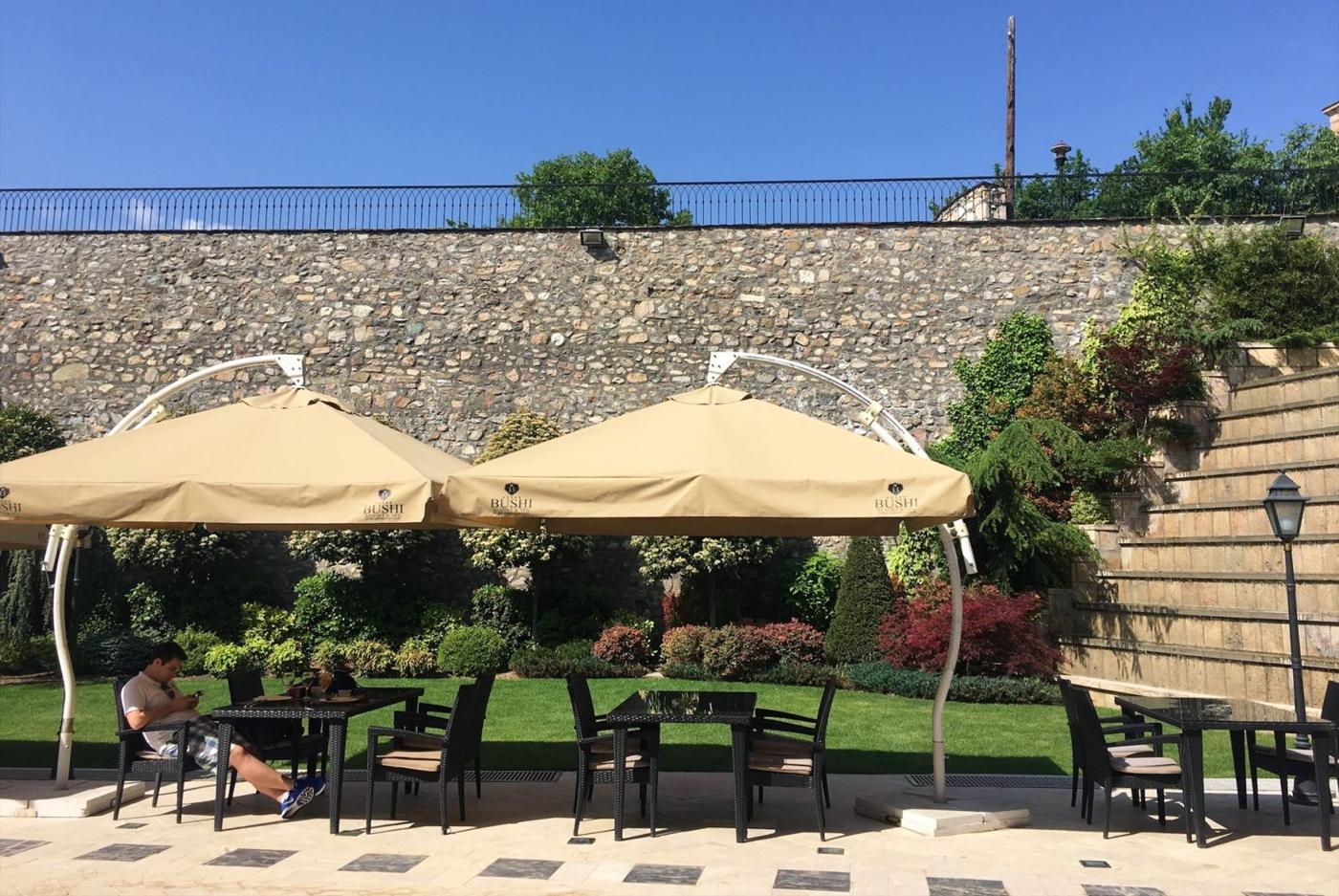
Bushi Hotel garden
For 2 people, open buffet breakfast included, you can stay for 80$. By the way, since we're on the subject of money: Macedonia's official currency is the Macedonian Denar.
As of August 2018, 1$, 52.60 MKD is the rate. Compared with the Turkish lira, 1₺ = 10.70 MKD.
How to Get to Skopje, and Getting Around Skopje
You can come to Skopje by road like us, or fly into Alexander the Great Airport and get to the city centre.
Those who prefer to fly can choose one of the flights from either Sabiha Gökçen or the New Airport. For now there are Pegasus and Turkish Airlines options.
Those who choose the road like us can go through Malkara, Keşan and the İpsala border with Greece and carry on along the same road to Thessaloniki. Once you reach Thessaloniki, about 600 km from Istanbul, there's not much left. It's a 240-kilometre road that takes about 3 hours. On this journey, enjoy the road from Istanbul to the Macedonian border. After that the road drops to a single lane and starts to get a bit tiring. If anyone's wondering how to go abroad by car, our post How to go abroad in your own car? is here!
You won't need any vehicle while exploring the centre of Skopje. As we explain in detail in the places to visit section, you can use public transport or a car to go to Matka Canyon and the Millennium Cross. If you'd like to go to Ohrid too on your Macedonia trip, the details are in the link below..
For those who rent a car at the airport or go in their own car like us, street parking in Skopje is free. After this nice piece of information, let's carry on describing the city.
Is Macedonia Cheap, and What Budget Do You Need?
We went to Macedonia for a ski holiday in January 2017. We made the trip we're telling you about in May 2018. Believe me, if the Turkish lira hadn't lost value, I'd have seen no change in food and drink prices in Macedonia. Fuel is the same price, coffee is the same price, desserts are the same price.. Almost everything is the same in denars, but when the Turkish lira loses value, everything gets more expensive for us. :(
On average you can easily manage a place to stay for 2 people for 40$, and lunch or dinner for 20$. As soon as you find a cheap plane ticket you should grab it. And since it hasn't joined the European Union yet, we can go without a visa :) Opportunities like these should be taken while they're within reach! With Turkish Airlines' winter campaign, we'd bought return tickets per person for 320₺.
What Comes to Mind When You Say Macedonia
- The masterpiece from the Ottoman era that has defied the years in Skopje, the Stone Bridge
- The deliciously tasty Skopje Köfte
- A must-eat at meals and at breakfast: Shopska Salad
- For those who remember, the Elveda Rumeli TV series,
- one of Mustafa Kemal Atatürk's favourite folk songs, the Vardar Ovası folk song,
- one of the few military geniuses in the world, Alexander the Great, born and raised on Macedonian soil,
- the UNESCO-protected one we definitely recommend you visit, Lake Ohrid!
- The Mavrovo and Popova Šapka ski resorts come to mind.
Food and Drink Tips in Skopje
We start with a lovely breakfast!
Bushi Resort - Open Buffet Breakfast
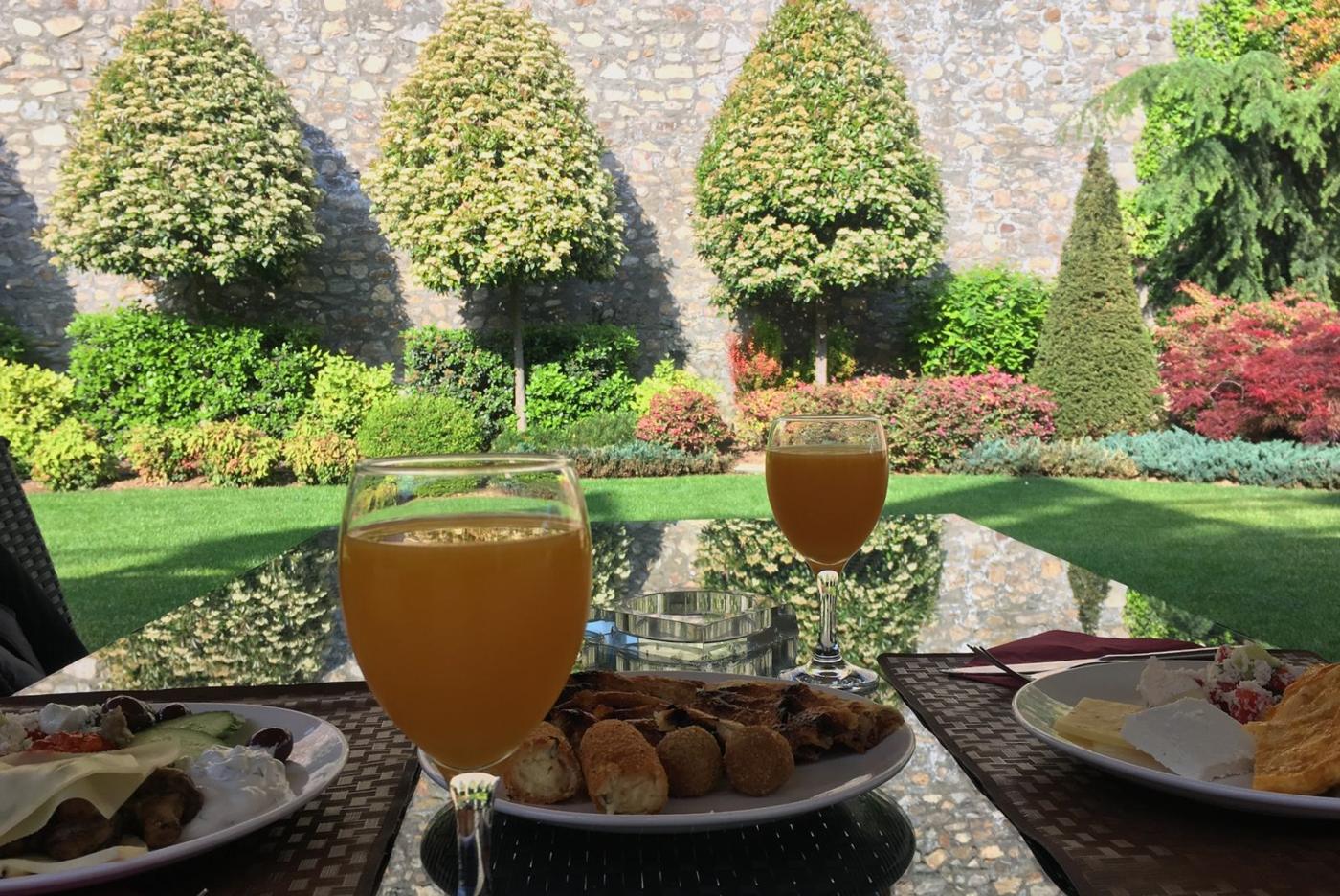
Bushi is a hotel converted from an old han, chosen a lot by Turks. It's right below Skopje's city fortress and the Mustafa Pasha Mosque. You can get the breakfast service without staying at the hotel too, for a per-person price of 8$, 400 MKD.
The sweet sound of water from the ornamental pool and the rays of sunshine persuade us to sit in the garden. Hand-rolled börek, Shopska (Shepherd's) salad made of tomato, cucumber and sliced cheese, ajvar, a kind of spread made from roasted peppers: local flavours added to a classic Turkish breakfast! We loved them all. If you want breakfast in the style we're used to, with tea and coffee service and a good enough open buffet, we can say it's the best option you'll find in Skopje.
The bazaar isn't as much of an early riser as we are! At 8 in the morning most places weren't open. 2-3 börek shops and a few stores were open to get ready for the day, but we wanted a nice long breakfast. We took the advice and started walking towards the Bushi Hotel, which serves an open buffet breakfast.
Destan - Skopje Köfte
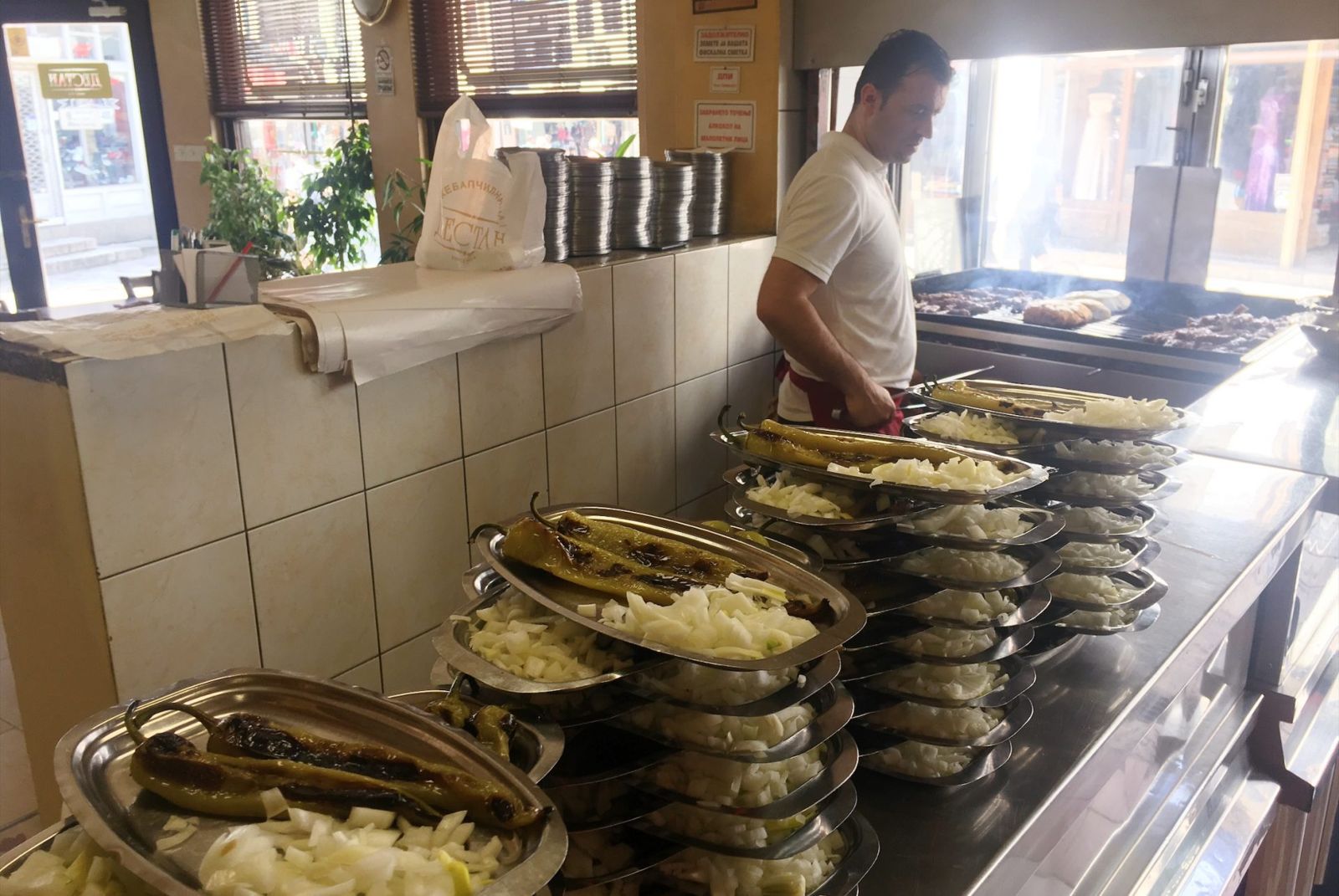
Destan Köfte in Skopje – plates ready 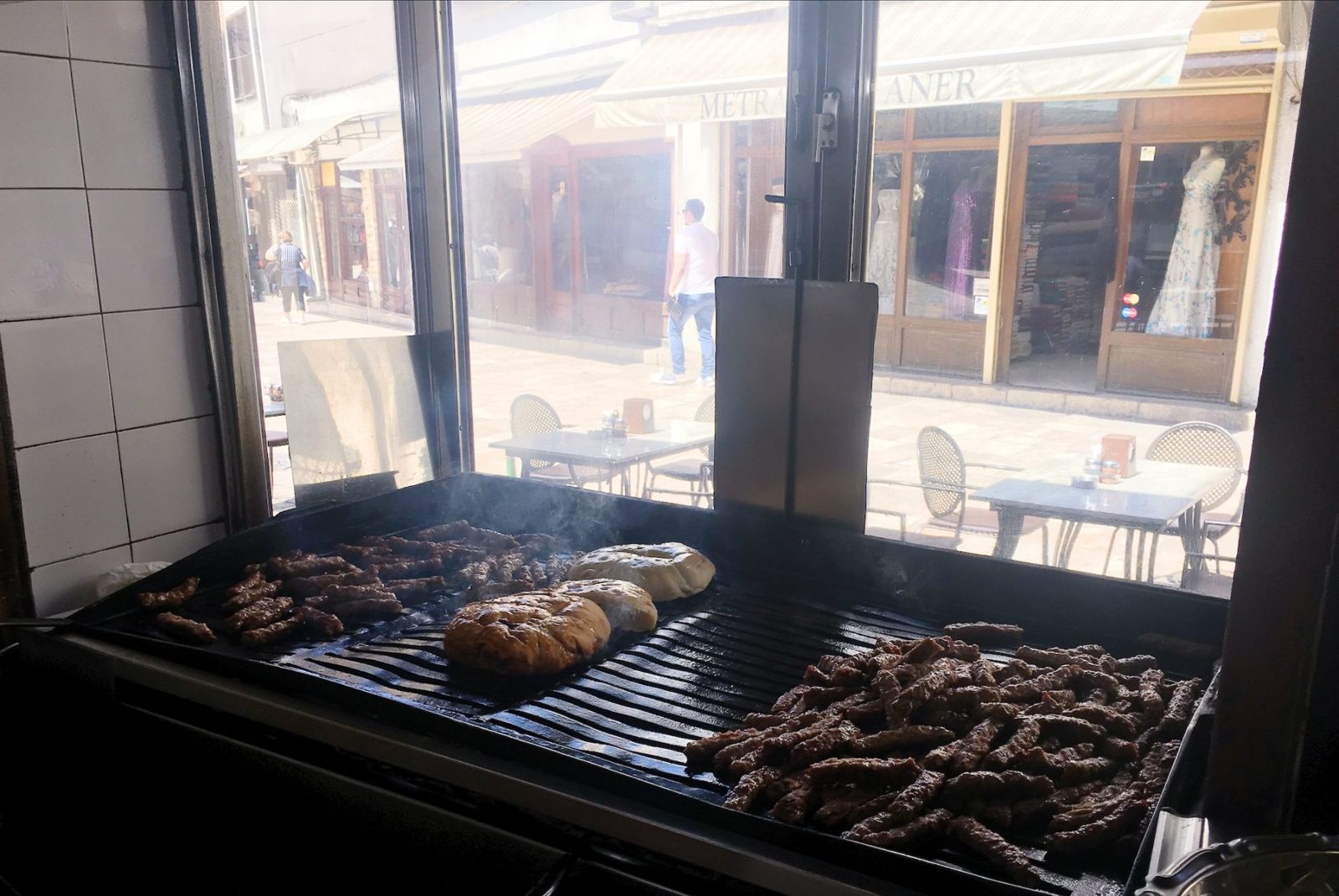
Destan Köfte in Skopje – the köfte cooking 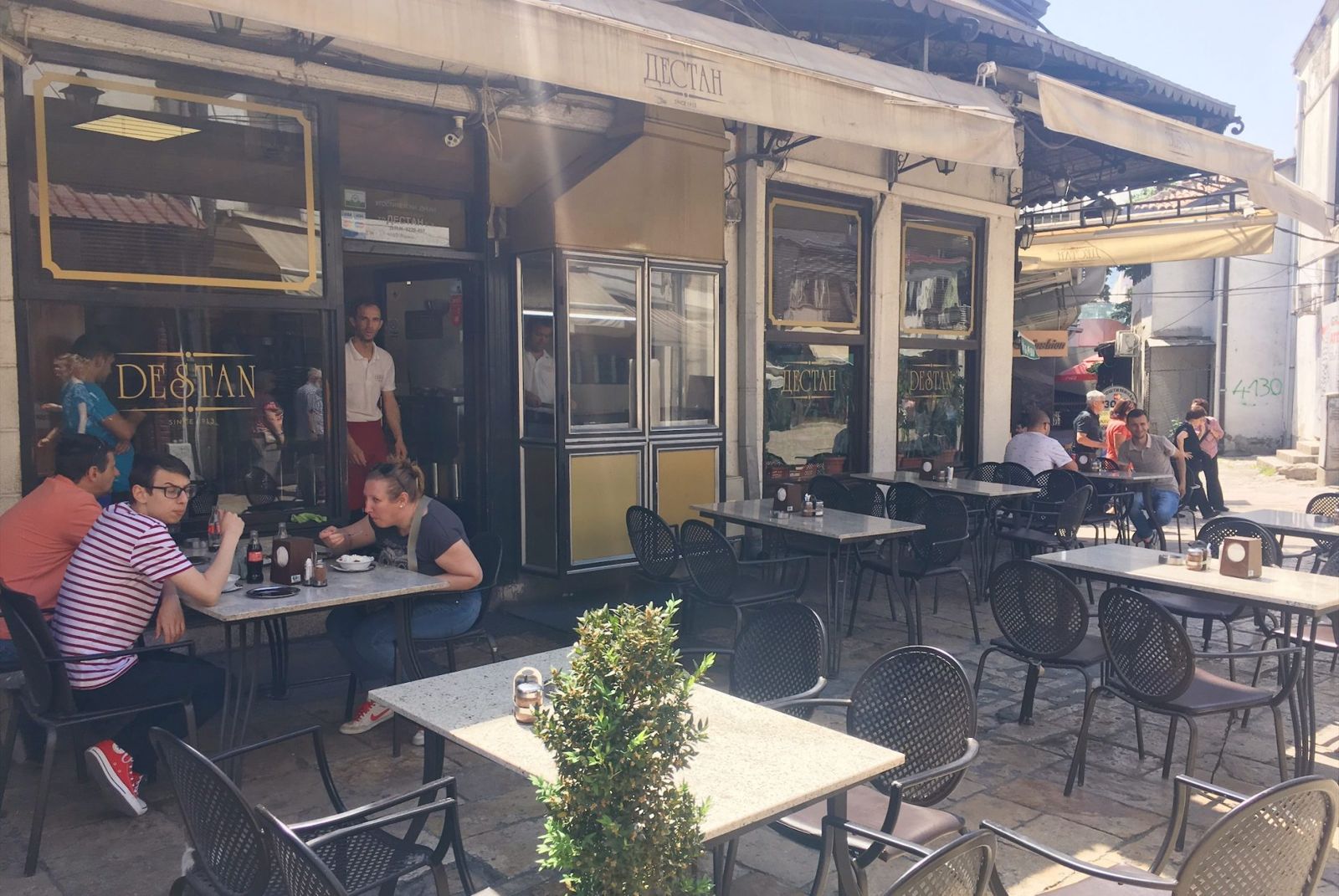
Destan Köfte in Skopje – full already in the morning
So, the Balkans have a very, very famous köfte! The first place to go for those who want to eat köfte in Skopje is the 105-year-old Destan Köfte. You can have a huge Shopska salad with its delicious köfte. There's alcohol, and tea after the meal isn't free, it costs extra!
If we remember right, soup, köfte, salad and dessert for two came to 500 MKD in total. Relatively affordable! :)
Places to Visit in Skopje
The sights and things to do in Skopje include busy city squares, religious buildings, neighbourhoods from the Ottoman Empire era and national monuments.
Old Bazaar - Old Bazaar
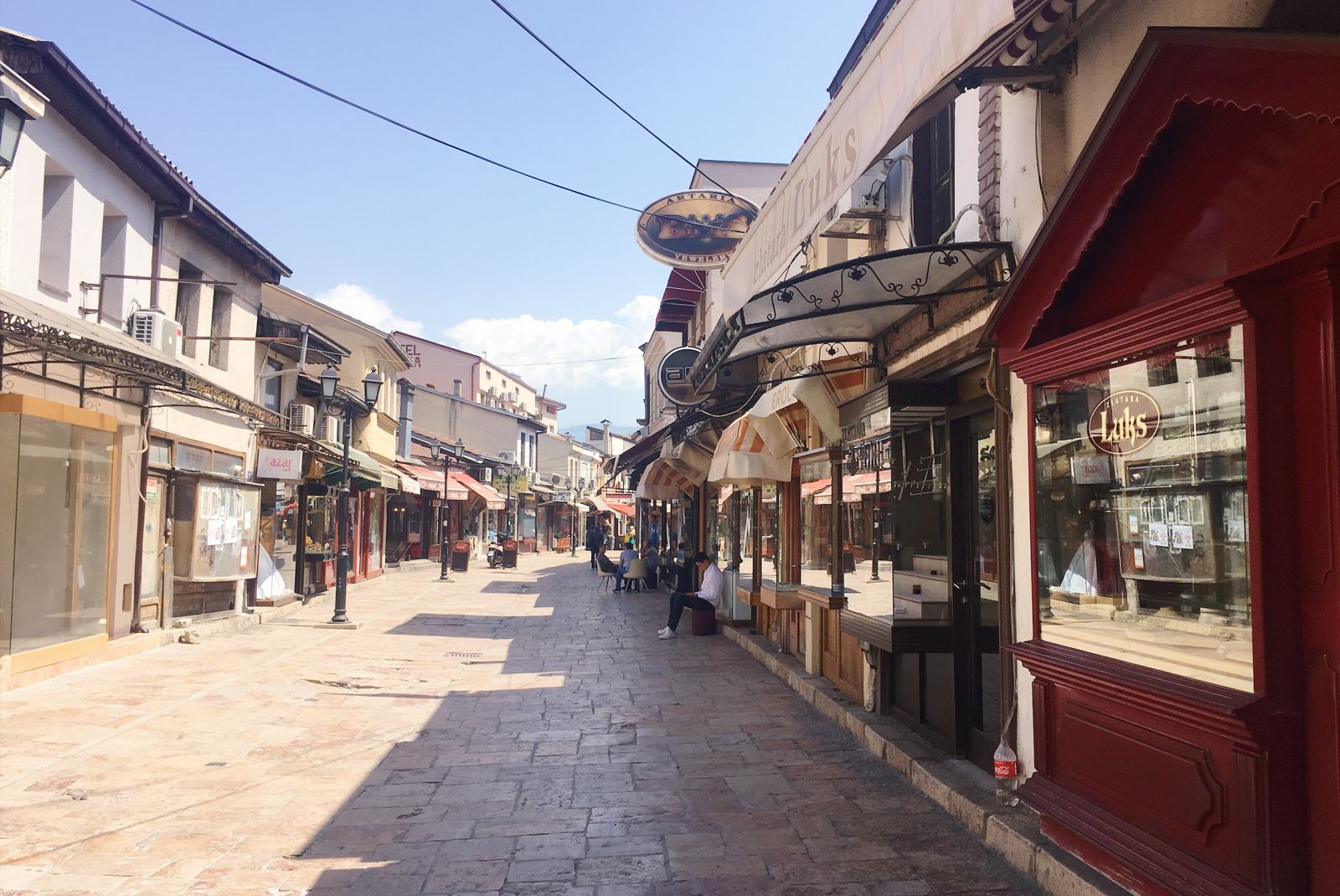
The Old Bazaar in Skopje is a living museum of Ottoman, Byzantine and modern buildings, and for us it's even a bazaar that gives the feel of our own country. After only the Grand Bazaar in Istanbul, it was apparently the second largest bazaar in the 17th century.
It stretches from the Stone Bridge to Skopje Fortress. Along the bazaar you can visit the mosques, tombs, historic hamams and churches that are still standing.
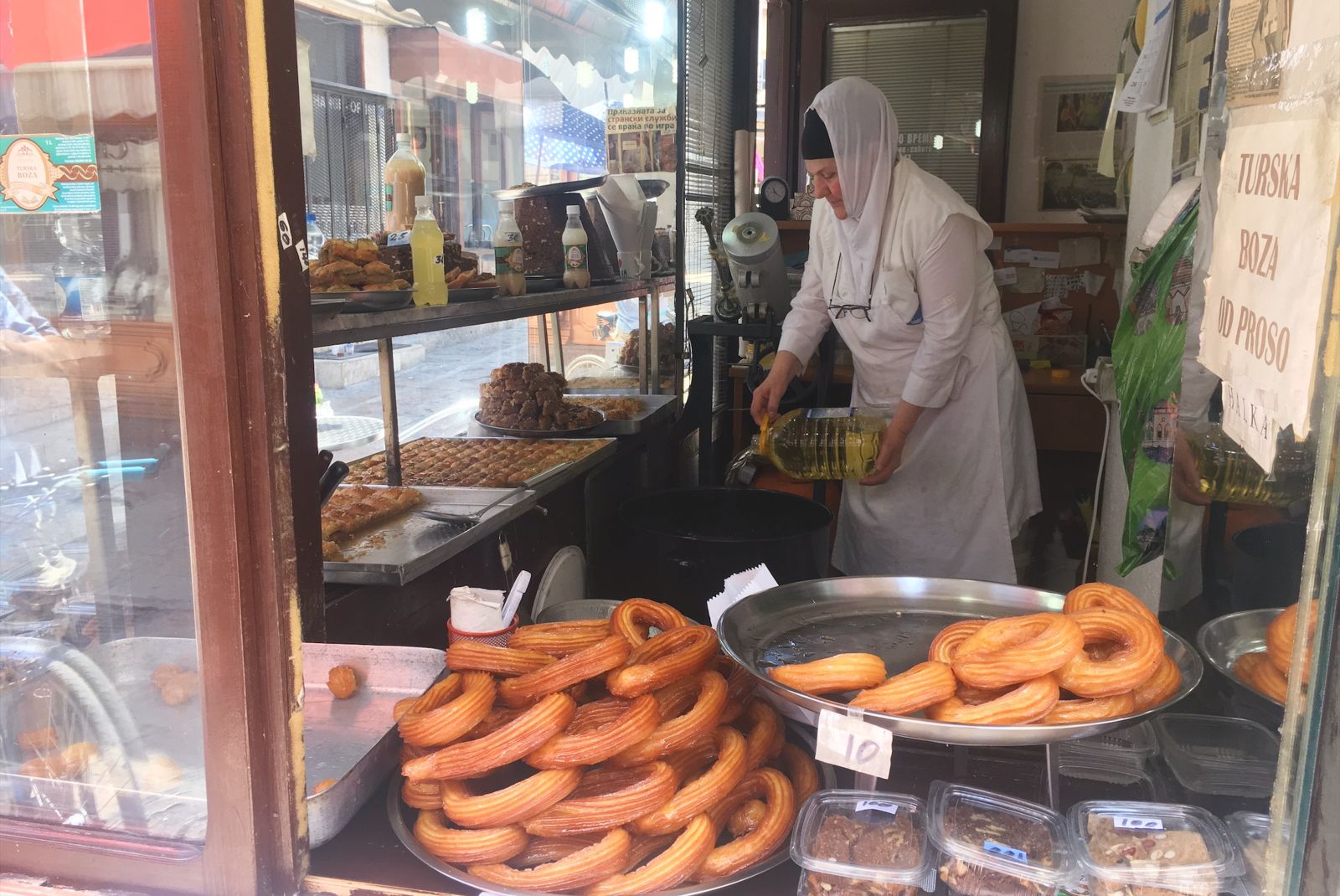
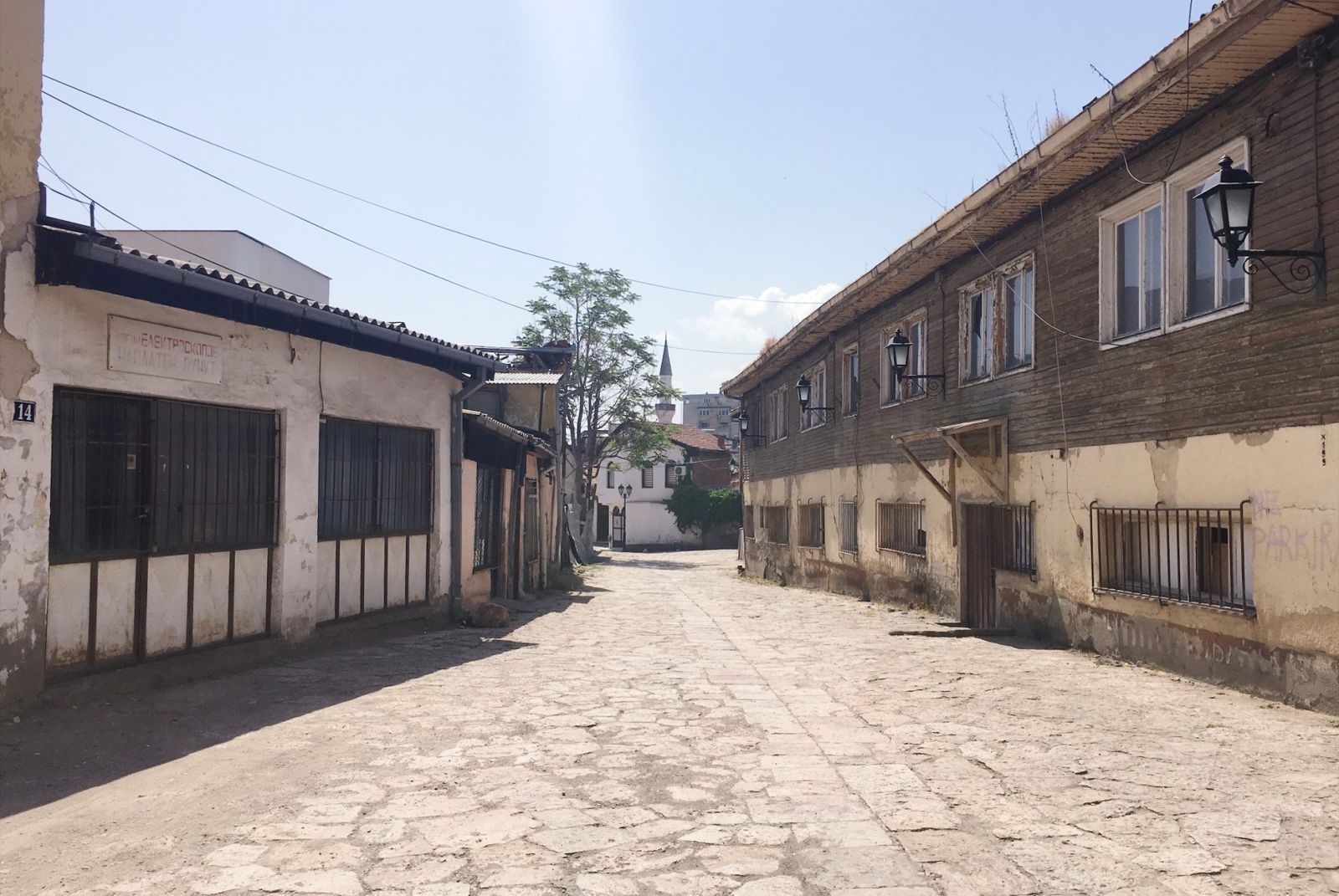
Wandering the shops of the Old Bazaar comes first among the things visitors to the city should do. There are many historic shops, working by hand, selling everything from copperware to traditional Macedonian folk costumes. You can also visit traditional restaurants and tea houses for Skopje köfte, Turkish delight and kebab. We also discovered a barber's shop: a master who has been cutting hair in the same shop for years, very close to the Turkish Market, and his young apprentice. We got into a sweet chat. The shop of the master, who speaks Turkish very well, is wonderful to photograph too!
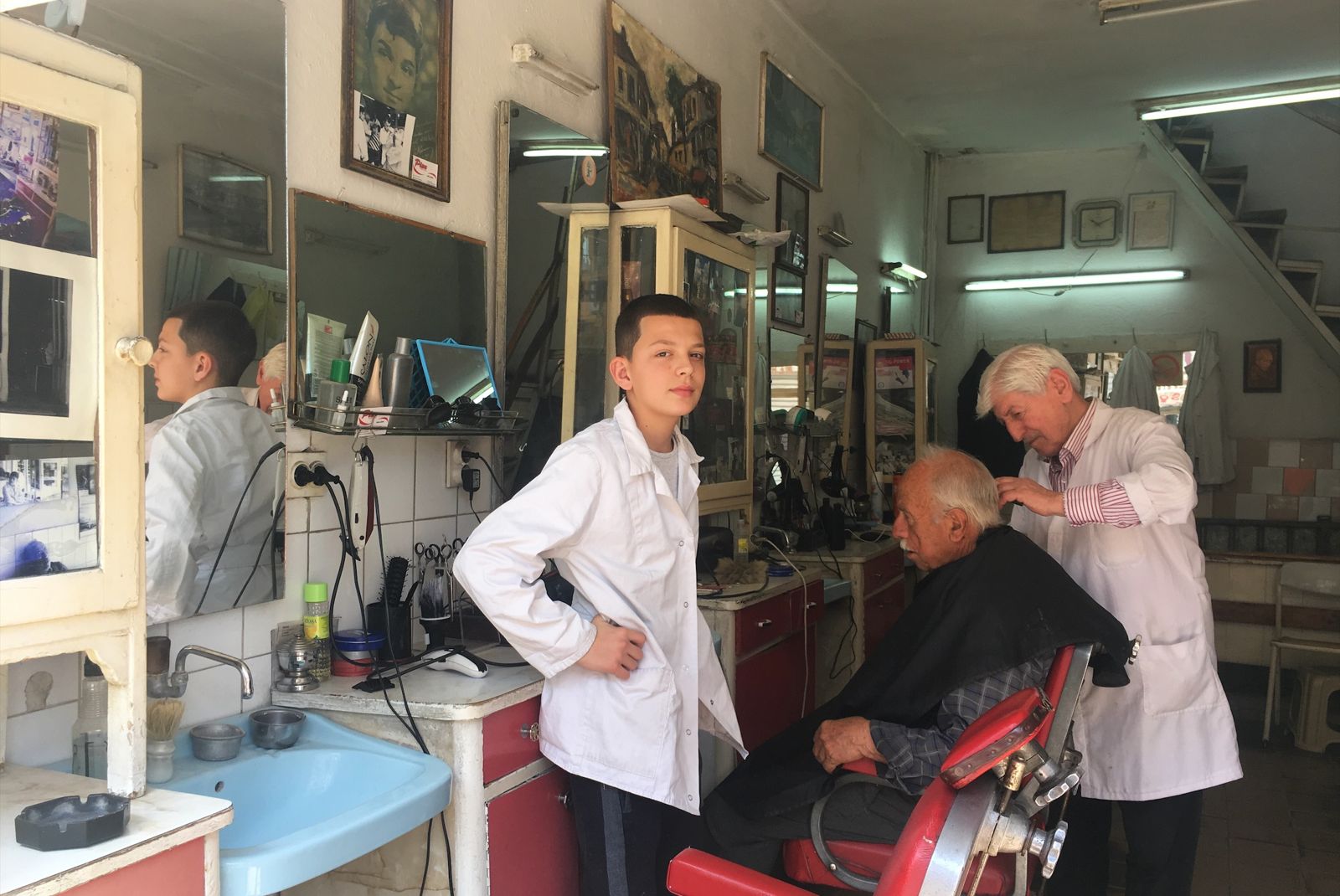
The apprentice, seeing us taking photos, poses with a smile under his moustache. He presses the shop's card into our hands so we can send the photos. :) And then he follows us on Instagram! :):)
Mustafa Pasha Mosque
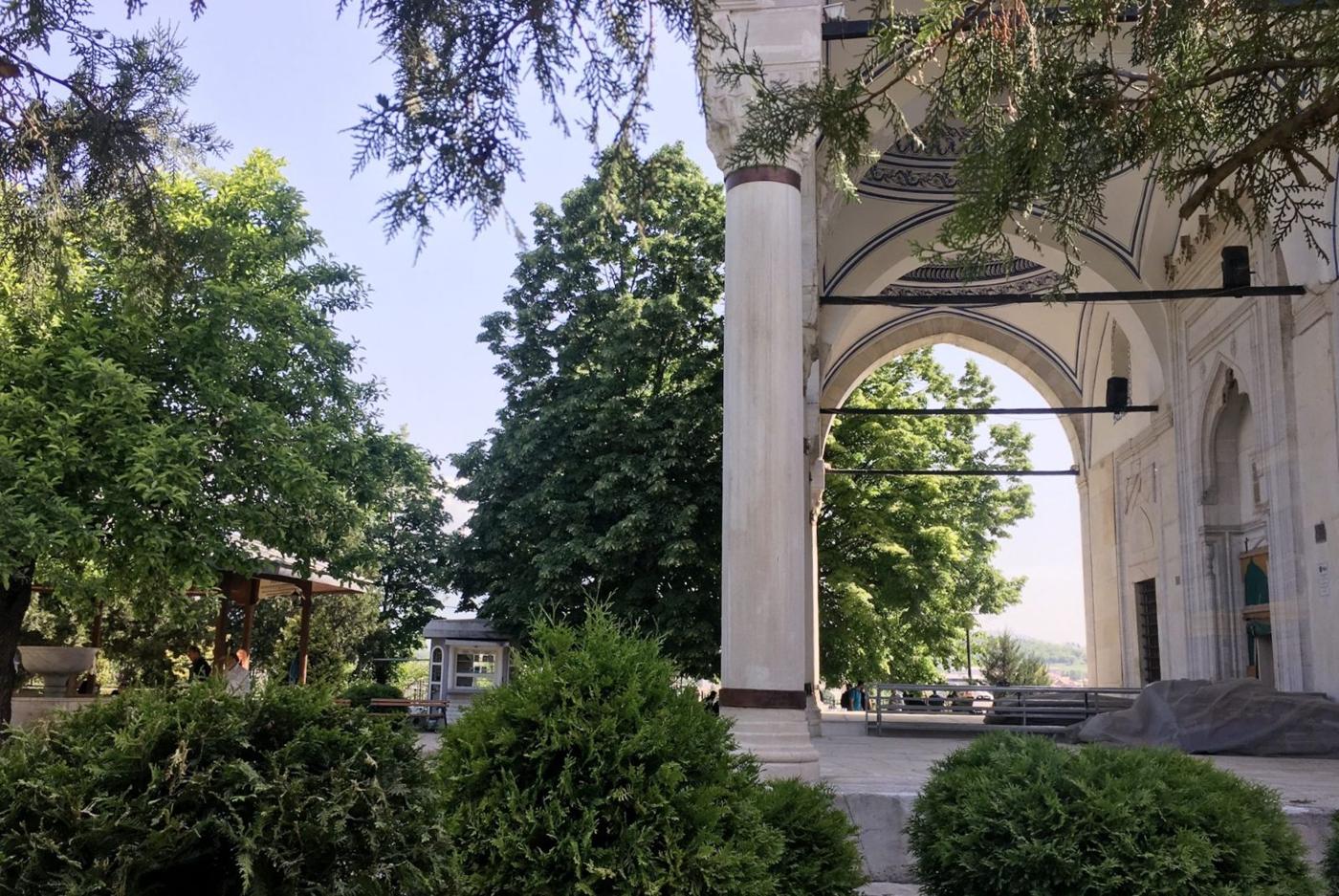
Mustafa Pasha Mosque 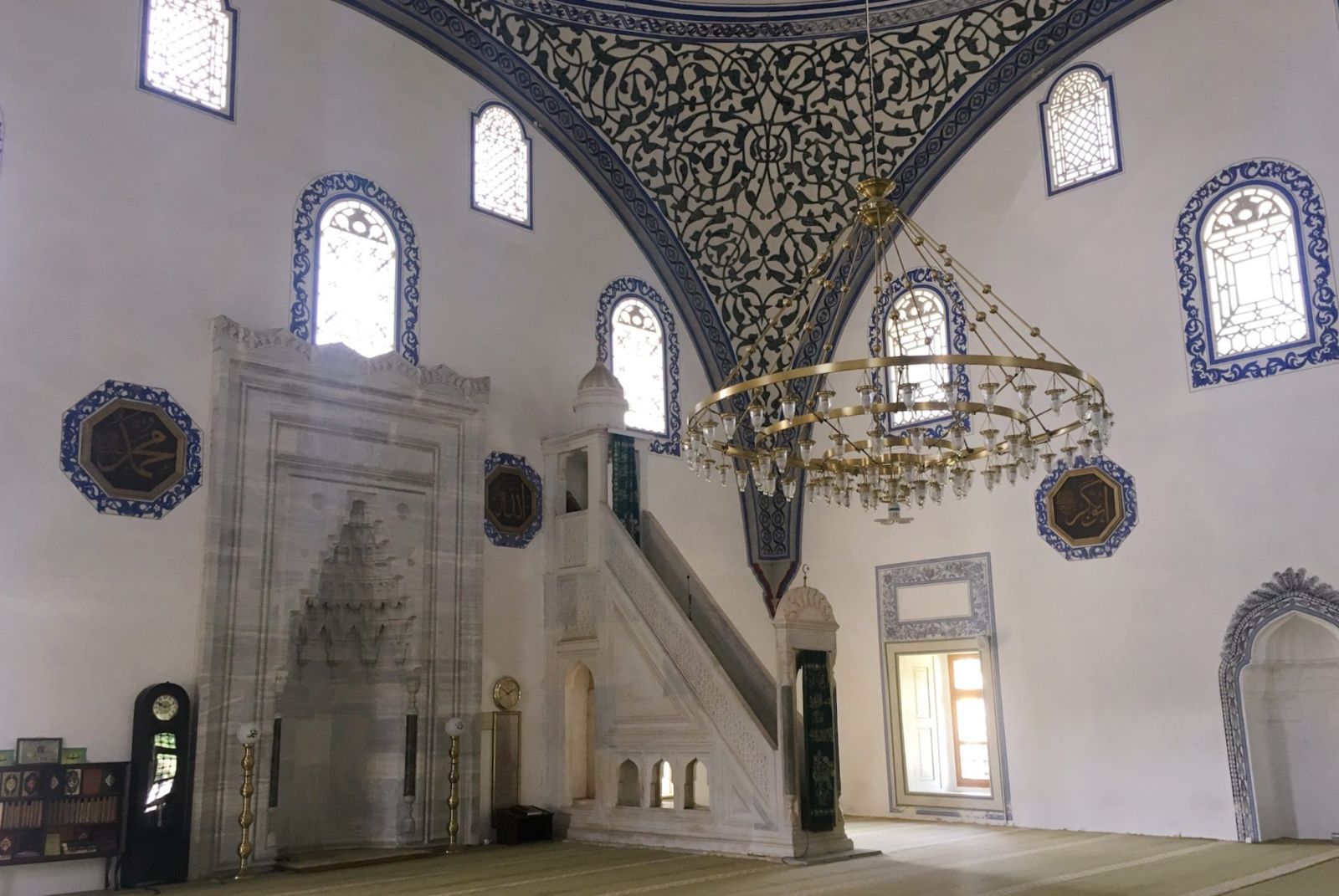
Mustafa Pasha Mosque 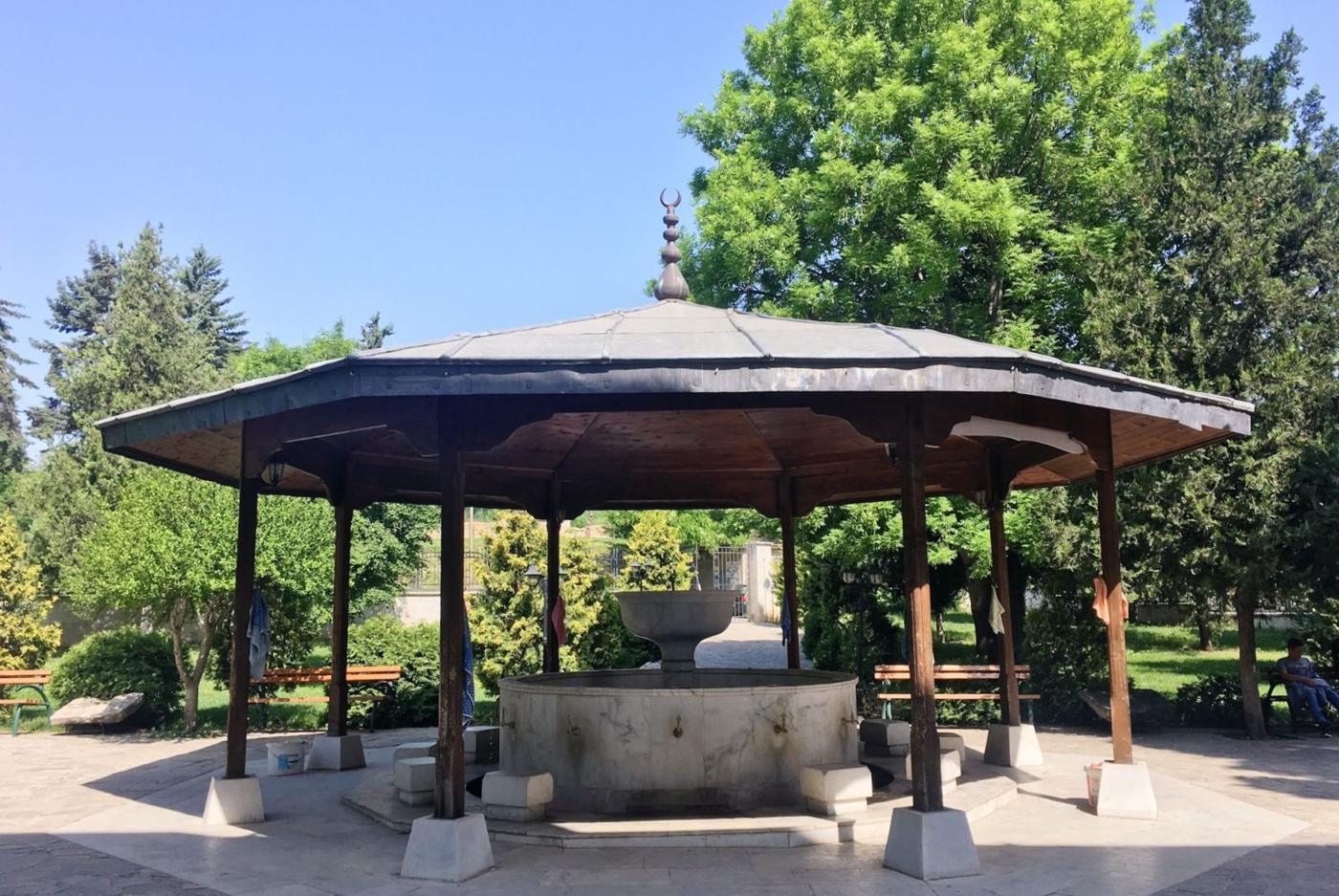
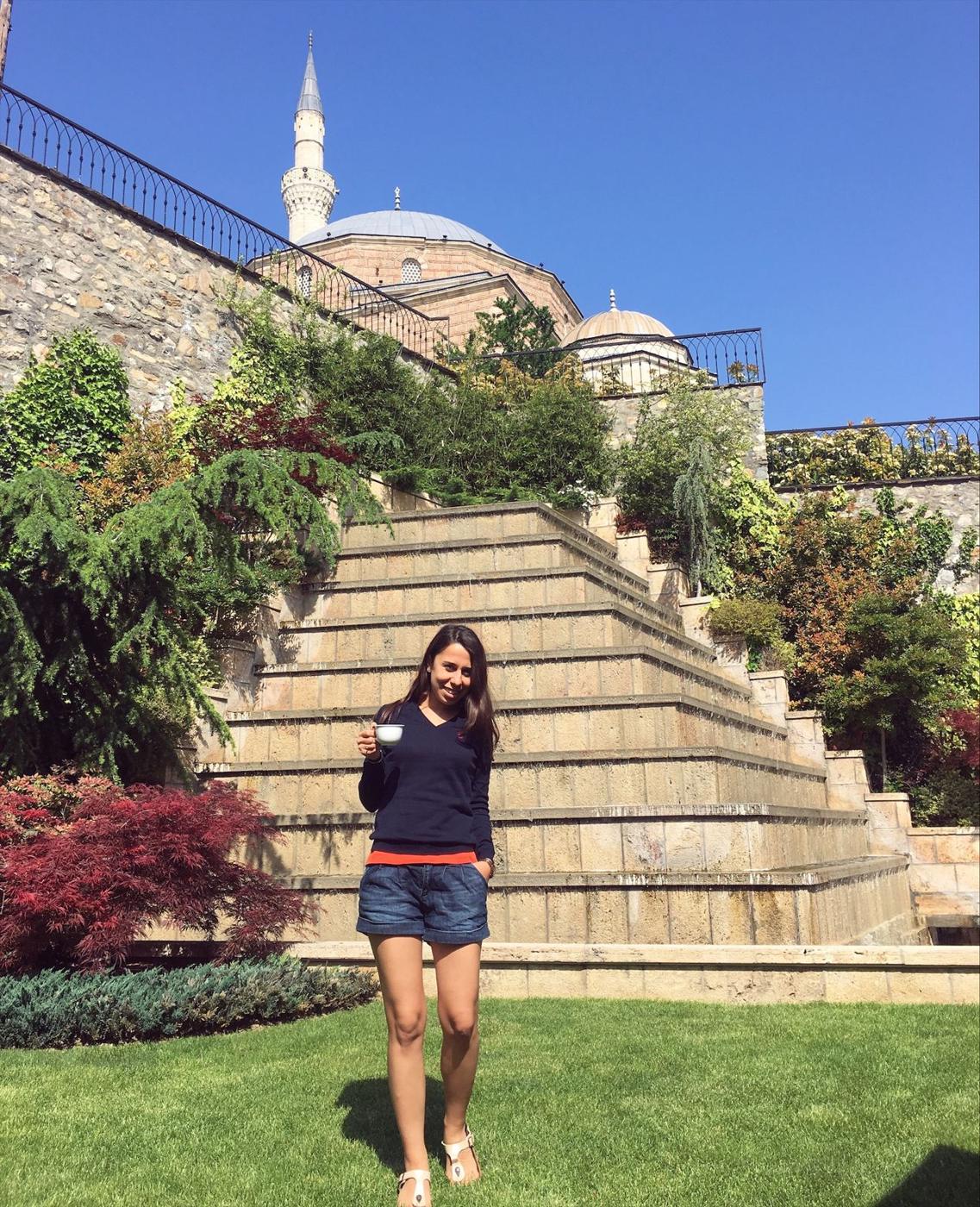
Courtyard of the Mustafa Pasha Mosque
The Mustafa Pasha Mosque, near Skopje Fortress, was built in the time of Bayezid II. Because of its location and history, the mosque can be seen from every point in the city, and in the past it was used as a large complex together with the caravanserai, madrasa, soup kitchen and school next to it. Especially these days, the mosque is very important for Muslims, who are a minority in the Balkans.
Skopje Fortress
Skopje Fortress, built in the 6th century under the Roman Emperor Justinian I and still standing, dominates Skopje from above. The Ottomans, while trying to take it, naturally damaged the fortress somewhat. But after capturing the city, they had the necessary renovations done. Today the fortress walls are 121 metres long, and the fortress welcomes visitors with three watchtowers and a few historical finds from past archaeological digs. Entry is free.
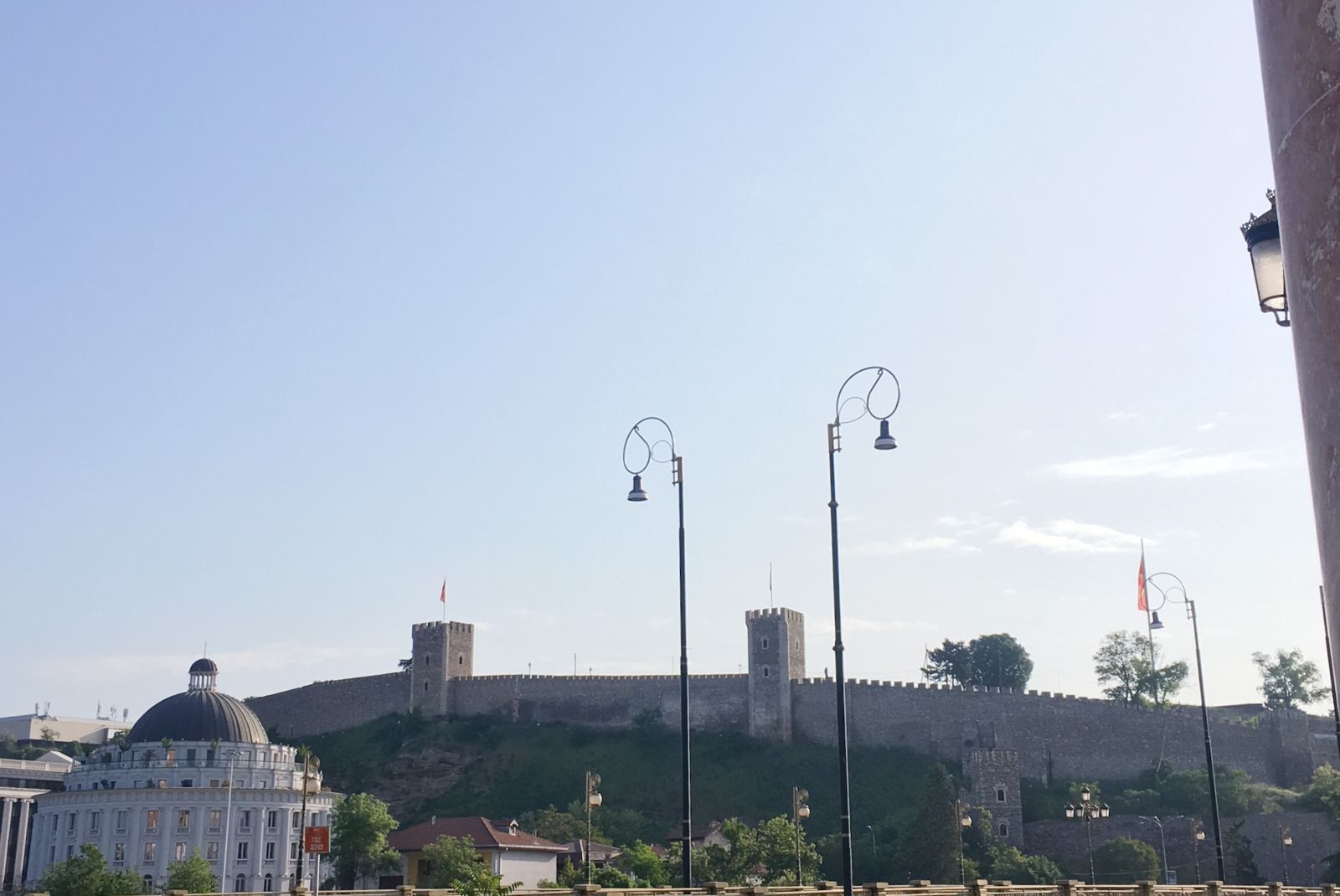
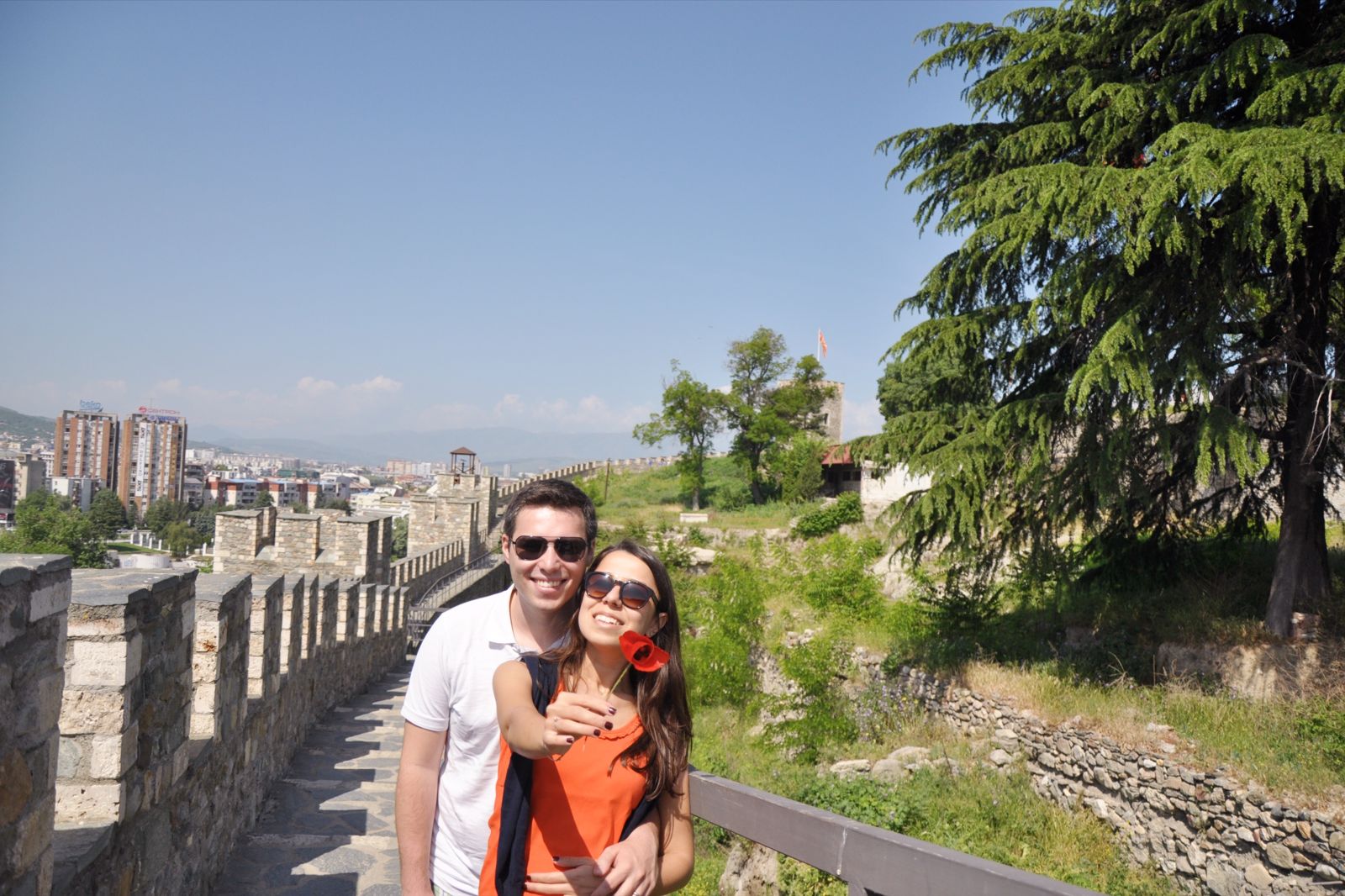
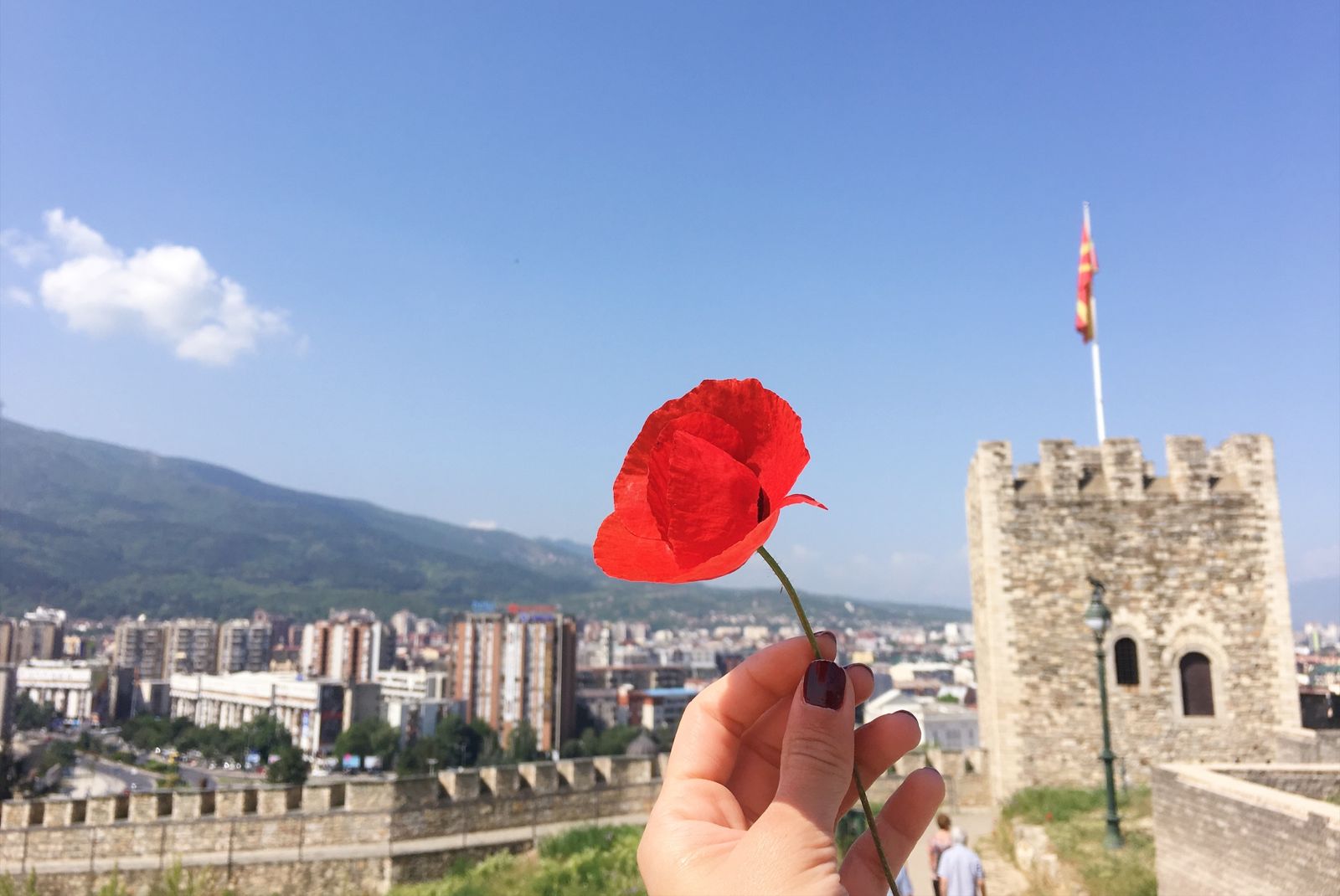
Since the fortress is at the highest point of the city, from the top you can see a magnificent view of the Vardar River and Skopje. If you catch it at sunset, you can get exquisite shots. We took photos among the poppies in the morning!
Arasta Mosque
The Arasta Mosque is a mosque that wasn't open for worship until just 4 years ago. Interesting, isn't it? Thanks to the recently developing relations between Macedonia and Turkey, in many places our works are being brought back to life with the help of TİKA (the Turkish Cooperation and Coordination Agency). But this mosque was restored with contributions from the Bursa Metropolitan Municipality and opened for worship. A huge thank you to the officials from here..
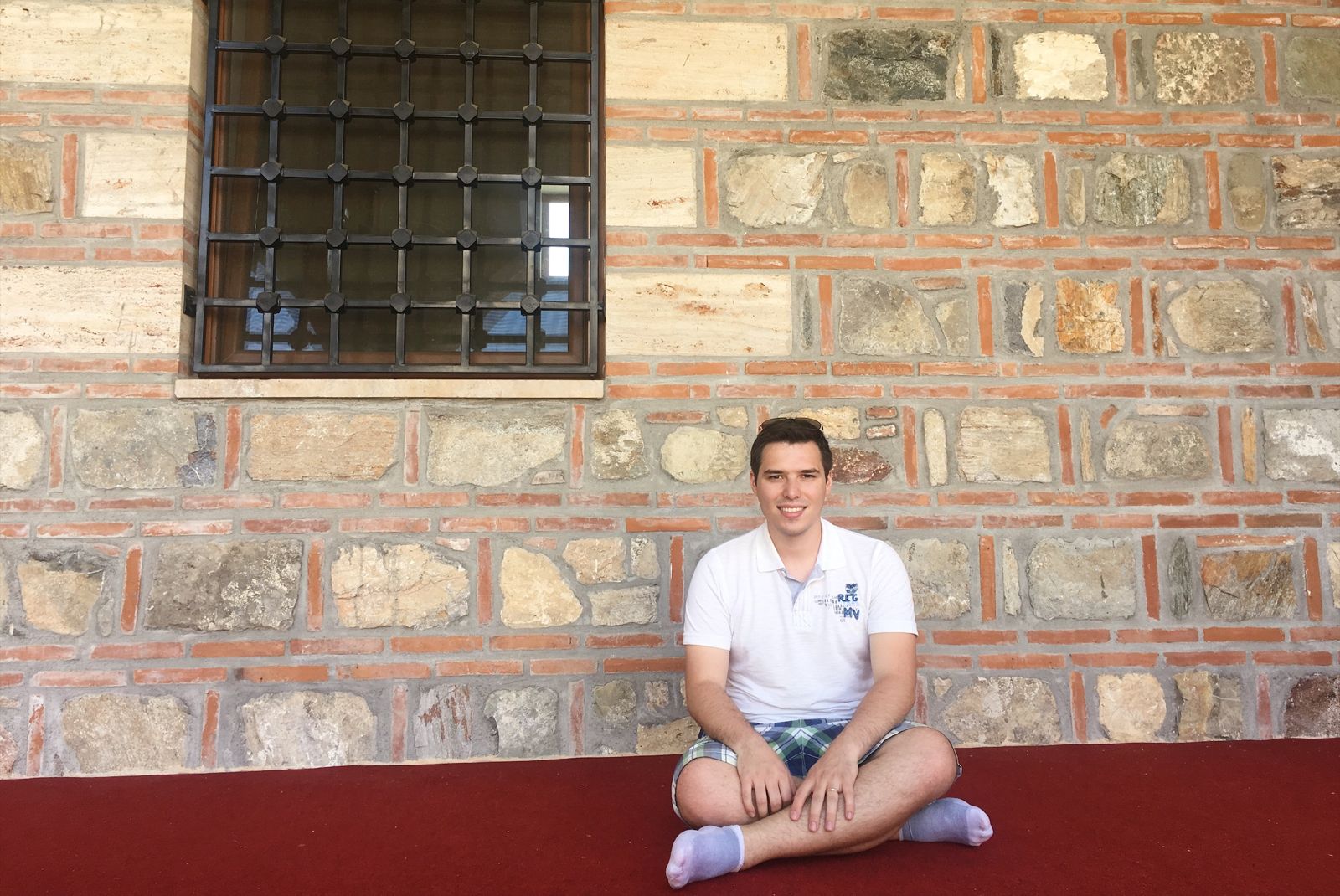
No prayers could be held in the Arasta Mosque from 1944 until 2014. A very strange situation for the Muslim people living here. So, in this lovely mosque we both went inside and took a souvenir photo in front of it.
Kurşunlu Han
Without doubt, Kurşunlu Han stands out as one of the greatest works the Ottoman Empire left in the region. Because of its han structure, it's believed to be the highest architectural achievement of Ottoman public architecture in Macedonia. Built in the early 16th century, the han served as a han for many years and then for a long time as the provincial prison. After World War I it was used as an arms depot. Today, especially in summer, the han apparently hosts many cultural events. It was closed to visitors when we were there.
Bit Pazar - Bit Bazaar
A fresh vegetable & fruit and spice market like the ones we're used to from our country? Yes, yes, there's a lovely market like that in Skopje. There's almost everything, from clothes to household hardware. There's nothing you'd look for and not find at Skopje's Bit Pazar, Macedonia's biggest market! Move to a café and sip your tea to watch the bustle of the bazaar!
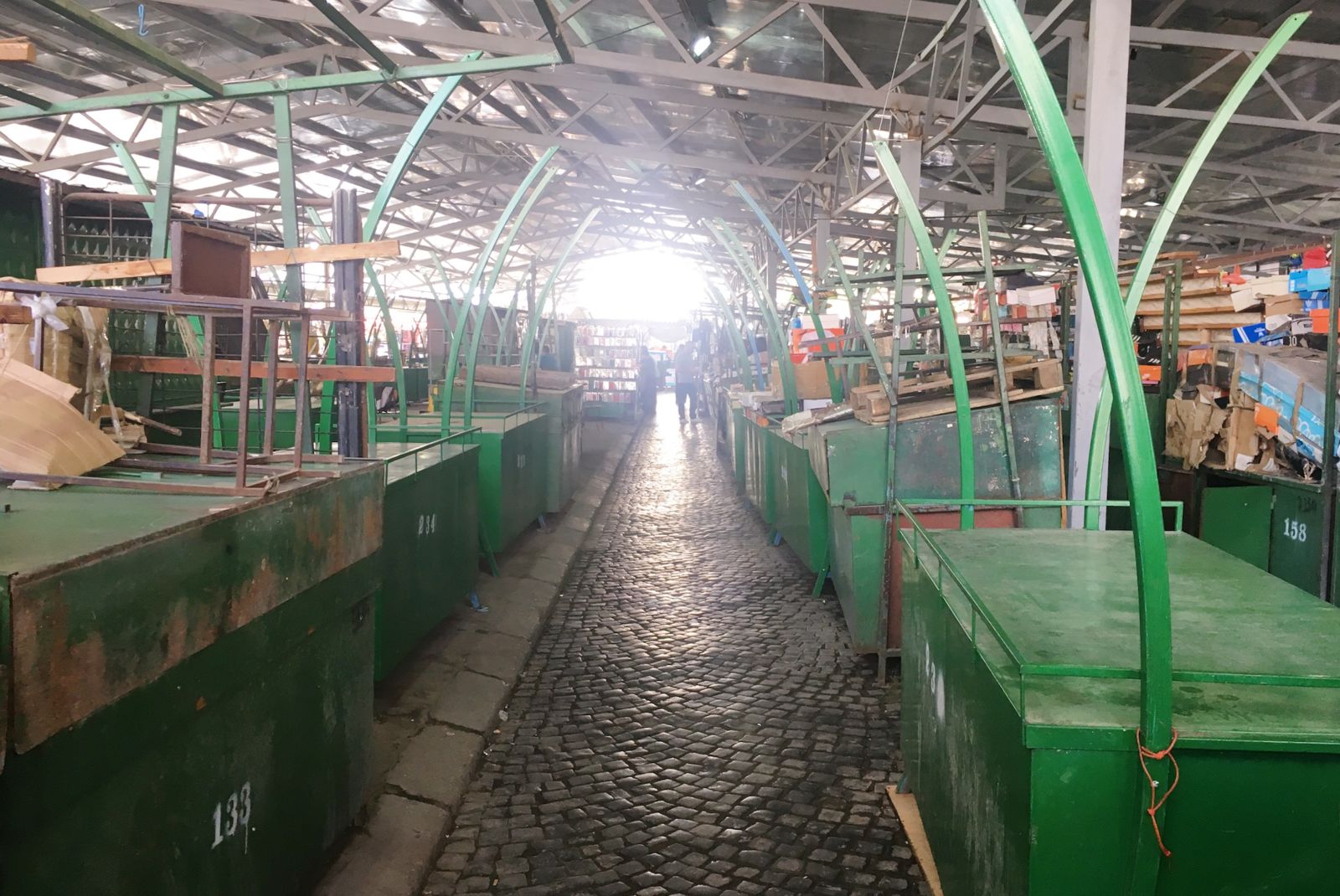
Or go into every street like we did! Rumelian tunes coming from stalls selling cassettes.. And if you see a shopkeeper in a corner dancing for joy at some news he got, don't be surprised; join in, it'll add joy to your joy!
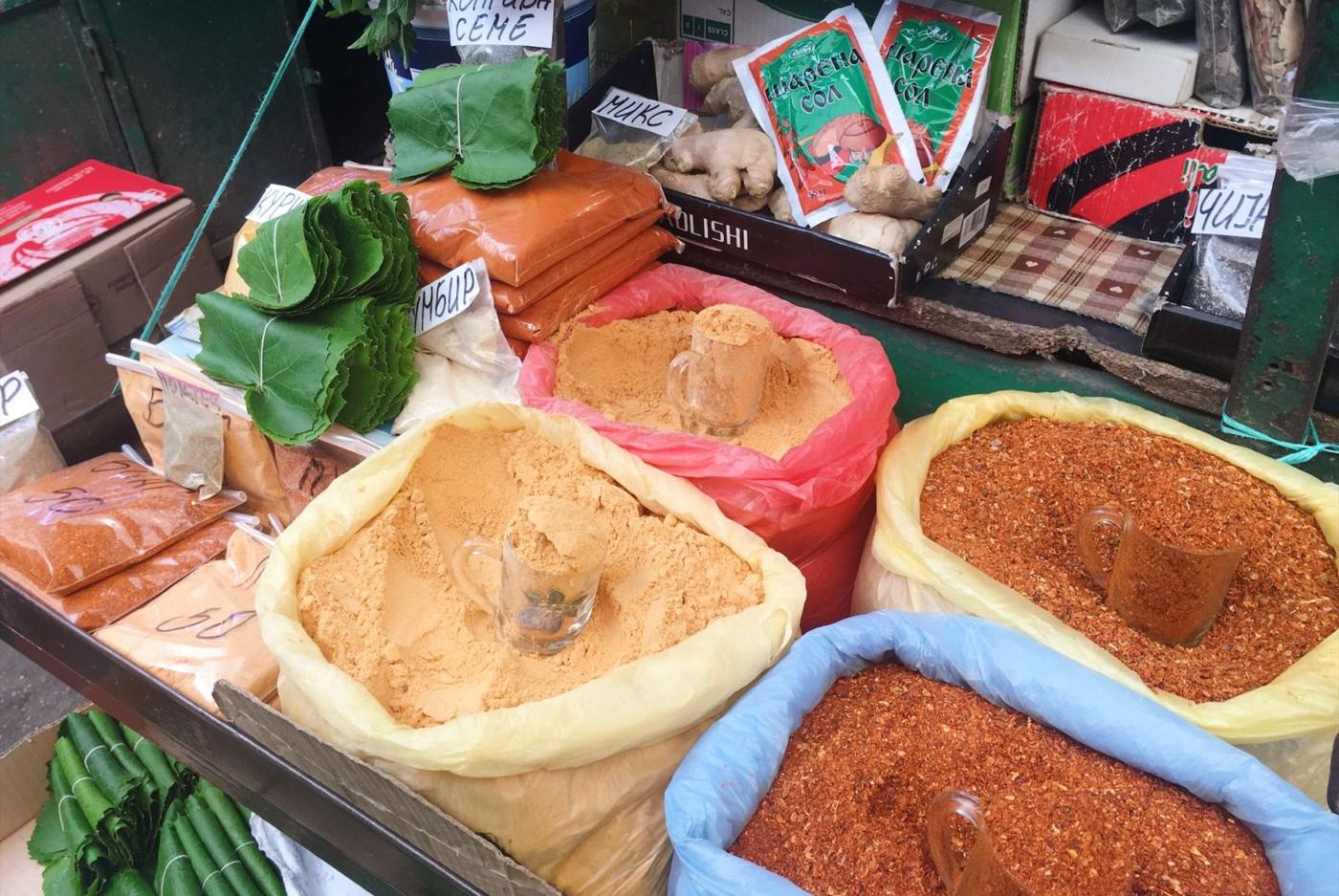
There are actually so many things we're used to! 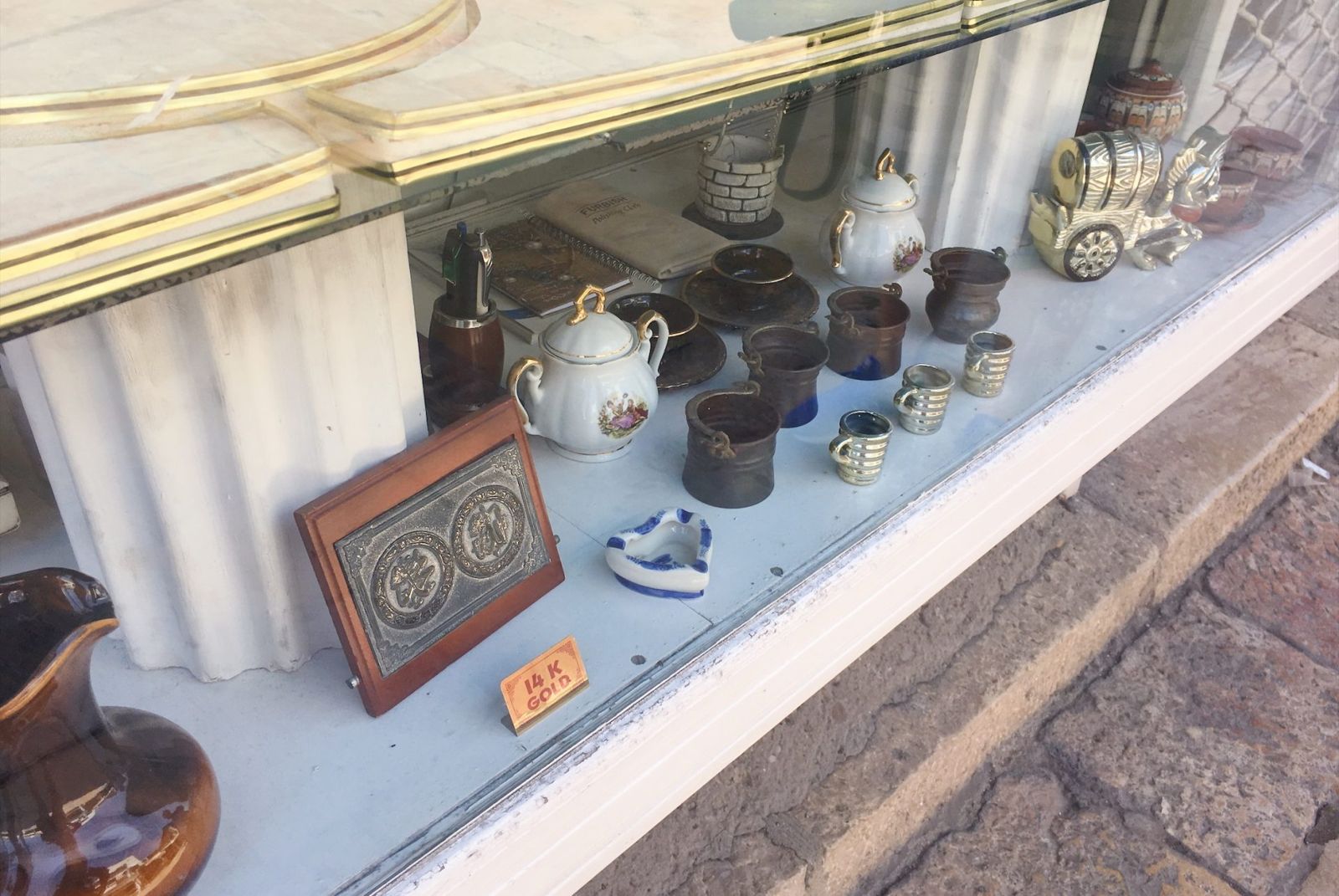
Second-hand goods are sold too
Daut Pasha Hamam
The Daut Pasha Hamam, within walking distance of the Stone Bridge on the left bank of the Vardar River, was built towards the end of the 15th century. It was built as a foundation of Daut Pasha, who was at the very top of the Ottoman hierarchy of the time.
The hamam, which has typical Islamic architecture, has 12 rooms. Functionally, from the entrance it's divided in two, for men and women. Unfortunately it can't be used as a hamam today.
Stone Bridge
The Stone Bridge, symbol of the city, was built over the Vardar River and is an iconic historic structure, 220 m long and 6 metres wide. That's why bridges connecting one side of the city to the other are a must. This famous Stone Bridge was built under the Roman Emperor Justinian, when the city was a community known as Skupi. But after our ancestors took it, it was demolished and rebuilt in the time of Mehmed the Conqueror, that is, in the 15th century.
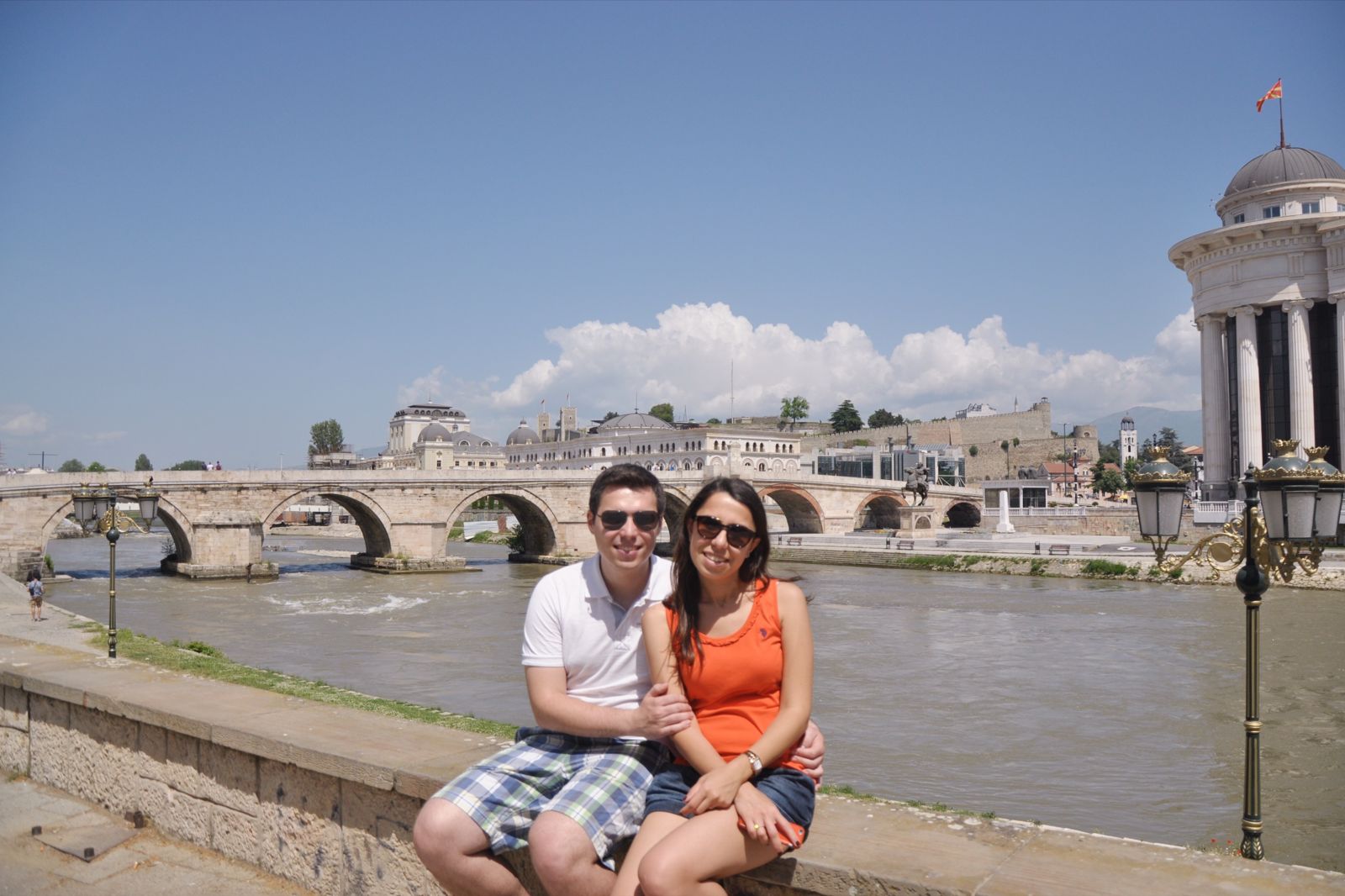
With its extraordinary construction technique, style and decorative elements, the Stone Bridge here is a typical example of Ottoman building, that is, it has all the features of a Turkish bridge. Its name, like many structures here, continues to be used in Turkish: Taş Köprü. It's considered one of the most monumental works of Ottoman architecture in Macedonia.
Art and Science Bridges
Another important bridge in Skopje is the Art Bridge, a pedestrian bridge crossing the Vardar River. After crossing this bridge, you'll want to cross it again.
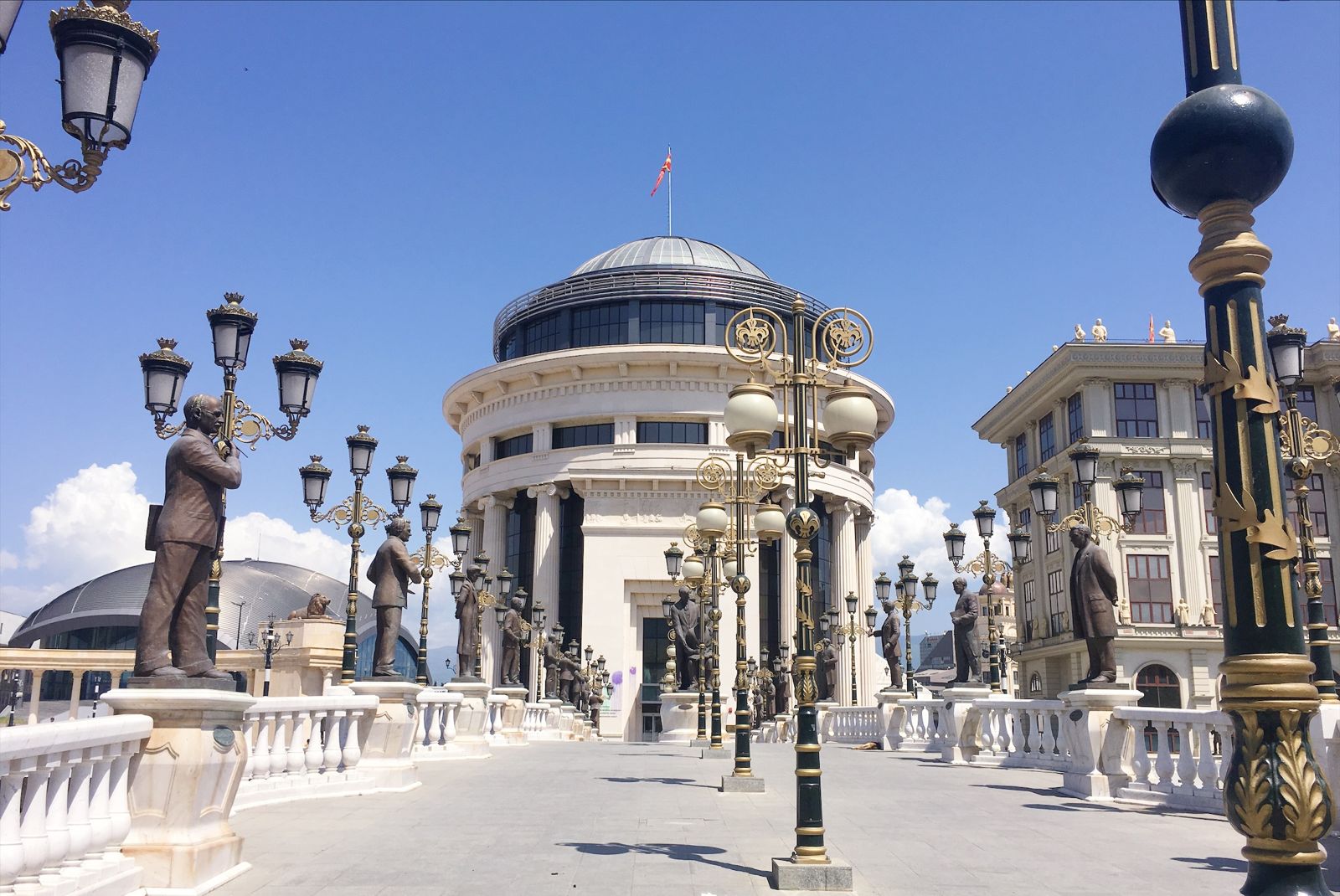
We really liked the bridge, which leads to the National Archaeological Museum and is lined with ornate street lamps, lovely views and statues of famous Macedonian artists and musicians. The Art Bridge was built as part of the city's development project.
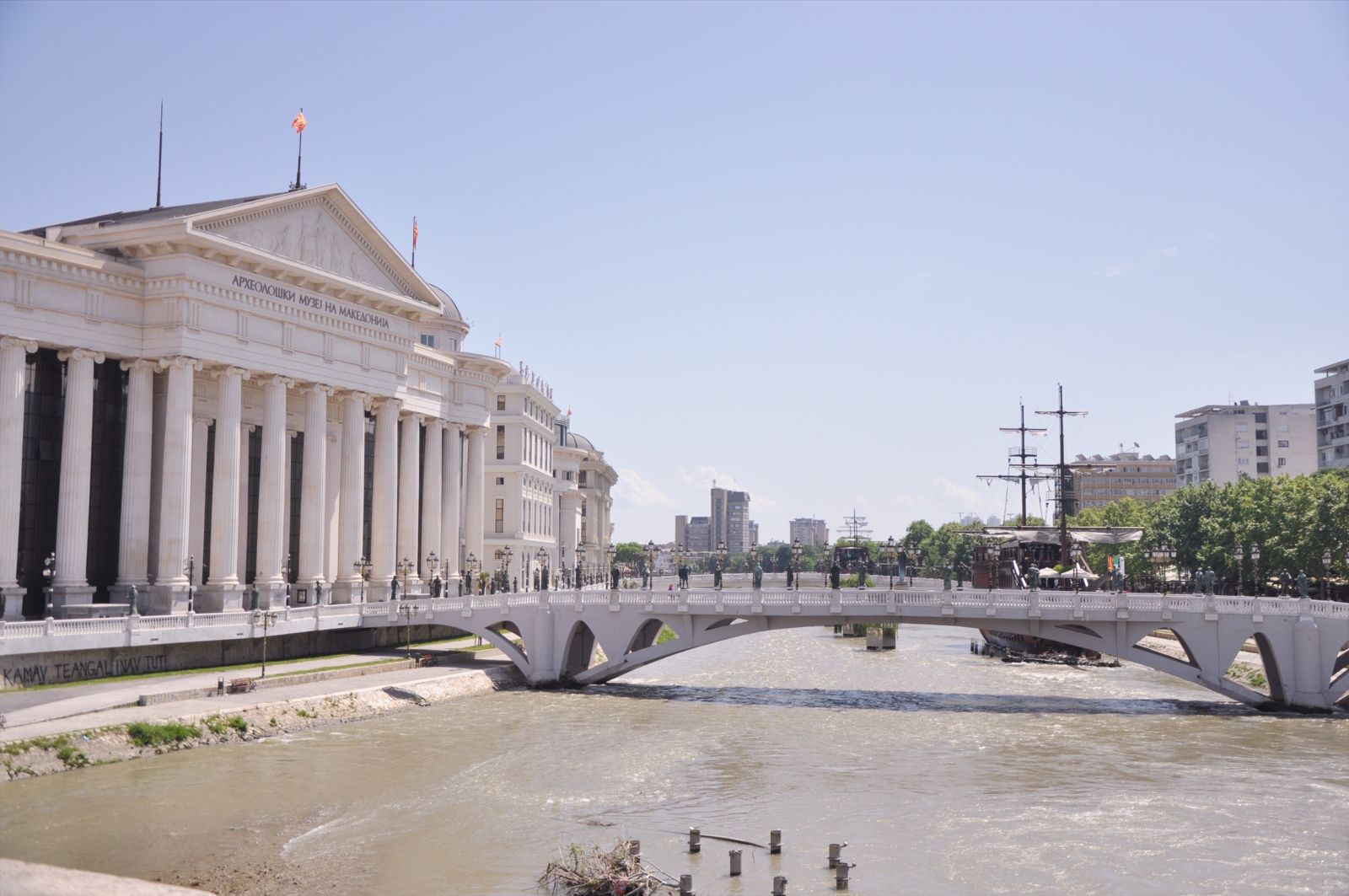
It reminded us of the Porsuk and its statues in Eskişehir. We imagined it as a wonderful place for teaching children about historical figures. We hope a park like this, with statues of great Turkish figures together, gets built too!
Mother Teresa Memorial House
Until we came here, we didn't know either that the famous Mother Teresa was born in Skopje on 26 August 1910. In 2009, the Mother Teresa Memorial House was built in Teresa's memory. The memorial house contains photographs, keepsakes and documents about Mother Teresa's life and religious work.
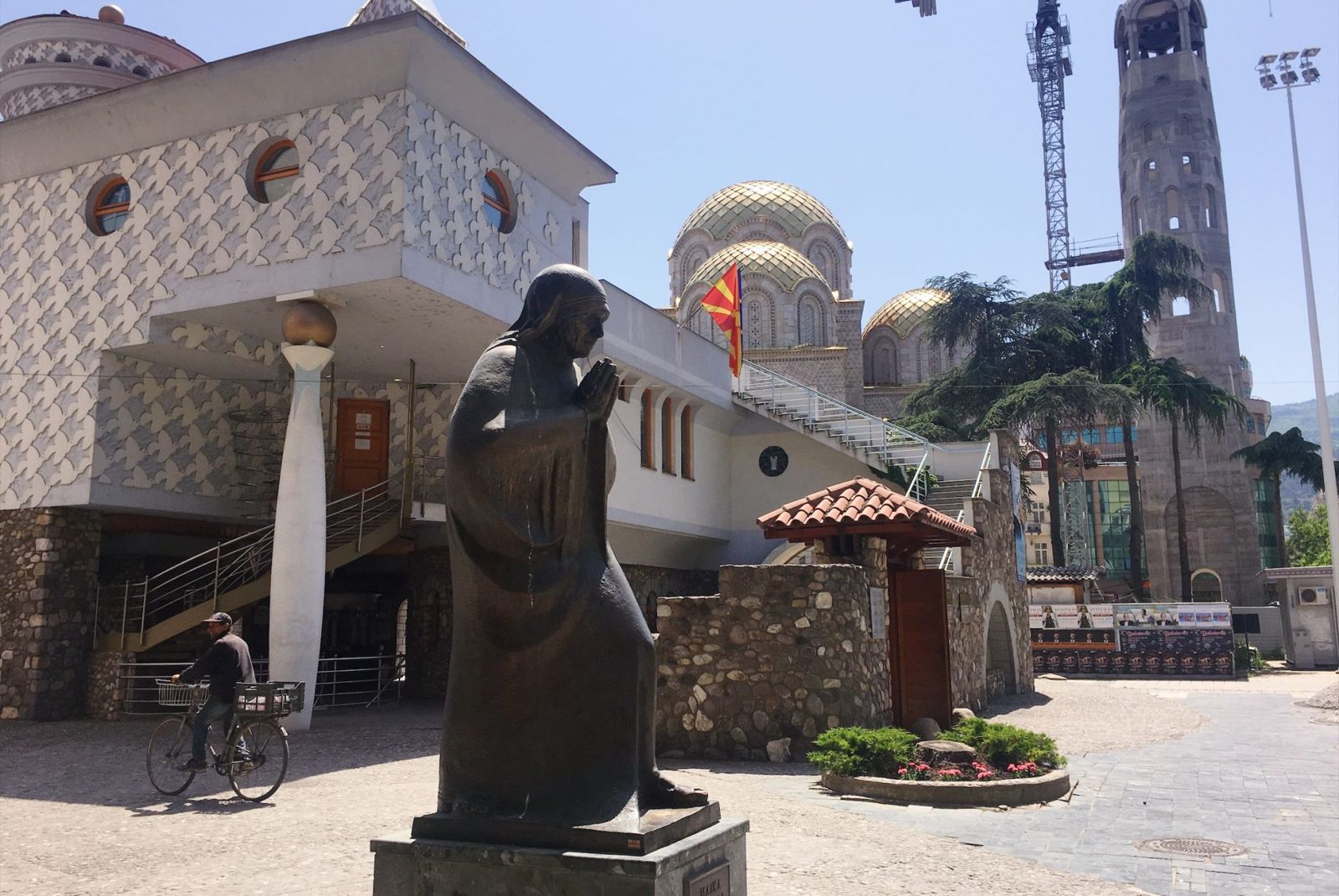
Mother Teresa Memorial House 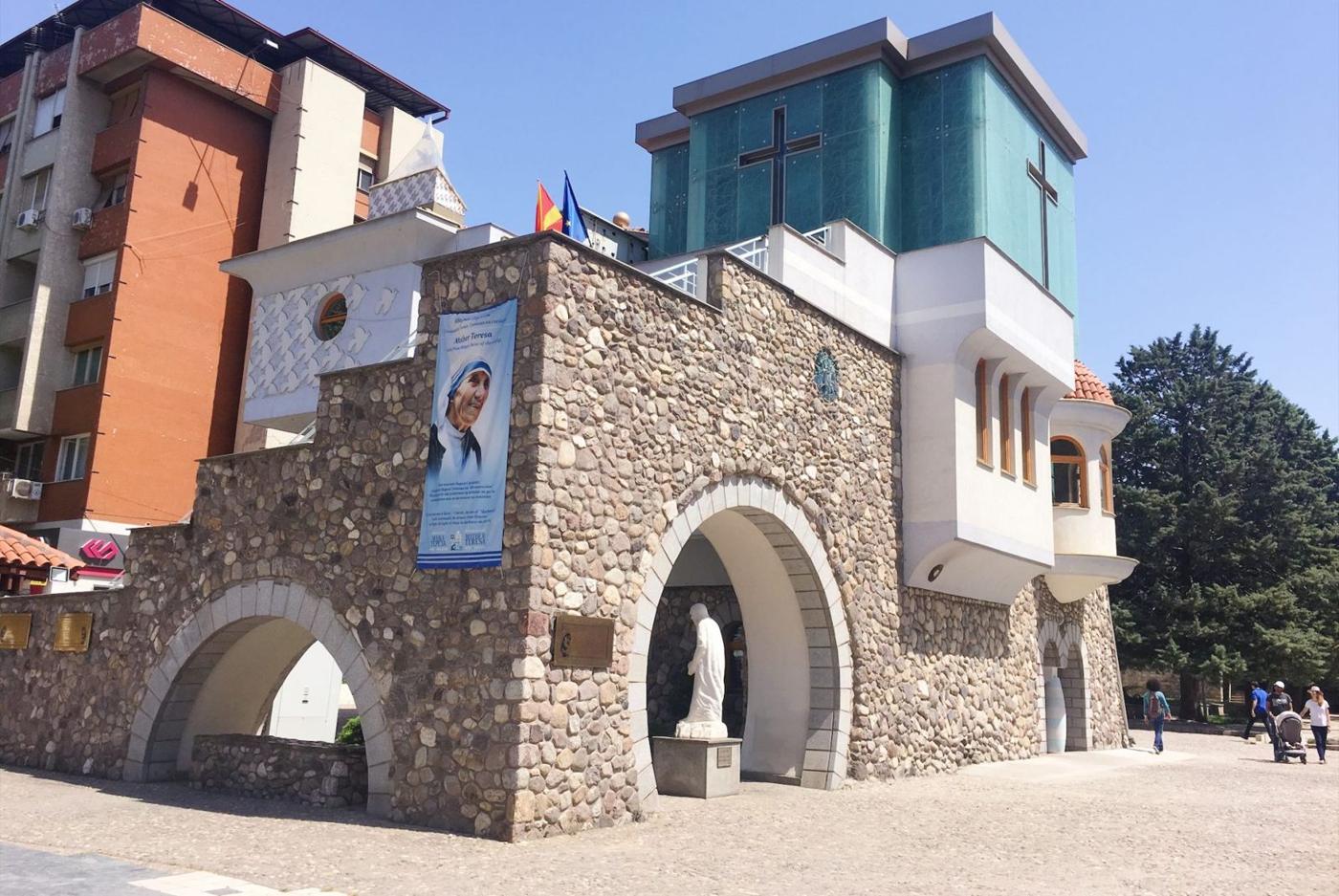
Mother Teresa Memorial House
A tower is also being built right next to the church beside it.. This important building will surely liven up the already busy street even more! If the restoration is finished, you must see it.
Millennium Cross
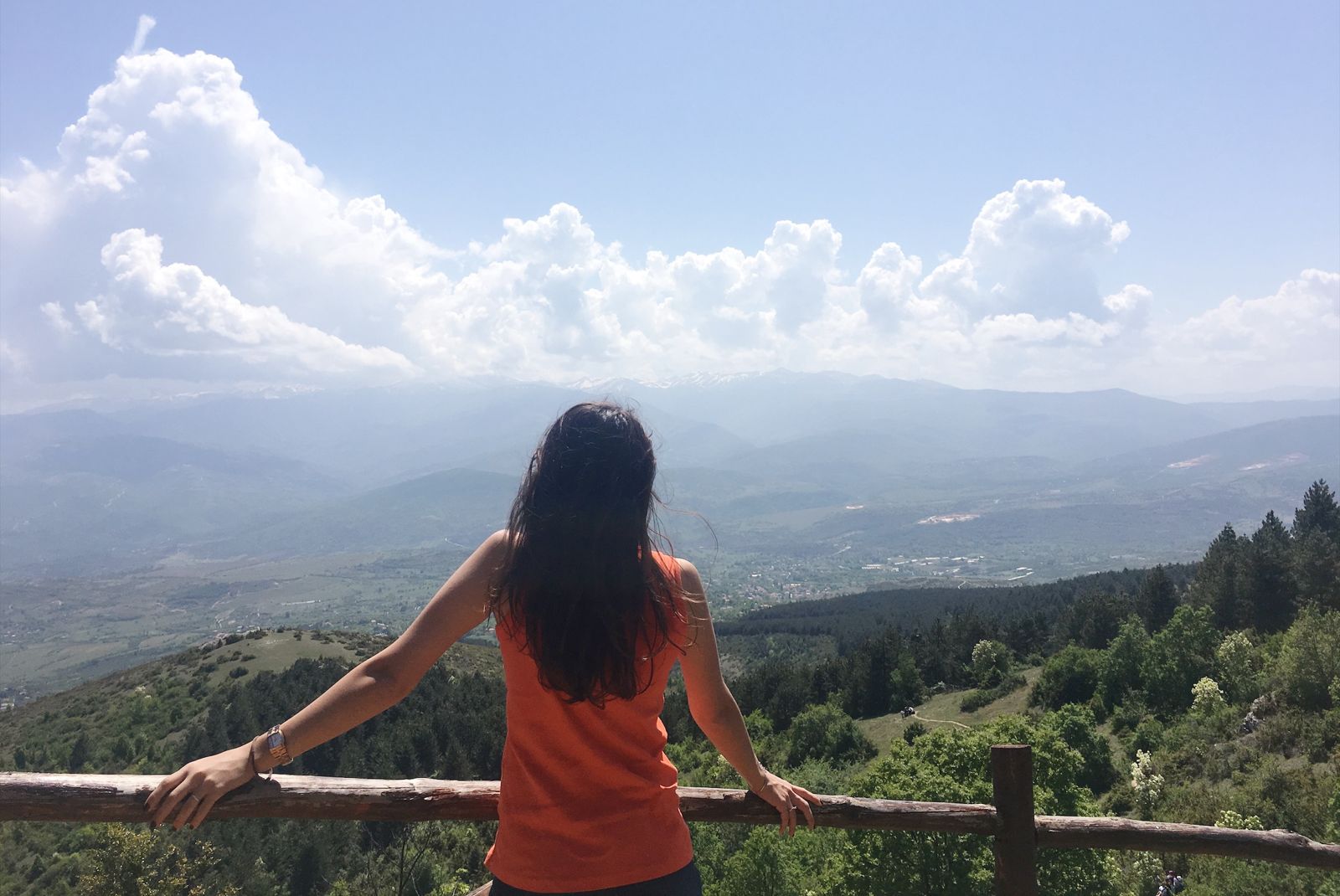
The famous Millennium Cross, 8 km from the city centre, was built on Mount Vodno, the highest mountain of the city, and is 66 metres tall. It was built in 2002 to commemorate 2000 years of Christianity. If you don't want to make a tiring hike to get here, you can go up by cable car. From what we saw, quite a lot of people like walking up too. For climbers, there's a route in the natural area.
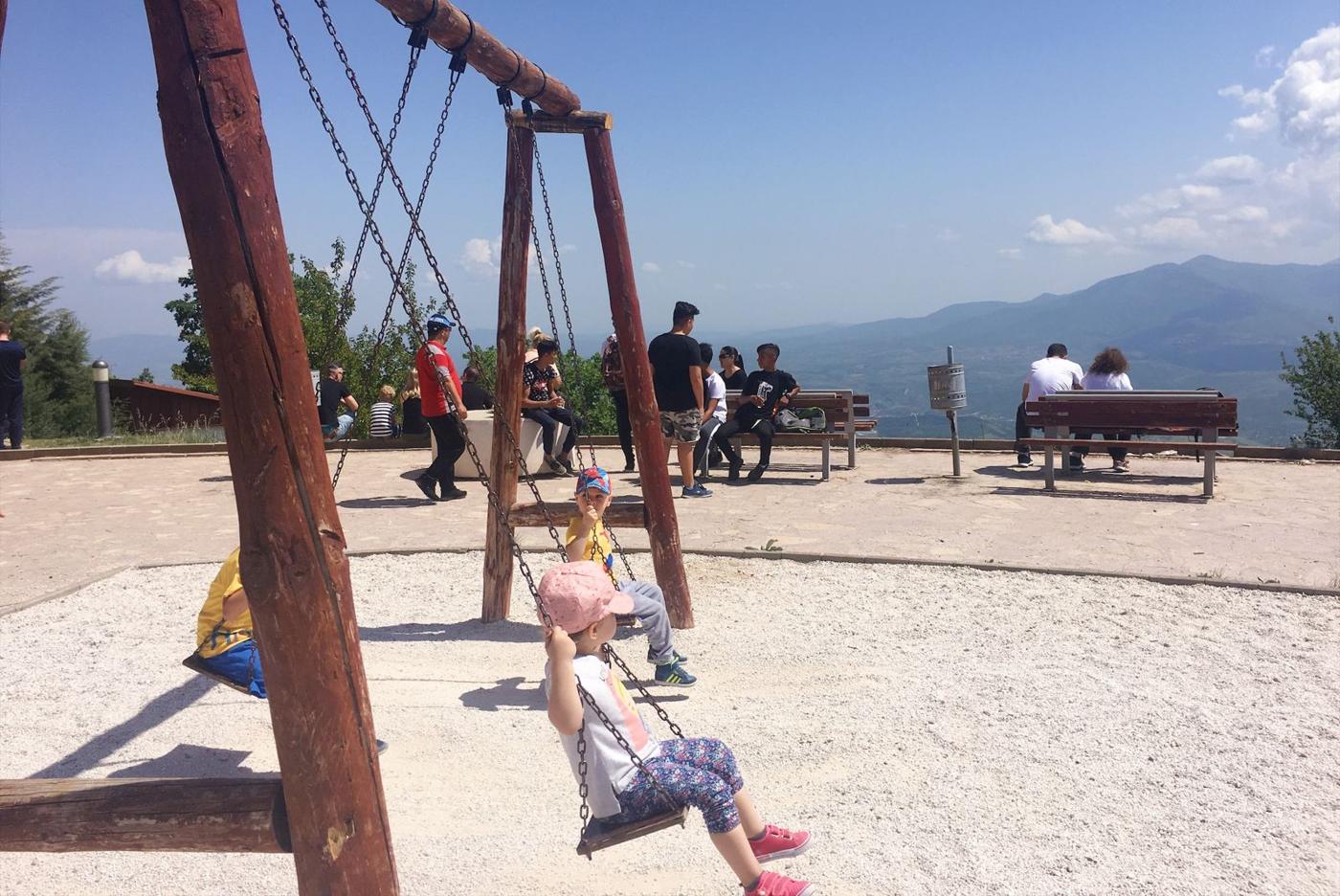
If you're going up by cable car, the return fare is 2€, and the 10-minute cable car ride is really lovely and exciting. Watch the city view from the top!
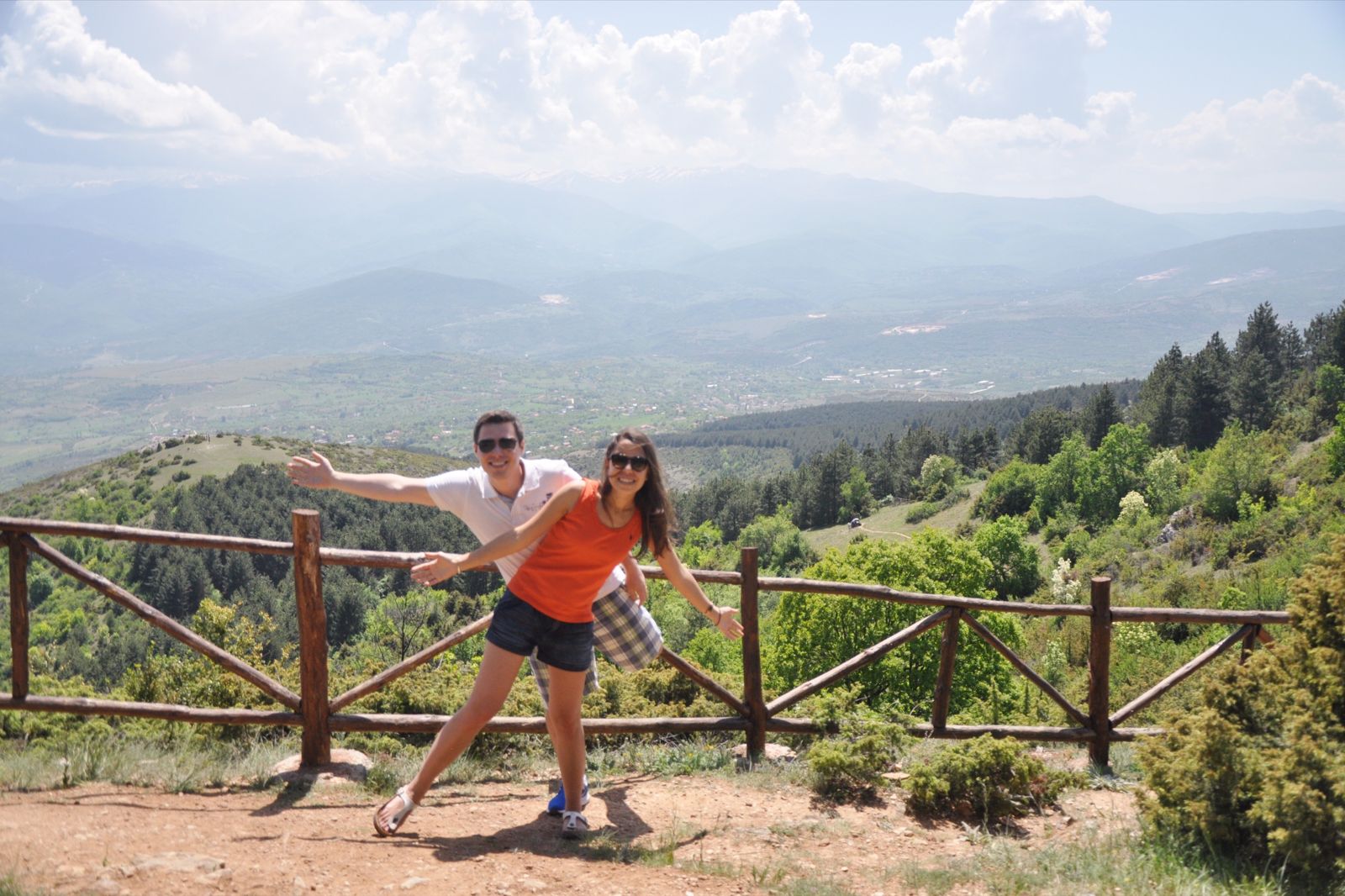
We were here at midday on 1 May. The picnic areas at the cable car entrance, the cable car, and the café and picnic areas at the top were all packed! Still, the swings at the very top and the verandas with mountain views are worth seeing.
Matka Canyon
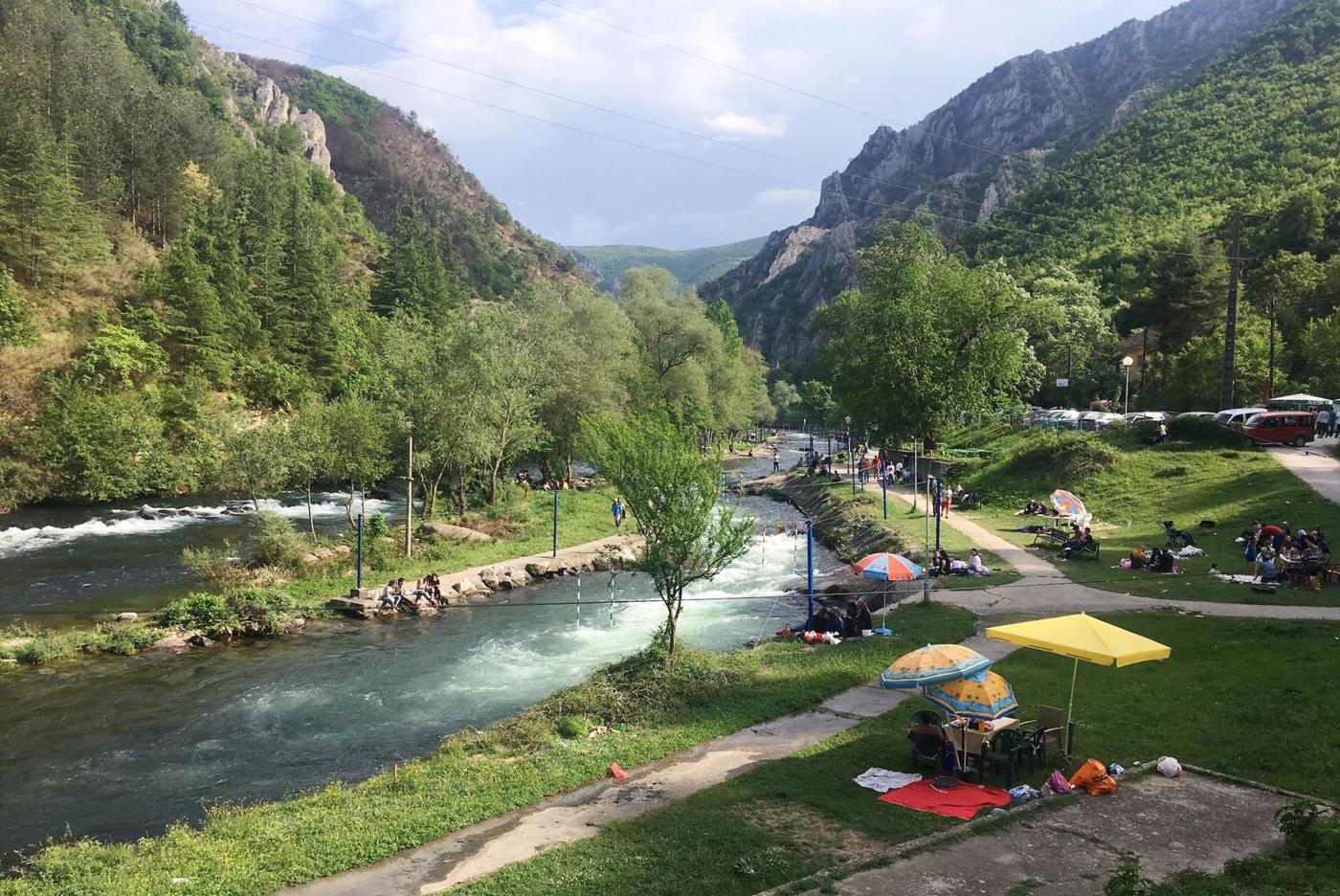
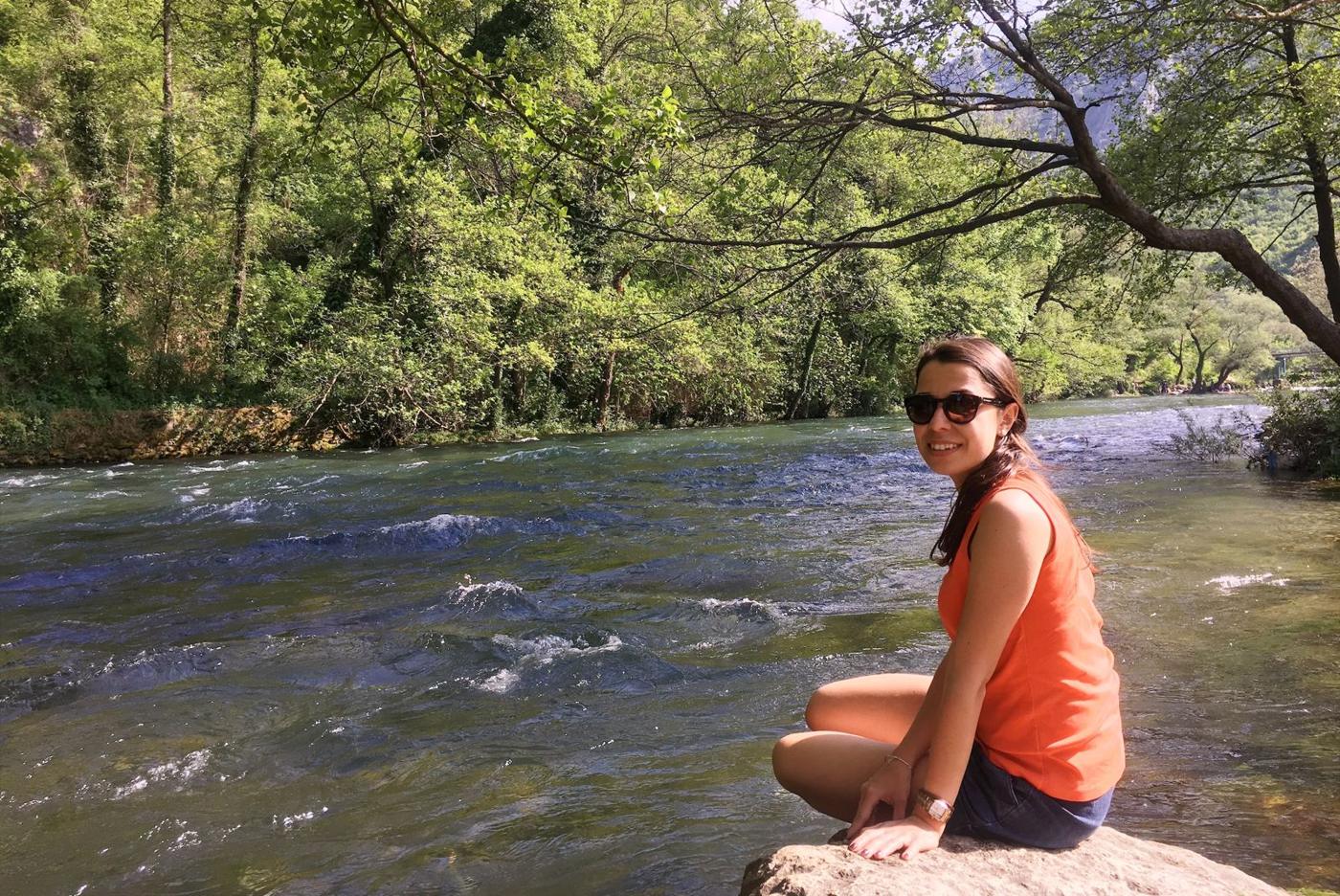
We put Matka Canyon on our route from Skopje to Montenegro. This magnificent canyon west of the city consists of a gorge and a lake. It also offers a great day trip for trekking lovers. It's home to various monasteries, walking trails and caves too. A wonderful place for those who want a nature escape from the city!
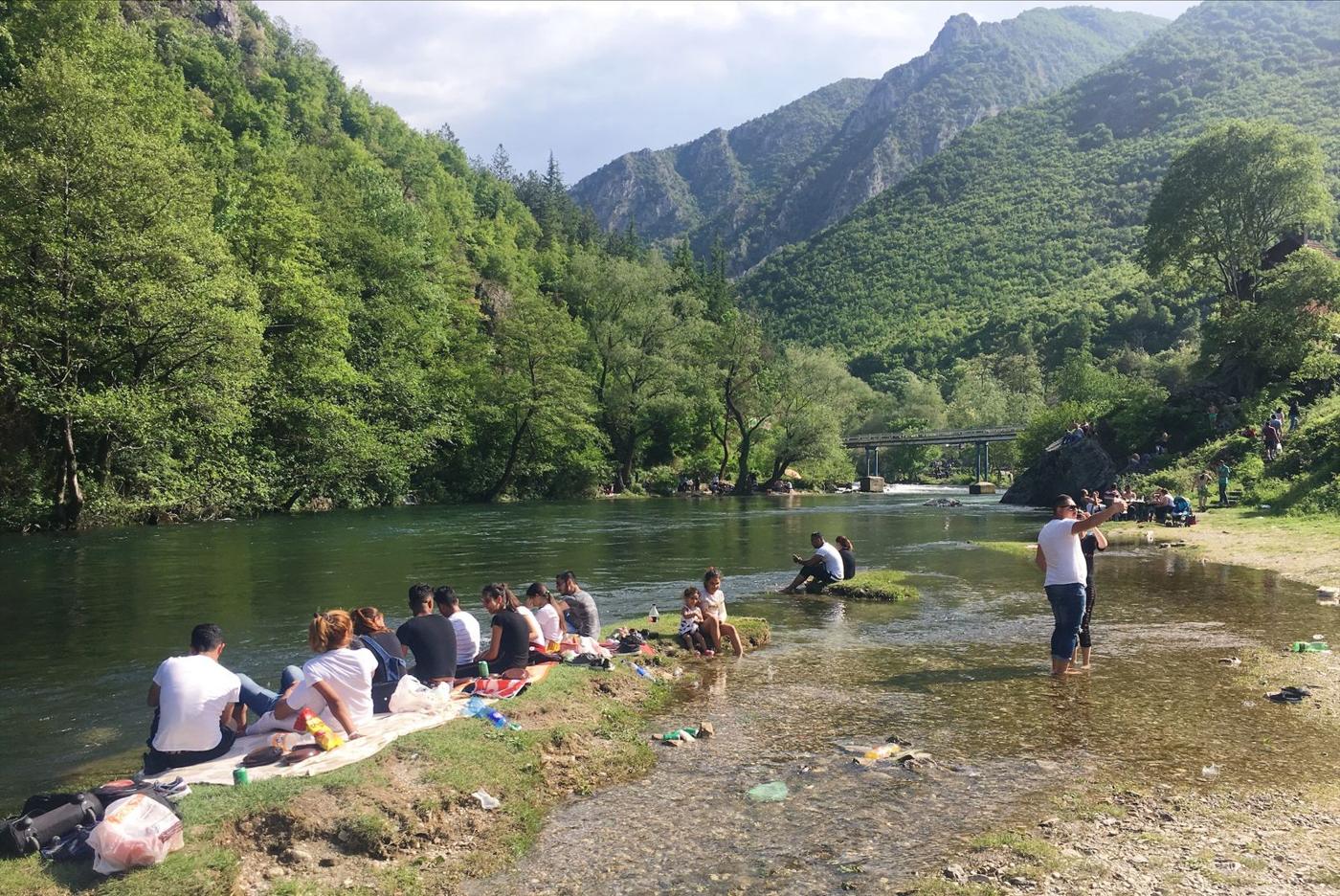
Matka Lake is very popular with canoeists and divers. You can hire a boat to see the caves, then have a delicious lunch or dinner at one of the restaurants on the shore.
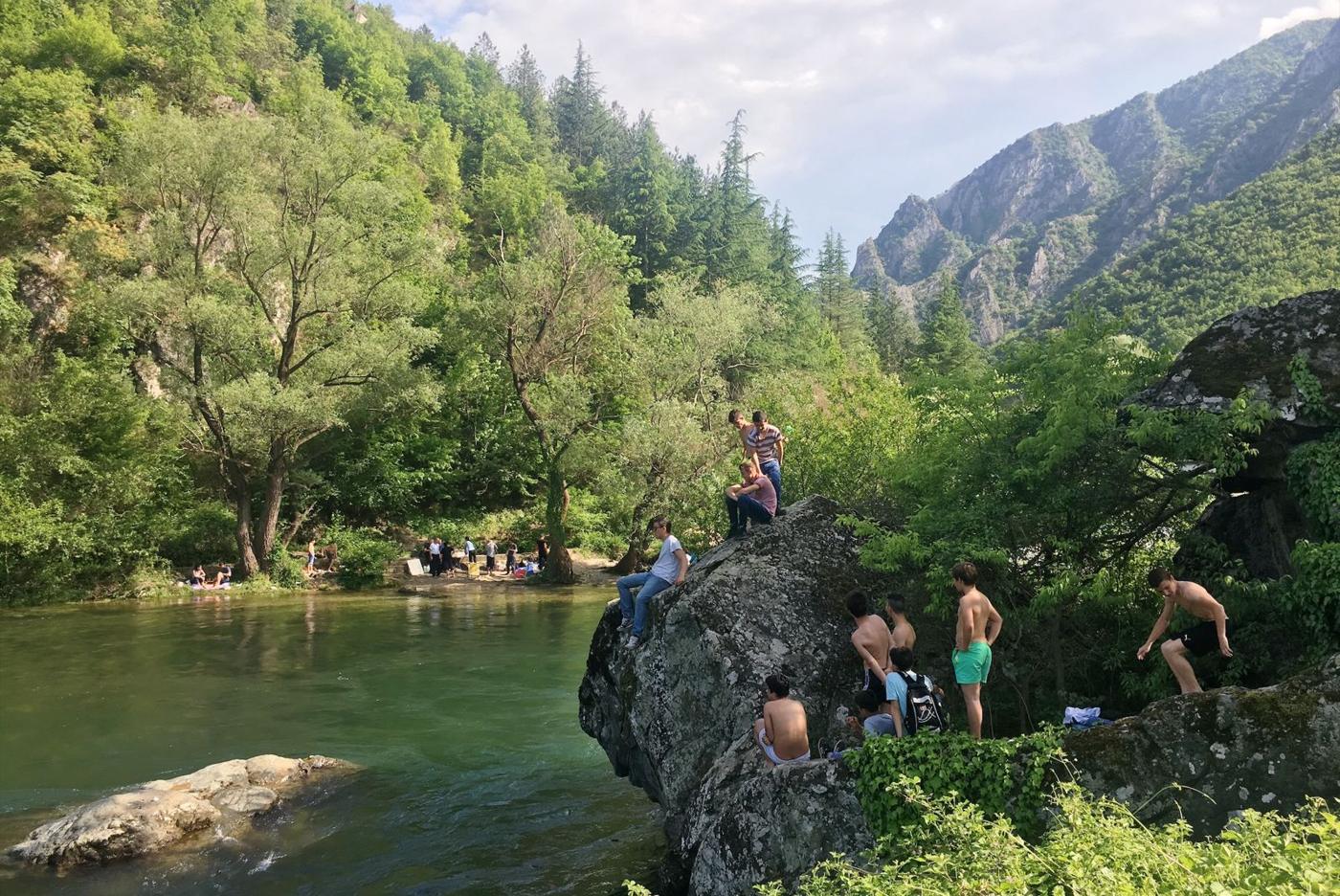
I'm sorry to say it: the Macedonian people don't value this place and carelessly pollute it.
 36 km
 76 km
 111 km