
When we think of winter sports, skiing and snowboarding are among the main sports that keep you lively. And in freezing weather! In 2018 we decided to learn to snowboard; a year before that we'd already tried skiing. Honestly, we recommend you try both. We're sure you'll enjoy each in its own way! As a couple new to both, we wanted to write about the pros and cons of each sport for you. We hope it gives beginners at least a little guidance..
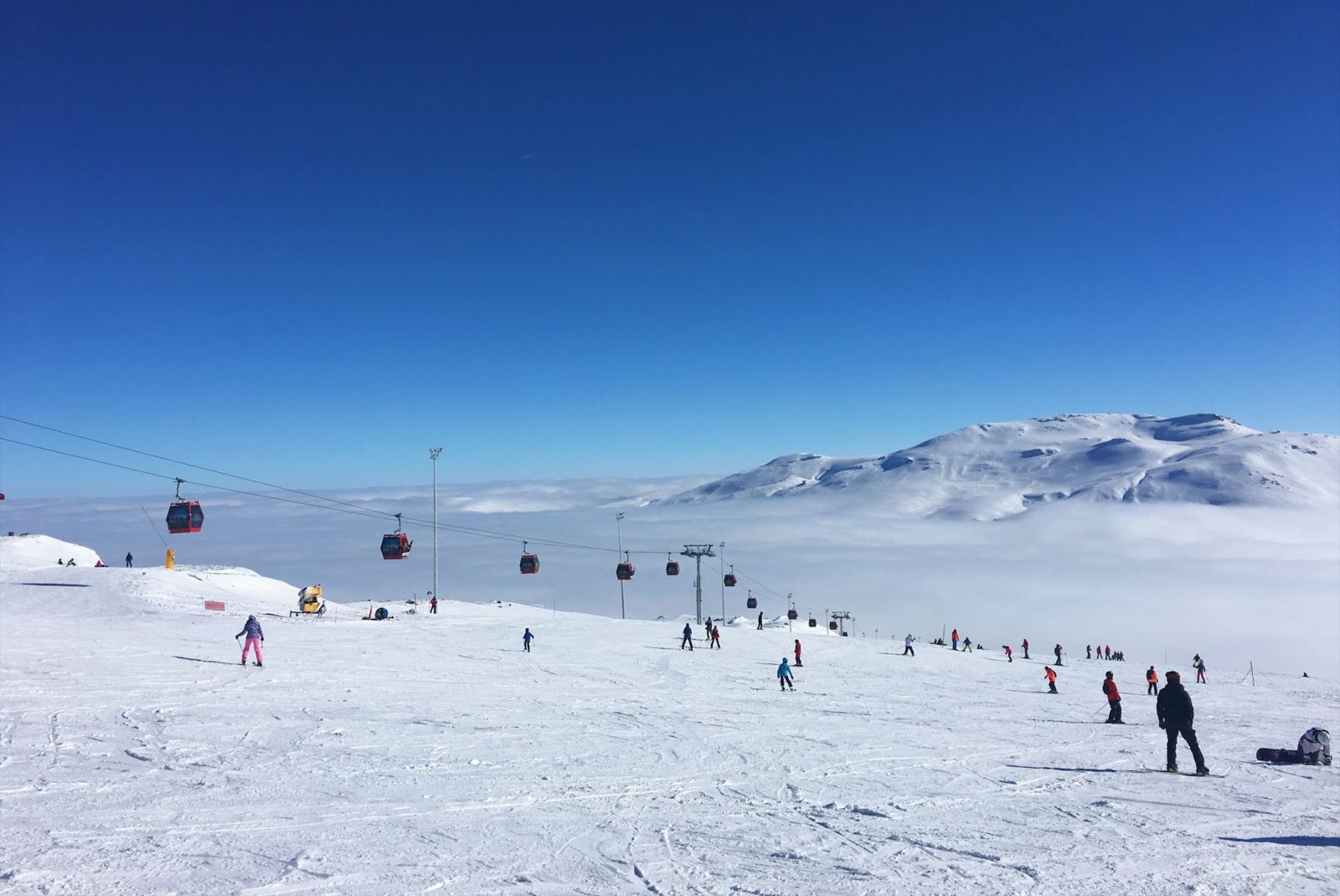
We don't ski or snowboard professionally, but we can't wait for next winter. As we said above, the adventure we started with skiing 2 years ago continued with snowboarding last year.
Before we started skiing and snowboarding, we thought there wasn't much difference between them. Of course, in whichever group we joined, the other one was being badmouthed. When we skied, the boarders were ruining the piste. When we boarded, they couldn't ride freely because of the skiers. 😂 Perfect for picking one and taking sides!
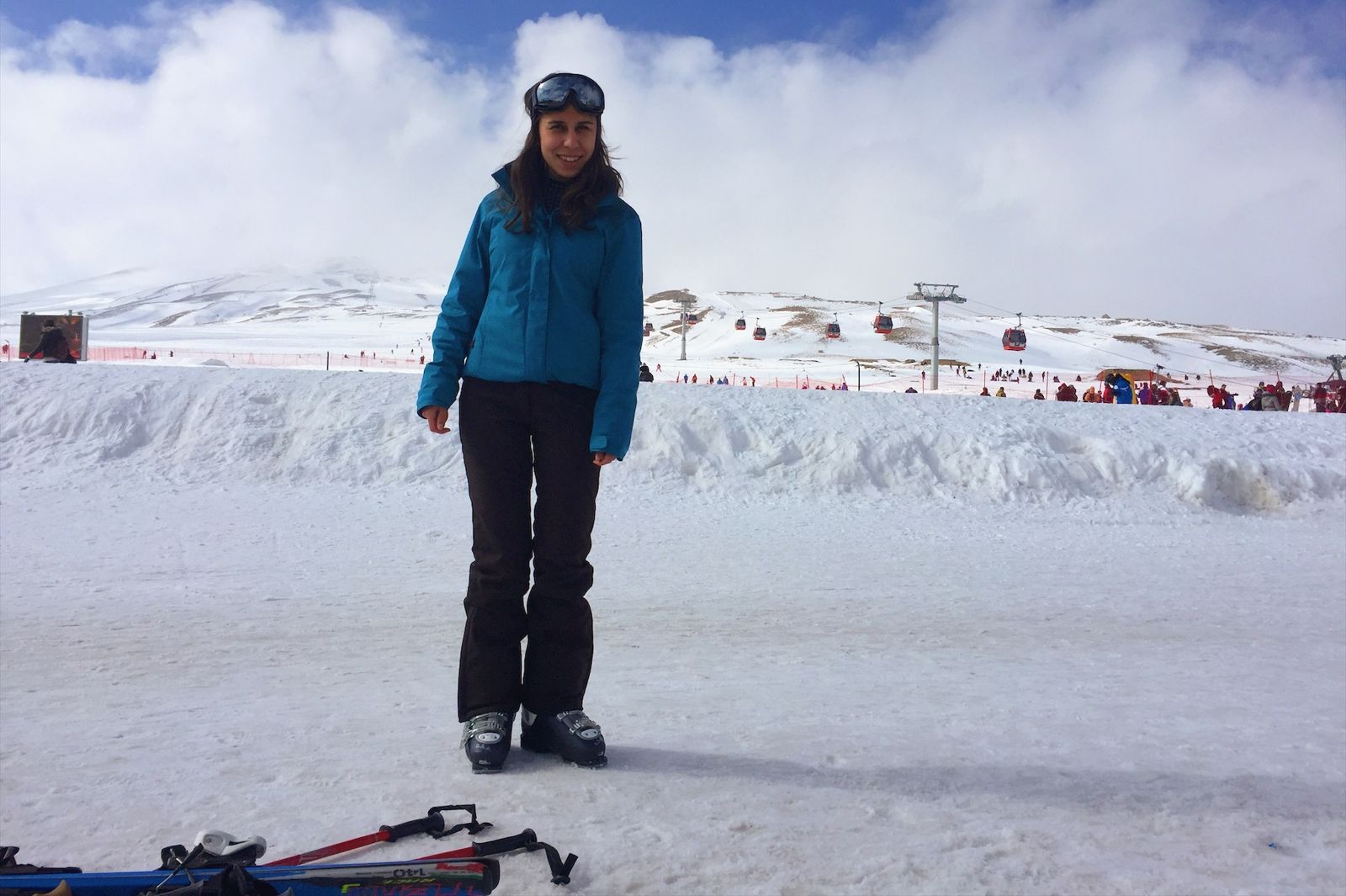
Of course they have physical differences, but to us they both seemed like different alternatives for getting you from the top of the mountain to the bottom, right? It turns out that's not really the case! 🤓 Maybe it isn't enough to choose one of them, but we'd like to share our experience. Here is the ski & snowboard comparison, with pros and cons:
Which Is Easier to Learn?
There's a common claim in the snow sports world: “Skiing is easier to learn but hard to master – snowboarding is harder to learn but easier to master”
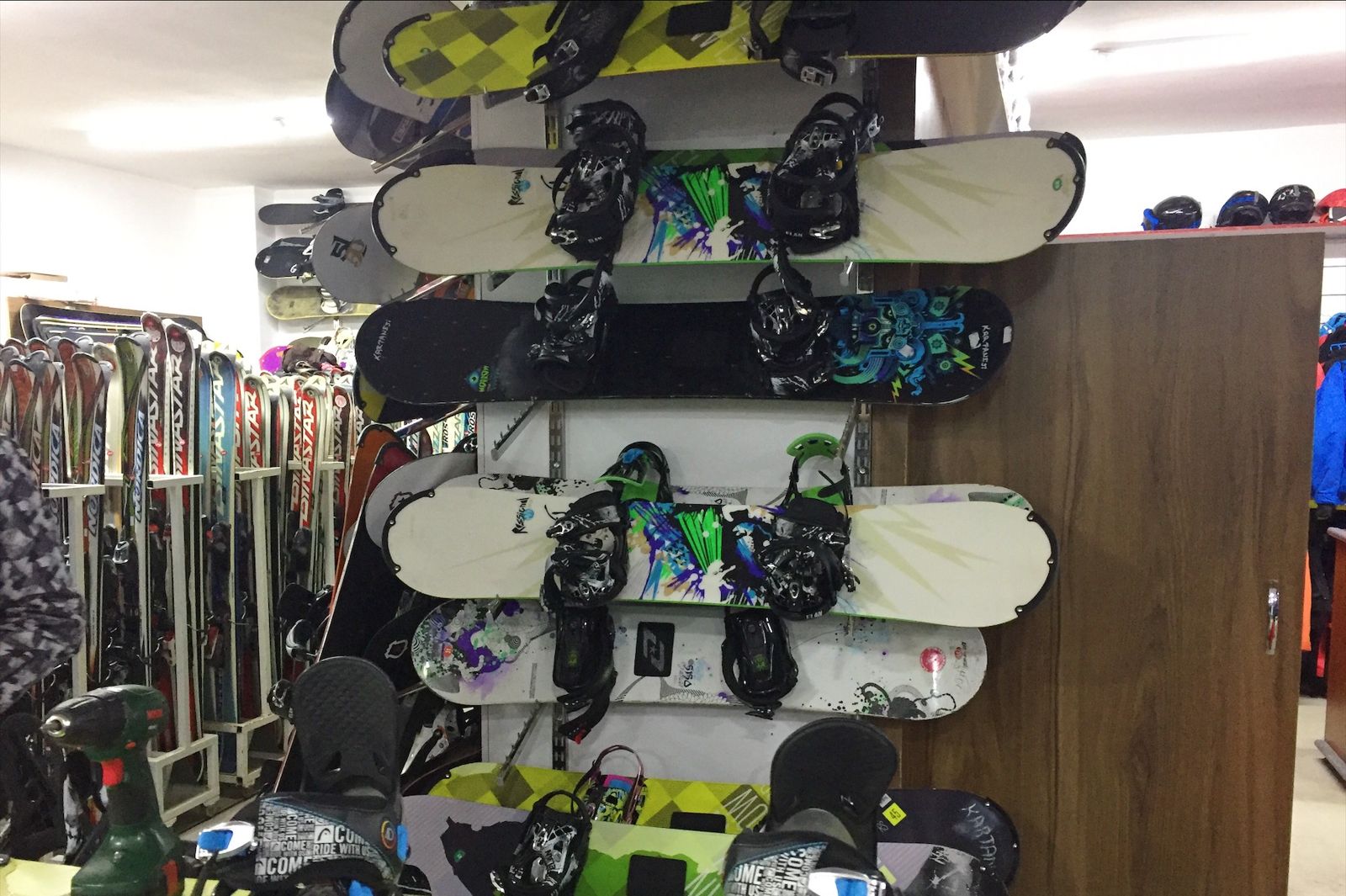
For beginners, the technical approach to skiing should be a bit more systematic and step by step. If you follow these steps you can learn easily, but improving your technique will challenge you a lot.
What snowboard beginners learn straight away on their first trip is riding on both the heel and toe edges. It may sound easy, but it's actually the hardest part, and once you've managed it you'll have mastered the simple logic of snowboarding, so you'll reach an impressive level quite quickly.
The First Few Days
For the first 2-3 days, as we said above, skiing is easier than snowboarding. Because skiing is more intuitive than boarding, and that can be a big factor at the start. This intuitive difference comes from two main reasons.
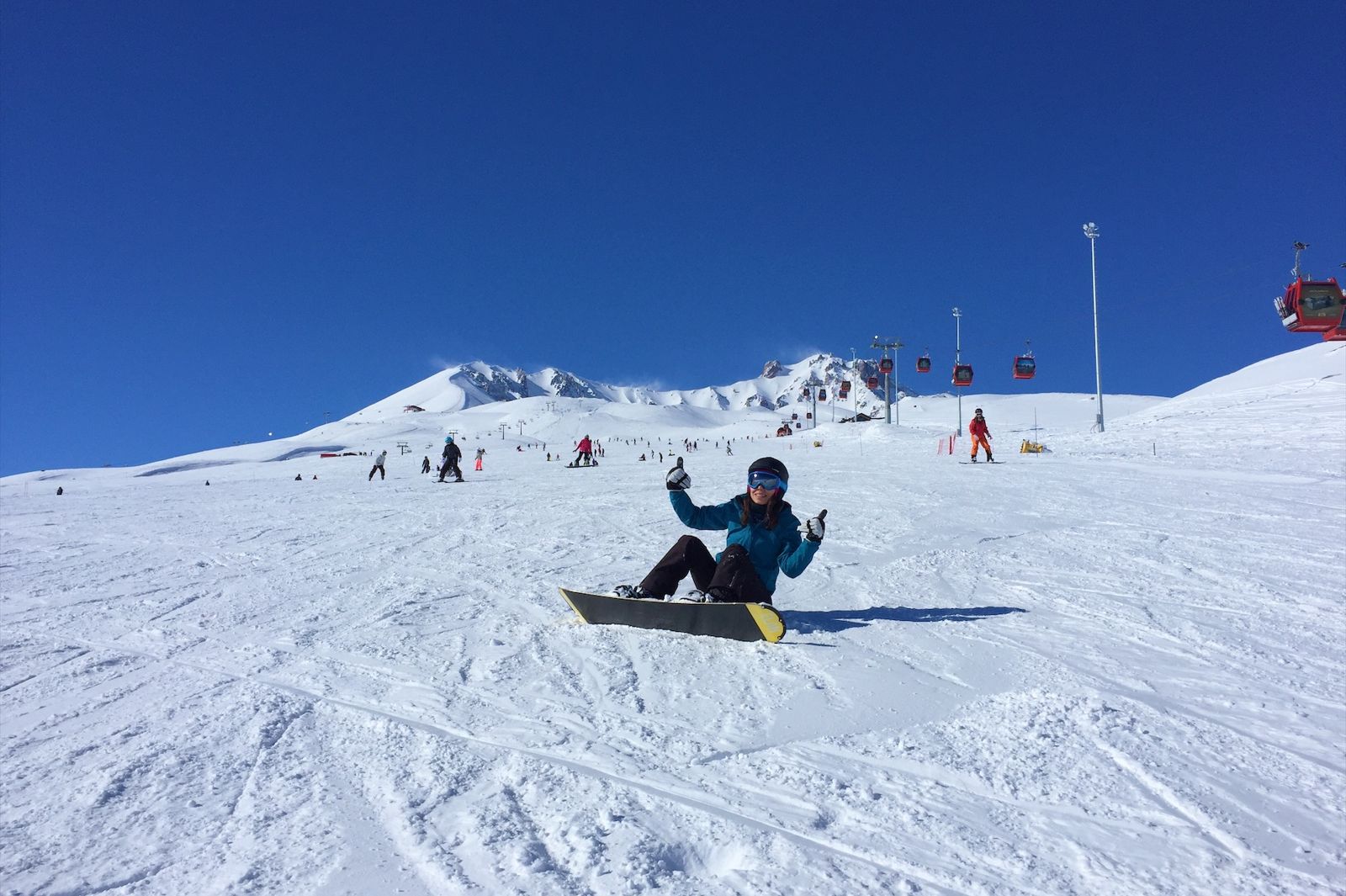
Leg Separation: When skiing, your legs stay apart at low speeds. When you lose your balance, you may have to fall to rebalance yourself, and on skis this can be by gently throwing yourself to the ground. But looking at it from the board side, since both your feet are fixed to the board, this can feel strange and hard at first. Because your range of movement is very limited, and of course it can take some time to get used to. An important point: falling on a board seems safer too! ☺ We fell so badly, so badly while skiing, that on the board it turned out to be quite easy to try to arrange yourself to land on your bottom. 🙈
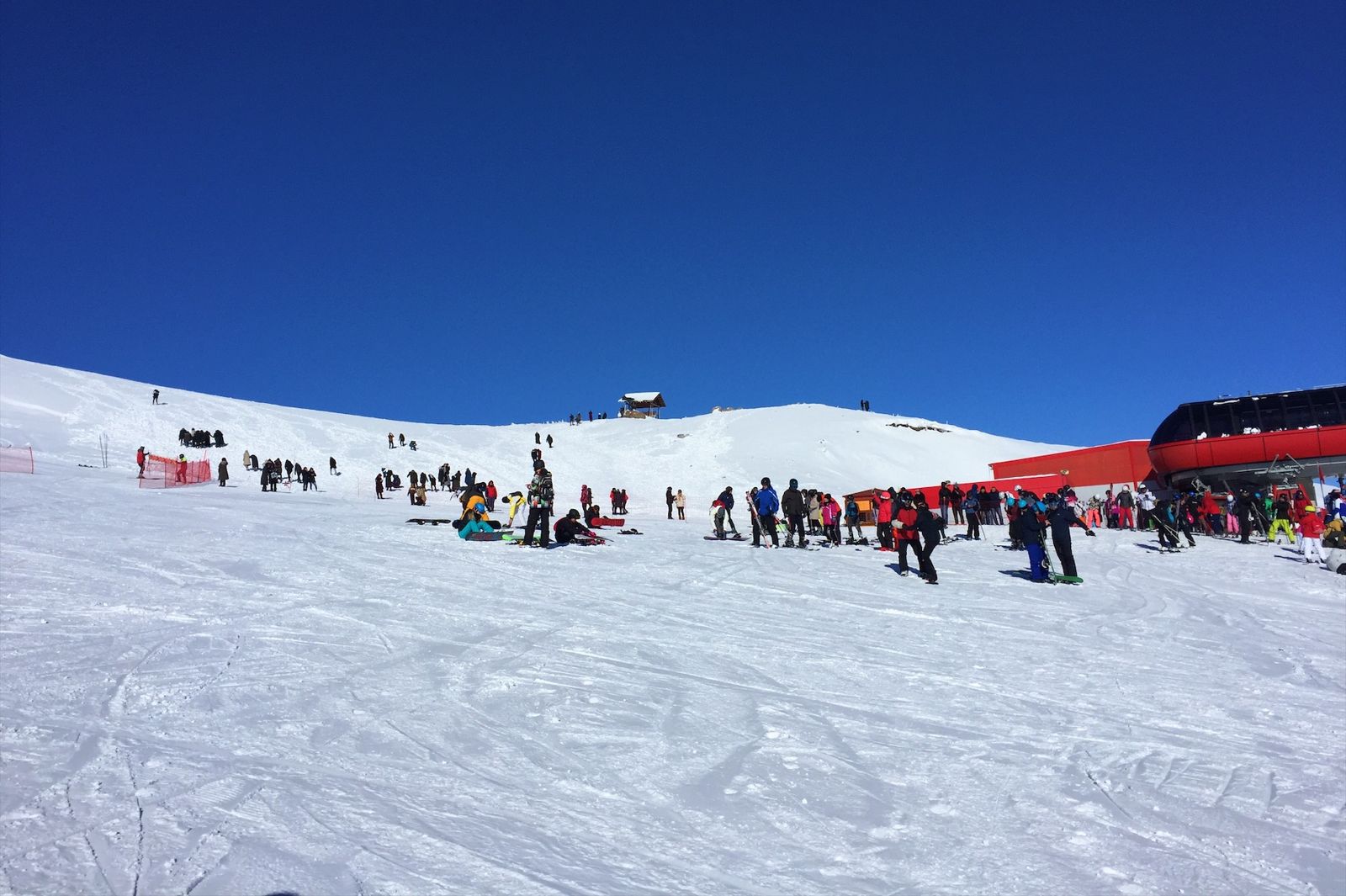
Body Position: When skiing, you need to keep your body in a straight position. Especially since beginners move at low speed, they can see what's going on around them and exactly where they're going. But on a board, your stance is at a 90-degree angle to your direction of travel. Since you stand sideways, your field of view is quite narrow and you can see 50% of where you're going downhill. Getting used to this at first is also quite hard. Because there are others riding on the piste besides you, and you need to stay constantly aware of your surroundings to avoid collisions.
After the Beginner Stage
Snowboard
Once used to the two situations we mentioned above, beginner boarders can progress quickly. Having your feet bound to the board feels strange at first but later turns out to be an advantage. Because on skis, keeping the skis constantly at a certain distance and angle is hard work.
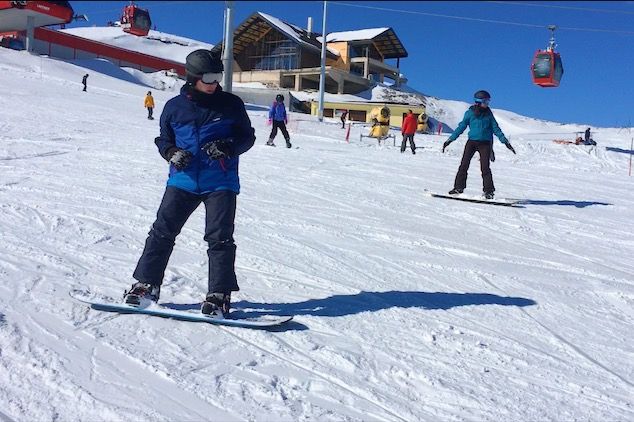
Even if it's hard at first, turning the board by rotating your hips and shifting the pressure in your ankles becomes very easy. Increasing speed after the turn while trying to keep your balance takes some practice. As speed increases, there's less contact between the board base and the snow, which increases the speed and ease of turning, so the turning movement gets even easier.
For most beginner boarders, the basics of getting down and making simple turns come from 3-4 days of hard work. So increasing your speed, refining things and moving up to the next piste takes some time. The rest is down to pushing yourself and your own ability!
Skiing
As we said at the start of the post, for skiers the difficulty begins after the first 2 days. Although having your two legs on two separate skis looks like an advantage at first, later on it takes some time to move both legs at once, symmetrically and in harmony.
Beginner skiers will make a snowplough by bringing the tips of their skis together. Once you learn to shift your balance and weight to the side you want while doing this, you can start making slaloms on the piste and enjoying the ride.
Unlike the fast progress of boarders, most beginner skiers gain enough skill to move forward with the snowplough after 2 days. After that, progress is harder, but the more you push yourself, the more you'll improve.
Fitness
To be a good skier or boarder you need to be quite fit. At the start, though, skiing is a bit harder on the legs and thighs. Whereas boarding needs more strength, since it depends more on upper-body rotation and balance. If you do either skiing or boarding, it's worth doing the following.
Skiing
Cycling is a recommended alternative, especially for skiers. Because it strengthens the legs but has a lower impact on knees and joints than running. General leg-strengthening exercises will also help.
Board
Strengthening exercises focusing on the abdominal muscles and the lower back improve overall fitness and balance. There are lots of examples of core exercises, from simple exercises to pilates.
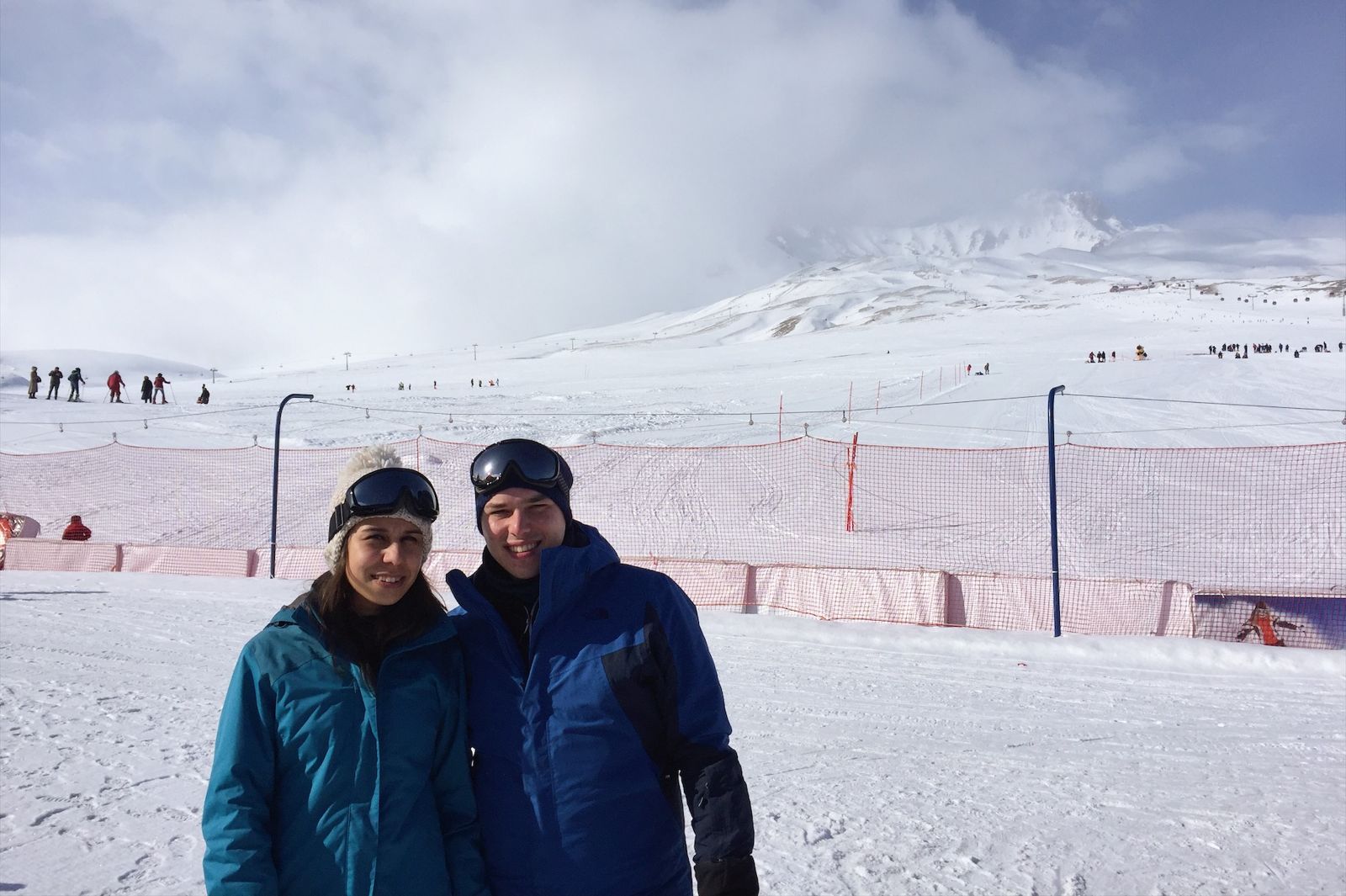
Another thing to keep in mind is that beginners usually fall more often and harder when boarding. So if you're young or physically fit, boarding can help you adapt quickly and raise your fitness.