Our Moscow trip, confirmed a week before the Ramadan holiday, was going to be part business, part sightseeing. We would fly out on Friday night, spend all of Saturday exploring, and fly back on Tuesday evening, so we wouldn't lose a single day.
Before the places to see, below you can read how to get to Moscow, what to do, what to eat and other useful information. Here is our detailed Moscow travel guide!
Things to Know About Moscow
The city turned 960 in 2017. After the fall of the Byzantine Empire, Moscow became the religious centre of the Orthodox world. Known as the Third Rome, it has played an important role in Russian history for this reason.
Once the centre of the Soviet Union, today it is the capital of modern Russia, with its new elites and the atmosphere they bring. There is a lot to discover in this metropolis that holds every side of Russia.
According to 2017 figures, Moscow's population has reached 14 million. Thousands of tourists arrive in Moscow, the heart of Russia, every day by land, air and water, and the number keeps growing.
The city has 3 airports, 9 railway lines and river ports connecting it to the rest of the world. By river you can reach the Black Sea, the Baltic, the Sea of Azov and the Caspian Sea.
Moscow has a continental climate. Snow starts in November and stays on the ground until April. The average temperature is 7 degrees and it rains for much of the year. The sun can be shining one moment and you can be caught in a sudden shower the next. During my 3-day trip I always kept an umbrella in my bag, and it saved me from getting soaked twice. :)
You could call this city an open-air museum. It is full of huge churches, palaces and parks.
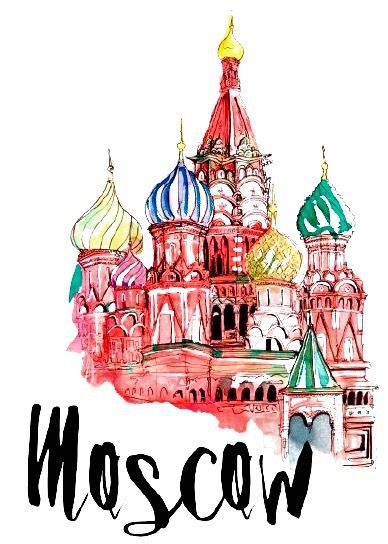
Places to Visit in Moscow
Russia has been home to many historic events and, as one of the old civilisations, holds many important and beautiful treasures. Moscow, its capital, is home to most of them. A city steeped in history, Moscow also has wonderful city parks. Muscovites get to enjoy every day the greenery and calm we miss so much in Istanbul. And although it is a huge city, the historic sights are close to each other, which makes touring very practical. Still, be warned that there is a lot of walking!
Moscow in 72 hours Click the link to reach our detailed list of places to visit, the follow-up to this Moscow travel guide.
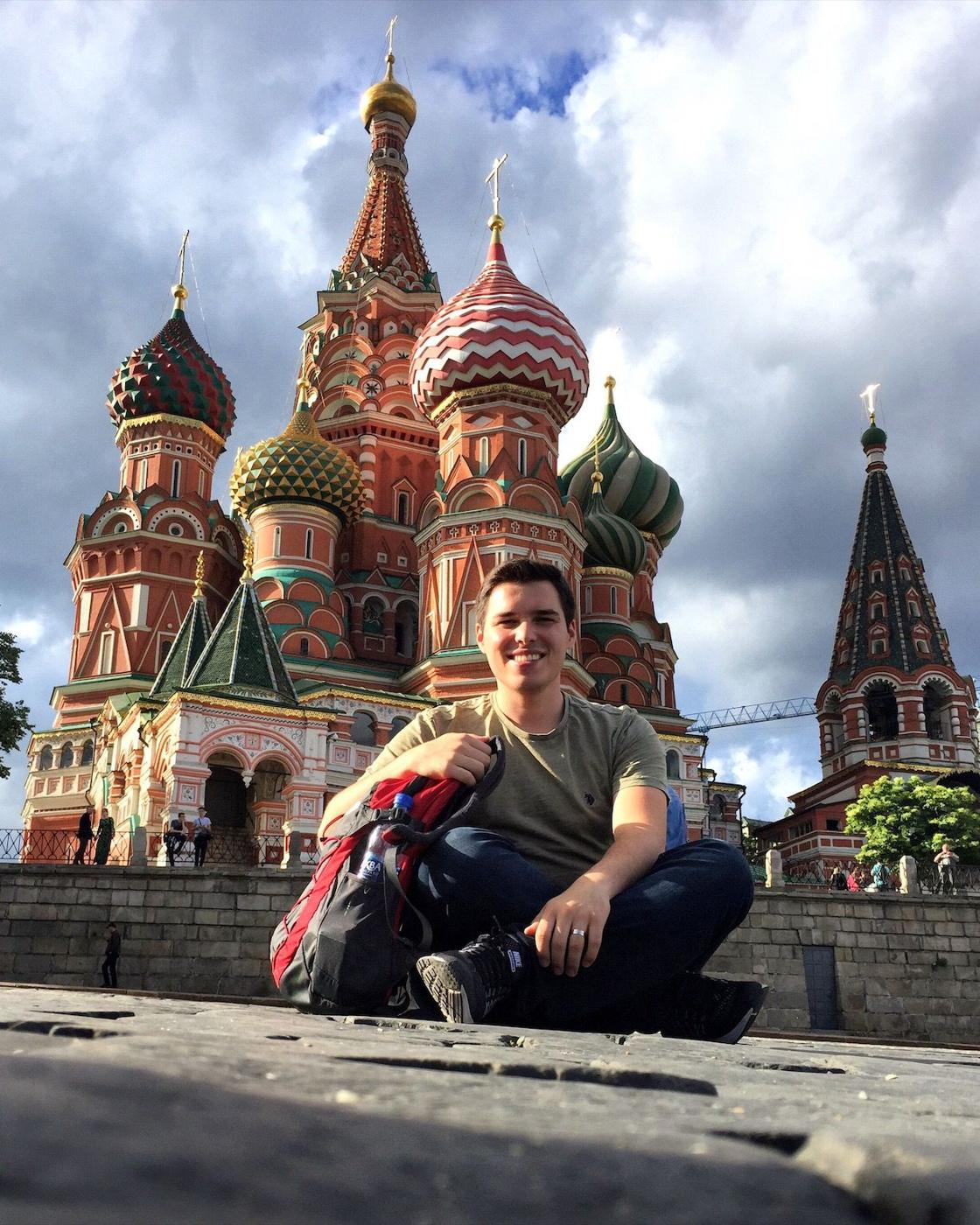
Where Is Moscow?
The city lies between the Oka and Volga rivers. At an average of 150 metres above sea level, Moscow is the smallest city in Russia by area.
When to Go to Moscow?
Looking at both flight prices and the weather, spring and autumn turn out to be the best times for Moscow. These seasons really are very good: temperatures range from 15 to 25 degrees. Evenings can be a little cool, but to avoid the high summer prices, spring and autumn are also ideal for a traveller's budget.
From November to March you can expect a long and hard winter. On some days you may not see the sun for even an hour. As much as I love discovering new cities in winter, Moscow looks like a hard one to add to that list. But if you're brave enough to go in winter, you'll find rock-bottom prices.
How to Get to Moscow?
The city has 3 international airports in total: Domodedovo International Airport (DME), Sheremetyevo International Airport (SVO) and Vnukovo International Airport (VKO). Of these, Domodedovo is the busiest and is known as the most modern. Flights from Istanbul take 3 to 3.5 hours. The airlines flying from Turkey to Moscow are Turkish Airlines (IST), Pegasus (SAW) and Aeroflot (IST). Onur Air (IST) also flies to Zhukovsky International Airport (ZIA) in the Moscow Oblast.
We chose Aeroflot because of the price, and I'd say their service is close to that of Turkish Airlines.
Where to Stay in Moscow?
Moscow has countless hostels and hotels. But don't expect hotel service like in Turkey. Since we were on a business trip, we stayed at the Holiday Inn Lesnaya, and we weren't very impressed with the quality for the price.
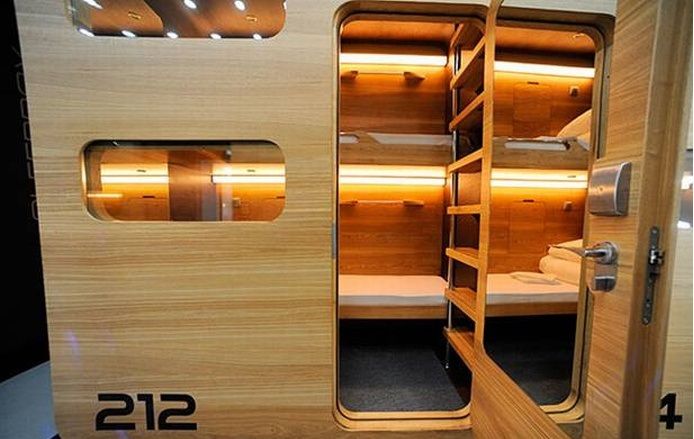
In terms of location, Tverskaya, Arbatskaya and Belorusskaya are ideal. There are countless affordable hostels. If you want a more unusual experience, you can stay in one of the famous capsule hotels that originated in Tokyo. Besides hostels and hotels, you can also use the increasingly popular Airbnb for accommodation.
Getting Around Moscow - Airport & City
Most of Moscow's sights are within walking distance of each other. The city is so well planned that everything you want to see is connected by avenues. But walking around a city with such enormous, wide avenues isn't for every traveller! :) Don't worry, there's no need to rent a car: buy a metro ticket and go wherever you like. There are trams, the metro and taxis, but I'd suggest skipping the roads here too, as I never like them when travelling. Trams and the metro are the best! They are the best of public transport!
Also, since the city is full of rivers, ferries are another way to get around, and there are ferries for sightseeing tours as well. We didn't take these boats, which are fully enclosed for security reasons. But while walking in Gorky Park we saw many tour boats. These fun-looking boats decorated with ads for different brands could be an option for you; here is an example:
Domodedovo International Airport
Domodedovo International Airport, Moscow's most modern airport, is also known as the largest airport in Russia. It is 34 kilometres from the city.
You can get from the airport to the city by public transport in comfort and cheaply. In our view, the train is the only way to go here. You can also reach the city centre by bus or by the minibuses called "marshrutka". Otherwise you can rent a car, or take a taxi if you're really stuck. But let us warn you now that you risk being ripped off with a taxi.
If you decide to take the train, as of 2017 an AeroExpress ticket costs 420 roubles online or 500 roubles at the station and takes you to "Paveletskaya" metro station. From there you can change to metro lines 2 and 5.
The Aeroexpress runs every 30 minutes between 06.00 and 00.00. Aeroexpress is the name given to the fast trains. The trip takes about 45 minutes; if you want to make it cheaper, slower trains that take over an hour also leave from the same terminal for the same place. It's your choice after all :)
Sheremetyevo International Airport
About 29 kilometres from the city centre, Sheremetyevo is the second largest airport in Moscow and in Russia. It has 5 terminals in total, split into 2 groups. Free airport shuttles run between the groups.
Although Sheremetyevo is not far from the city centre, the roads that connect it to the city are among the busiest in Moscow. So travelling by road can take hours because of Moscow's traffic. Here too we recommend the AeroExpress. You can still choose alternatives such as a regular bus, minibus, taxi or rental car.
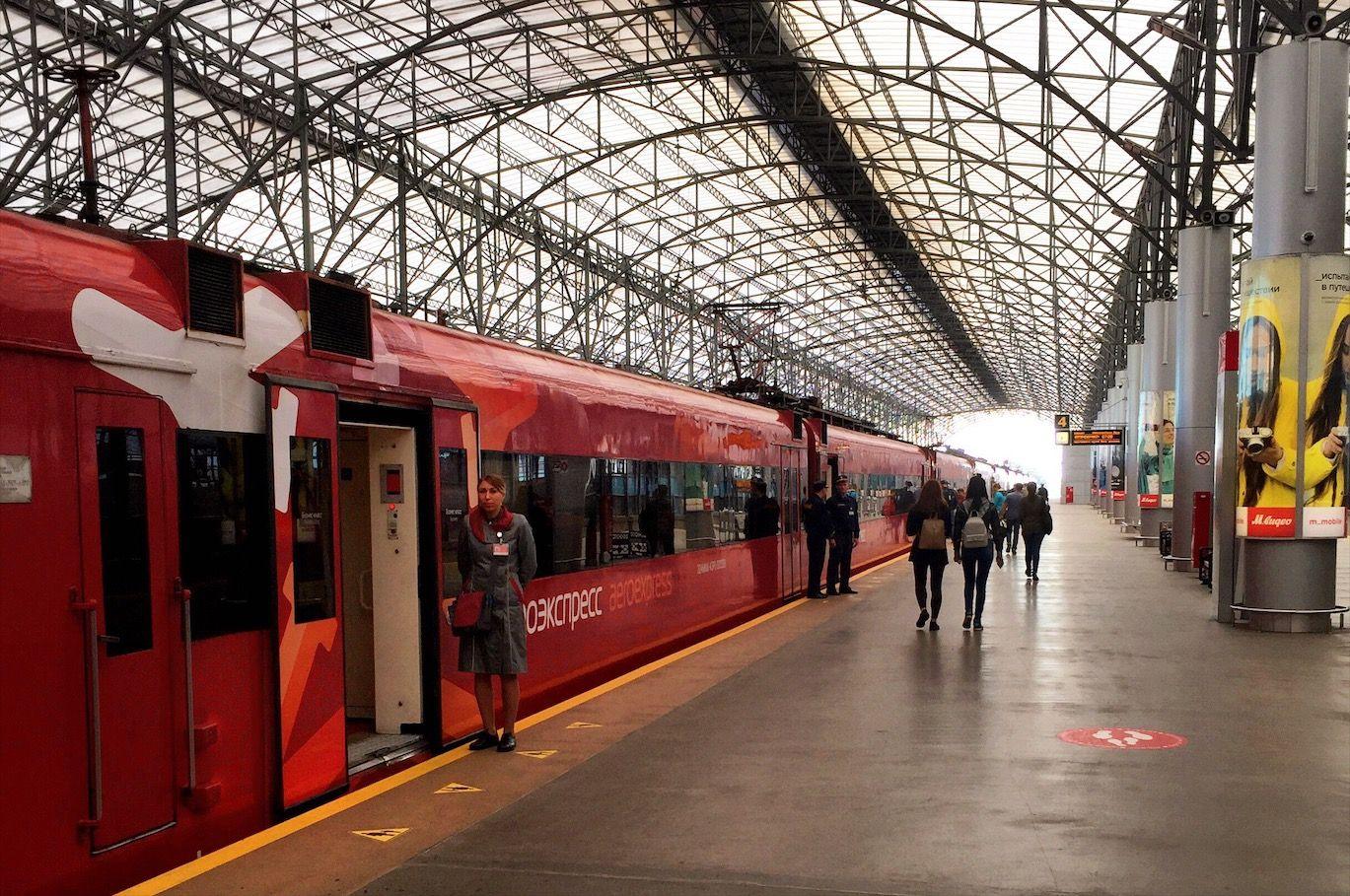
Here too, an AeroExpress ticket for 420 roubles online or 500 roubles at the station takes you to "Belorusskaya" metro station. From there you can change to metro lines 2 and 5. The express train runs every 30 minutes between 05.30 and 00.30 and gets you to the city in 35 minutes.
Vnukovo International Airport
Vnukovo is not as big as Sheremetyevo and Domodedovo in Moscow's air traffic, but it keeps growing, and since it is close to the metro you can reach the metro by bus or minibus. It takes about 20 minutes to get from the airport to the metro.
If you want to avoid the traffic, the AeroExpress train we recommended for the other airports is an option here too. With the train you arrive at "Kiyevskaya" metro station. From there you can change to metro lines 3, 4 and 5. The express trains run every 30 minutes between 06.00 and 00.00 and get you to the city in 35-40 minutes.
Getting around the city
Most of the places you need to see in Moscow are within walking distance of each other. But to properly explore such a big city you have to use the metro or buses. As a public transport lover, I definitely recommend the Moscow metro. After using the Moscow metro, it's hard not to look at Istanbul and sigh.
Most importantly, before you go, download the Moscow Metro and maps.me apps on your phone, and you can easily get where you're going by marking places in advance or on the spot. They work without internet, so they are lifesavers. For the PDF version of the Moscow metro map, click here!
Getting around the city/metro
As I mentioned above: Moscow equals metro. The Moscow metro, one of the few great metro systems in the world, has 12 lines and 182 stations in total, and it is a very good option for getting around the city in terms of speed, connections and price. During my 4-day trip I took the tram once or twice; otherwise I used the metro all the time. In fact, as you'll see in my list of places to visit, I spent my whole last day touring metro stations.
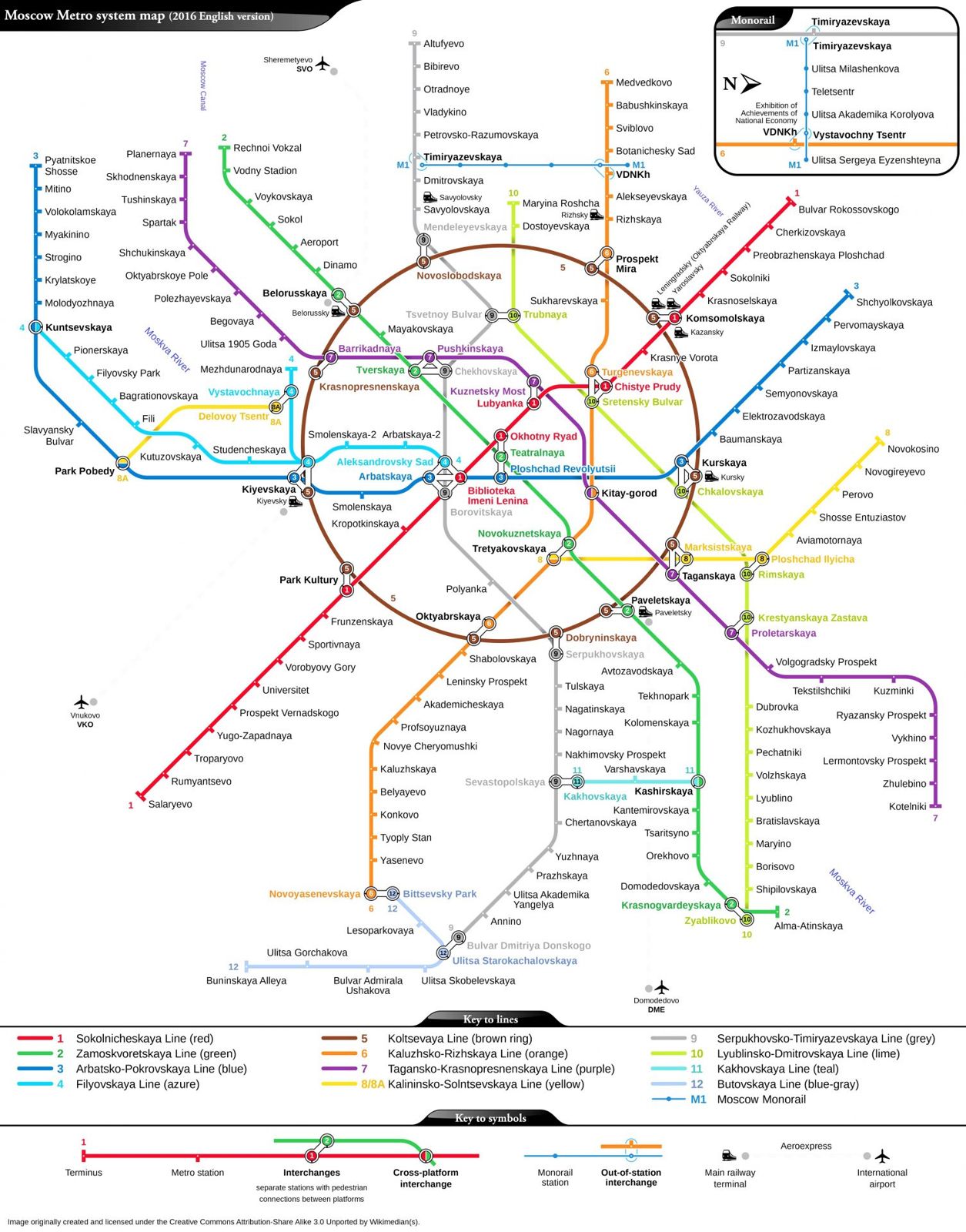
As of 2017 a single ticket costs 55 roubles, but if you plan to use it often there are cards for 20 to 60 rides. I chose the 20-ride card, which costs 720 roubles. Fares don't depend on distance. For a standard fixed fare, as in Turkey, you can travel from any metro station to the one you want. Transfers are free too.
The metro is open from 05.30 to 01.00; trains run every 1-2 minutes during the day and every 10 minutes at night. Since signs with station names, entrances and exits and train directions are only in Russian, I recommend getting a map that has both Cyrillic and English characters.
The metro has another interesting feature: when the announcer is a man, the train is heading towards central Moscow; when it's a woman, the train is heading out of the centre. On lines that don't go to the centre, a man's voice means the train is going clockwise and a woman's voice means it's going anticlockwise.
Moscow Cuisine
Let me say up front that you shouldn't set your expectations too high here. You can't really say Russians have a food culture all their own. Russian cuisine includes recipes from neighbouring cuisines such as Georgian, Balkan, Turkish, Kazakh and Ukrainian, and because there are so many rivers and lakes, a lot of seafood is eaten. We tried different flavours in Russia and found Italian pizzerias and French patisseries. 🙂 Still, here are a few of the things we tried:
Shchi (щи)
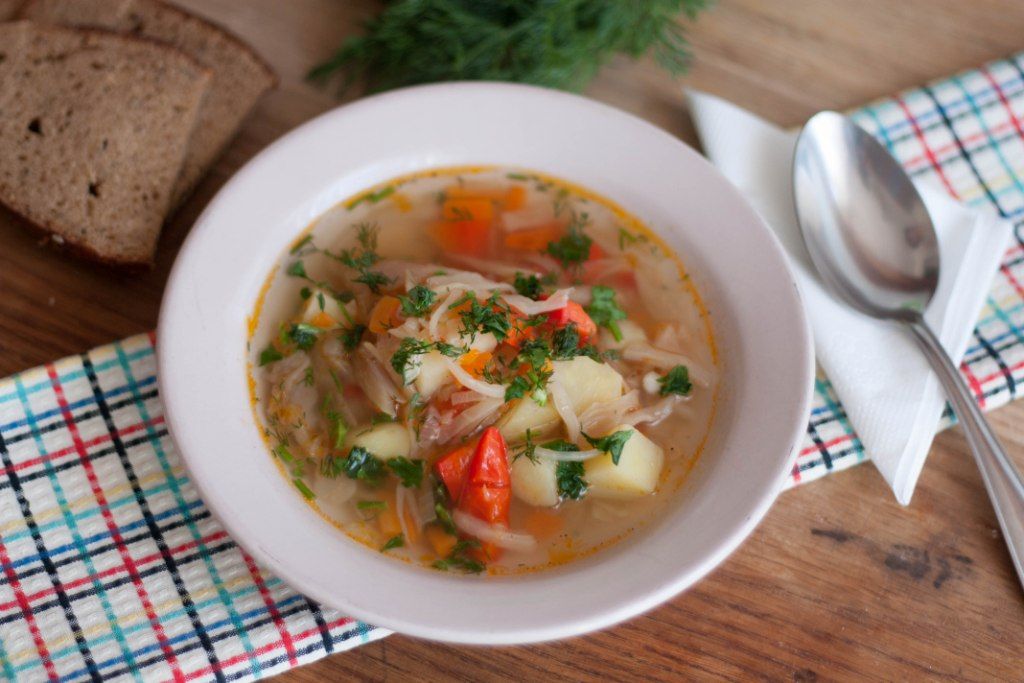
Soups have a special place in Russia, and the cabbage soup they call Shchi (щи) is the Russian national dish. Its history goes back more than a thousand years; it is made by enriching cabbage with vegetables such as onion, carrot, celery and mushrooms. The original recipe has no meat, but some places add it.
Pelmeni
It wouldn't be wrong to call pelmeni the Russian version of manti. The dough is filled with meat, mushrooms or chicken and boiled. But pelmeni are bigger than our manti. The ones without meat are called "vareniki" and are mostly made with a kind of Russian cheese called "tvorog".
Khachapuri
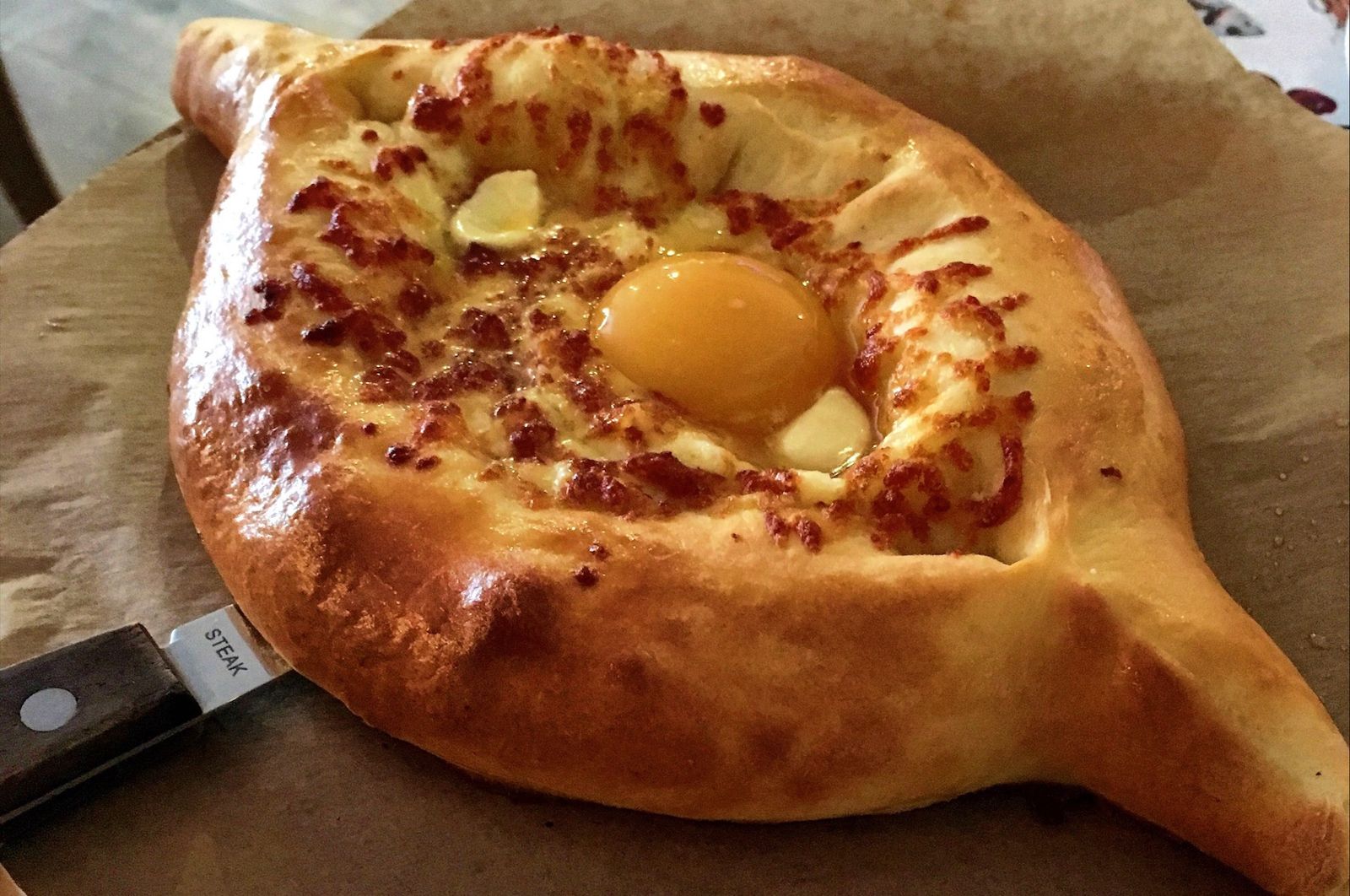
Khachapuri, a Georgian dish, is similar to the Black Sea-style cheese pide. There are several kinds. The one taken out of the oven just before it's done, with an egg cracked on top and baked a little longer, is especially good.
Teremok
A classic Russian fast-food chain. Teremok is famous for its many sweet and savoury crêpes and is a popular stop for its other dishes too. At this cheap and very common restaurant you can also try Russian soups and dishes like pelmeni.
Ice cream
We recommend trying the crème brûlée, vanilla and cocoa ice creams made especially at GUM. For these ice creams, which cost 60 roubles, just look for the long queue at GUM. On the streets of Moscow, Kyrgyz and Uzbek women also sell them from small glass kiosks. Here is what these ready-made cones look like:
Russians apparently love ice cream so much that they eat it summer and winter. It is creamier and richer than what we're used to, but worth trying.
Finally, did you know that the Russian salad was actually invented by a Frenchman, not a Russian? The Russian salad was the recipe of Lucien Olivier, head chef of the Hermitage, Moscow's most famous restaurant in the 19th and 20th centuries, and in Russia it is called "Olivier salad" (салат Оливье).
Paul Cafe
Part of a chain that grew out of French bakery and patisserie culture, this inviting and relaxed café has quickly become a favourite in Moscow.
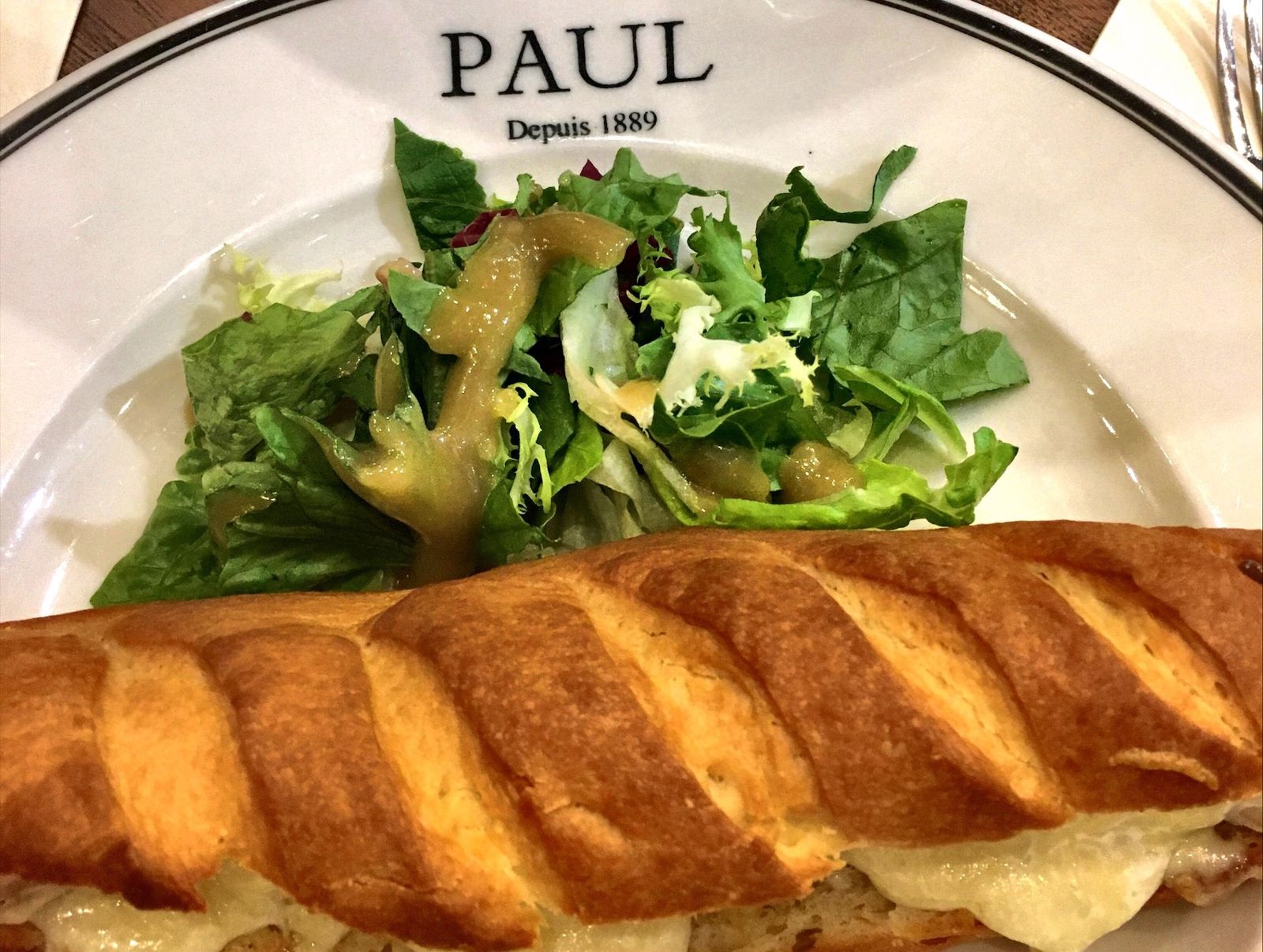
As soon as you walk in you can grab bread, sandwiches, pastries and the like from the counter and go, or you can find yourself a nice spot in the café and enjoy the wonderful flavours.
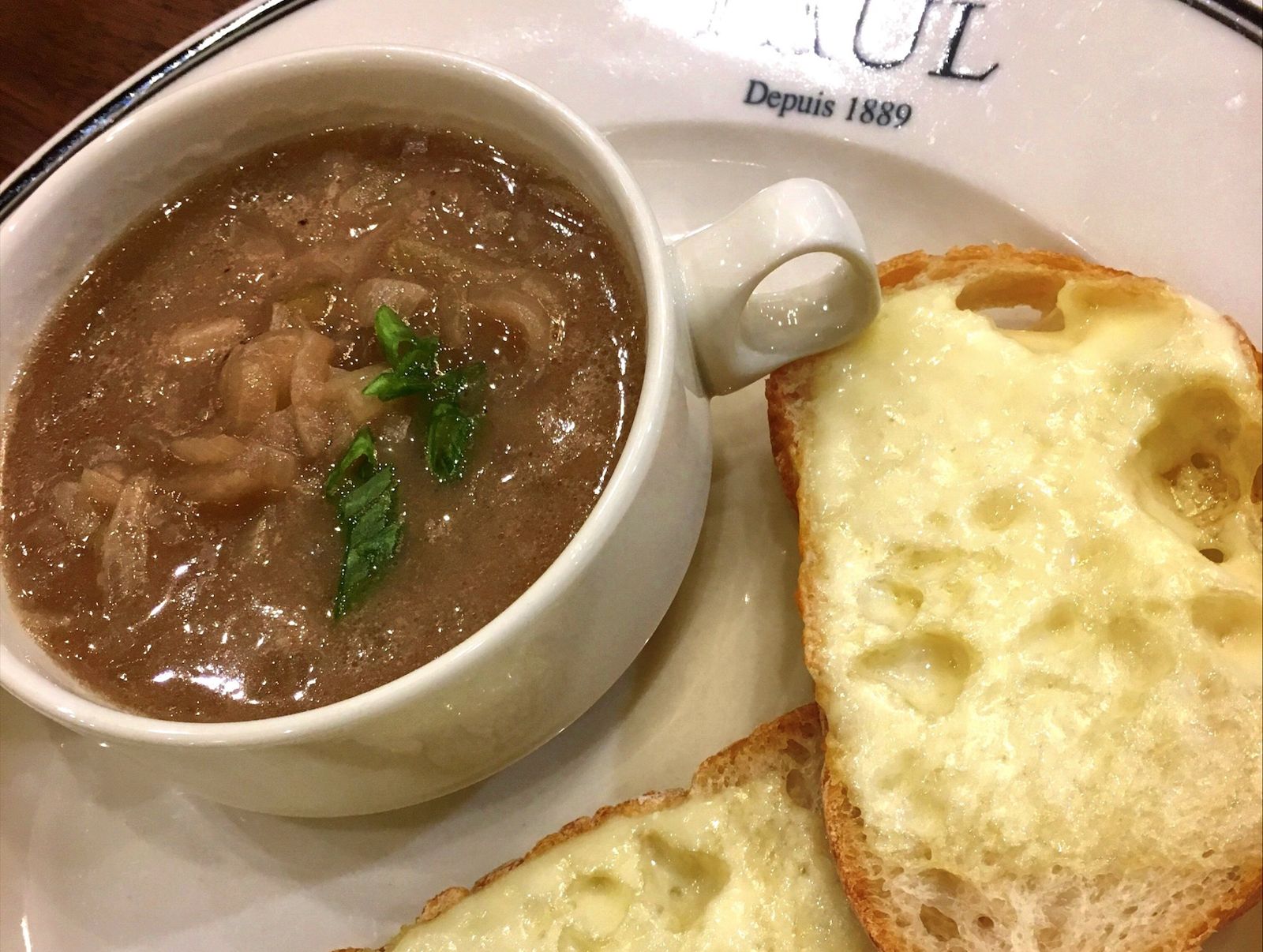
Paul has a huge breakfast menu and also wonderfully light dishes for lunch. Honestly, since we didn't like Russian cuisine much, we really enjoyed Paul Cafe.
Opening hours are 07.30 – 23.00 on weekdays and 09.00 – 23.00 at weekends.
Shopping in Moscow
Since the fall of communism, the influence of Moscow's new elite on the city, especially on shopping and entertainment, can be felt. Places once known for long queues and empty shelves have become shops of top brands. Moscow is one of the richest and most expensive cities in the world. Still, there are places to shop for every budget and purpose. Shops, open from 10 am to 11 pm, are spread all over the city and full of products waiting for buyers.
The first place to mention is GUM. Located on Red Square, GUM is Moscow's largest, most historic and most beautiful shopping centre. For many years this building was a covered bazaar of wooden shops and arcades for Russia; now it draws many tourists just for its historic building. With 1,200 shops, the centre has interesting and eye-catching products. I'd say it still keeps its old atmosphere. In the wooden shop windows they had recreated old-time shops with porcelain doll mannequins.
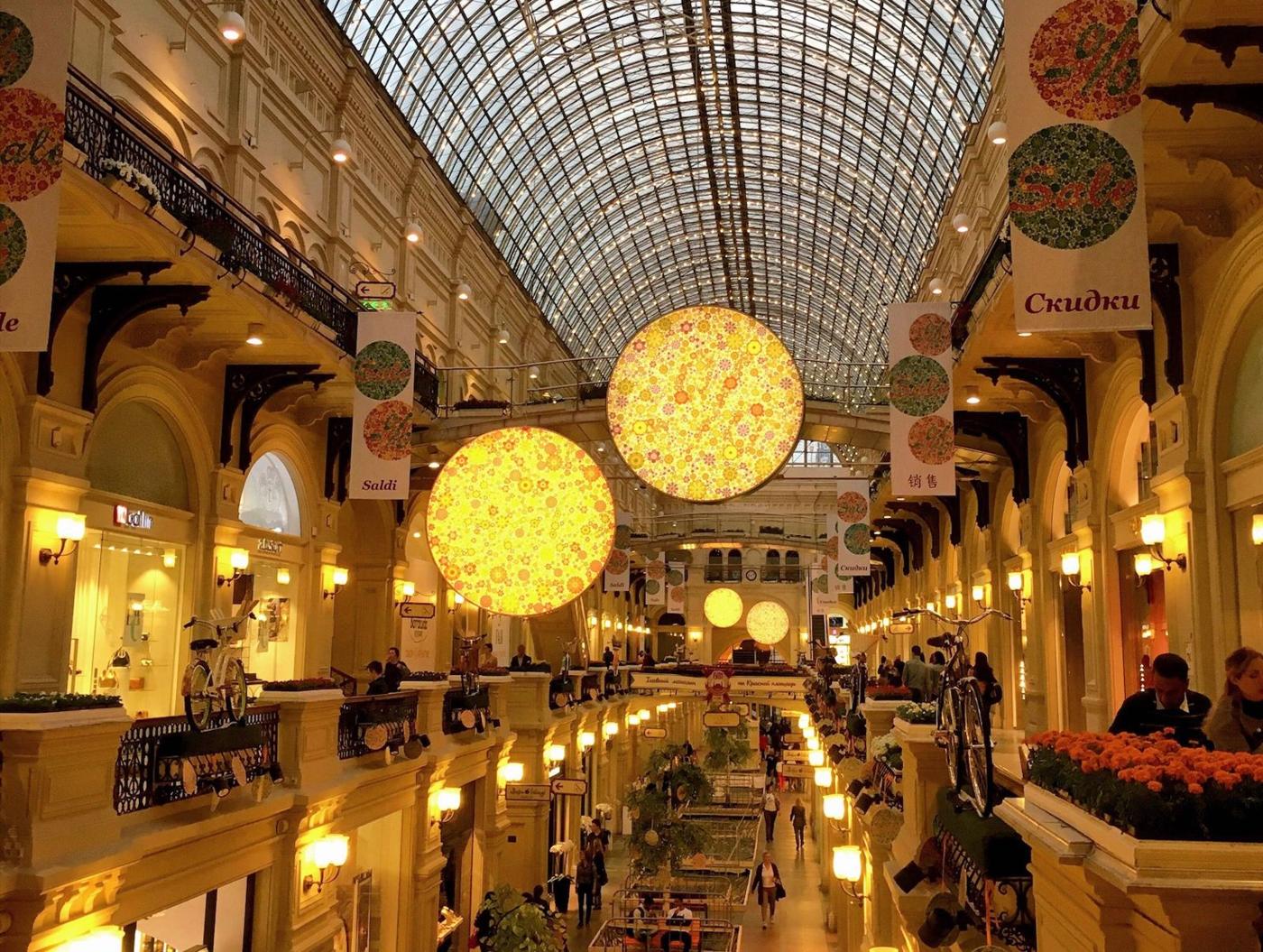
Moscow is known to be expensive, so for cheap shopping we recommend the Izmailovo Market. Everyday products and souvenirs typical of the city and the country can be found here at very good prices. The market is very flexible about bargaining, so don't give up on something just because it's expensive; sometimes they'll knock off half the price.
Moscow Currency?
Moscow's currency is the Russian rouble. As of June 2017, 1 TL equals 16-17 Russian roubles.
Useful Information for Moscow
Although Moscow has become a more tourist-friendly city in the last 5-10 years, we can't say there are no dangers. There are a few points worth keeping in mind to understand and avoid them. First, it is a very crowded city, and public transport in particular is where the crowds concentrate. Crowds bring risks such as pickpocketing.
Second, it is a city that lives 24 hours a day. Even though the crowds thin out at night, a cosmopolitan bustle carries on in every sense. As in every city, drunk people coming back from the lively nightlife are a potential risk.
Fire: 101
Police: 102
Ambulance: 103
Emergency: 112
Do You Need a Visa for Moscow?
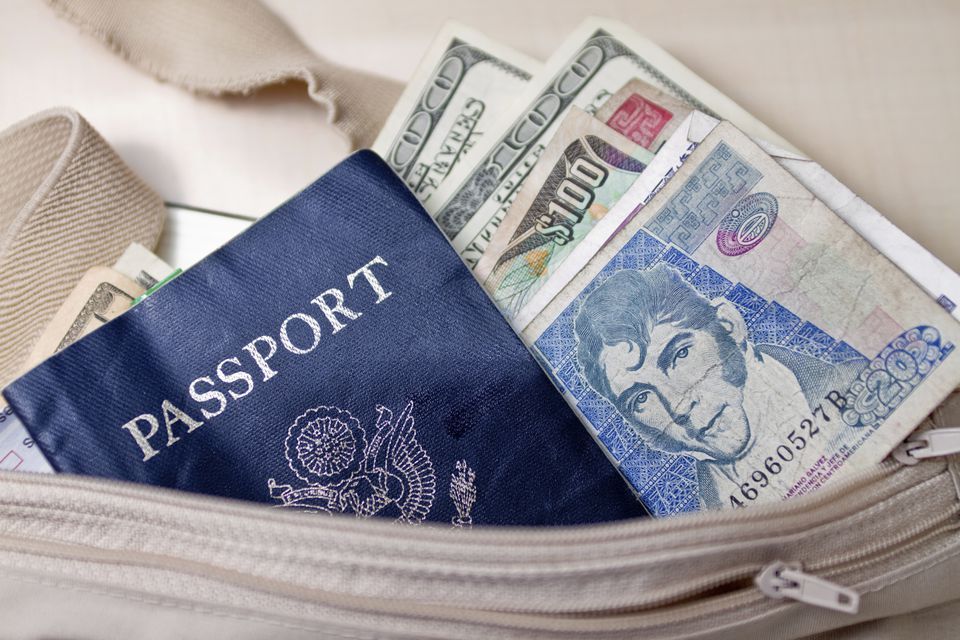
Yes, you need a visa to travel to Russia. On 12 May 2010 the Russian Federation and the Republic of Turkey signed a mutual visa exemption agreement. After that, the Russian visa was lifted and Russia no longer required visas from Turkish citizens.
This arrangement was interrupted in November 2015, when Turkey shot down a Russian plane said to have violated Turkey's borders. According to the announcement, a Russian visa has been mandatory again since 1 January 2016.
About the Russian visa application, click here for details.
Cycling in Moscow
Moscow's bike rental system, launched in 2013, started with 30 stations and 220 bikes in its first year. With rising demand it grew to 150 stations and 1,200 bikes.
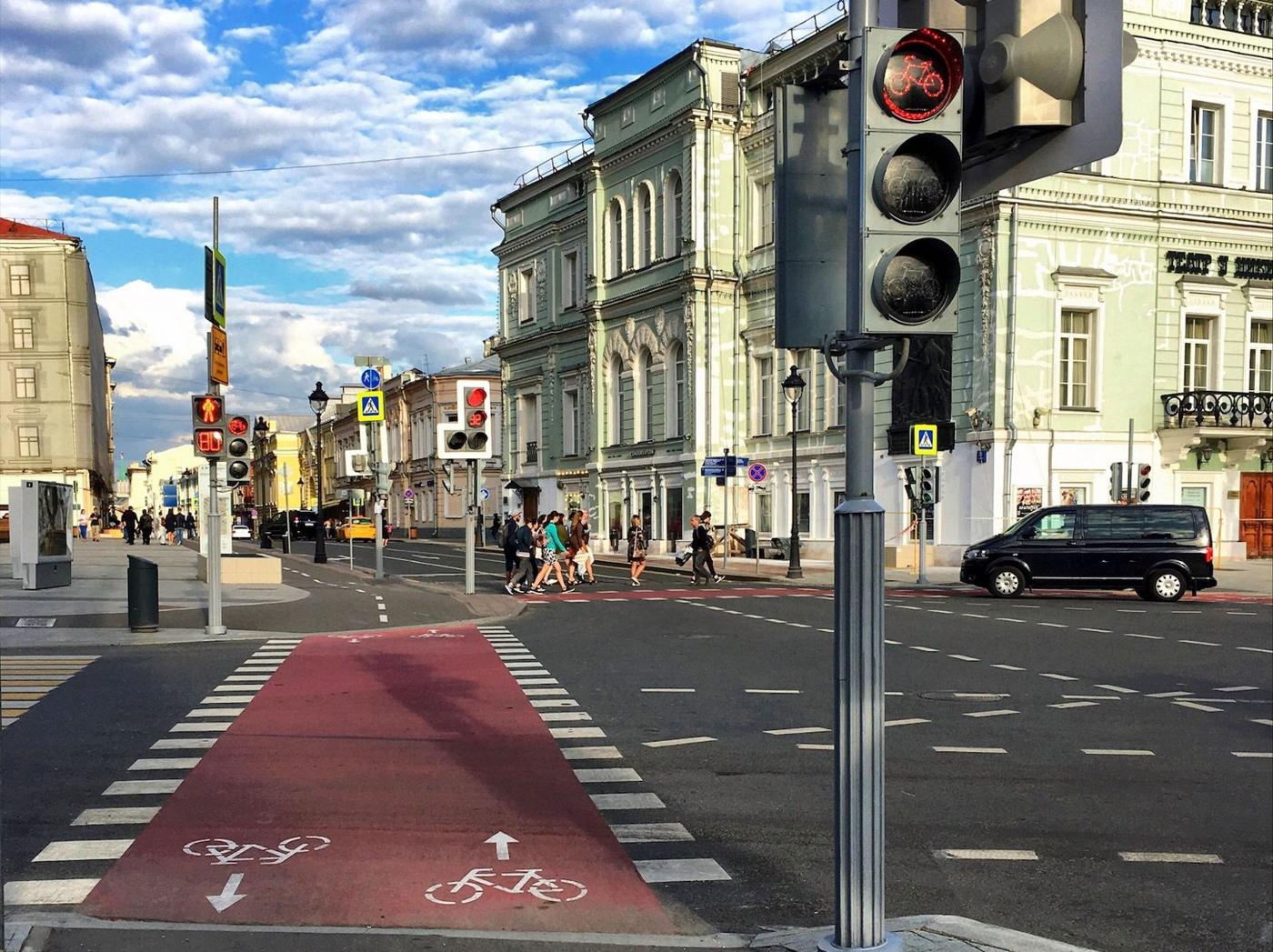
Bike stations, where you can rent a bike for 150 roubles a day or 600 roubles a month, are almost everywhere in the city and at metro stops.
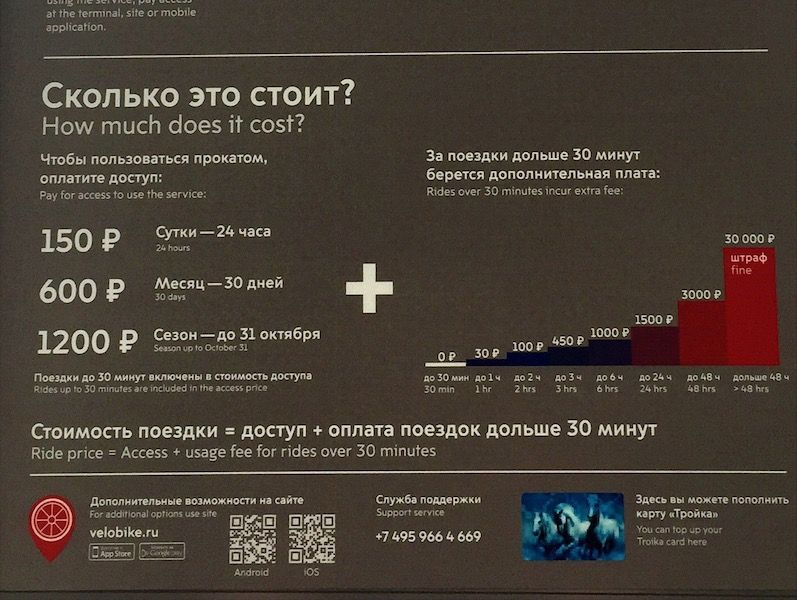
Just like we complain in Istanbul, Moscow cyclists complain that the city doesn't do enough to promote cycling as transport, and that instead of building bike lanes in the city it builds small, narrow paths inside parks.
Russian has two words for riding a bike: "katatsya" and "ezdit".
The first means cycling for fun and recreation, the second means cycling to get somewhere. Since Moscow officials generally treat cycling as recreation, people are quite angry about it.
 756 km
 875 km
 892 km